
Blue Passion Flower (Passiflora caerulea) seeds
- The Blue Passion Flower has fascinating blossoms and the herb is used as a mood-lifting natural remedy. It's one of the most robust and cold-tolerating Passiflora varieties.
- Contents: Approx. 10 seeds
- Open-pollinated variety, seed tested regularly
€2.39
Description
Fascinating Flowering Plant with History and Benefits
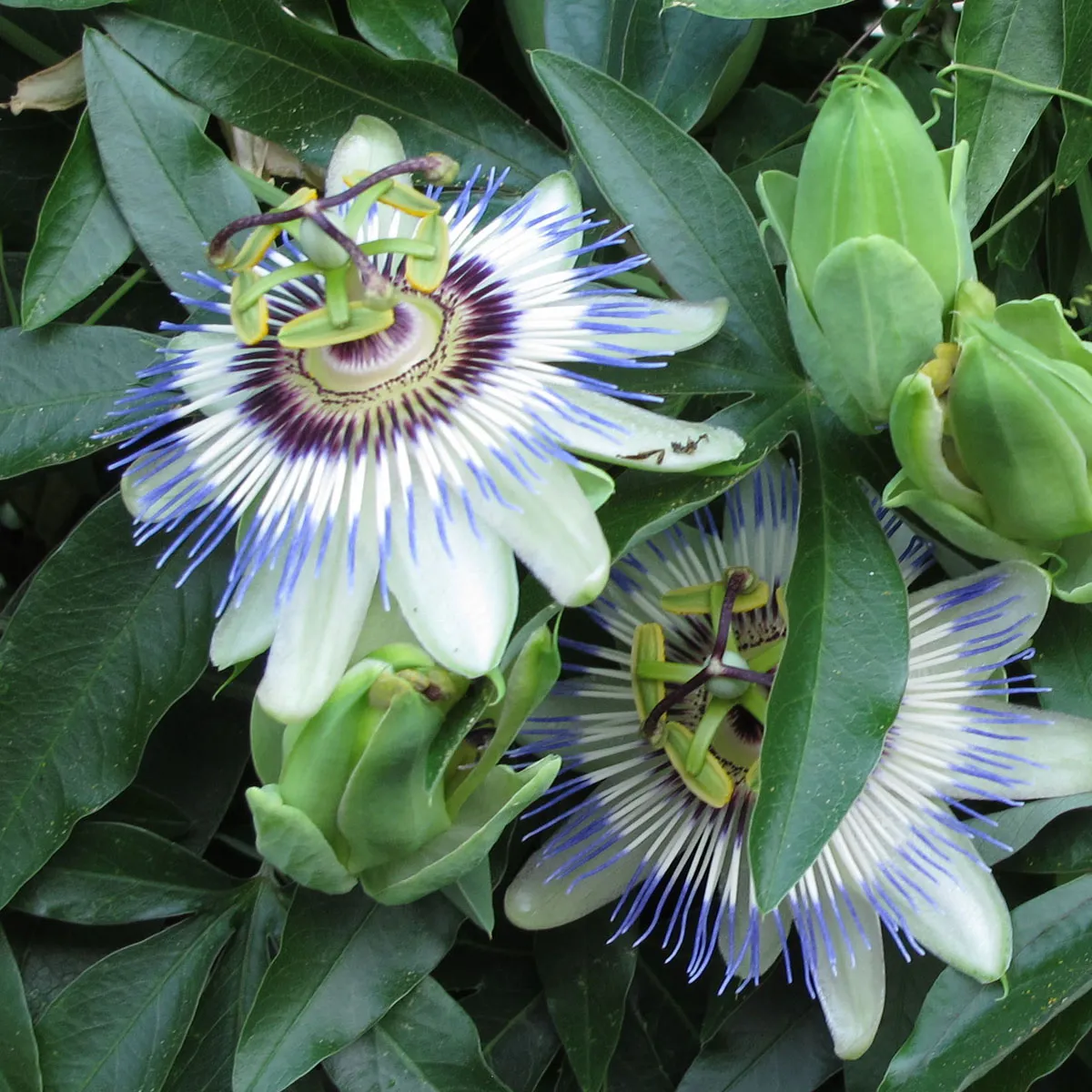
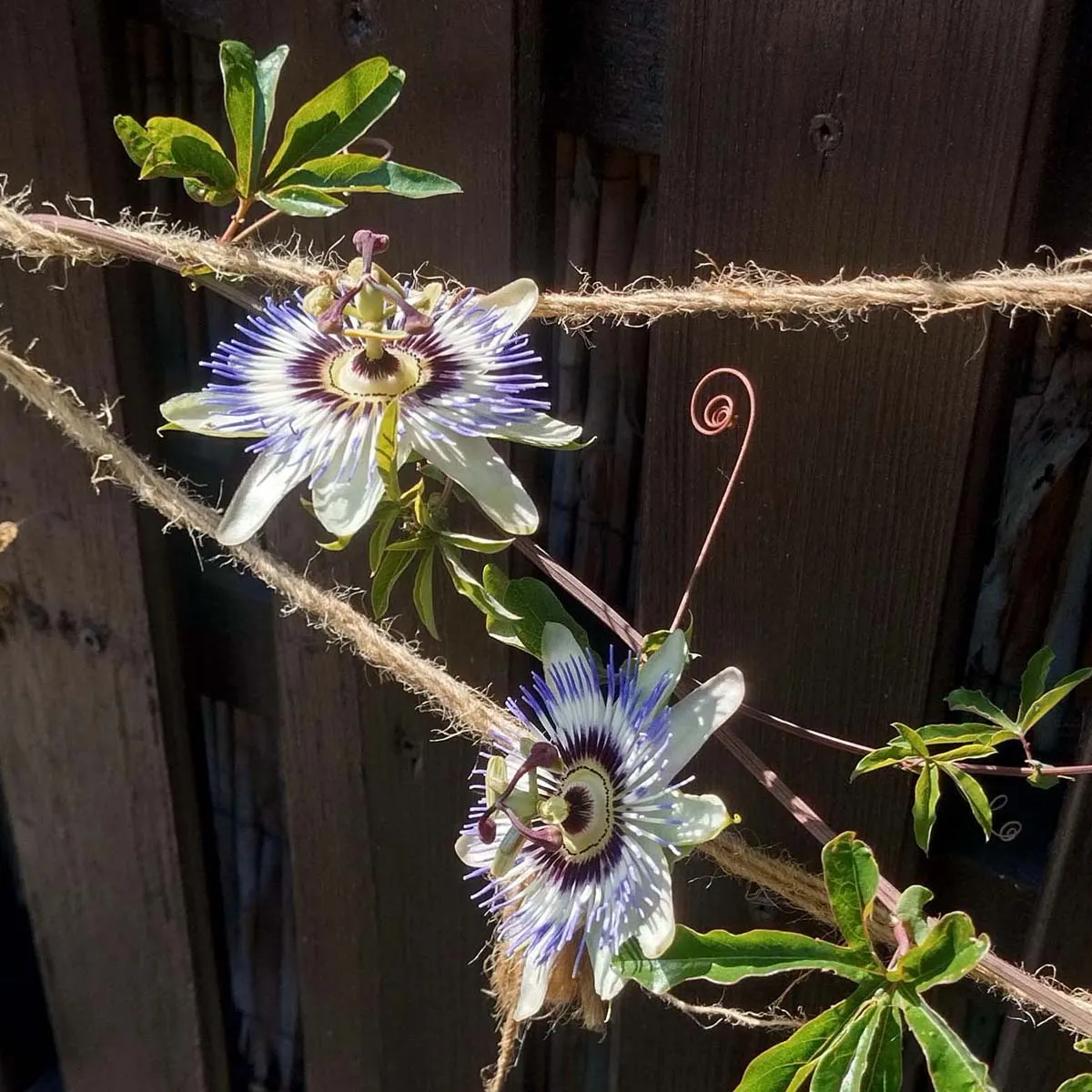
The Blue Passionflower (Passiflora caerulea) is an exotic-looking, fast-growing climbing plant native to the subtropical regions of South America – particularly Argentina and Brazil. It was introduced to Europe as early as the 16th century, where its spectacular flower form inspired Christian missionaries to name it “passion flower”: the various parts of the bloom were interpreted as symbols of Christ’s Passion.
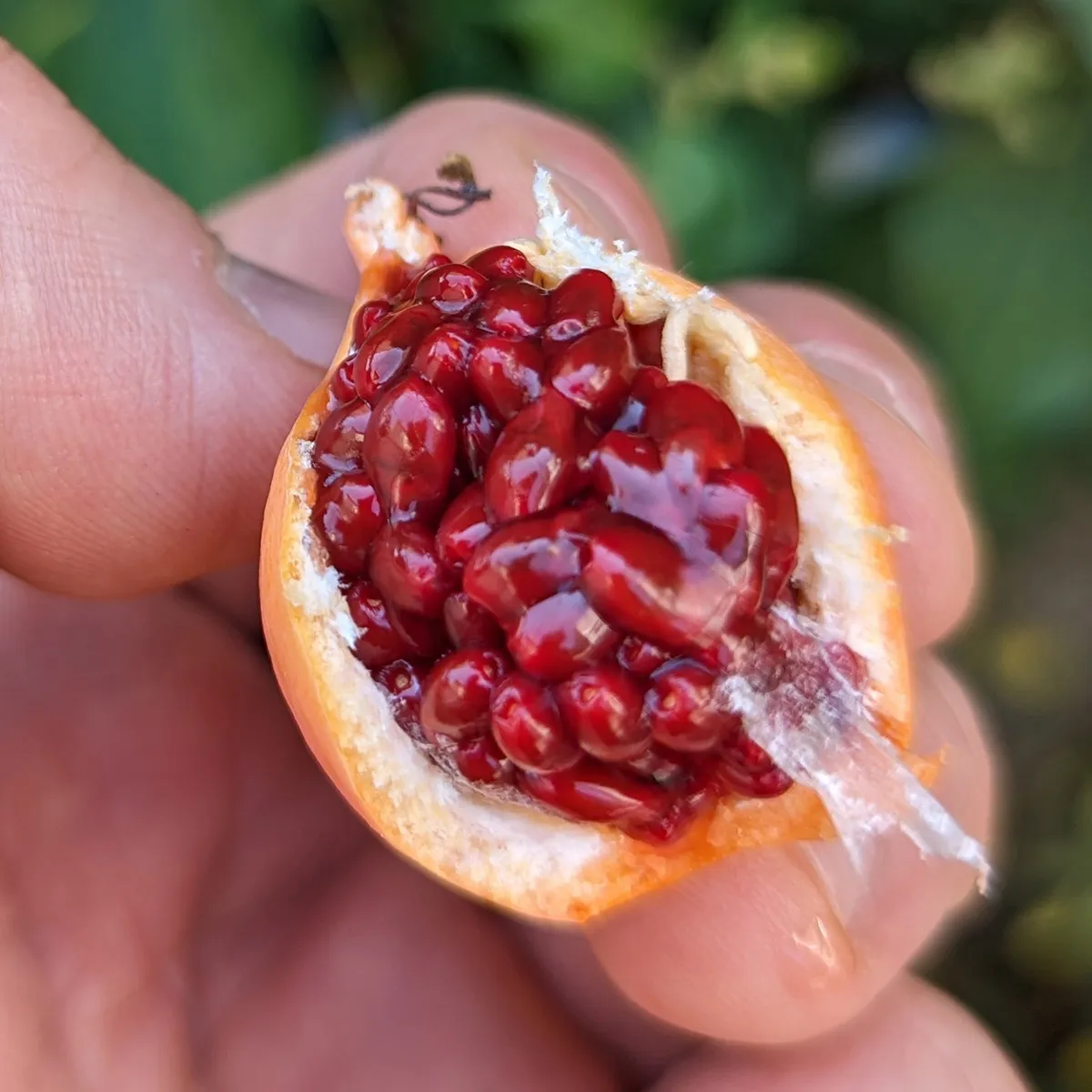
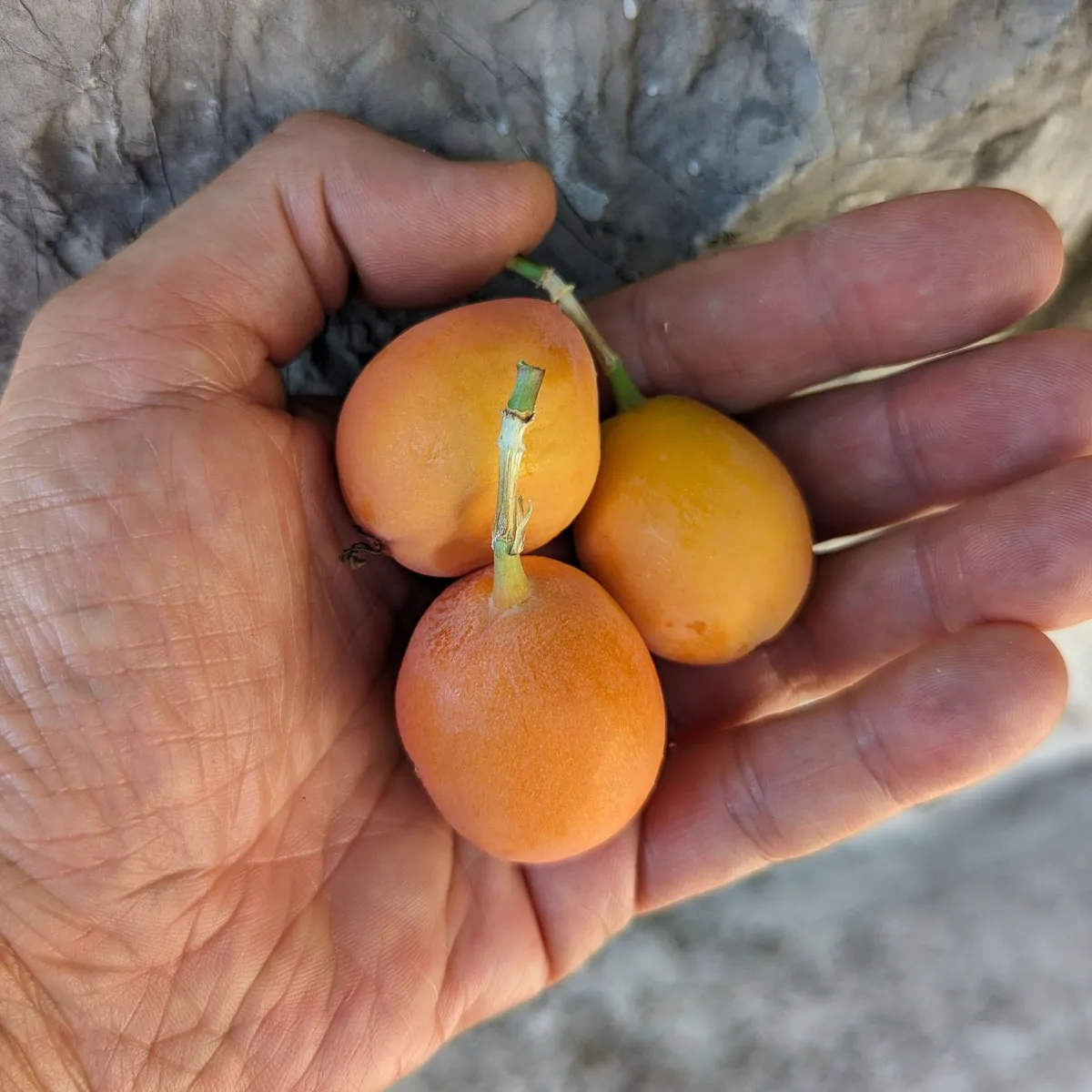
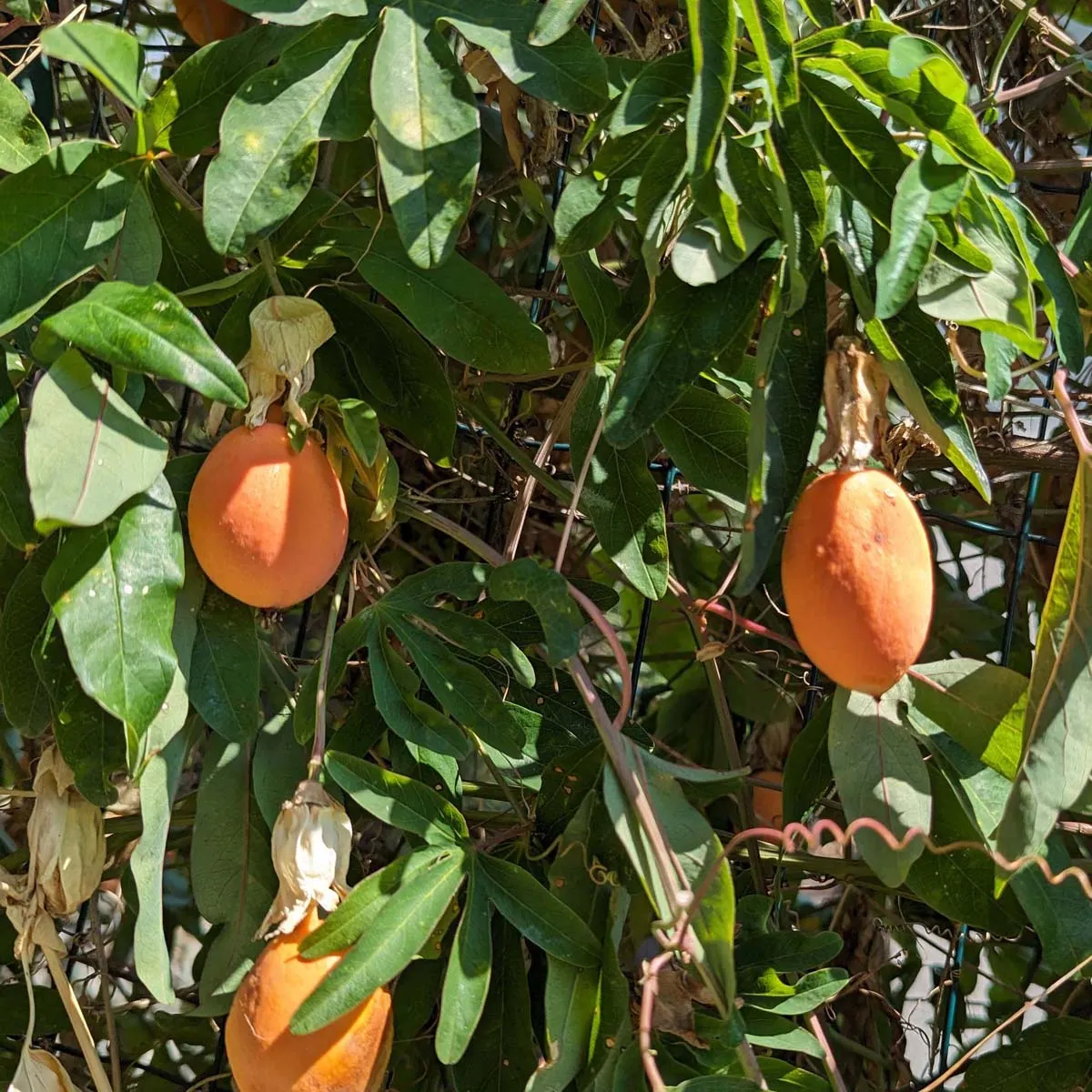
Passiflora caerulea produces exceptionally striking blue and white flowers with a prominent corona, blooming from June to October. These are followed by egg-shaped, orange fruits that are edible, though relatively mild in flavour. The soft, jelly-like pulp can be scooped out and eaten fresh; however, the skin should not be consumed. While its flavour cannot rival that of the passion fruit (Passiflora edulis), the fruit of the Blue Passionflower is nonetheless a decorative and edible addition to the garden.
In addition to its ornamental and culinary appeal, the plant is also valued for its calming and mood-lifting properties. In traditional herbal medicine, the herb of certain passionflower species is used as a natural remedy for restlessness and sleep disorders. An infusion made from it produces a pleasantly mild to slightly smoky tea, commonly enjoyed for evening relaxation.
The Blue Passionflower is a perennial climbing plant that can grow up to 5 metres tall and requires support for climbing. It can be cultivated successfully as a houseplant or container plant, and is also suitable for balconies, greenhouses, or sheltered outdoor locations. Young plants tolerate temperatures down to –15?°C, with mature specimens being even more cold-hardy – with proper winter protection, it can overwinter outdoors in many parts of Central Europe.
Plant profile
| Lifecycle | Hardy, Perennial |
|---|---|
| Species | Passifloraceae |
| Eventual height | 2-10 m |
| Flower colour | Blue, White |
| Flowering months | August, July, September |
| Main harvest | August, October, September |
Growing instructions
| Sowing depth | 1 cm |
|---|---|
| Germination temperature | 22-28°C |
| Germination time | 2-6 weeks |
| Sunlight | Full sun |
| Planting distance | 100 cm |
Sowing and care
Sowing and Care of Passiflora caerulea
Sowing should be carried out in spring at a consistent temperature between 20 and 25?°C. Seeds require a warm, humid environment and typically germinate within 2 to 4 weeks.
- Location: Bright, sunny, and sheltered from the wind
- Soil: Well-drained, humus-rich and fertile
- Watering: Regularly, but avoid waterlogging
- Feeding: Every 2 weeks during the growing season
- Support: A climbing aid is essential
- Overwintering: Outdoors with frost protection, or indoors in a bright and cool spot (5–10?°C)
With its extraordinary flowers, decorative fruits, historical significance and multiple uses, Passiflora caerulea is a fascinating and rewarding plant for garden enthusiasts, herbal remedy users and balcony gardeners alike.
Other names
Botanical name: Passiflora caerulea, P. loureiroi
Login
spriesfreudig
sehr langsam gekeimt aber spießt und wächst nun sehr schnell
hohe Keimfähigkeit
Ich bin erstaunt dass fast alle gekeimt sind. ich weiß garnicht wohin damit wenn alle groß sind. hoffe das werden sie :o)