
Ethnobotanical plant seeds - cultural history grown from seed
Ethnobotanical plants tell stories of the ancient connection between humans and the plant world. Used as medicinal plants, spices, dye plants, incense plants, ritual plants, protective plants and crop plants, in many cultures they are deeply interwoven with folklore, symbolism and everyday life. When you sow ethnobotanical seeds you’re dealing not just with plants but with cultural history, botanical knowledge and the special role certain species have played for humanity through the centuries.
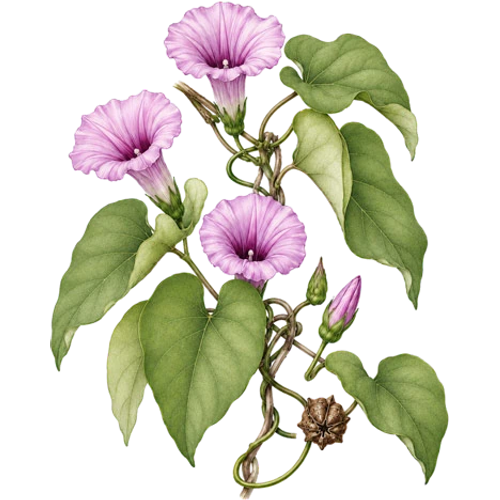
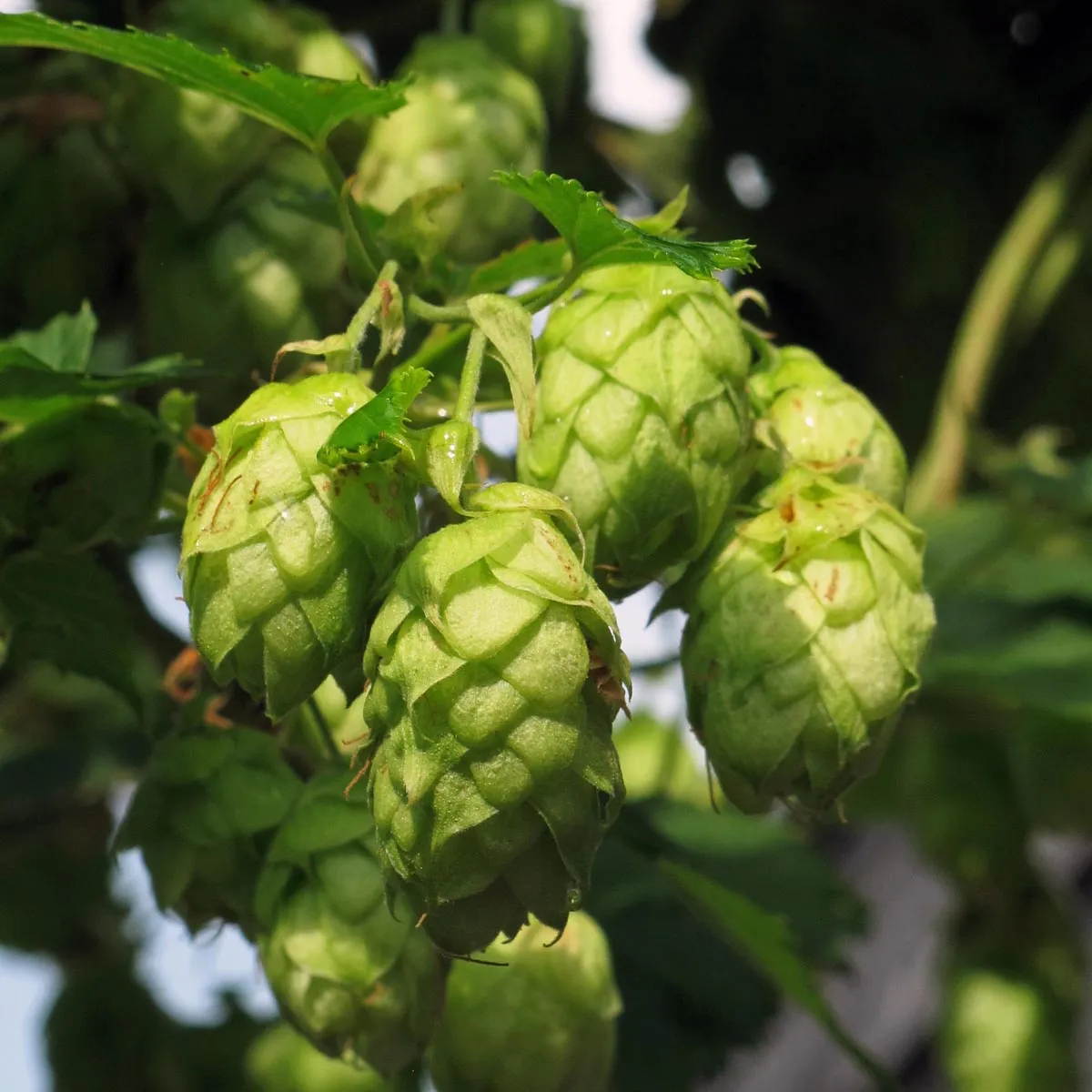
In this category you’ll find seeds for key ethnobotanical plants: historic medicinal plants, unusual herbs, traditional crop plants, magical plants, ritual plants and botanical rarities from various parts of the globe. Many of these species are more than just standard garden plants, they’re plants with history – linked with folk medicine, mythology, spirituality, traditional crafts, cooking, agriculture or traditional plant lore.
Ethnobotany explores the connections between plants and human cultures, investigating how humans have used, named, honoured, feared and shared plants. Some plants have provided food, fibres, dyestuffs or building materials. Others were gathered as medicinal plants, used in rituals or valued as protective or magical plants. It’s this diversity of use that makes ethnobotanical plants so fascinating.
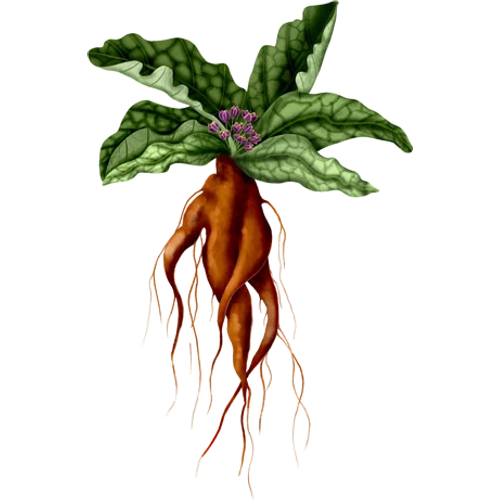
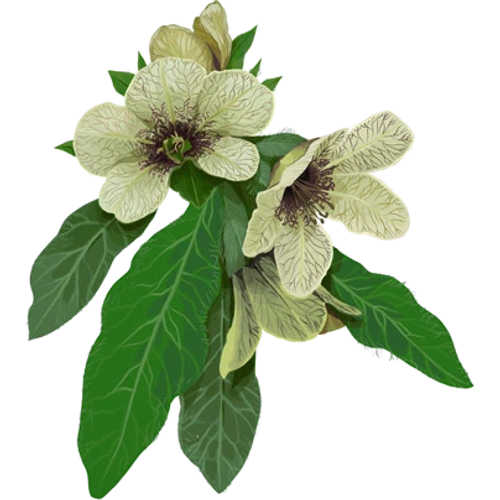
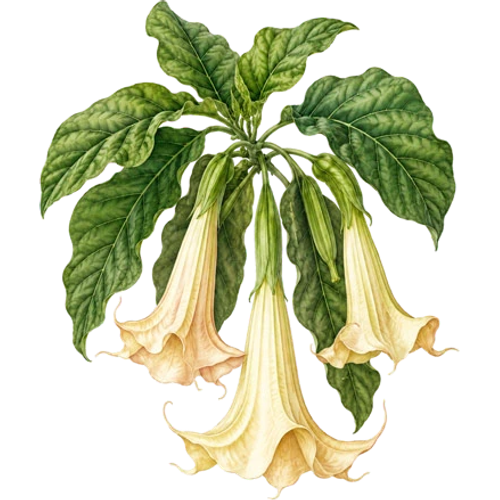
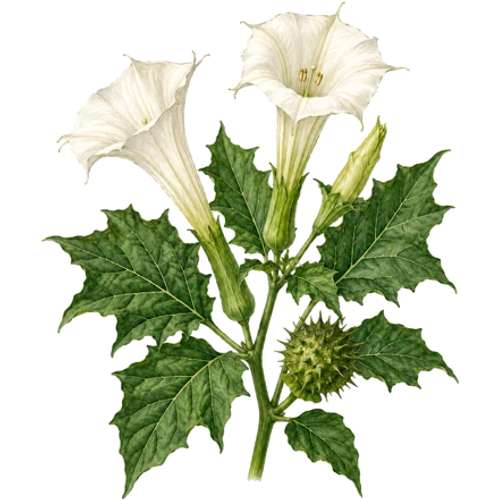
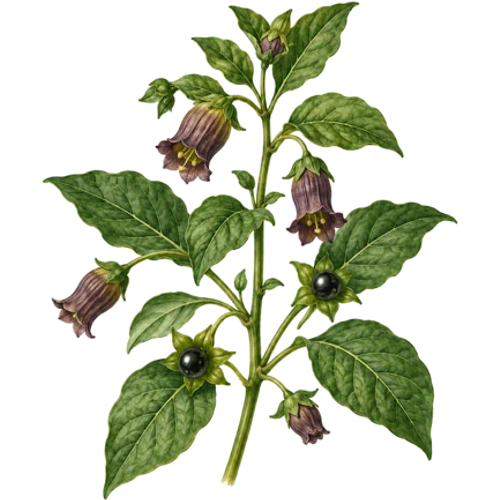
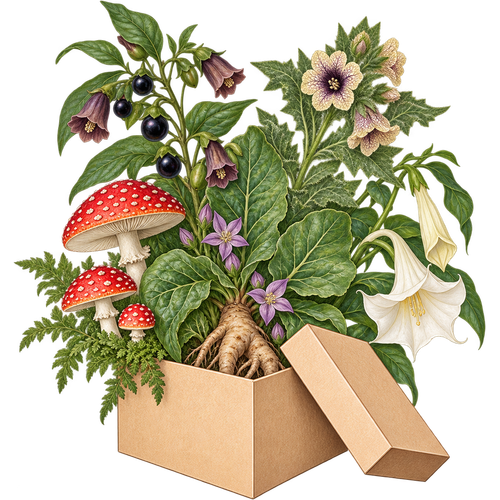
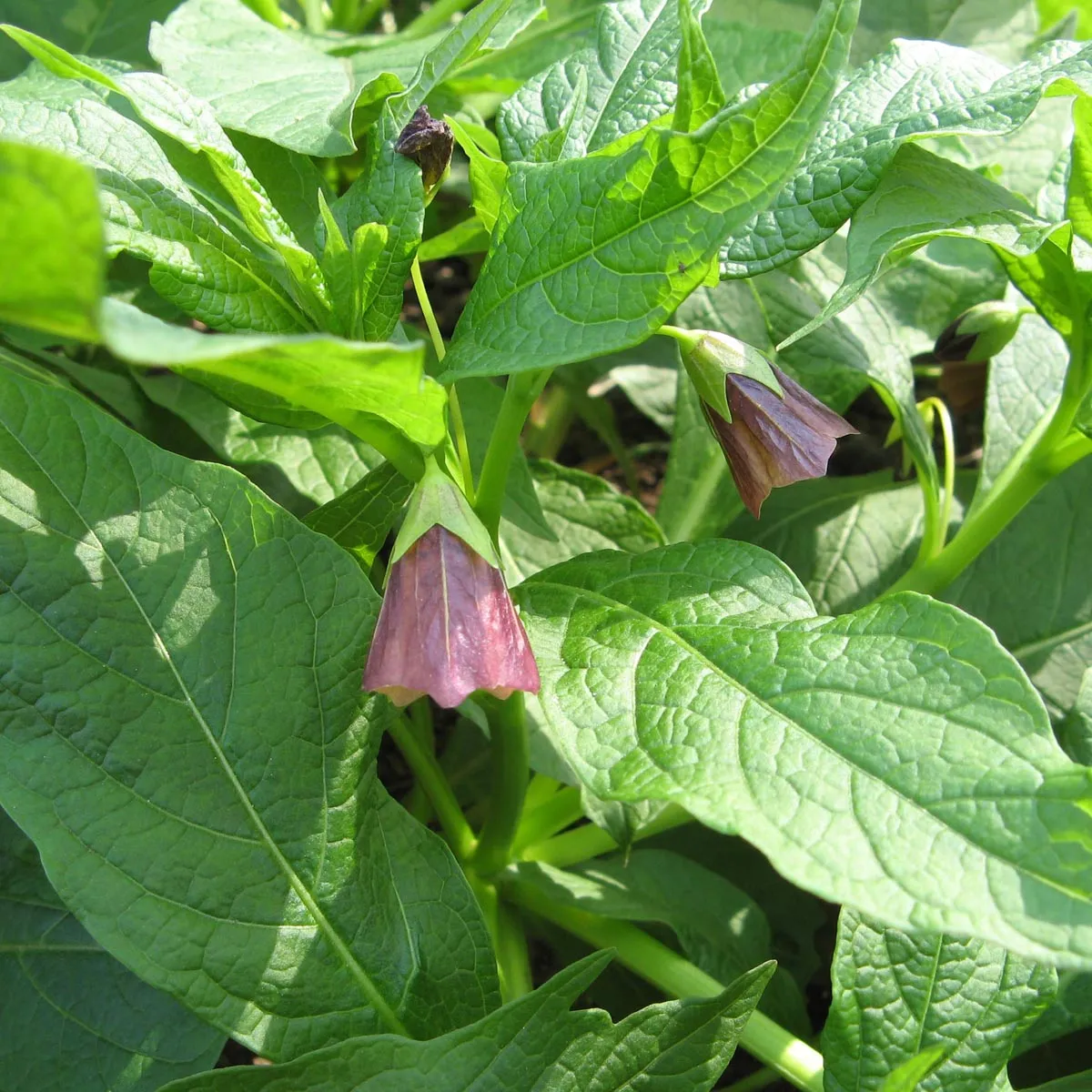
Magic Garden Seeds has had a special interest in unusual, rare and culturally important plants for many years. Alongside traditional herbs and medicinal plants we also offer seeds for unusual plants like mandrakes, henbanes, thorn apple, historic medicinal plants and magical plant mixtures. Some of these plants are botanically fascinating, others are highly poisonous or powerfully effective – so they should all be cultivated with respect, understanding and responsibility.
The unique appeal of ethnobotanical seeds is growing plants yourself that have played a special role in old herbal manuals, myths, traditional herbal medicine or ethnobotanical collections. One little seed can produce a plant that speaks to us of centuries-old knowledge, cultural significance and botanical diversity.
- Ethnobotanical plant seeds for historic medicinal plants, herbs, ritual plants and botanical rarities
- Special selection for anyone interested in plant lore, cultural history, old crop plants and magical plants
- Seeds for unusual species like mandrakes, henbanes, thorn apple and other culturally important plants
This category is dedicated to curious gardeners, collectors, herbalists and anyone who sees plants as more than just ornaments – as living witnesses of human cultural history.
Note: Some ethnobotanical plants are powerfully effective or poisonous. The information provided in this category relates to their botanical and historical context and does not constitute any recommendation for their internal or external use or application.

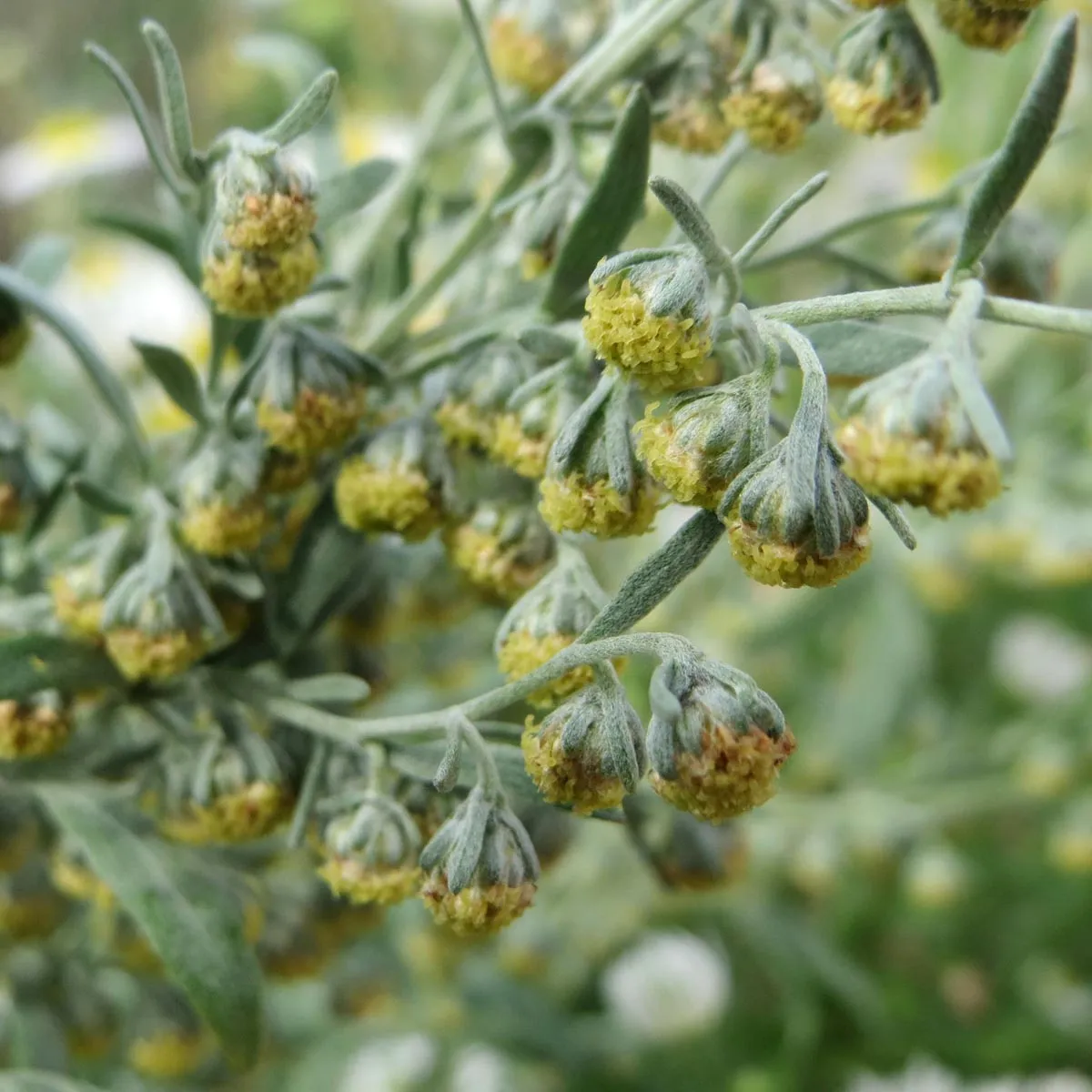
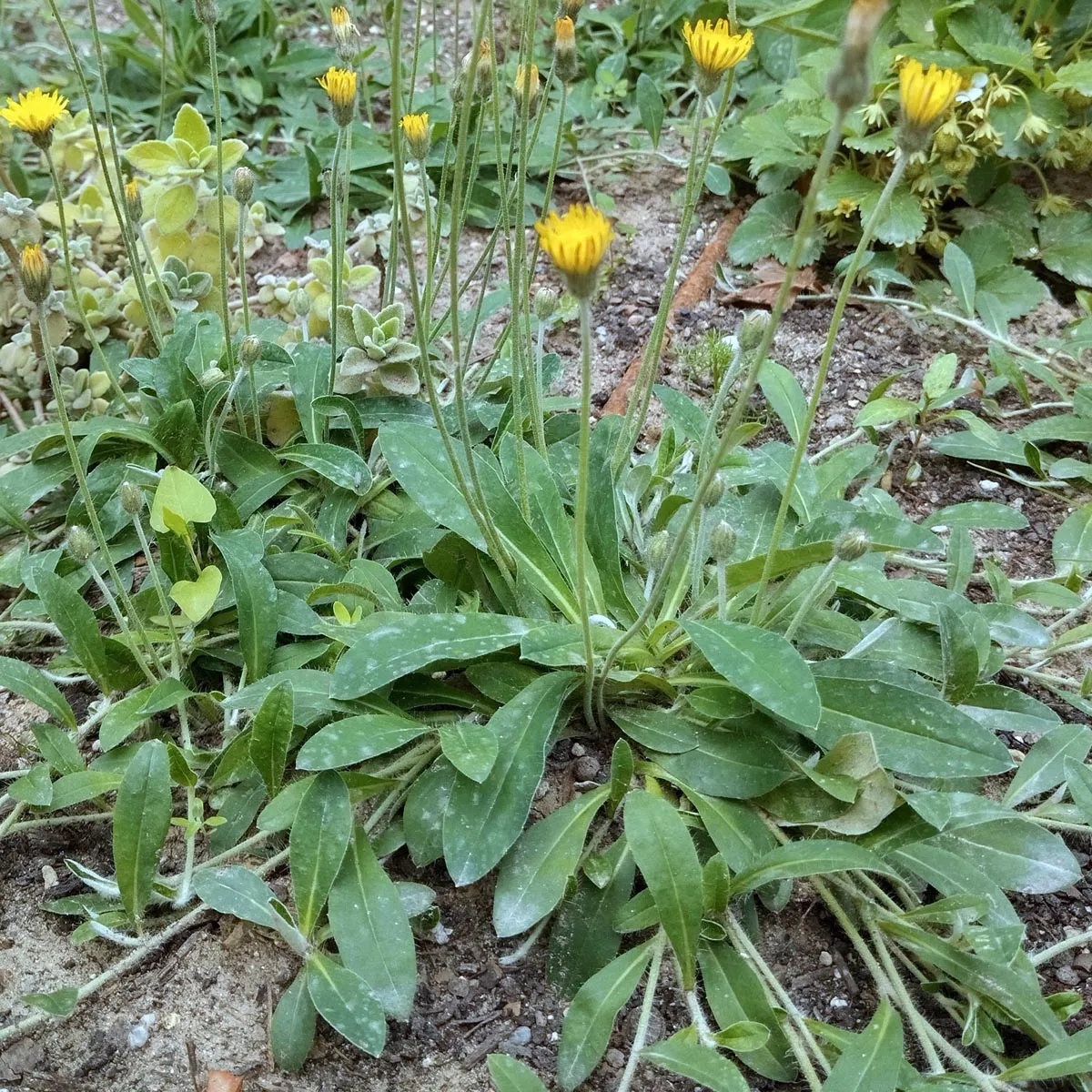
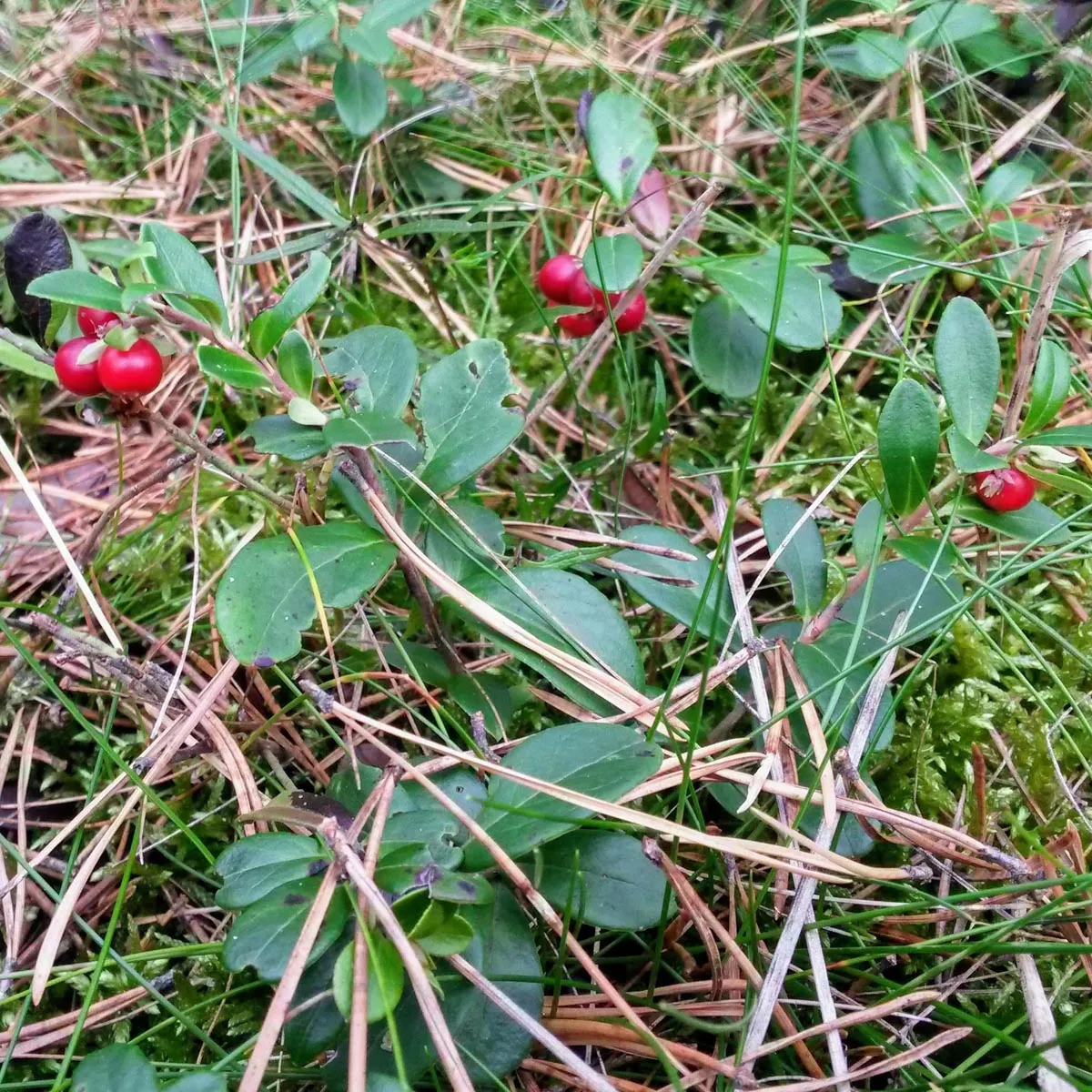
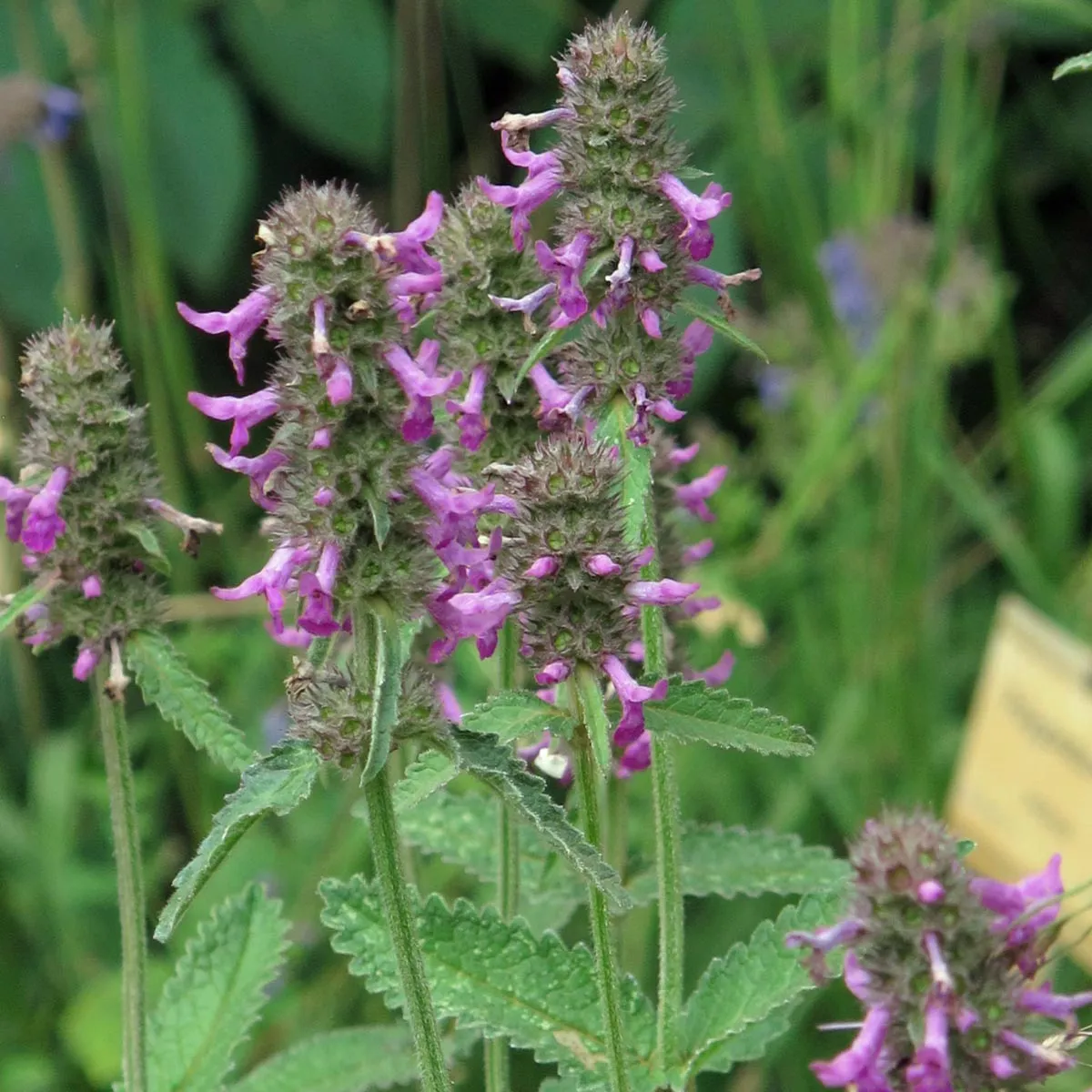
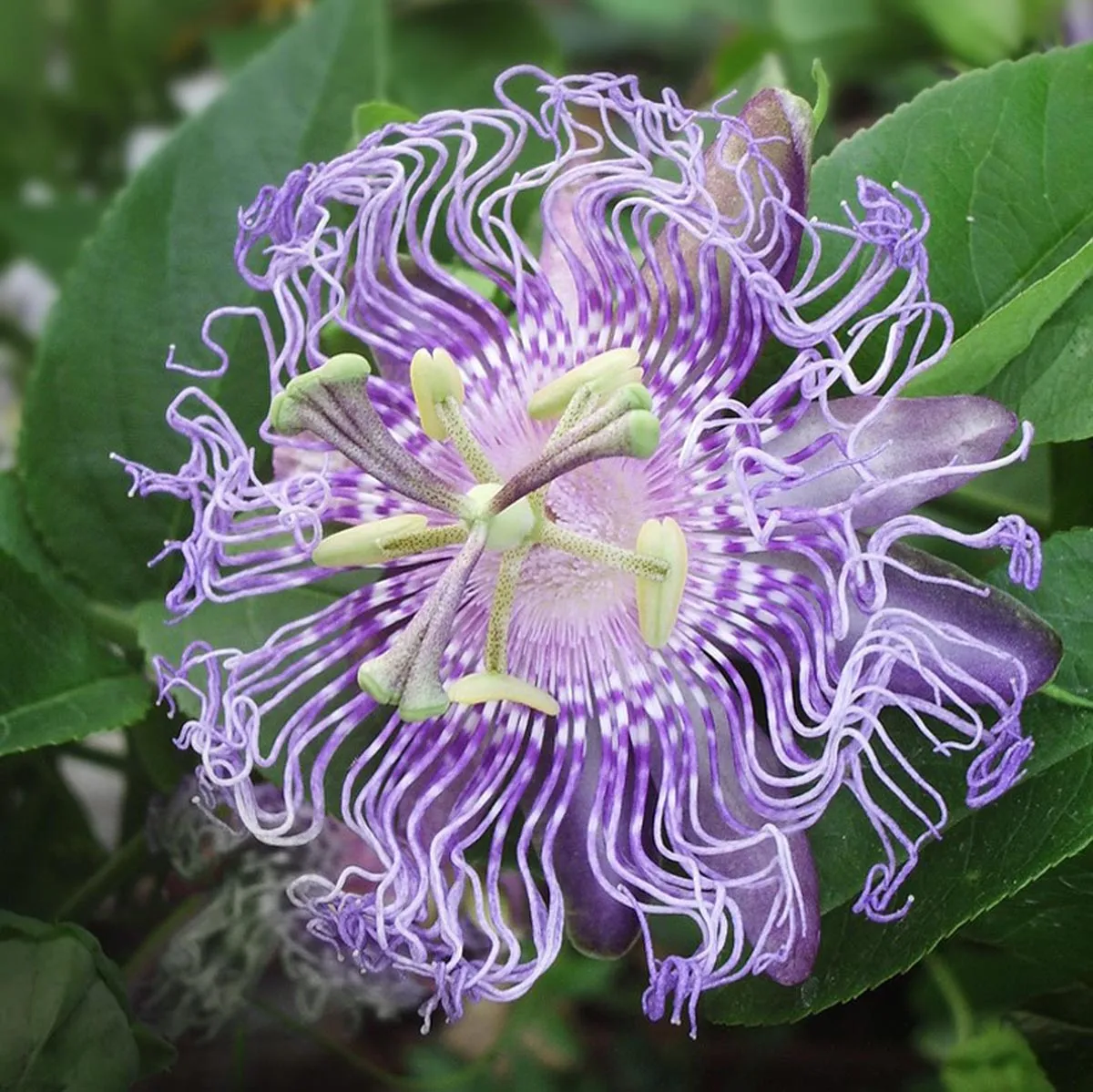
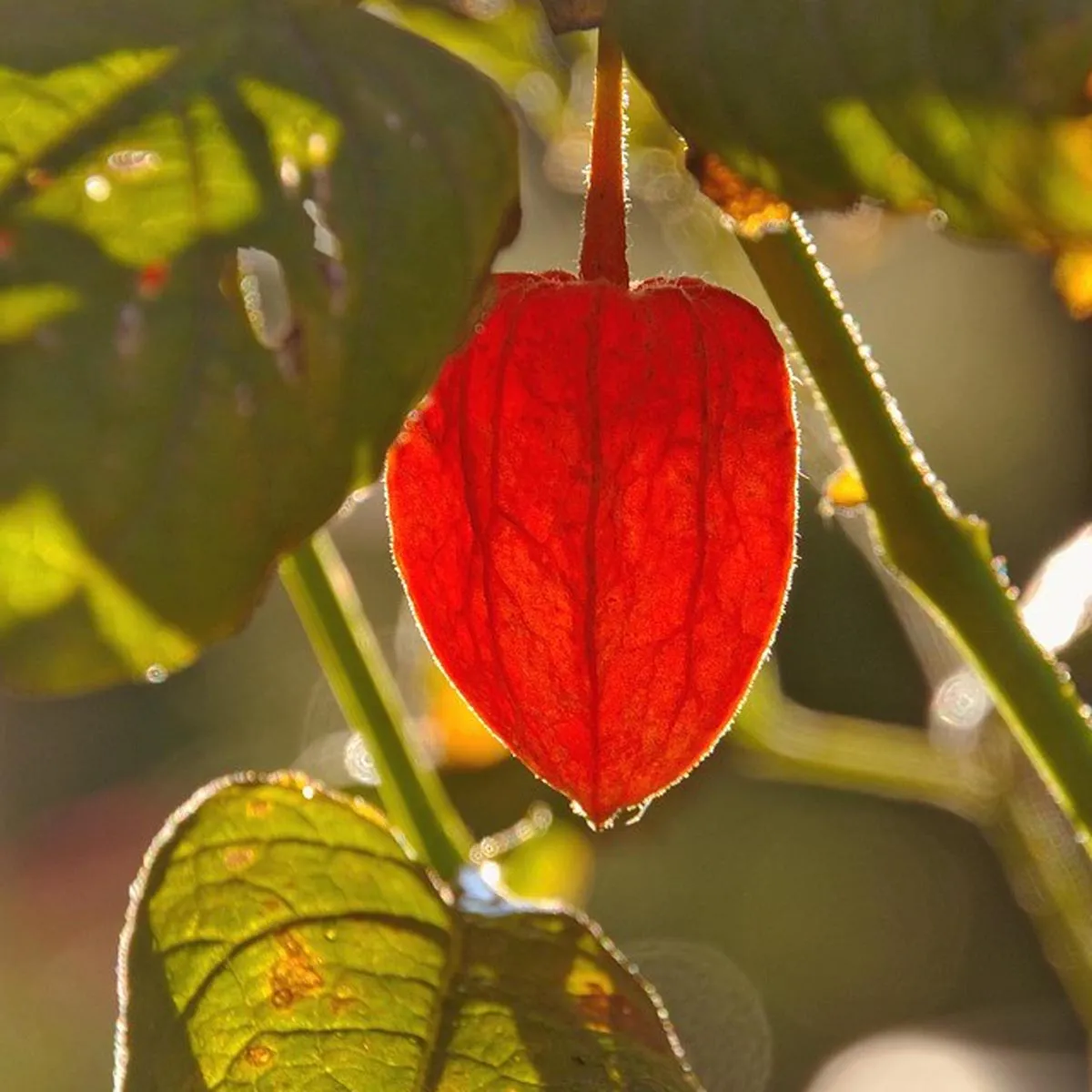
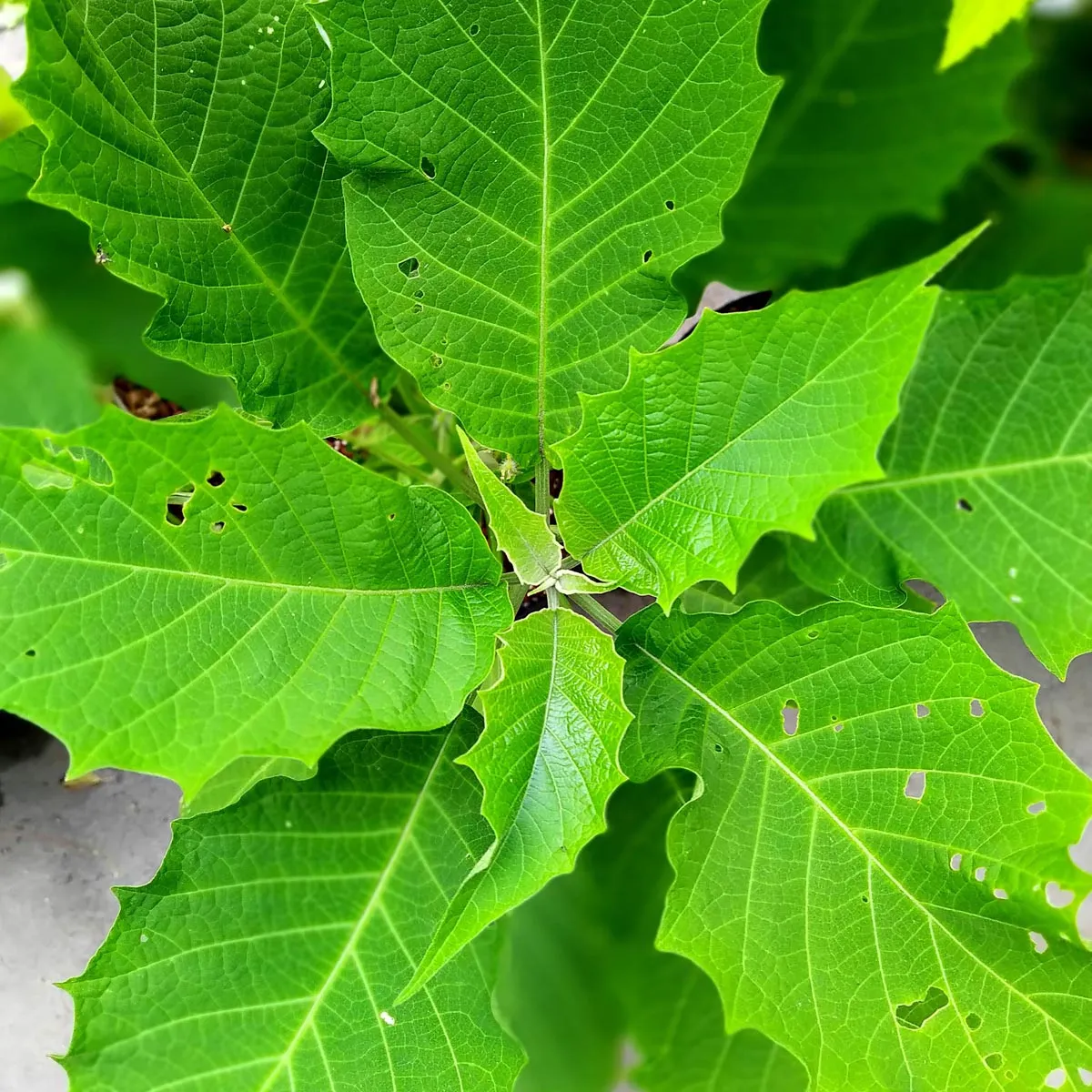
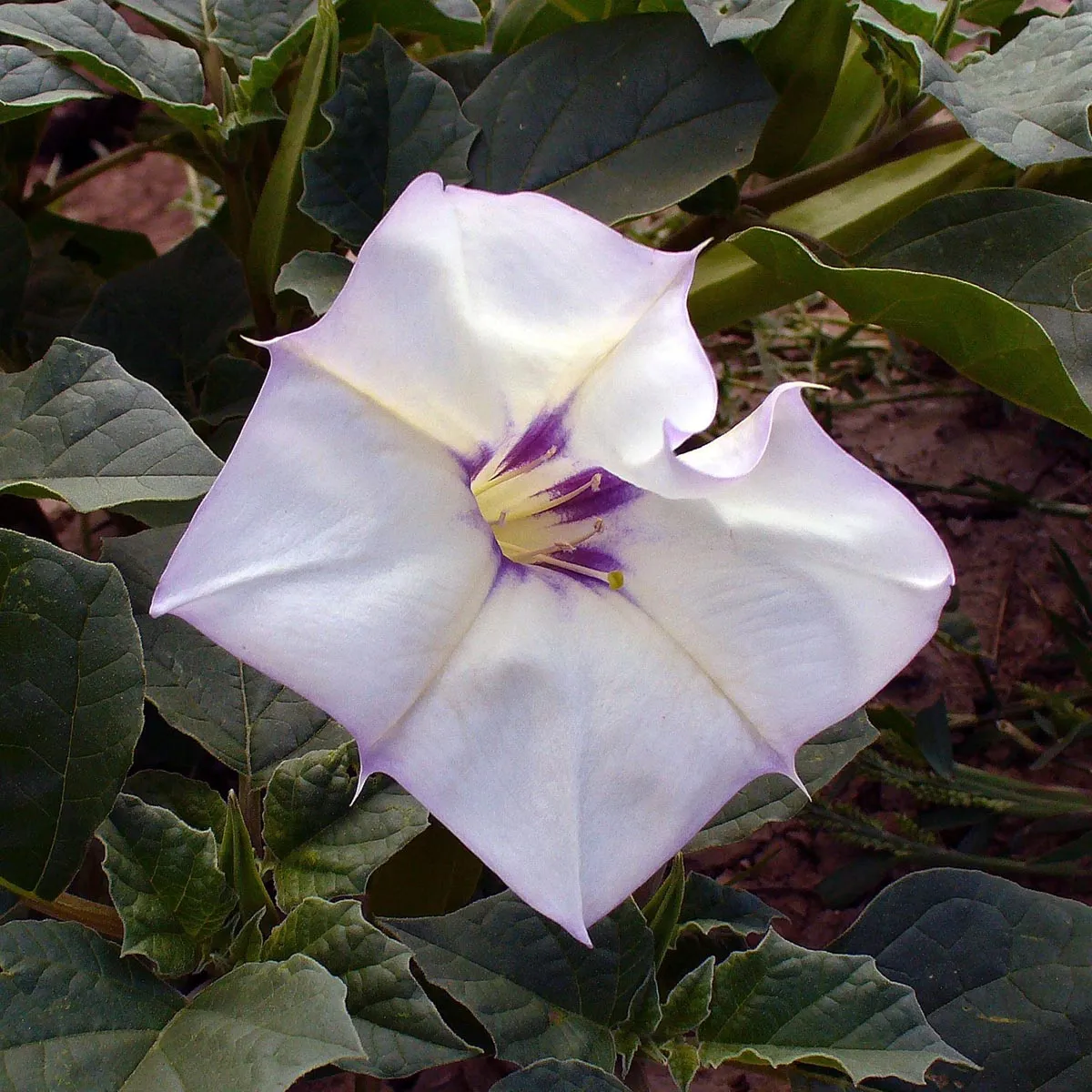
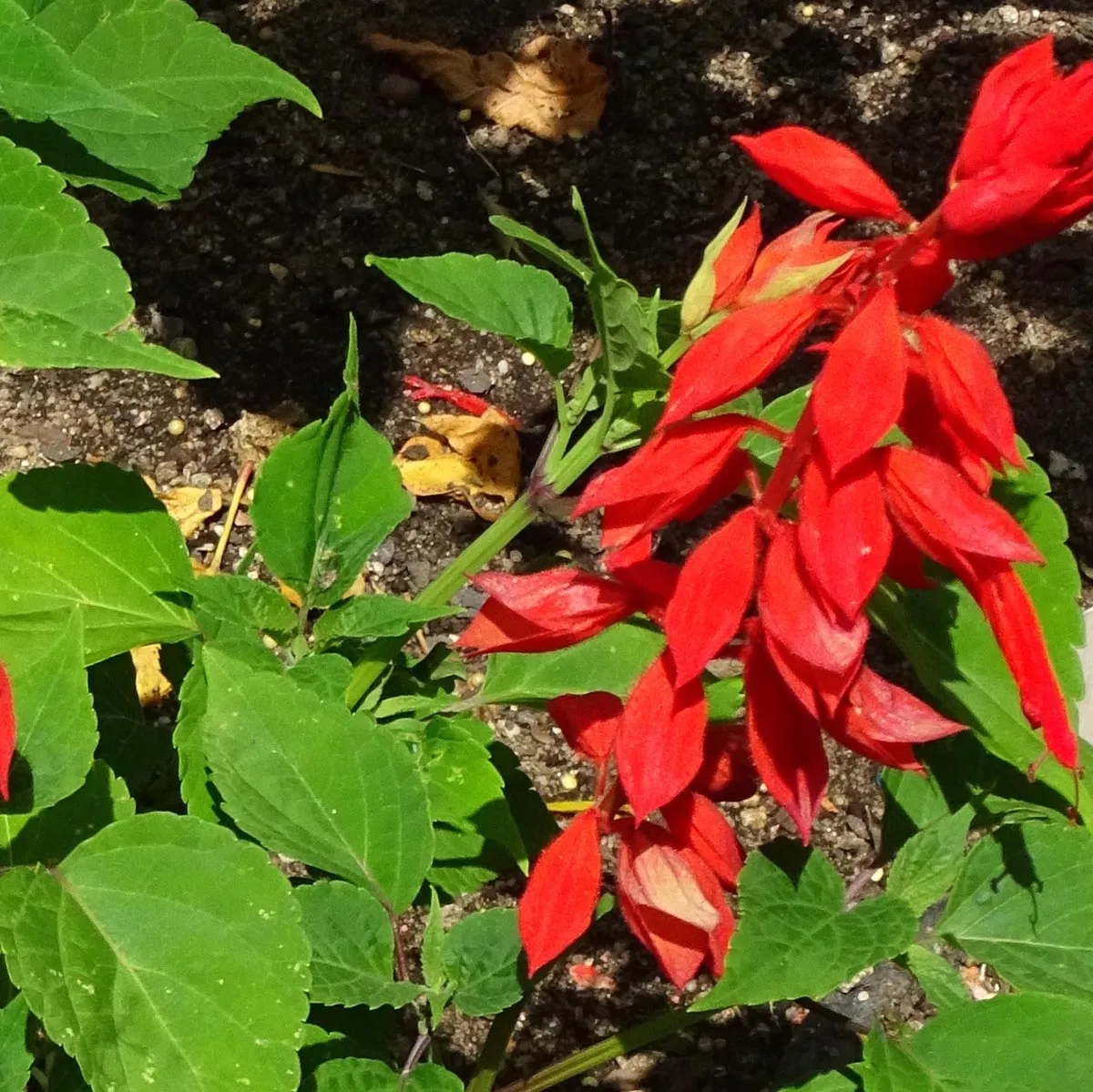
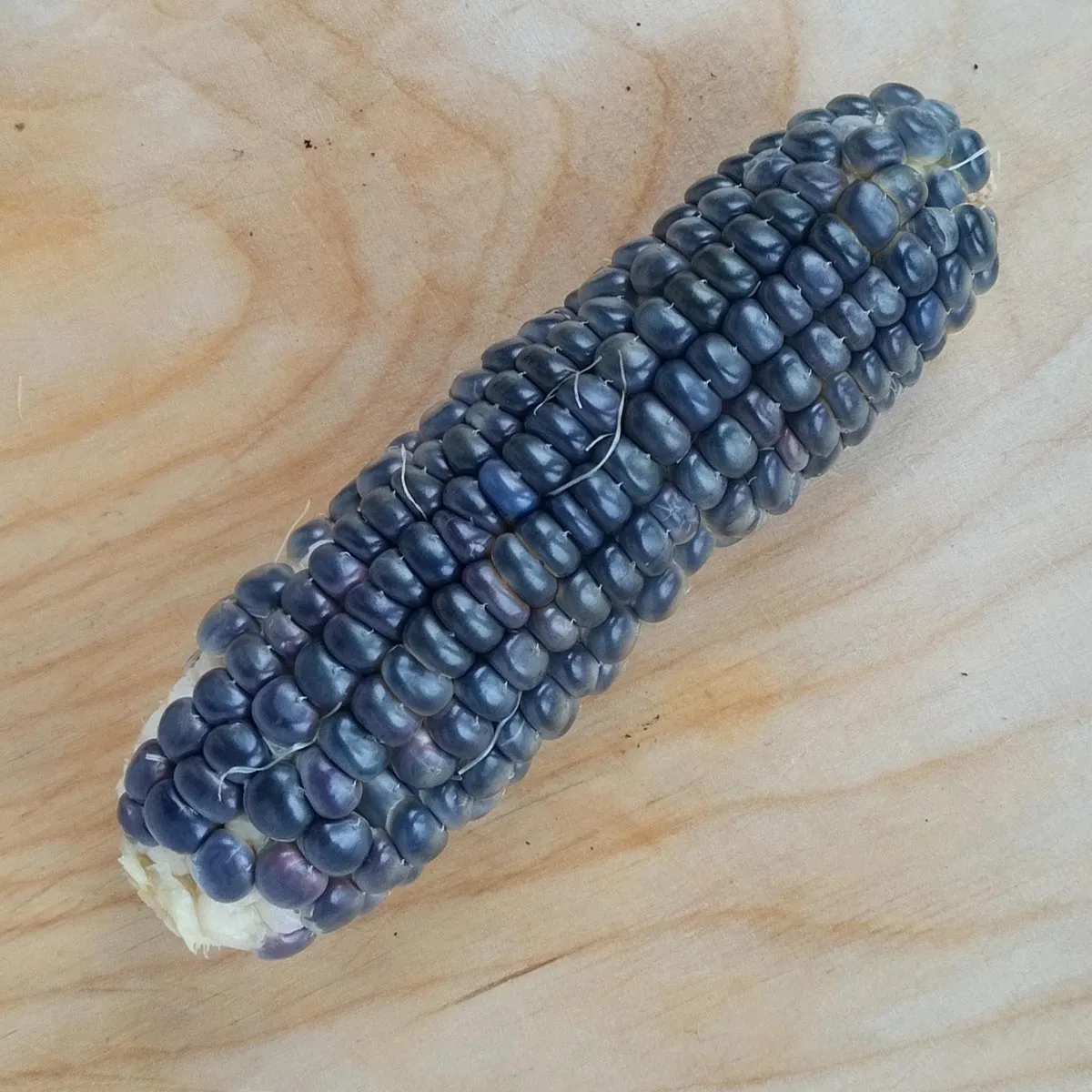
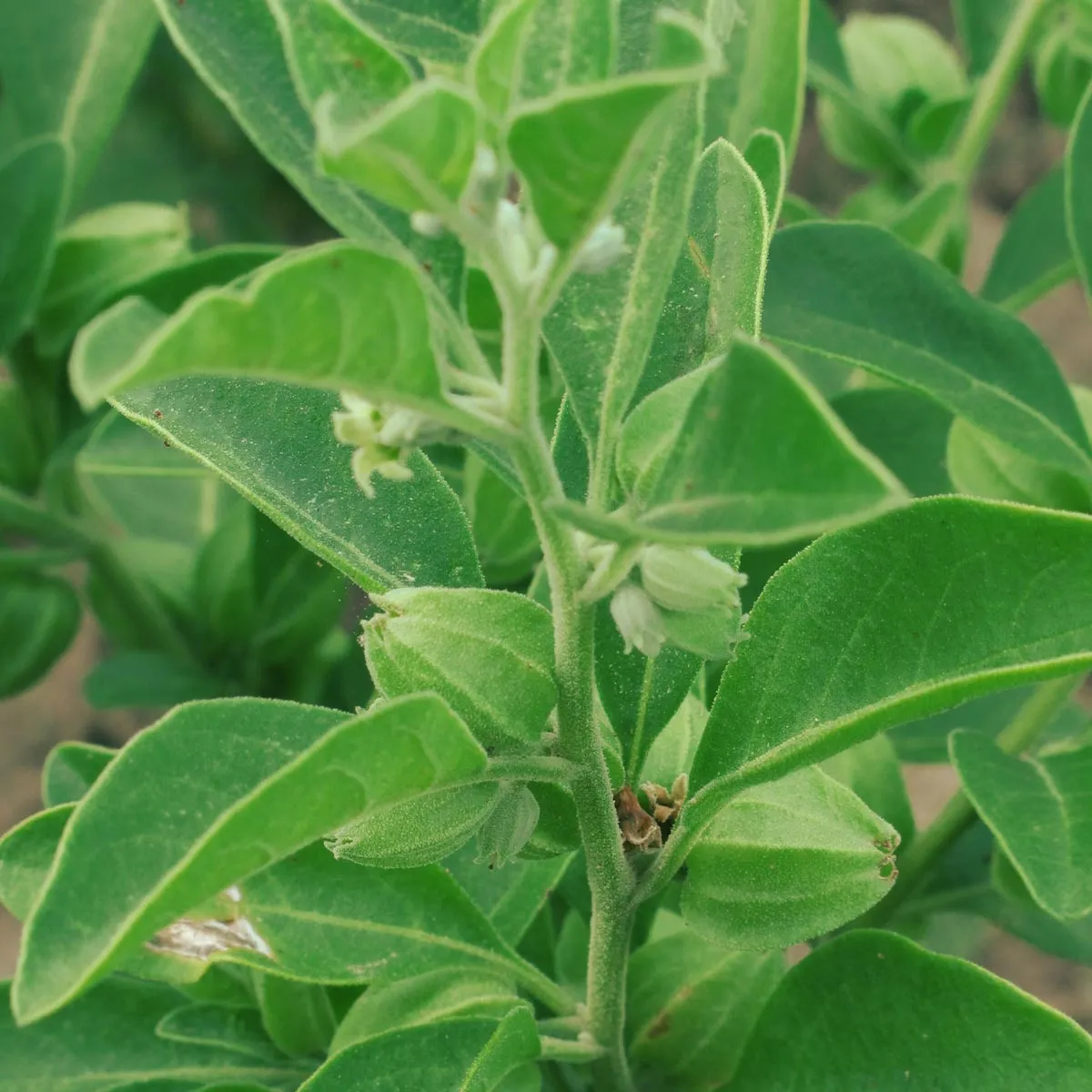
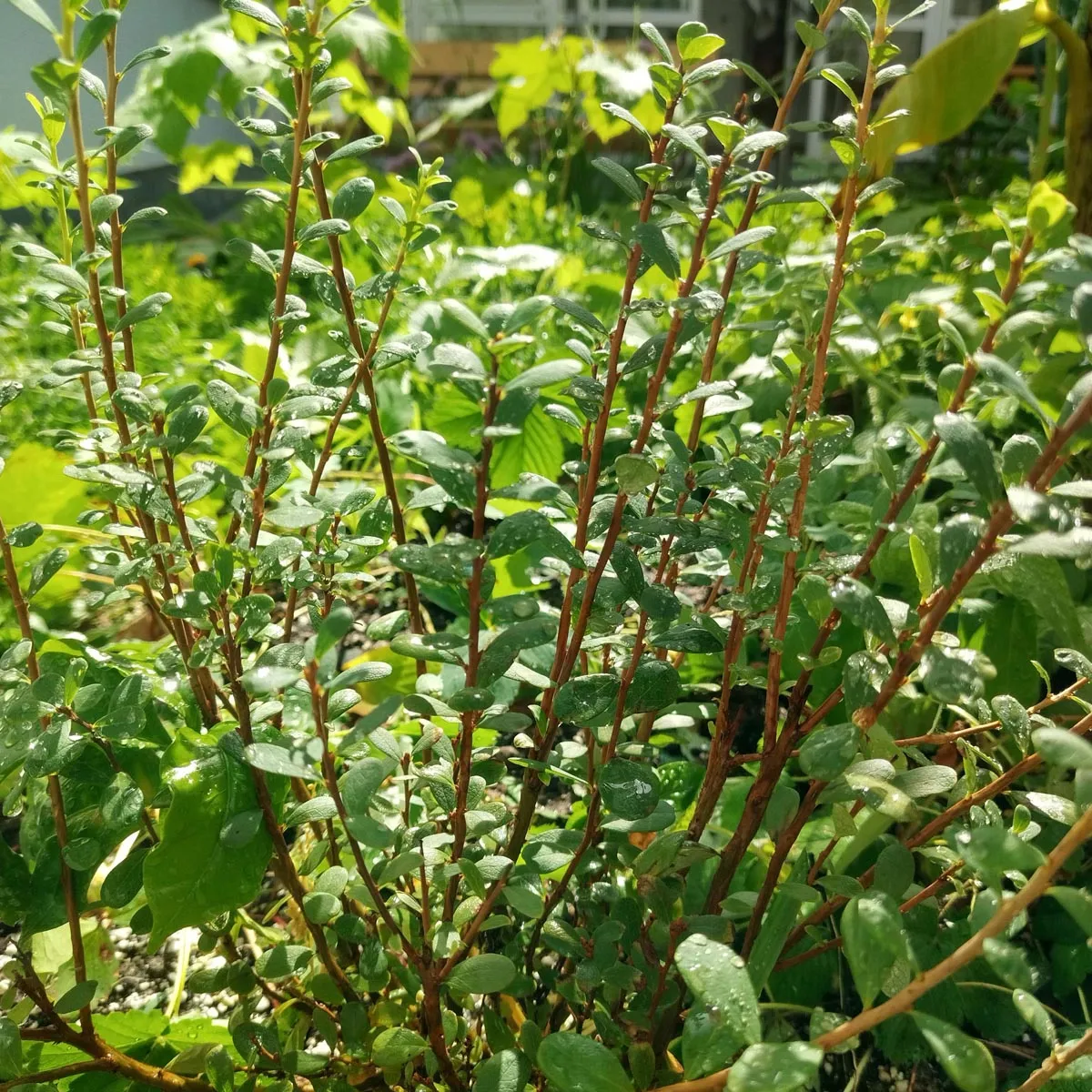
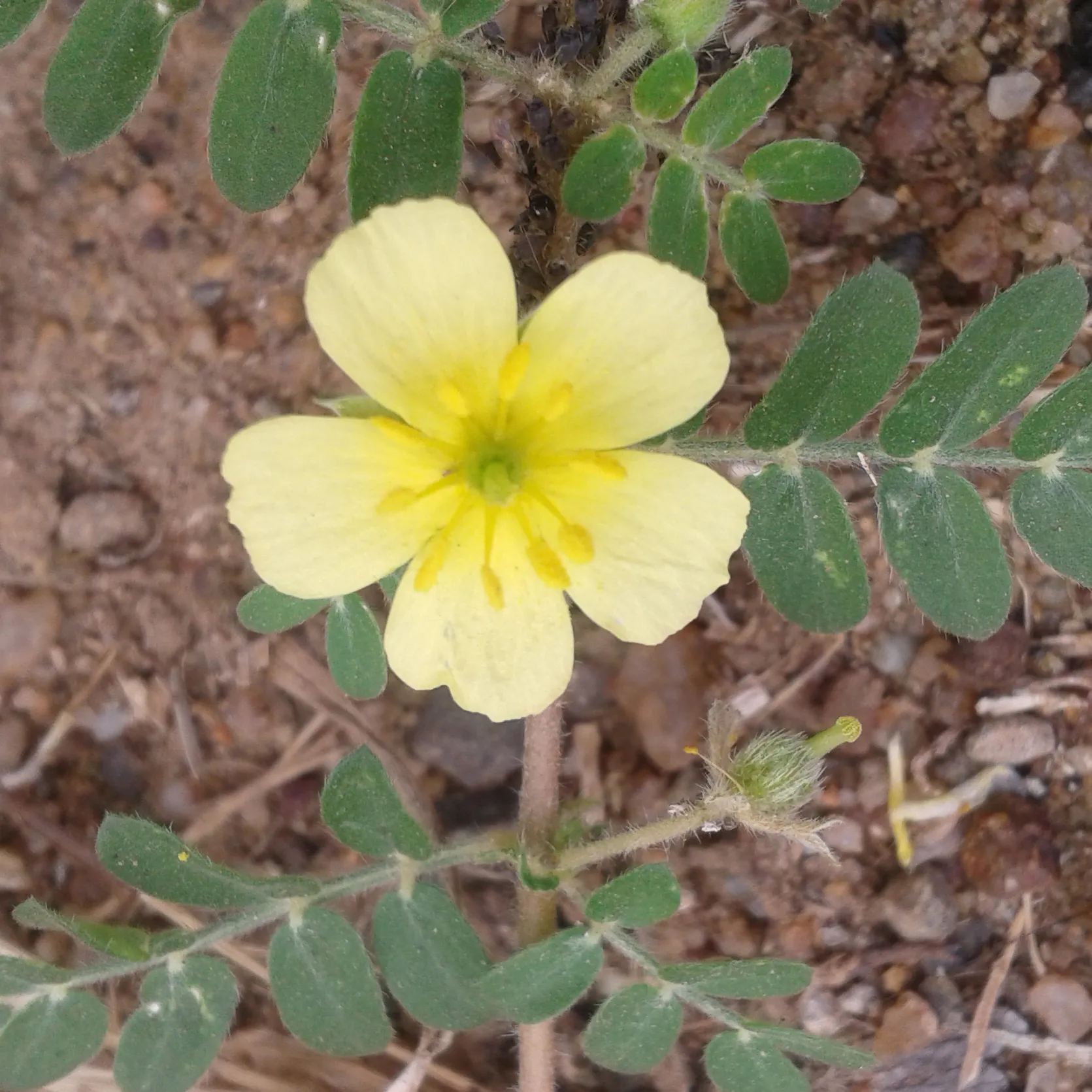
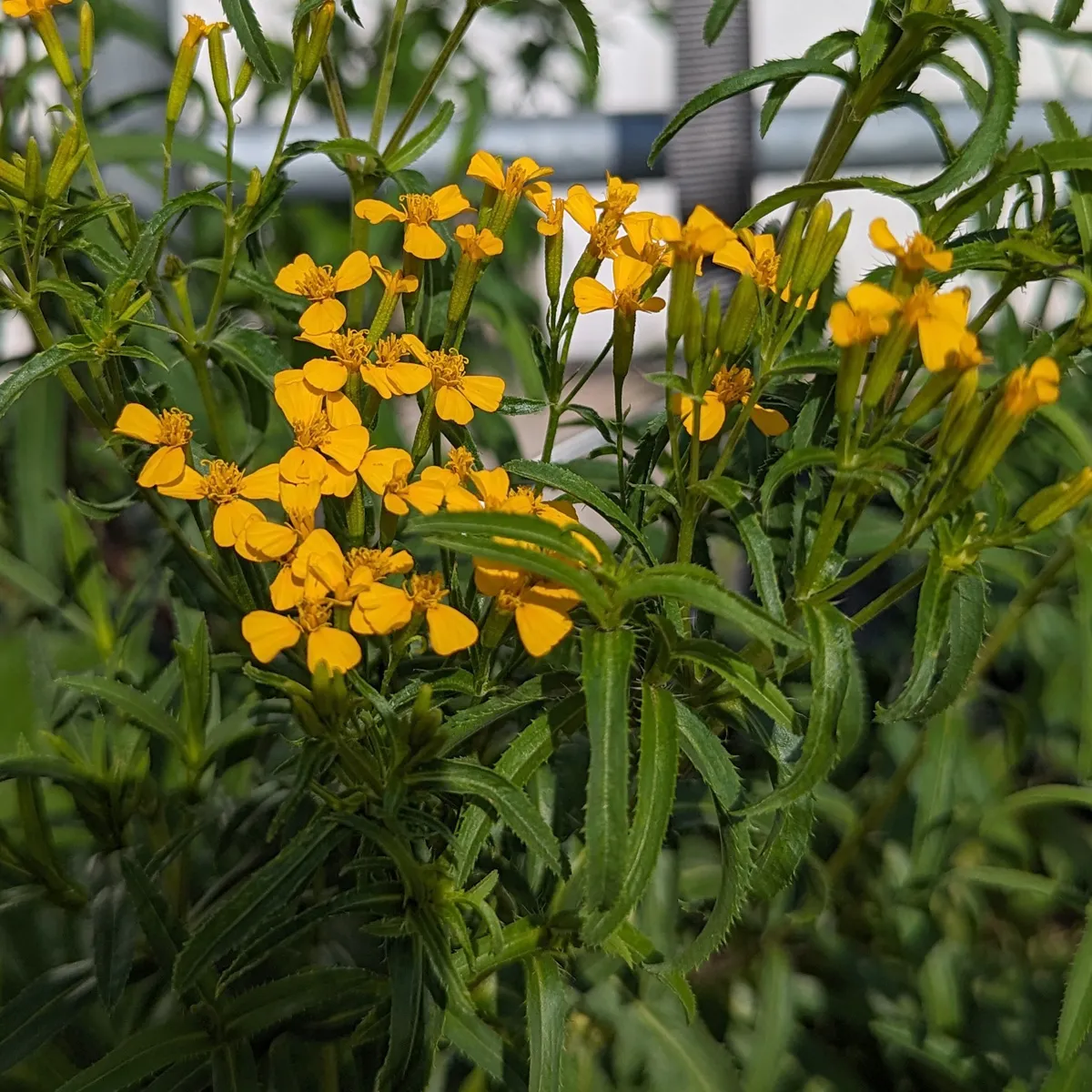
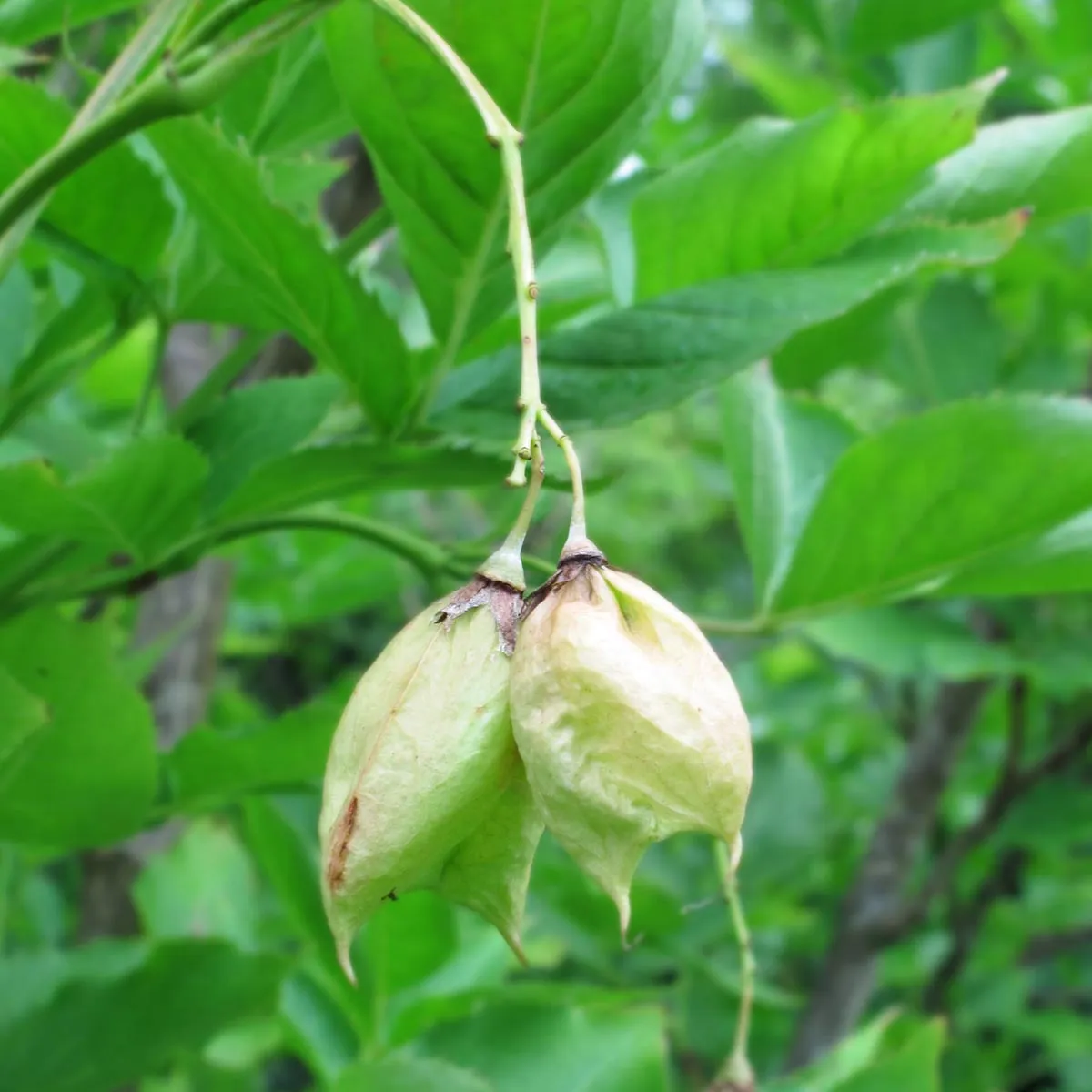
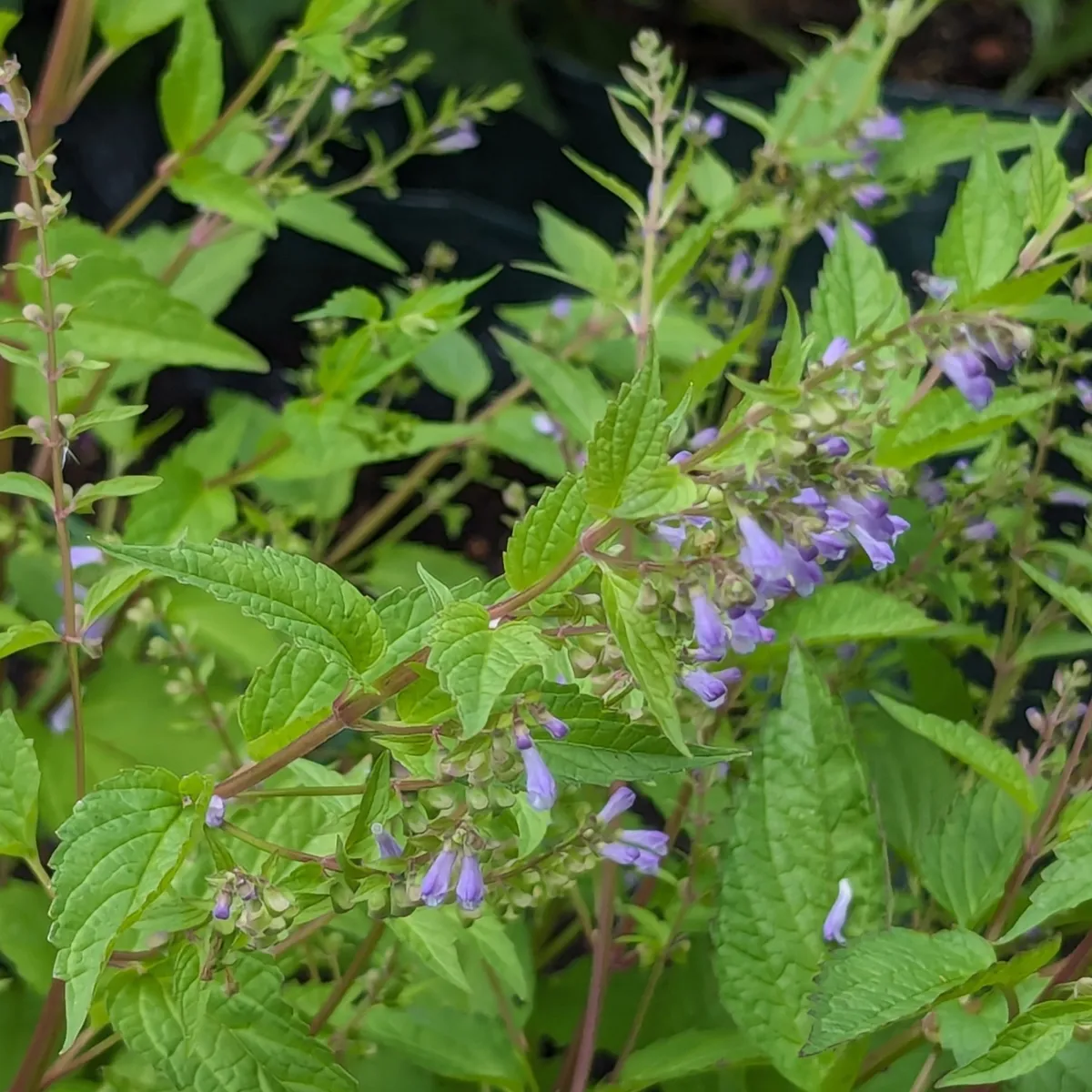
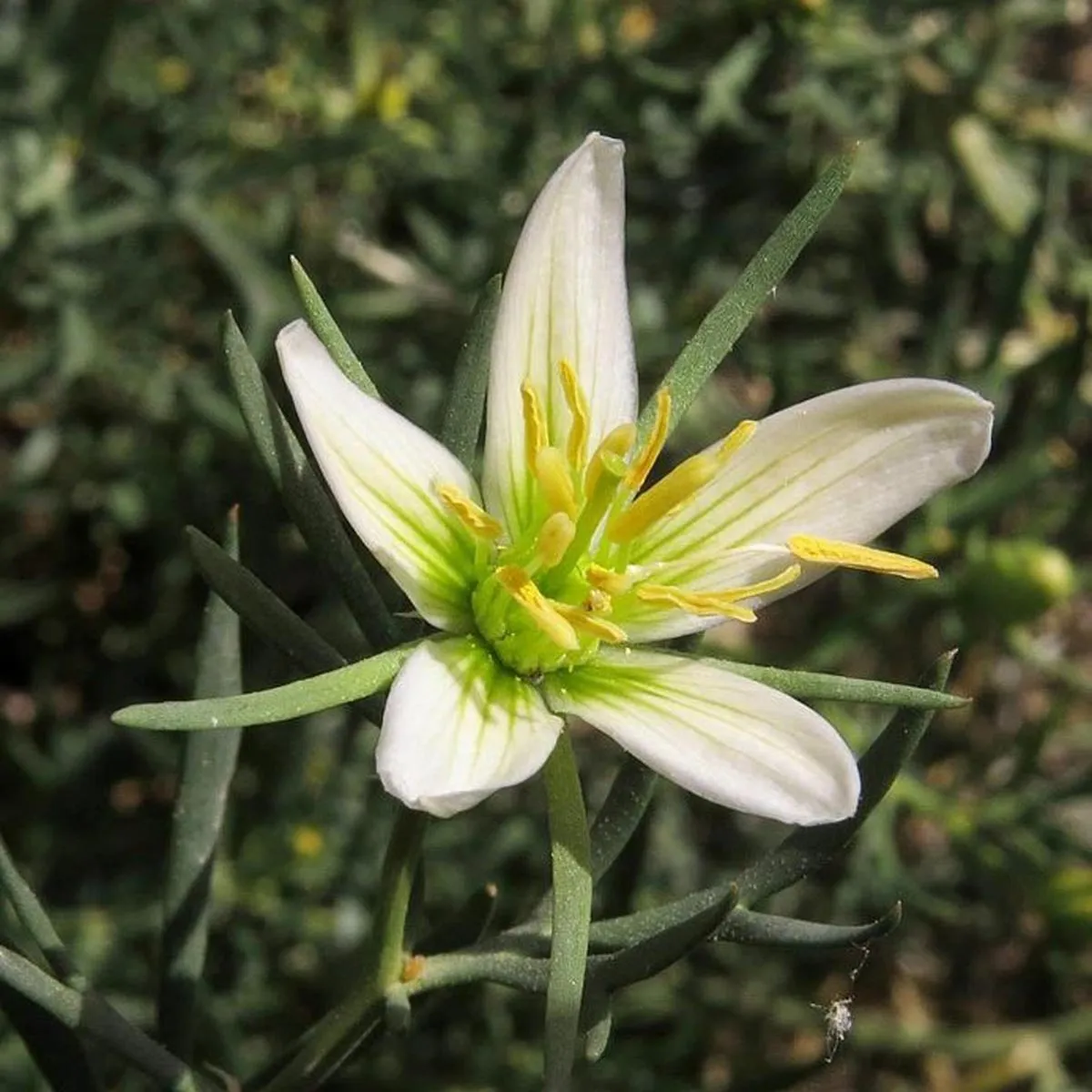
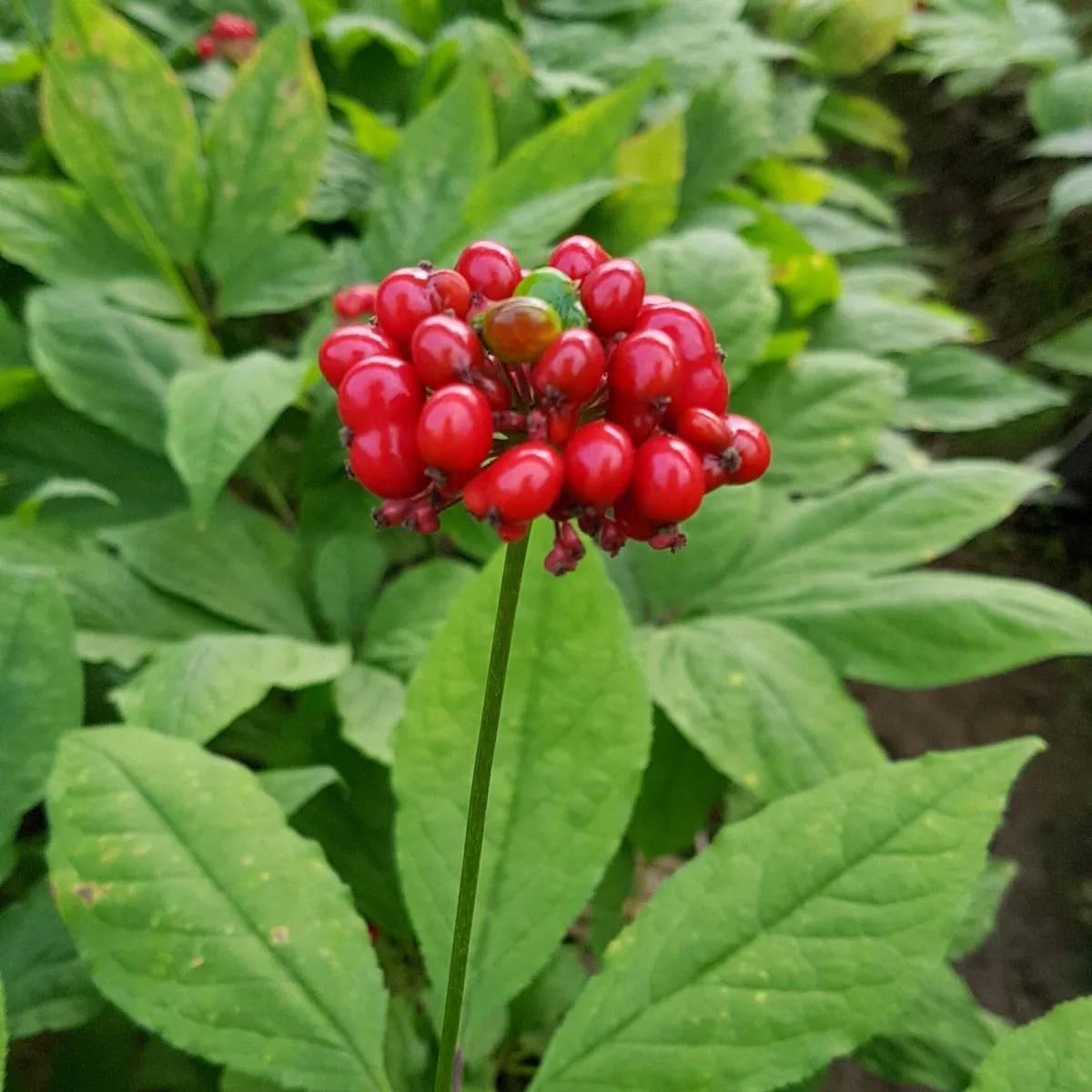
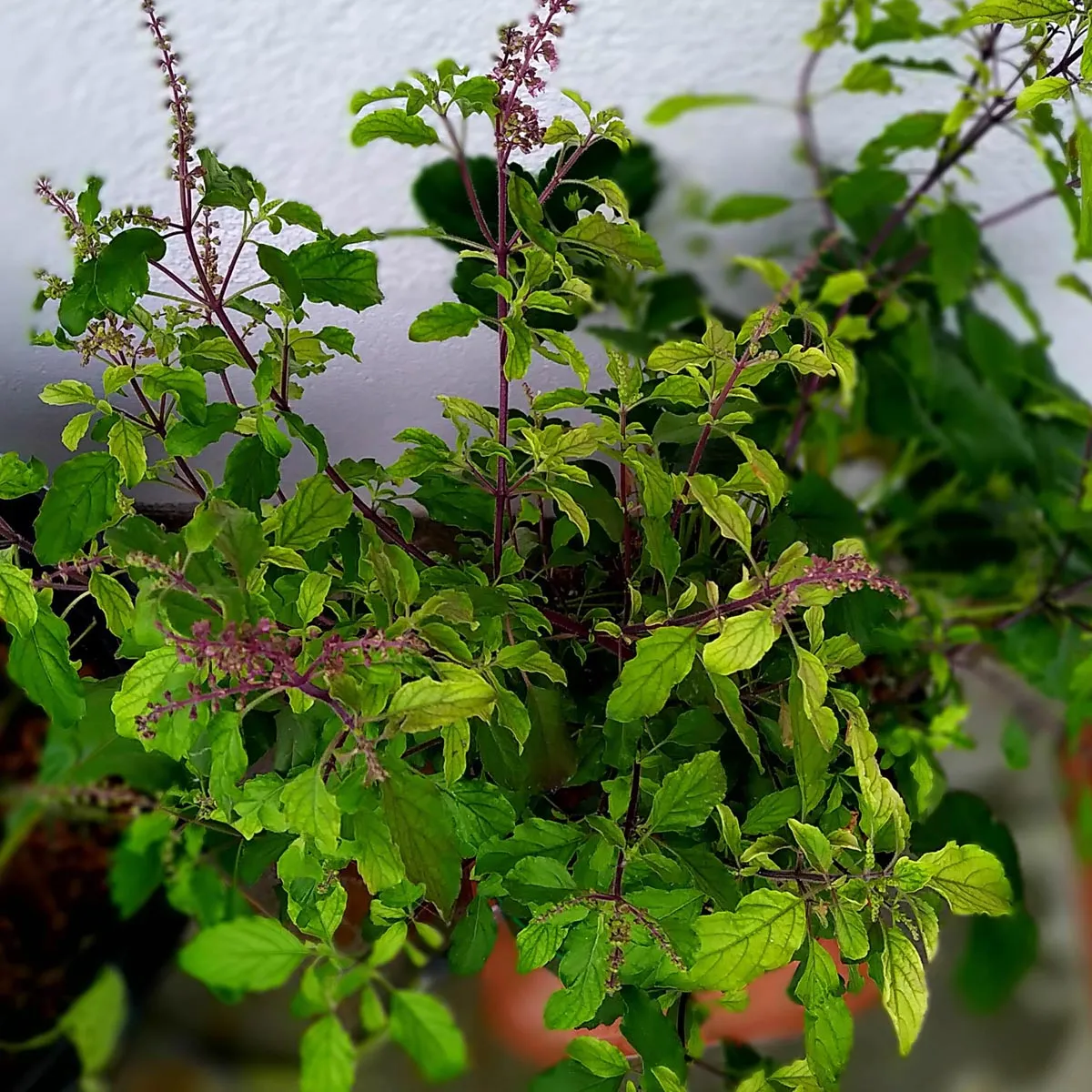
Frequently asked questions about ethnobotanical plants
What does ethnobotany mean?
Ethnobotany explores the relationship between people and plants. It is not only about botany, but also about cultural history, traditional healing knowledge, food, crafts, rituals, symbolism and inherited plant knowledge. Ethnobotanical plants are therefore plants that had, or still have, particular significance for certain cultures, traditions or historical uses.
Which plants are part of ethnobotany?
Ethnobotany includes medicinal plants, herbs, dye plants, incense plants, ritual plants, protective plants, food plants and magical plants. This includes familiar species from the herb garden as well as rare or legendary plants such as mandrake, henbane or thorn apple. What matters is not only the plant itself, but also its cultural, historical or traditional significance.
Are ethnobotanical plants always medicinal plants?
No. Many ethnobotanical plants were used medicinally, but ethnobotany is much broader. Some plants were used as spices, dyes, fibre plants, incense herbs, ritual plants or symbolic plants. Others were revered, feared or used in specific cultural contexts because of their particular effects.
Why is caution important with some ethnobotanical plants?
Some ethnobotanical plants are highly active or poisonous. Species such as mandrake, henbane or thorn apple should only be cultivated with botanical interest, specialist knowledge and responsible handling. Our information is intended for botanical and cultural-historical context and is not a recommendation for internal or external use.
Where can I find more information about ethnobotany?
You can find more background information in our blog articles What is ethnobotany?, Experiencing ethnobotanical plants in everyday life and Magical plants in the garden.