Borage (Borago officinalis) seeds
- Freshly used, the leaves are a typical spice for cucumber salad, curd, and cream cheese preparations as well as a fixed component of 'Frankfurt Green Sauce'.
- Contents: Approx. 50 seeds
- Open-pollinated variety, seed tested regularly
Regular price:
€2.29
Product number: 1005 GTIN: 4250601204840
Description
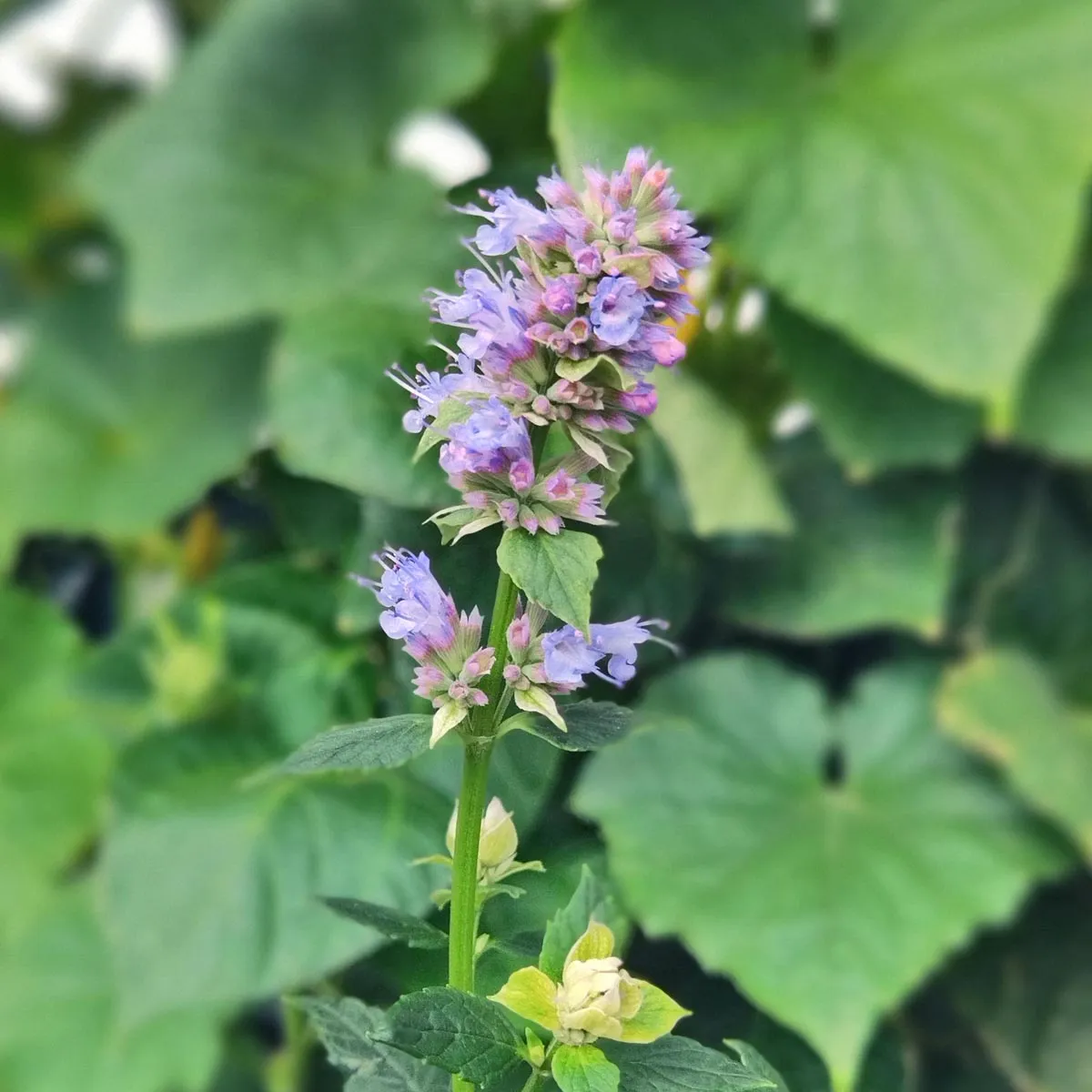
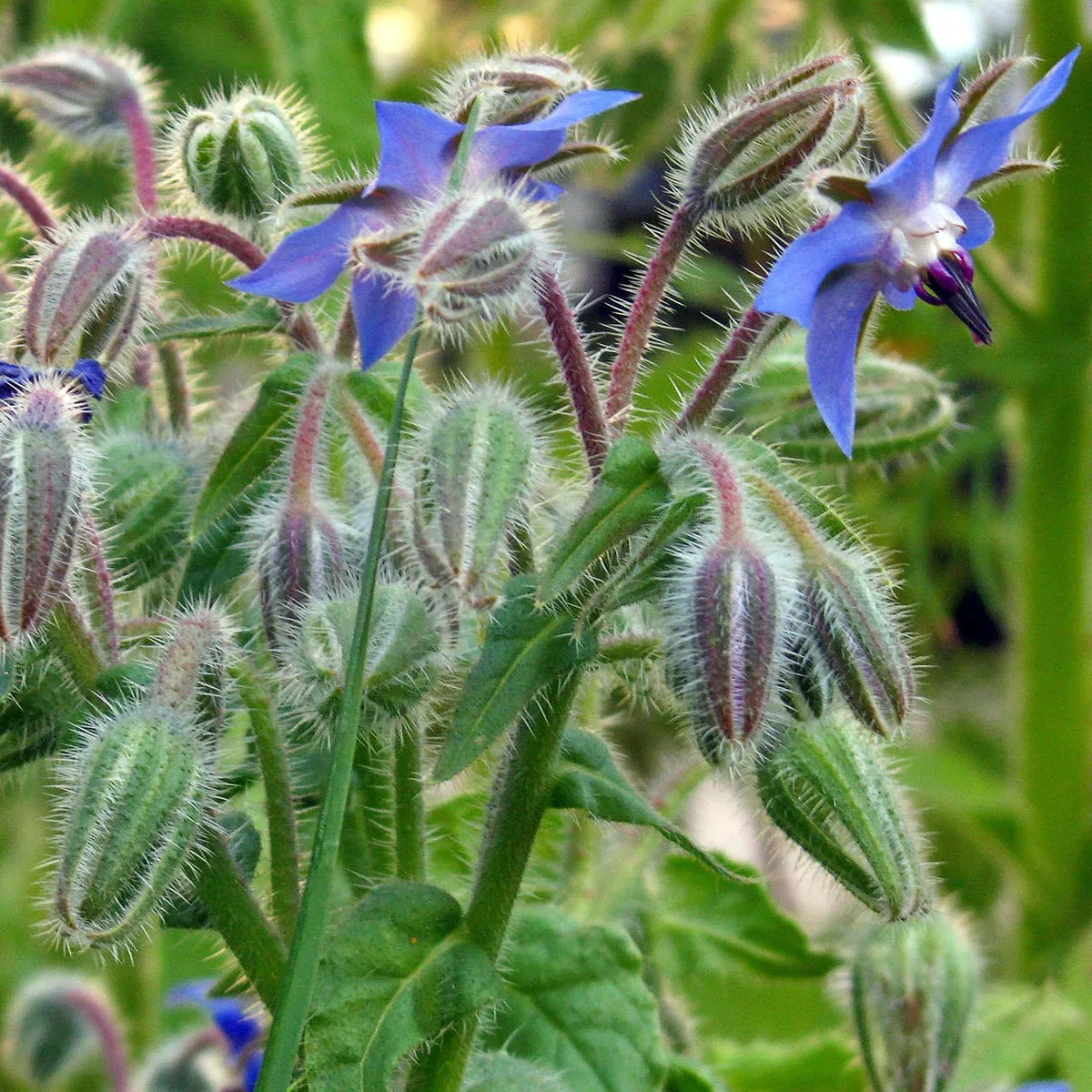
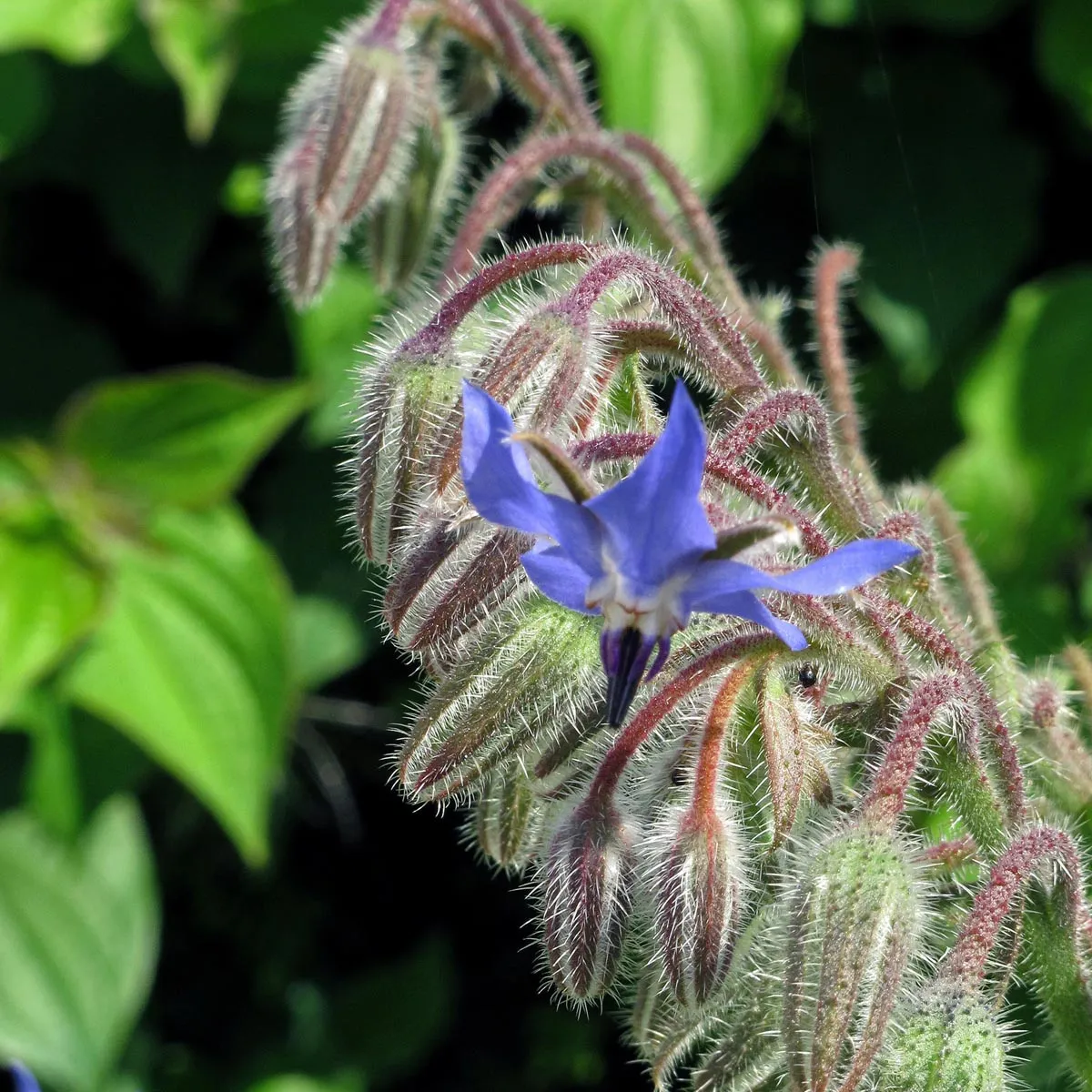
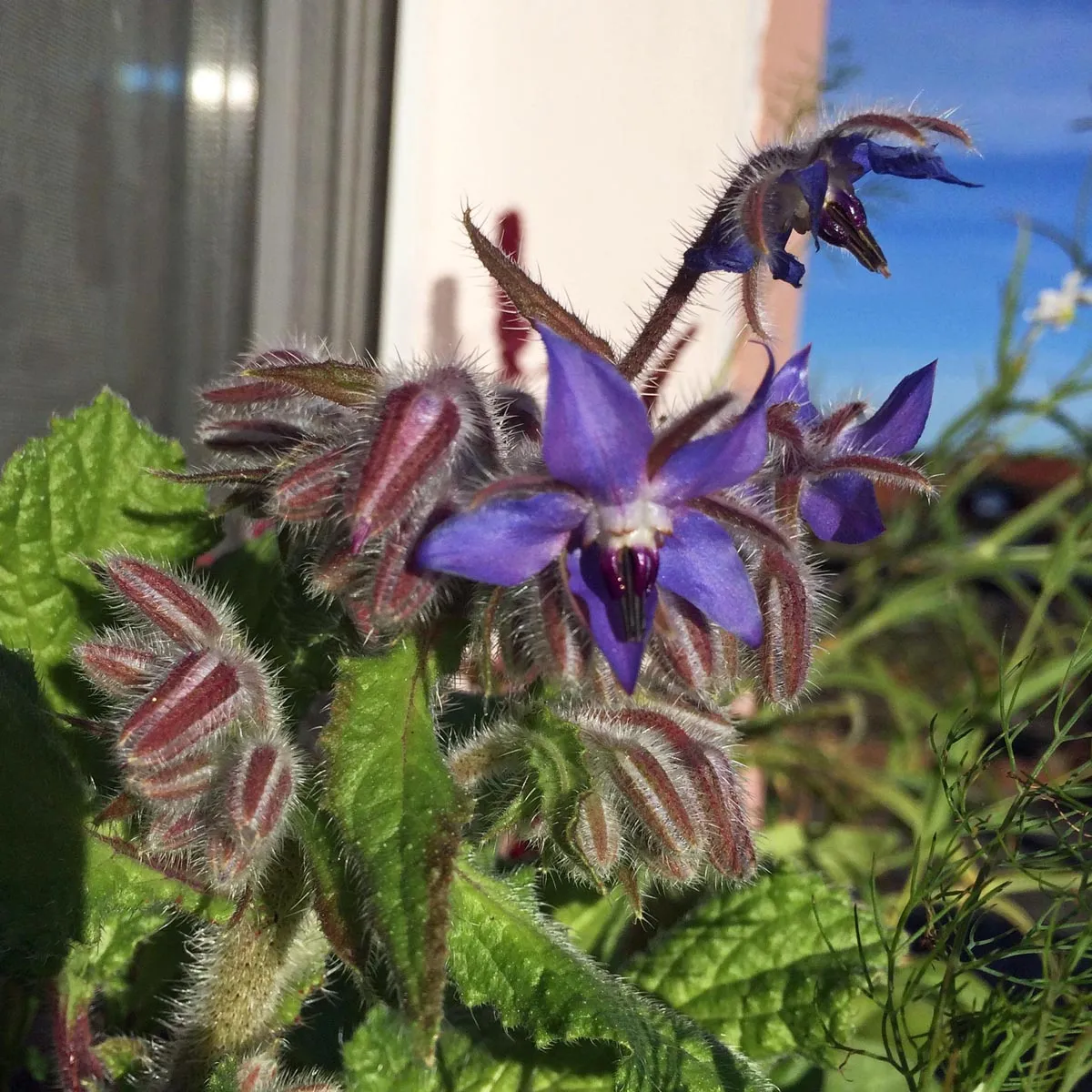
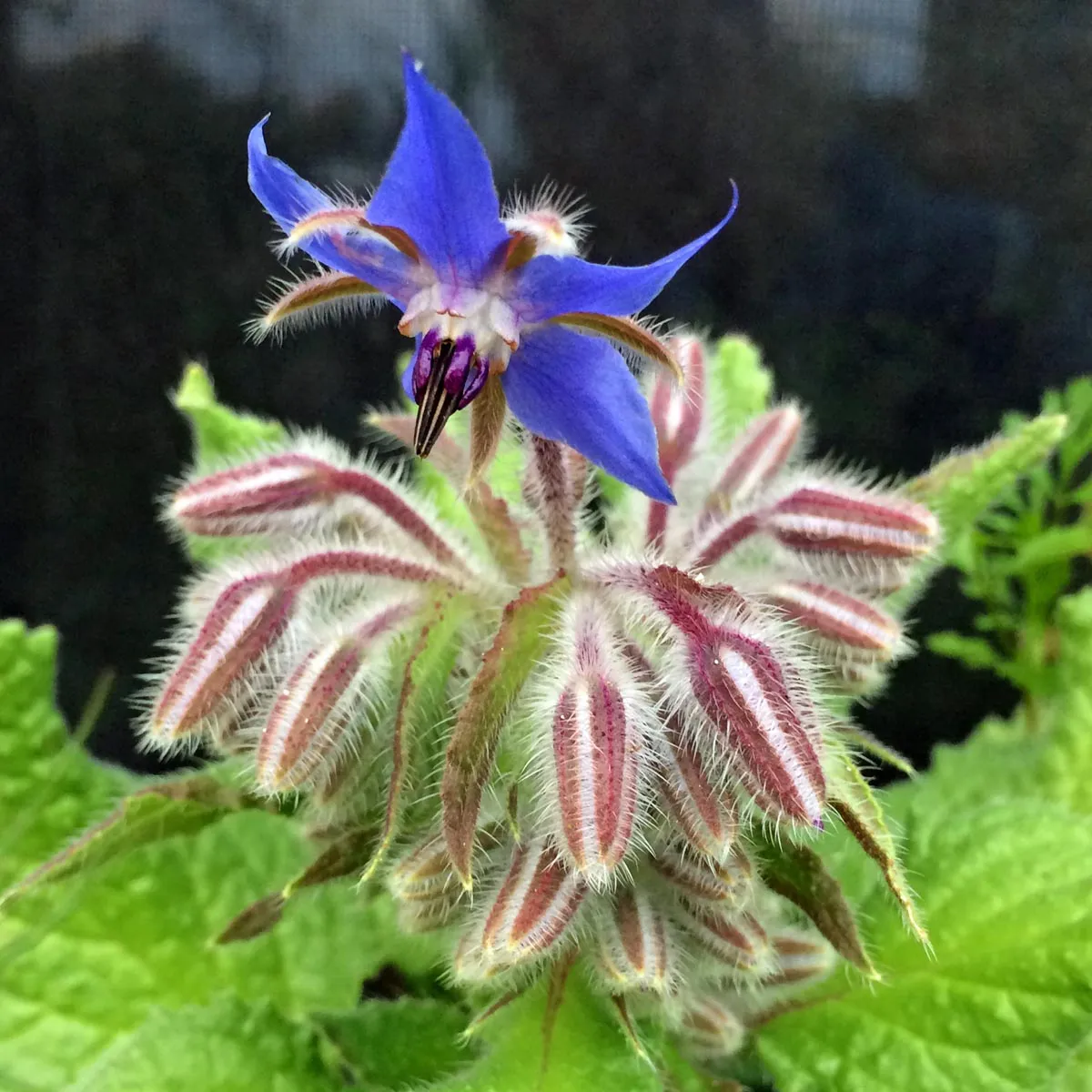
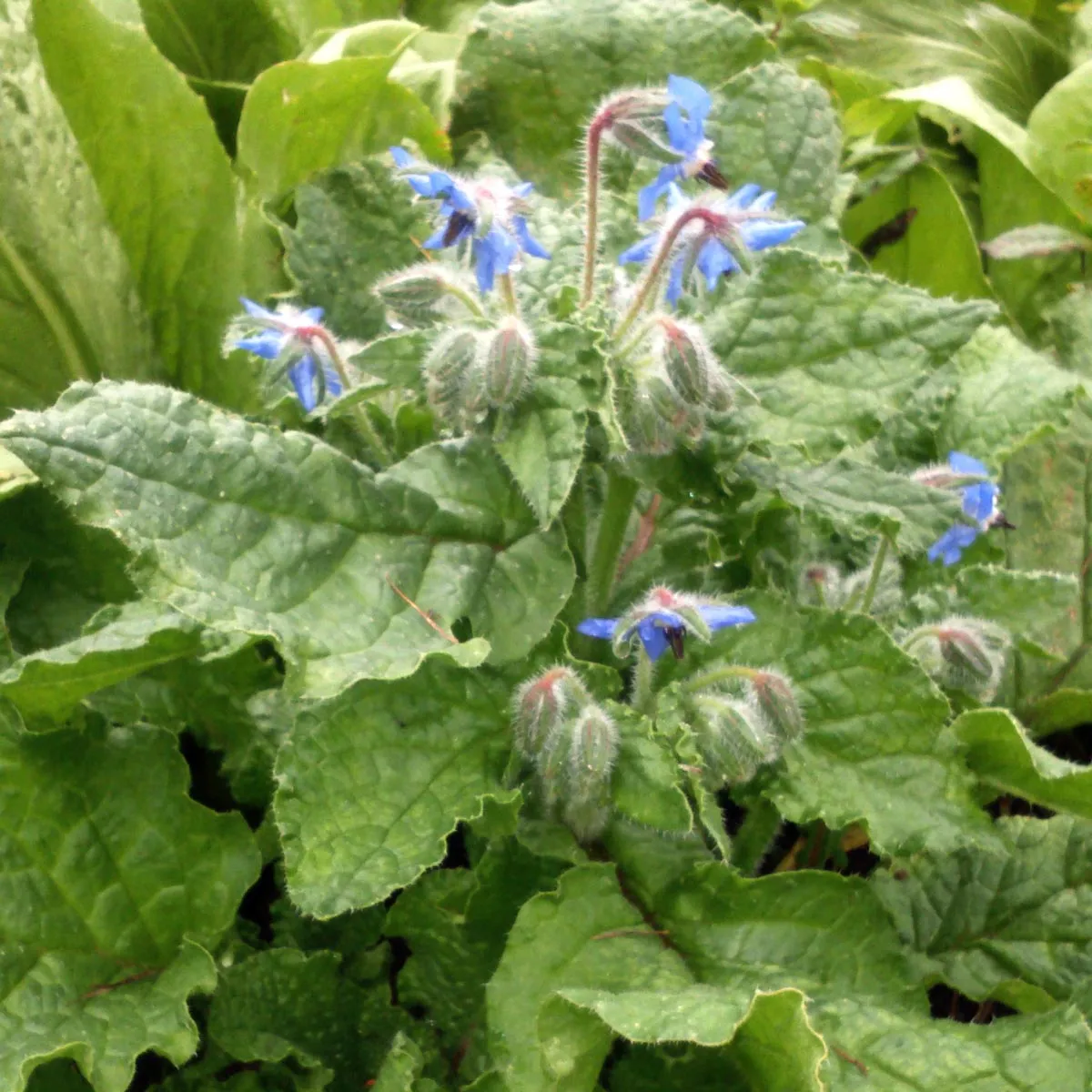
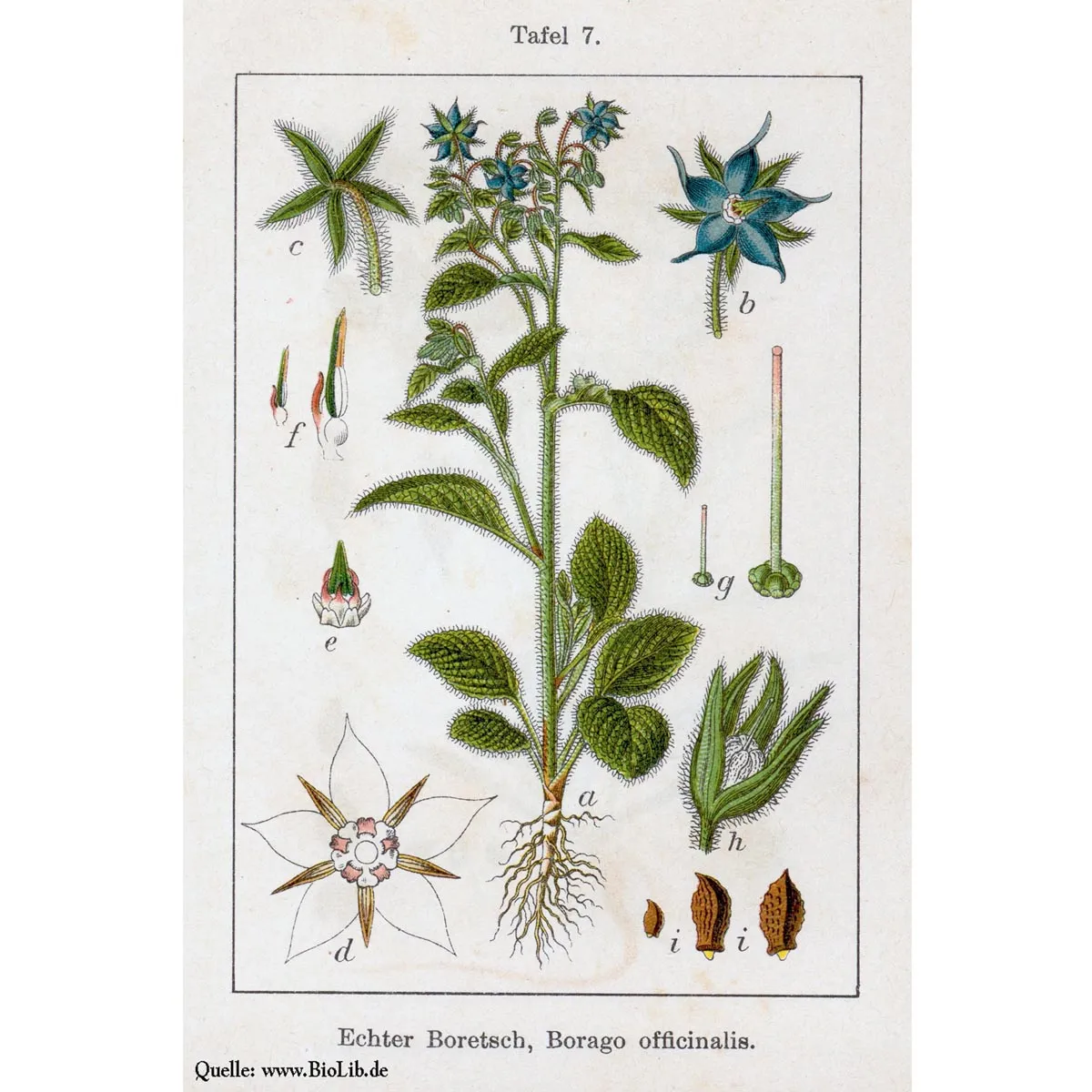
Borage is a blue flowering spice and medicinal herb with a cucumber-like flavor. The plant will often spread its seeds by itself and is very striking looking, with its bright little blue star-shaped flowers and the hirsute leaves, stems and buds. With about 70 cm height, borage is hard to overlook.
The plant is native to the Mediterranean and was made its way to Central Europe already in the late Middle Ages. The leaves carry the cucumber-like taste and can be used chopped as seasoning for salad or soups. The mild-tasting flowers fit extremely well in cucumber salad or as a decoration for desserts, cakes, salads and vegetable dishes.
Borage is also known as a medicinal herb in folk medicine. Because of the high proportion of pyrrolizidine alkaloids, however, it has to be used with caution and in small quantities. On top of that, some people are allergic to the bristly hairs of the plant.
Plant profile
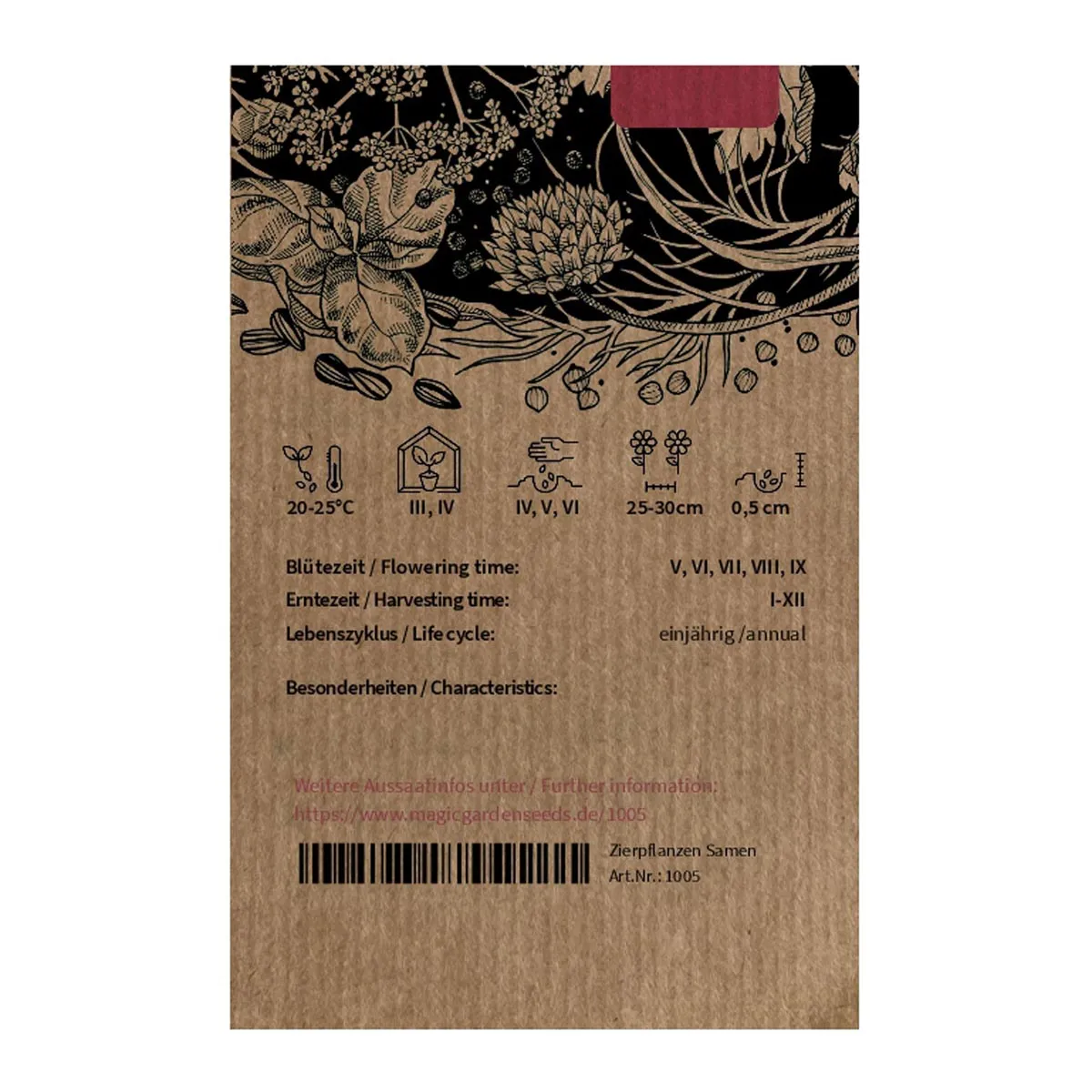
| Lifecycle | Annual |
|---|---|
| Species | Boraginaceae |
| Flower colour | Blue, White |
| Flowering months | August, July, June, May, September |
| Main harvest | All year round |
| Root system | Heart roots |
Growing instructions
| When to sow outdoors | April, June, May |
|---|---|
| Sowing depth | 0.5 cm |
| Germination temperature | 18-24° C |
| Germination time | 1-2 weeks |
| Sunlight | Full sun |
| Water requirement | Medium |
| Planting distance | 25 cm |
Sowing and care
Borage can be sown from April to June directly outdoors. The plant prefers sunny locations with well drained but moist soils, since drought and relocation are its biggest enemies. Sow 1-2 cm deep, as it does not need light to germinate, cover well with soil and keep a planting distance of 7-10 cm. All things considered, borage is a very uncomplicated herb.
Other names
Botanical name: Borago officinalis, B. advena, B. aspera, B. hortensis
German: Boretsch, Augenzier, Gurkenkraut, Kukumerkraut, Herzblümlein, Blauhimmelstern, Herzfreude, Liebäuglein, Wohlgemutsblume
English: Starflower, Beebread, Bugloss, Burrage
Spanish: Aborraja, Alcohelo, Argabazo, Borracha, Borrachera, Borrachuela, Borraga, Borraina, Borraja fina, Borraxa, Buglosa vulgar, Burraja, Corrago, Flores cordiales, Forrajas, Lengua de buey
Reviews
Login
No reviews yet. Will you write the first one?