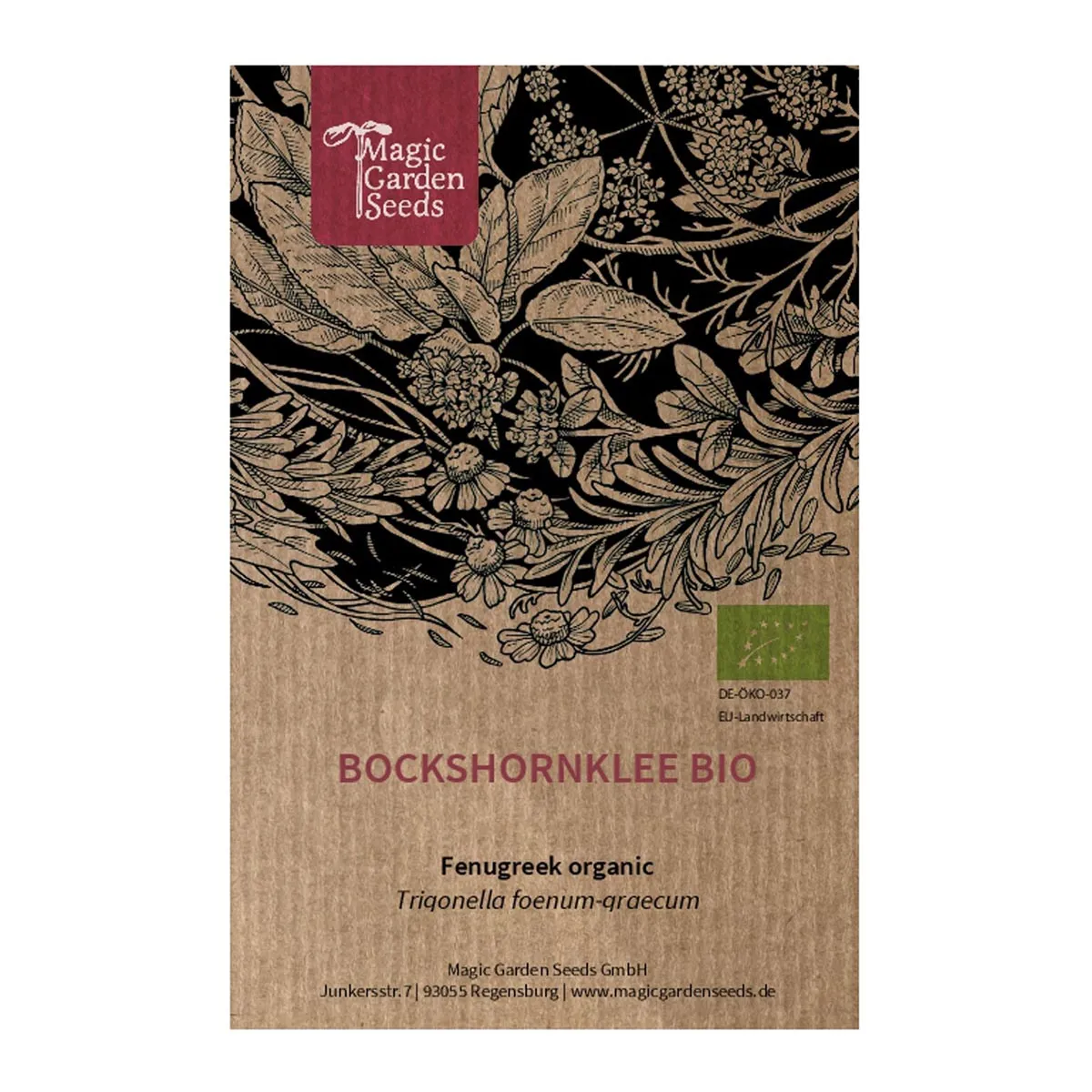
Fenugreek (Trigonella foenum-graecum) organic seeds
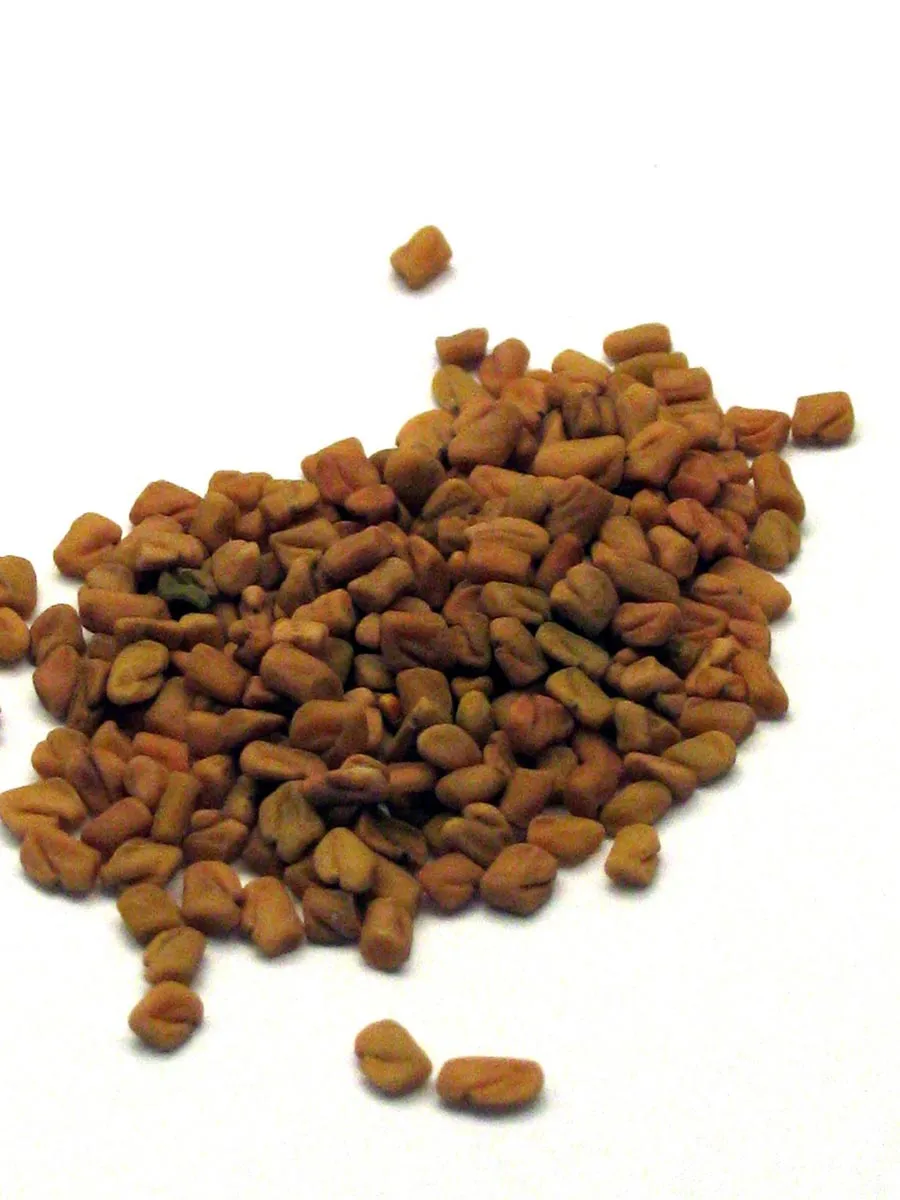
- Has already been provably cultivated as a crop and medicinal plant in antiquity. Typical as a bread and cheese spice, as well as a firm part of curry spice mixtures.
- Contents: Approx. 100 seeds
- Open-pollinated variety, seed tested regularly
€2.79
Description
Fenugreek – Culinary Herb, Medicinal Plant and Soil Improver
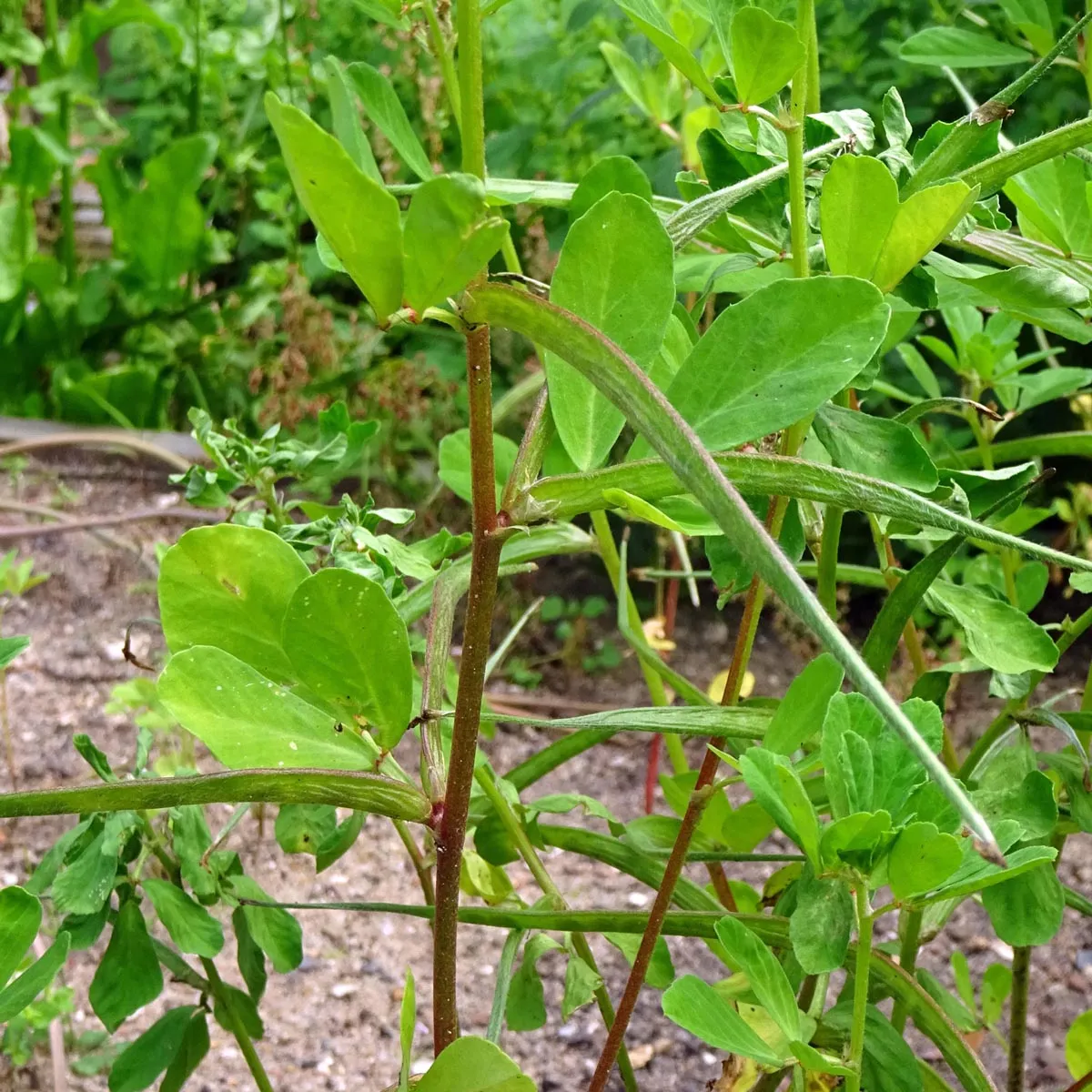
Fenugreek (Trigonella foenum-graecum) is an annual plant from the legume family. It has been used for thousands of years as both a spice and a medicinal herb, and is considered one of the oldest cultivated plants of the Mediterranean, the Middle East and North Africa. Today, fenugreek is widespread globally and can be grown easily in gardens across Central Europe.
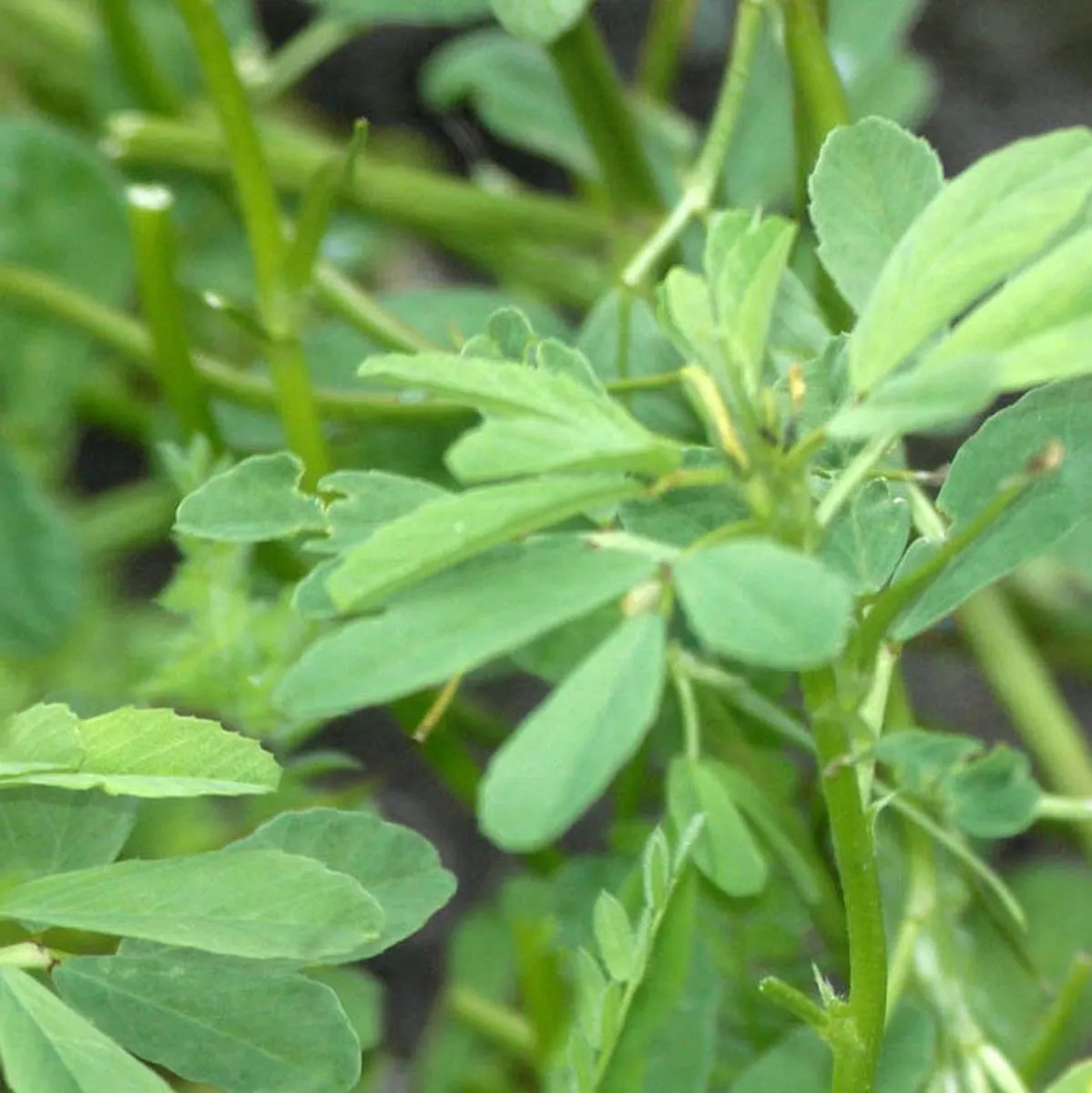
The seeds are best known as a spice, commonly ground and used as a key ingredient in many curry blends, particularly in North African, Indian and Spanish cuisine. The young leaves are also traditionally used as a flavourful culinary herb.
In addition, fenugreek has been valued as a medicinal plant since ancient times. It played an important role in Arabic, Ayurvedic and European monastic medicine. Traditional uses include supporting general vitality, aiding digestion and promoting overall wellbeing.
Fenugreek as a Medicinal Plant – Traditional Use and Modern Research
Fenugreek seeds contain a wide range of bioactive compounds, including saponins, mucilage, fibre, proteins, essential oils and minerals such as iron, magnesium and potassium. Of particular interest is the amino acid 4-hydroxyisoleucine, which is being studied for its potential role in insulin metabolism.
Traditionally, fenugreek is used to support digestion. Its mucilage content can help soothe the stomach lining and is used in cases of irritation or loss of appetite. The fibre content may also help to promote a feeling of fullness.
Recent research is exploring fenugreek’s effects on blood sugar and lipid metabolism. Studies suggest that certain constituents may improve insulin sensitivity and help to reduce postprandial blood sugar spikes. Possible effects on cholesterol and blood lipid levels are also under investigation. However, these findings do not replace professional medical advice.
Fenugreek is also traditionally used in relation to hormonal health, such as during the menopause or while breastfeeding. As with all traditional uses, applications are based on long-standing knowledge, while the scientific evidence varies depending on the area of study.
Plant profile
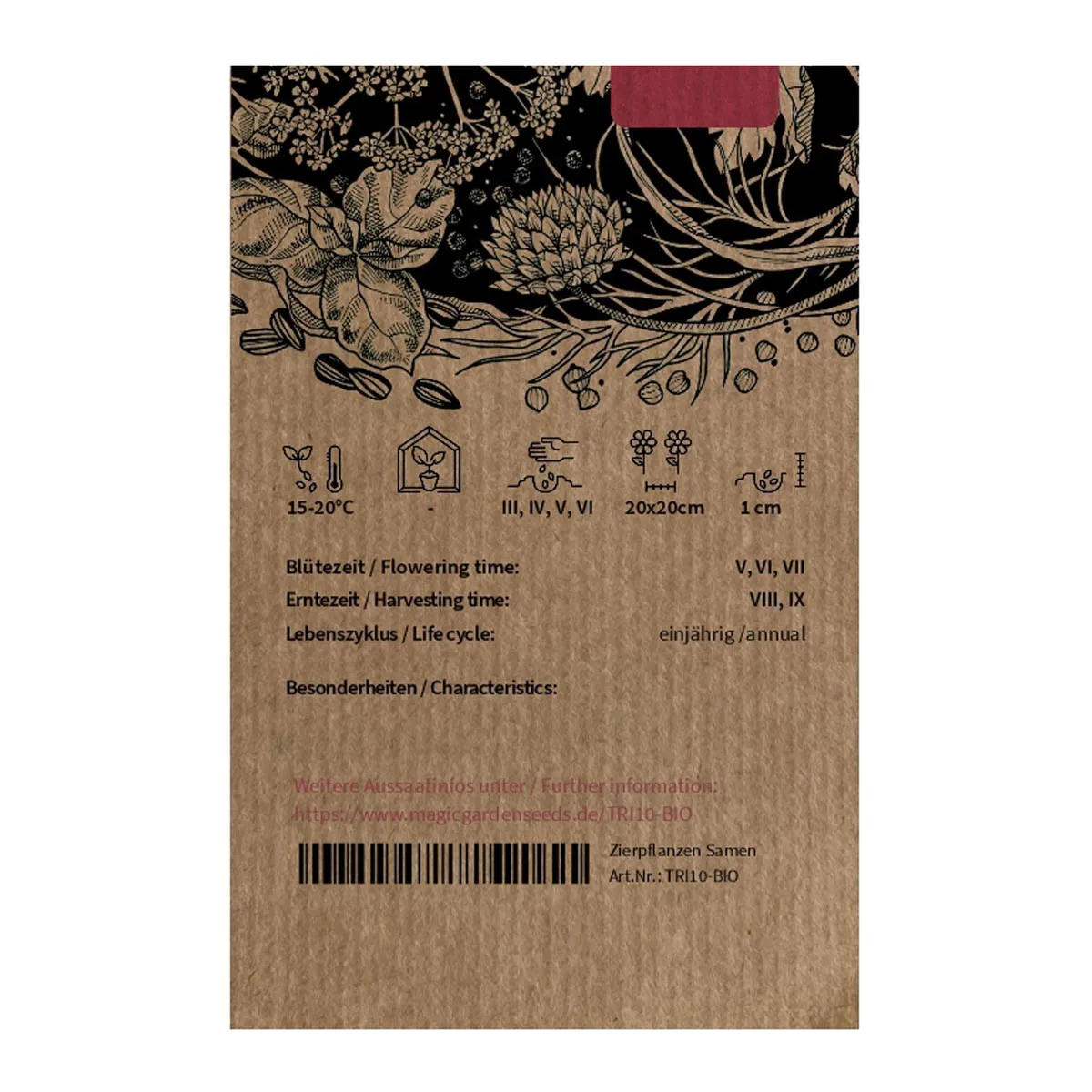
| Lifecycle | Annual |
|---|---|
| Species | Fabaceae |
| Eventual height | 40-80 cm |
| Flower colour | White, Yellow |
| Flowering months | July, June, May |
| Main harvest | August, September |
| Root system | Taproot |
Growing instructions
| When to sow outdoors | April, June, March, May |
|---|---|
| Sowing depth | 0.5 cm |
| Germination temperature | 10-18°C |
| Sunlight | Full sun |
| Planting distance | 20 cm |
| Row spacing | 20 cm |
Sowing and care
Sowing and Growing Fenugreek
Fenugreek is an easy-to-grow garden plant. Sowing takes place directly outdoors from March onwards. Sow in rows, leaving approximately 20 × 20 cm between plants. The plants prefer sunny, sheltered positions and also tolerate poor or slightly saline soils well.
As a legume, fenugreek improves soil quality by fixing nitrogen and absorbing excess salts. This makes it suitable as a preceding or catch crop for soil improvement. It grows quickly and can be harvested young or left to mature for seed production, depending on use.
Other names
Botanical name: Trigonella foenum-graecum, T. tibetana
German: Bockshornklee, Griechisches Heu, Ziegenhorn, Kuhhornklee, Philosophenklee
English: Fenugreek
French: Fenugrec
Italian: Fieno greco
Spanish: Alholva, Fenogreco
Dutch: Fenegriek
Login