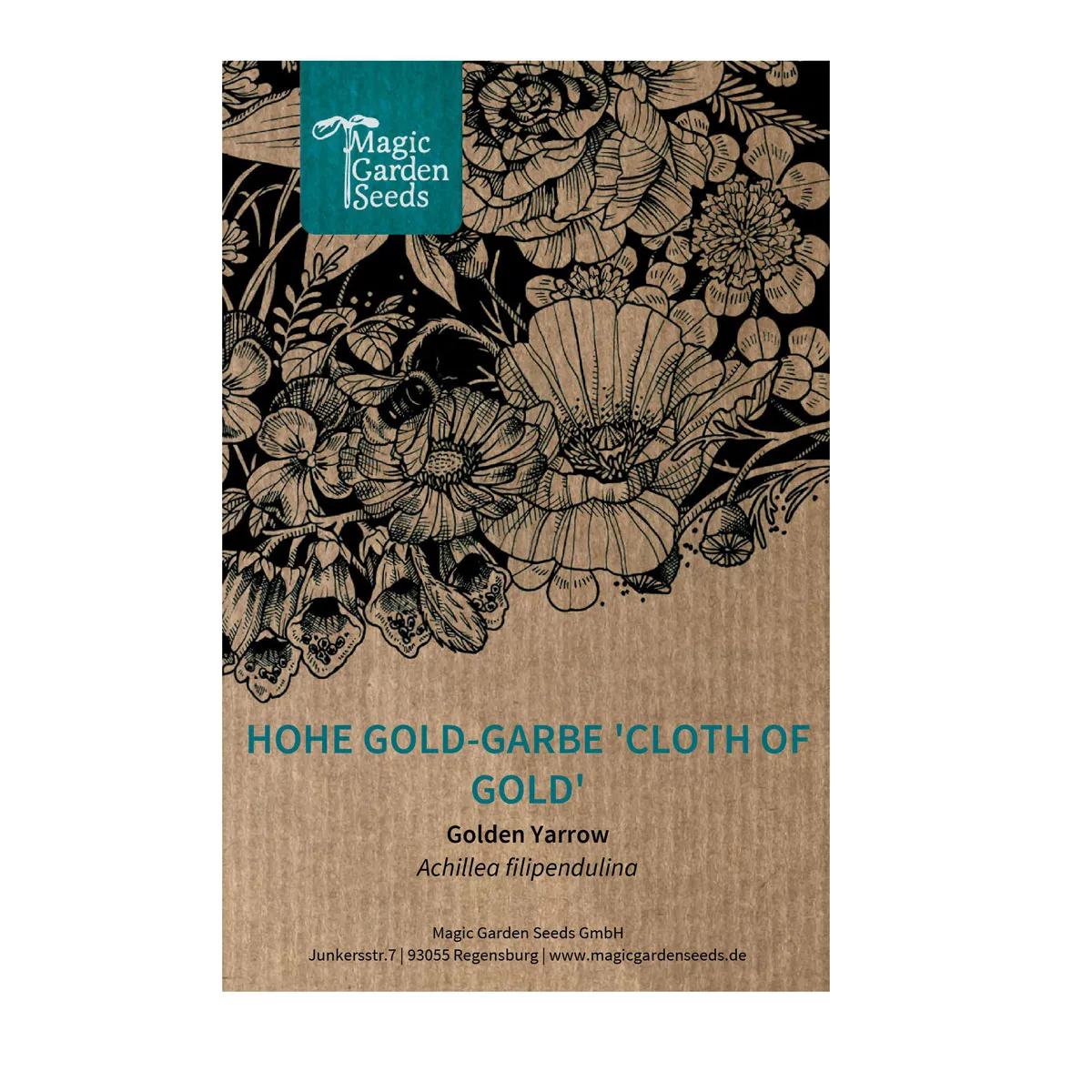
Golden Yarrow 'Cloth of Gold' (Achillea filipendulina) seeds
- Impressive, large golden flower heads - long-lasting structural perennial and ideal for cutting and drying.
- Open-pollinated seeds - seed packet with approx. 2000 seeds.
- Hardy, drought-tolerant perennial for sunny borders - valuable pollinator plant and robust insect magnet.
€2.79
Description
Golden flower plates, outstanding stability and a magnet for bees
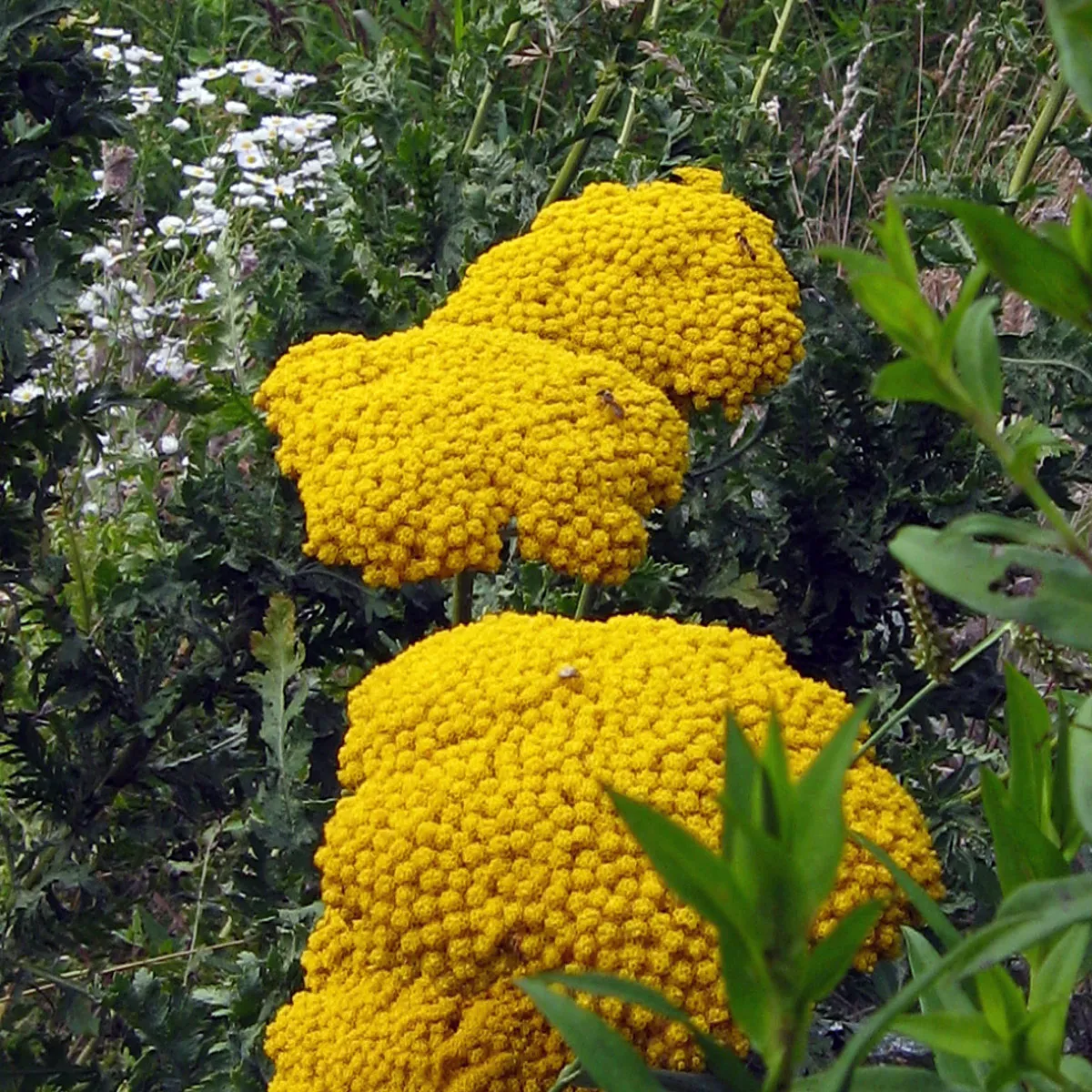
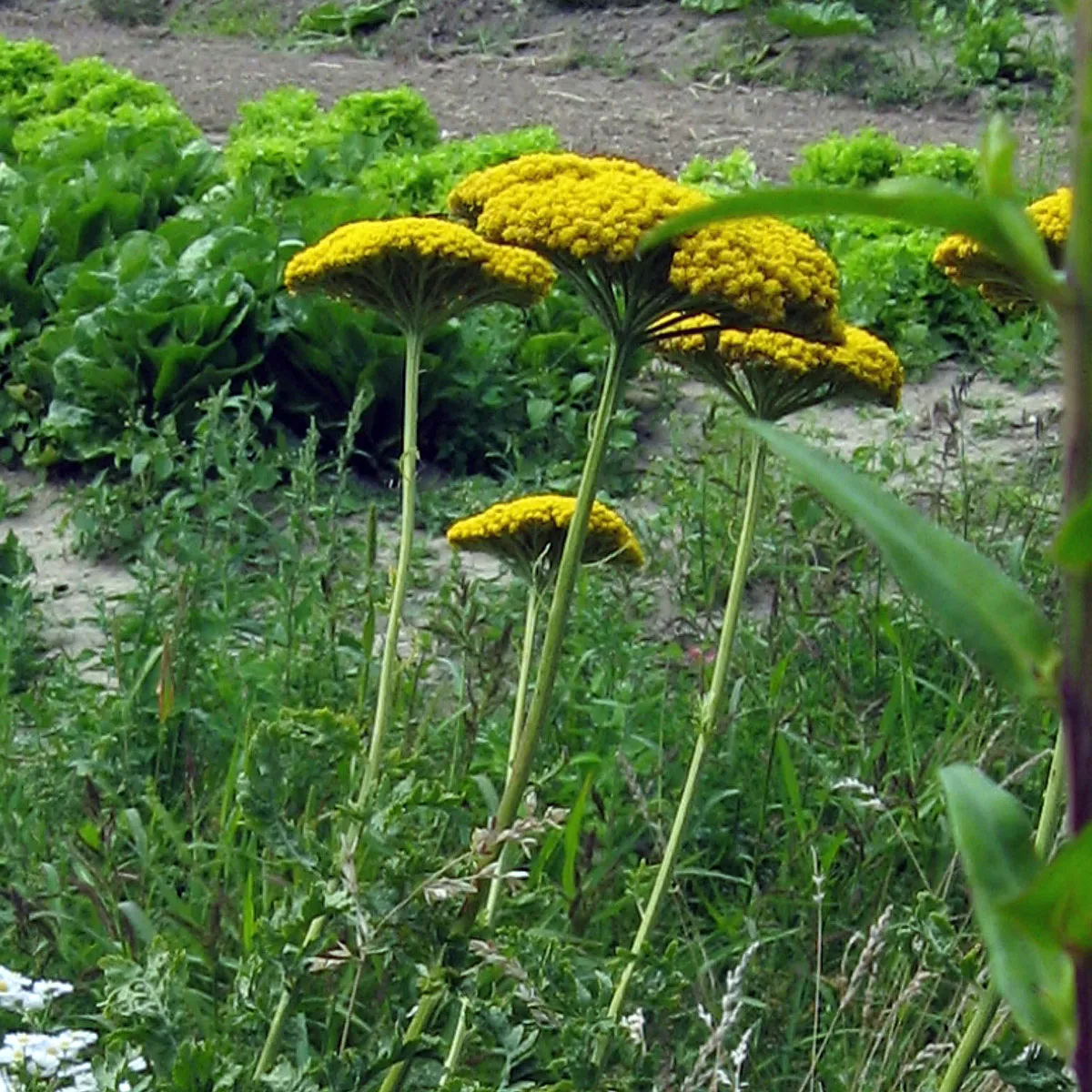
Achillea filipendulina 'Cloth of Gold' is an impressive, perennial and fully hardy herbaceous plant whose exceptionally large, intensely golden-yellow flower heads immediately catch the eye. As a tall golden yarrow, it is one of the most reliable structural plants for sunny herbaceous borders, prairie-style plantings and gravel gardens. Its upright, sturdy clumps can reach up to 150 cm in height depending on site conditions, adding strong vertical lines to the planting scheme.
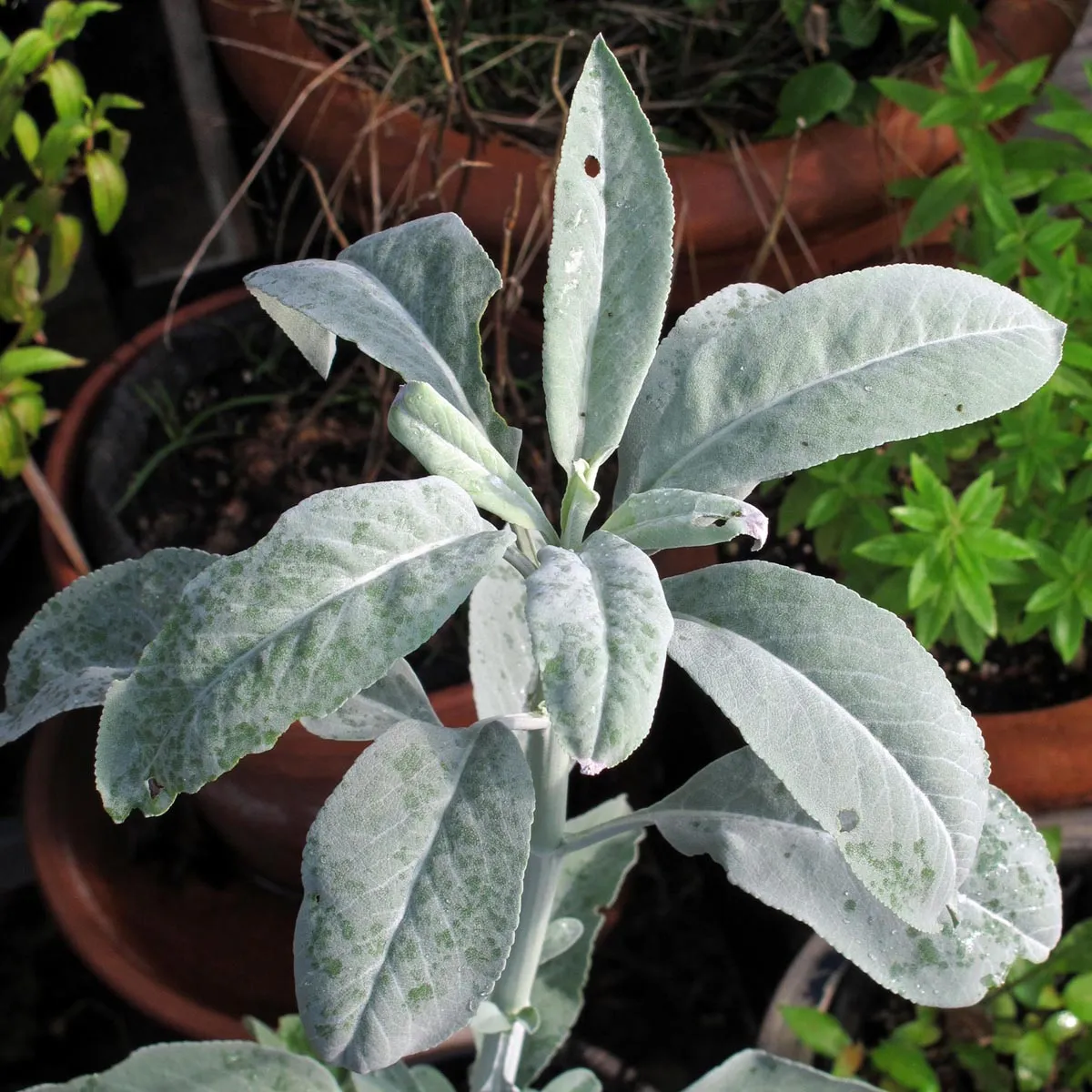
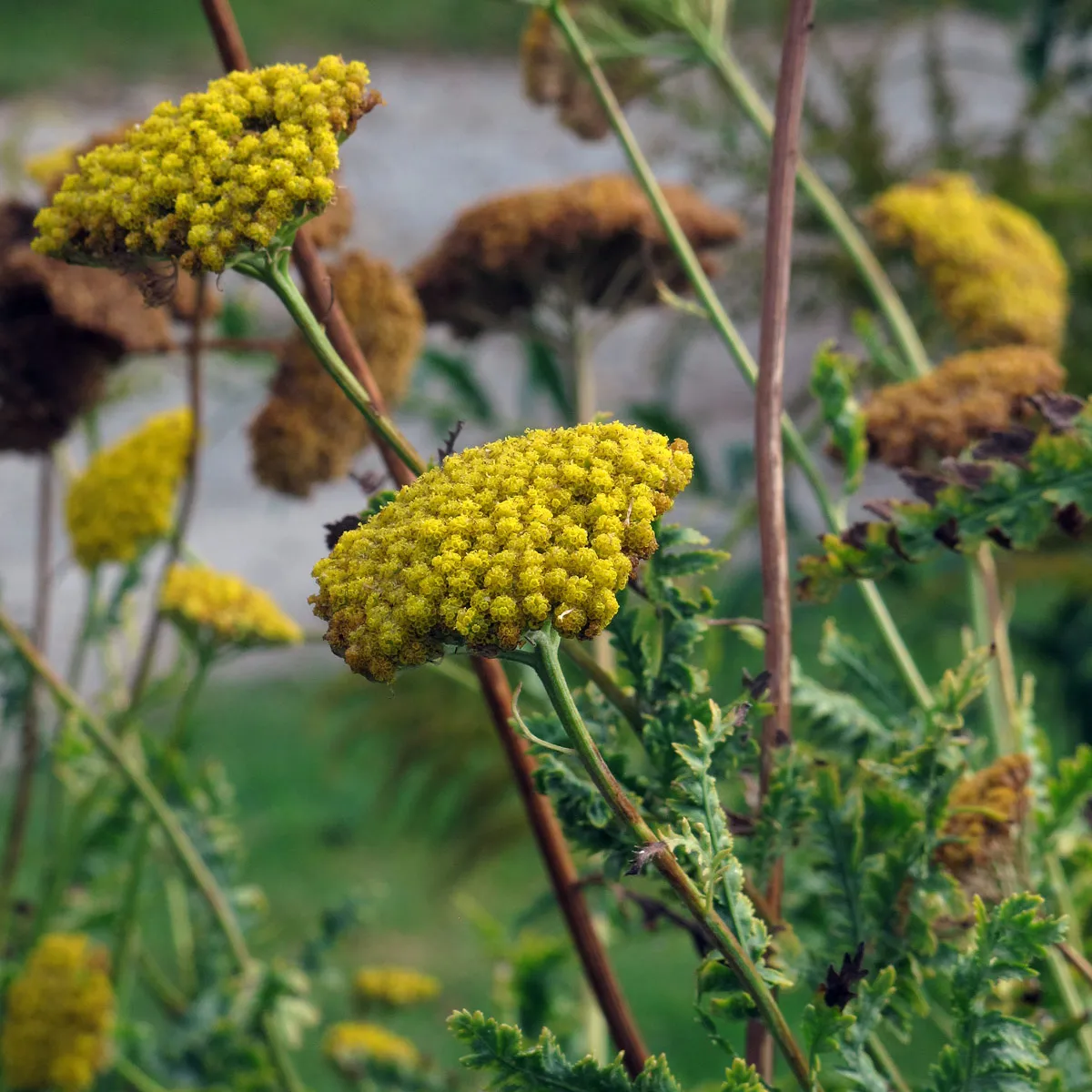
Its grey-green, finely divided, almost fern-like foliage is characteristic and releases a light aromatic scent. From June onwards, the large, plate-like flower heads appear and can continue well into late summer. The variety is remarkably colour-stable - even when dried, the umbels retain their rich golden-yellow hue. This makes golden yarrow not only a valuable insect-friendly plant, but also an excellent cut and dried flower for bouquets, wreaths and floral arrangements.
In borders it shows its full effect especially when combined with drought-tolerant partners: blue-flowering sage (Salvia), catmint (Nepeta) or Russian sage (Perovskia) create cool contrasts to the warm golden tone. Ornamental grasses such as Miscanthus or switchgrass (Panicum) bring movement into the planting, while purple coneflower (Echinacea) or violet thistles provide striking contrasts of colour and form. Planted in groups, it creates a vibrant prairie border with a long flowering period and high ecological value.
With a history: the genus name Achillea refers to the hero Achilles. As early as antiquity, yarrow was associated with wound-healing properties. While wild species were traditionally used as medicinal plants, 'Cloth of Gold' impresses in today’s garden above all with its longevity, drought tolerance and outstanding floral display. Its flat flower plates are intensively visited by solitary bees, honey bees, hoverflies and butterflies, making a valuable contribution to garden biodiversity.
Plant profile
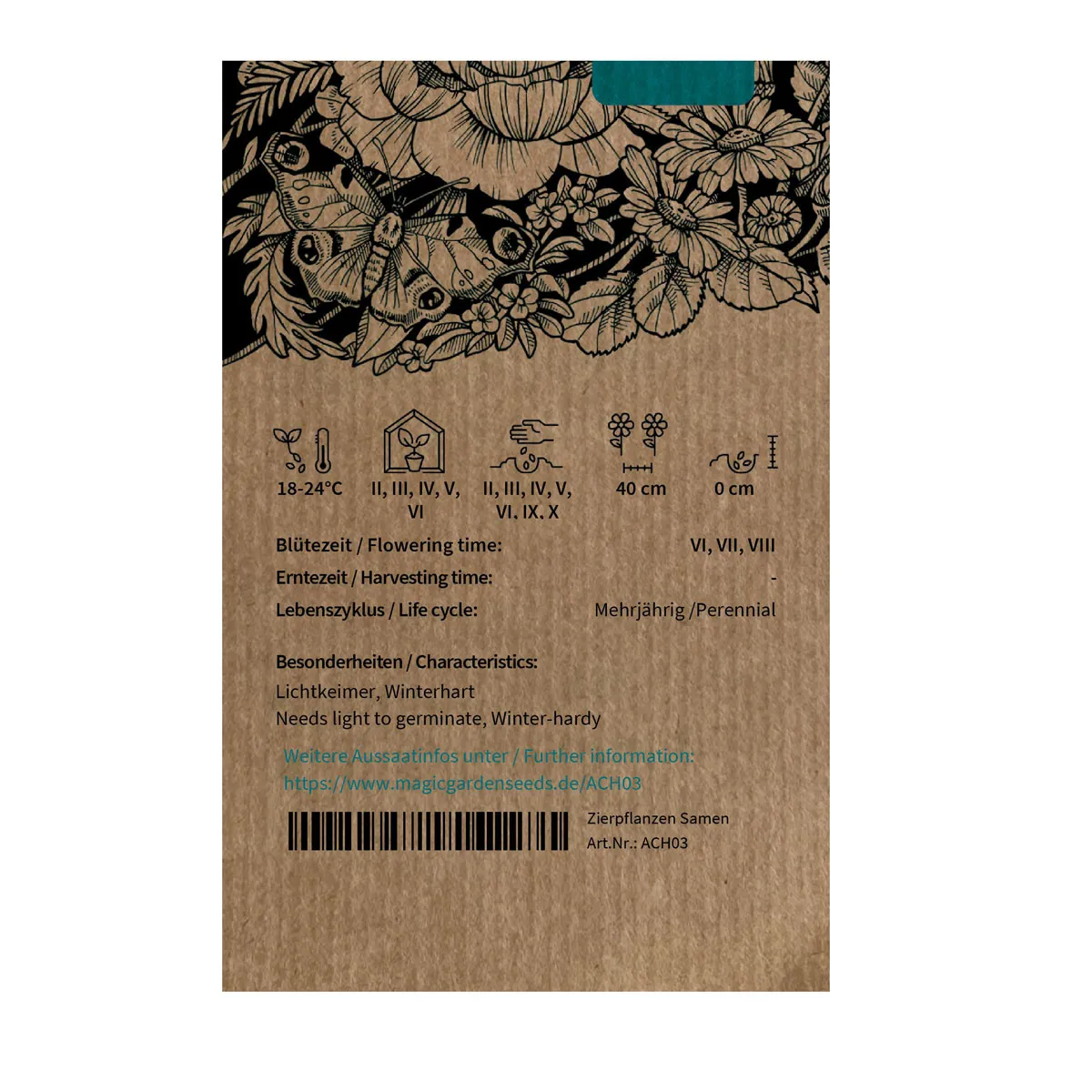
| Use | Cut flower, Dried flower, Good insect food plant, Ornamental plant |
|---|---|
| Lifecycle | Perennial |
| Species | Asteraceae |
| Seed propagation | konventionell |
| Region of origin | Caucasus, Western Asia |
| Characteristics | Drought tolerant, Food for bees, Needs light to germinate, Winter-hardy |
| Eventual height | 100-150 cm |
| Flower colour | Yellow |
| Flowering months | August, July, June |
| Winter hardiness zones | 4 (-34 bis -30 °C) |
Growing instructions
| When to sow outdoors | April, February, June, March, May, October, September |
|---|---|
| Sowing depth | 0 cm |
| Germination temperature | 18-24° C |
| Germination time | 1-2 weeks |
| Climate | Dry, Temperate |
| Soil type | Dry, Free-draining, No waterlogging, Poor, Sandy |
| Sunlight | Full sun |
| Water requirement | Low, No waterlogging |
| Planting distance | 40 cm |
Sowing and care
Sowing & Care of Achillea 'Cloth of Gold'
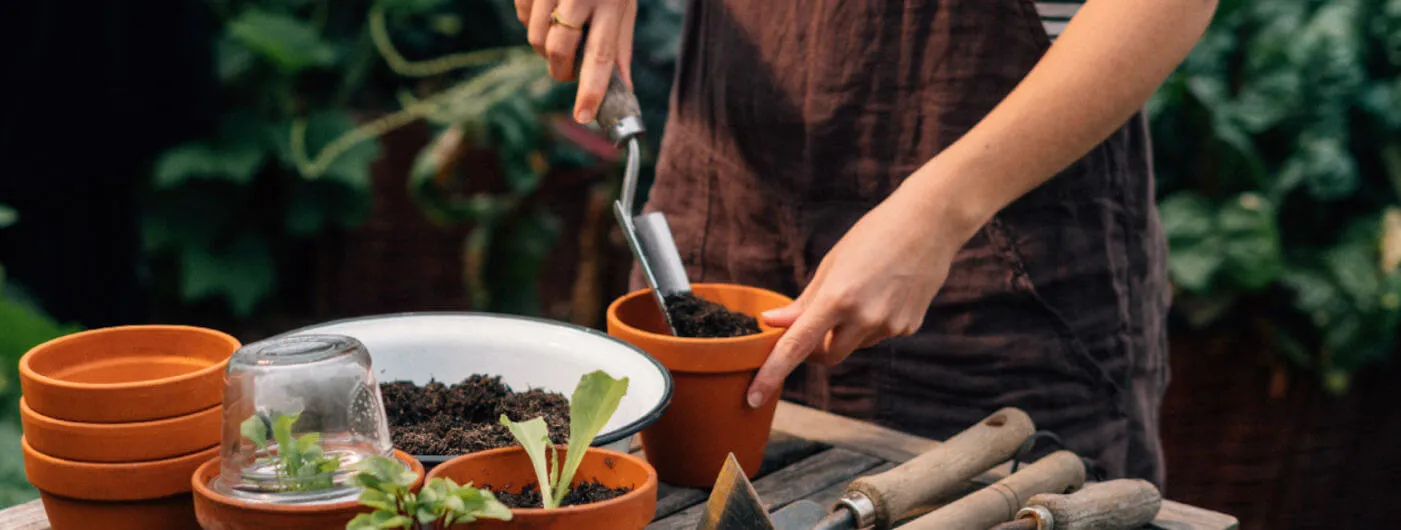
Sowing Achillea seeds is possible both in spring from February to June and in autumn from September to October. The tall golden yarrow is a light germinator: the seeds are scattered onto a fine, loose and well-drained substrate and only lightly pressed down or dusted very thinly with vermiculite. At temperatures between 15 and 25 °C, germination usually occurs within 5 to 14 days. After emergence, the young plants should be grown on in a very bright but slightly cooler position. Once the first true pair of leaves has developed, they are pricked out and, after a period of hardening off, planted outdoors.
In the garden, tall golden yarrow prefers full sun and well-drained, rather sandy or gravelly soils. It tolerates lime very well and, once established, copes excellently with drought. Overly nutrient-rich soils or excessive fertilising lead to softer growth and may encourage stems to flop. Waterlogging, especially in winter, must be avoided. Cutting back faded umbels will prolong the flowering period. A complete cut-back is best carried out in late winter, as the dry flower heads provide valuable structure in the winter garden. Every three to five years, dividing larger clumps is recommended to maintain vigour and flowering performance.
Other names
Botanical name: Achillea filipendulina
German: Hohe Gold-Garbe, Gold-Garbe, Gold-Schafgarbe, Gelbe Schafgarbe
English: fern-leaf yarrow, fernleaf yarrow
French: achillée jaune, achillée à feuilles de fougère, achillée filipendule
Italian: millefoglio a foglie di Filipendula
Spanish: milenrama dorada, aquilea amarilla, milenrama amarilla
Dutch: geel duizendblad
Login