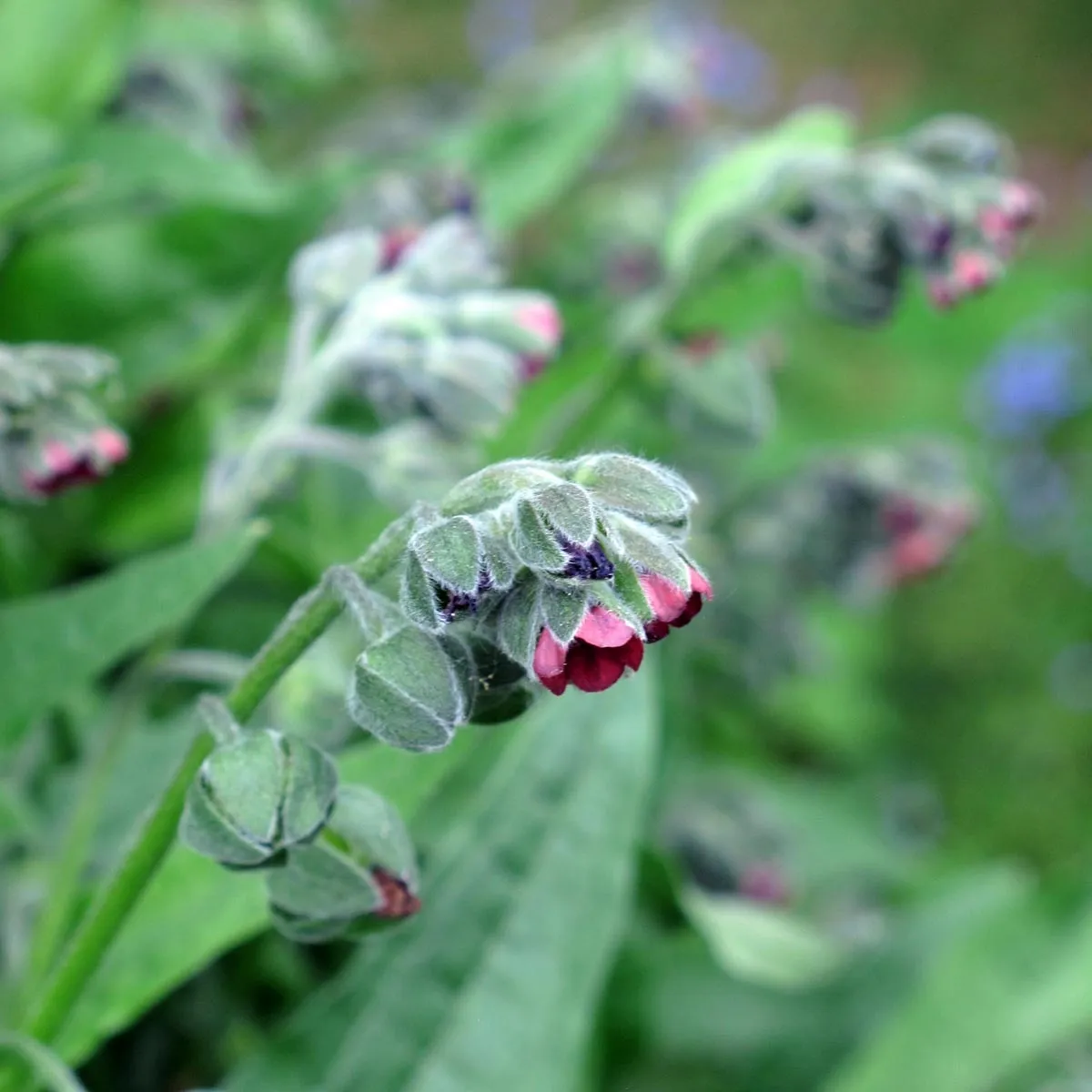
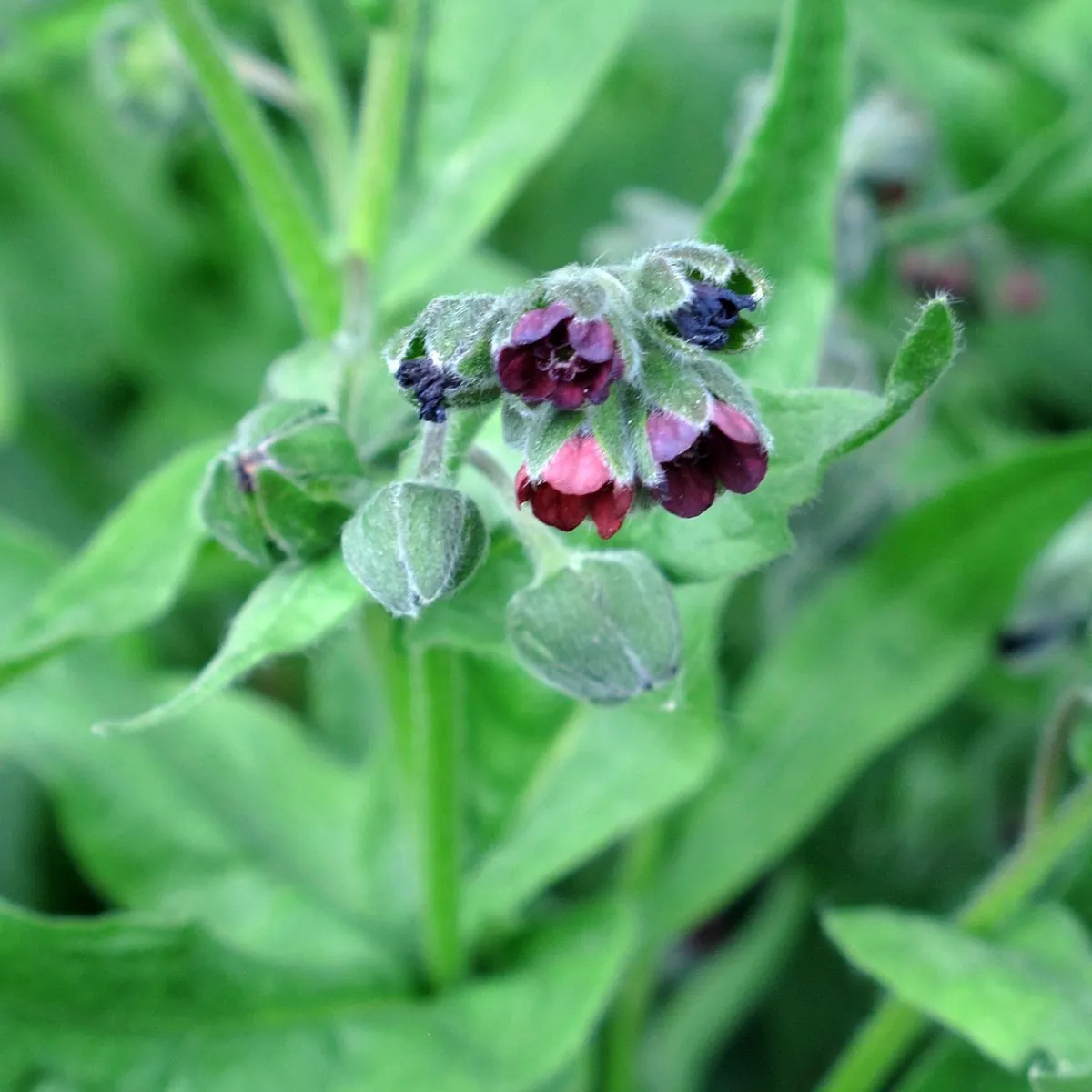
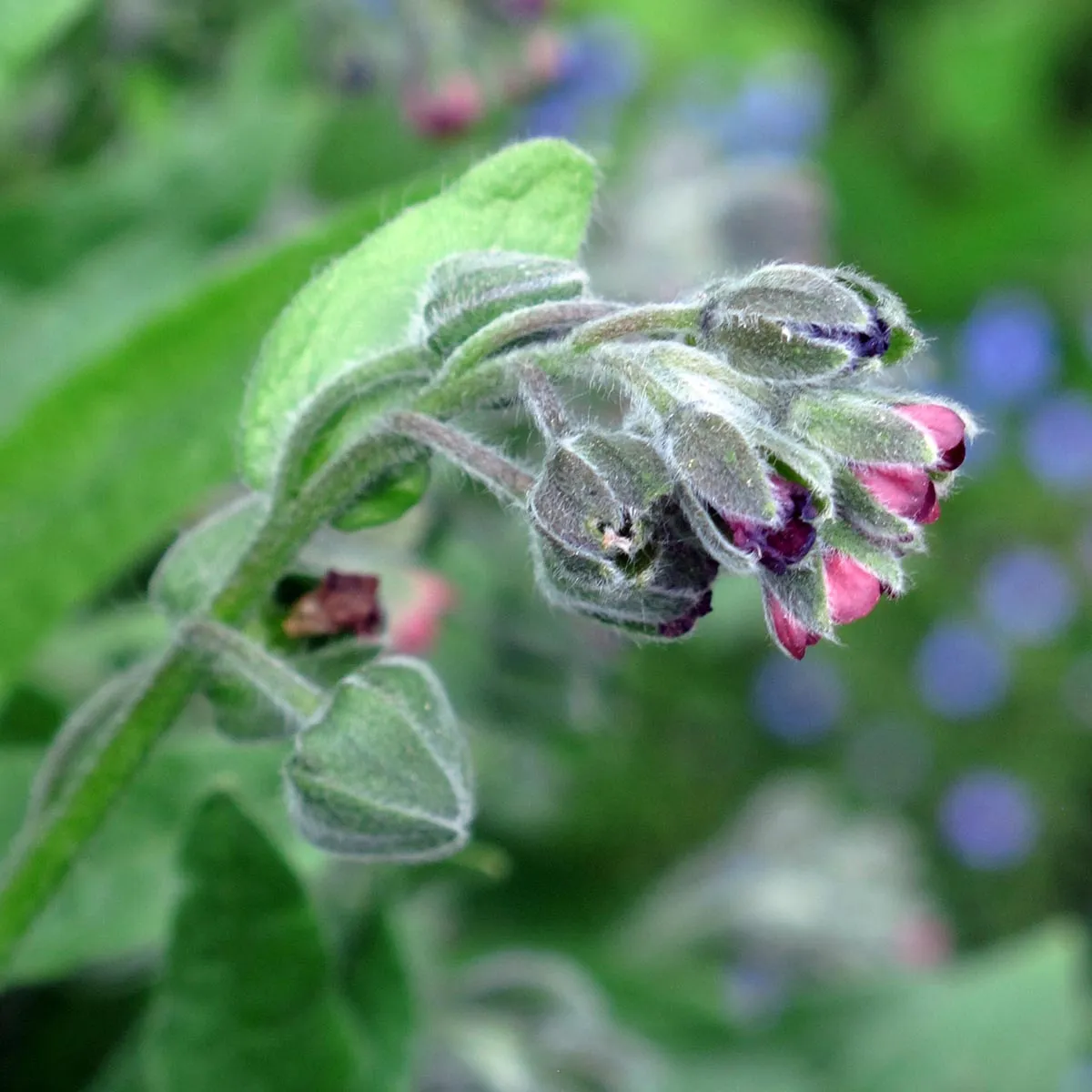
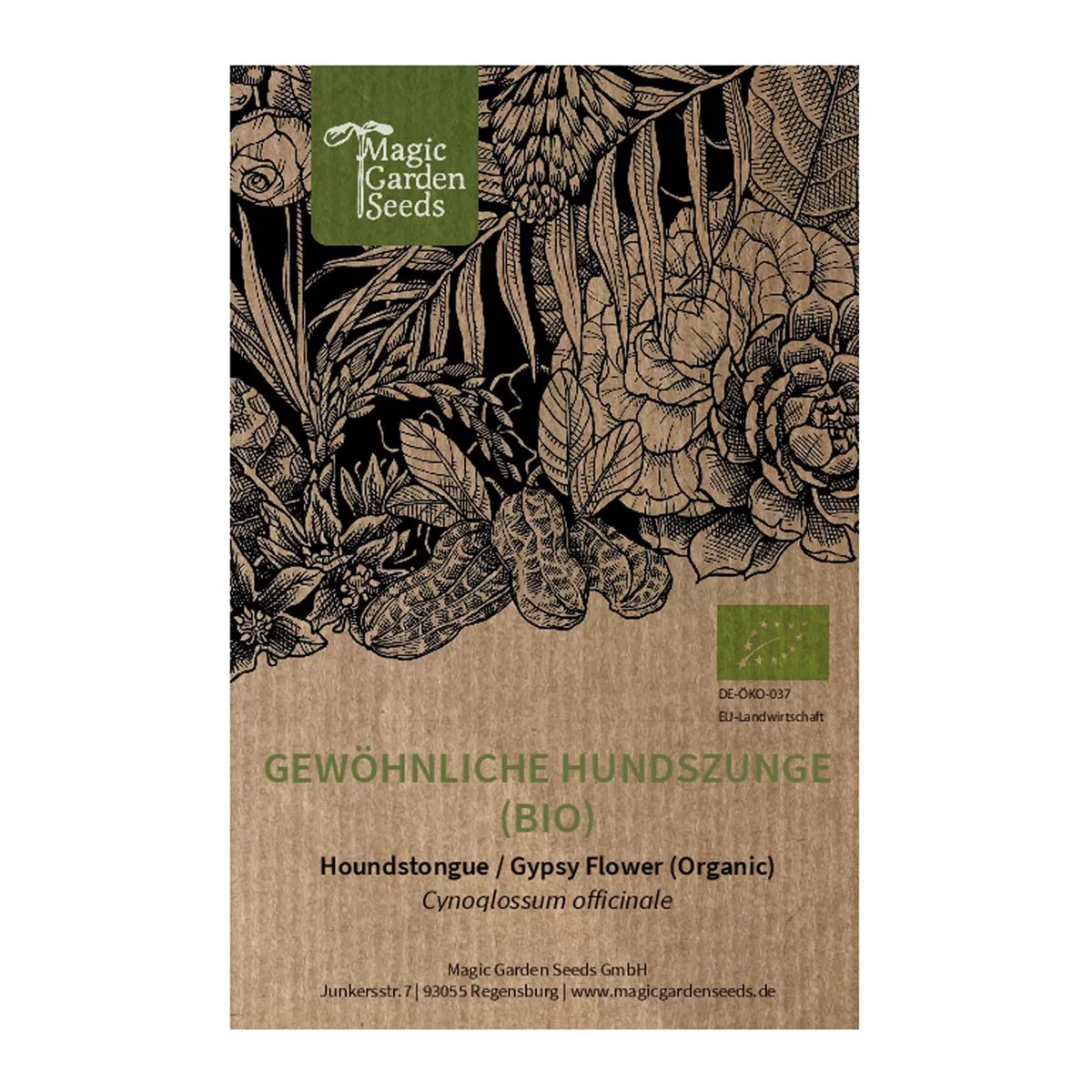
Houndstongue / Gypsy Flower (Cynoglossum officinale) organic seeds
- Contents: Approx. 40 seeds
- Open-pollinated variety, seed tested regularly
Regular price:
€2.59
Product number: CYN03-BIO GTIN: 4251420516039
Description
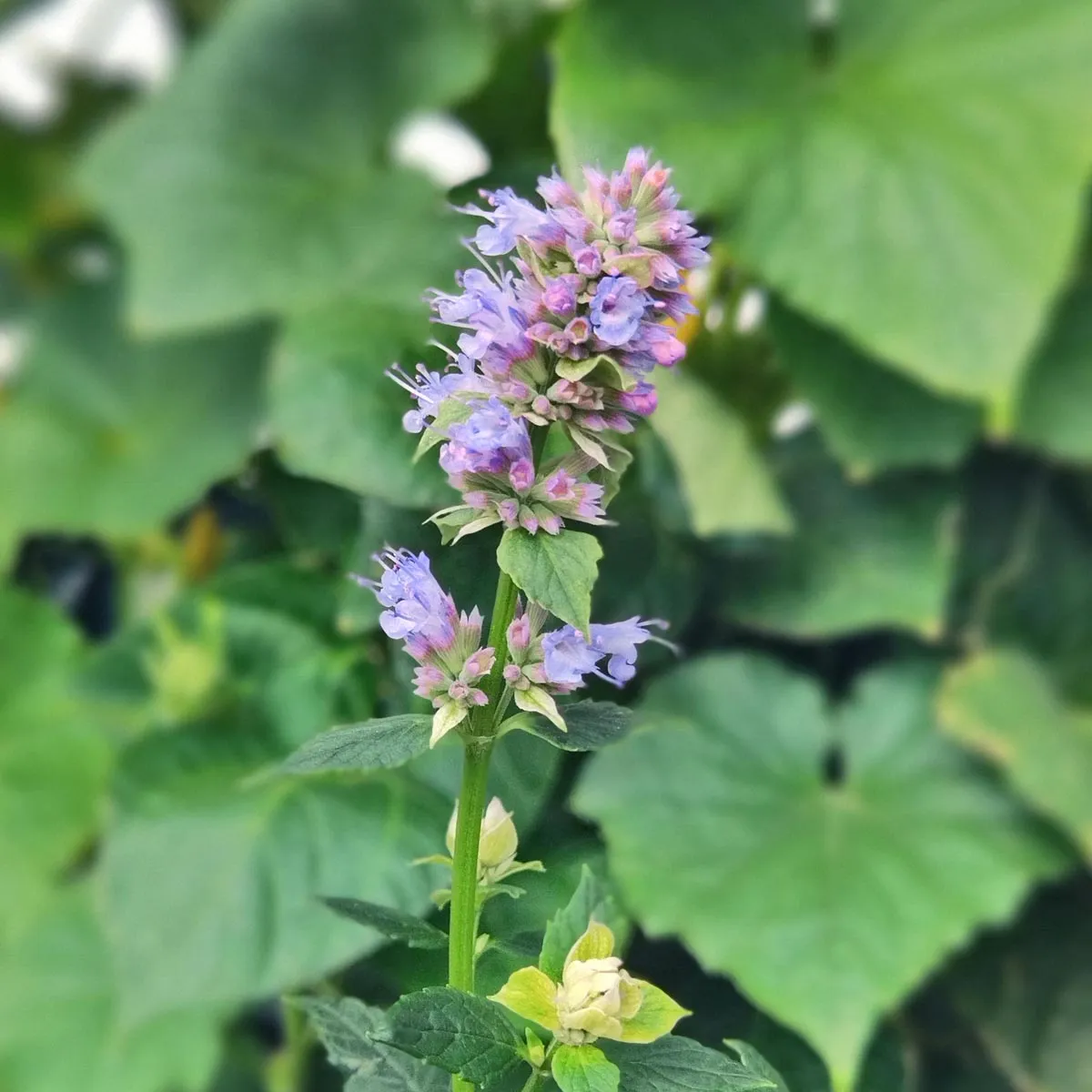
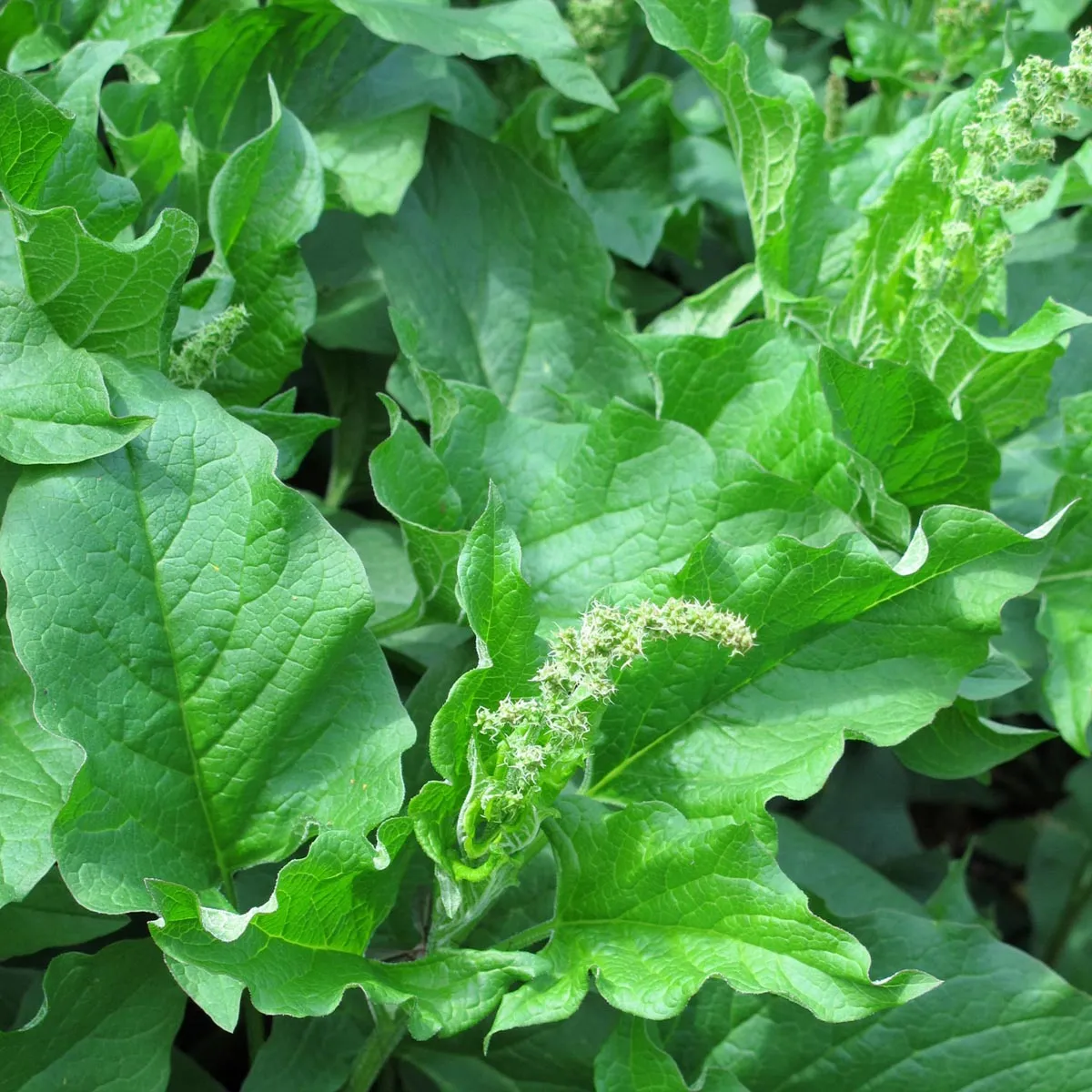
Houndstongue attracts attention because of its hairy leaves and multicoloured purple and red blossoms. The plant's name goes back to those hairy leaves and the barbed fruits, which feel like a rough dog's tongue. It's very beautiful in nature-near gardens as a nectar plant for bees and butterflies but poisonous in all parts.
In former days, the roots were used for dying fabrics as well as for medical purposes. They were deployed especially against diarrhea and as a wound remedy. Today, it's not used as a medicinal plant anymore, as it contains Pyrrolizidine alkaloids, which are toxic.
What's also noteworthy is its scent that's described as a smell of mice.
Plant profile
| Plant type | Wildflower |
|---|---|
| Use | Dye plant, Good insect food plant, Medicinal plant, Ornamental plant |
| Lifecycle | Annual or biennial |
| Species | Boraginaceae |
| Region of origin | Caucasus, Central Asia, Europe, Germany |
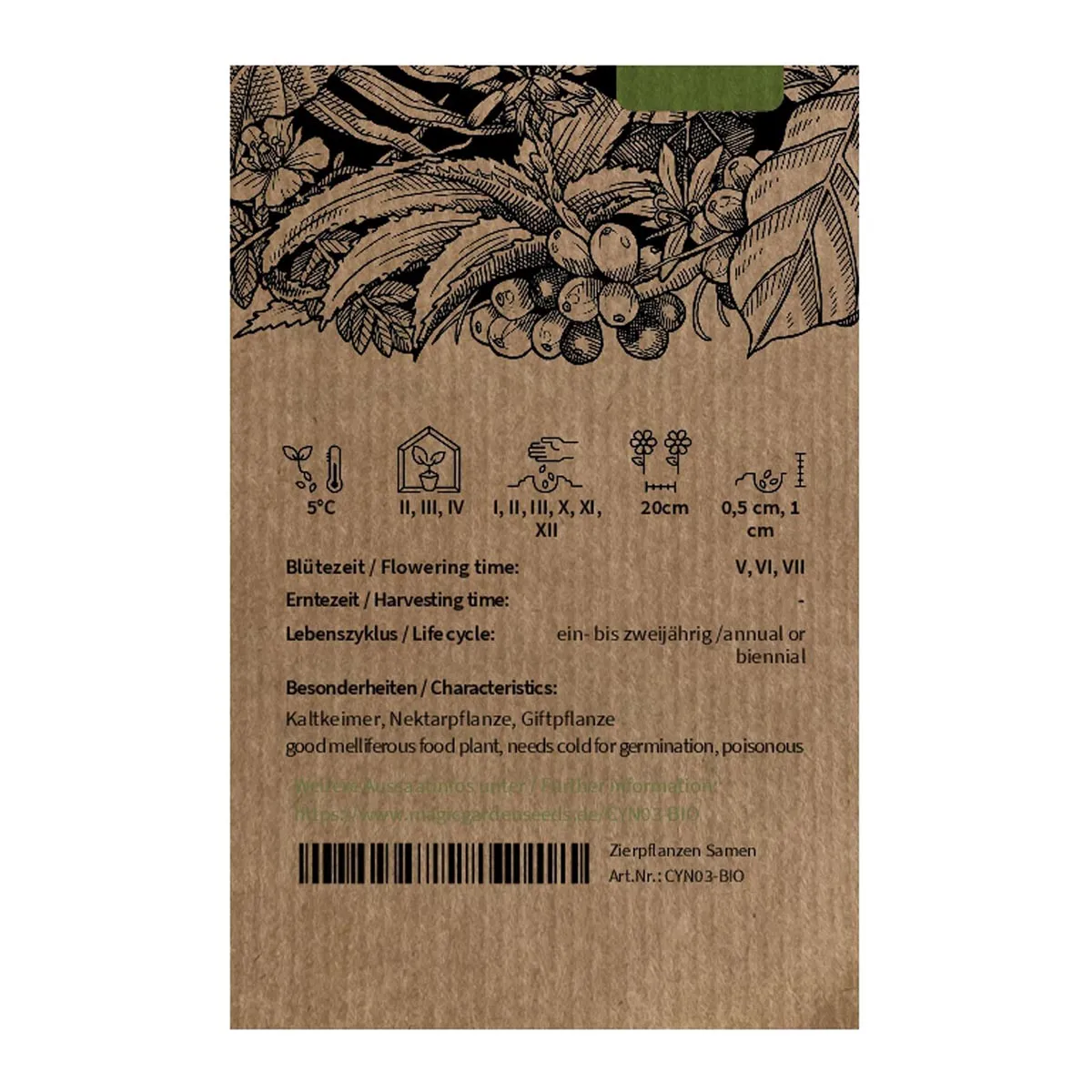
| Characteristics | Food for bees, Needs cold to germinate, Poisonous plant |
| Eventual height | 30-150 cm |
| Flower colour | Brown, Red |
| Flowering months | July, June, May |
| Winter hardiness zones | 6 (-23 bis -18 °C) |
Growing instructions
| When to sow outdoors | December, February, January, March, November, October |
|---|---|
| Sowing depth | 0.5 cm, 1 cm |
| Germination temperature | 3-5°C |
| Climate | Dry, Temperate |
| Soil type | Dry, Free-draining, Nutrient-rich |
| Sunlight | Full sun |
| Planting distance | 20 cm |
Sowing and care
Biennial to perennial shrub. Ideally, sow it directly outdoors from October to February as the plant needs temperatures under 5°C to germinate. If you precultivate it indoors, better stratify it before. Sunny to half-shady. The biennial, herbaceous plant reaches up to 80cm in height.
Other names
Botanical name: Cynoglossum officinale
German: Gewöhnliche Hundszunge, Wundkraut, Wolfszunge, Liebäuglein, Brandwurzel
English: Gypsyflower, Houndstooth Leaf, Hound's Tongue, Rats and Mice
French: Langue de chien, Cynoglosse officinale
Italian: Lingua di cane vellutina, Lingua di cane officinale, Erba vellutina, Cinoglosso, Cinoglossa
Spanish: cinoglosa, bizniega, lengua de perro, oreja de liebre, viniebla, hierba conejera, hierba del conejo
Reviews
Login
No reviews yet. Will you write the first one?