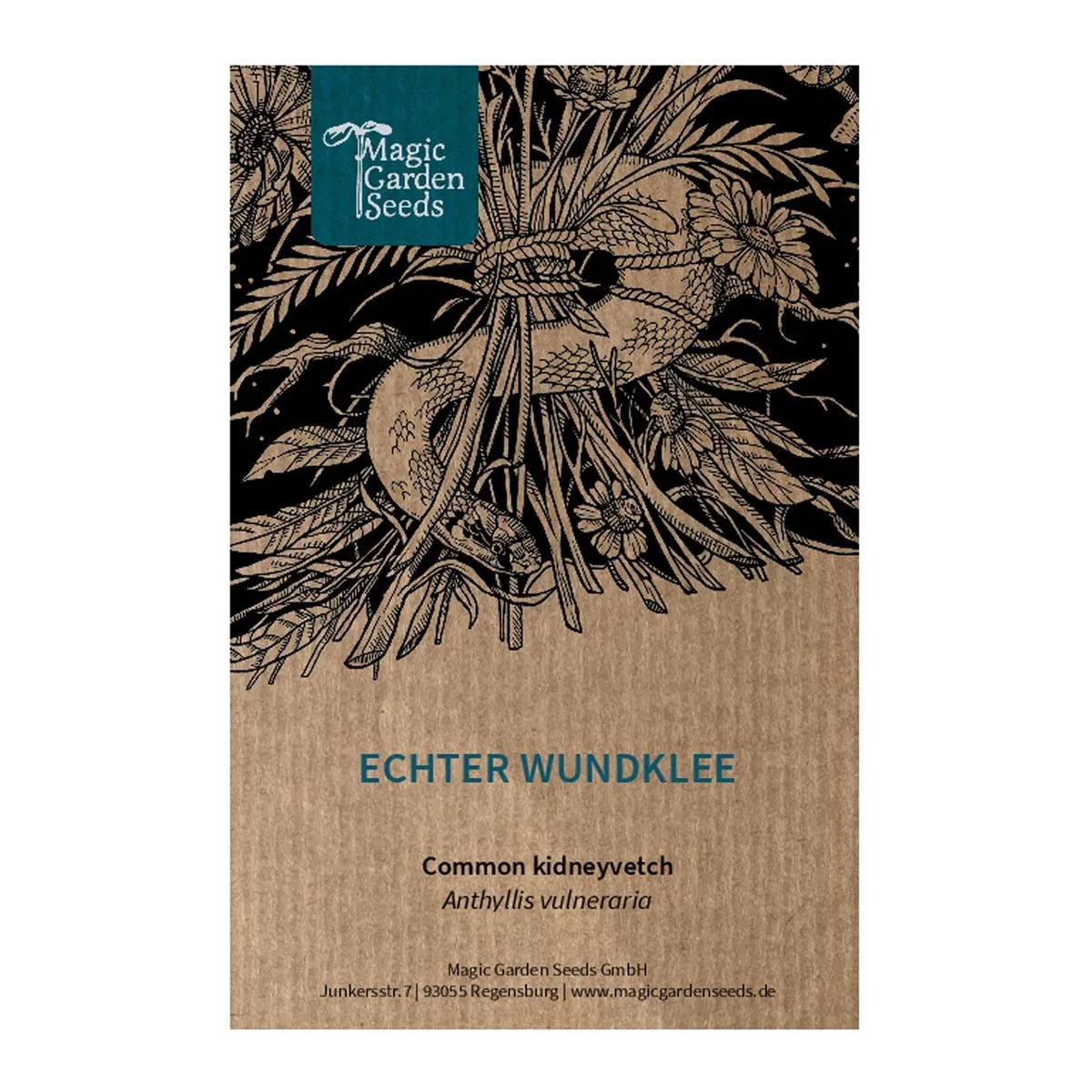
Kidney vetch (Anthyllis vulneraria) seeds
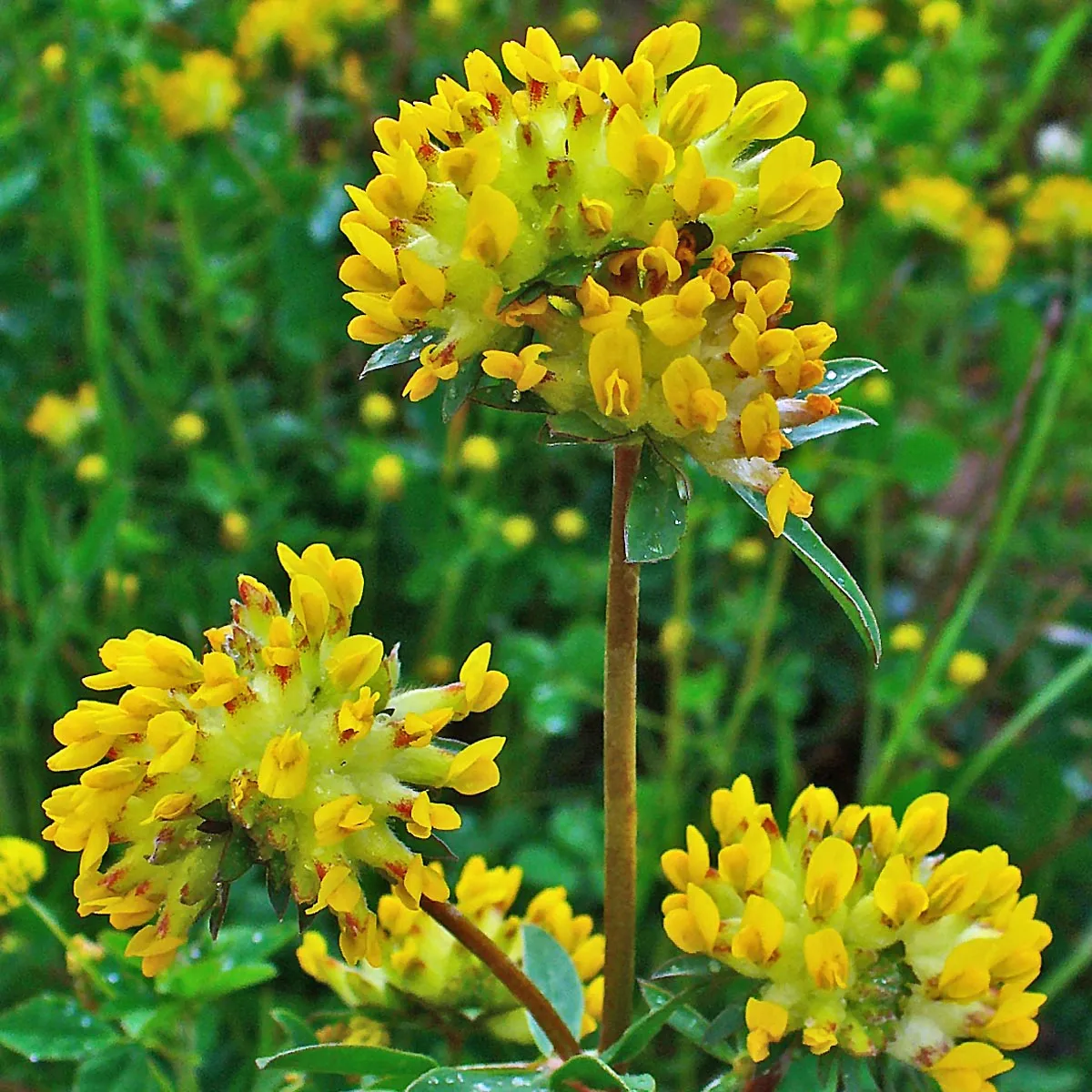
- A popular remedy in former days, today a small but strikingly beautiful yellow-blooming garden plant.
- Contents: Approx. 300 seeds
- Open-pollinated variety, seed tested regularly
Regular price:
€2.49
Content: 300 Single seed
Product number: ANT02 GTIN: 4251420507556
Description
The Common Kidneyvetch is a wild shrub native to Europe and North America with a long tradition as a medicinal plant. As the plant contains many saponins and tannins, the tea made from blossoms and leaves is well suitable for the treatment of wounds and ulcers. Because of this high publicity, many different common names for this wildflower developed regionally.
Today, the common kidneyvetch is, however, only used as a homeopathic remedy and as an ingredient of blood-purifying herbal teas anymore.
But kidneyvetch can do so much more. It's an excellent pioneer plant on barren, calcareous soils. It's often found on dry grasslands, at waysides, embankments, and old quarries. As a deep rooter, the plant forms a long taproot that provides good airing and permeability in the soil. Furthermore, it belongs to the plants that settle rhizobia on their roots and can, therewith, bind nitrogen from the air. As it reacts sensitively to fertilizer, it, by now, belongs to the endangered plants that get rarer.
The blossoms are rich in nectar and, because of their shape, offer a good feeding site especially to bumblebees and butterflies.
Altogether, the whole plant is a popular foodplant with many pets.
The common kidneyvetch has also a certain reputation as a magic plant. Therefore, the blossoms are laid into the baby cot to protect the child from sorcery and imprecations.
Plant profile
| Plant type | Herbaceous plant |
|---|---|
| Use | Medicinal plant |
| Lifecycle | Perennial |
| Species | Fabaceae |
| Region of origin | Africa, Europe |
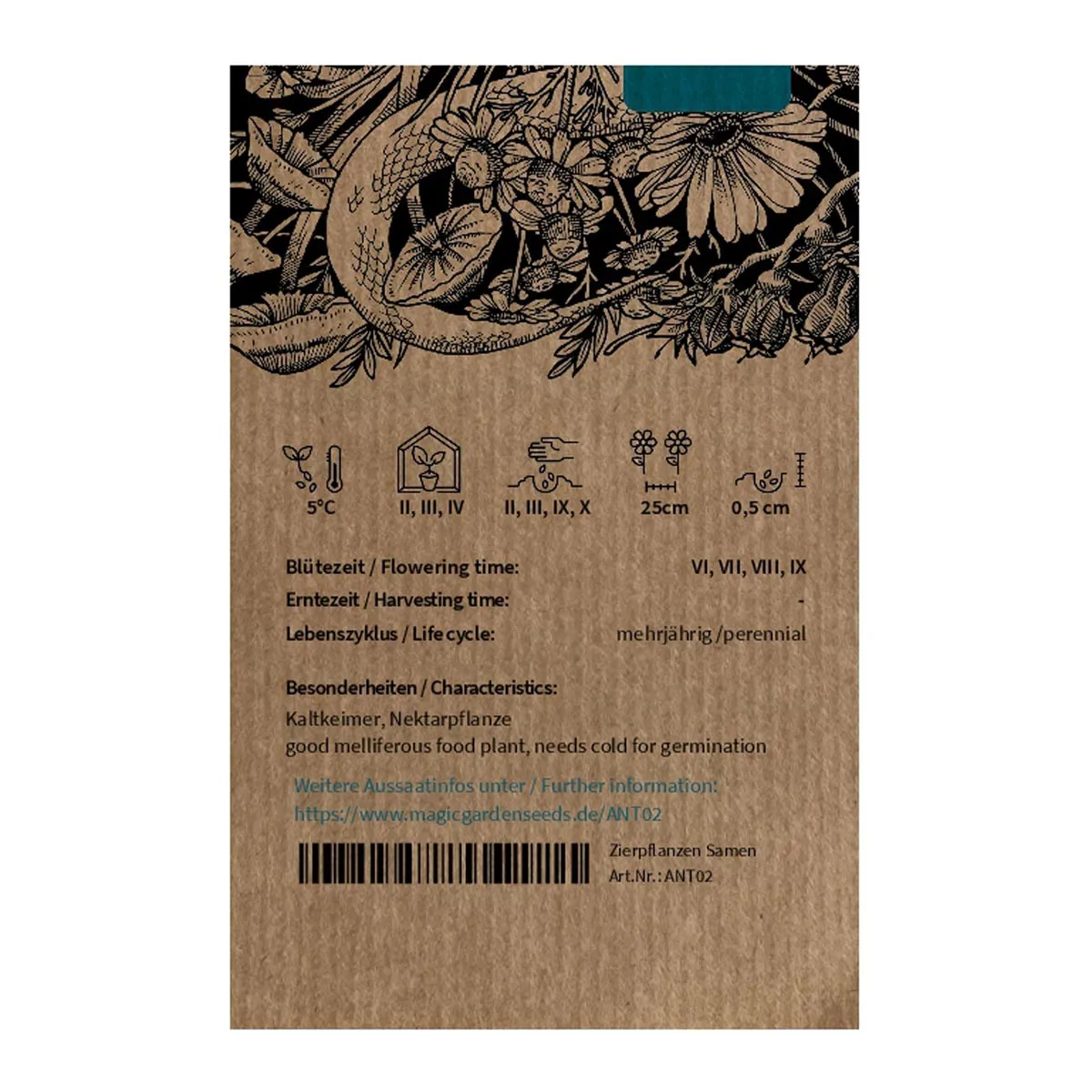
| Characteristics | Food for bees, Needs cold to germinate |
| Eventual height | 5-50 cm |
| Flower colour | Orange, Red, Yellow |
| Flowering months | August, July, June, September |
| Root system | Deep roots, Taproot |
| Winter hardiness zones | 6 (-23 bis -18 °C) |
Growing instructions
| When to sow outdoors | February, March, October, September |
|---|---|
| Sowing depth | 0.5 cm |
| Germination temperature | 3-5°C |
| Germination time | 1-4 weeks, irregular |
| Climate | Temperate |
| Soil type | Chalky, Dry, Free-draining, Fresh, Low nutrient levels |
| Sunlight | Full sun |
| Water requirement | Low |
| Planting distance | 25 cm |
Sowing and care
Perennial wildflower shrub. Cold germination: Sowing time outdoors at the beginning of spring or in autumn. Alternatively, artificial stratification is possible. Mix the seeds with moist sand in a plastic bag. The bag must be kept warm and moist (approx. +20°C) for the first 2-4 weeks and then placed in the refrigerator where it should remain at a temperature of +5°C for 5-6 weeks. Then remove the plastic bag and observe regularly at room temperature whether the seeds germinate. Then prick the seedlings into pots and plant them out after the last frosts in mid-May. Loves barren, sunny locations and likes to sow itself.
Other names
Botanical name: Anthyllis vulneraria
German: Echter Wundklee, Gemeoner Wundklee, Gewöhnlicher Wundklee, Tannenklee, Schöpfli, Wollklee, Bärenpratzen, Bärenklee, Hasenklee, Katzenklee, Katzenbratzerl, Katzentapen, Muttergottes-Schühlein, Frauenschuhli, Frauenkapperl, Traubenkröpferl, Apothekerklee, Bartklee, Gelber Klee, Goldkopf, Sommerklee, Schafszähn, Russischer Klee
English: Common kidneyvetch, Woundwort
French: Anthyllide vulnéraire
Italian: Antillide vulneraria, Vulneraria
Spanish: Vulneraria, hierba de la cuchillada, pie de gallo encarnado, pitiflor blanca, uña de gato
Reviews
Login
No reviews yet. Will you write the first one?