
Narrow-leaved Water-dropwort (Oenanthe silaifolia) seeds
- Rare perennial plant of damp meadows with white flower umbels and thickened storage roots - particularly interesting for plant collectors and naturalistic gardens.
- Approx. 150 open pollinated seeds of Narrow-leaved Water-dropwort (Oenanthe silaifolia).
- Historically known as a root vegetable, but not recommended for consumption due to documented poisoning cases - grow exclusively as a wild, ornamental or collector's plant.
€2.79
No longer available
Description
Rare water dropwort for collectors and enthusiasts of unusual wild plants
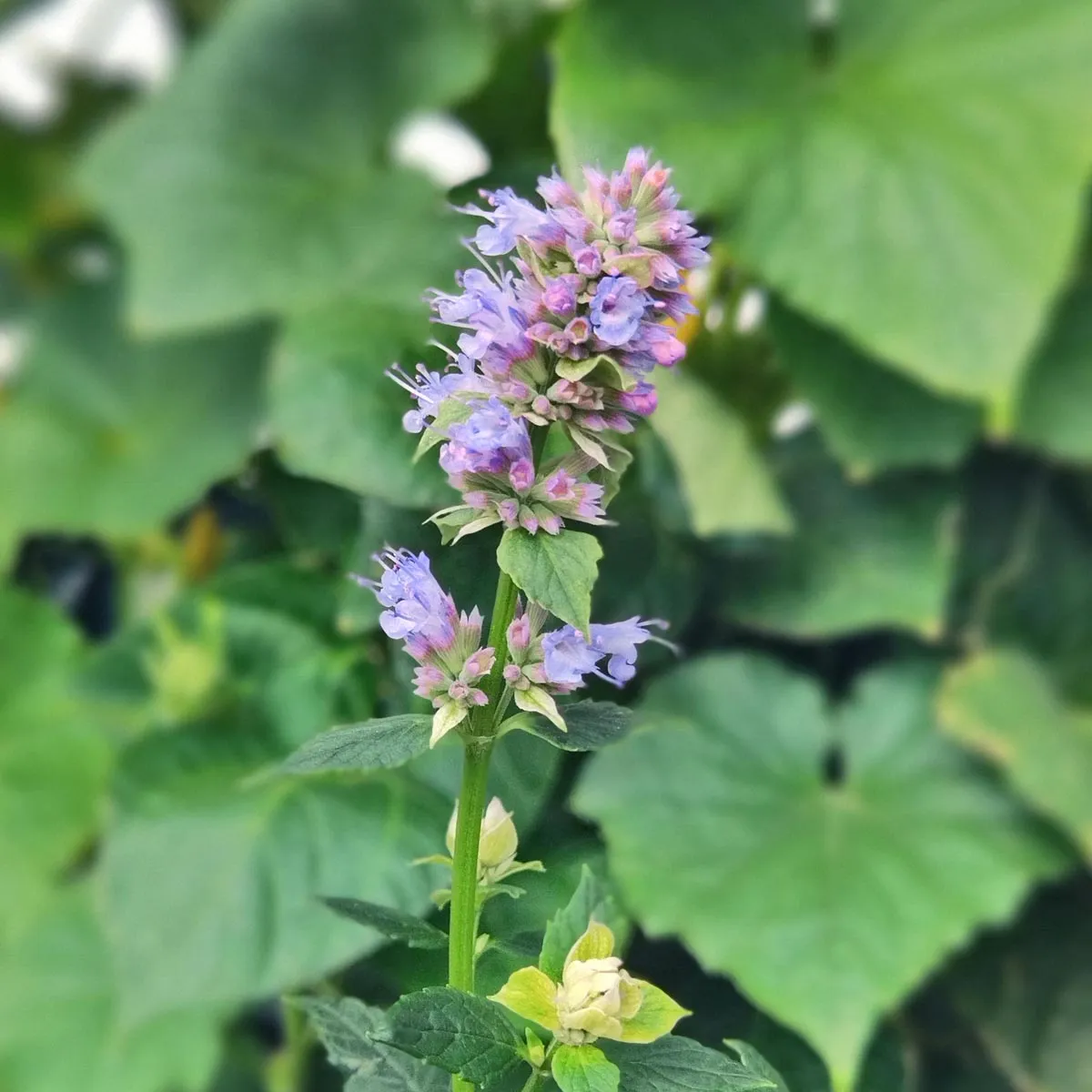
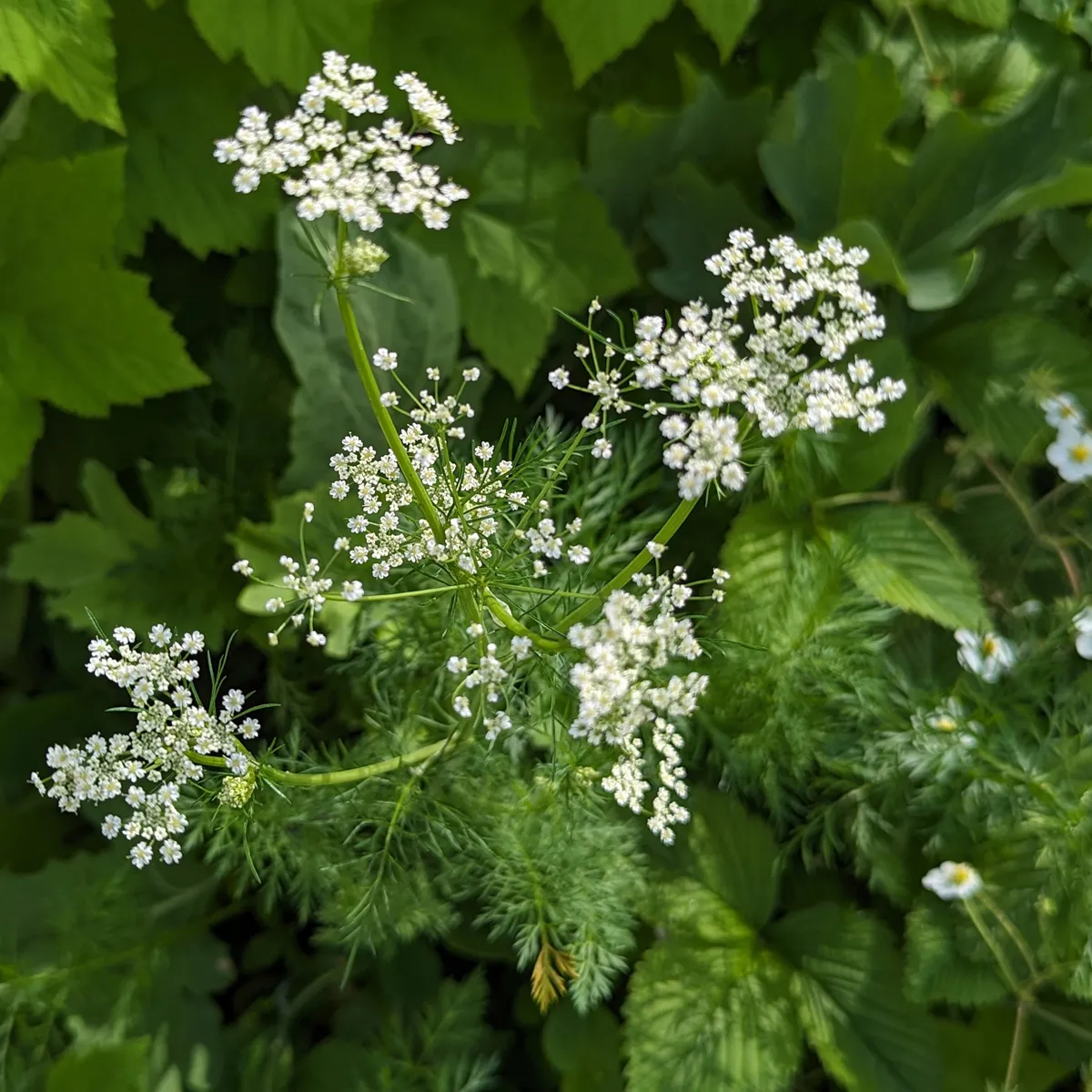
Narrow-leaved Water-dropwort (Oenanthe silaifolia) is a perennial wildflower belonging to the carrot family (Apiaceae). It grows naturally in sunny meadows with moist to damp soil and produces loose umbels of white flowers in summer. Depending on growing conditions, the plant reaches a height of around 50 to 100 cm.
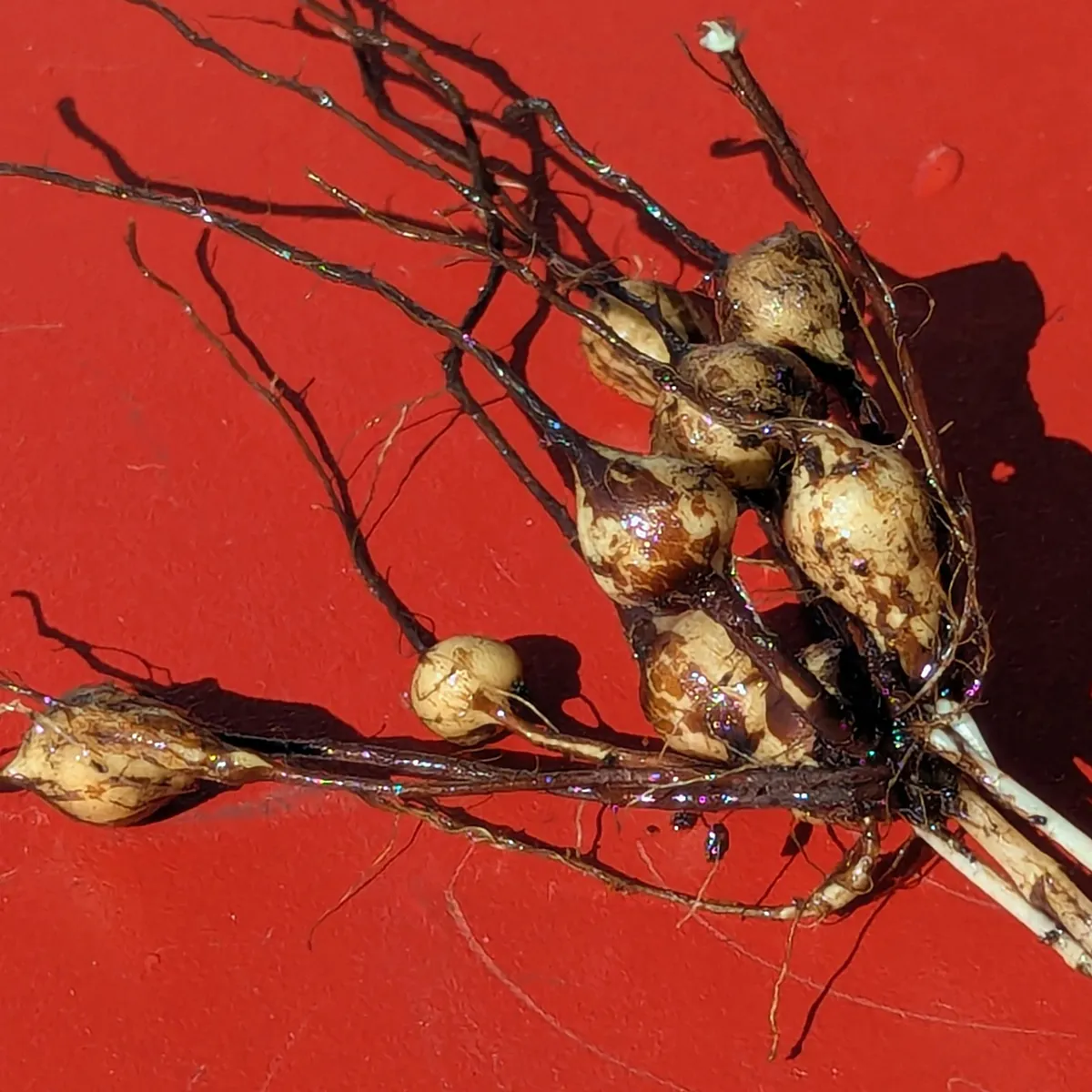
Its underground growth is particularly interesting: thickened, elongated storage roots develop from the rootstock, giving rise to its German trade name "Erdkastanie", meaning earth chestnut. However, it must not be confused with Pignut (Bunium bulbocastanum), as the German name Erdkastanie is used for several botanically distinct members of the carrot family.
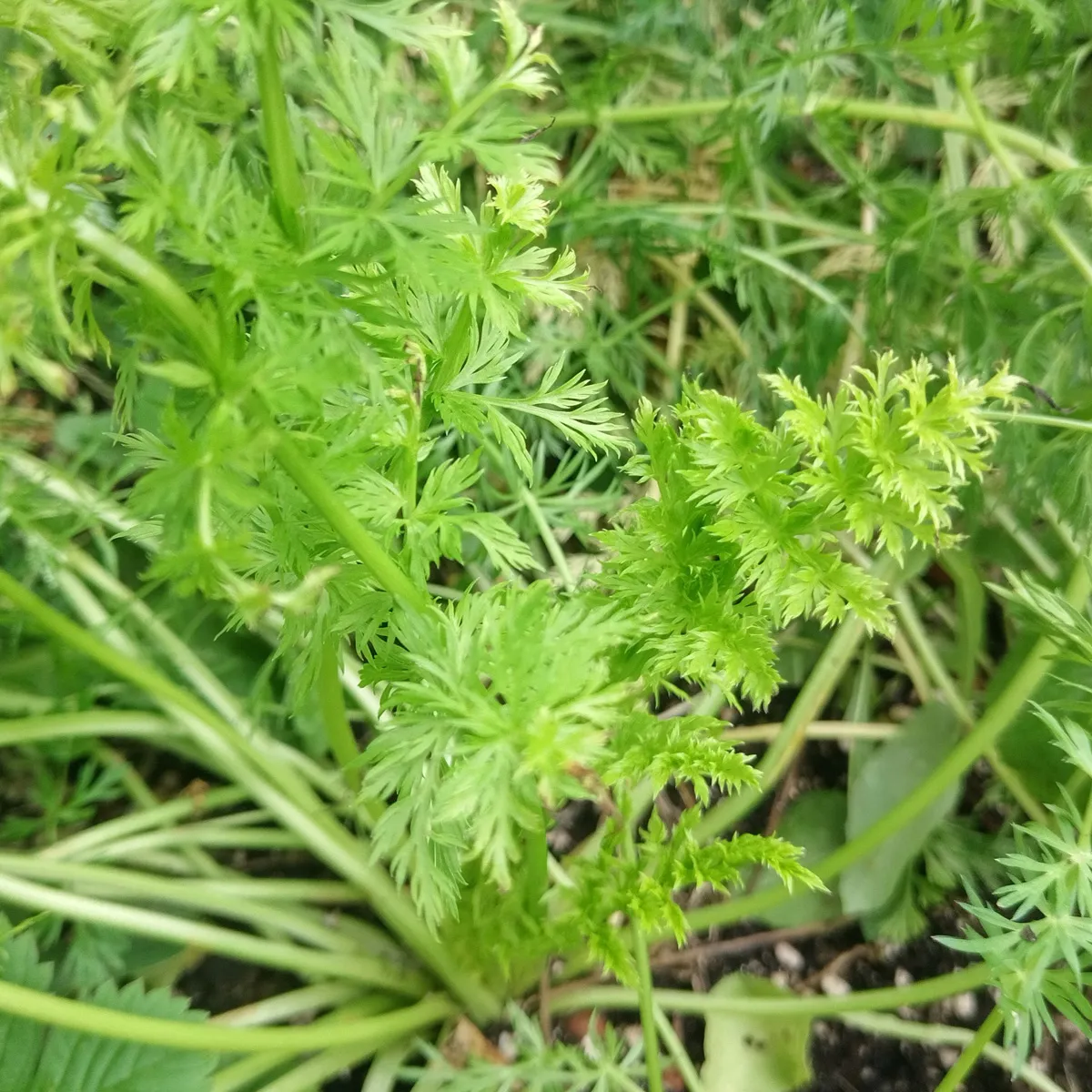
For plant collectors, Oenanthe silaifolia is especially fascinating when grown alongside the very similar Corky-fruited Water-dropwort (Oenanthe pimpinelloides). At first glance, the two species look remarkably alike, but they differ in various features, including their leaves, fruiting umbels and the development of their storage roots. Growing them side by side makes these subtle botanical differences particularly easy to observe.
A rare plant of Europe's damp meadows
The natural range of Narrow-leaved Water-dropwort extends from parts of Western, Central and Southern Europe through the Mediterranean region to the Caucasus and northern Iran. Germany and Austria are also part of its native range. Today, however, the species is exceptionally rare in these countries and is considered regionally extinct or missing from its former habitats.
The currently accepted botanical name Oenanthe silaifolia was published in 1819 by Friedrich August Marschall von Bieberstein. In his description, he mentioned plants from near Nikita in Crimea and noted their conspicuously thickened roots. Crimea is therefore an important historical collection locality, but not the sole origin of this widely distributed European and West Asian species.
Historically used as a root vegetable - now best grown as a collector's plant
Narrow-leaved Water-dropwort has a history as an old root vegetable and was used locally as a food plant. However, cases of poisoning following the consumption of Oenanthe silaifolia have been documented. We therefore do not recommend eating its roots, leaves or any other plant parts. This species should only be cultivated as a rare wildflower, ornamental or collector's plant.
Correct identification is also essential, as the genus Oenanthe contains several very similar species, including some that are extremely poisonous. It is therefore advisable to grow this plant separately from parsley, chervil and other edible members of the carrot family.
Plant profile
| Plant type | Herbaceous plant, Wildflower |
|---|---|
| Use | Good insect food plant, Ornamental plant |
| Lifecycle | Perennial |
| Species | Apiaceae |
| Seed propagation | Conventional production |
| Region of origin | Caucasus, Central Europe, Eastern Europe, Iran, Mediterranean Region, North Africa, Southern Europe |
| Characteristics | Food for bees, On Red List of endangered species, Poisonous plant, Winter-hardy |
| Eventual height | 40-80 cm |
| Flower colour | White |
| Flowering months | August, July, June |
Growing instructions
| When to sow outdoors | April, August, May, September |
|---|---|
| Sowing depth | 0.5 cm |
| Germination temperature | 15-20°C |
| Germination time | 2-6 weeks, irregular |
| Climate | Temperate |
| Soil type | Free-draining, Fresh, Humus-rich, Moderate nutrient levels, Moist |
| Sunlight | Full sun |
| Water requirement | Medium |
| Planting distance | 30 cm |
Sowing and care
Sowing and caring for Narrow-leaved Water-dropwort
Seeds can be sown in spring in pots or seed trays. Place them on moist, loose seed compost and cover lightly with soil. Keep evenly moist at temperatures of around 20 °C. There is no clear evidence that Oenanthe silaifolia requires a period of cold treatment, although germination may be irregular and take some patience. Alternatively, seeds can be sown in autumn and exposed to natural winter temperature fluctuations.
After germination, grow the seedlings on individually before planting them in a sunny position with moist, humus-rich, well-drained soil. Conditions resembling a damp meadow are ideal. The soil should not dry out completely, even in summer, although permanently standing water is not necessary.
Established plants are perennial and hardy. After flowering, some of the above-ground foliage may die back, with a low-growing rosette often appearing again later in the year. If you wish to collect your own seeds, leave the terminal flower umbels on the plant until the seeds are fully ripe.
Other names
Botanical name: Oenanthe silaifolia
German: Silau-Pferdesaat, Silaublättriger Wasserfenchel, Längliche Erdkastanie, Haarstrang-Erdkastanie
English: Narrow-leaved Water-dropwort, Narrow-leaf Water-dropwort
French: Œnanthe à feuilles de Silaüs, Œnanthe intermédiaire
Italian: Finocchio acquatico silaifoglio
Dutch: Weidekervel-torkruid
Login