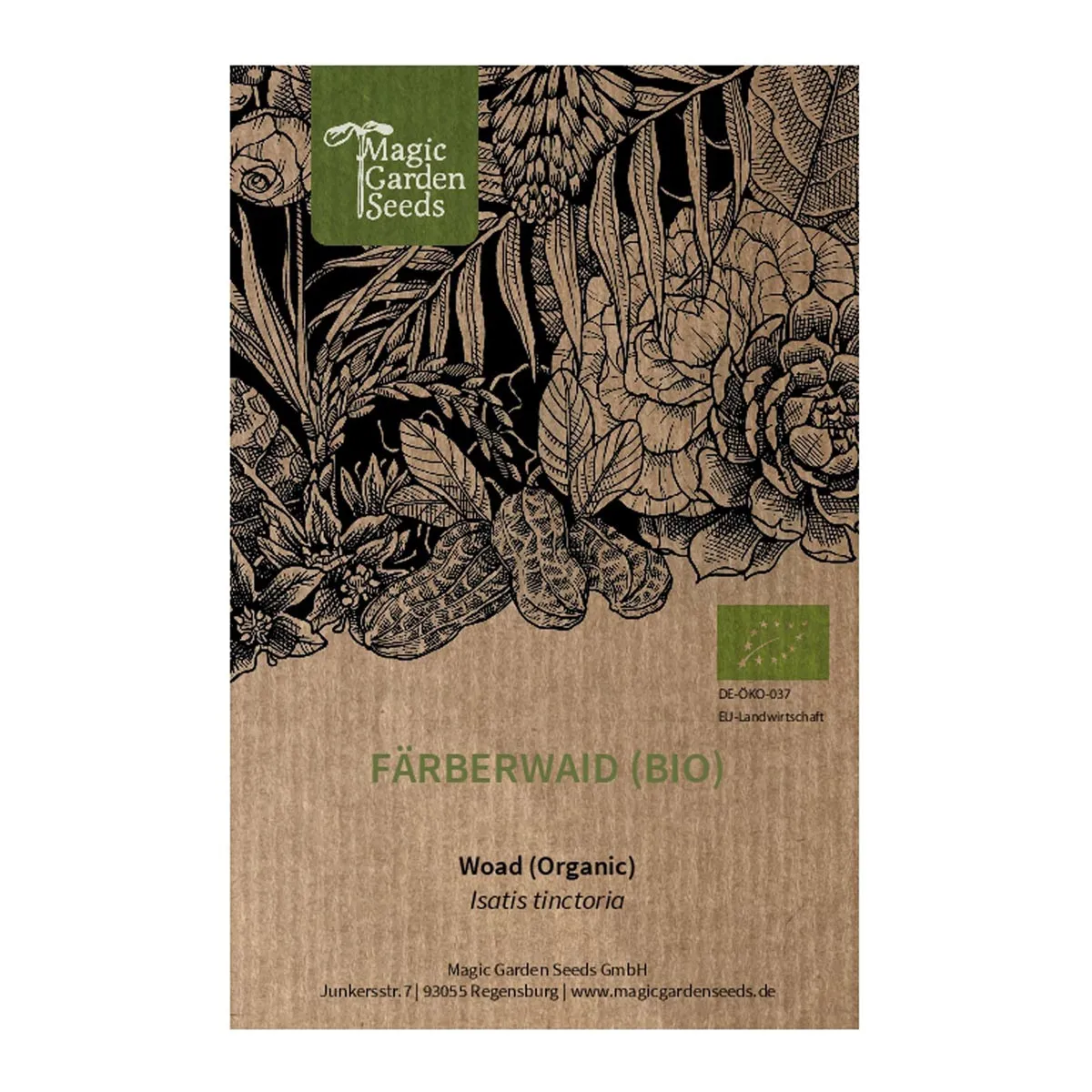
Woad (Isatis tinctoria) organic seeds
- Glastum is an old dye plant. In former days, indigo blue was gained from it.
- Contents: Approx. 50 seeds
- Open-pollinated variety, seed tested regularly
Regular price:
€4.59
Content: 50 Single seed
Product number: 1115-BIO GTIN: 4251420513427
Description
Woad is a historical dye plant and has been the only natural source of blue dye in Europe for centuries. British warriors are said to have rubbed their faces with the dye of the plant to obtain a fearsome appearance when they were fighting the Romans. In colonial times woad was supplanted by the stronger tropical stronger indigo blue. It continues to play a role in Chinese medicine, which uses ground woad rhizomes prepared as an infusion or as flu medicine.
More recent medical research has also shown that woad could potentially play an important role in cancer prevention, as it can produce very high concentrations of the glucosinolate glucobrassicin which is also found in broccoli and cabbage.
Plant profile
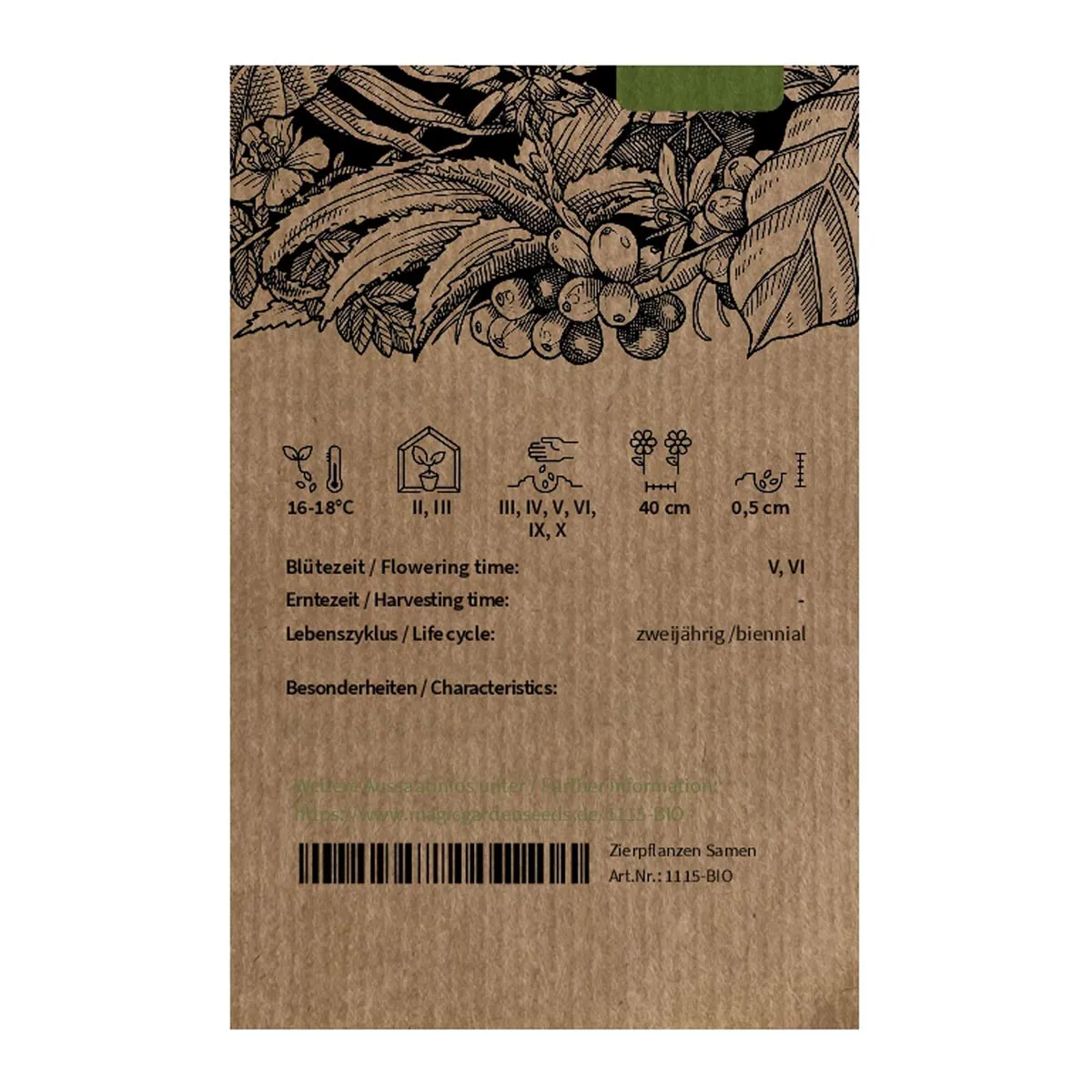
| Lifecycle | Biennial |
|---|---|
| Species | Brassicaceae |
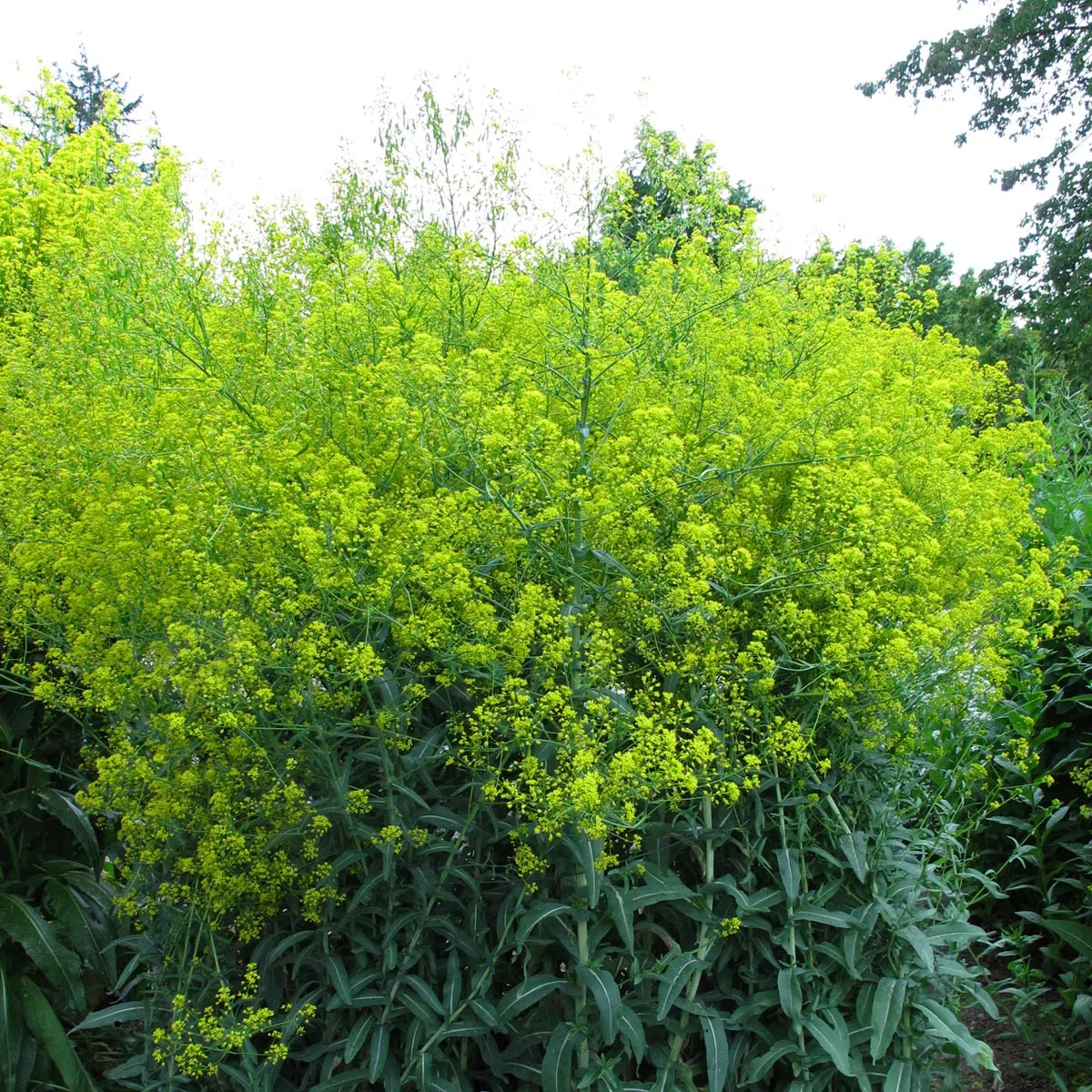
| Eventual height | 30-150 cm |
| Flower colour | Yellow |
| Flowering months | June, May |
| Root system | Runners, Taproot |
Growing instructions
| When to sow outdoors | April, June, March, May, October, September |
|---|---|
| Sowing depth | 0.5 cm |
| Germination temperature | 15-20°C |
| Sunlight | Full sun |
| Planting distance | 40 cm |
Sowing and care
Woad is a biennial hardy plant. Sow March to June directly in the open land. Preculture is also possible. The plant grows up to 1 m high and loves sunny locations.
Other names
Botanical name: Isatis tinctoria, Isatis indigotica
Reviews
Login
No reviews yet. Will you write the first one?