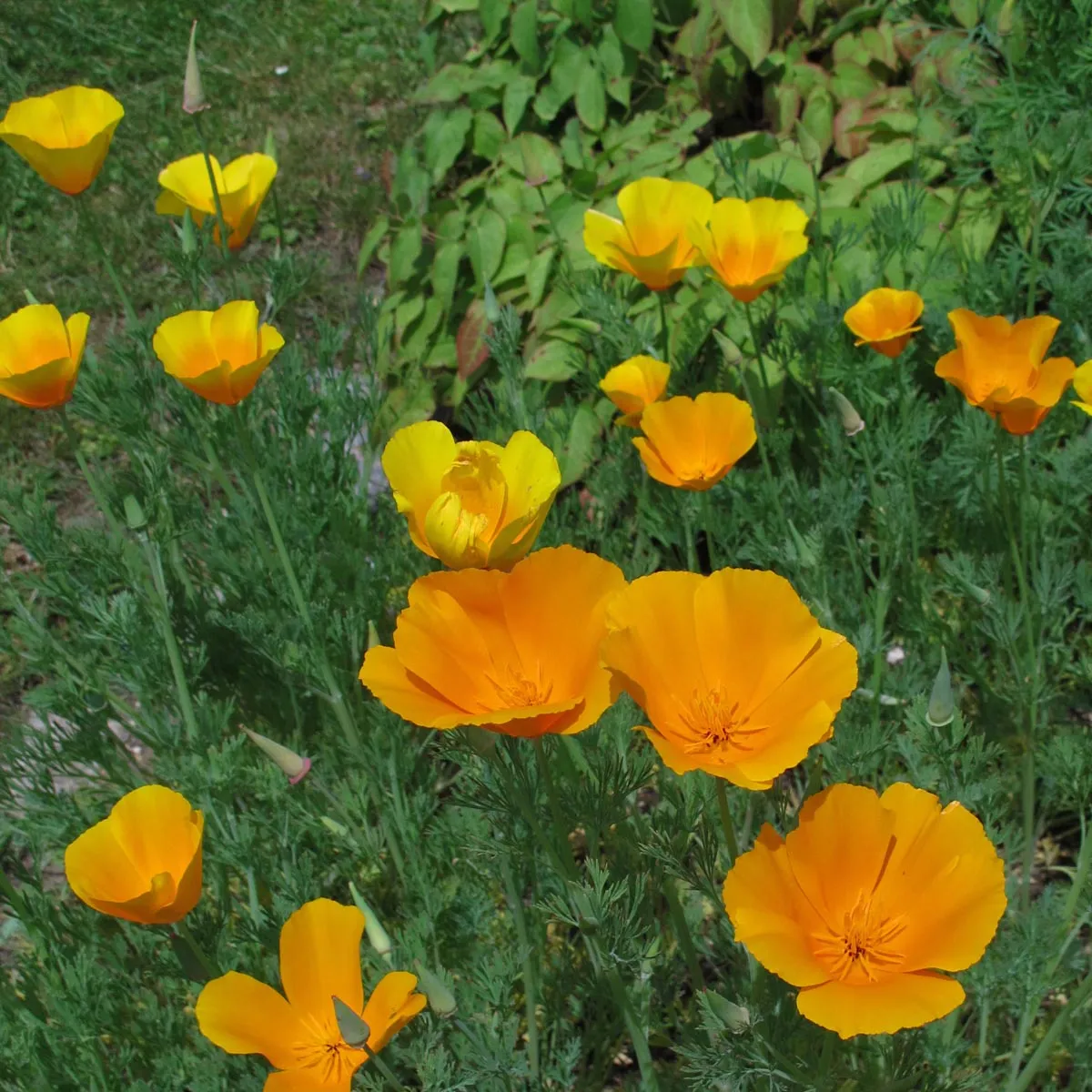
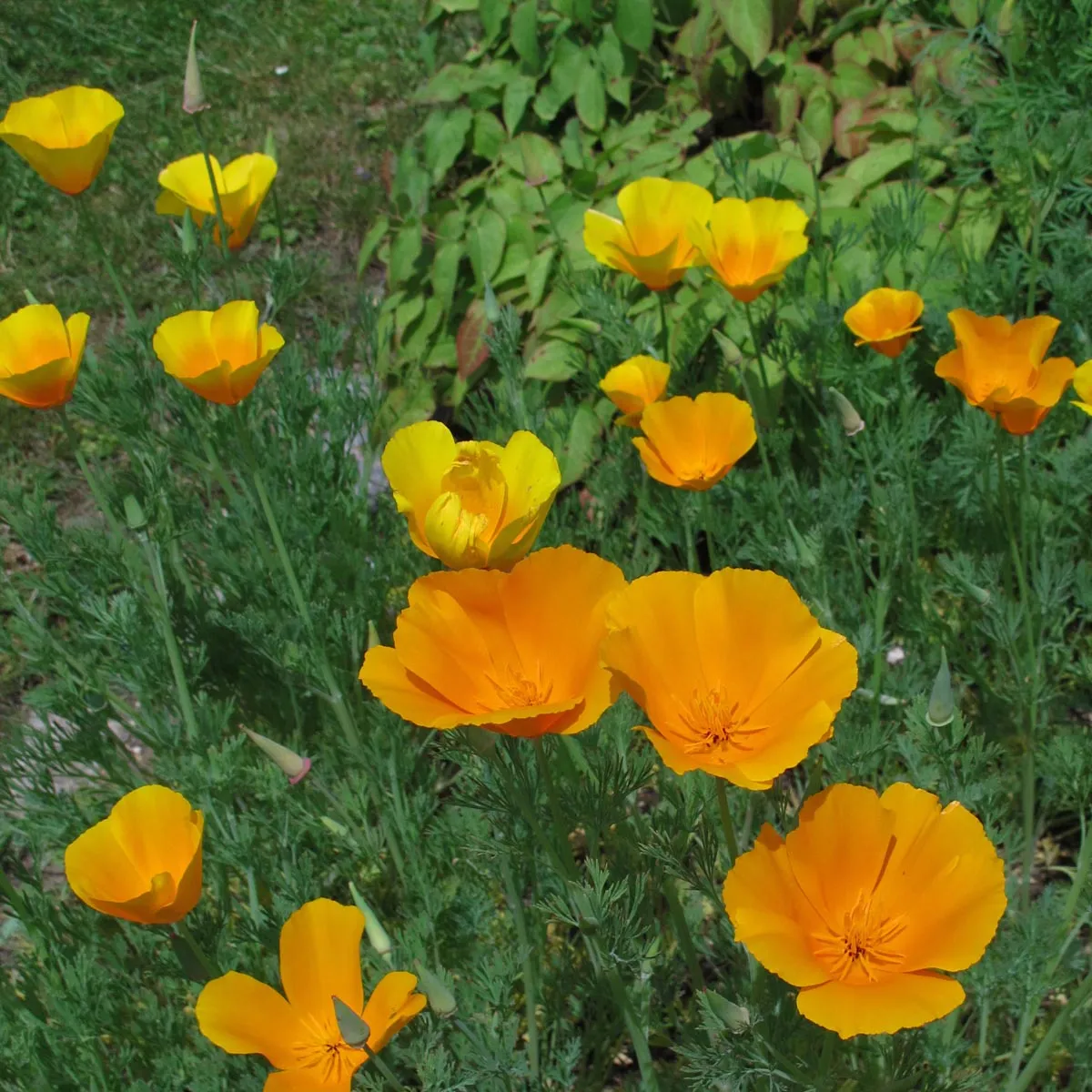
Dancing Blossoms, Sleeping Gods: The Diversity of Poppies
Plant portraits
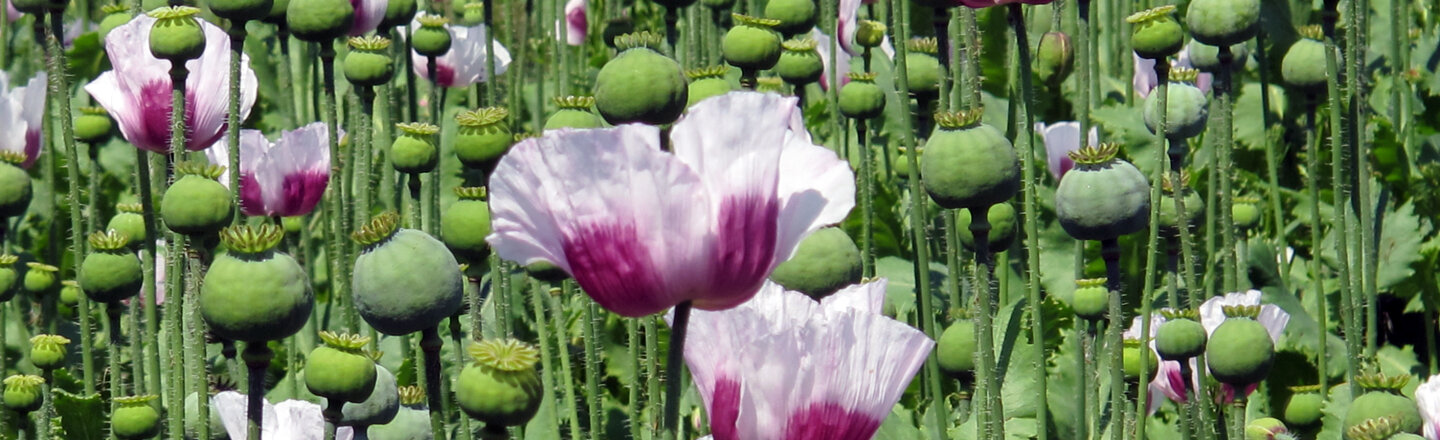
Table of Contents
- 1. The Poppy Family (Papaveraceae)
- 2. The Most Fascinating Poppies in Portrait
- 3. Poppies in the Garden: Tips for Growing & Care
- 4. Magic, Symbolism & History
- 5. Poppies: Between Kitchen, Medicine & Culture
- 6. Magic Garden Seeds & the Poppy Family: Natural, Sustainable, with Heart
The Papaveraceae Family: Wild, Delicate, Full of Meaning
When the first silky, luminous poppy blossoms sway in the wind in early summer, something magical happens. For a moment, everything falls silent, and the garden turns into a colourful dreamland.
The poppy family (Papaveraceae) is more than just beautiful: it combines wildness with delicacy, healing power with history, and it holds many botanical treasures that fit wonderfully into your garden.
Poppies belong to the dicotyledonous plants and are found mainly in temperate zones. Their striking flowers, the mostly white or yellow milky sap and a wide range of alkaloids are characteristic. This makes them important medicinal and ritual plants, but also poisonous beauties.
They have accompanied humankind for centuries: as a remedy, a dye plant, a symbol of sleep and death, but also as a wild element in romantic gardens.
The Most Fascinating Poppies in Portrait
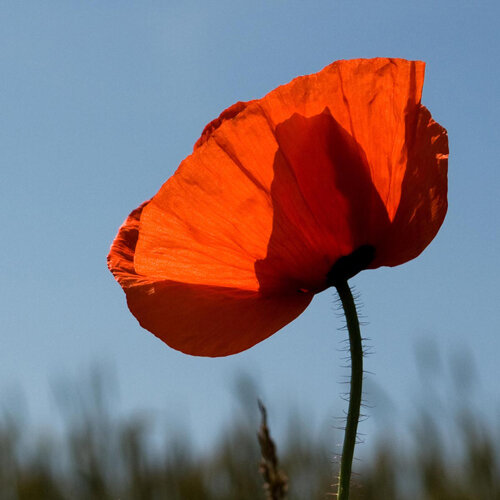
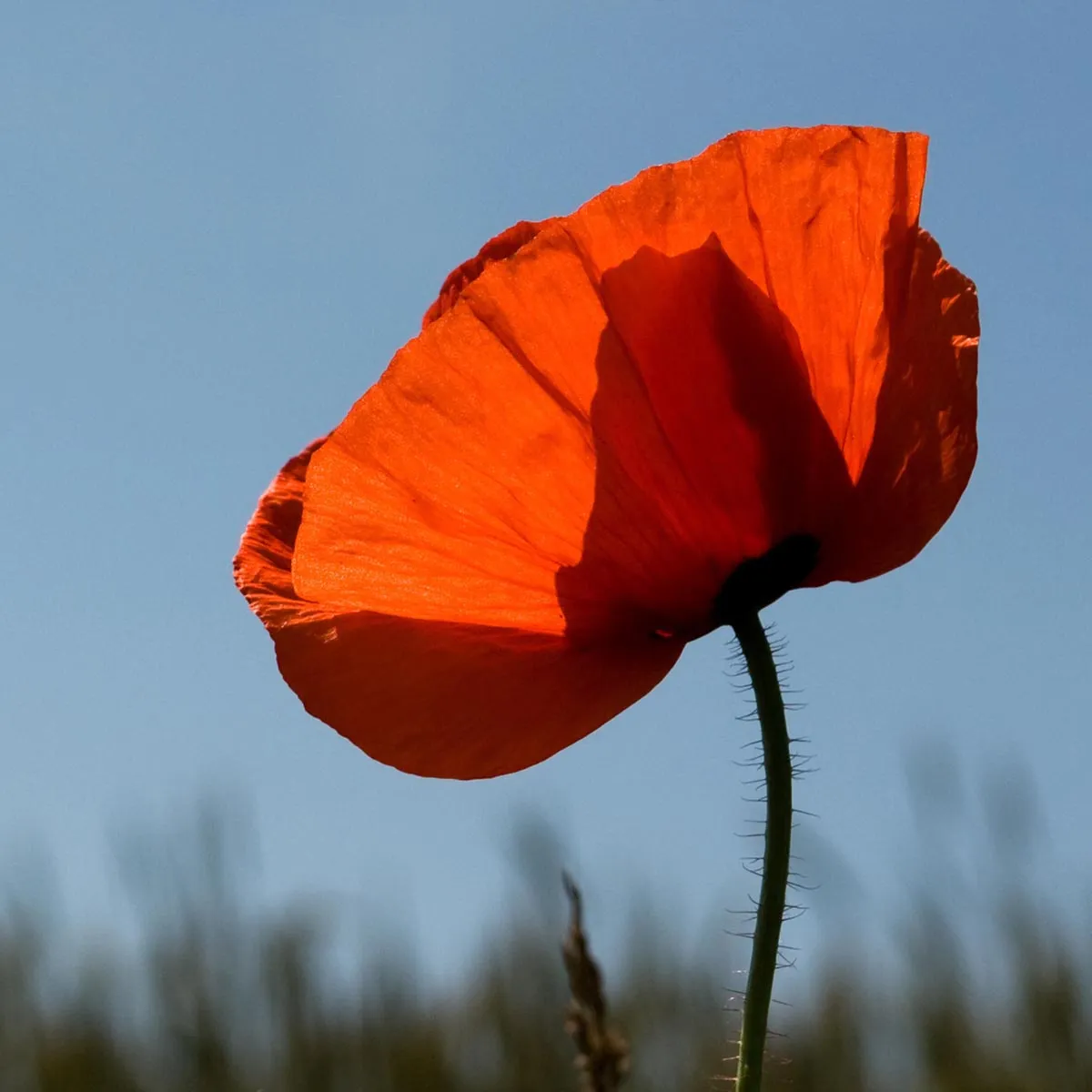
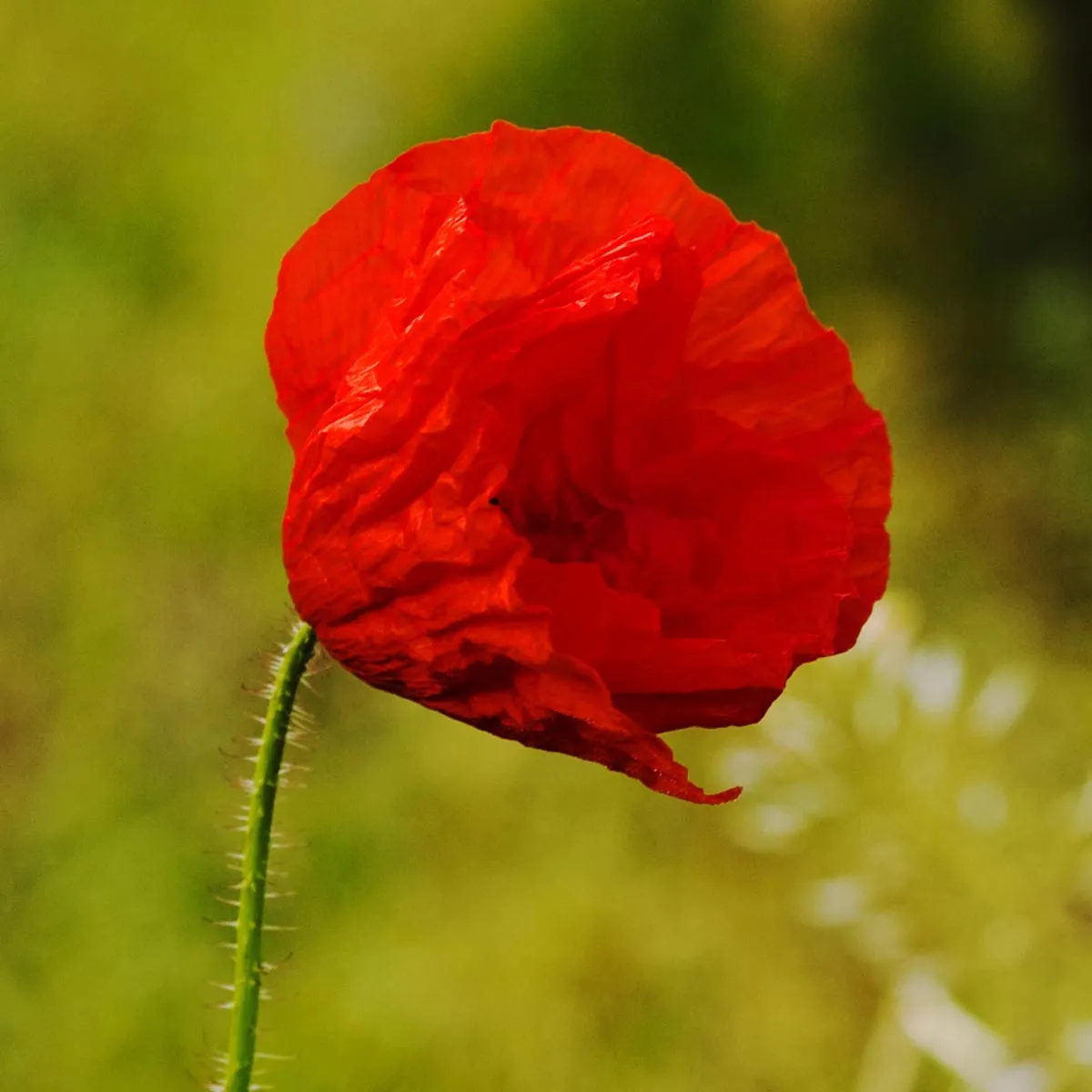
1. Common Poppy (Papaver rhoeas): The Red Soul of Summer
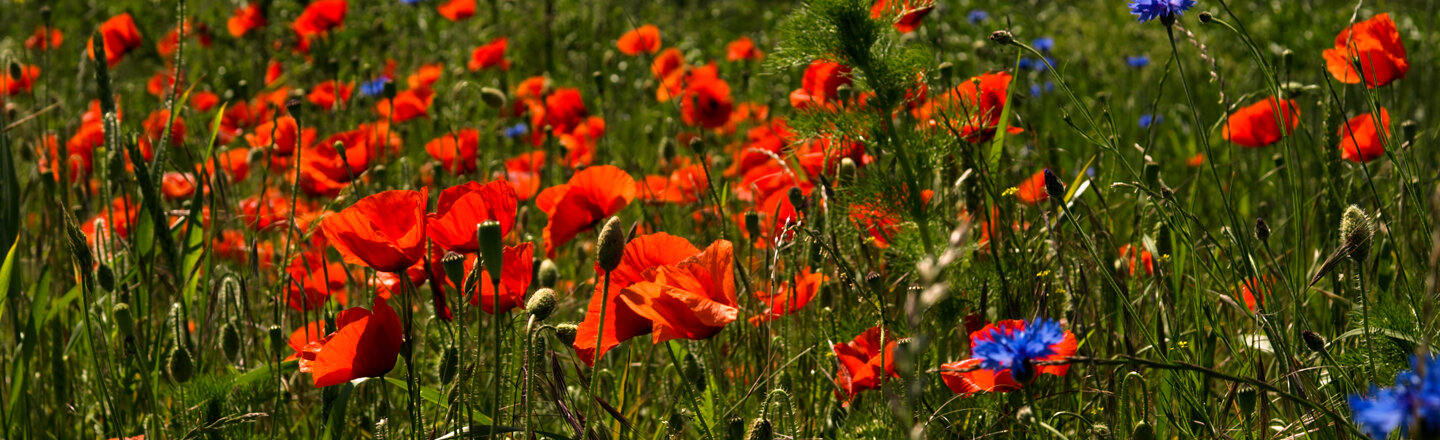
Whether at the edge of a field or in natural-style beds, the common poppy is the very essence of summer. With its bright red flowers, it attracts bees and hearts alike. The petals contain mildly calming substances and were once used as a tea for sleep disorders. In the language of flowers, it stands for consolation, transience, and passion.
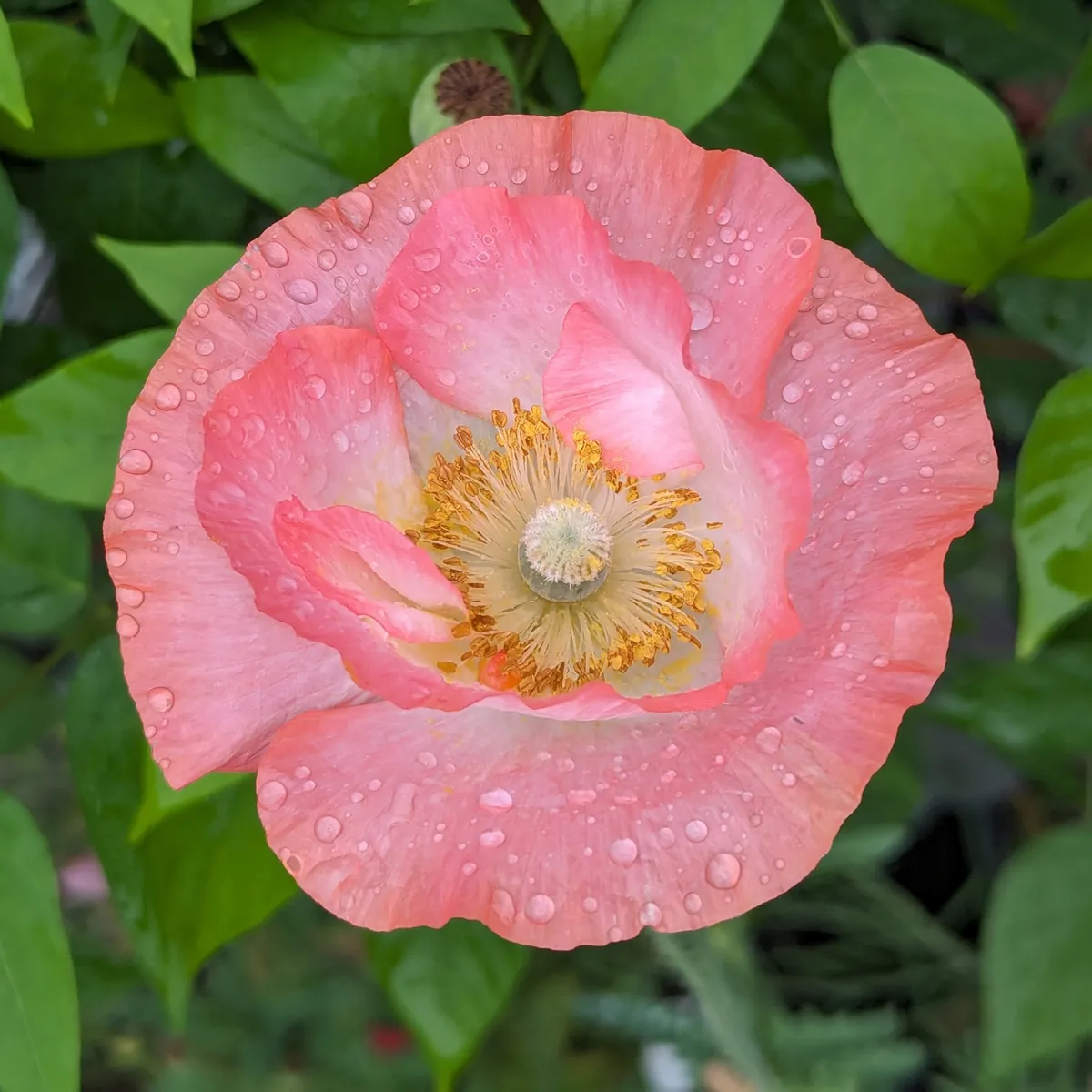
Shirley poppy is not a species in its own right, but a delicate garden form of the common poppy with particularly fine, silky petals. Its graceful beauty brings lightness to any flower bed.
Opium Poppy (Papaver somniferum)
The dreamer among plants
2. Opium Poppy (Papaver somniferum): The Dreamer Among Plants
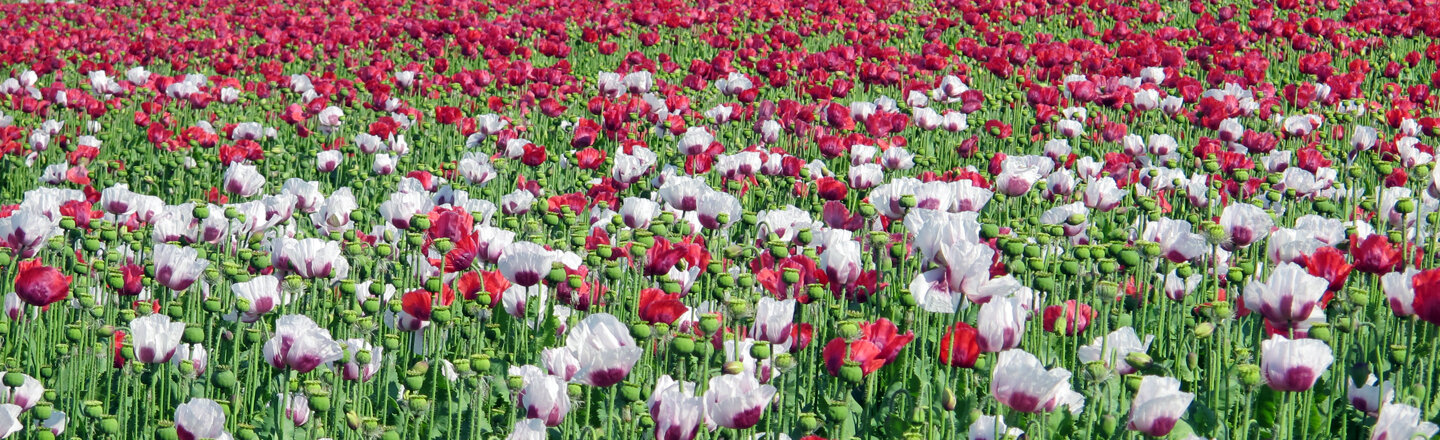
This ancient cultivated plant was already used in the Neolithic period. Its seeds are popular in the kitchen, its capsules fascinate with their architecture, and its sap (opium) is legendary.
Important: Growing opium poppies in Germany is subject to the Narcotics Act (Betäubungsmittelgesetz). Even for ornamental purposes, a permit is required for legal cultivation.
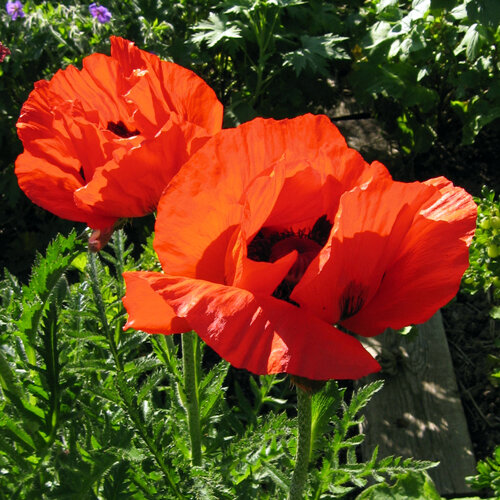
3. Oriental Poppy (Papaver orientale): The Queen of Perennials
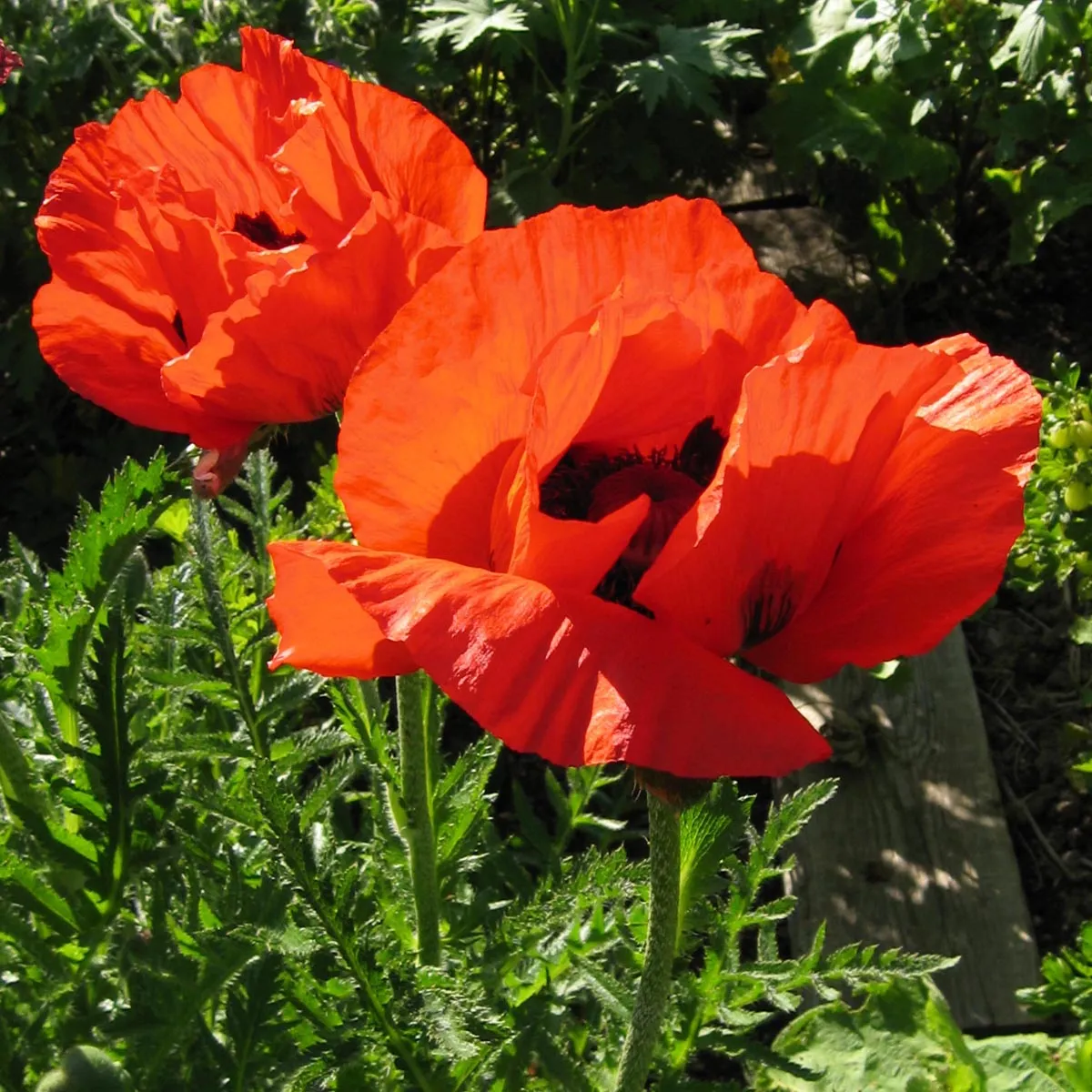
With huge flowers in strong orange, pink or white, the oriental poppy brings dramatic elegance to the herbaceous border. It is long-lived, hardy and impresses year after year with its imposing presence. Once established, it is hard to imagine the garden without it.
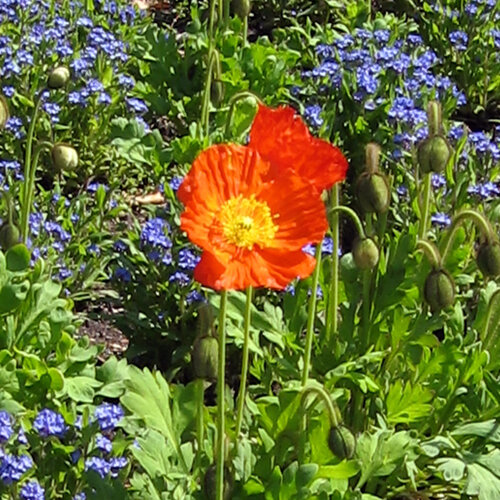
4. Iceland Poppy (Papaver nudicaule): Arctic Radiance
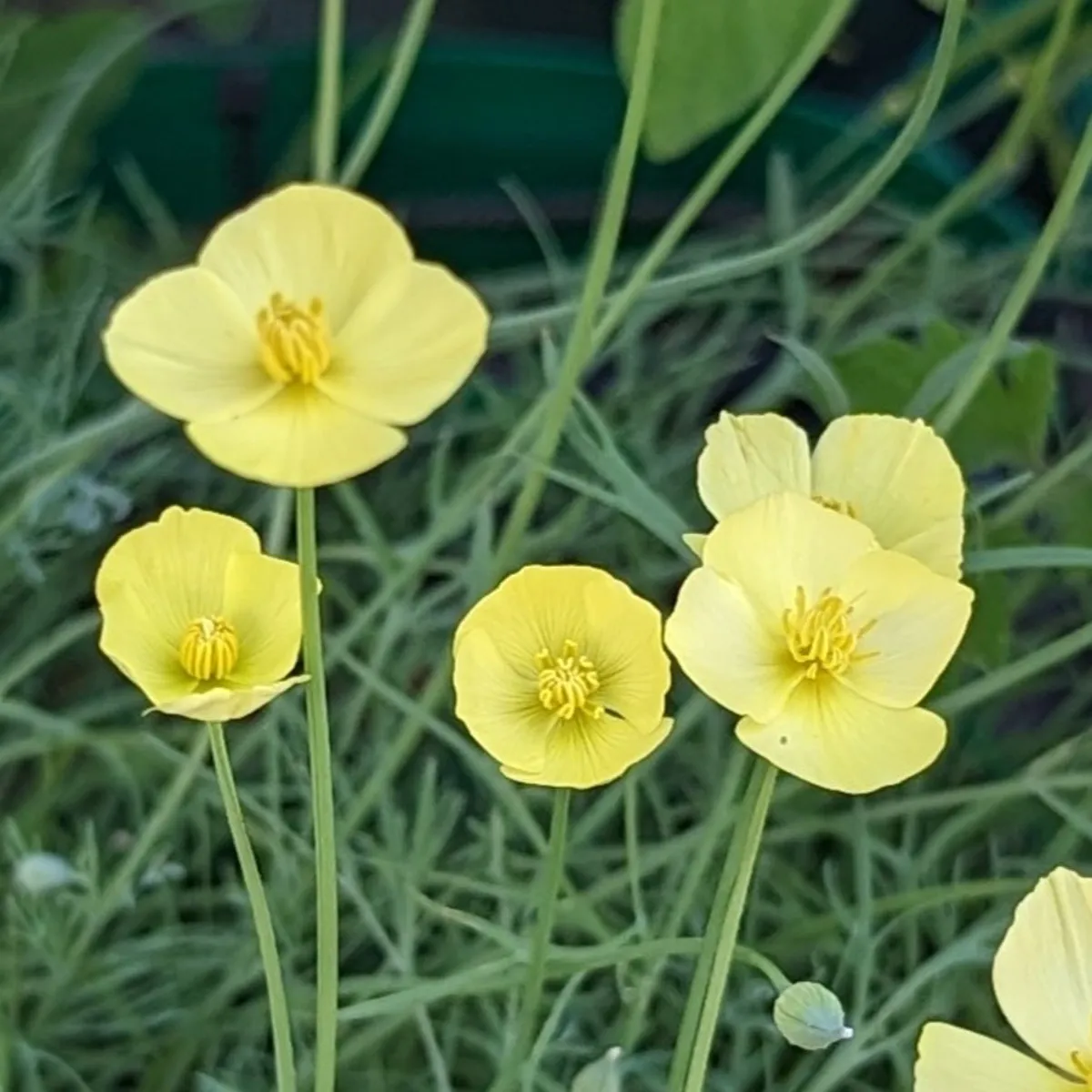
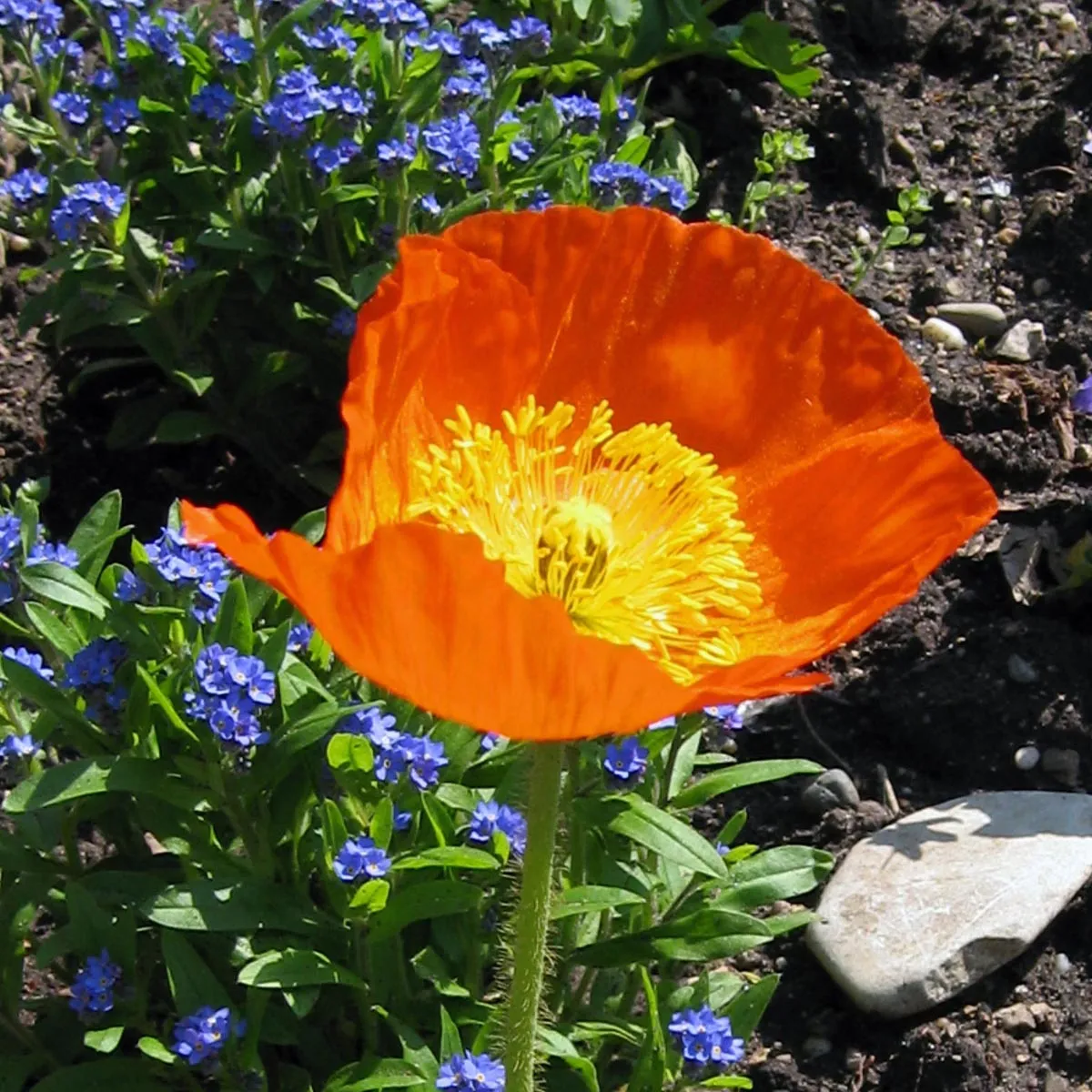
This species originally comes from subarctic regions. Its delicate, luminous flowers in yellow, orange or white open only in sunshine, a gentle spectacle of nature. The Iceland poppy prefers cool, airy spots and is wonderful for container growing.
Yellow Horned Poppy (Glaucium flavum)
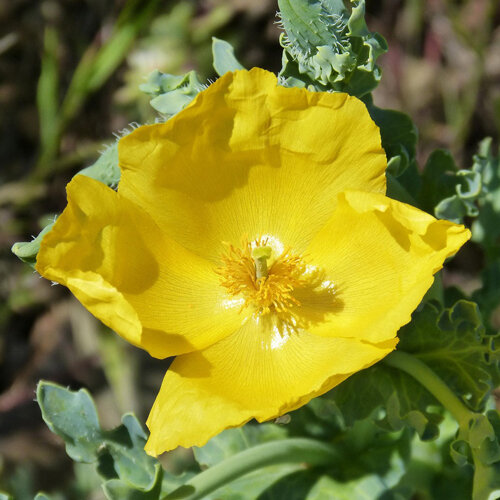
The coast dweller
5. Yellow Horned Poppy (Glaucium flavum): The Coast Dweller
This wild beauty loves sandy, stony places and is often seen along coastal strips. With its bright yellow flowers and bizarre seed pods, it is an eye-catcher in dry beds. The plant contains alkaloids and was used in folk medicine against pain.
Himalayan Blue Poppy (Meconopsis betonicifolia)
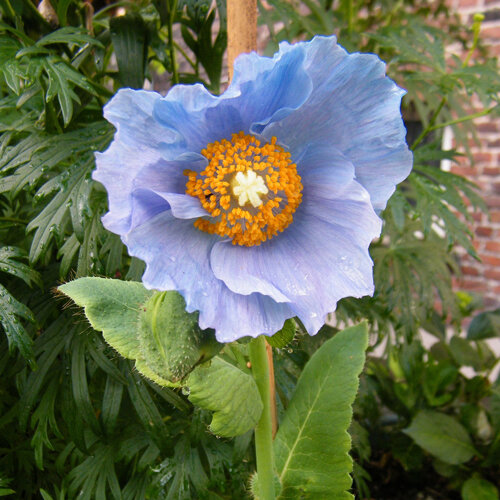
The blue spirit of the East
6. Himalayan Blue Poppy (Meconopsis betonicifolia): The Blue Spirit of the East
The intensely blue flowers of the Himalayan poppy look almost unreal. In Tibet it is regarded as a spiritual plant. It loves cool, moist spots. It is not quite easy to cultivate, but a real reward for patient gardeners with a leaning towards mysticism.
Alpine Poppy (Papaver alpinum)
The survivor
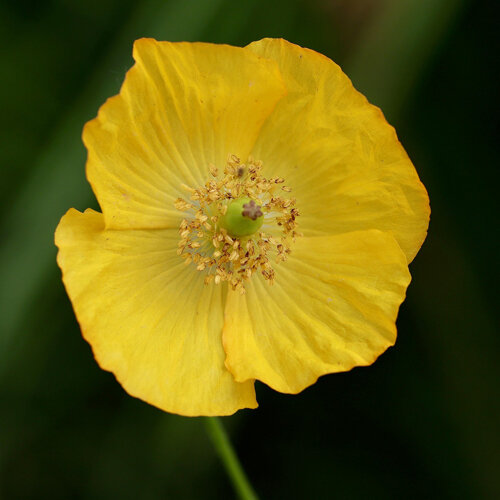
7. Alpine Poppy (Papaver alpinum): The Survivor
This true mountain poppy grows in the rocky heights of the Alps, where it withstands extreme conditions. Its filigree flowers in yellow or white symbolise resilience and adaptability, making it a perfect plant for rock gardens or alpine planters.
Bristly Poppy (Papaver setigerum)
The wild one with character
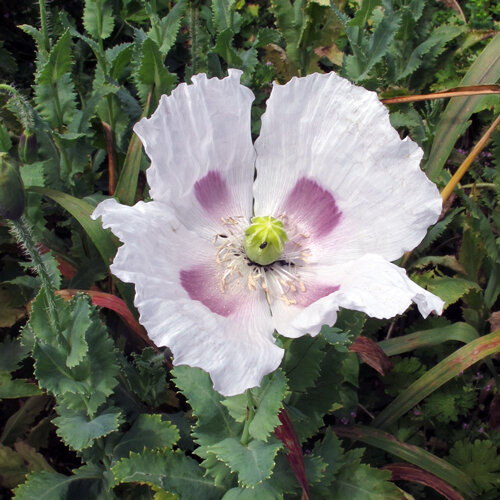
8. Bristly Poppy (Papaver setigerum): The Wild One with Character
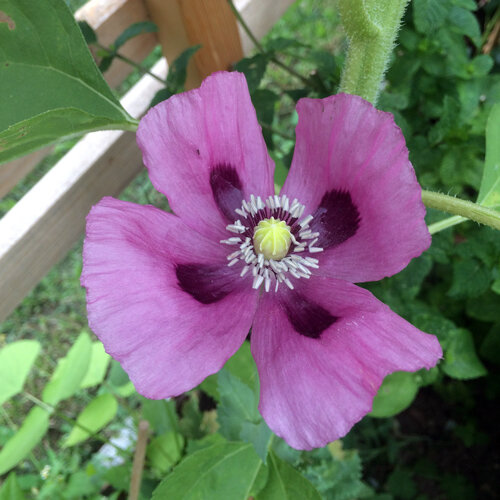
This Mediterranean wild poppy is closely related to the opium poppy but remains considerably smaller. Its pale pink to violet flowers with a dark blotch resemble those of its famous cousin, but its bristly, hairy leaves and capsules make it unmistakable.
The bristly poppy contains hardly any alkaloids and is therefore an interesting alternative for anyone who wants to cultivate an undemanding poppy species that is unproblematic in legal terms. It loves sunny, dry spots and flowers reliably in early summer.
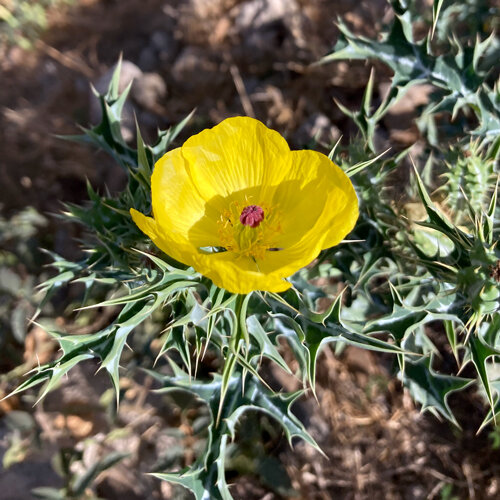
9. Mexican Prickly Poppy (Argemone mexicana): The Exotic Outsider
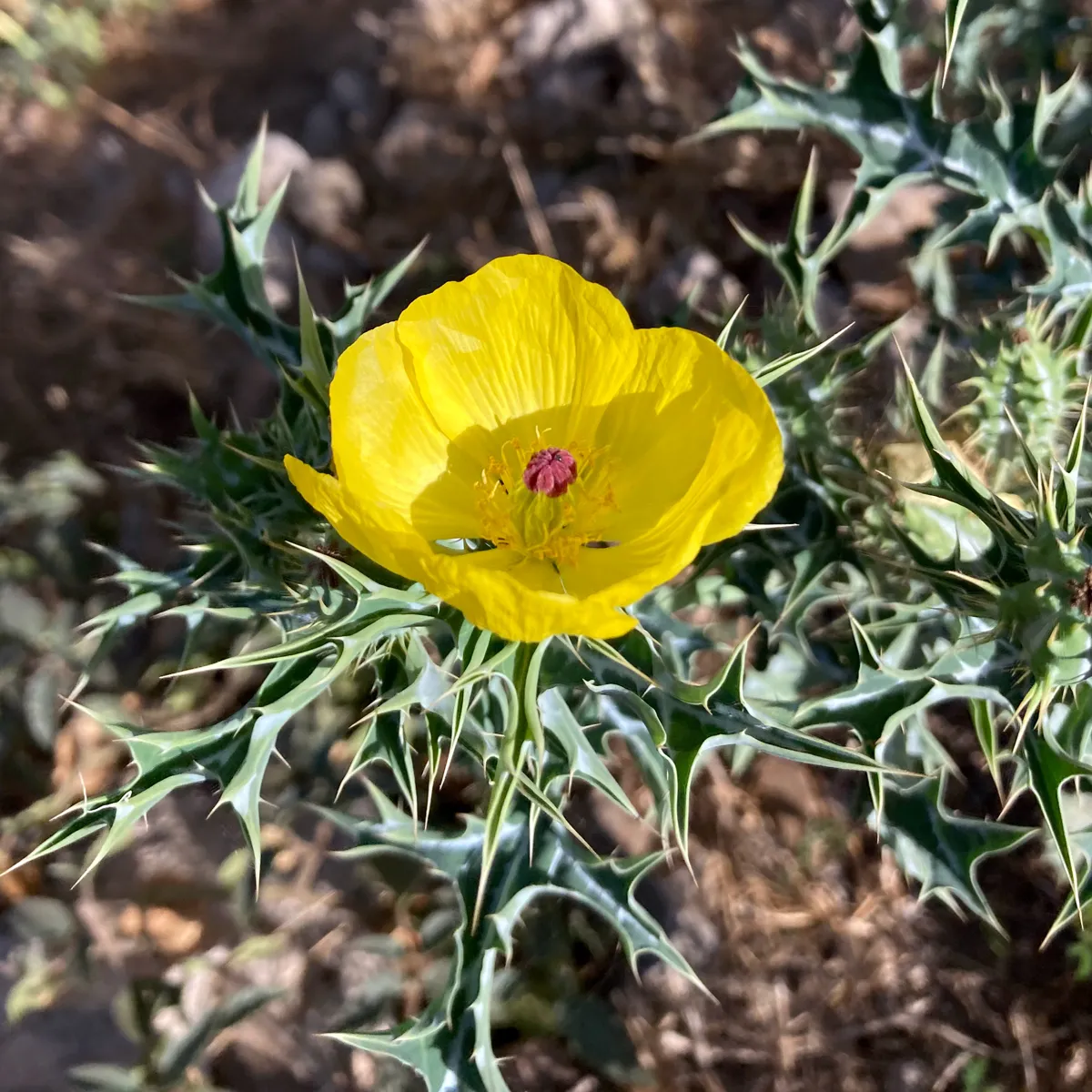
This thorny beauty originally comes from Mexico. Its bright yellow flowers are reminiscent of little suns, and its jagged, blue-green leaves look almost thistle-like. In India the prickly poppy is in places revered in rituals and used medicinally, despite its toxicity.
Poppies in the Garden: Tips for Growing & Care
- Sunny, well-drained position
- Light, lean soil without waterlogging
- Sow directly into the bed, as poppies need light to germinate
- Water sparingly, do not fertilise
- Combines well with oxeye daisies, cornflower and cosmos
Magic, Symbolism & History
The poppy is a plant full of secrets, delicate and powerful at once. For millennia it has been deeply bound up with human consciousness, in myths, rituals and dreams. The ancient Greeks revered it as the sacred plant of Hypnos, the god of sleep, and his son Morpheus, the god of dreams. In their depictions, these gods often rest with a wreath of poppies, a symbol of the threshold between waking and sleep.
In many cultures the poppy was regarded as a plant of transition: between life and death, day and night, reality and dream. Its short-lived flower stands for transience and beauty, its seed for fertility and renewal.
In Roman antiquity, brides carried poppy capsules as a fertility symbol, while warriors used it for calming. Later it became a symbol of remembrance, for example as the "Remembrance Poppy" in Britain, a silent tribute to the fallen.
The poppy also had its place in folk magic: poppy seeds were scattered in house and garden to offer protection from negative influences or to influence dreams. The capsules were regarded as good-luck charms and fertility symbols.
Poppies: Between Kitchen, Medicine & Culture
Culinary:
Opium poppy seeds are hard to imagine in the kitchen without, whether sprinkled on bread rolls, in the classic poppy seed cake or as a filling in sweet baked goods. They are rich in unsaturated fatty acids, protein and minerals, and completely harmless, as they contain no alkaloids. Poppy seed oil is also a valuable speciality with a mild, nutty aroma.
Medicine:
Even in ancient medicine, poppies were used against pain, sleep disorders and coughs. In modern pharmacy, their alkaloids are used to produce morphine, codeine & co. Common poppy petals were used in folk medicine as a gentle sedative for children.
Spiritual & Cultural:
The prickly poppy is used ritually in India, and the blue poppy from the Himalayas is prized in Tibet. In art, the poppy often stands for longing, ecstasy and transience.
Magic Garden Seeds & Poppies: Natural, Sustainable, with Heart
At Magic Garden Seeds you will find only open-pollinated seed, including poppy species. We are committed to preserving varietal diversity and deliberately design our products to be sustainable. Our packaging is environmentally friendly, many of our gift sets are reusable, and our message is clear: joy in nature for everyone.