
Poppy seeds - Oriental poppy, common poppy, Shirley poppy & prickly poppy
Poppies are garden plants with particularly delicate, translucent flowers that give beds and naturalistic plantings a light, almost floating effect. In this category you will find poppy seeds of various annual and perennial species, including common poppy, Shirley poppy, prickly poppy and the perennial Oriental poppy.
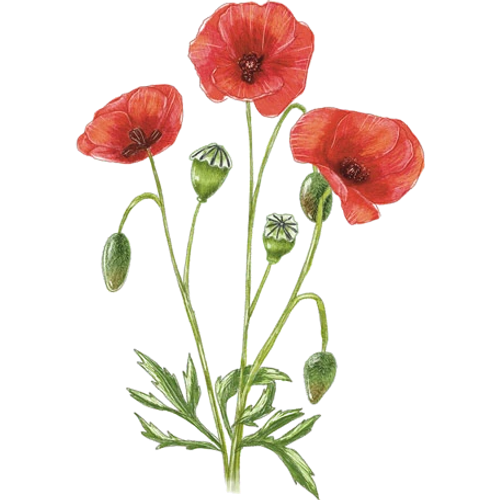
The term poppies covers very different plants that differ clearly in flower shape, growth and lifespan. Alongside annual poppies such as the well-known common poppy Papaver rhoeas, there are also perennial species such as Oriental poppy Papaver orientale, which can establish itself permanently in the garden as a vigorous perennial.
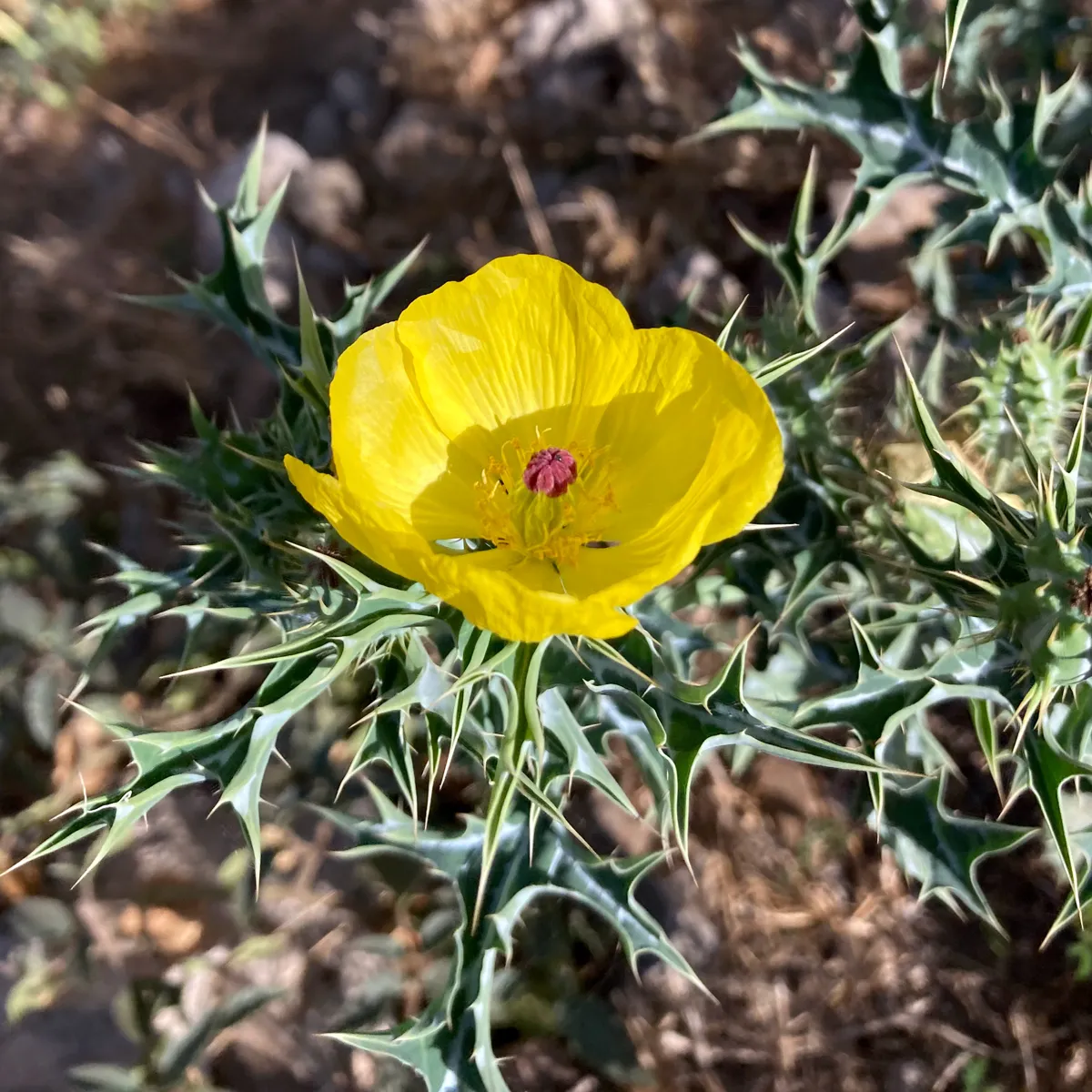
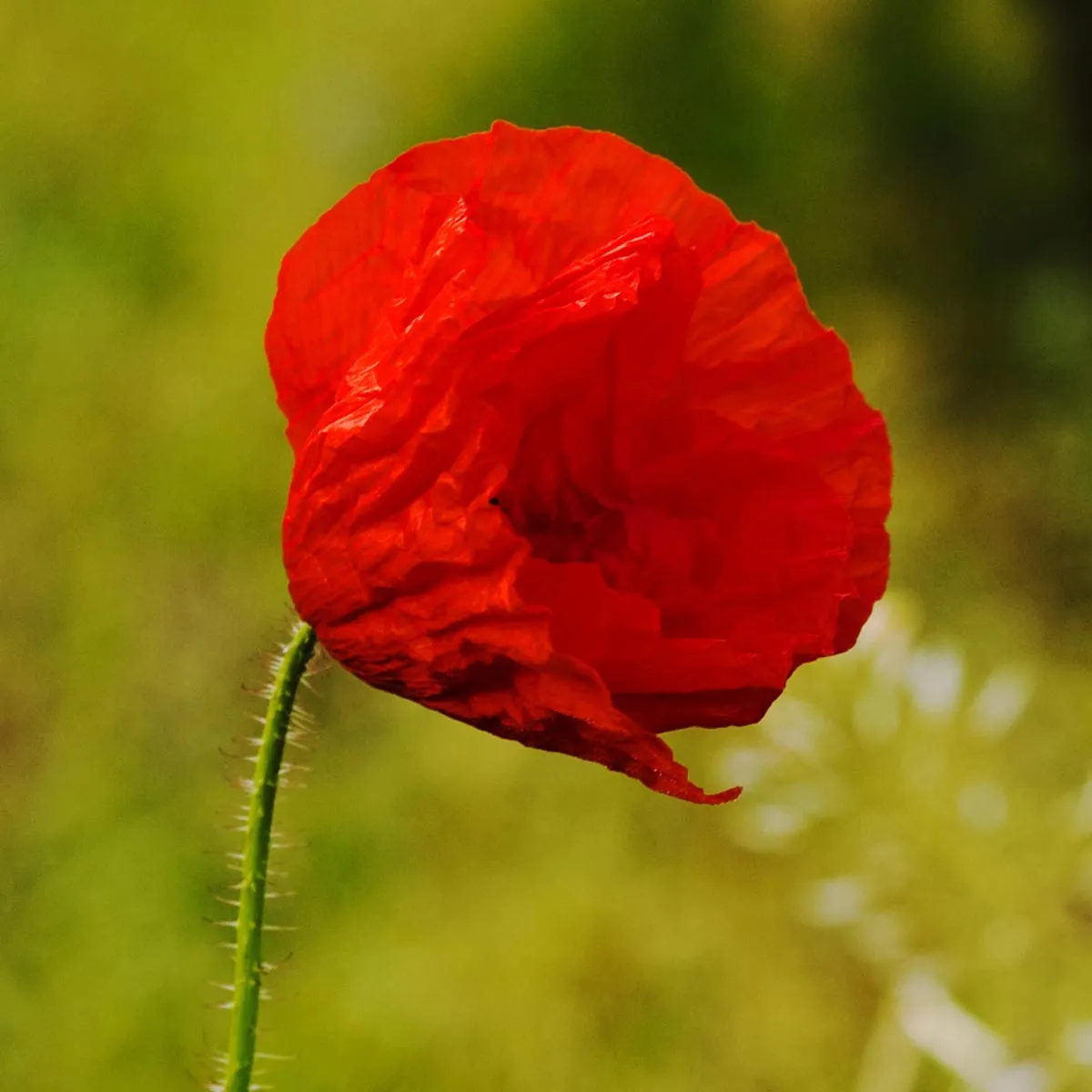
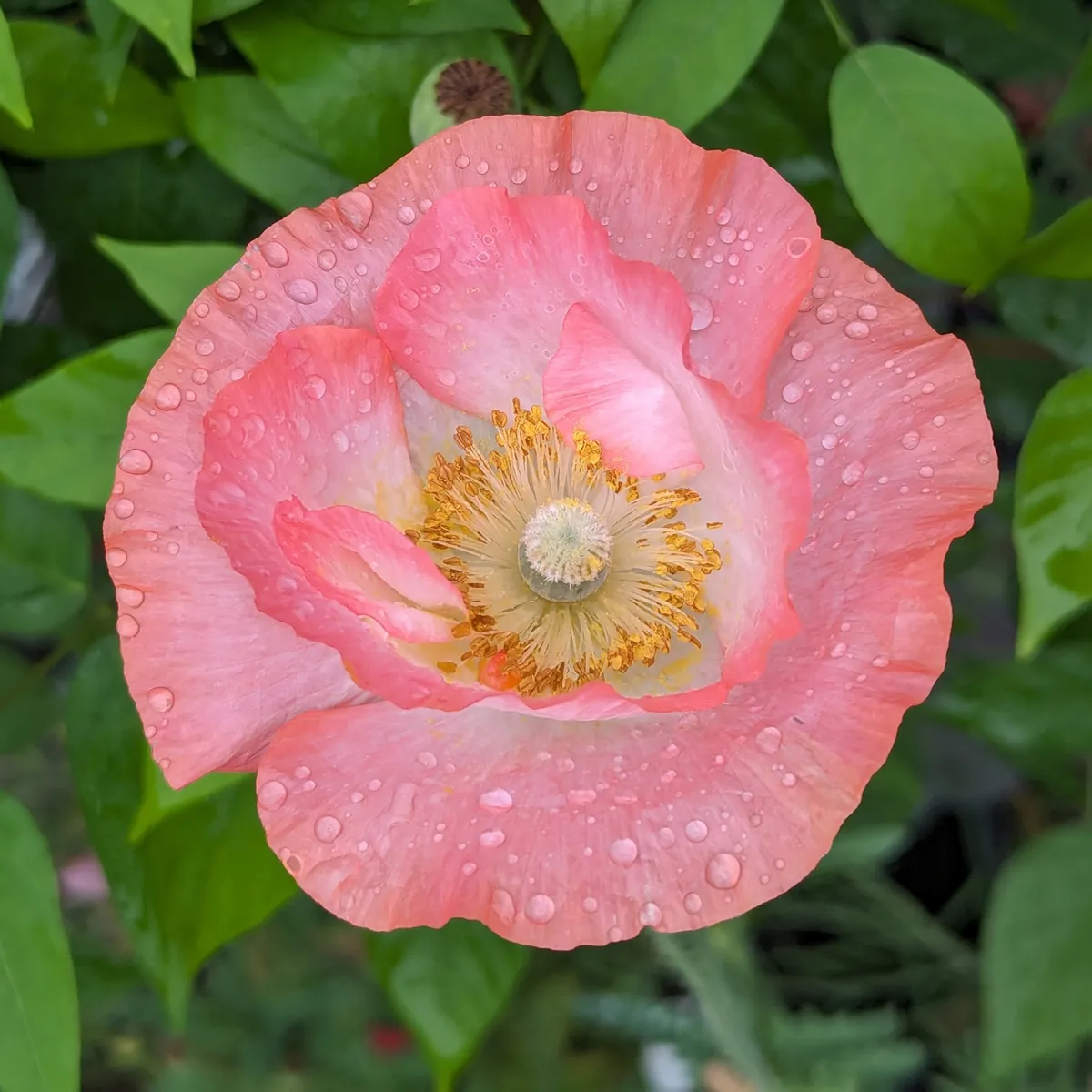
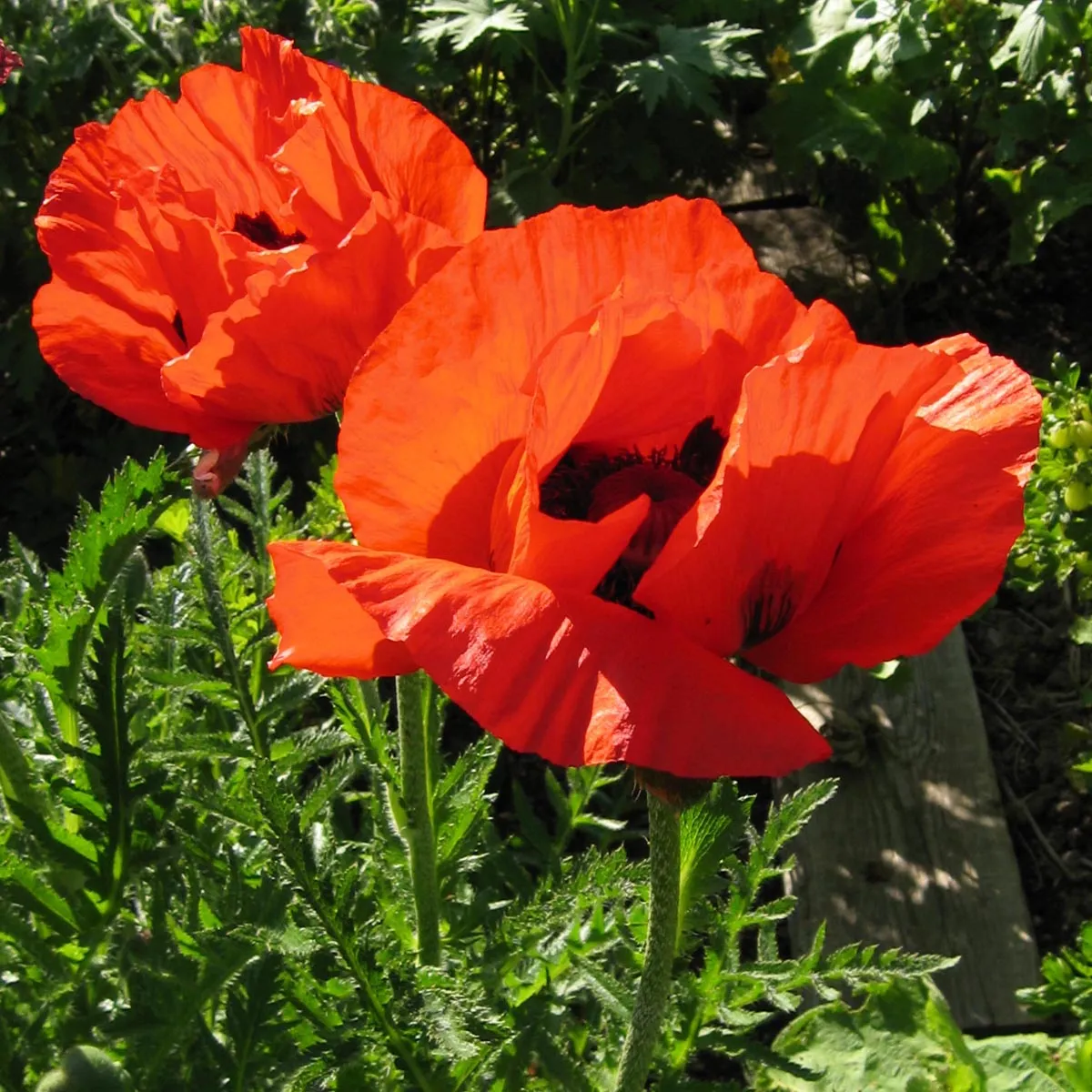
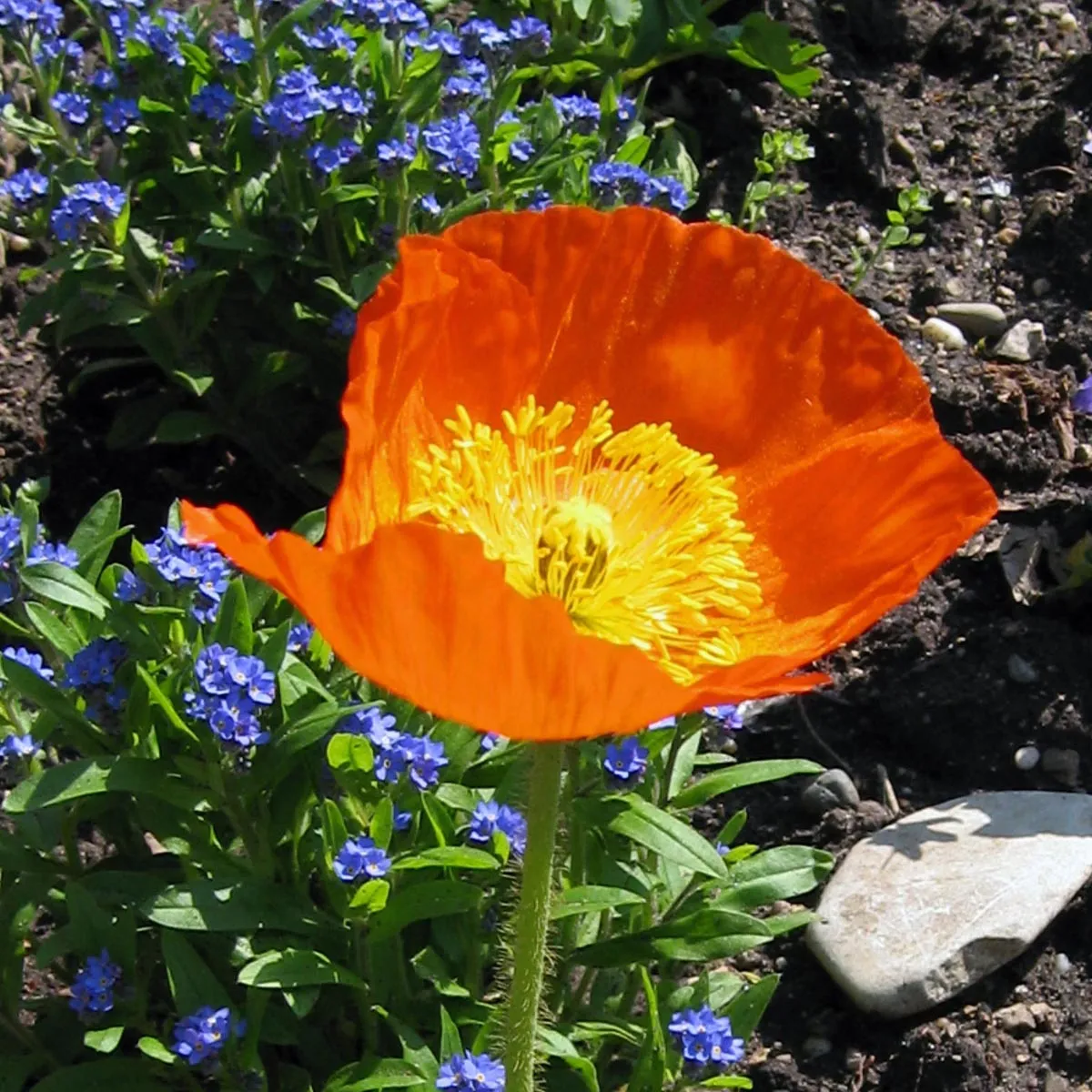
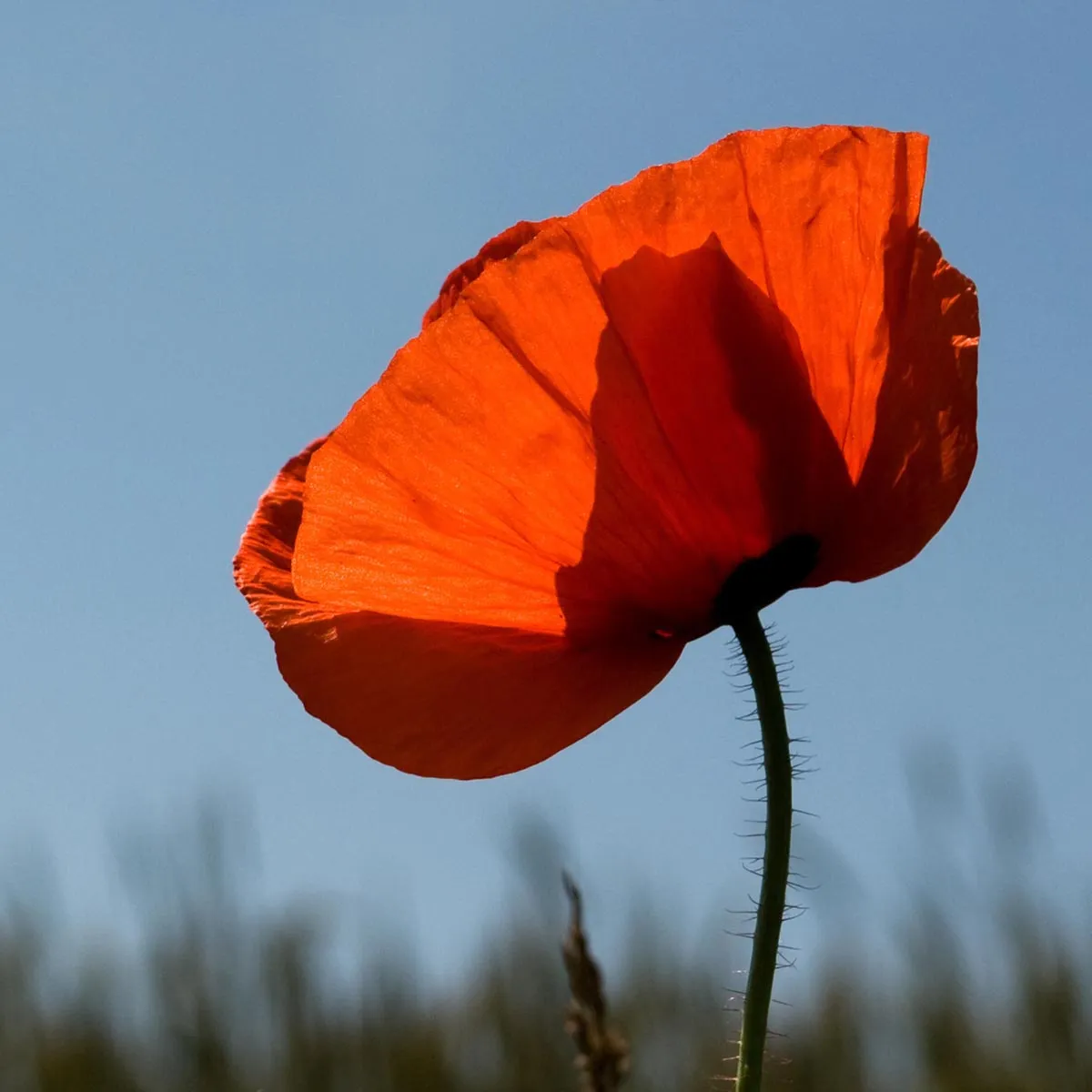
Common poppy is a classic field and meadow plant and is often used in naturalistic gardens, flowering areas and seed mixtures. Shirley poppy looks especially light and delicate with its fine, often pastel-coloured flowers. Prickly poppy stands out with stronger plant structures and striking leaves. Oriental poppy, by contrast, creates bold accents in the perennial bed with its large flowers and stately growth.
Poppy seeds therefore open up very different possibilities for garden design: from loose summer flower plantings that develop anew again and again to permanent perennial beds. Many species prefer sunny locations and well-drained soils and combine beautifully with other wildflowers and perennials.

Sowing & care of poppies
Many poppies are best sown directly outdoors. Poppy seeds are very fine and, with classic Papaver species, are only sown on the surface and lightly pressed down, as they need light to germinate. Annual species such as common poppy can be sown directly in place in spring. With perennial poppies such as Oriental poppy, sowing in late summer is also possible depending on species and variety.
A sunny location and loose, well-drained soil provide good conditions for many species. Papaver species in particular form strong taproots and are sensitive to later transplanting. Direct sowing in the desired location is therefore often the simplest solution. As poppy species can differ in their cultivation requirements, the sowing instructions for the respective variety should always also be observed.
Useful information about poppy seeds
Which poppy species are included in this category?
The category includes annual and perennial poppies, including common poppy, Shirley poppy, prickly poppy and Oriental poppy. The selection therefore ranges from loose annual summer flowers to perennial poppy plants.
Is Oriental poppy perennial?
Yes. Oriental poppy Papaver orientale, also known as Turkish poppy, is a perennial, winter-hardy plant. After flowering, its above-ground parts may temporarily die back before the plant shoots again later or the following spring.
Are poppies bee-friendly?
Many poppy species are visited by bees, bumblebees and other insects. Poppy flowers mainly provide plenty of pollen and are therefore a valuable addition to naturalistic gardens and diverse flowering areas.
Can poppies self-sow?
Annual poppy species in particular can self-sow under suitable conditions and appear in new places the following year. With perennial species, however, the plant itself remains for several years.
Are all poppy species suitable for consumption?
No. The term poppy covers different species with very different characteristics. The poppy seeds in this category are seeds for the garden and should not be confused with edible poppy seeds.