Magic Plants in the Garden: Between Healing Power, Poison and Ancient Plant Magic
Ethnobotany & Magical Plants
Magic plants tell of protection and healing, of dreams and danger, of myth, dose, and the age-old experience that some plants do more to us than others.
Some plants have had a special reputation for centuries. They were gathered for festival days, hung on doors, tied into herb bundles or linked in stories with protection, healing and blessing. Others were thought uncanny, seductive or dangerous, plants of witches, seers, trance and borderland knowledge.
When we talk about magic plants today, we therefore mean more than just romantic herbal magic. Magic plants stand for the deep cultural charge carried by certain species: for protection and custom, but also for poison, ecstasy, fear, oracles and transformation. It is precisely this ambivalence that makes them so fascinating ethnobotanically. For it shows that in human cultures plants were never just useful or beautiful, but were often seen as powerful beings between healing and danger.
Mugwort, St. John's wort and sage belong in this world just as much as mandrake, henbane, opium poppy or thorn apple. Some accompany house and garden as plants of light, scent and protection. Others are surrounded by darker stories: of witch legends, ideas of trance, poisons, and the old knowledge that some plants not only heal, but also harm, confuse or even kill.
That is exactly why magic plants tell us so much about the relationship between humans and plants. They lead us right into ethnobotany, to the place where botany meets mythology, folk medicine, ritual, fear and wonder.
What makes magic plants so special
Magic plants are not simply plants with pretty legends. Their reputation mostly arose where people experienced a plant as exceptionally potent. Some strengthened, calmed or soothed. Others numbed, intoxicated or confused. Still others could count as medicine in a small amount and become a poison in a larger dose.
It is exactly this knowledge of measure, effect and danger that surrounded many plants with a special aura. They were not only used, but respected, feared, revered or made taboo. In this sense, magic plants are often threshold plants: they stand at transitions, between healing and poisoning, between household remedy and mystery, between garden practice and myth.
For a present-day view of the subject, this is particularly exciting. For it shows that "magic" in the plant world did not always mean something supernatural. Often it meant the experience that a plant does something to a person, noticeable, strong and sometimes unpredictable.
Between Luminous Plants and Dark Plant Knowledge
Not all magic plants were gloomy or dangerous. Many were considered protective, blessing or clarifying and had their firm place in everyday life. Mugwort, for example, is one of the archetypal magic plants of Europe. Its scent, its robustness and its long association with custom and ideas of protection make it a special garden plant to this day.
St. John's wort also belongs to the plants with a bright, luminous magic. It is closely tied to summer, sun and old ideas of the turning year. At the same time, St. John's wort still plays an important role in present-day phytotherapy and is among the best-known herbal remedies for certain nervous and emotional strains. In the garden, it brings lightness, yellow and an almost cheerful presence to sunny beds.
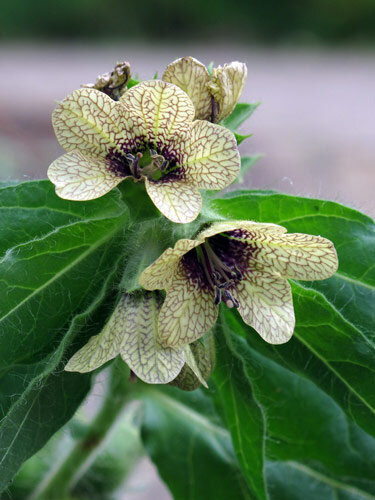
Alongside them are those magic plants whose reputation grew out of their dangerous or mind-altering effects. These include mandrake, henbane, thorn apple and opium poppy. Such plants were not called magical because of their harmlessness, but because they led people to boundaries: between the healing arts and danger, between ritual and taboo, between comfort, trance and loss of control.
Magic plants were never just mysterious. They were considered magical because they were potent.
The dose makes the difference
An essential part of the old plant knowledge lay in being able to tell effect and measure apart. Many plants were considered special precisely because they could not only help, but also harm. Medicine in the right context, dangerous in the wrong one: this closeness of healing power and risk shaped the reputation of many magic plants.
Ethnobotanically this is particularly exciting, because it shows that traditional plant knowledge was often very precise. It was not only about names and uses, but also about experience, respect, timing, dose and caution. In many places, knowing plants was also a knowledge of limits.
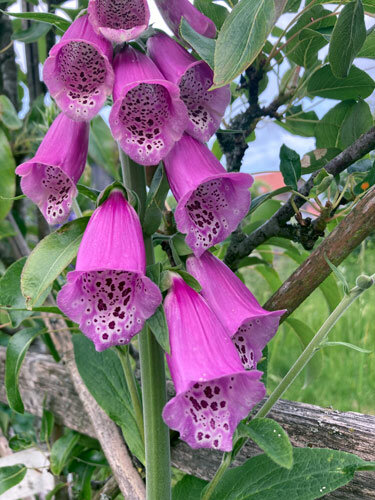
Foxglove: medicinal plant and poisonous plant at once
Foxglove is one of the most striking examples of how close healing power and danger can lie together in the plant world. Its strongly active constituents made it an important plant in the history of medicine for heart conditions. At the same time, foxglove is highly poisonous and demands extremely conscious handling.
That is exactly why it fits so well into the story of magic plants: not because it is wreathed in legends like the mandrake, but because it shows in a very real way why some plants were seen as especially powerful. With foxglove it becomes visible that old plant knowledge was often a knowledge of dose, effect and responsibility.
Three magic plants that shape the myth to this day
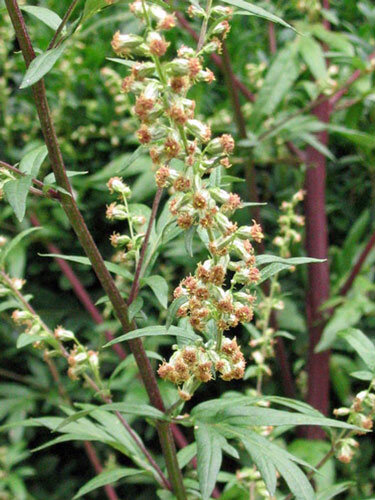
Mugwort: a robust protective plant with a long folk history
Mugwort (Artemisia vulgaris) is a perennial, sturdy wild and garden plant that has long been known in Europe. It grows upright, can reach over a metre in height and bears finely divided, grey-green leaves with an aromatic, bitter-sharp scent. This very strong presence surely helped mugwort come to be regarded in many traditions as a protective and threshold plant.
Traditionally, mugwort was used in very different ways: as a culinary herb, as an incense herb, in herb bundles and in various folk-medicine contexts. In custom and folk belief it often stood for cleansing, protection and watchfulness. It was associated with transitions, for example with journeys, festivals of the turning year or the symbolic protection of home and person.
For the garden, mugwort is also quite practically interesting: it is robust, tolerates drought, is hardy and looks especially lovely in naturalistic plantings or at sunny bed edges. That makes it a magic plant that is not only significant in cultural history, but genuinely fits well into a living garden.
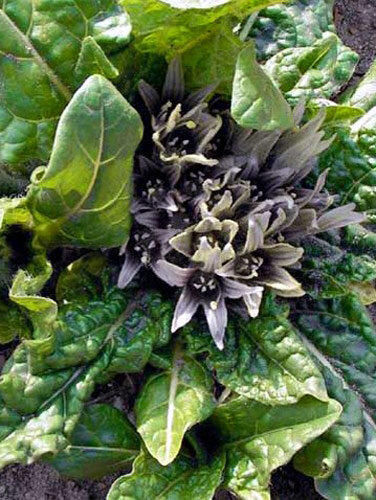
Mandrake: a mythical root plant between medicine, superstition and projection
The mandrake (Mandragora officinarum) is one of the most famous magic plants of Europe. Botanically, it is a perennial plant from the nightshade family with a basal rosette of leaves, pale violet to greenish flowers and yellowish fruits. It became famous, however, not for its effect in the garden, but for its root, which in old beliefs was often described as human-like.
It was precisely this root shape that made the mandrake a legendary plant. Over the centuries it was credited with protective power, fertility, luck and wealth, but also with misfortune and unpredictable might. It appears again and again in herbals, legends, magical traditions and folk belief as a kind of borderline figure, half medicinal plant, half magical being. Its pharmacologically active and at the same time poisonous constituents probably also contributed to its reputation.
In the ethnobotanical context, the mandrake is so fascinating because it shows especially clearly how plants become screens for human hopes and fears. It stands less for practical garden use than for the enormous symbolic charge that individual species can acquire in cultural history.
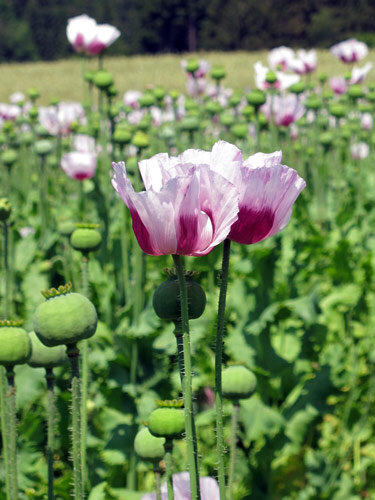
Opium poppy: medicinal plant, intoxicant and symbol of transition
Opium poppy (Papaver somniferum) is an annual plant with smooth, blue-green foliage, striking flowers and distinctive seed capsules. Even visually it looks unusual and memorable. In cultural history it is among the most significant plants of all, because for centuries it has been associated with pain relief, sleep, numbing and altered states of consciousness.
Its great significance lies in its strong potency. Opium poppy supplied substances that are highly effective medically, but can at the same time also be misused or become dangerous. It is precisely this closeness of healing, relief, intoxication and risk that shaped its reputation as a magical plant. It stands not only for sleep and dreams, but also for oblivion, rapture and the threshold between relief and loss of control.
For an ethnobotanical article, opium poppy is especially valuable because it shows by example that magic plants often did not arise from mere fantasy. Their reputation frequently rests on a very real experience of plant power. Opium poppy is one of the most impressive examples: a plant in which healing power, danger and symbolism can hardly be separated.
What of this fits into a garden today
Magic plants do not have to be limited to the bright, gentle or purely symbolic species. The darker, ambivalent and poisonous plants may also have their place in the garden. They belong inseparably to the history of magic plants and are part of that old plant knowledge which never strictly separated healing, risk, myth and experience.
What matters here is not whether a plant is regarded as luminous or dark, but whether we meet it with knowledge, respect and attention. Anyone who cultivates strongly active species should know their properties and be aware of what effect they can have on people and animals. It is precisely in this that a responsible approach to plants shows itself: not in avoidance, but in informed engagement.
A modern magic plant garden may therefore show the whole range of the subject, from mugwort and St. John's wort to mandrake or opium poppy. In this way the garden becomes a place where not only beauty and symbolism grow, but also knowledge about the many-layered power of plants.
The real magic
Perhaps that is exactly the most exciting thing about magic plants: they remind us that plants were never just decorative scenery. They were medicine and risk, protection and danger, everyday life and state of exception all at once. Some stood for light and blessing, others for intoxication, death or threshold knowledge.
Anyone who engages with magic plants therefore encounters not just a poetic garden theme, but a very old knowledge about the power of plants. A knowledge shaped by observation, respect, experience and sometimes also fear.
Perhaps this is the loveliest modern form of plant magic: not to glorify blindly, but to look more closely. To recognise that plants are bearers of history, potency and meaning. And that in a single herb there is sometimes more world hidden than you suspect at first glance.
Then a plant becomes not just a growing thing, but a counterpart.
Your thoughts on magic plants
Is there a plant in your garden that embodies protection, memory, light or a special meaning for you? Or a plant whose ambivalent history particularly fascinates you? Tell us about it in the comments.