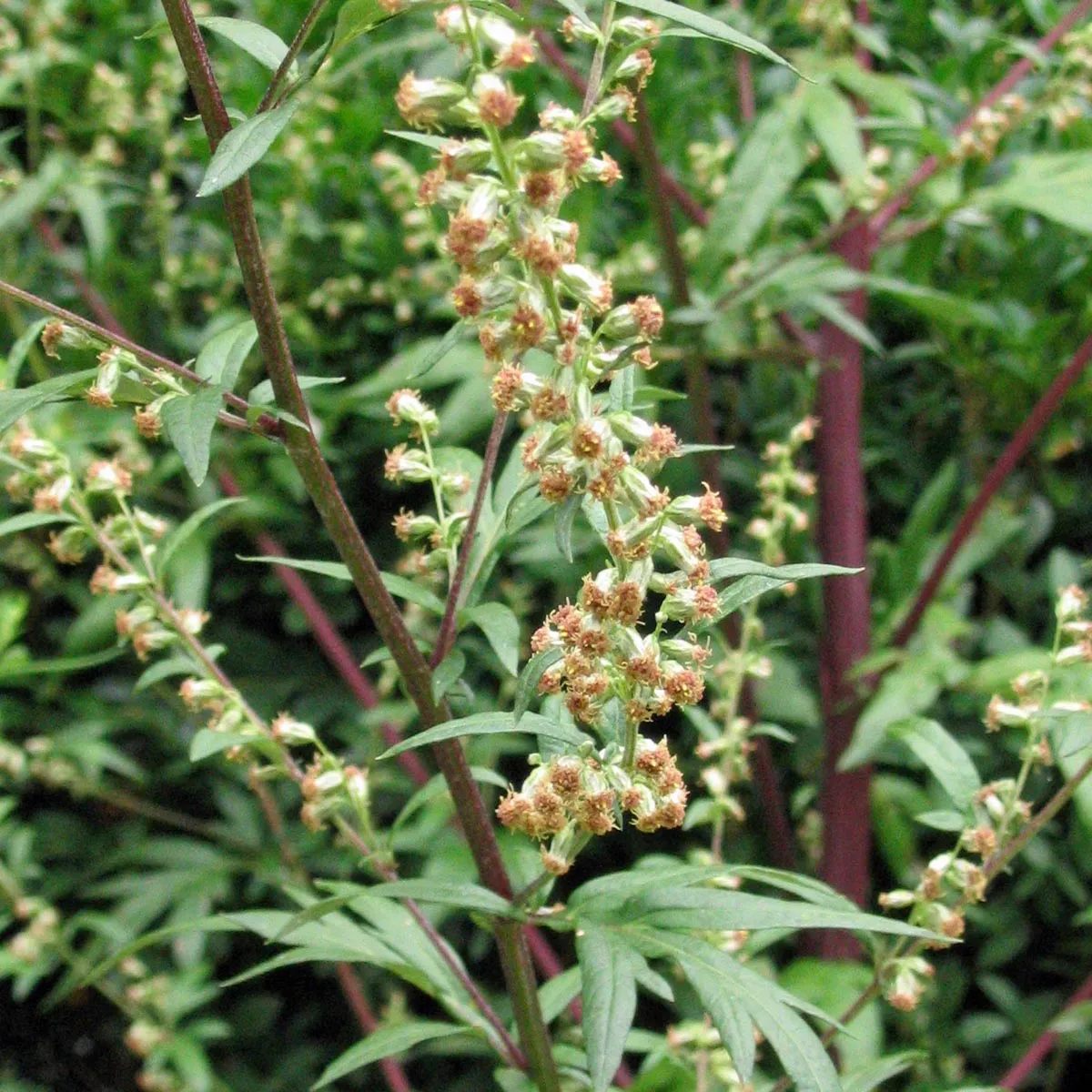
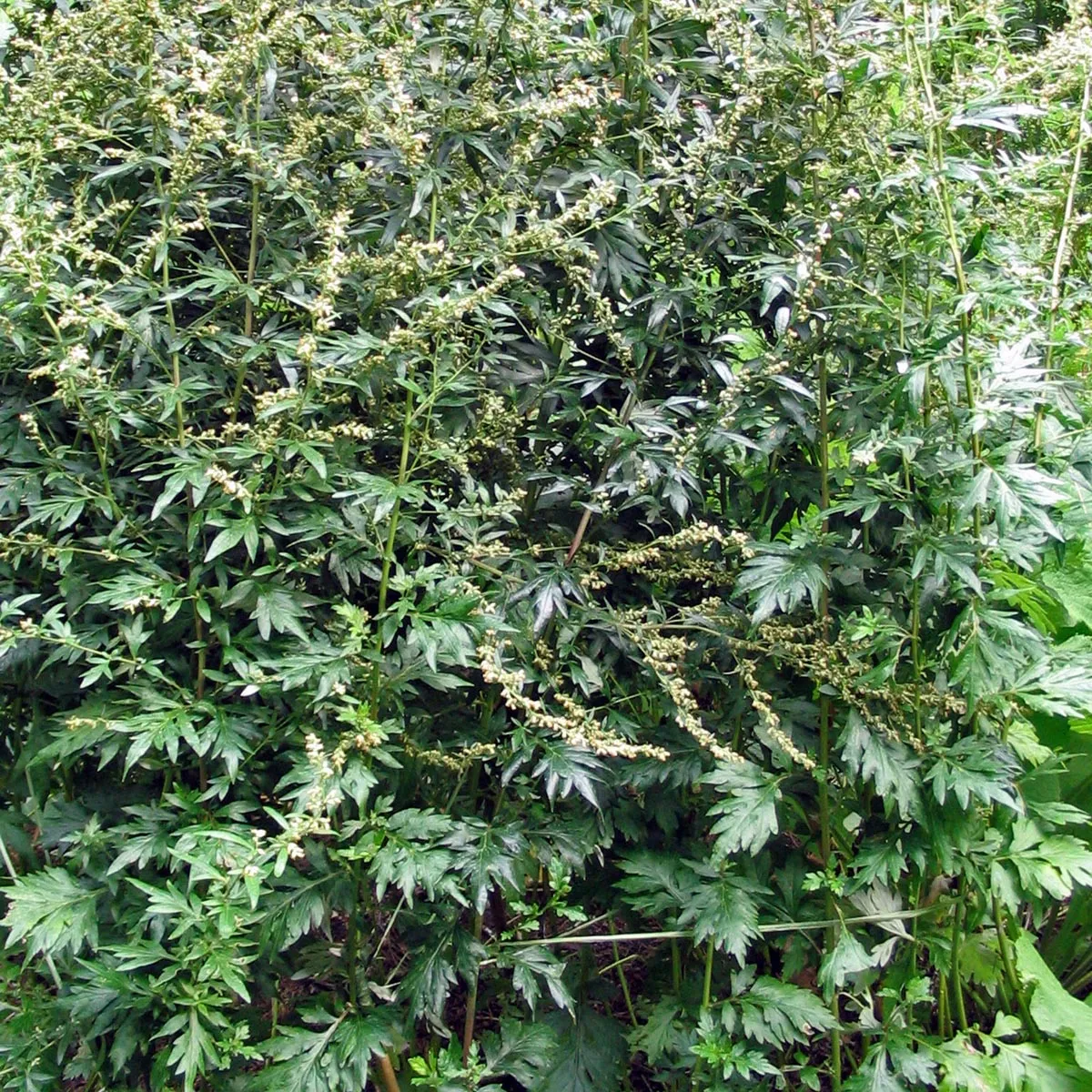
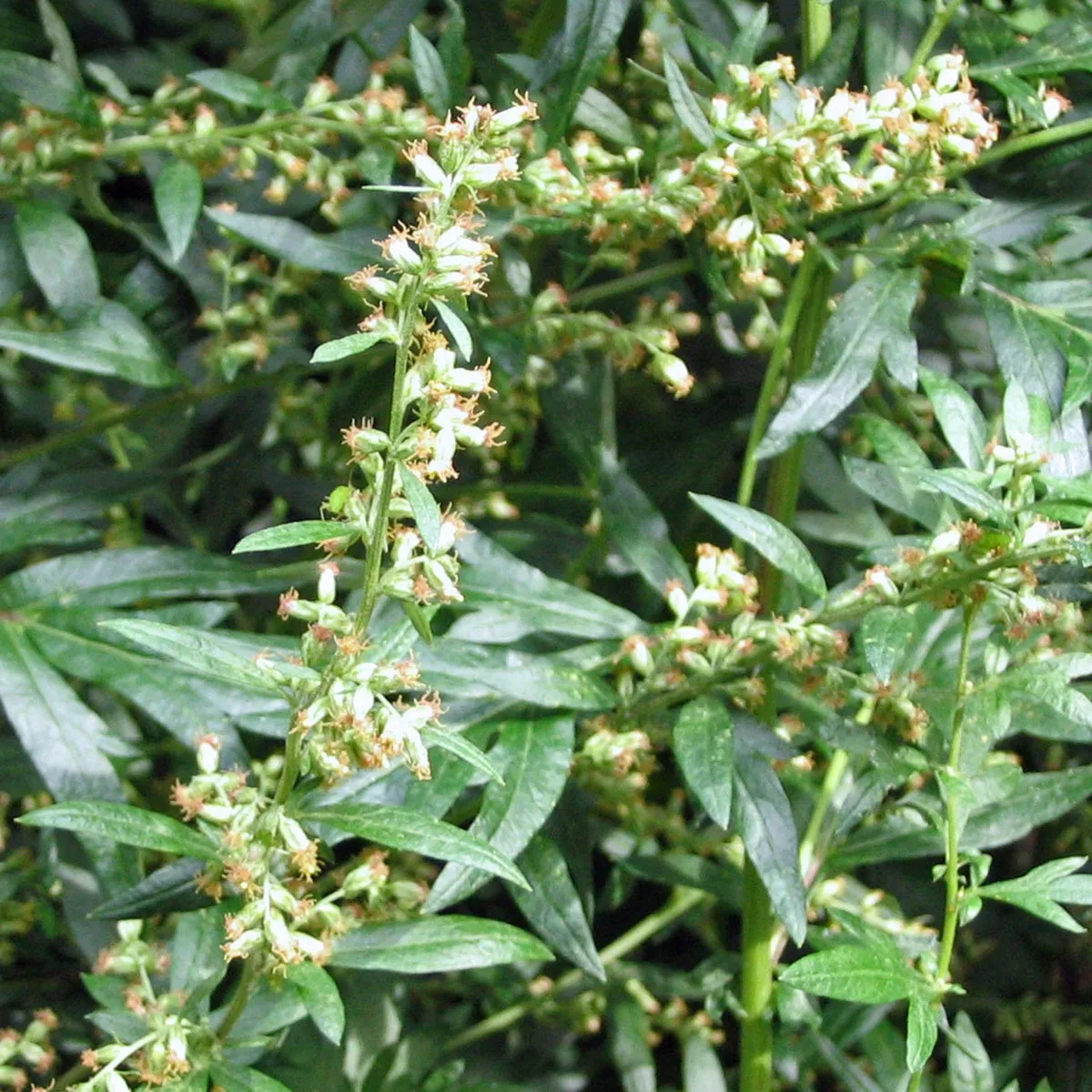
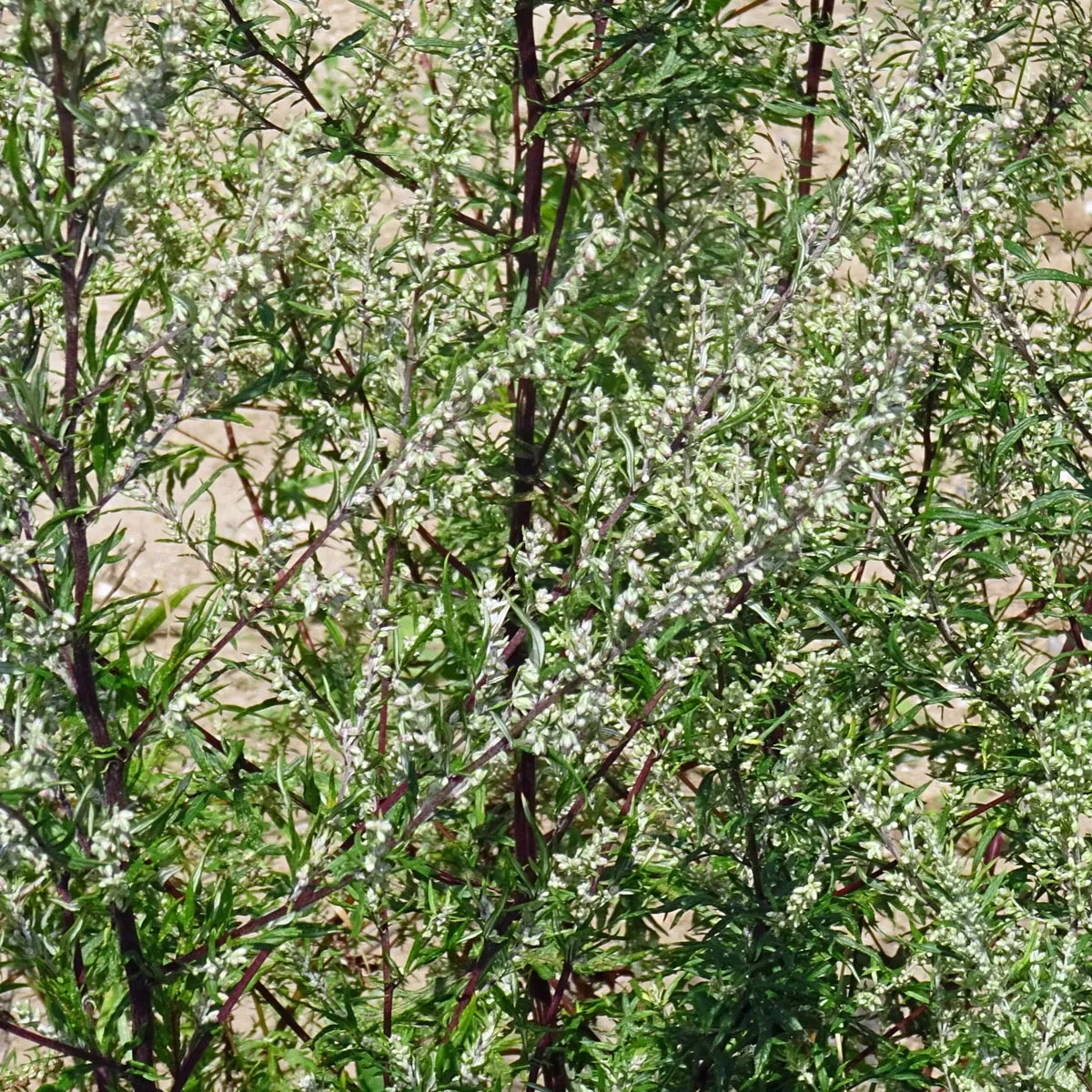
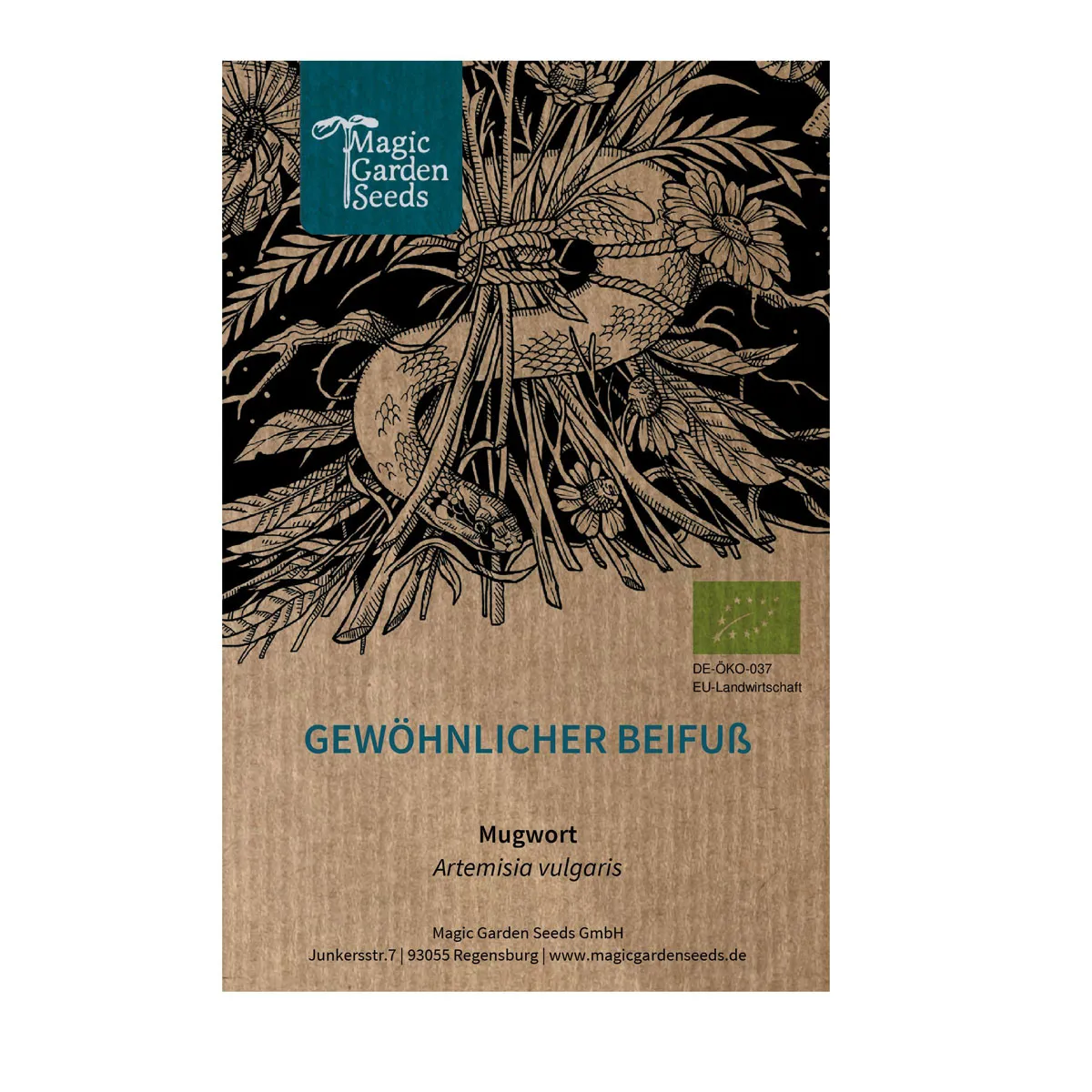
Mugwort (Artemisia vulgaris) organic seeds
- Traditional medicinal and ritual plant - ideal for ethnobotanical gardens, incense use and as a culinary herb.
- Open-pollinated organic seeds - seed packet with approx. 3000 seeds.
- Robust, hardy and easy to grow - thrives in sunny, dry locations and is bee-friendly.
€2.79
Description
Traditional medicinal and ritual plant with a wide range of uses
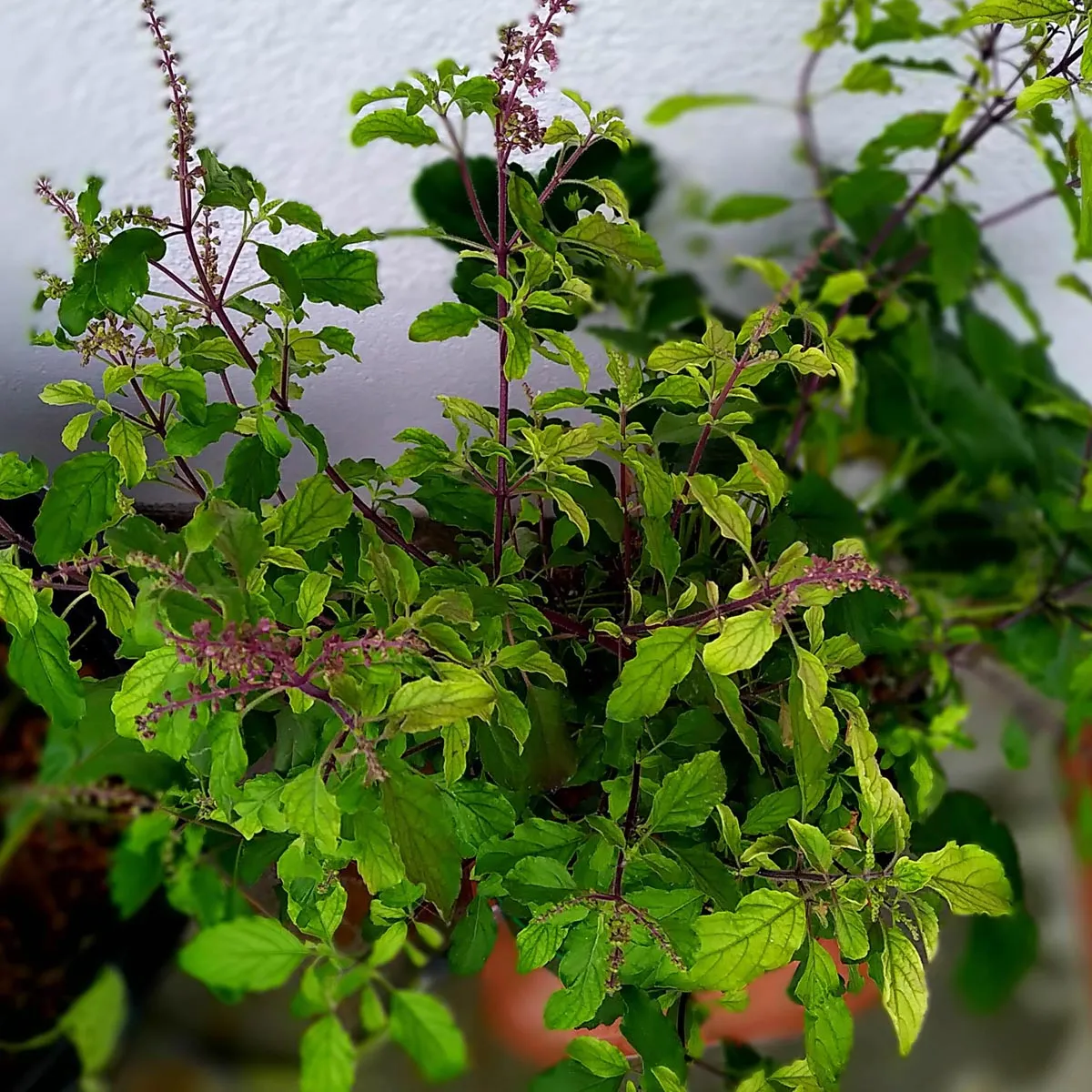
Mugwort (Artemisia vulgaris) is one of the oldest and most versatile medicinal and ritual plants in Europe. It was already regarded as a sacred plant by the Celts, Germanic peoples and Romans, and was known as 'Machtwurz' or 'Kraftwurz'. It was an established part of rituals, used as incense for cleansing rooms, and valued in women's health as well as a seasoning for festive roasts such as roast goose. In Chinese medicine, mugwort is used as moxa herb, and in many cultures it is regarded as a protective plant against negative influences.
Ethnobotany and cultural significance
Mugwort brings together traditional plant knowledge with spiritual and ritual practices. It was revered as the 'mother of plants' and dedicated to goddesses such as Artemis and gods such as Thor and Mercury. The plant was used as incense, as an aid in childbirth and as protection against spirits. To this day, mugwort is planted in ethnobotanical gardens as a protective circle around houses or gates and remains an important part of moon gardens and incense beds.
Plant profile
| Plant type | Herbaceous plant |
|---|---|
| Use | Good insect food plant, Herb/spice plant, Incense plant, Medicinal plant, Ornamental plant |
| Lifecycle | Perennial |
| Species | Asteraceae |
| Seed propagation | Organic production |
| Region of origin | Asia, Europe, North Africa |
| Characteristics | Drought tolerant, Food for bees, Self-seeds, Winter-hardy |
| Eventual height | 80-120 cm |
| Flower colour | Brown, Yellow |
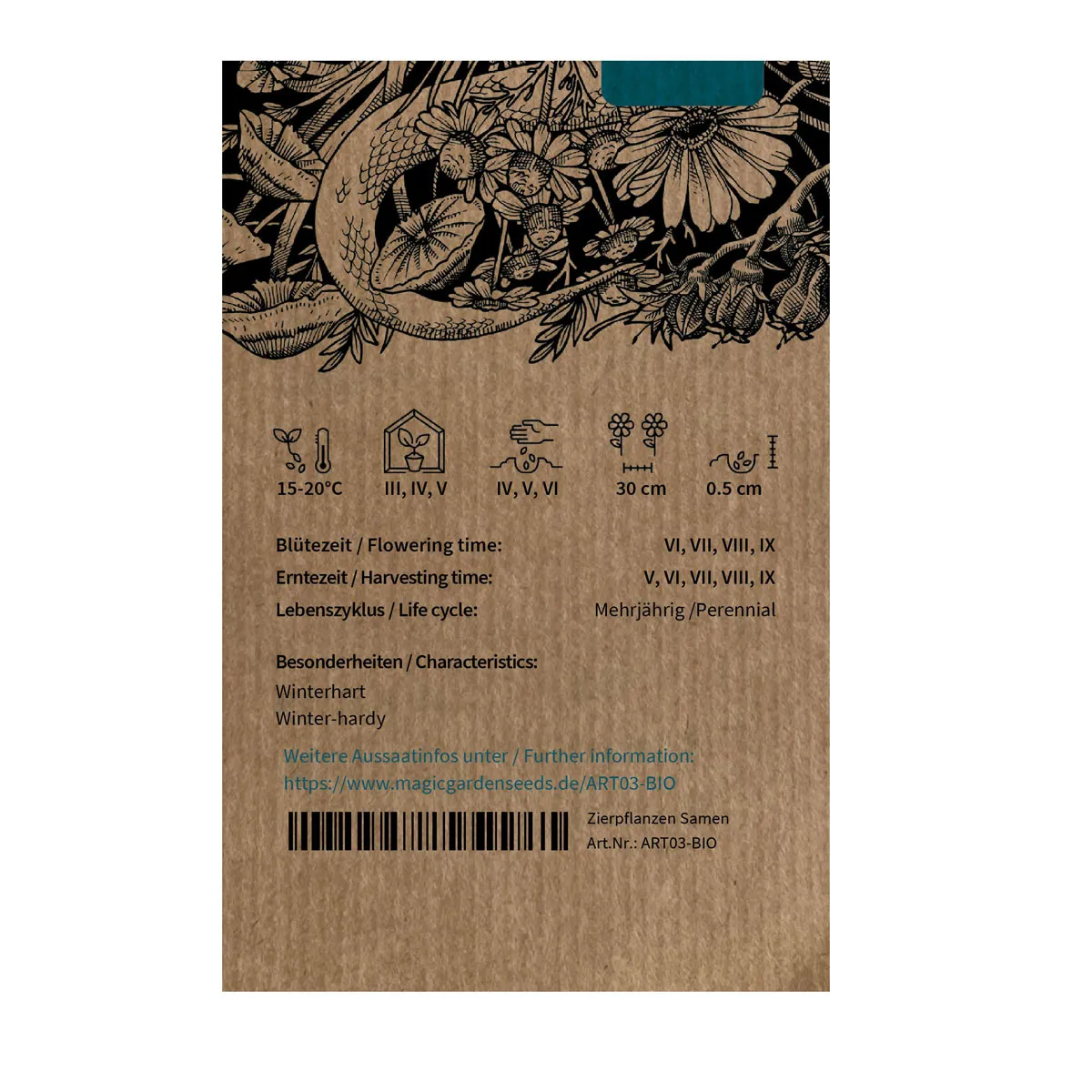
| Flowering months | August, July, June, September |
| Main harvest | August, July, June, May, September |
| Root system | Deep roots, Rhizome |
| Winter hardiness zones | 6 (-23 bis -18 °C) |
Growing instructions
| When to sow outdoors | April, June, May |
|---|---|
| Sowing depth | 0.5 cm |
| Germination temperature | 15-20°C |
| Germination time | 1-4 weeks |
| Soil type | Chalky, Free-draining, Moderate nutrient levels |
| Sunlight | Full sun, Halbschatten |
| Water requirement | Low, No waterlogging |
| Planting distance | 30 cm |
| Row spacing | 30 cm |
Sowing and care
Growing and caring of mugwort
Mugwort is a robust, hardy and perennial plant that prefers sunny to partially shaded, dry and well-drained locations. It copes well with poor soils and should be watered regularly at first, but later only during longer dry periods. The seeds can be sown outdoors from March onwards and should only be lightly covered with soil, as they require light for germination. The plants should be spaced about 30 cm apart. Mugwort produces many seeds and self-sows readily, which can be prevented by harvesting the flower stems in good time before the flowering period.
Use and harvest
Mugwort can be used in many ways: as a culinary herb, as a tea for women's complaints or digestive discomfort, and as incense for ritual purposes. The shoot tips are harvested before the flowering period from June to September. The plant is not only easy to care for, but also bee-friendly and well suited to helping deter pests in the garden.
Other names
Botanical name: Artemisia vulgaris, A. cannabifolia, A. ruderalis
German: Beinweich, Besenkraut, Gänsekraut, Gürtlerkaurt, Jungfernkraut, Mugwurz, Sonnenwedel, Throwurz, Wilder Wermut
English: Mugwort, Common Wormwood
French: Armoise commune, Armoise vulgaire
Italian: Artemisia comune, Assenzio selvatico
Spanish: Artemisa común, Hierba de San Juan
Dutch: Bijvoet, Gewone bijvoet
Login
easy to grow these.
Didn't even bother germinating them in a propagator, just scattered the very fine seeds into a widow box and they're growing quite happily on the windowsill atm, until it's warm enough to put them outside :)
plant
Beautiful germination
Great plant
Nice decorative plant. Happy with it