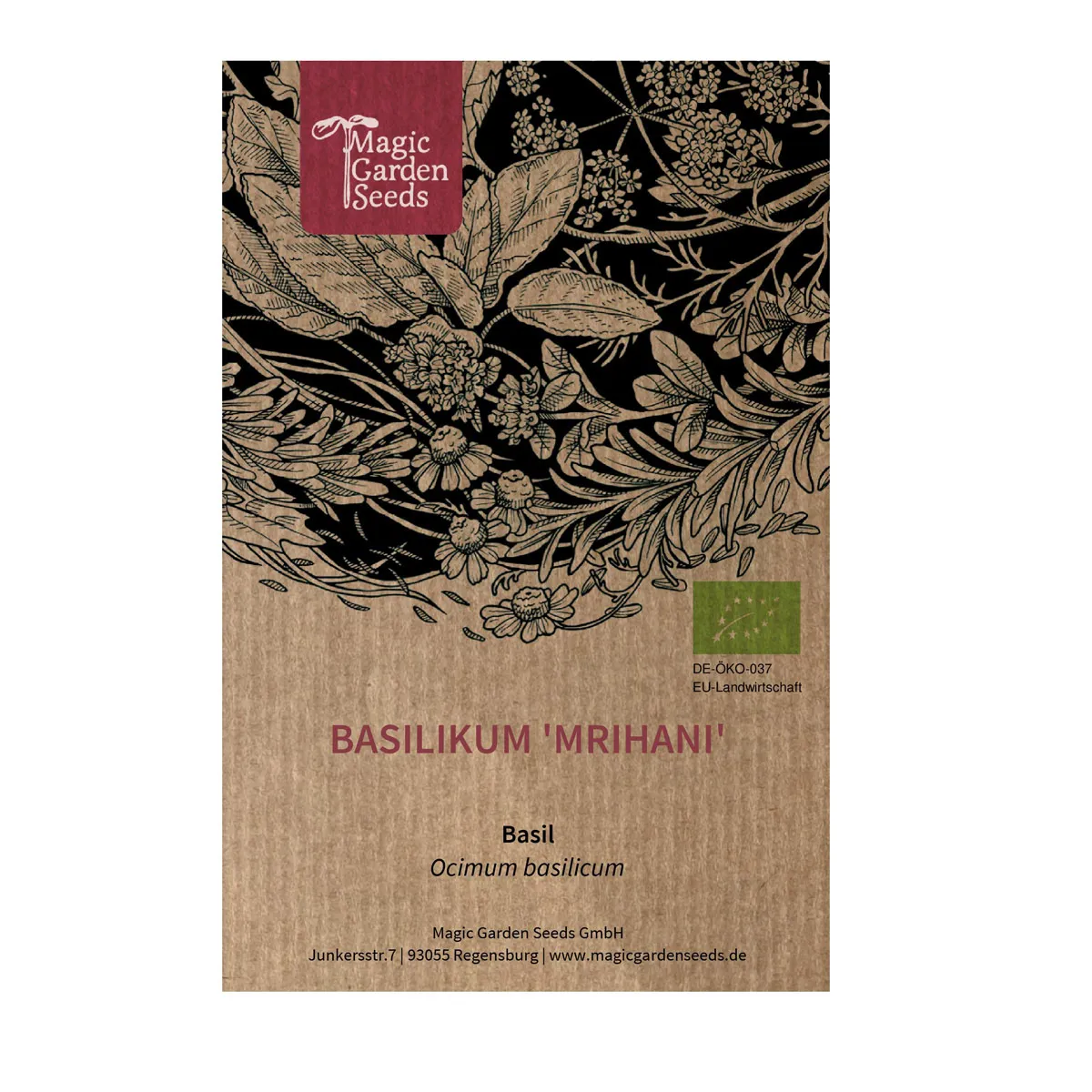
Basil 'Mrihani' (Ocimum basilicum) organic seeds
- Aromatic basil from Zanzibar with intense notes of aniseed, liquorice and citrus, perfect for curries, coconut dishes, salads and pesto.
- Approx. 50 open pollinated organic seeds of 'Mrihani' basil (Ocimum basilicum).
- Well branched, late flowering and highly resistant to basil downy mildew, ensuring a long harvest season throughout summer.
€3.39
No longer available
Description
Exceptional basil with notes of anise, liquorice and sweet citrus
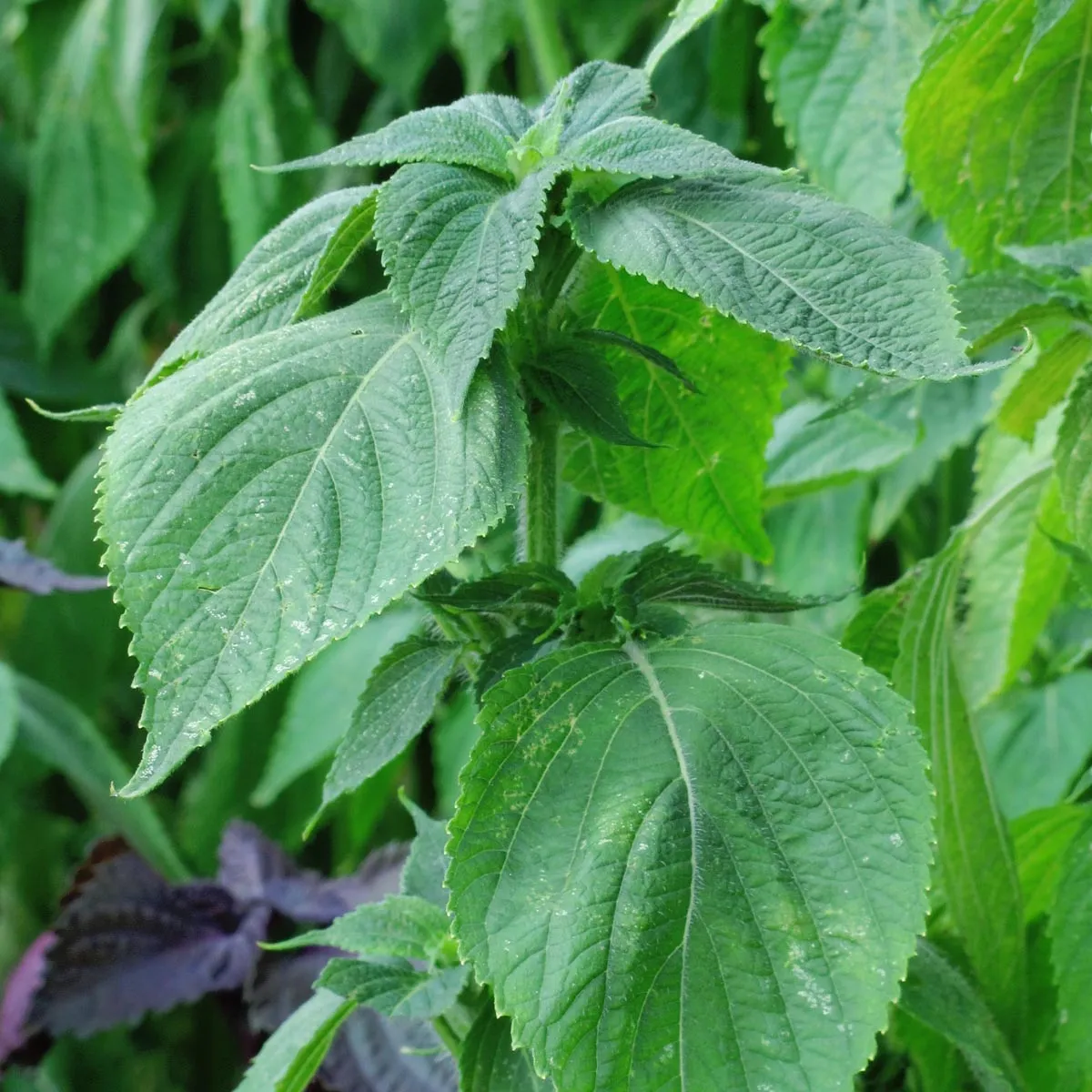
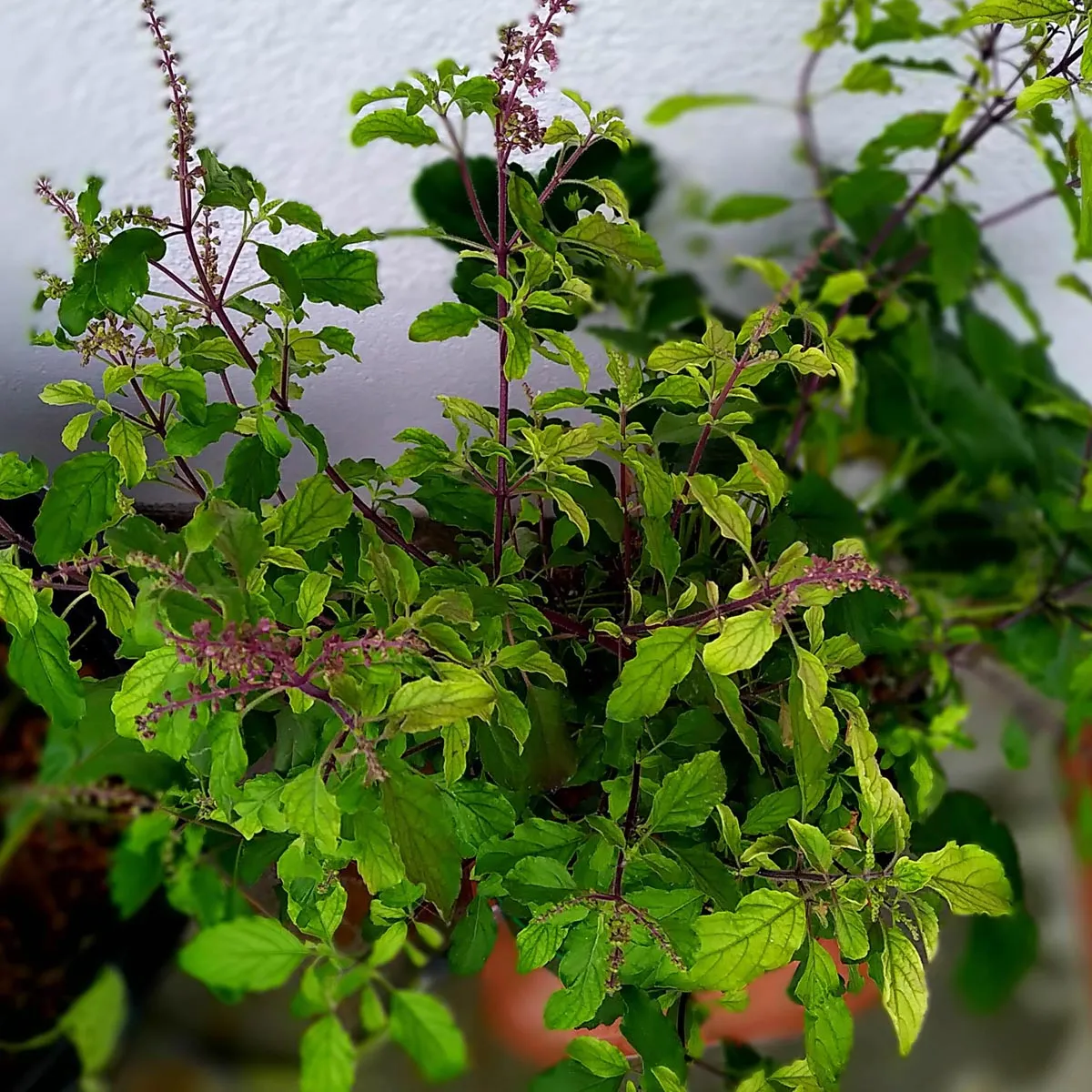
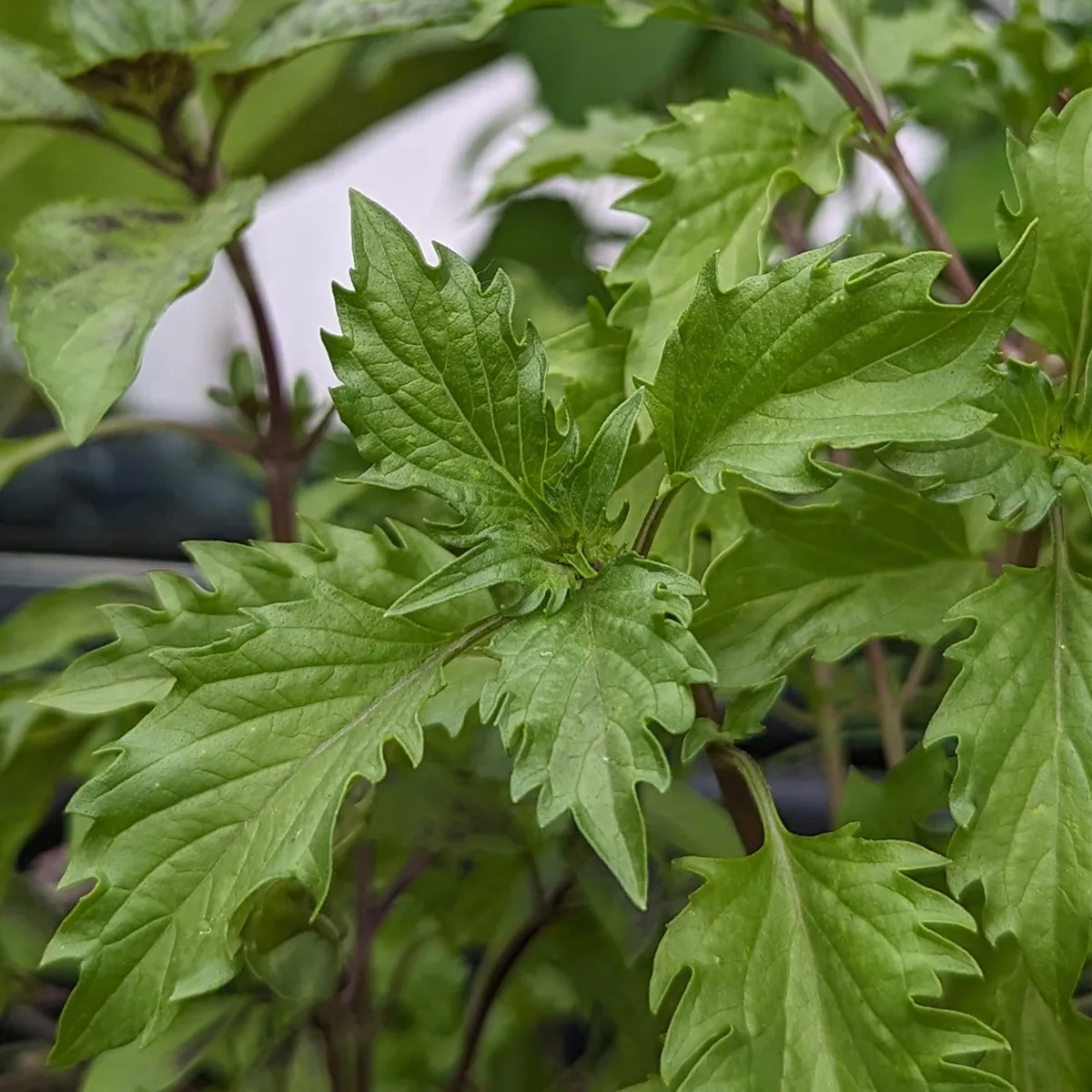
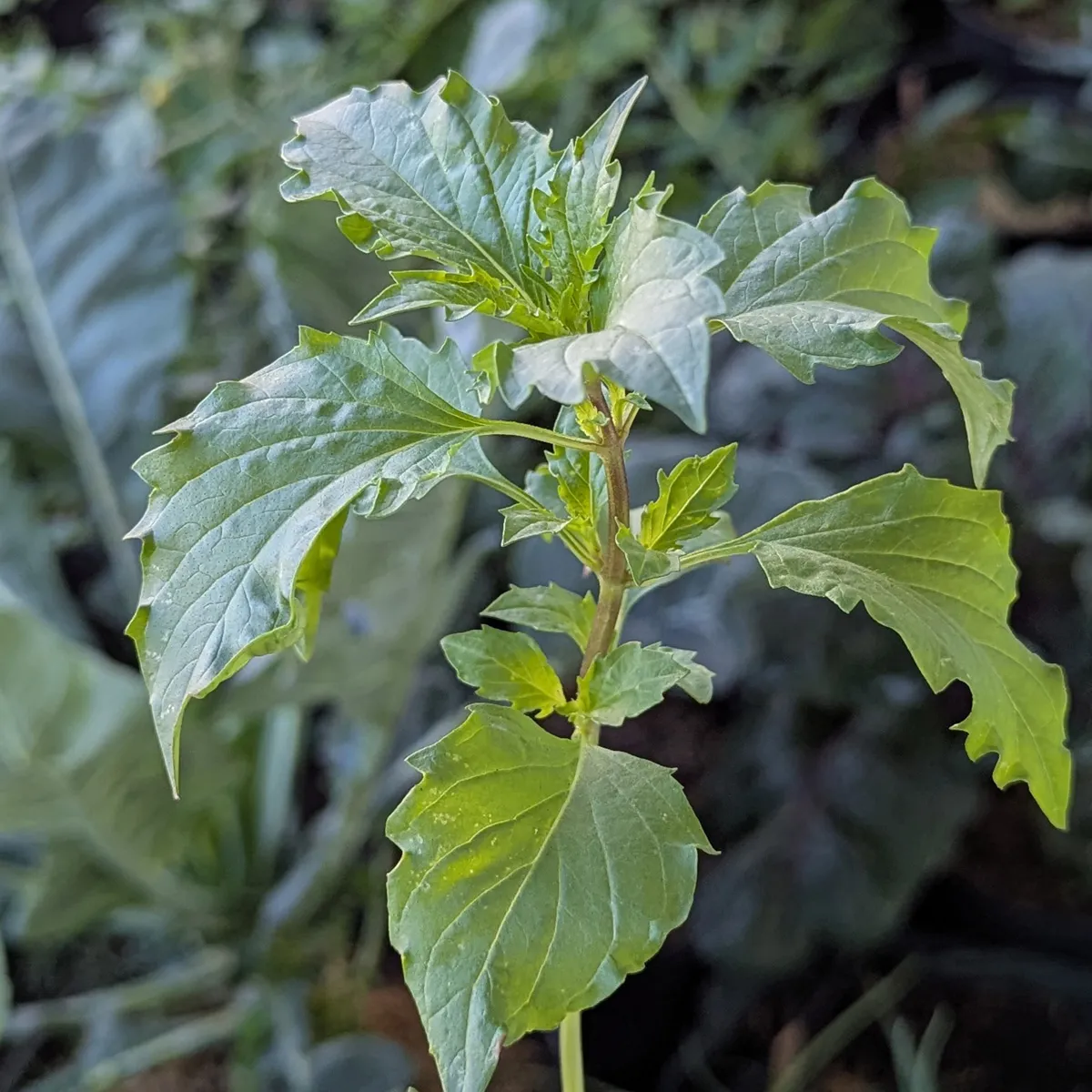
'Mrihani' basil (Ocimum basilicum) is a distinctive, open pollinated basil variety from Zanzibar with an intense aroma that differs considerably from classic Genovese basil. The medium green leaves have strikingly serrated, ruffled and slightly wavy edges. Its flavour combines strong notes of anise and liquorice with fennel and a pleasantly sweet citrus note. Depending on growing conditions and harvest time, subtle hints of caraway and coriander may also be noticeable.
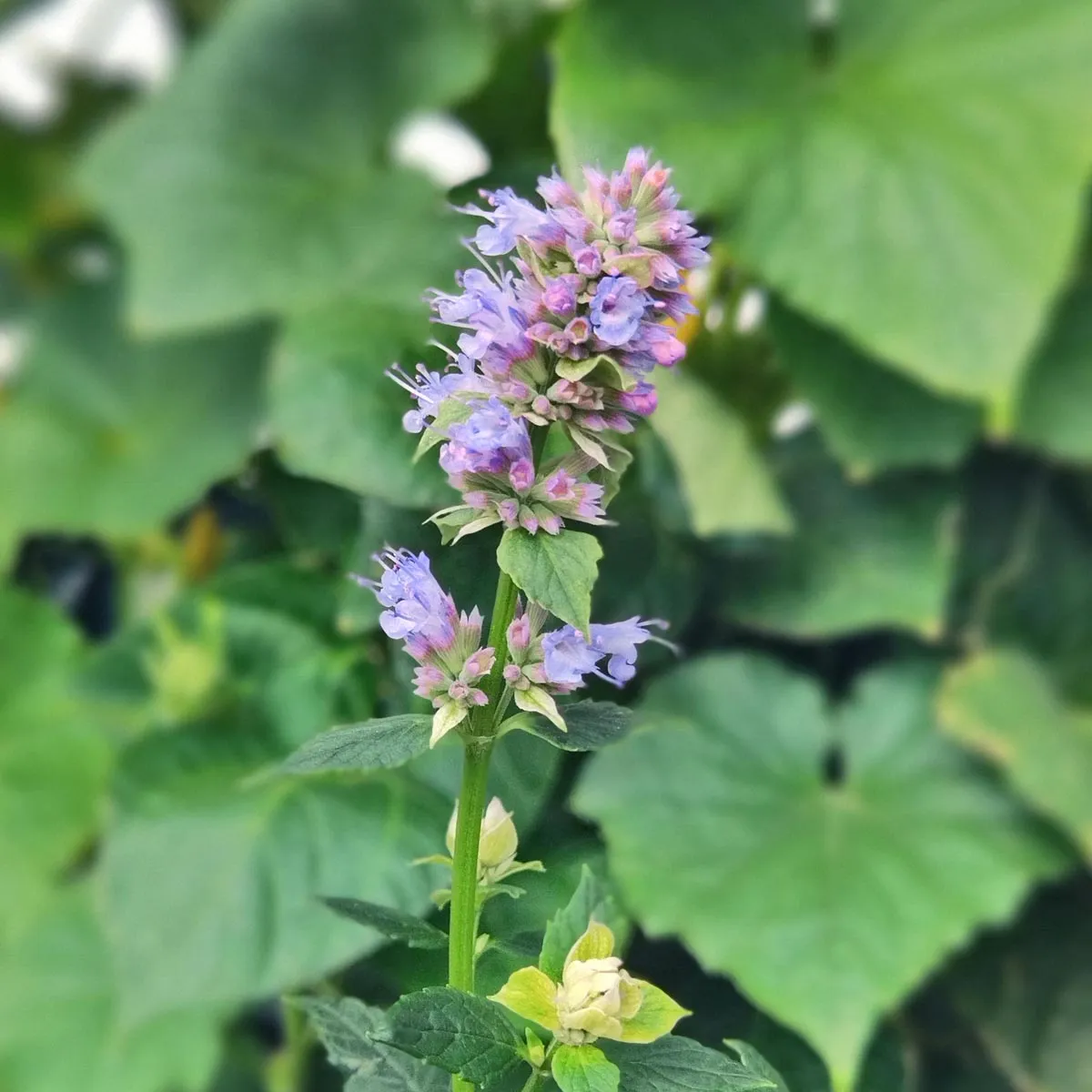
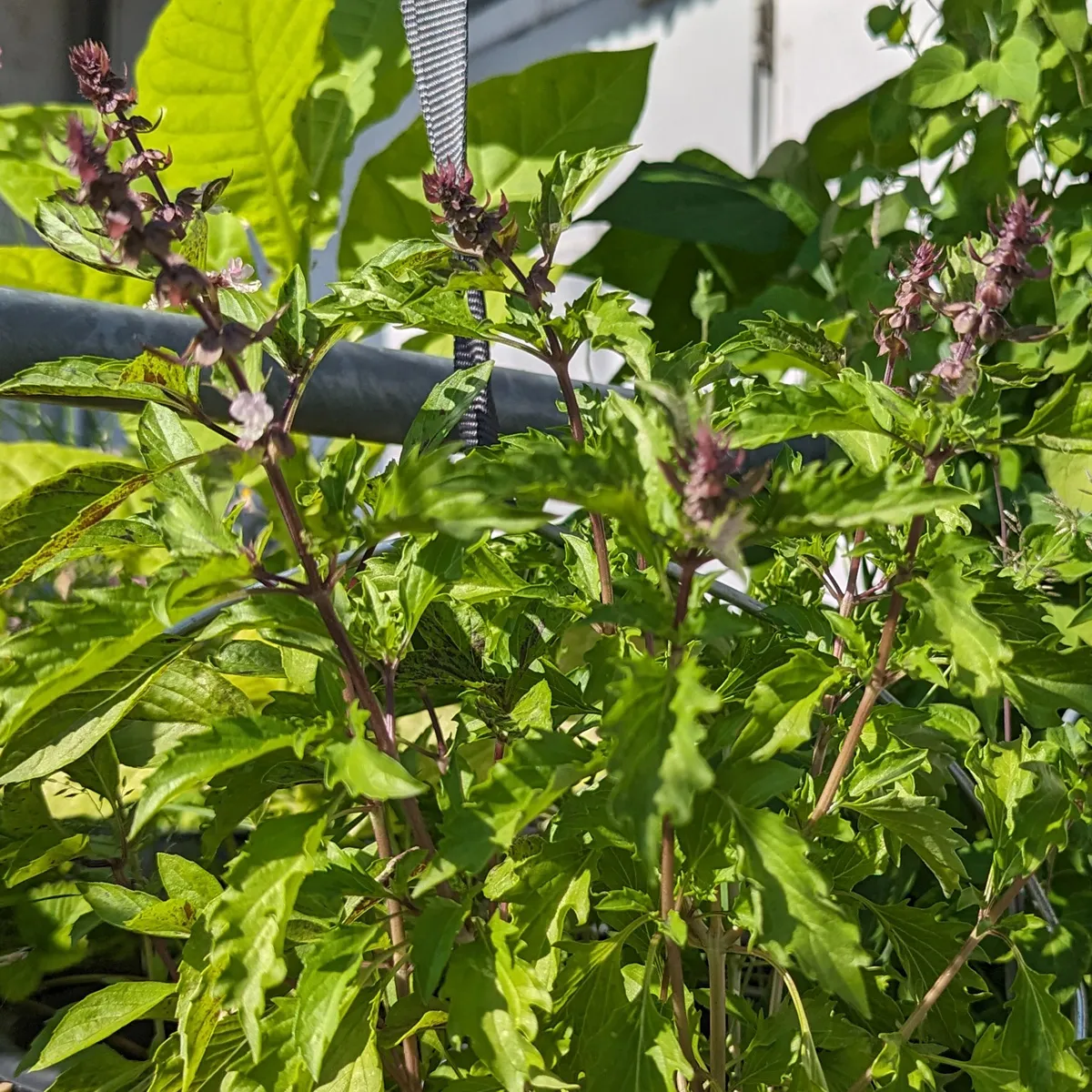
The plants have a bushy, well branched growth habit and usually reach around 50 cm in height outdoors. 'Mrihani' flowers relatively late and produces new side shoots after regular cutting. This allows fresh basil to be harvested over an extended period. The purple flowers are also attractive to bees and other insects.
Traditional basil from the Spice Islands
This variety originates from the Zanzibar Archipelago off the coast of Tanzania, where it is known as a traditional type of basil. The name 'Mrihani' comes from Swahili, where it refers to the basil plant or basil in general. Etymologically, the word is related to the Arabic rayhan, which also refers to basil or a fragrant plant.
The international history of this variety began in 1990 on the island of Pemba. There, American seed and medicinal plant expert Richo Cech received a small packet of basil seeds from a local farmer. From there, 'Mrihani' found its way into seed conservation and later into plant breeding. Its excellent resistance to basil downy mildew is particularly noteworthy. The variety has therefore also been used as a source of resistance in modern basil breeding programmes.
Culinary uses
The intense, aniseed flavour makes 'Mrihani' particularly interesting for dishes where basil can contribute a stronger, more distinctive character. In Zanzibar and Tanzania, basil is traditionally used in curries, stir fries and dishes prepared with coconut milk, among other things. 'Mrihani' also works beautifully with vegetables, in salads or as an unusual variation on pesto. Anyone expecting classic Genovese basil will be pleasantly surprised by the distinctive flavour of this aromatic variety.
Plant profile
| Plant type | Container plant, Herbaceous plant |
|---|---|
| Use | Container plant, Edible plant, Good insect food plant, Herb/spice plant, Ornamental plant |
| Lifecycle | Perennial |
| Species | Lamiaceae |
| Region of origin | Africa |
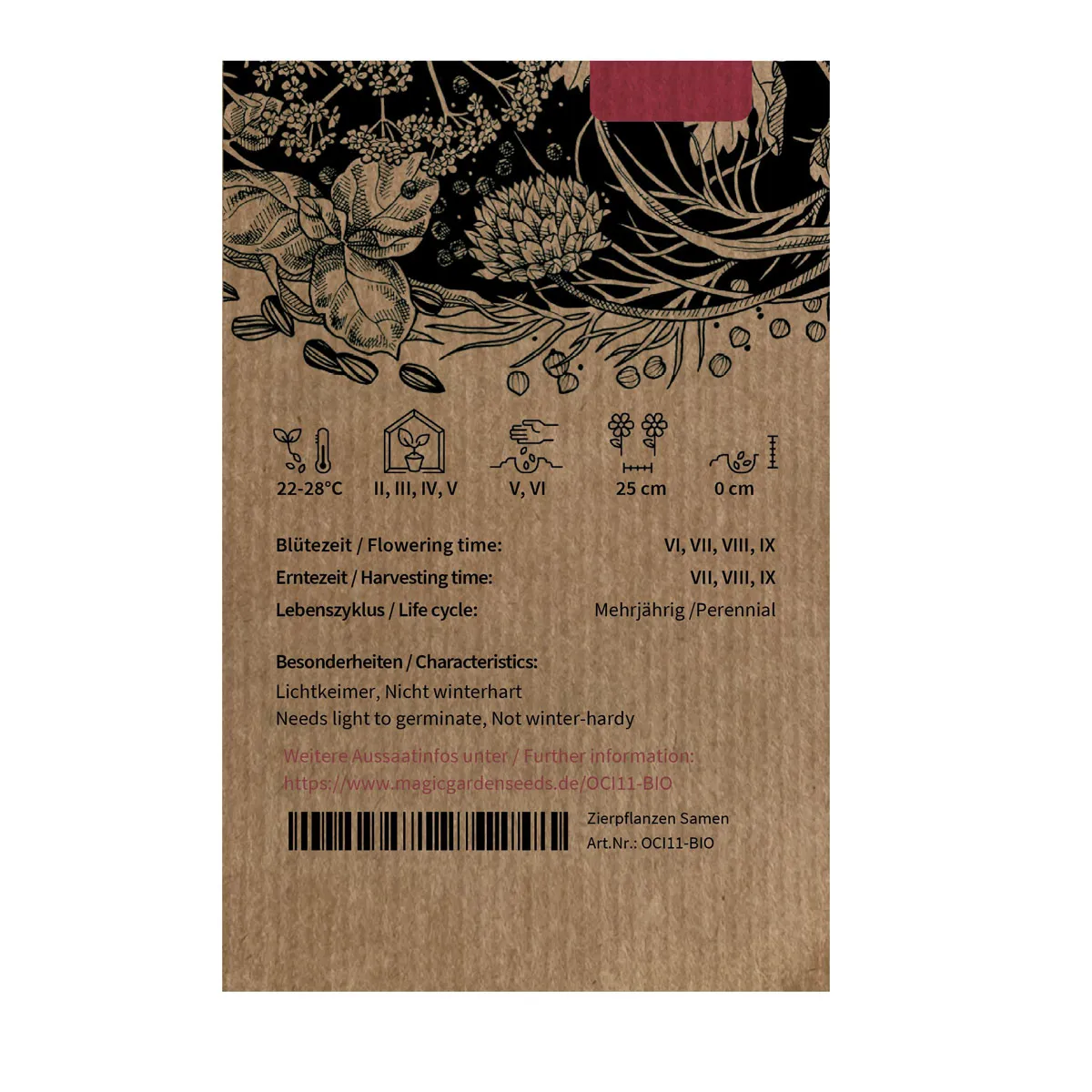
| Characteristics | Food for bees, Loved by slugs and snails, Needs light to germinate, Not winter-hardy |
| Eventual height | 20-60 cm |
| Flower colour | Lilac, Rosa |
| Flowering months | August, July, June, September |
| Main harvest | August, July, September |
| Winter hardiness zones | 11 (4 bis 10 °C) |
Growing instructions
| When to sow outdoors | June, May |
|---|---|
| Sowing depth | 0 cm |
| Germination temperature | 22-28°C |
| Germination time | 1-2 weeks |
| Soil type | Free-draining, Humus-rich, Nutrient-rich, well-loosened |
| Sunlight | Full sun, Halbschatten |
| Water requirement | Medium, No waterlogging |
| Planting distance | 25 cm |
| Good companion plants | Chard, Cucumber, Fennel, Tomatoes, Zucchini |
| Bad companion plants | Melisse, Sage, Savory, Thyme |
Sowing and care
Sowing and caring for 'Mrihani' basil
Seeds can be started indoors from around February to June, depending on when you want to begin harvesting. The fine seeds need light to germinate and should be scattered over the surface of moist seed compost, pressed down gently and left uncovered or covered with only the thinnest layer of compost. At around 20 to 25 °C, germination usually takes 3 to 12 days. Keep the compost evenly moist during this period, but avoid waterlogging.
Once the seedlings are large enough to handle, they can be carefully pricked out into individual pots. They should only be planted outdoors after the last frosts, ideally when night temperatures remain consistently above around 10 °C. A sunny, warm and sheltered position with nutrient rich, humus rich and well drained soil is ideal. Space plants approximately 20 to 30 cm apart.
Water regularly during the growing season and keep the soil evenly moist. Frequent harvesting and pinching out the growing tips encourage bushier growth and provide fresh leaves over a longer period. As basil is highly sensitive to frost, 'Mrihani' is grown as an annual in Central Europe.
Other names
Botanical name: Ocimum basilicum
German: Basilikum ‘Mrihani’, Sansibar-Basilikum, Basilikum ‘Zanzibar’
English: Mrihani Basil, Zanzibar Basil, Mrihani Sweet Basil
French: Basilic ‘Mrihani’, Basilic de Zanzibar
Italian: Basilico ‘Mrihani’, Basilico di Zanzibar
Spanish: Albahaca ‘Mrihani’, Albahaca de Zanzíbar
Dutch: Basilicum ‘Mrihani’, Zanzibar-basilicum
Login