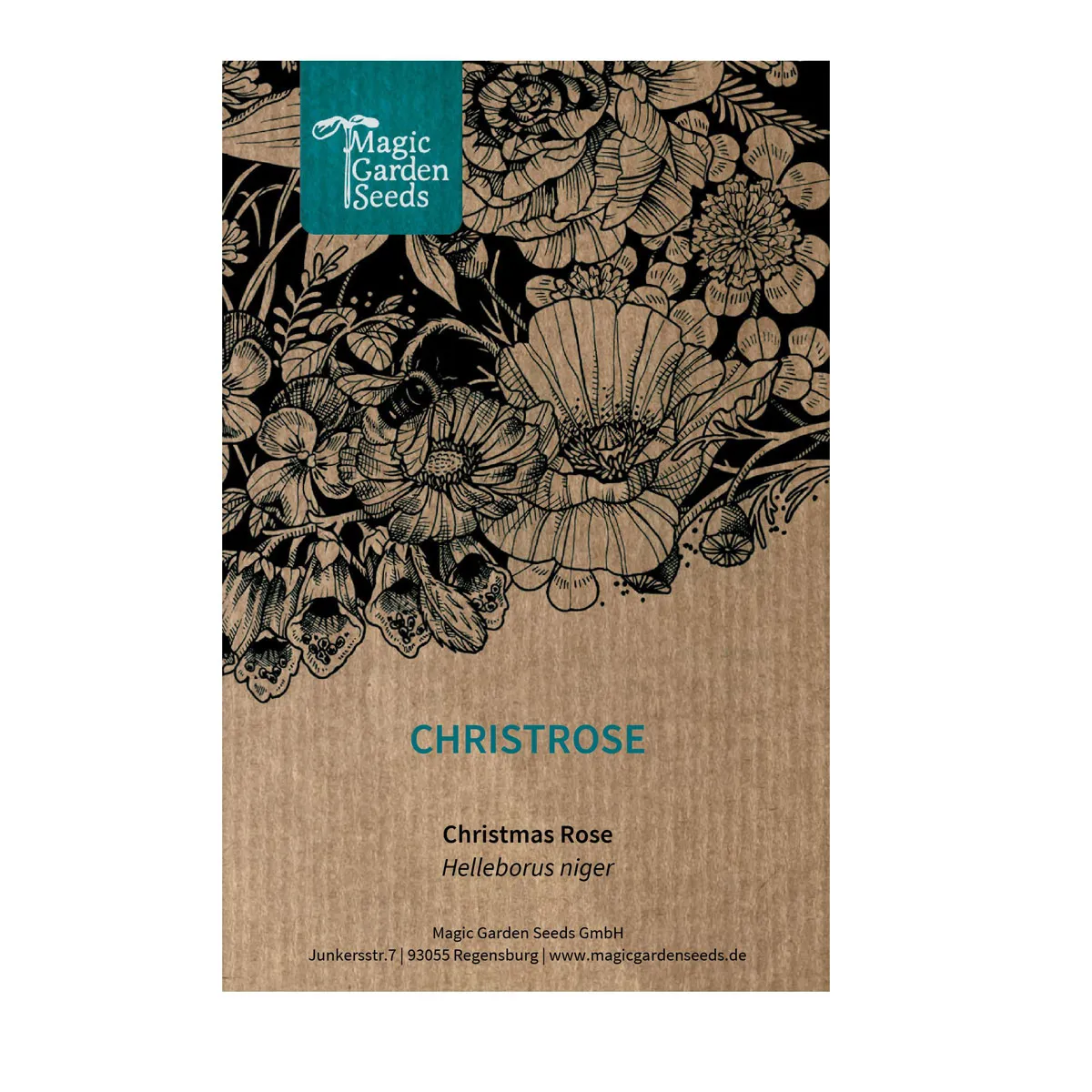
Christmas Rose (Helleborus niger) seeds
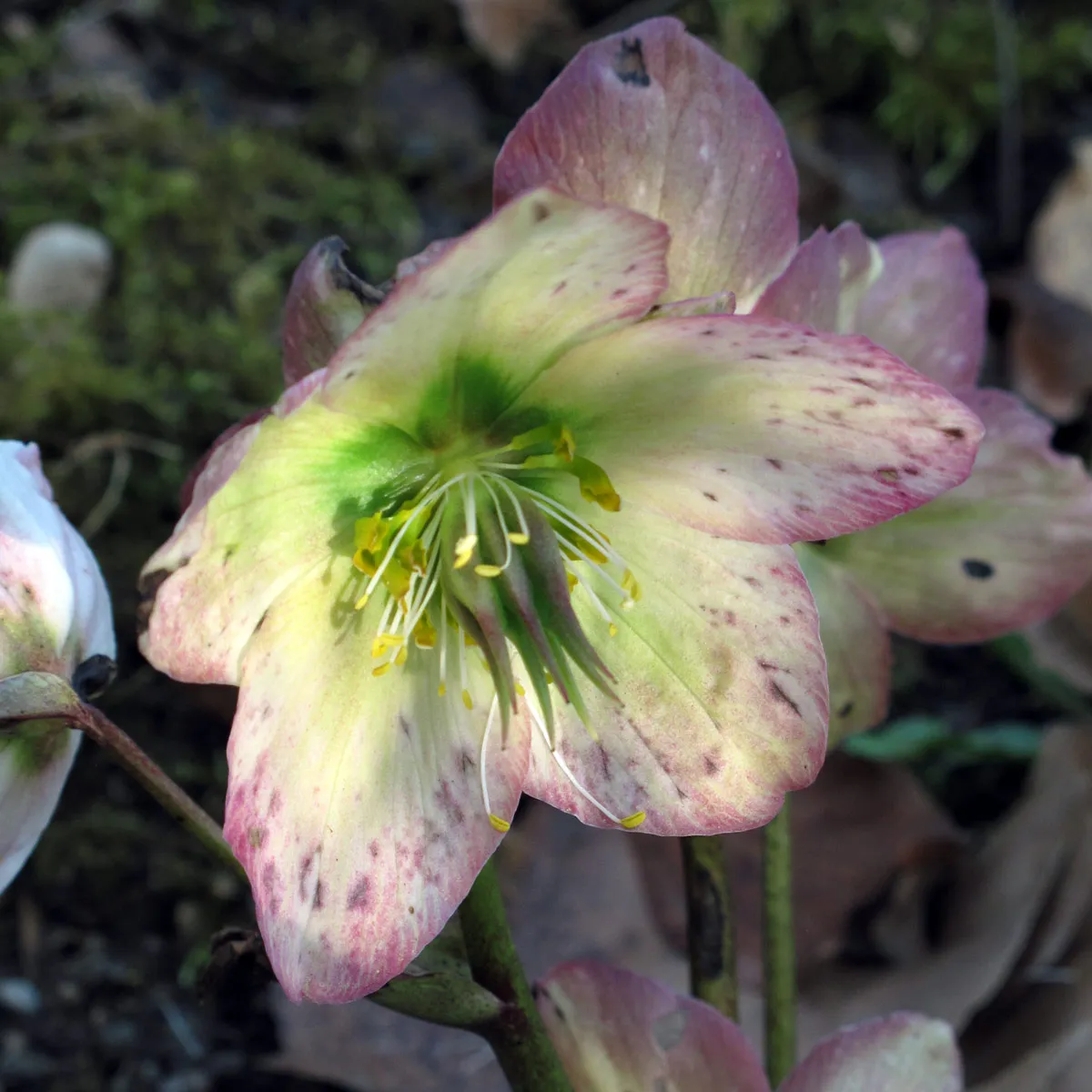
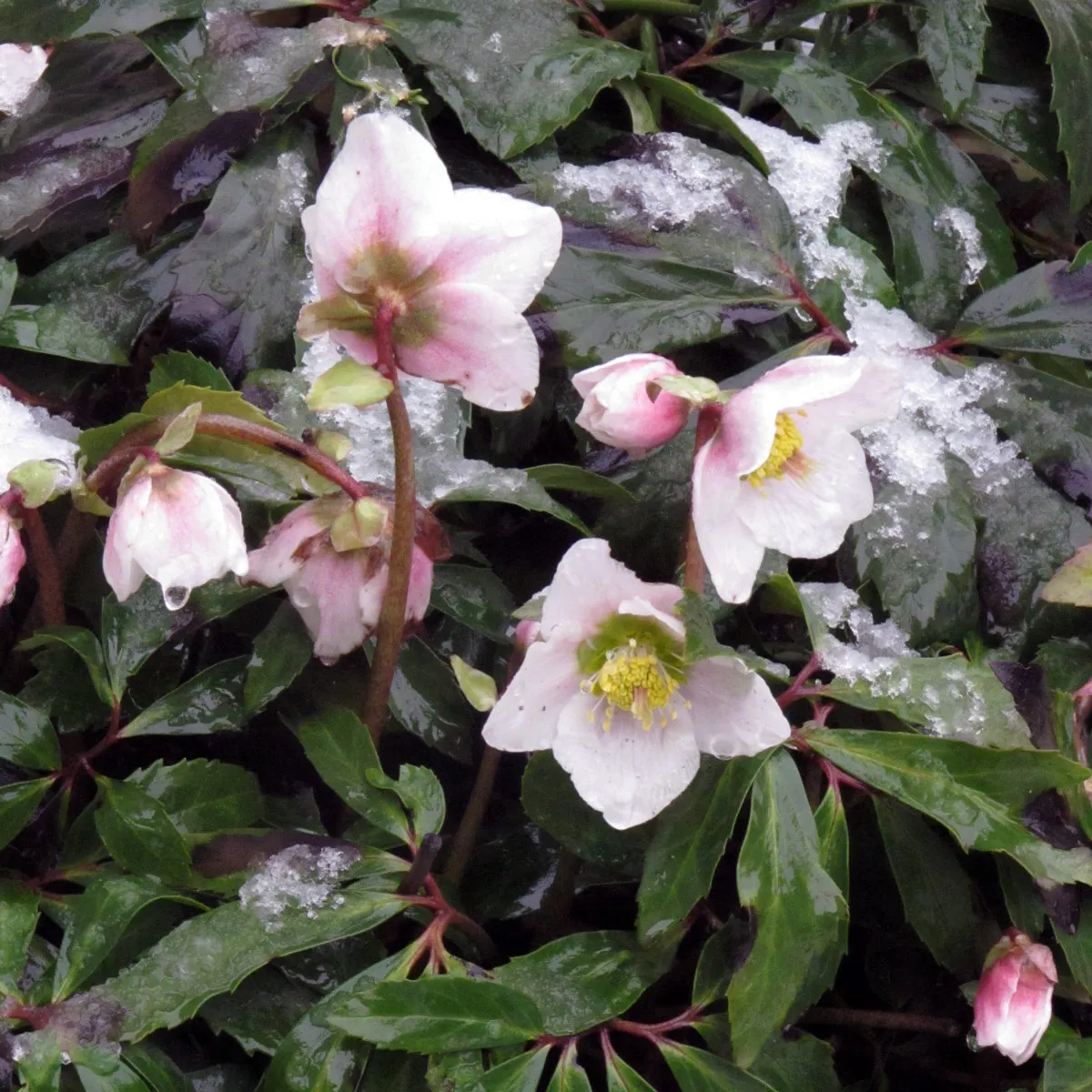
- Winter-flowering, long-lived perennial with large white to pale pink flowers - ideal for partially shaded garden spots and woodland edges.<ai>
- Approx. 10 seeds of open-pollinated Christmas Rose (Helleborus niger).
- For patient and experimental gardeners - germination can take several months and the seeds need a cold period to germinate.<ai>
€4.19
No longer available
Description
White winter flowers for the quiet months in the garden
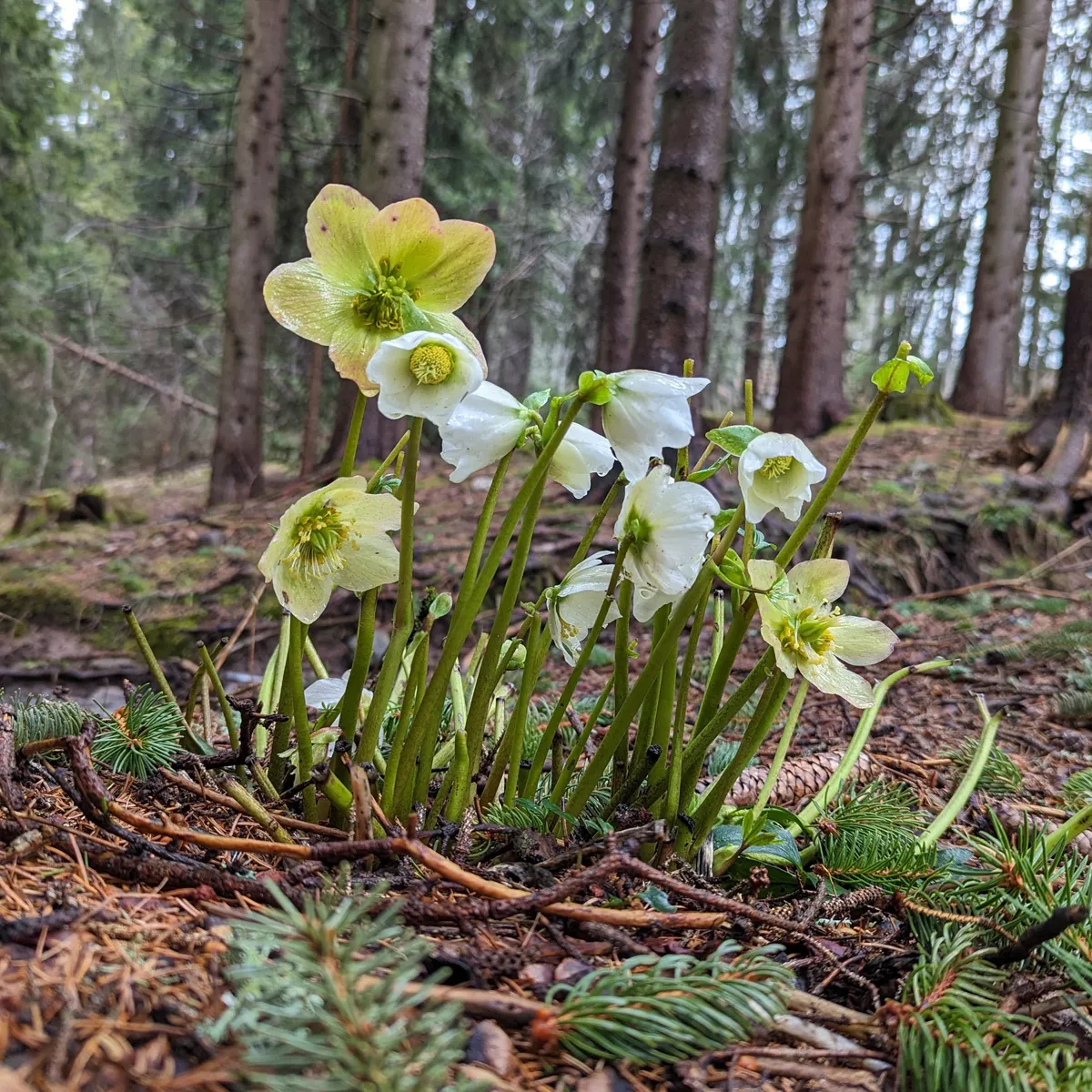
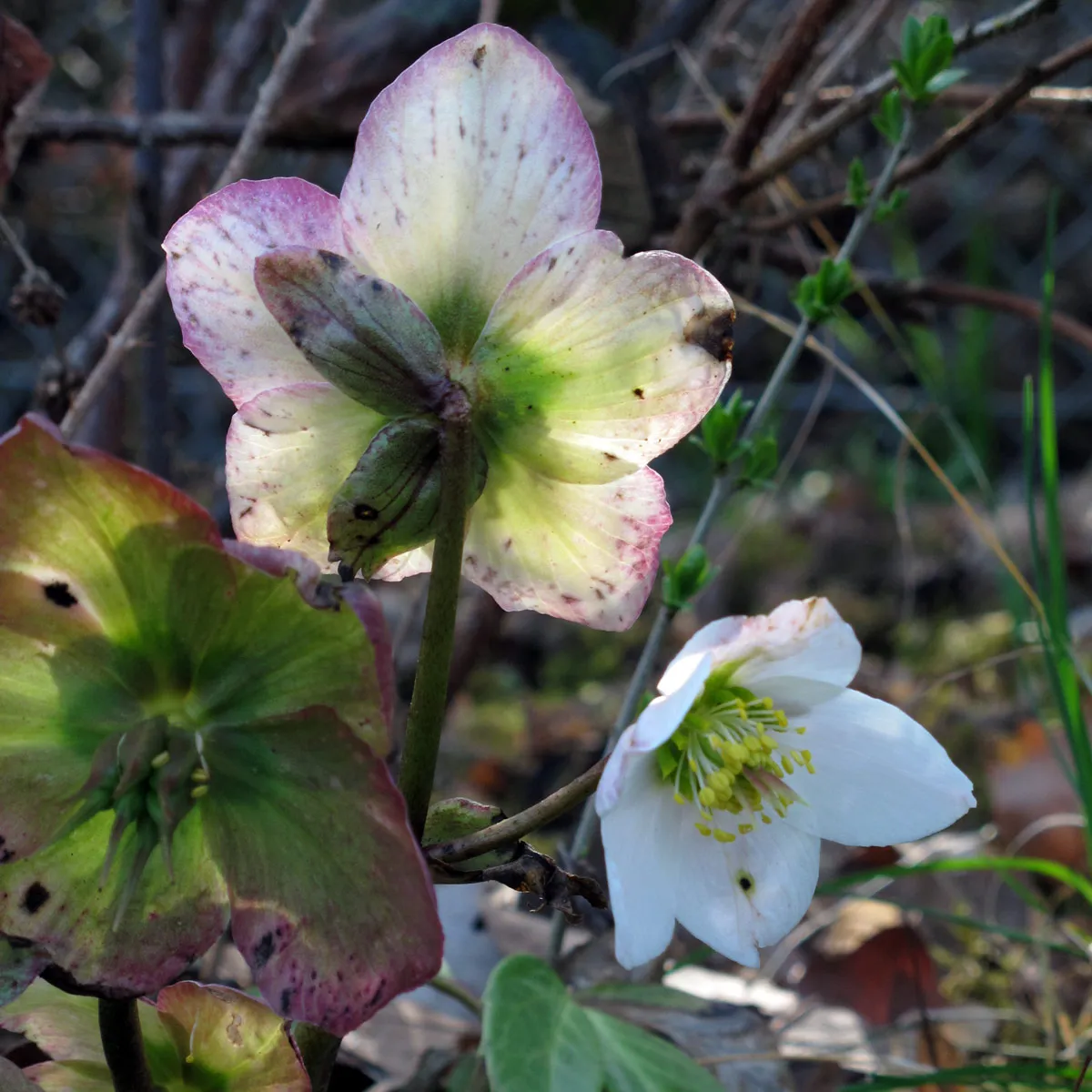
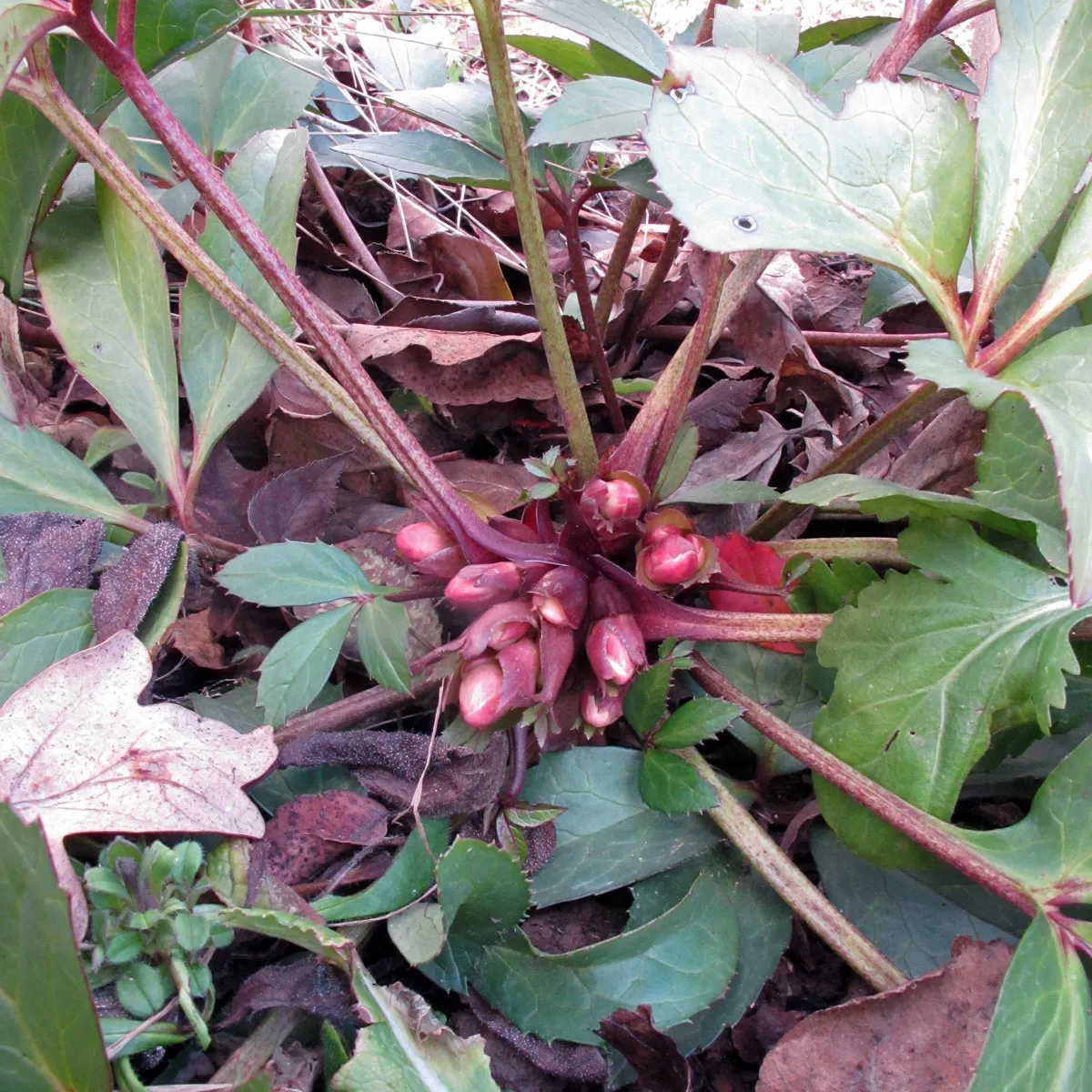
The Christmas Rose (Helleborus niger), also known as Snow Rose or Black Hellebore, is one of the best-known winter-flowering perennials. While many other plants are dormant, it opens its large white to pale pink flowers, bringing bright accents to the garden in winter or early spring. The leathery, evergreen leaves form compact clumps that usually reach around 20 to 35 cm in height.
The Christmas Rose is particularly well suited to partially shaded spots beneath deciduous trees and shrubs, woodland edges and quiet perennial borders. It prefers humus-rich, calcareous and well-drained soils. In a suitable location, it can live for many years and gradually develop into an impressive, long-lived garden perennial.
An ancient medicinal and poisonous plant with a long garden history
Helleborus niger is native to the southern and eastern Alps, the Apennines and parts of the Dinaric Alps. There it grows in open woodland, along woodland edges and on stony, lime-rich soils. The species name niger means “black” and refers to the plant's dark roots, not its white flowers.
The Christmas Rose was already known in antiquity as both a medicinal and poisonous plant. Historical medicinal uses are now considered obsolete, as all parts of the plant are toxic. Seeds, roots and other plant parts should therefore not be consumed and should be kept away from children and pets. Wearing gloves is recommended when handling plant material.
Another special feature can be seen in its natural dispersal: the seeds have an oil-rich appendage that attracts ants. They carry the seeds away and thus help spread the plant through the garden.
Plant profile
| Plant type | Herbaceous plant, Wildflower |
|---|---|
| Use | Good insect food plant, Ornamental plant |
| Lifecycle | Perennial |
| Species | Ranunculaceae |
| Seed propagation | konventionell |
| Region of origin | Alps |
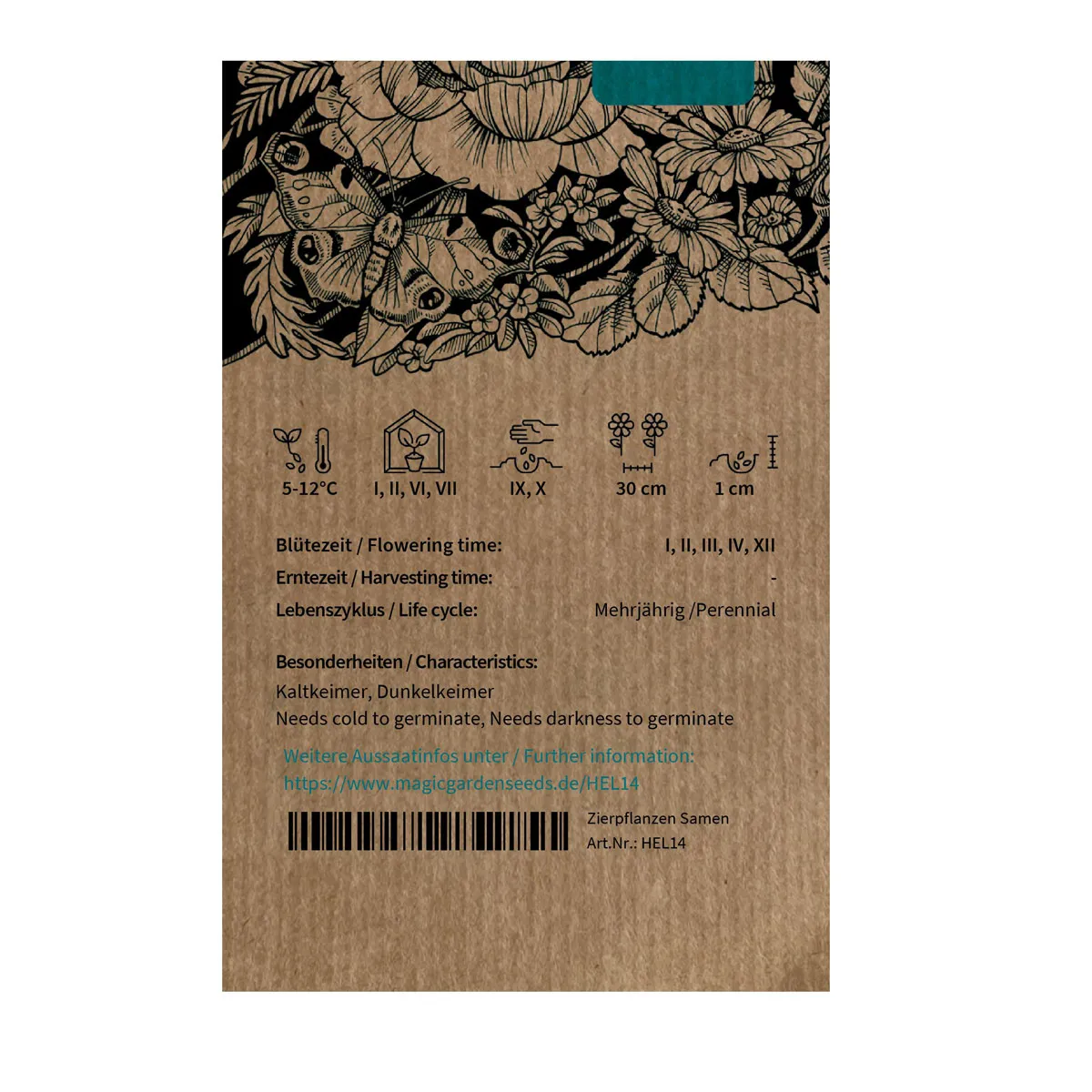
| Characteristics | Needs cold to germinate, Needs darkness to germinate, Poisonous plant, Self-seeds, Winter-hardy |
| Eventual height | 15-30 cm |
| Flower colour | Rosa, White |
| Flowering months | April, December, February, January, March |
| Root system | Rhizome |
| Winter hardiness zones | 4 (-34 bis -30 °C) |
Growing instructions
| When to sow outdoors | October, September |
|---|---|
| Sowing depth | 1 cm |
| Germination temperature | 5-12°C |
| Germination time | 1-12 months, irregular |
| Climate | Temperate |
| Soil type | Chalky, Free-draining, Humus-rich, Moderate nutrient levels |
| Sunlight | Halbschatten, Shade |
| Water requirement | Medium, No waterlogging |
| Planting distance | 30 cm |
Sowing and care
Sowing and caring for the Christmas Rose
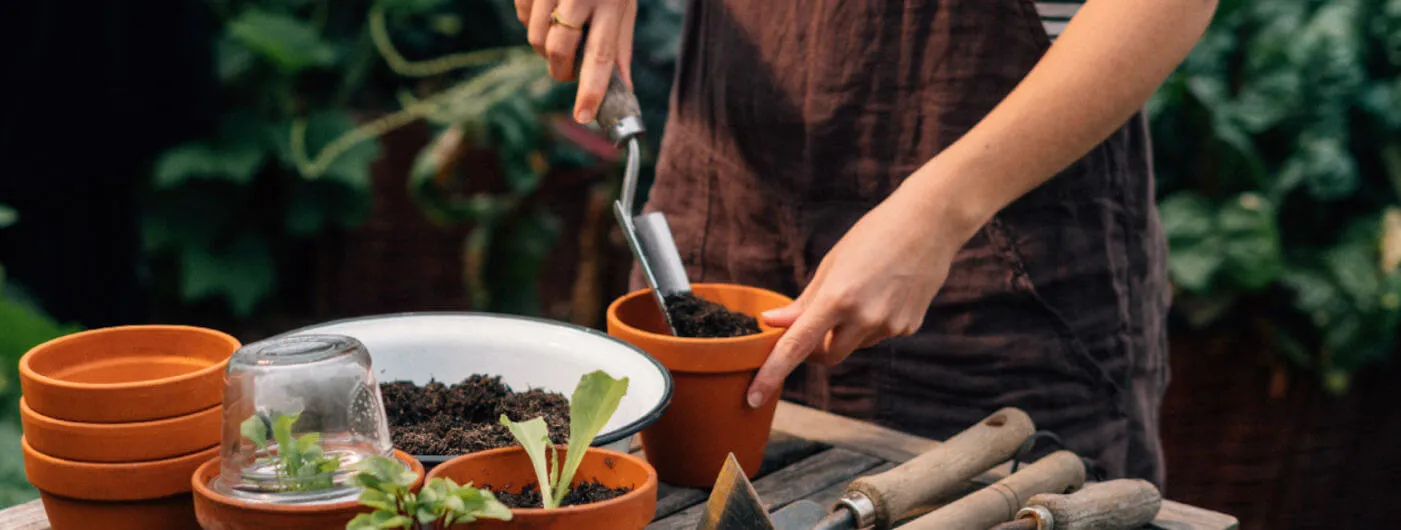
Sowing the Christmas Rose requires patience. Fresh seeds germinate most reliably and should be sown as soon as possible after they have ripened. For pre-cultivation, June to July is therefore particularly suitable. Sow the seeds about 0.5 to 1.5 cm deep in humus-rich, loose and well-drained substrate and keep evenly moist.
A classic, continuously warm pre-cultivation is not suitable for the Christmas Rose. The seeds have a natural dormancy and initially require several weeks of mild temperatures of around 15 to 20 °C, followed by a longer cold period of approximately 0 to 5 °C. If you sow in pots in June or July, this temperature change can easily be left to the natural course of the seasons: keep the containers sheltered outdoors through summer and autumn so that they receive the necessary cold stimulus during winter.
Alternatively, the warm and cold phases can also be controlled. To do this, keep the sown seeds at 15 to 20 °C for about six weeks and then expose them to temperatures of 0 to 5 °C for approximately six to eight weeks. Afterwards, place the pots somewhere slightly warmer again.
The first seedlings often appear the following spring, although individual seeds may not germinate until after another winter. Sowing containers should therefore not be discarded too quickly if no germination occurs at first. Christmas Roses grown from seed usually take around two to four years to flower for the first time.
After germination, young plants should be cultivated carefully, as Christmas Roses do not particularly like root disturbance. Later, a partially shaded to shaded position with humus-rich, calcareous and well-drained soil is ideal. Waterlogging should be avoided at all costs. Once established, the plants require little care and benefit from a light mulch layer of leaves or compost.
Other names
Botanical name: Helleborus niger
German: Christrose, Schneerose, Schwarze Nieswurz, Gewöhnliche Christrose, Gewöhnliche Schneerose
English: Christmas Rose, Black Hellebore, Hellebore
French: Rose de Noël, Hellébore noir
Italian: Rosa di Natale, Elleboro nero, Elleboro bianco
Spanish: Eléboro negro
Dutch: Kerstroos, Zwarte nieswortel
Login