Cosmos mix 'Sea Shells' (Cosmos bipinnatus) seeds
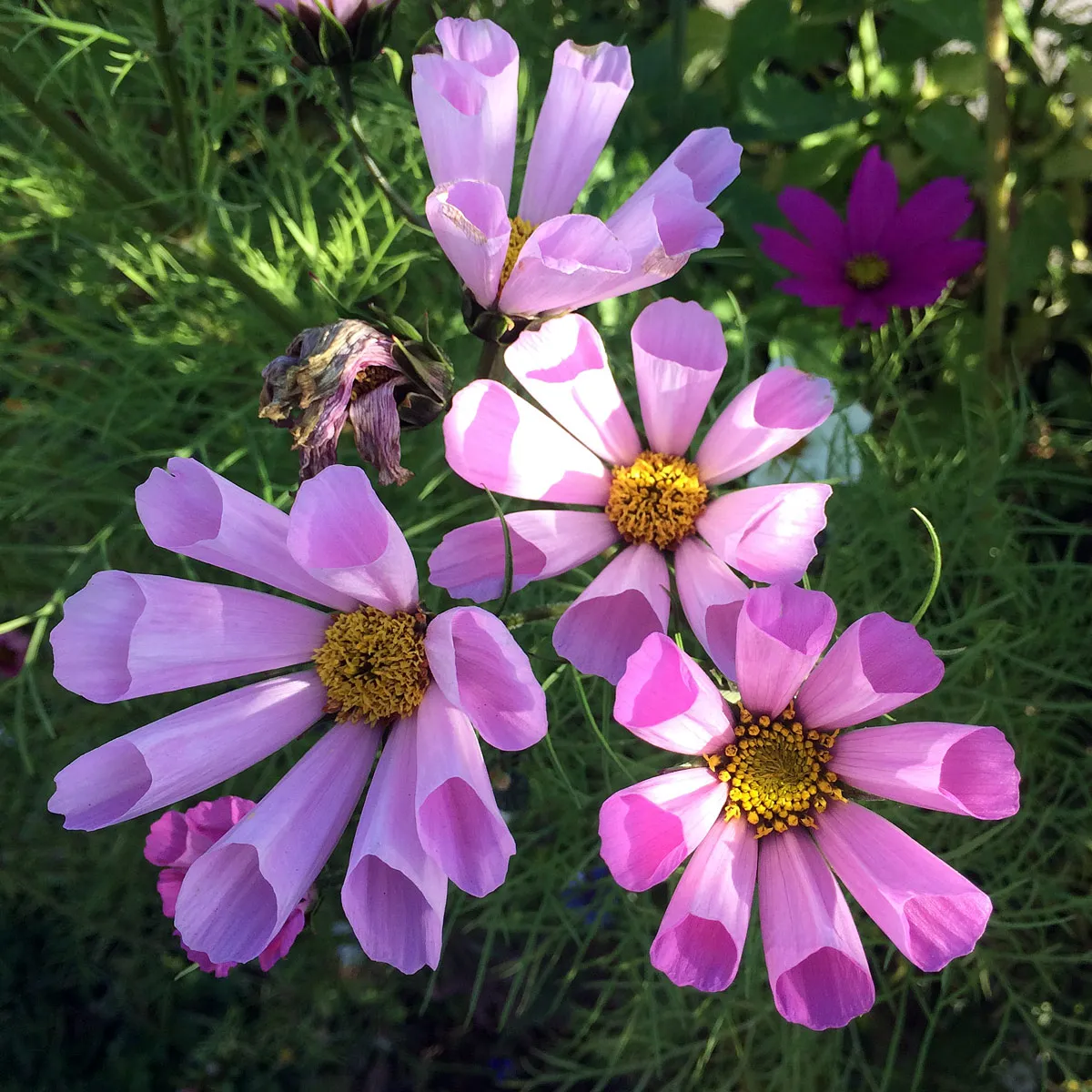
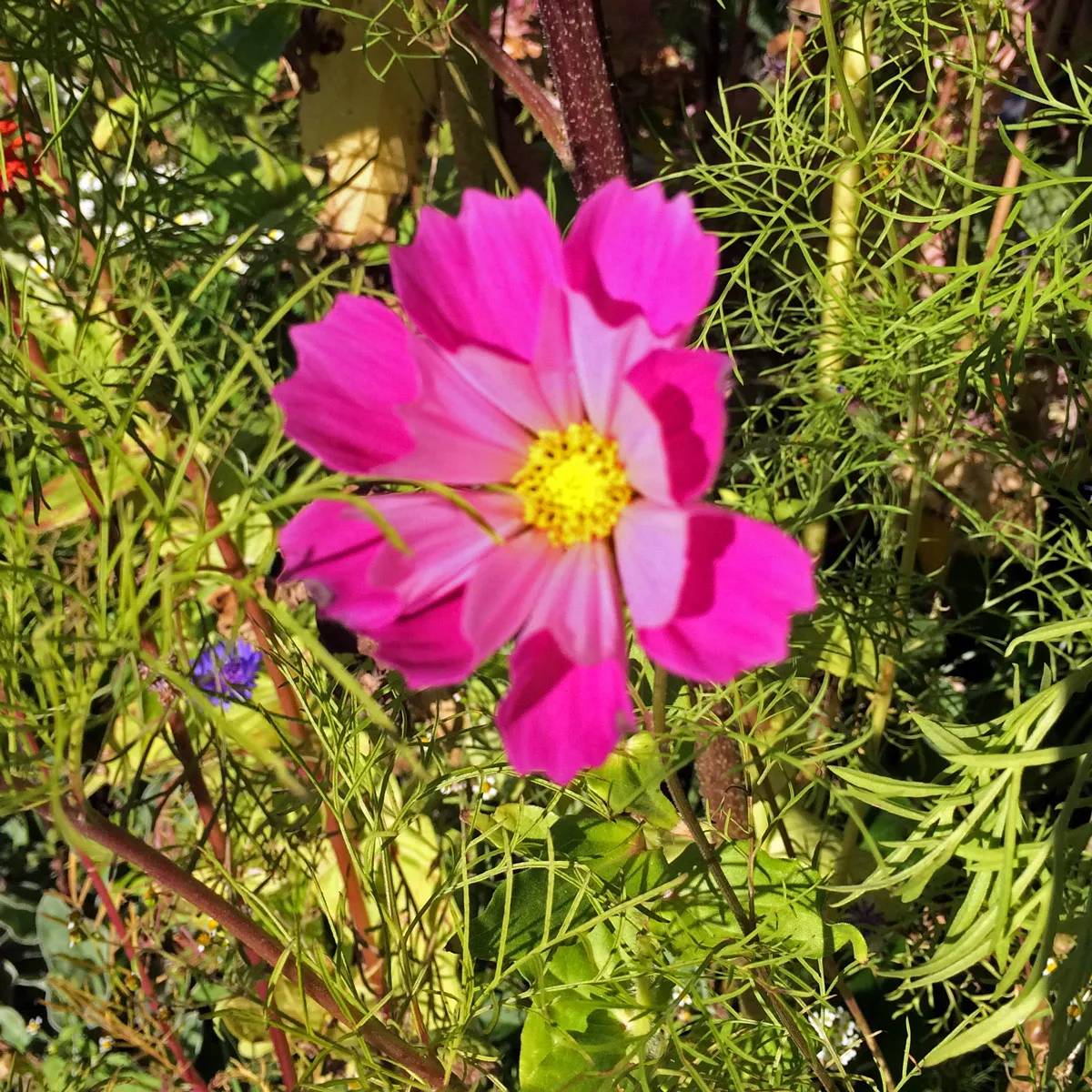
- Striking, shell shaped flowers with rolled petals in white and shades of pink, ideal for beds, balconies and as a cut flower. <ai>
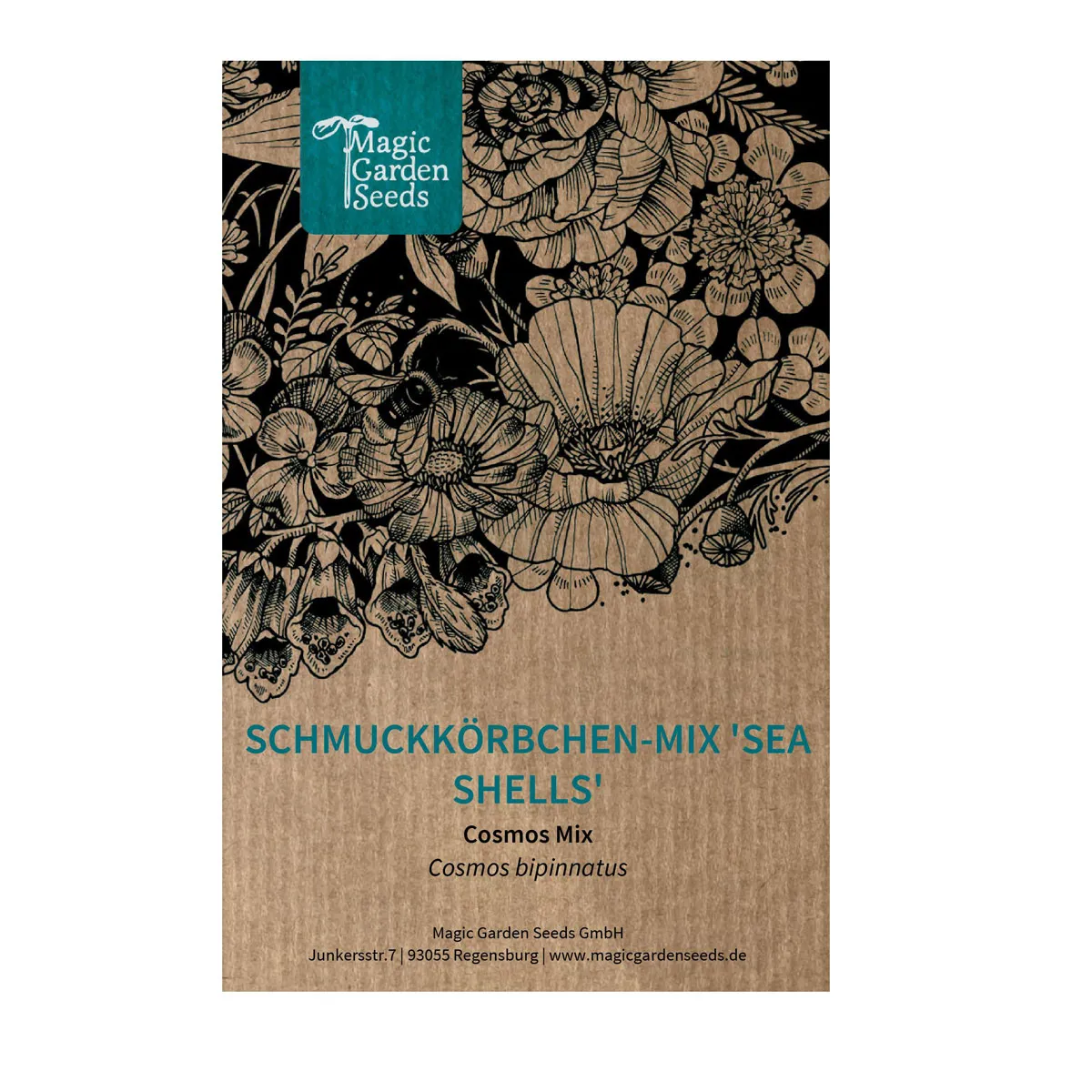
- Open pollinated seeds - seed packet with approx. 150 seeds.
- Bee friendly summer flower with a long flowering period from June to October and easy self seeding. <ai>
€2.59
Description
Cosmos 'Sea Shells' - a historic summer flower with a distinctive bloom shape
'Sea Shells' is one of the older selections of Cosmos bipinnatus that were already appreciated in the 19th century for their unusual flower shape. Unlike classic cosmos varieties, the ray florets here are rolled into narrow tubes. This creates a delicate, shell like effect that makes the plants appear both refined and eye catching. In mixed plantings, this variety adds structure and movement to beds and also creates an elegant accent on balconies.
Origin and history of cosmos
Cosmos originates from Mexico and was introduced to Europe as early as the 18th century. Due to its fine foliage and harmonious, symmetrical flowers, the plant was given the botanical name 'Cosmos', derived from the Greek word for order and beauty. During the 19th century, the first cultivated forms emerged, including special variants with unusual flower shapes such as the 'Sea Shells' mix, which was long considered a collector's variety and is now increasingly appreciated again.
Abundant flowering for beds, balconies and vases
The plants grow with a loose, branching habit and fine, feathery foliage, usually reaching a height of around 75 to 100 cm. In good conditions, they may grow even taller. From June to October, new flowers appear continuously, especially when faded blooms are regularly removed. This mix is suitable for sunny beds, larger containers and balcony boxes, and is also excellent as a cut flower. With its tubular petals, 'Sea Shells' creates a particularly lively effect in bouquets and combines well with zinnias, cornflowers, calendula or smaller sunflowers.
Bee friendly and often self seeding
The open flowers provide plenty of pollen and nectar and are reliably visited by pollinators. Smaller solitary bees also benefit from the protected flower shape. If some seed heads are left standing into autumn, birds may feed on the seeds. At the same time, the variety readily self seeds. If the soil is not cleared too early, new seedlings often appear the following year. As this is an open pollinated mix, saving your own seeds is also possible, although slight variations in flower shape and colour may occur over time.
Plant profile
| Plant type | Summer flower |
|---|---|
| Use | Container plant, Cut flower, Good insect food plant, Ornamental plant |
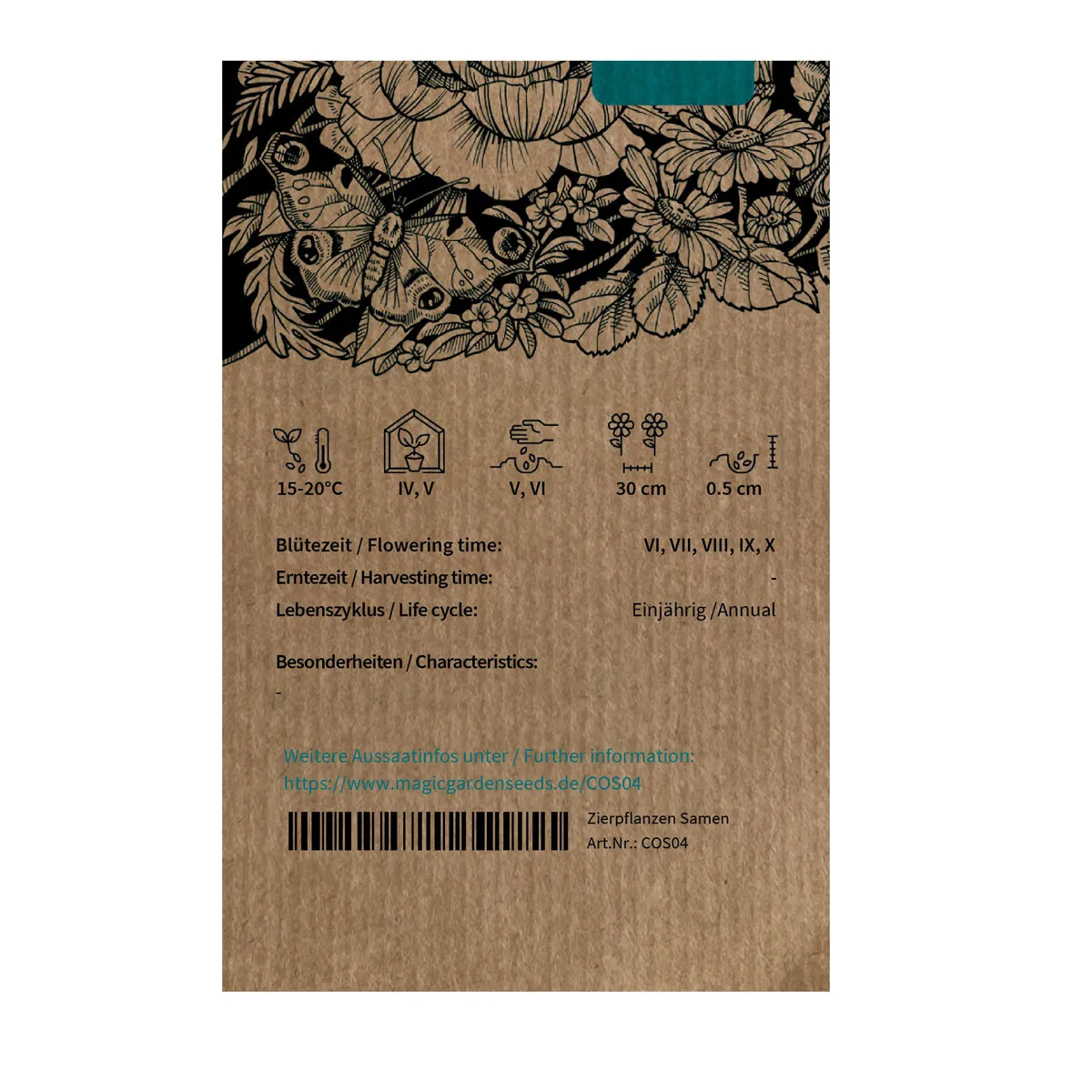
| Lifecycle | Annual |
| Species | Asteraceae |
| Seed propagation | konventionell |
| Region of origin | Mexico |
| Characteristics | Food for bees, Self-seeds |
| Eventual height | 80-120 cm |
| Flower colour | Rosa, White |
| Flowering months | August, July, June, October, September |
| Root system | Shallow roots |
Growing instructions
| When to sow outdoors | June, May |
|---|---|
| Sowing depth | 0.5 cm |
| Germination temperature | 15-20°C |
| Germination time | 2-3 weeks |
| Climate | Temperate |
| Soil type | Free-draining, Moderate nutrient levels, Poor |
| Sunlight | Full sun |
| Water requirement | Low, No waterlogging |
| Planting distance | 30 cm |
Sowing and care
Sowing & care of cosmos 'Sea Shells'
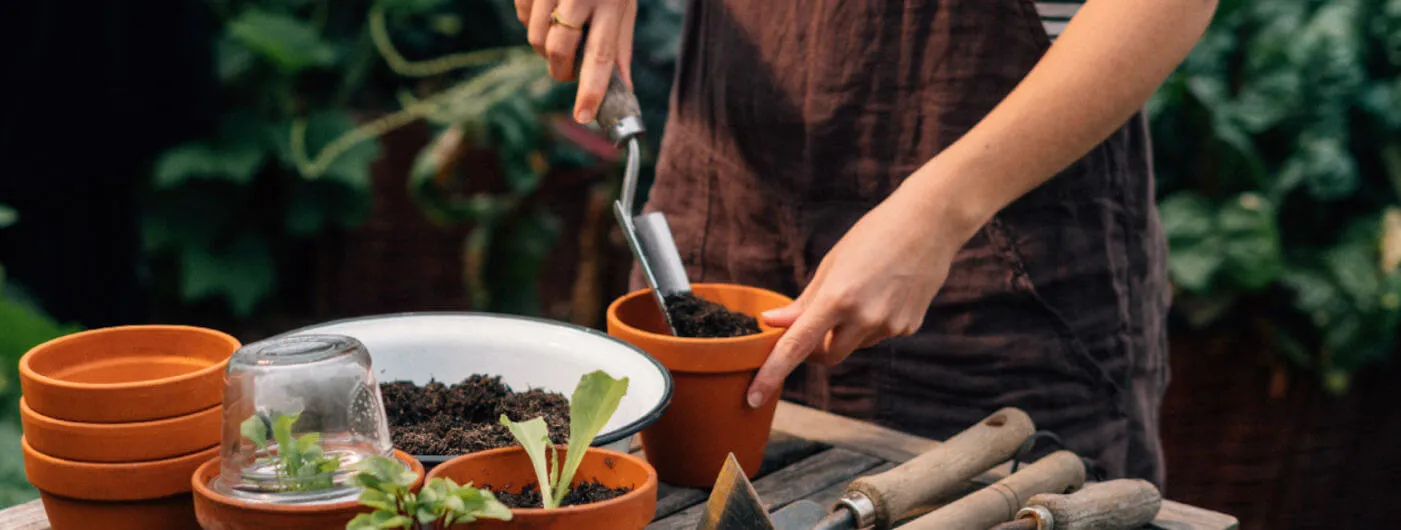
Sowing can take place from April to May as pre cultivation or from mid May to June directly outdoors or in balcony containers. Cosmos germinates best in a full sun location in well drained, rather poor to moderately nutrient rich soil. As the seeds require light for germination, they should only be lightly pressed down or at most covered very thinly with soil. Ideal germination temperatures are around 15 to 20 °C, with germination usually occurring within 7 to 20 days.
After pre cultivation, the young plants are planted out after the last frosts with a spacing of about 25 to 40 cm. A fresh but well drained soil without waterlogging is important. Soil that is too heavily fertilised promotes mainly leaf growth and reduces flowering. Watering should be moderate but thorough, allowing the top layer of soil to dry slightly between watering.
Light pinching of young plants can encourage bushier growth. In windy locations, supports are advisable as the tall stems may bend or break. Regular deadheading significantly extends the flowering period and ensures a continuous display of new blooms well into autumn.
Other names
Botanical name: Cosmos bipinnatus
German: Schmuckkörbchen, Cosmea, Kosmee
English: Garden cosmos, Cosmos
French: Cosmos, Cosmos bipenné
Italian: Cosmea
Spanish: Cosmos, Cosmos de jardín
Dutch: Cosmea
Login