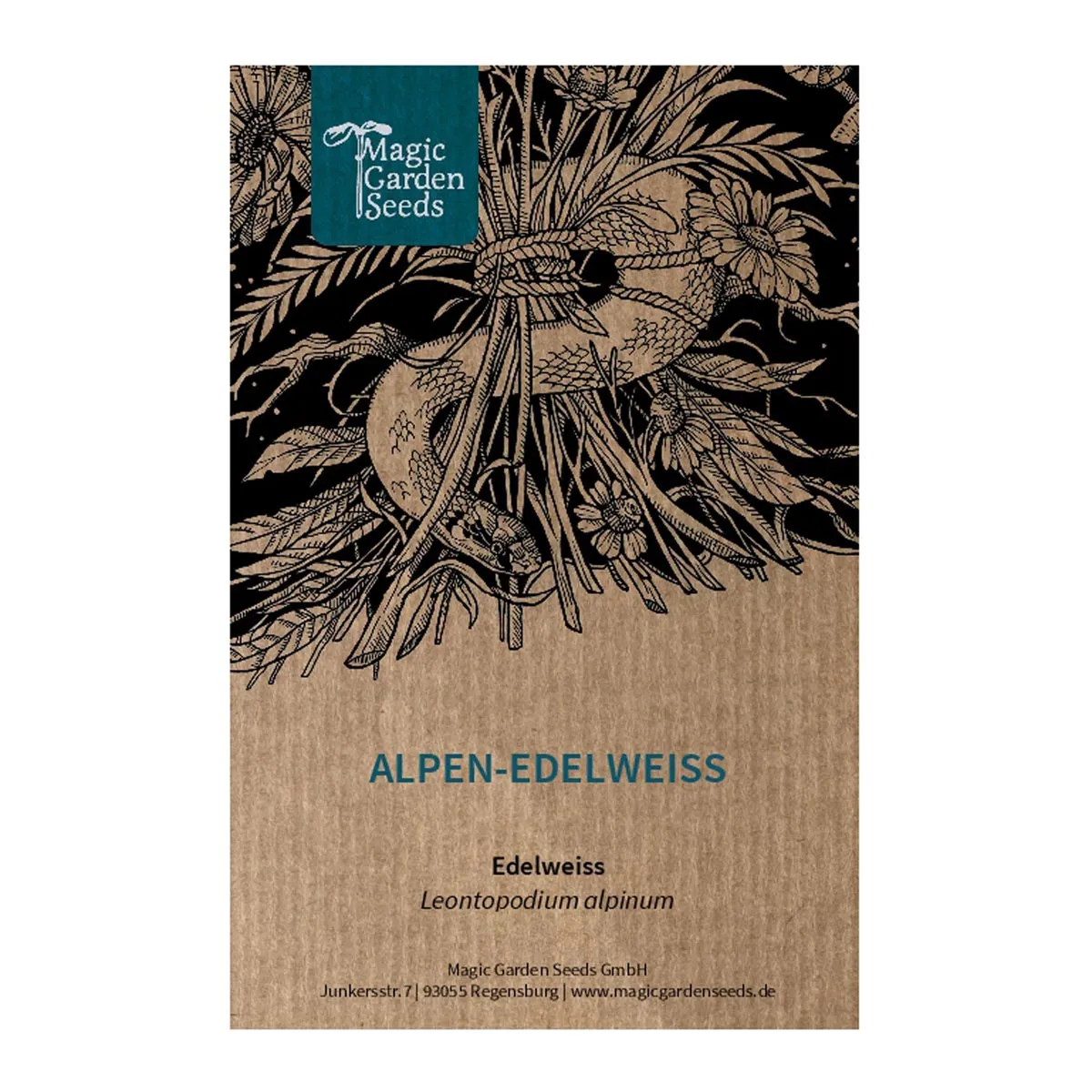
Edelweiss (Leontopodium alpinum) seeds
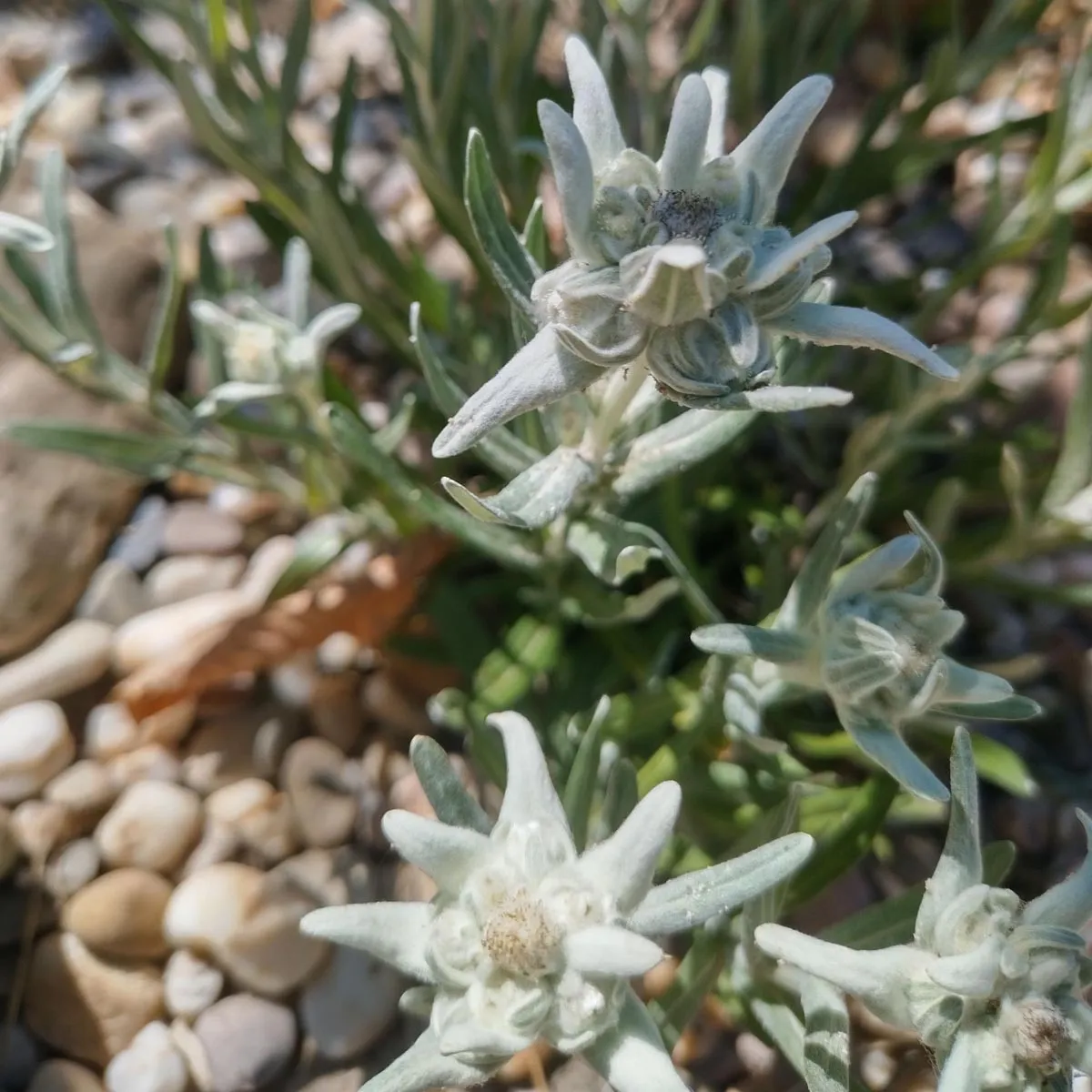
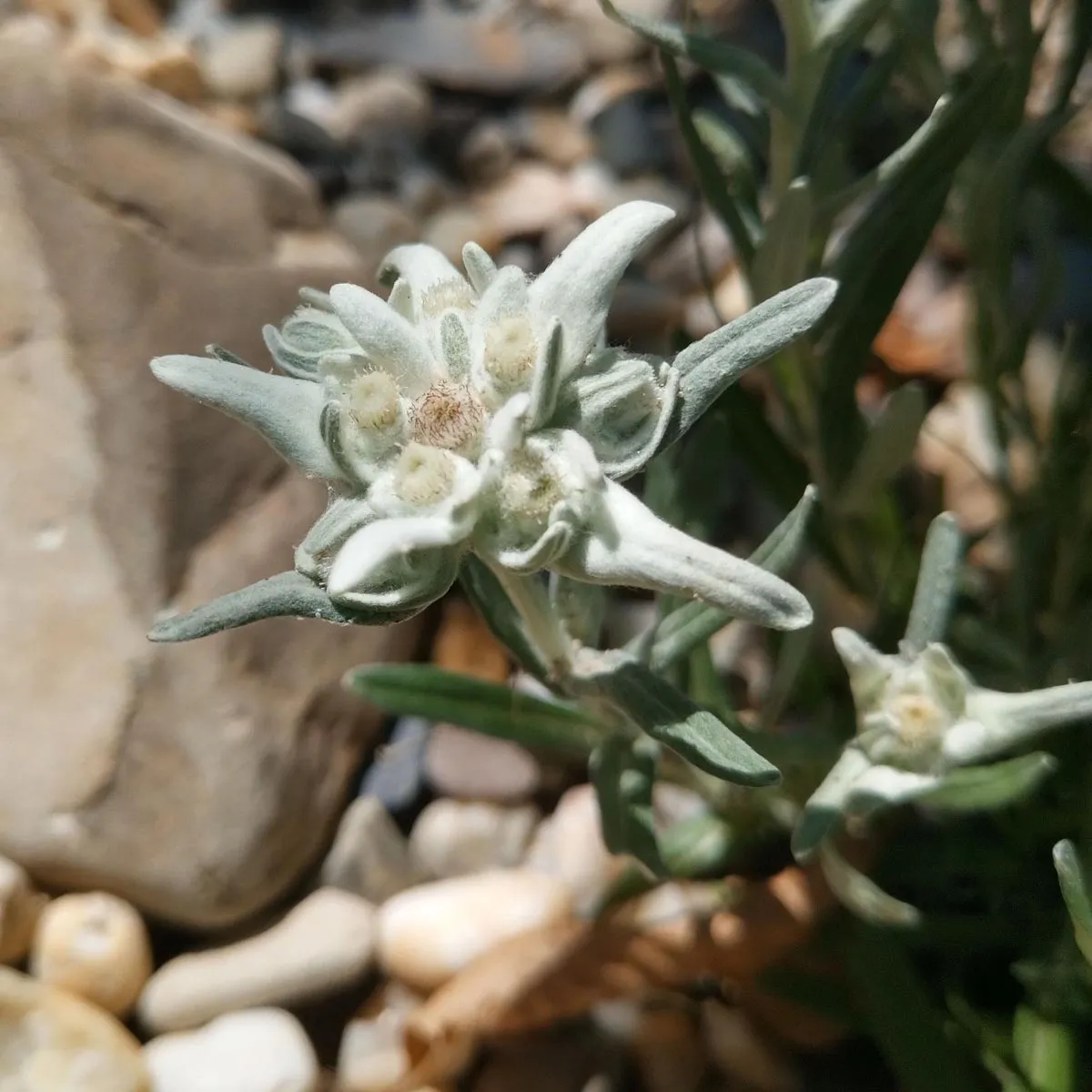
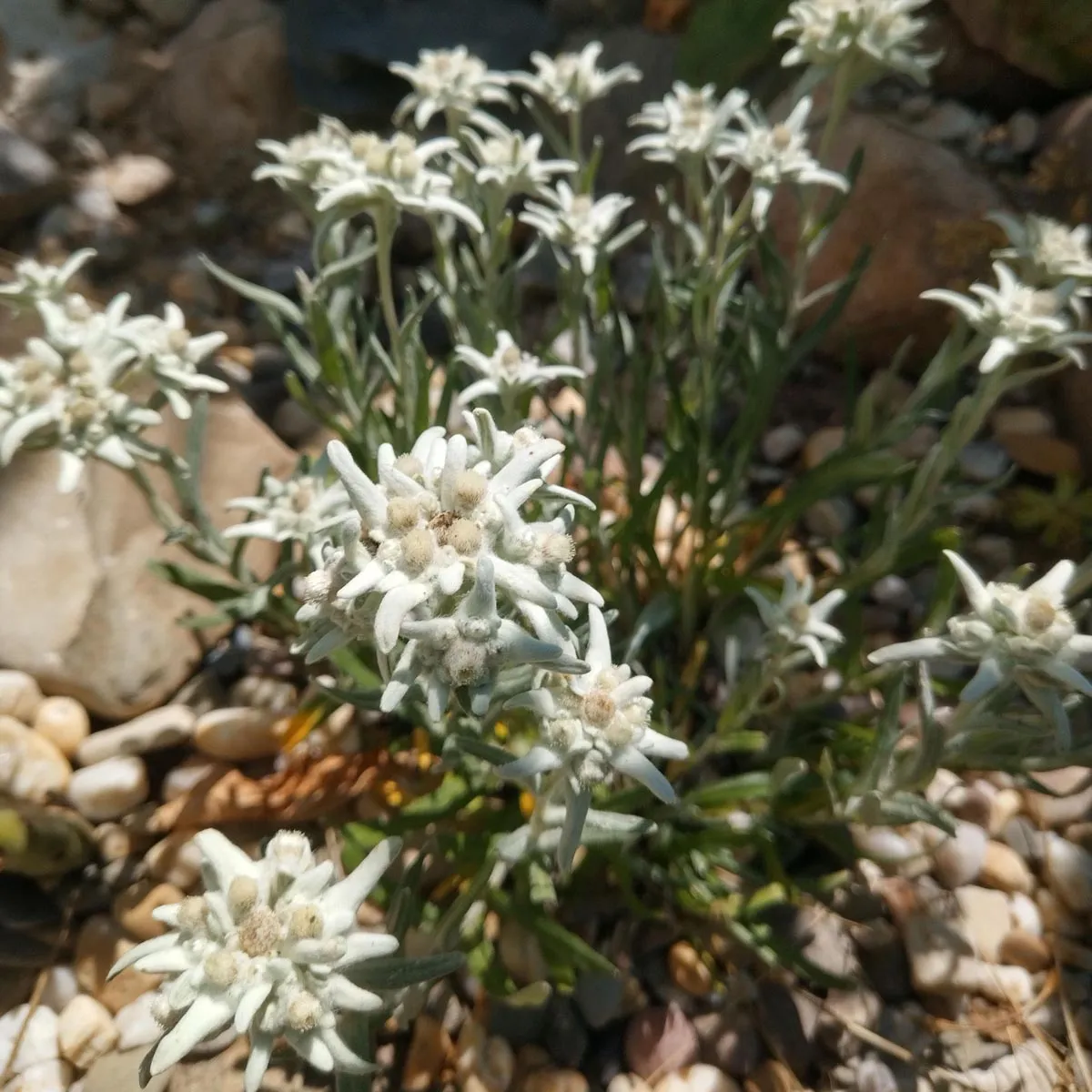
- The white, unmistakeable pseudanthia of Alpine edelweiss surely belong to the most symbolic plant images of Europe. It's under conservation.
- Contents: Approx. 350 seeds
- Open-pollinated variety, seed tested regularly
Regular price:
€3.19
Content: 350 Single seed
Product number: 1337 GTIN: 4250601210018
Description
The white, unmistakable blossoms (or rather flower heads, as they are not true blossoms but special forms of inflorescences) of the alpine Edelweiß are certainly one of the most emblematic plant symbols in Europe, and its reputation has been equally promoted by romantic nature poetry and cheesy movies. As a wild plant, it has become enormously rare due to its popularity and wild picking by alpine tourism. It has been put on the red list of endangered species as one of the first plants in Germany, and collecting it is strictly prohibited.
Therefore, if you want to make use of the curative effects of the Edelweiß, which can be used to relieve stomach pains, you must grow it yourself. Larger cultures are found, for example, in Switzerland, where it is used as an ingredient in herbal liquor and liqueurs. It is a good plant for rockeries and attracts many different insects with its fragrance.
Therefore, if you want to make use of the curative effects of the Edelweiß, which can be used to relieve stomach pains, you must grow it yourself. Larger cultures are found, for example, in Switzerland, where it is used as an ingredient in herbal liquor and liqueurs. It is a good plant for rockeries and attracts many different insects with its fragrance.
Plant profile
| Lifecycle | Hardy, Perennial |
|---|---|
| Species | Asteraceae |
| Region of origin | Central Asia |
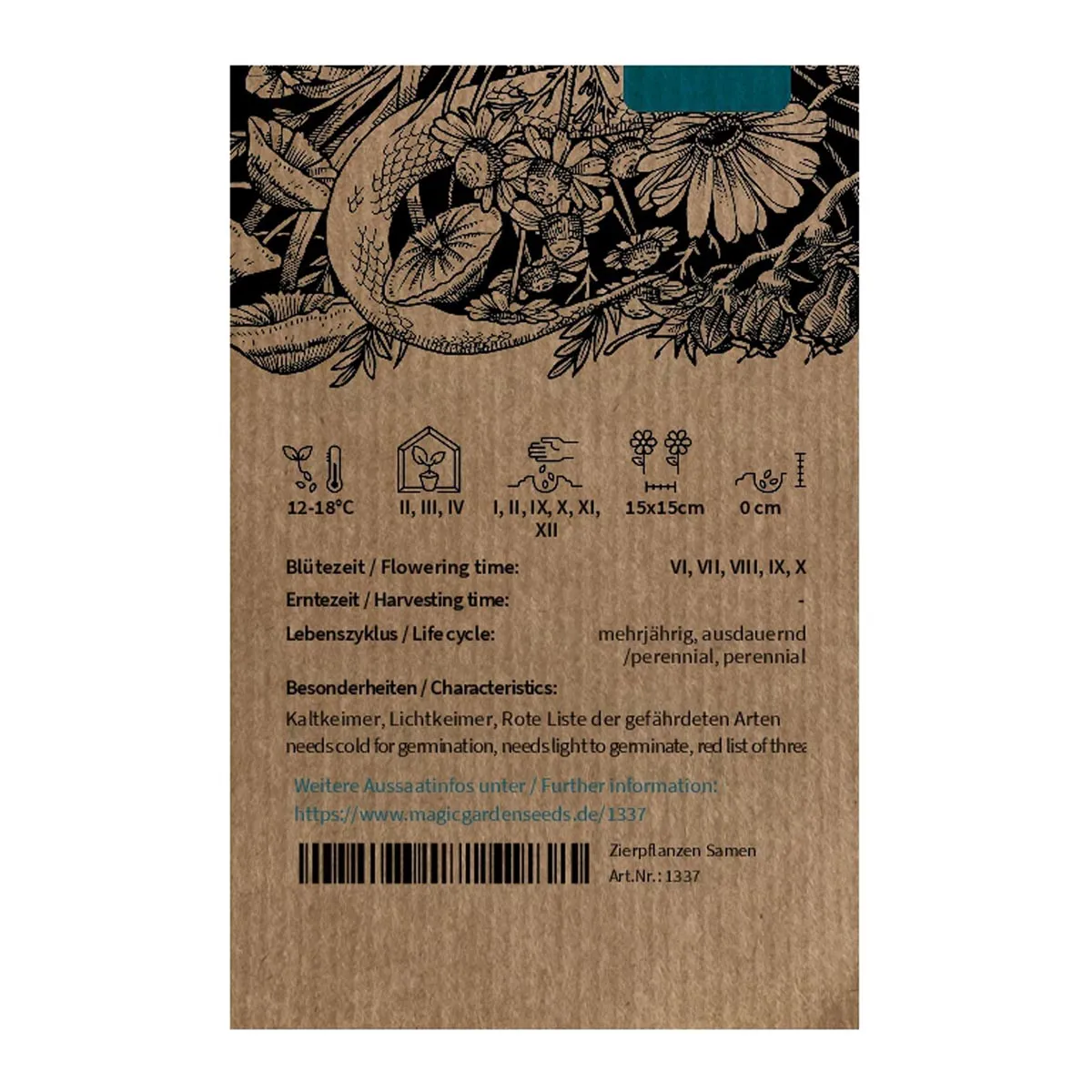
| Characteristics | Needs cold to germinate, Needs light to germinate, On Red List of endangered species |
| Eventual height | 15-30 cm |
| Flower colour | White |
| Flowering months | August, July, June, October, September |
Growing instructions
| When to sow outdoors | December, February, January, November, October, September |
|---|---|
| Sowing depth | 0 cm |
| Germination temperature | 10-18°C |
| Germination time | 2-3 weeks |
| Climate | Temperate |
| Soil type | Chalky, Free-draining, Low nutrient levels, No waterlogging, Poor, Sandy |
| Sunlight | Full sun |
| Planting distance | 15 cm |
| Row spacing | 15 cm |
Sowing and care
The seeds need cold to germinate, therefore either sow in autumn or stratify in spring. Store in the refrigerator for 2-3 weeks in a plastic bag to start gemination. Plant out young plants in March or April after the last night frosts. The frost-tolerant mature Edelweiß grows naturally in crevices on limestone, where there is hardly any nutrient-rich soil to be found, therefore it is very suitable for planting in stone gardens and rockeries in permeable, calcareous and nutrient-poor soil in a dry and sunny location. Requires very little water and tolerates moisture badly, especially waterlogging.
Picture source:
By Franco Folini from San Francisco, USA - Edelweiss (Leontopodium alpinum), CC BY-SA 2.0, Link
By User: Bbb auf wikivoyage shared, CC BY-SA 1.0, Link
By Wepomaq - Eigenes Werk, CC BY-SA 3.0, Link
Picture source:
By Franco Folini from San Francisco, USA - Edelweiss (Leontopodium alpinum), CC BY-SA 2.0, Link
By User: Bbb auf wikivoyage shared, CC BY-SA 1.0, Link
By Wepomaq - Eigenes Werk, CC BY-SA 3.0, Link
Other names
Botanical name: Antennaria leontopodium, Gnaphalium leontopodium, Leontopodium nivale, L. alpinum
German: Alpen-Edelweiß, Alvatern, Wollblume, Federweiß, Bauchwehbleaml
Italian: Stella alpina
Spanish: Flor de las nieves, Estrella de la nieve, Garra de león
Reviews
Login
No reviews yet. Will you write the first one?