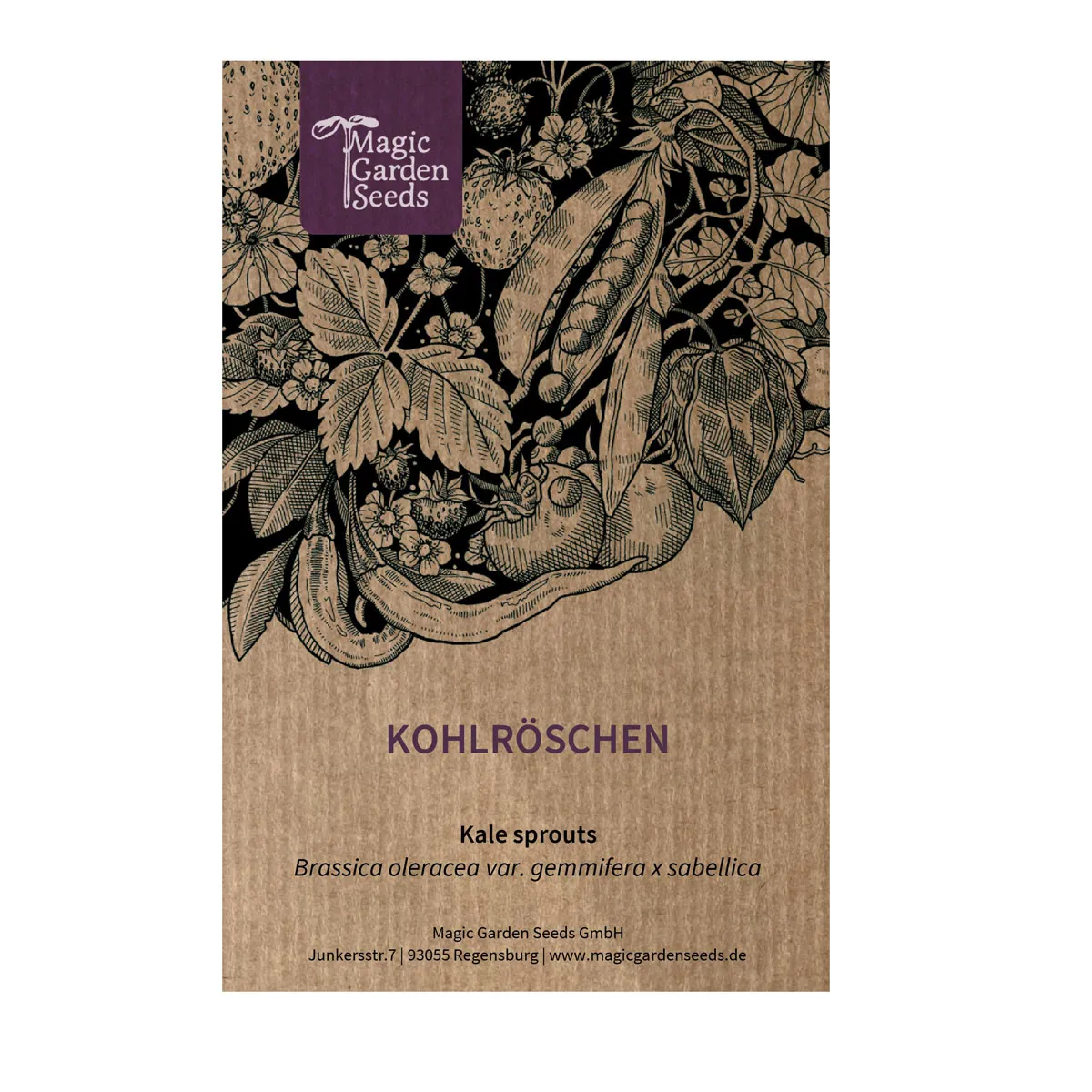
Kale sprouts (Brassica oleracea var. gemmifera x sabellica) seeds
- Winter-hardy brassica vegetable from a cross between Brussels sprouts and curly kale, with a mild, nutty flavour and loose, curly sprouts.
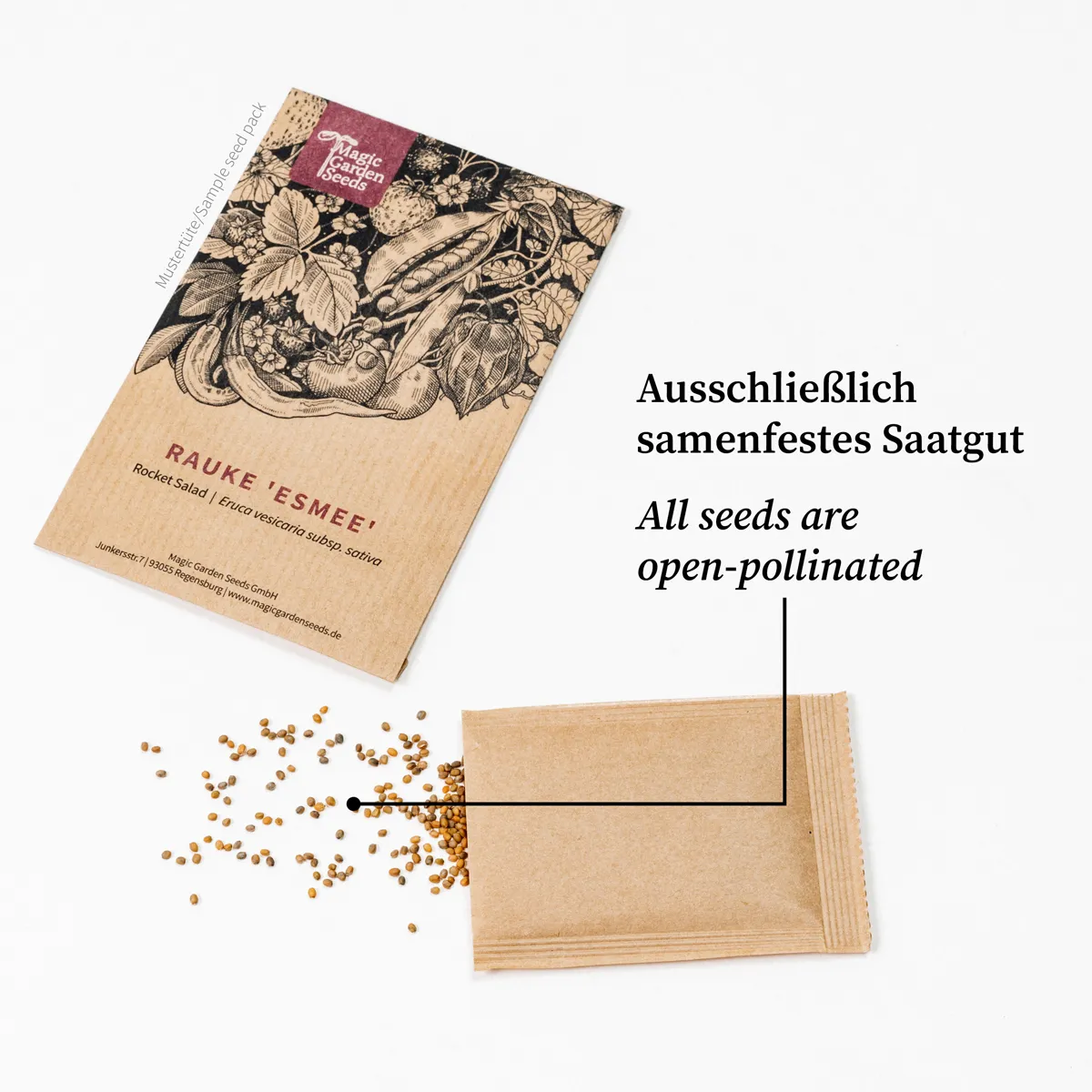
- Open-pollinated seeds - seed packet with approx. 25 seeds.
- Suitable for pan-fried dishes, oven-baked dishes, pasta and as a briefly blanched winter side dish.
€3.79
Description
Winter vegetable from British breeding with curly mini sprouts
Kale sprouts are a relatively new brassica vegetable from Great Britain: a targeted cross between Brussels sprouts and kale. This combination was developed over many years before being introduced to the market in England from 2010 onwards. In trade, kale sprouts are often sold under English or brand-related names, but botanically they are a classic cross within Brassica oleracea, without genetic engineering.
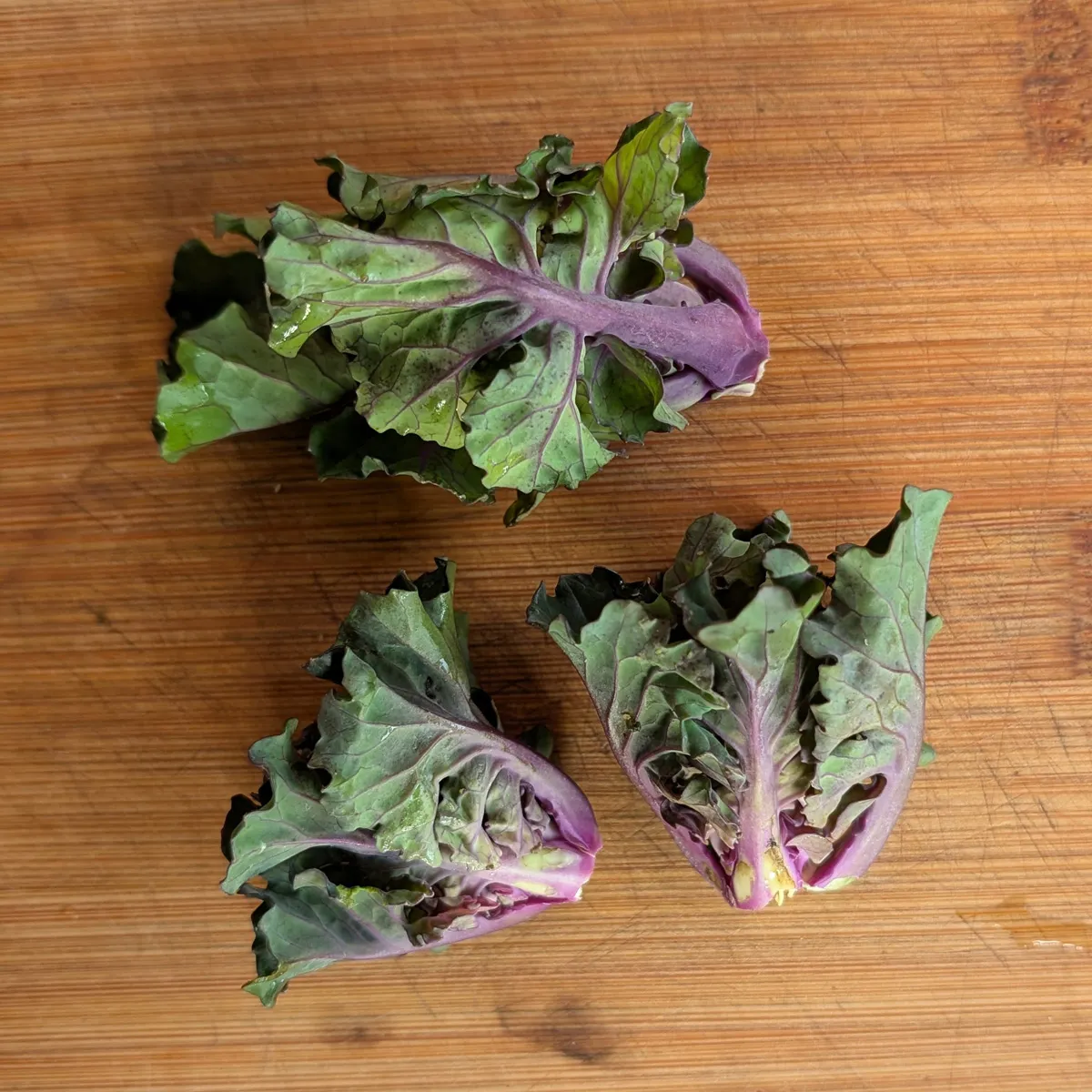
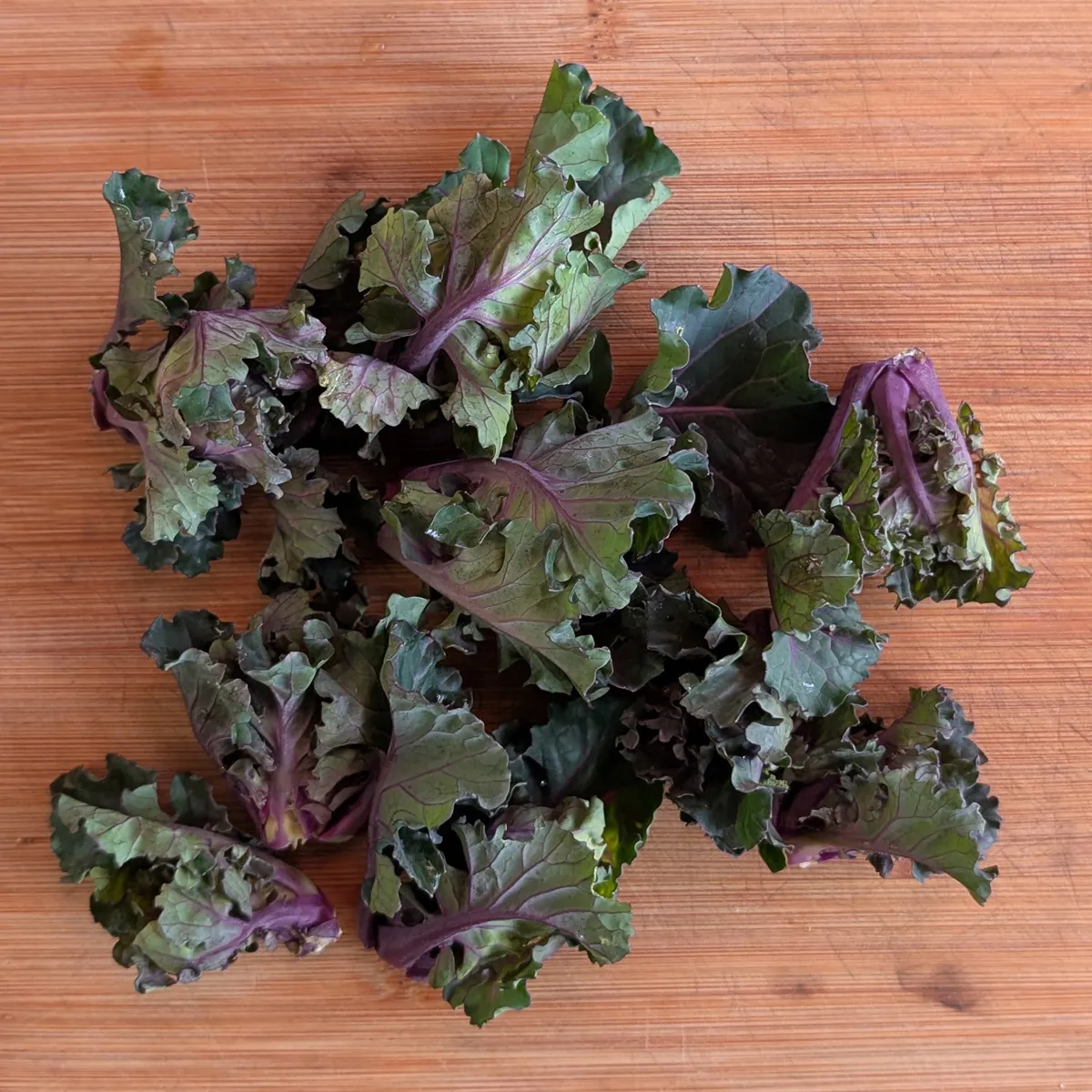
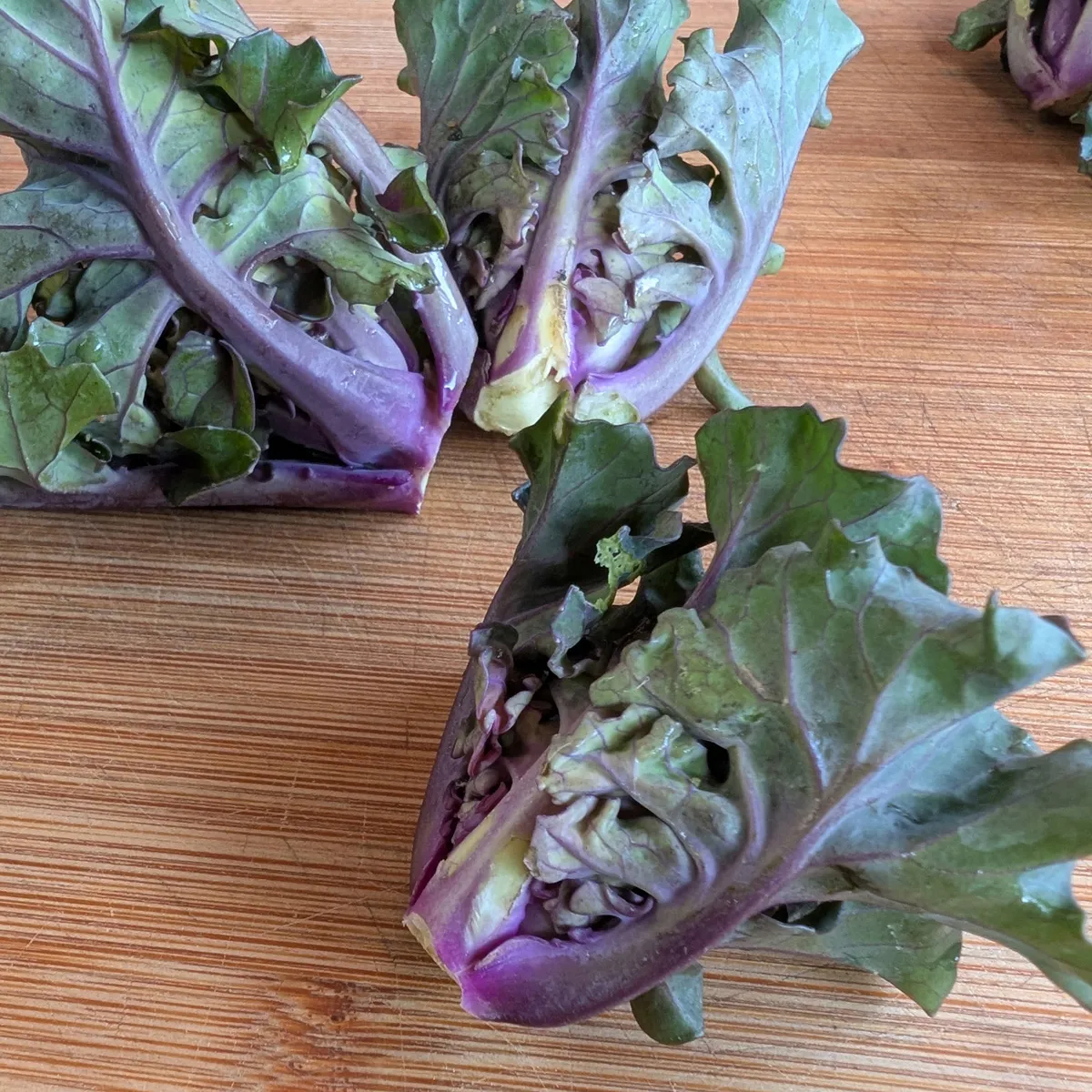
In growth habit, kale sprouts resemble Brussels sprout plants: they form a strong central stem with small sprouts growing in the leaf axils. Unlike Brussels sprouts, these sprouts are loose, rosette-shaped and strongly curled - more like mini savoy cabbages or small ornamental kale rosettes. Depending on the weather, they show green to blue-violet tones, which often intensify in cool autumn and winter temperatures.
From a culinary perspective, kale sprouts combine the mild side of Brussels sprouts with the nutty green aroma of young kale. They have a slightly sweet, pleasantly nutty flavour and are often described as less bitter and less strongly “cabbage-like” than classic Brussels sprouts. They are particularly well suited to short cooking times: pan-fried, oven-roasted, used in pasta and curries or briefly blanched as a colourful winter side dish. The tender sprouts can also be eaten finely sliced raw in salads. As a robust winter vegetable, they provide fresh harvests over many weeks when much of the garden is already resting - from gardeners for gardeners.
Plant profile
| Use | Vegetable |
|---|---|
| Lifecycle | Biennial |
| Species | Brassicaceae |
| Seed propagation | konventionell |
| Region of origin | Great Britain |
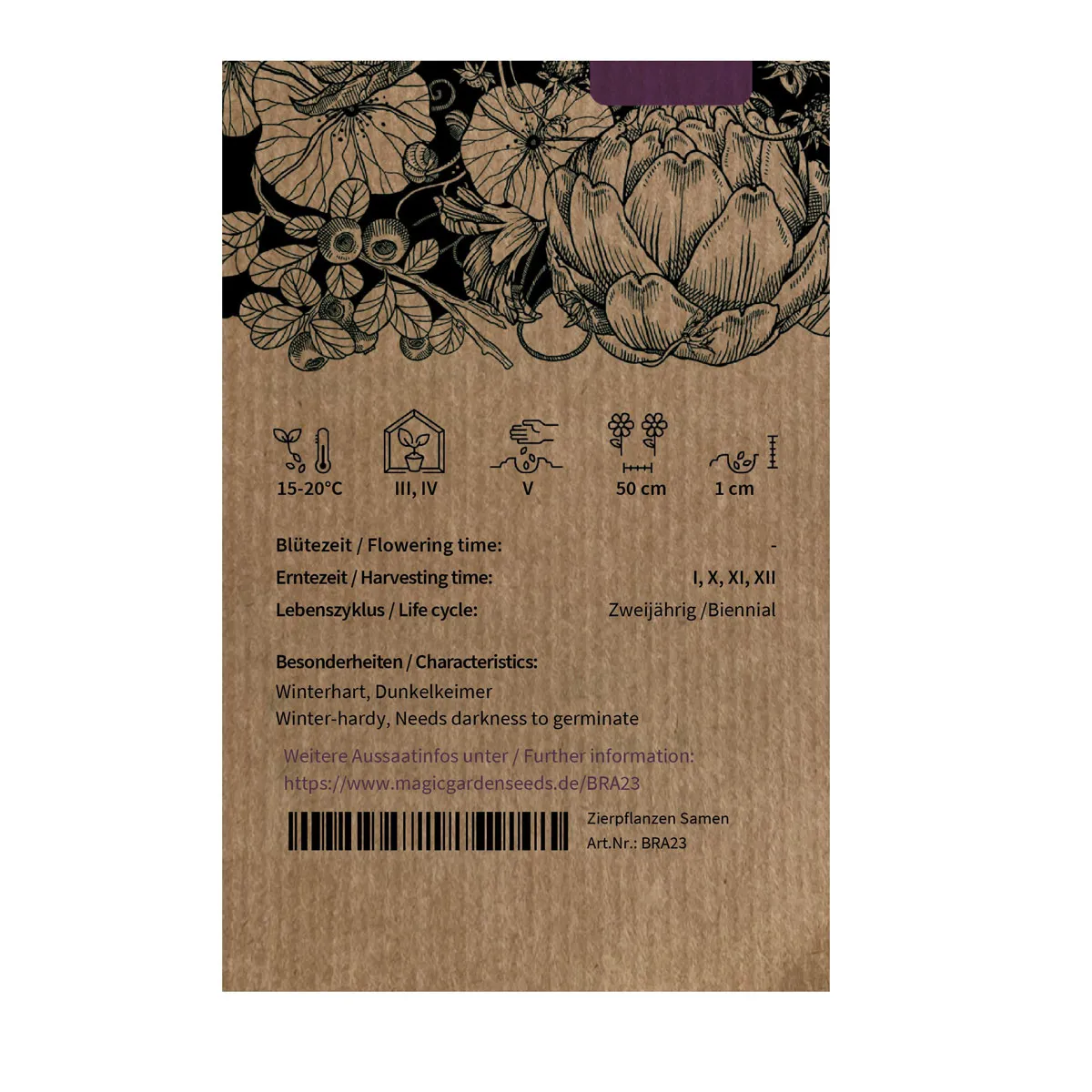
| Characteristics | Needs darkness to germinate, Winter-hardy |
| Eventual height | 40-80 cm |
| Flower colour | Yellow |
| Flowering months | -, in the second year |
| Main harvest | December, January, November, October |
| Root system | Taproot |
| Winter hardiness zones | 8 (-12 bis -7 °C) |
Growing instructions
| When to sow outdoors | May |
|---|---|
| Sowing depth | 1 cm |
| Germination temperature | 15-20°C |
| Germination time | 1-2 weeks |
| Climate | Temperate |
| Soil type | Free-draining, Humus-rich, Nutrient-rich |
| Sunlight | Full sun |
| Water requirement | High |
| Nutrient requirements | Heavy feeder |
| Planting distance | 50 cm |
| Row spacing | 80 cm |
| Good companion plants | Leek, Maize, Onions, Tomatoes, Zucchini |
| Bad companion plants | Kohl |
Sowing and care
Sowing & Care of kale sprouts
Sowing is preferably carried out as an early indoor cultivation from late March to April. The seeds are sown around 1 cm deep in seed compost. After germination, the young plants are pricked out and later planted outdoors from May onwards. Kale sprouts are heavy feeders and require deeply loosened, nutrient-rich soil with good basic fertilisation, similar to other brassica crops.
A sunny position and an even water supply support healthy growth. With planting distances of around 50 cm, the plants can develop well. It takes approximately three months before the first sprouts form in the leaf axils. Harvesting takes place depending on weather conditions and plant development from autumn through to winter, usually progressing from bottom to top. Kale sprouts are winter-hardy and are particularly well suited to the late vegetable garden.
Other names
Botanical name: Brassica oleracea var. gemmifera x sabellica
German: Kohlröschen
English: Flower sprouts, kale sprouts
French: Chou frisé à jets
Italian: Cavolini ricci
Spanish: Brotes de col rizada
Dutch: Koolroosjes
Login