Orange Blanket Flower 'Tokajer' (Gaillardia aristata) seeds
- Large orange to copper-red flowers from June to September - an expressive, perennial prairie plant for sunny beds and rock gardens. <ai>
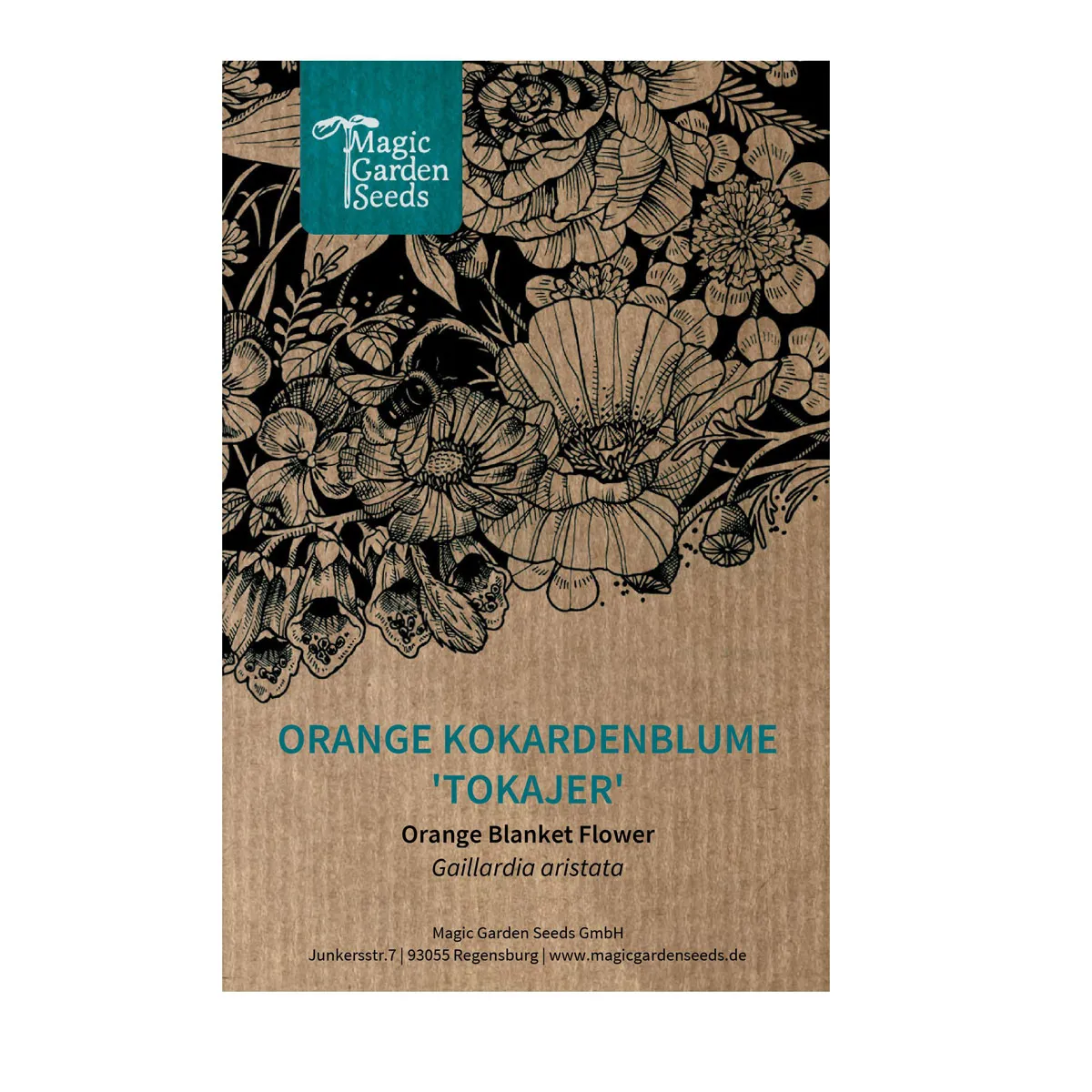
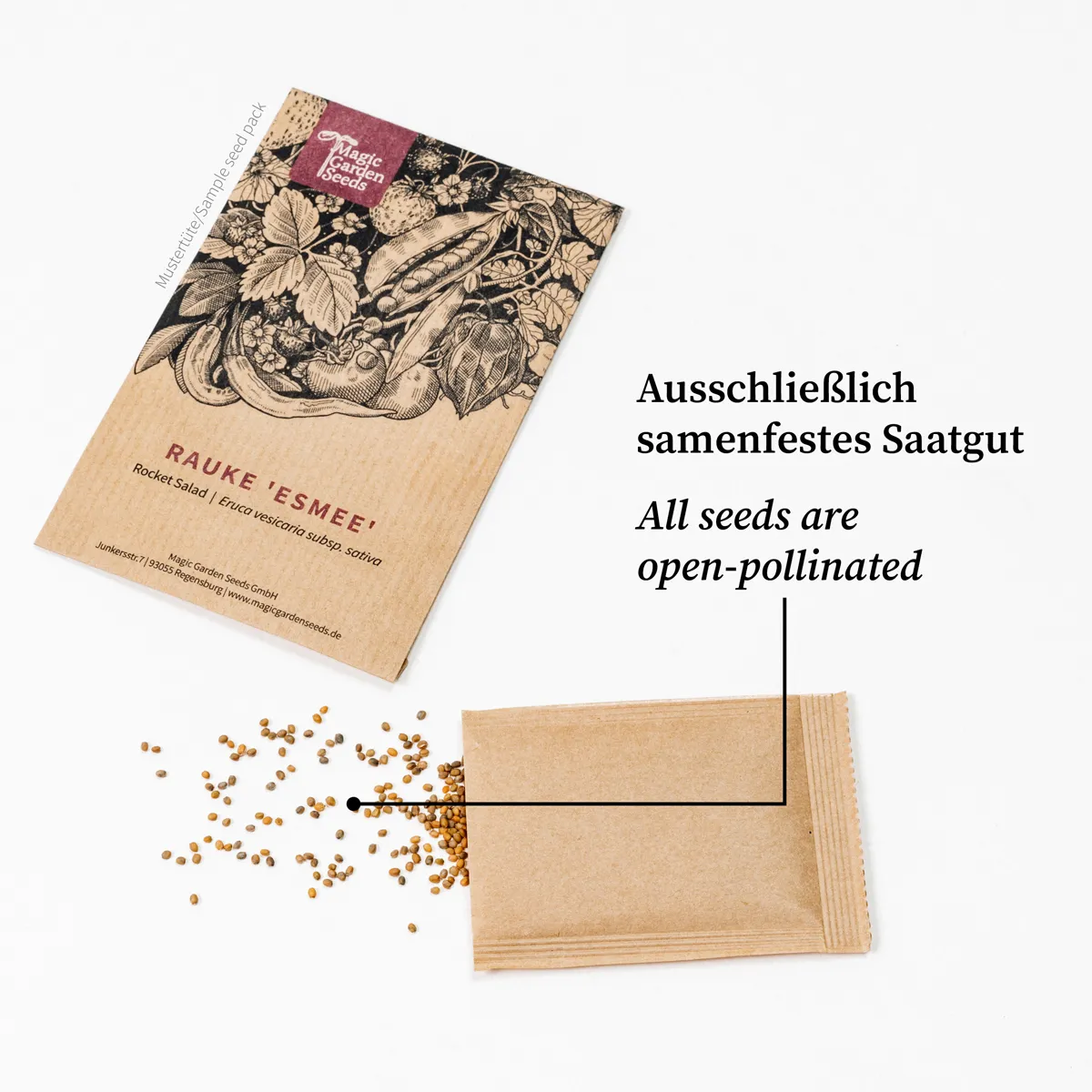
- The seed packet contains approx. 50 open-pollinated seeds of Blanket Flower 'Tokajer'. <ai>
- Drought-tolerant, reliably winter-hardy and, with fertile flowers, especially valuable for bees, wild bees, butterflies and other pollinators. <ai>
€3.79
Description
Fiery prairie flowers in orange and copper red
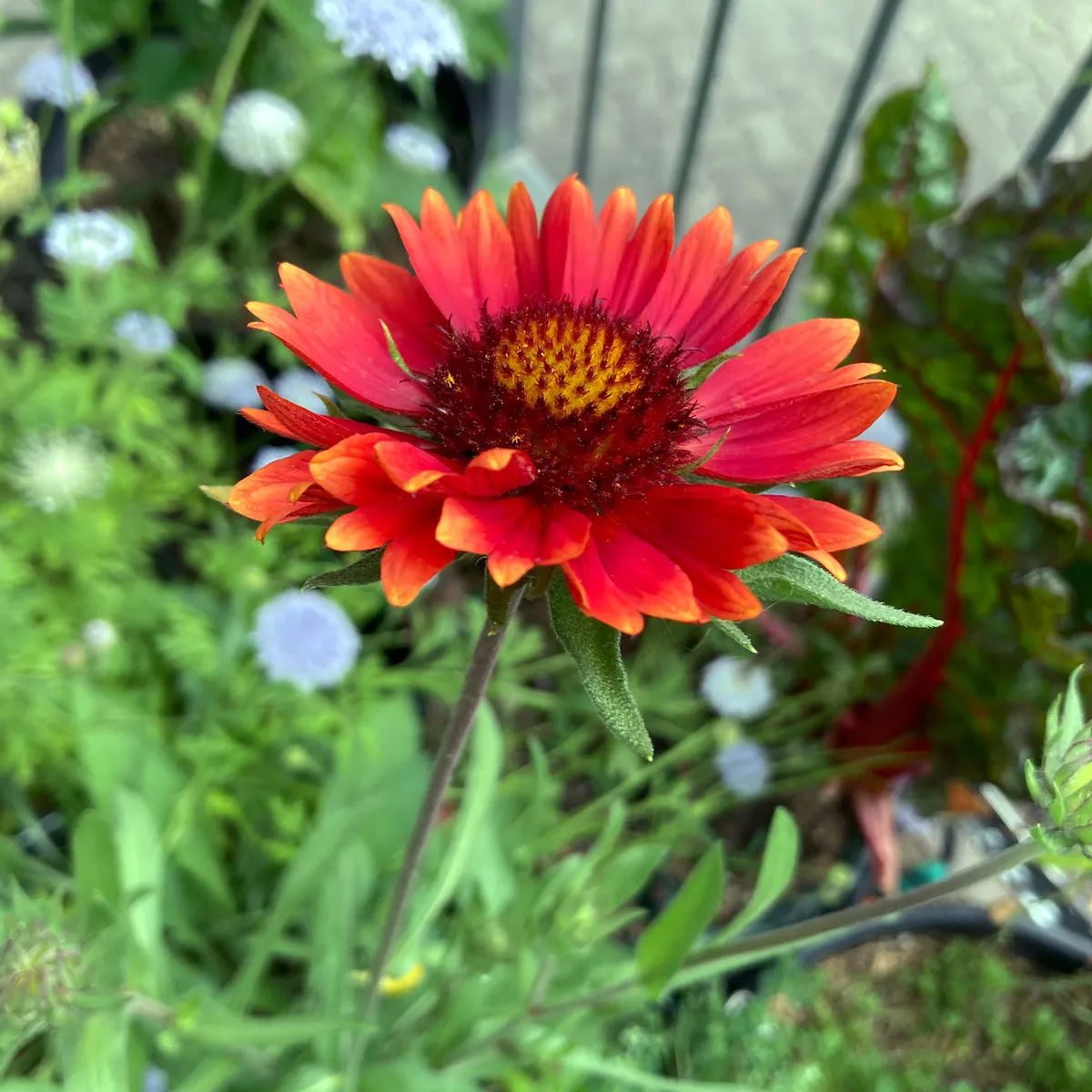
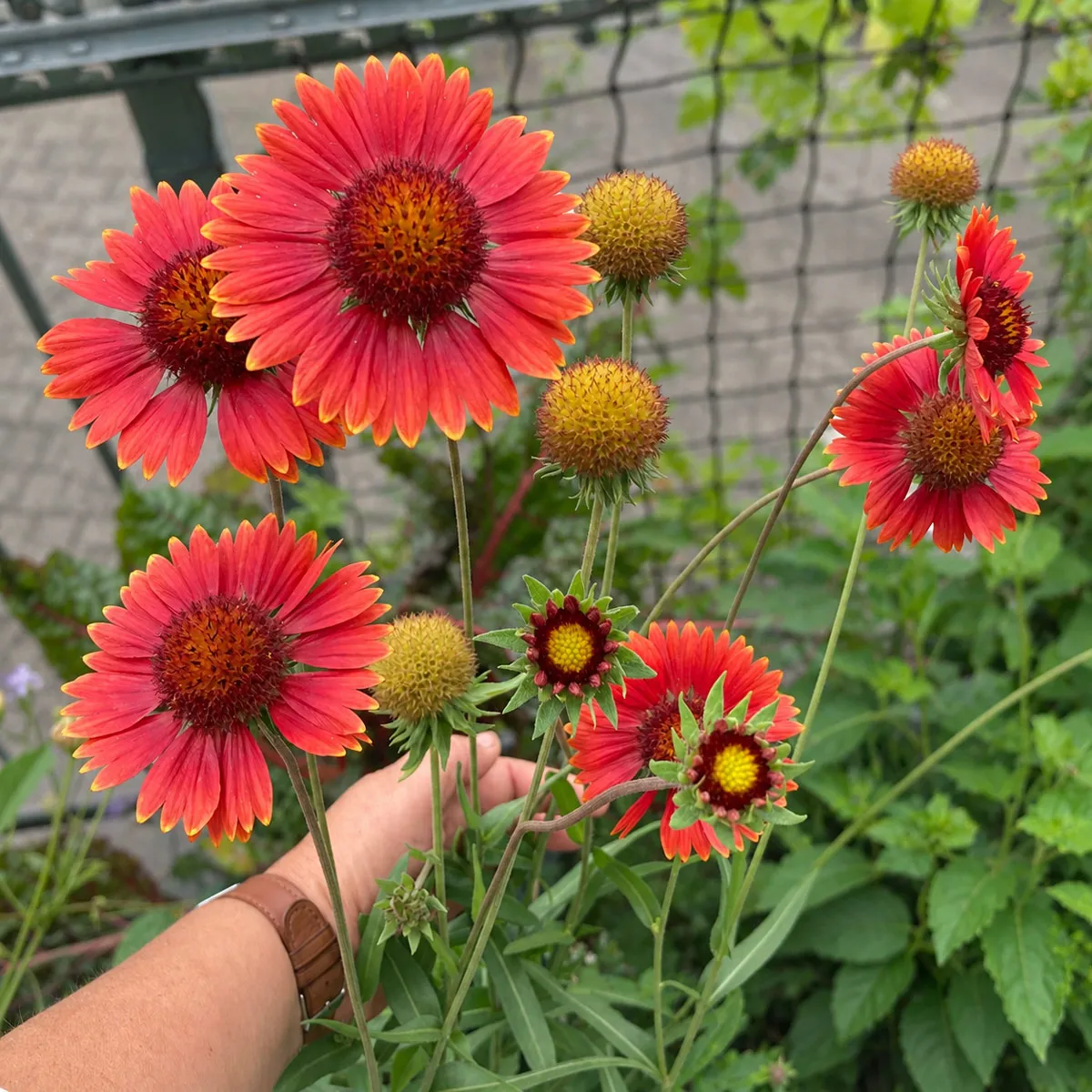
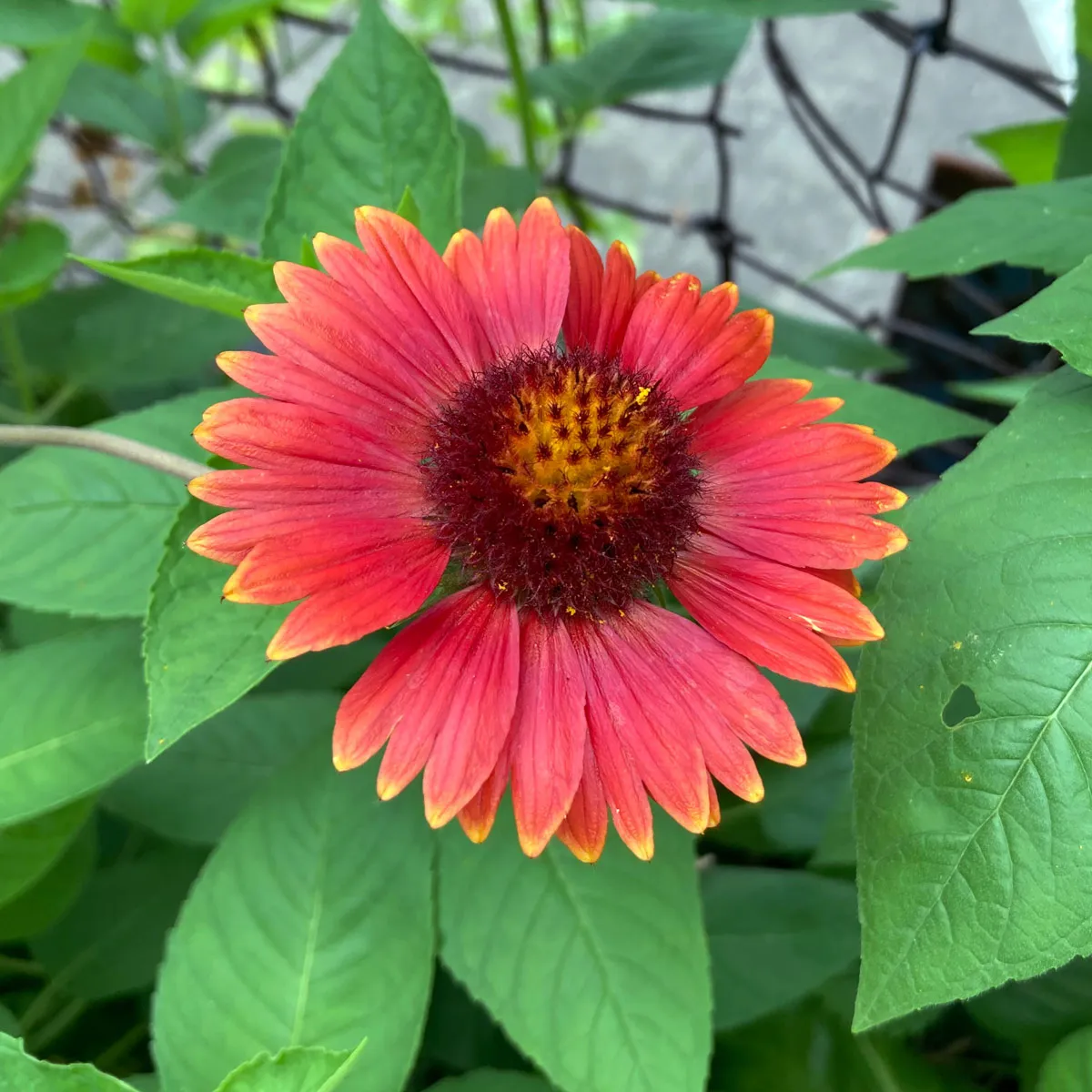
Orange Blanket Flower 'Tokajer' is a seed-stable selection of the North American Great Blanket Flower Gaillardia aristata. Its large flowers, about 8 to 10 cm wide, shine in strong orange to orange-red tones, with the tips often fading slightly lighter. The darker centre intensifies the warm, almost copper-coloured overall impression and makes 'Tokajer' a particularly expressive perennial for sunny beds.
The perennial plant reaches about 60 to 90 cm in height and grows upright in loose clumps. Like the wild species, it originates from the open prairie and grassland landscapes of North America and is excellently adapted to sunny, dry and rather poor locations. This makes it especially suitable for prairie beds, rock gardens, naturalistic perennial plantings and other garden areas with well-drained soil.
From June to September, and in favourable weather sometimes even longer, new flowers appear continuously. Regularly removing faded flower heads can further extend the flowering period. The large, sturdy flowers are also well suited as cut flowers for summer bouquets.
Open-pollinated flowering perennial with high value for insects
'Tokajer' is not a sterile hybrid, but a generatively reproducible, open-pollinated variety with fertile flowers. As a result, it produces plenty of pollen and is particularly attractive to bees, wild bees, hoverflies, beetles and butterflies. The long flowering period provides a valuable food supply over many weeks.
If some flower heads are allowed to ripen after flowering, the plant can form seeds. In suitable locations, 'Tokajer' can therefore also self-sow. Anyone wishing to avoid stronger spreading should cut back the faded heads in good time.
Plant profile
| Plant type | Herbaceous plant |
|---|---|
| Use | Cut flower, Good insect food plant, Ornamental plant |
| Lifecycle | Perennial |
| Species | Asteraceae |
| Seed propagation | konventionell |
| Region of origin | North America |
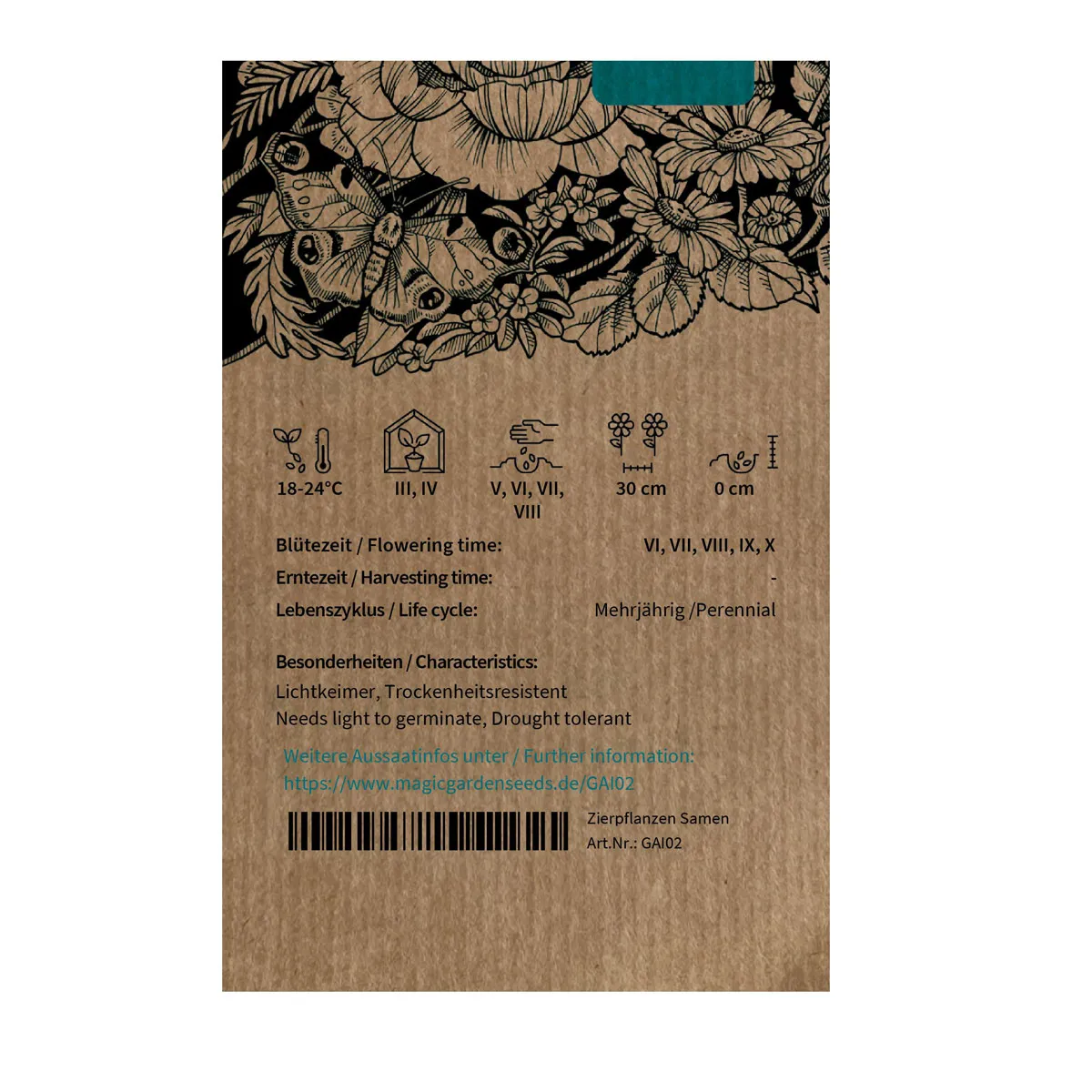
| Characteristics | Drought tolerant, Food for bees, Needs light to germinate, Self-seeds, Winter-hardy |
| Eventual height | 40-80 cm |
| Flower colour | Orange, Red |
| Flowering months | August, July, June, October, September |
| Root system | Deep roots, Taproot |
| Winter hardiness zones | 3 (-40 bis -34 °C) |
Growing instructions
| When to sow outdoors | August, July, June, May |
|---|---|
| Sowing depth | 0 cm |
| Germination temperature | 18-24° C |
| Germination time | 2-3 weeks |
| Climate | Dry, Temperate |
| Soil type | Deep, Free-draining, Moderate nutrient levels, Undemanding |
| Sunlight | Full sun |
| Water requirement | Low |
| Planting distance | 30 cm |
Sowing and care
Sowing and care of Blanket Flower 'Tokajer'
Pre-cultivation can be started indoors or in the greenhouse from March to April. The seeds need light to germinate and are therefore scattered onto loose, well-drained seed compost, lightly pressed down and covered at most with a wafer-thin layer of soil or sand. At around 18 to 22 °C, germination usually takes place within 14 to 21 days. Keep the substrate evenly moist during this time, but not wet.
From mid-May, when no stronger frosts are expected, direct sowing outdoors is also possible. Prepare a loose, weed-free seedbed, sow the seeds shallowly, press them down lightly and cover only very thinly. Depending on location and weather, direct sowing can be carried out into summer. After emergence, thin the young plants to a spacing of about 25 to 35 cm.
Pre-grown young plants can also be planted outdoors from mid-May. 'Tokajer' prefers a full-sun location with loose, sandy-loamy and well-drained soil. Heavy soils should be improved with sand or fine gravel. Waterlogging is particularly problematic in winter and should absolutely be avoided.
Once established, the variety is well drought-tolerant and only needs moderate watering. Heavy fertilisation is not necessary and can reduce flowering. Cutting back in autumn supports compact new growth the following year.
'Tokajer' is reliably winter-hardy in Central Europe and is assigned to USDA hardiness zones 3 to 9. In very exposed locations, light protection with brushwood or mulch can be useful. The key to good overwintering is above all well-drained soil without winter waterlogging.
Other names
Botanical name: Gaillardia aristata
German: Prärie-Kokardenblume, Kokardenblume, Grannen-Kokardenblume, Malerblume, Papageienblume
English: Blanket Flower, Blanketflower, Great Blanket Flower, Common Blanketflower, Common Gaillardia, Great-flowered Gaillardia
French: Gaillarde aristée, Gaillarde vivace
Italian: Gagliarda perenne, Gaillardia perenne, Gaillardia
Spanish: Gallardia, Gaillardia, Gallardia perenne
Dutch: Vaste kokardebloem, Kokardebloem
Login