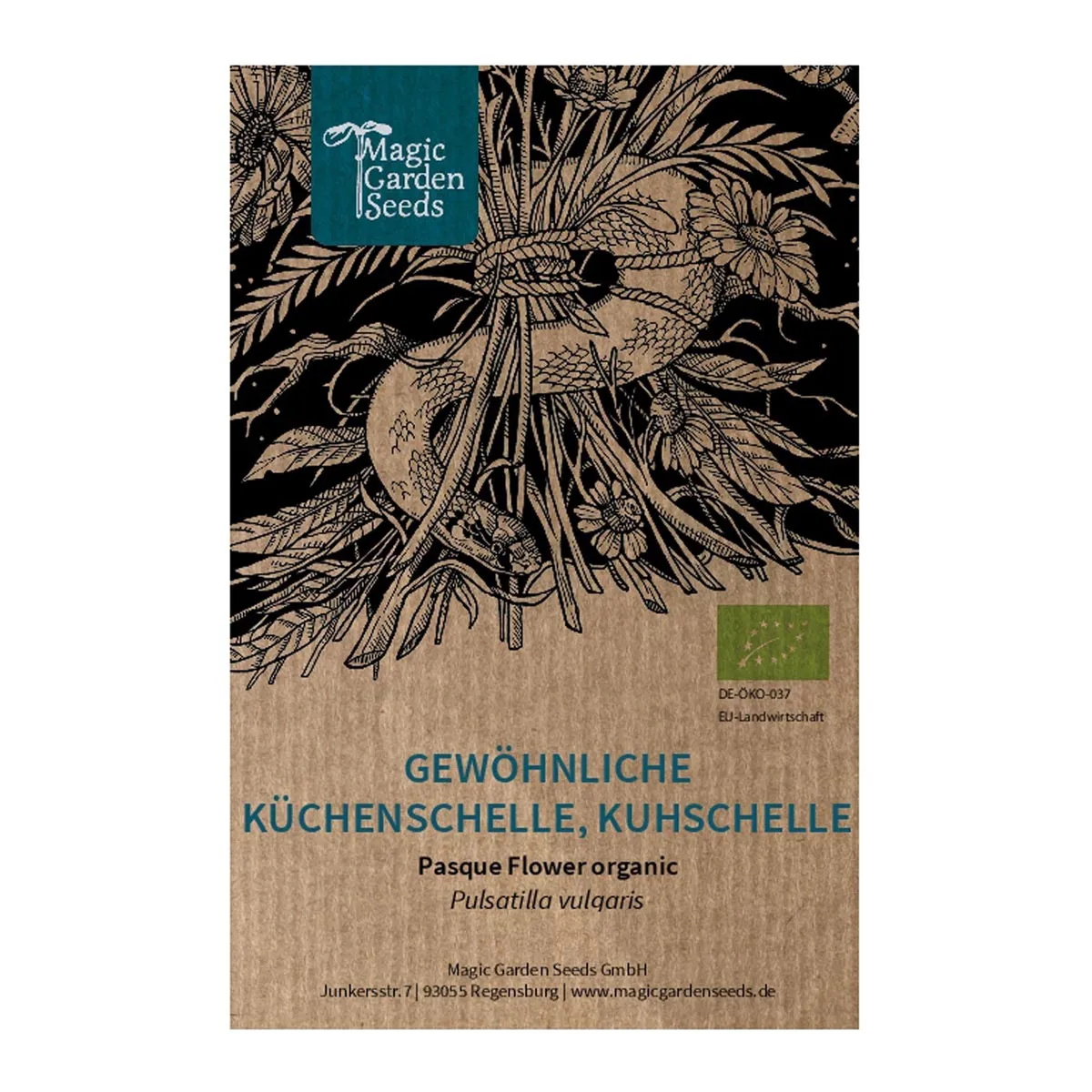
Pasque Flower (Pulsatilla vulgaris) organic seeds
- It's a poisonous and medicinal plant steeped in legend that can also be found in stone gardens lately due to its decorative looks and act as a ground-cover plant or as roof greening. All parts of the plant are poisonous.
- Contents: Approx. 30 seeds
- Open-pollinated variety, seed tested regularly
Regular price:
€2.99
Product number: 1336-BIO GTIN: 4251420506719
Description
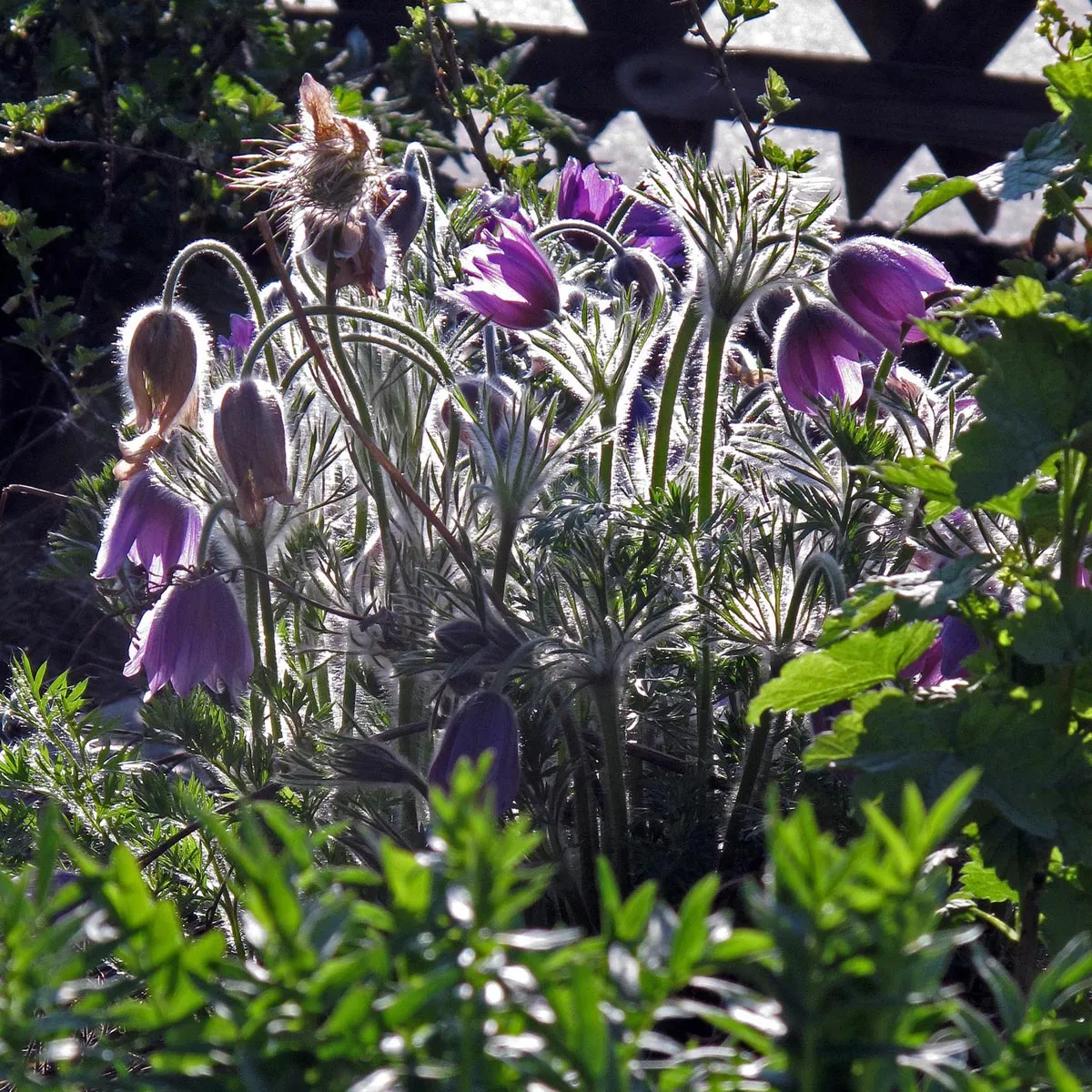
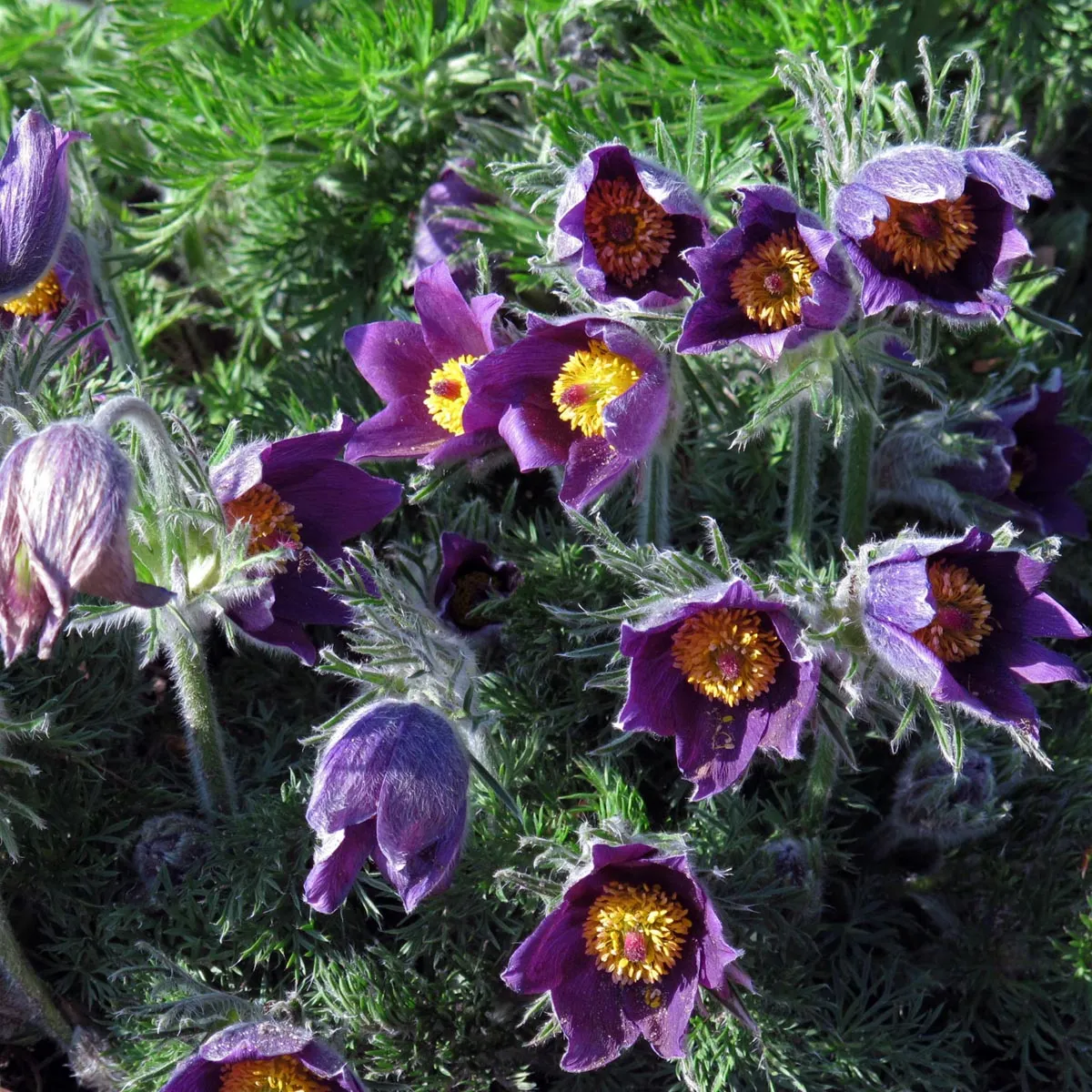
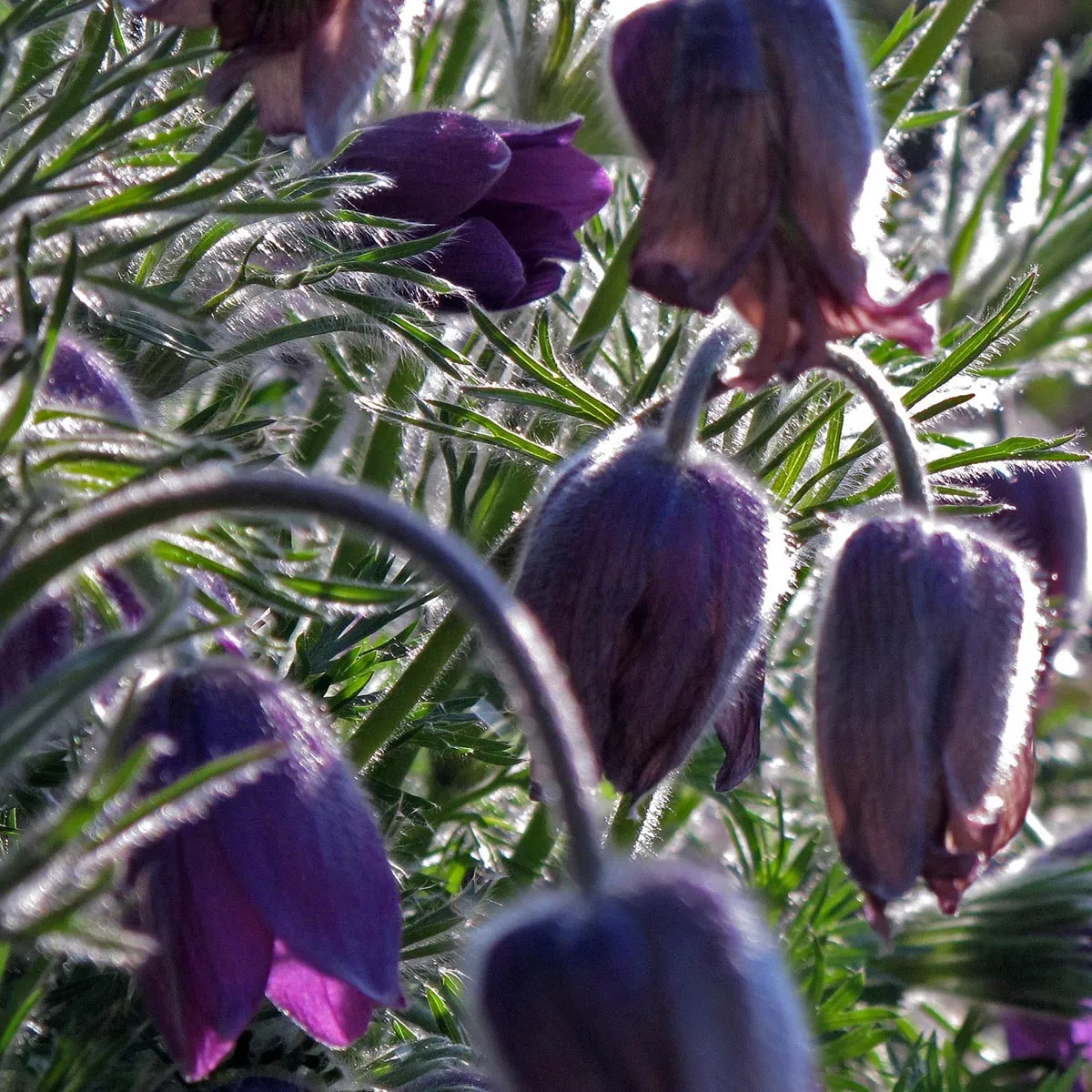
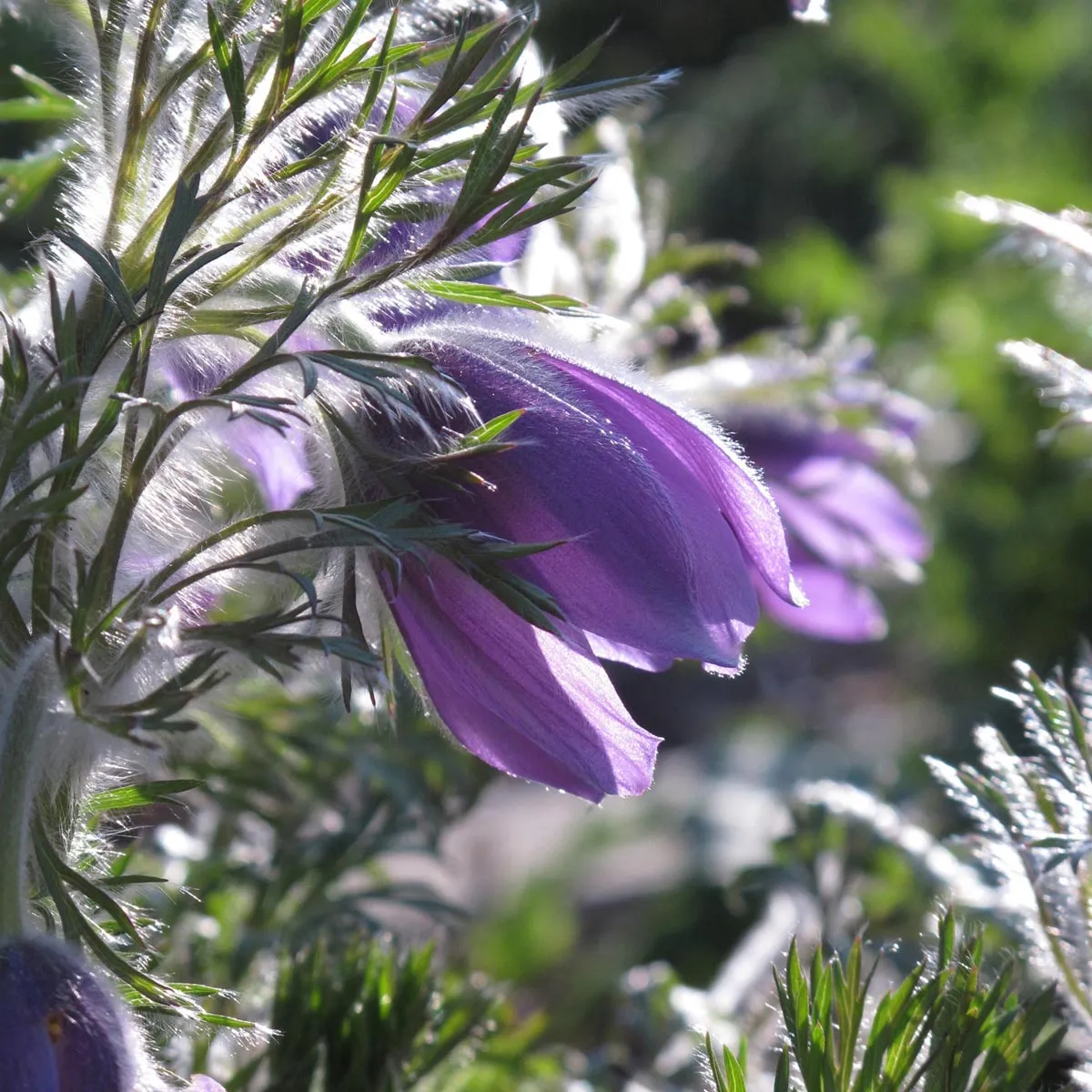
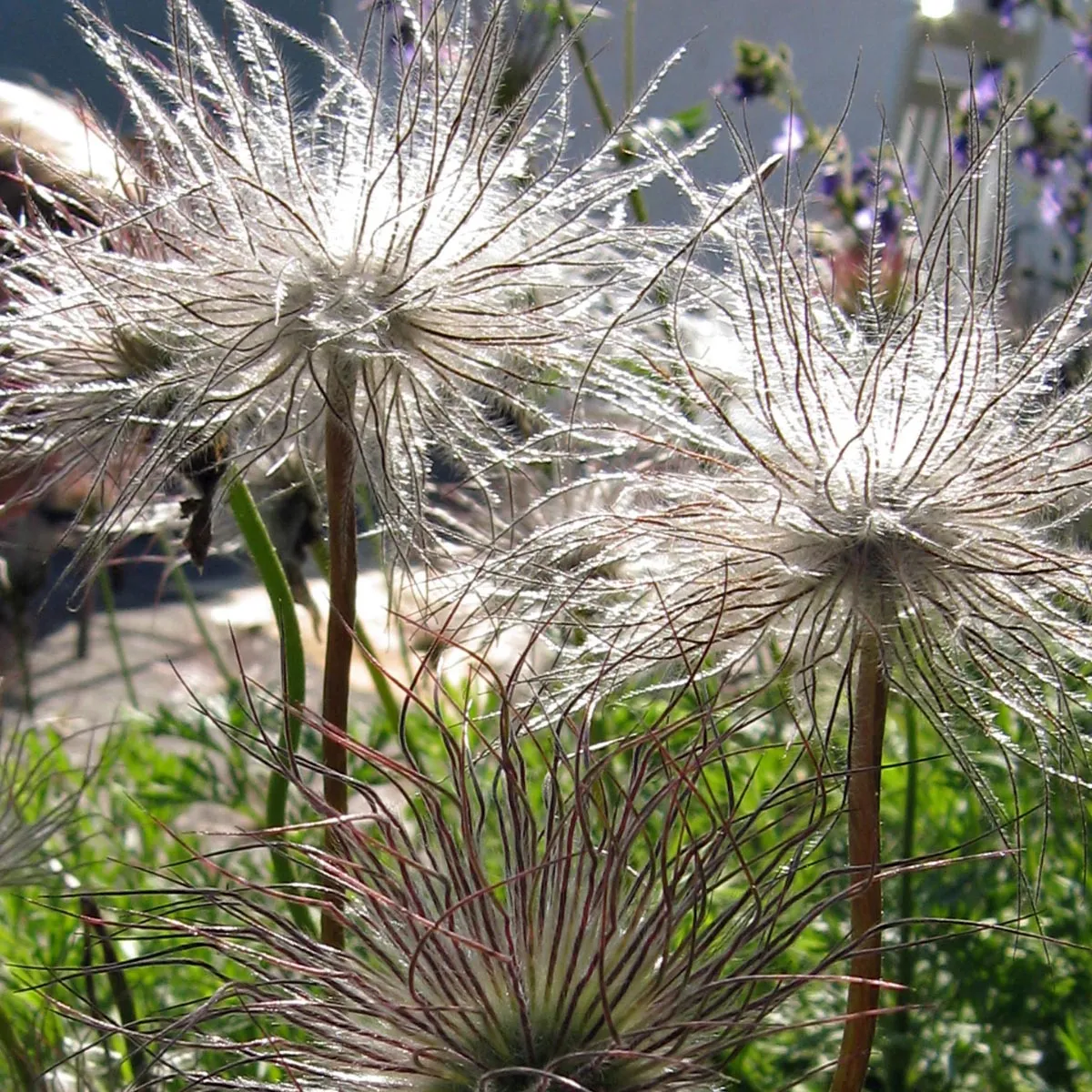
The common pasqueflower is a legendary medicinal plant, which has recently found its way into rock gardens due to its decorative appearance and can serve as ground cover or roof planting. It produces closely grouped, bell-shaped violet flowers, and its feathery foliage is also very attractive.
All parts of the plant are toxic, but they lose their toxicity when heated or dried. Pulsatilla is a significant homeopathic remedy used to treat various ailments, such as headaches or cataracts.
The plant is mildly toxic and irritating to the skin upon contact and should not be planted in gardens where young children play.
Plant profile
| Plant type | Herbaceous plant, Wildflower |
|---|---|
| Use | Medicinal plant, Ornamental plant |
| Lifecycle | Perennial |
| Species | Ranunculaceae |
| Region of origin | Central Europe, Western Europe |
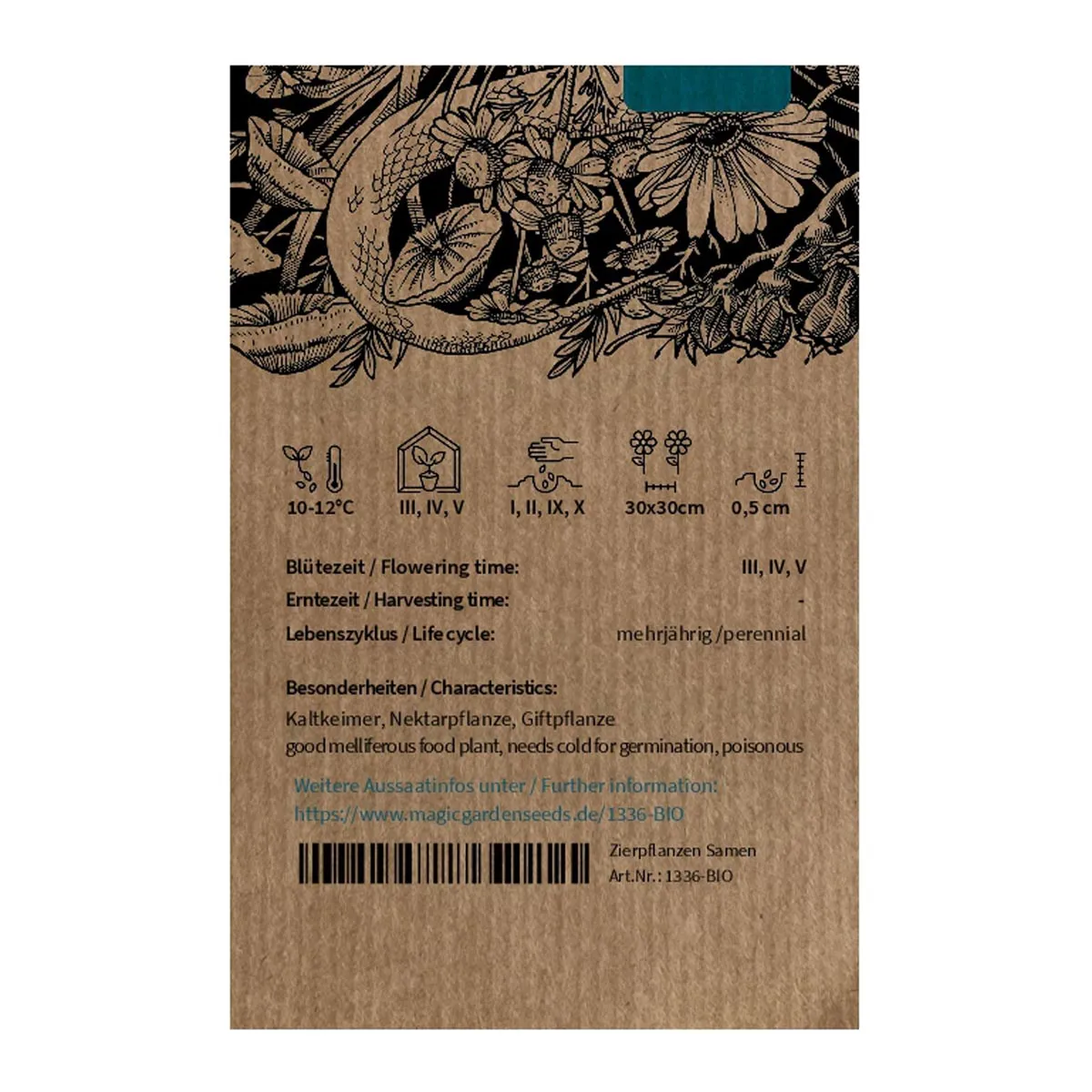
| Characteristics | Food for bees, Needs cold to germinate, Poisonous plant |
| Eventual height | 15-30 cm |
| Flower colour | Lilac |
| Flowering months | April, March, May |
| Root system | Deep roots, Rhizome |
| Winter hardiness zones | 6 (-23 bis -18 °C) |
Growing instructions
| When to sow outdoors | February, January, October, September |
|---|---|
| Sowing depth | 0.5 cm |
| Germination temperature | 10-18°C |
| Germination time | 2-6 weeks |
| Climate | Dry, Temperate |
| Soil type | Dry, Free-draining, Fresh, Low nutrient levels, No waterlogging, Poor, Sandy |
| Sunlight | Full sun |
| Water requirement | Low |
| Planting distance | 30 cm |
| Row spacing | 30 cm |
Sowing and care
The seeds need cold to germinate, therefore either sow in autumn or stratify in spring. Store in the refrigerator for 2-3 weeks in a plastic bag to start gemination. Plant out young plants in March or April after the last night frosts. The frost-tolerant perennial grows naturally in crevices on limestone, where there is hardly any nutrient-rich soil to be found.
Other names
Botanical name: Pulsatilla vulgaris, Anemone pulsatilla
German: Kühchenschelle, Gewöhnliche Kuhschelle, Pelzanemone
English: pasque flower, pasqueflower, common pasque flower, European pasqueflower
French: Anémone pulsatille
Italian: Pulsatilla comune, fiore di Pasqua
Spanish: pulsatila común, flor del viento
Reviews
Login
No reviews yet. Will you write the first one?