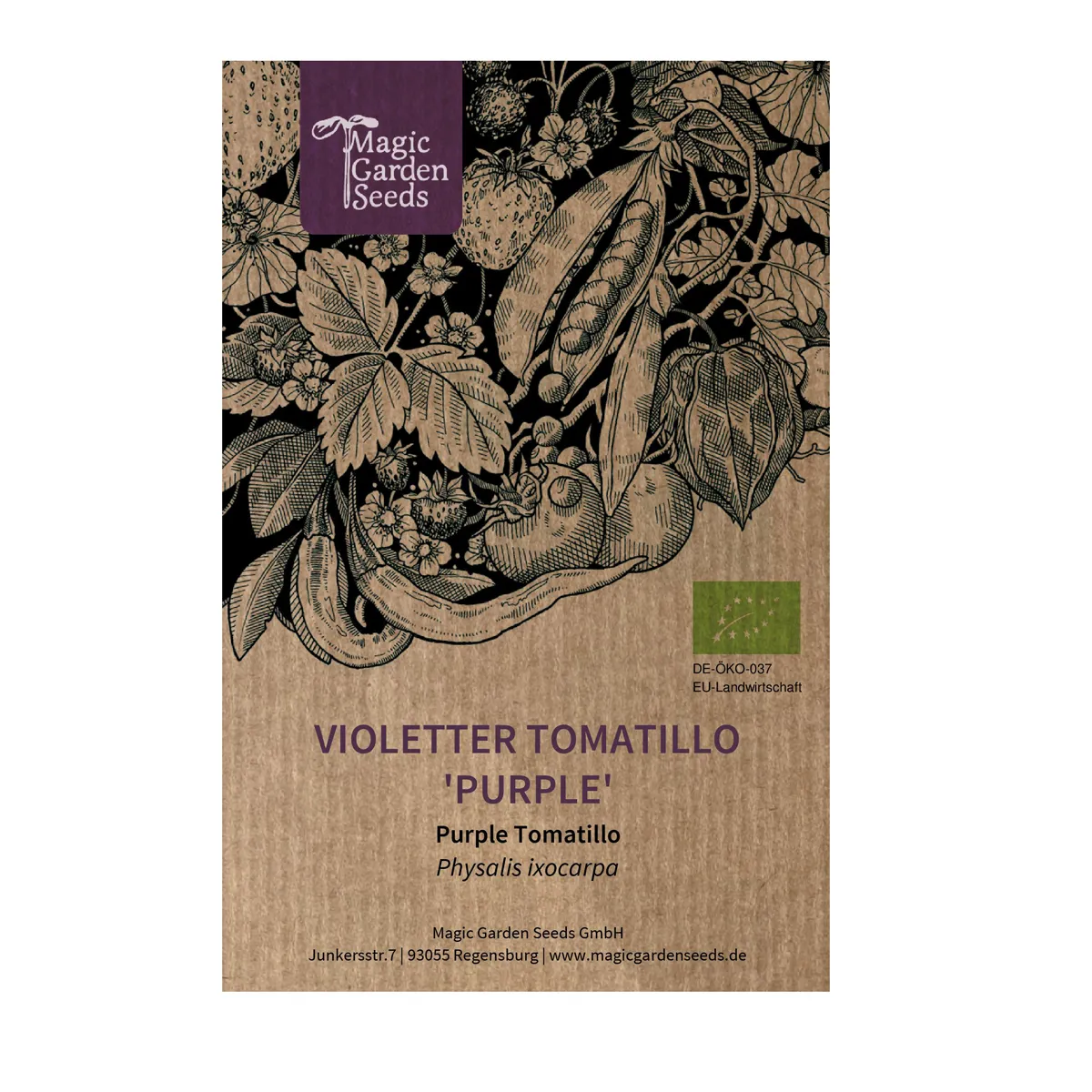

Tomatillo 'Purple' (Physalis ixocarpa) Organic seeds
- Vollreif geerntete Früchte schmecken süß, unreife sauer. Sie werden in der mexikanischen Küche gerne für Salsas verwendet und entwickeln vor allem gekocht ihr besonderes Aroma.
- Contents: Approx. 10 seeds
- Open-pollinated variety, seed tested regularly
Regular price:
€2.79
Product number: PHY07-BIO GTIN: 4251420520074
Description
Tomatillos are Physalis plants and are closely related to tomatoes.
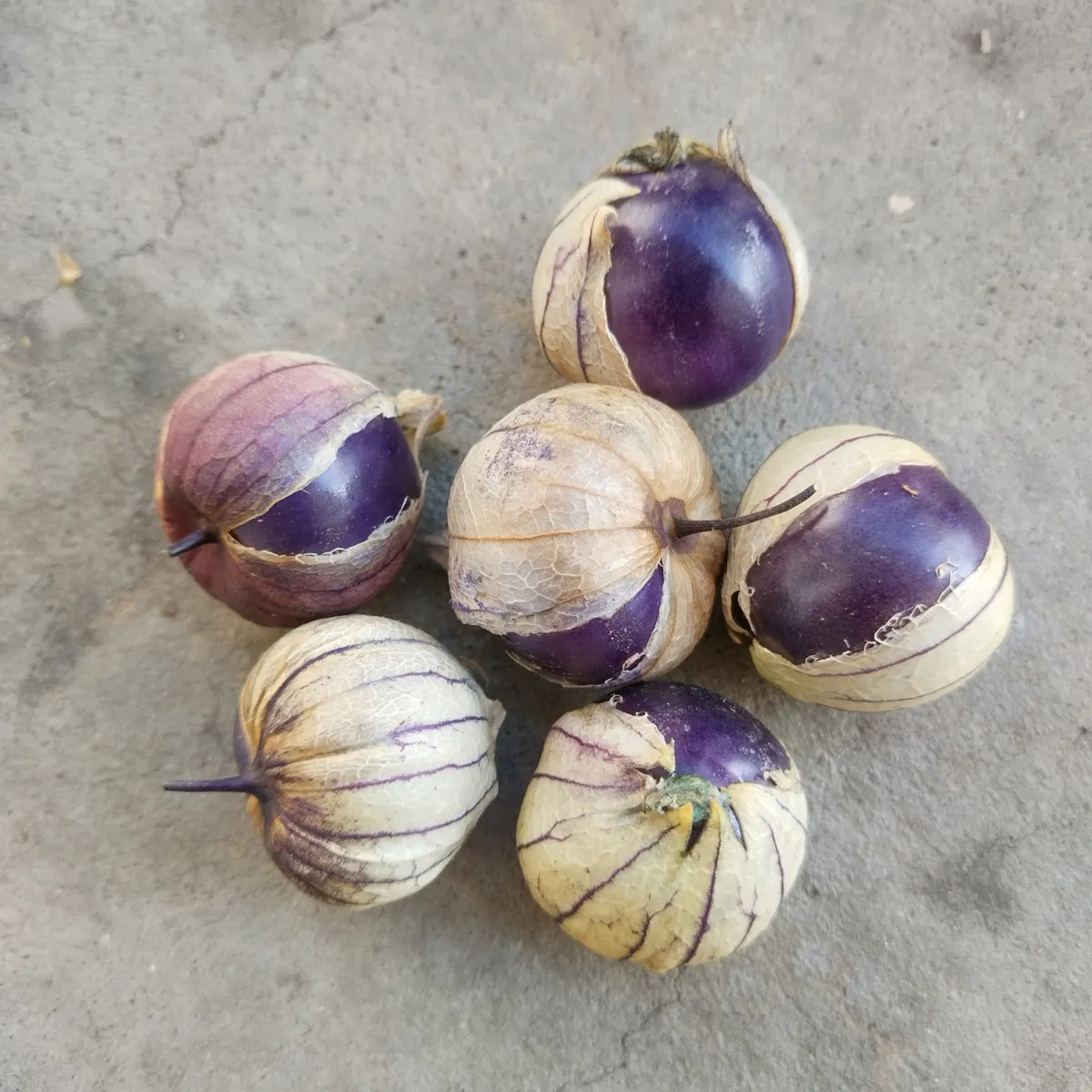
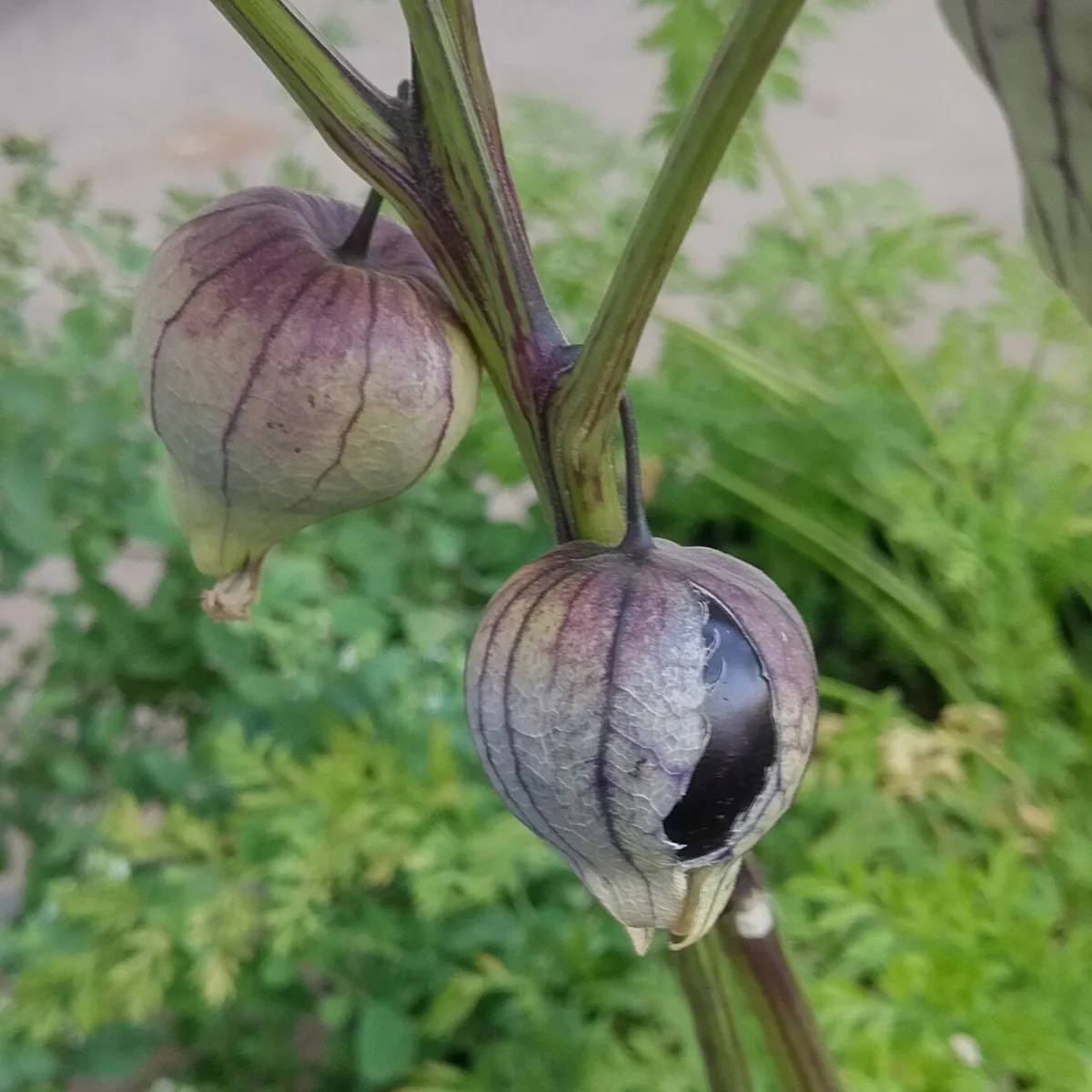
The fruits sit in lantern-like husks, which are particularly decorative just before the fruits ripen. As the fruits grow and ripen, they burst open the husk and then fall off.
Fully ripe fruits taste sweet, while unripe ones are sour. They are often used in Mexican cuisine for salsas and develop their distinctive aroma, especially when cooked. Due to their high pectin content, tomatillos also give the sauce a nice consistency.
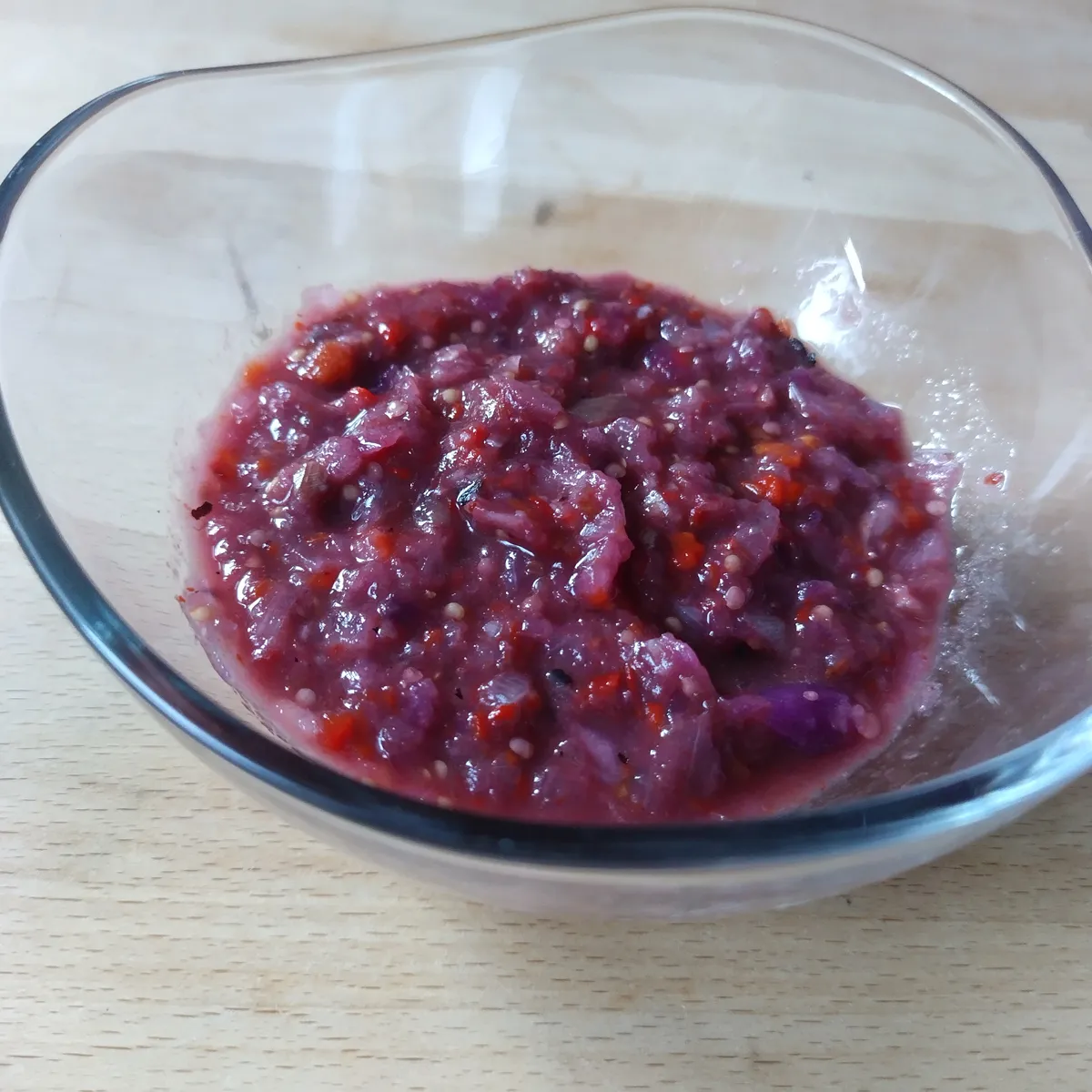
Green or yellow tomatillos are used for Salsa Verde. With this purple variety, the salsa turns purple, which looks really great.
For the salsa, simply rub a few tomatillos, chillies, onions, and possibly garlic with some oil and roast in a very hot oven or pan. Then blend together with plenty of fresh coriander leaves and a pinch of salt using a blender or hand blender.
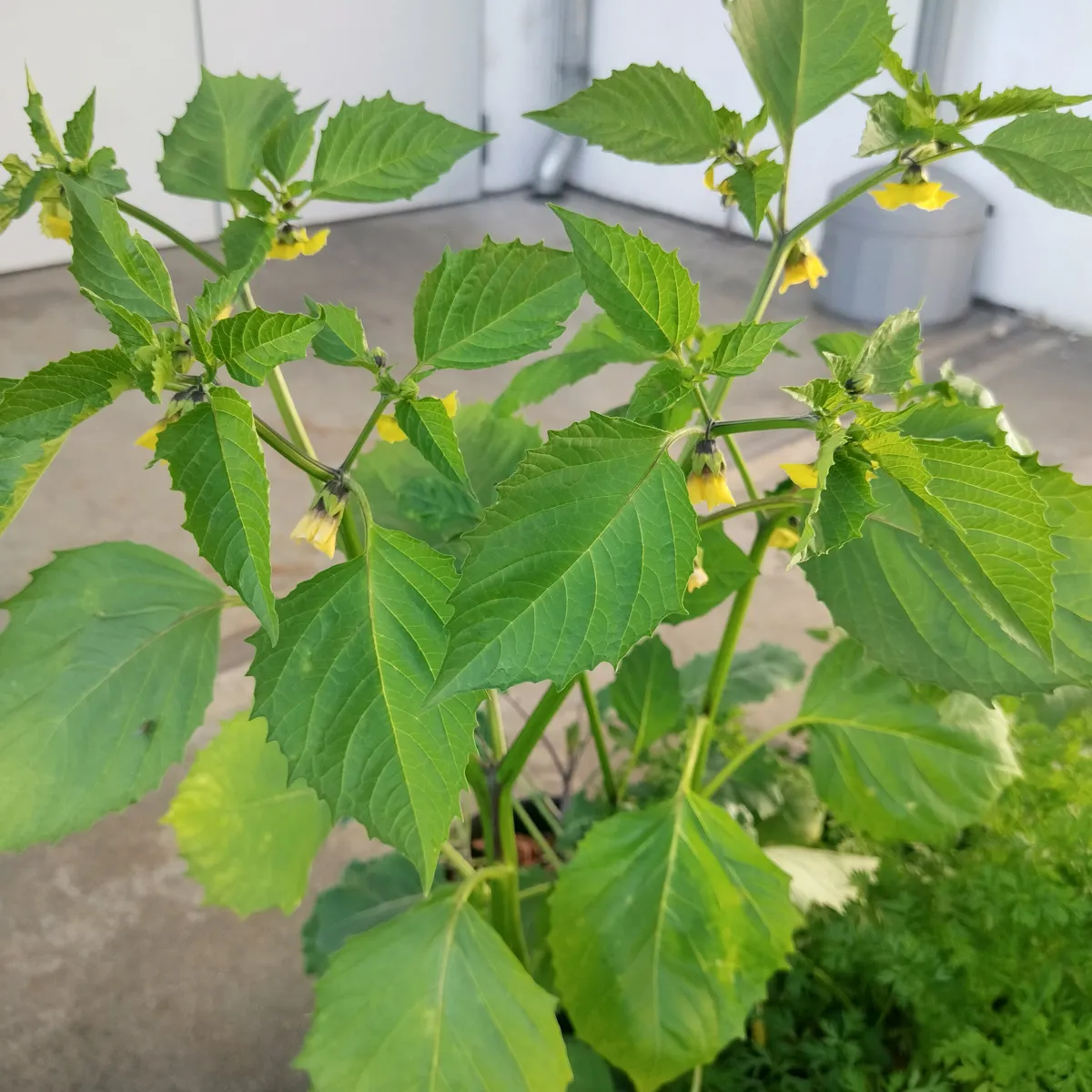
Tomatillos are very easy to grow. They become large, heavy-yielding plants that also thrive well in pots. The yield is significantly higher if at least two plants are placed next to each other to cross-pollinate.
Plant profile
| Lifecycle | Annual |
|---|---|
| Species | Solanaceae |
| Eventual height | 40-80 cm |
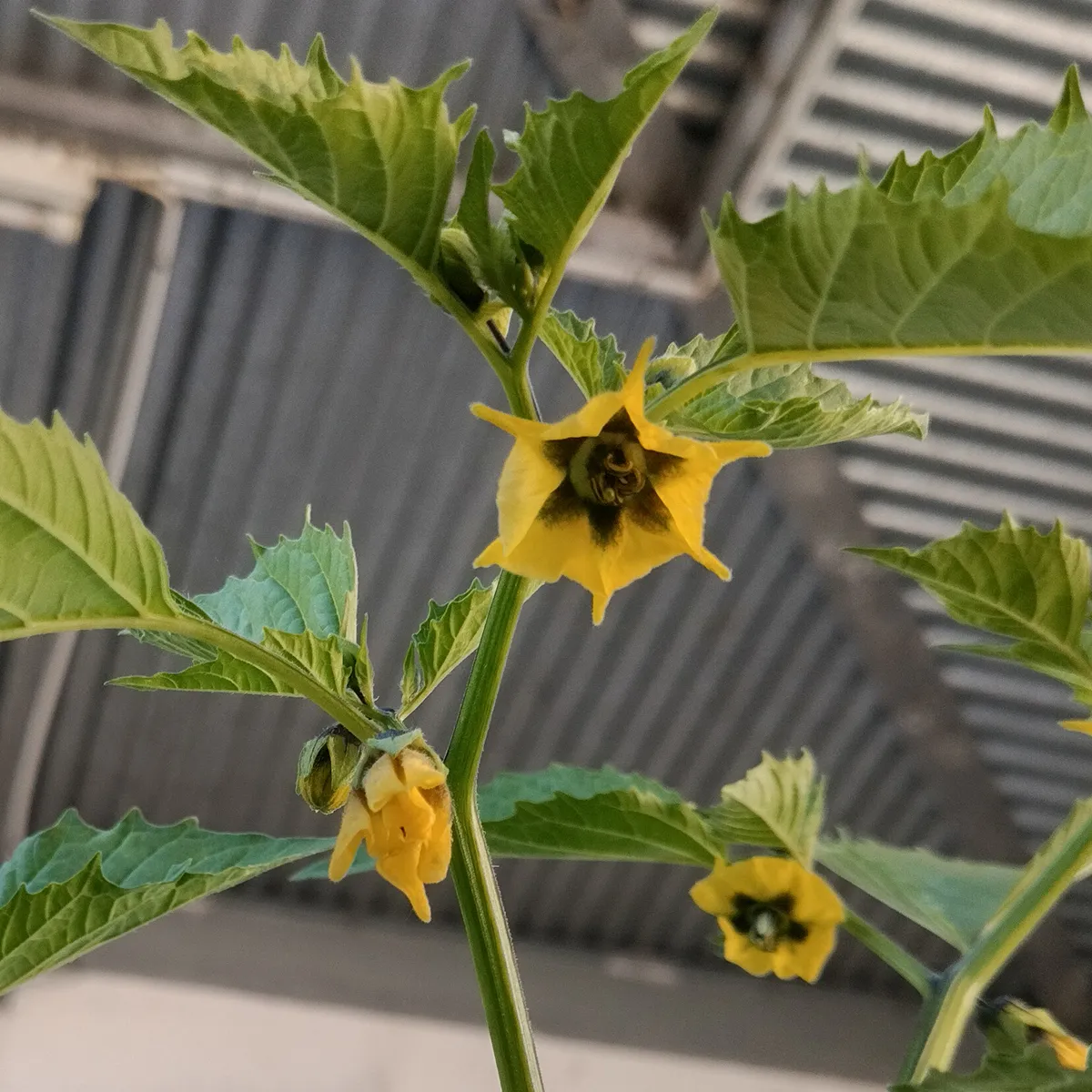
| Flower colour | Yellow |
| Flowering months | August, July, June, September |
| Main harvest | August, July, September |
Growing instructions
| Sowing depth | 0.5 cm |
|---|---|
| Germination temperature | 22-28°C |
| Germination time | 2-3 weeks |
| Sunlight | Full sun |
| Planting distance | 75 cm |
| Row spacing | 80 cm |
Sowing and care
Einjährige Pflanze. Idealer Standort: Volle Sonne.
Aussaat: Wie Tomaten. Vorkultur ab März mit Temperaturen um +22-25°C. Nach dem Keimen etwas kühler stellen. Im Mai auspflanzen ins Gewächshaus oder Freiland.
Die Früchte reifen in lampionartigen Hüllen. Wenn diese aufplatzen und die Frucht hellgrün wird, sind sie reif.
Aussaat: Wie Tomaten. Vorkultur ab März mit Temperaturen um +22-25°C. Nach dem Keimen etwas kühler stellen. Im Mai auspflanzen ins Gewächshaus oder Freiland.
Die Früchte reifen in lampionartigen Hüllen. Wenn diese aufplatzen und die Frucht hellgrün wird, sind sie reif.
Other names
Botanical name: Physalis ixocarpa
Reviews
Login
No reviews yet. Will you write the first one?