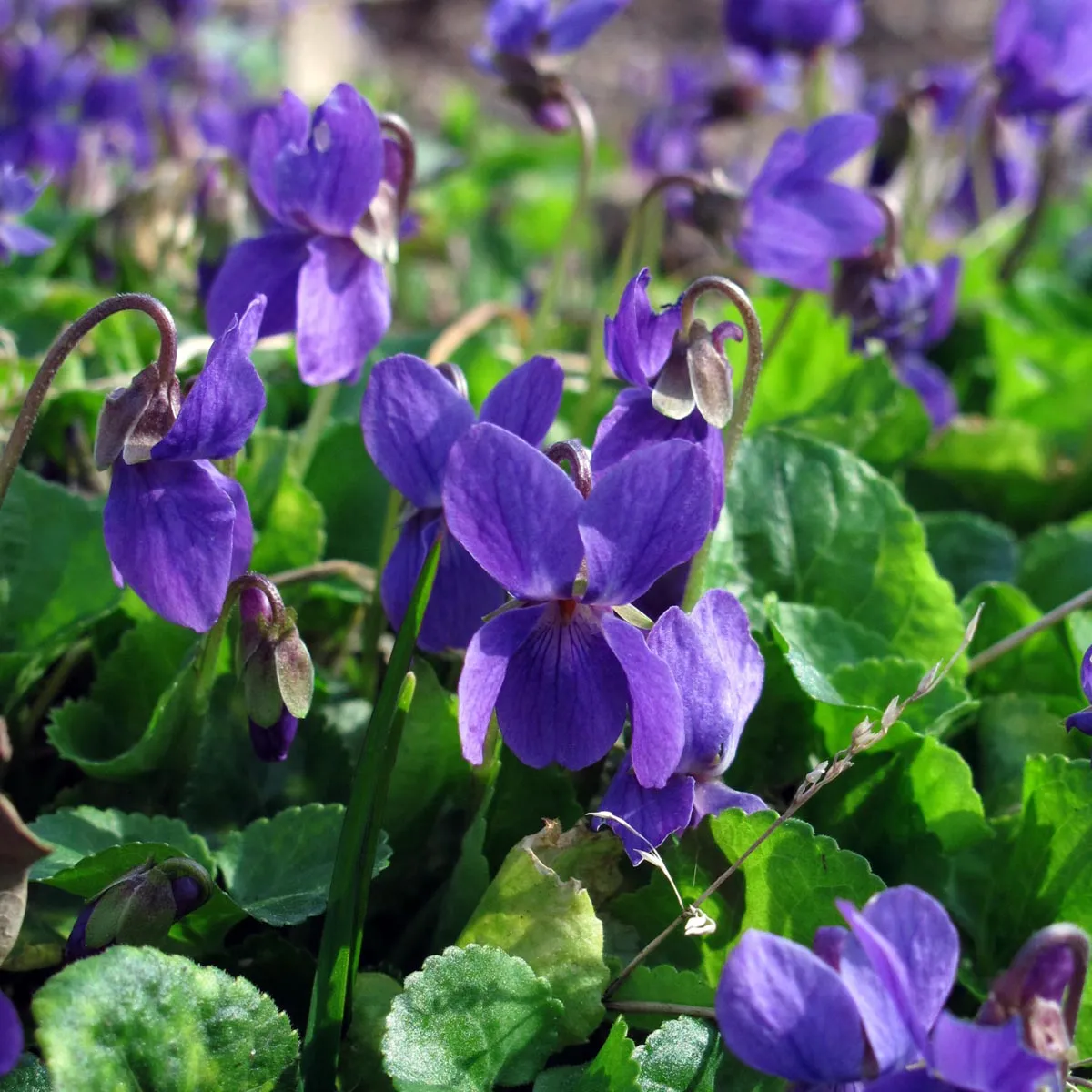
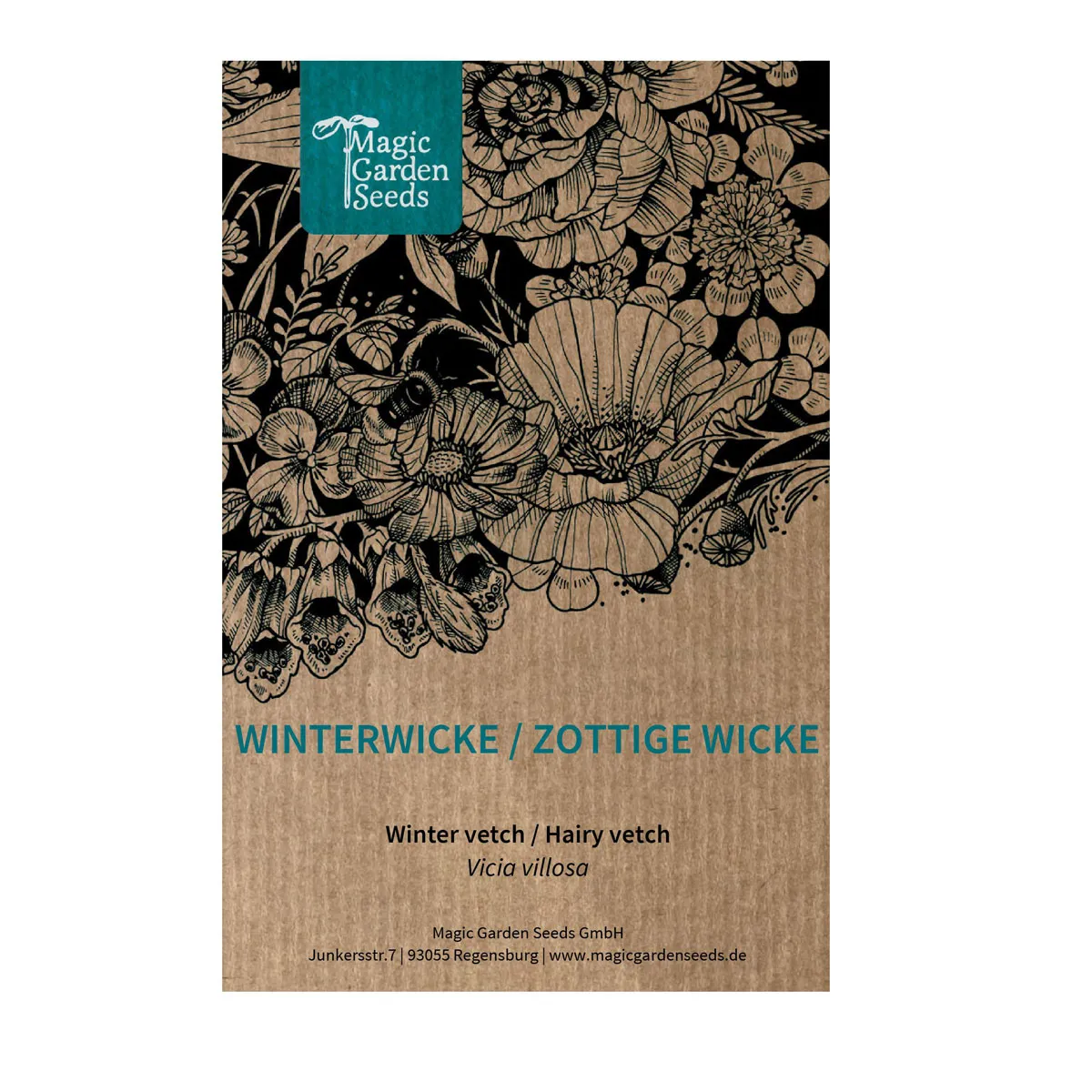
Winter vetch / Hairy vetch (Vicia villosa) seeds
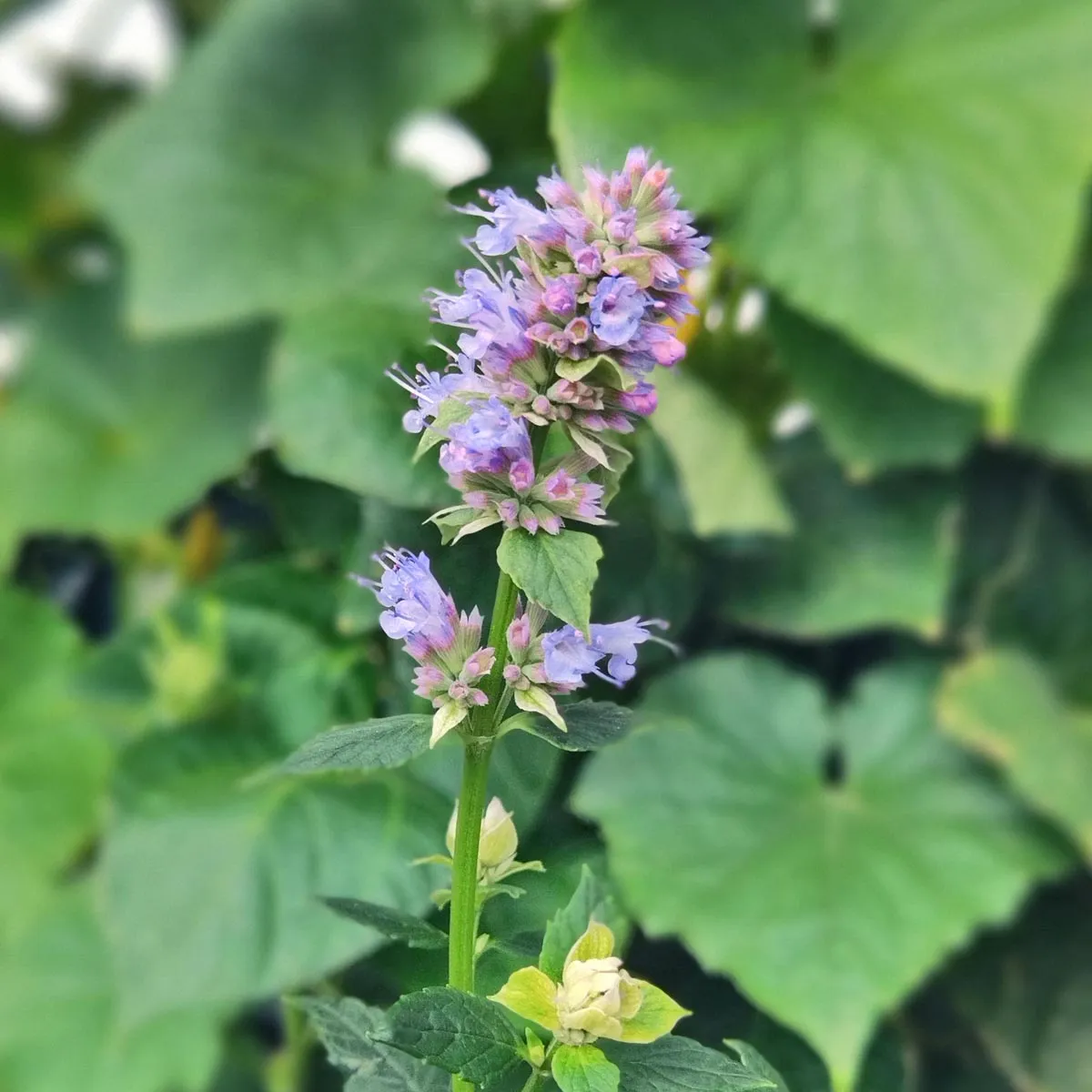
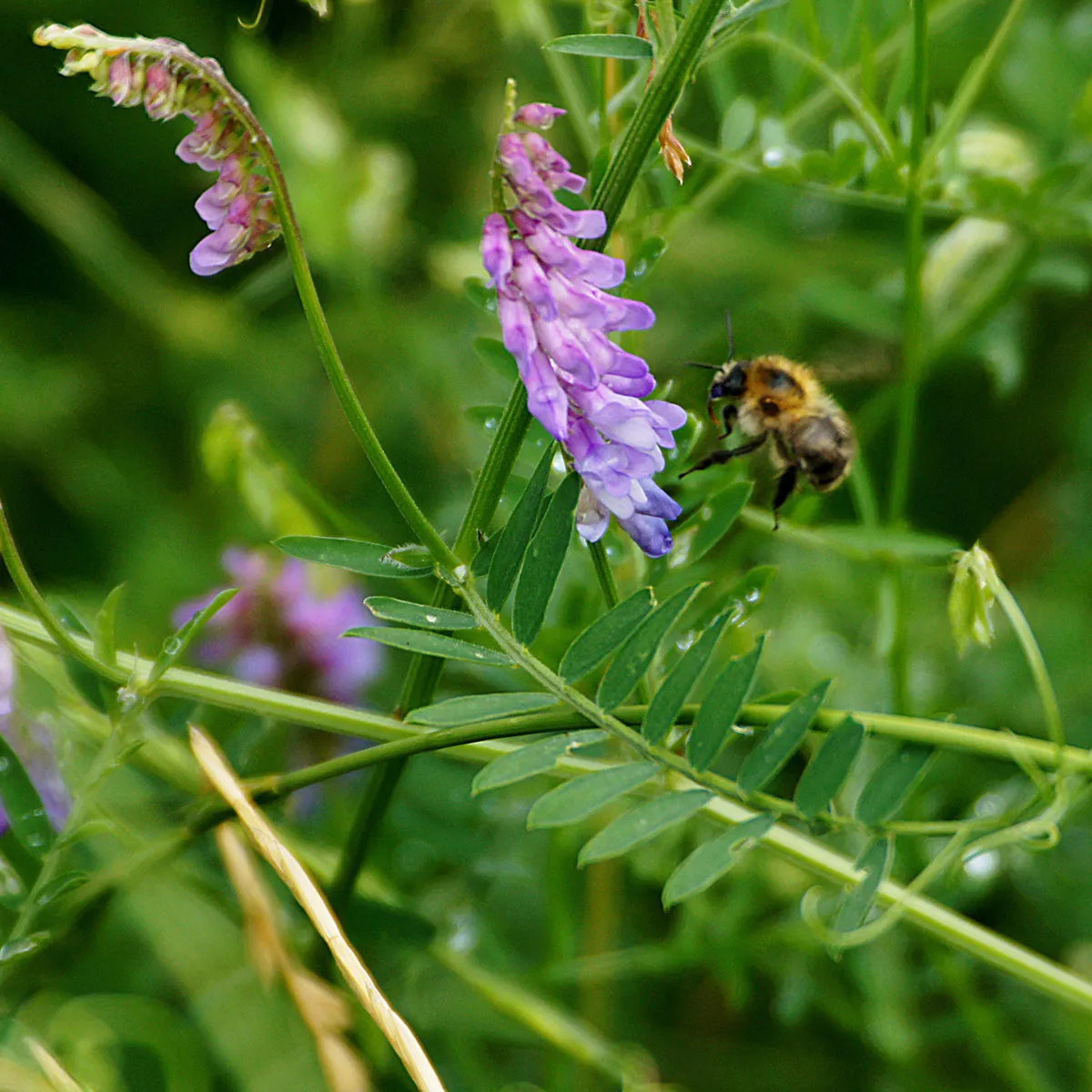
- Violet-blue flowers – an attractive source of nectar for bees and other pollinators.
- Cold-hardy legume – protects the soil over winter and fixes nitrogen.
- One packet (20g) is sufficient for approximately 5 m² – high-yielding and easy to sow.
€2.59
Description
Hardy legume for green manure and soil improvement – produces violet flowers and attracts pollinators.
Winter vetch, also known as hairy vetch (Vicia villosa), is an extremely resilient, cold-hardy legume and one of the classic plants used for green manuring. Originally native to the Mediterranean region, it is now widespread across Europe. Its dense growth and vigorous root system help protect the soil from erosion and nutrient leaching – especially during the winter months.
With its delicate violet-blue flowers, winter vetch is not only practical but also attractive. It serves as a valuable forage plant for bees and attracts numerous pollinating insects during its flowering period. Its ability to fix atmospheric nitrogen makes it a natural soil improver and an ideal companion for mixed cropping with cereals or grasses. As a catch crop or green manure, it contributes to long-term soil fertility and a healthy, living soil structure.
Use in raised beds
In raised beds, winter vetch is particularly effective for maintaining a living substrate over the winter. It establishes quickly, forms a protective plant cover, and prevents nutrient loss through leaching. After flowering, the plant material can simply be incorporated into the soil, adding valuable organic matter. Its frost tolerance and vigorous growth make it an excellent choice for winter cover cropping in raised beds.
Plant profile
| Plant type | Wildflower |
|---|---|
| Use | Good insect food plant, Green manure |
| Lifecycle | Annual or biennial |
| Species | Fabaceae |
| Seed propagation | Conventional production |
| Region of origin | Asia, Asia Minor, Mediterranean Region |
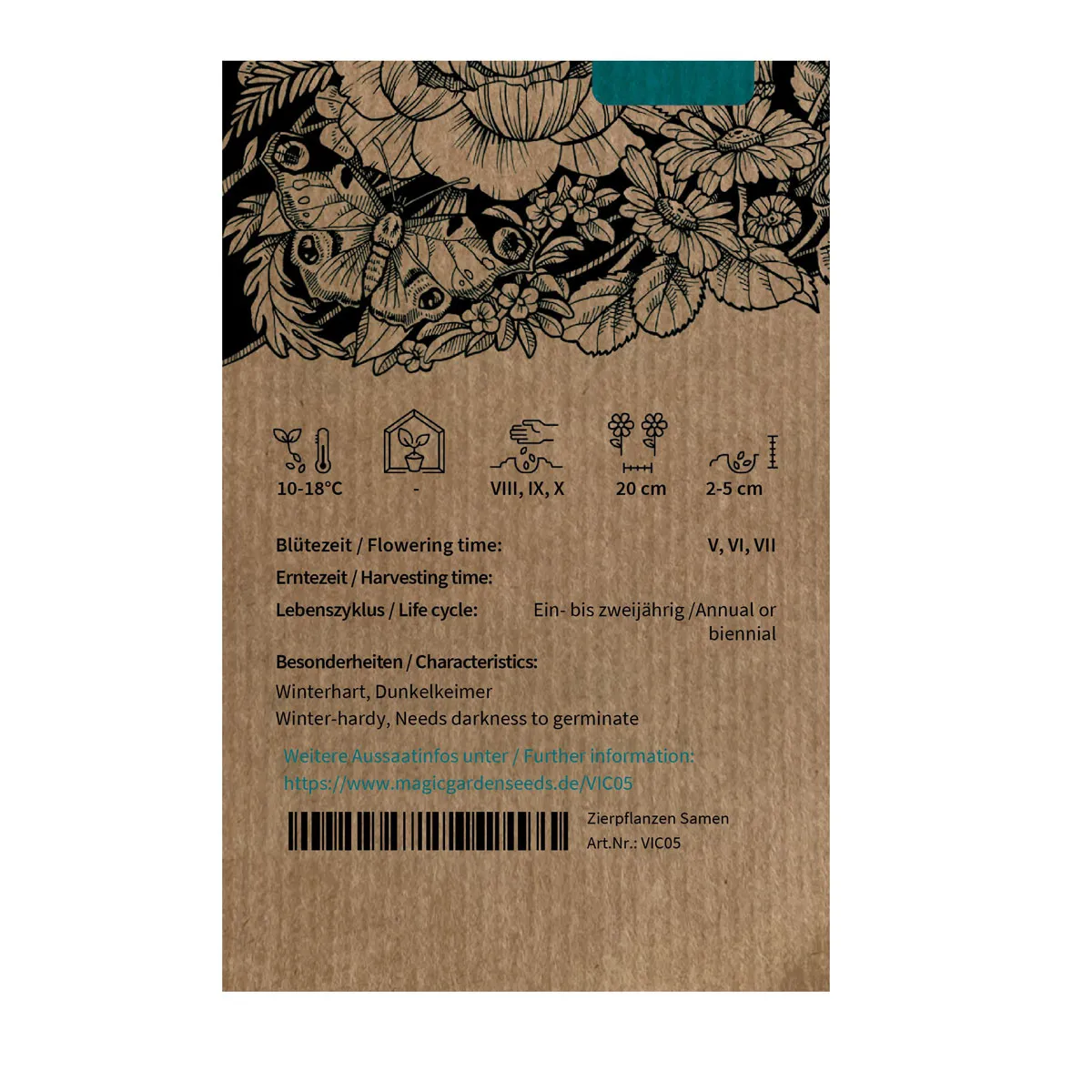
| Characteristics | Food for bees, Needs darkness to germinate, Winter-hardy |
| Eventual height | 40-80 cm |
| Flower colour | Blue, Lilac |
| Flowering months | July, June, May |
| Root system | Deep roots |
Growing instructions
| When to sow outdoors | August, October, September |
|---|---|
| Sowing depth | 2-5 cm |
| Germination temperature | 10-18°C |
| Germination time | 2-3 weeks |
| Climate | Temperate |
| Soil type | Deep, Free-draining, Humus-rich, Nutrient-rich |
| Sunlight | Full sun, Halbschatten |
| Water requirement | Low |
| Planting distance | 20 cm |
Sowing and care
Sowing & Care
Sow directly outdoors from August to October. Sow the seeds approximately 2–4 cm deep and cover lightly with soil. Winter vetch germinates reliably and withstands even severe frost without damage. It prefers sunny to partially shaded locations with well-drained, humus-rich soil. In spring, it can be incorporated into the soil as green manure or used as a forage crop. Easy to grow, adaptable and highly beneficial – a classic in organic gardening.
Note on contents: One packet (20g) is sufficient for approximately 5 m² of surface area.
Other names
Botanical name: Vicia villosa
German: Winterwicke, Zottige Wicke,
English: Winter vetch, Hairy vetch
French: Vesce velue, Vesce d’hiver
Italian: Veccia pelosa, Veccia invernale
Spanish: Veza villosa, veza peluda, veza de invierno
Dutch: Harige wikke, Winterwikke
Login