Why Are My Tomatoes Getting Black Spots on the Bottom?
Garden consultation
If tomatoes suddenly develop grey, brown or black spots on the bottom end, it is often blossom end rot. It looks worrying, but it is not a contagious fungal disease. Usually the cause is a lack of calcium in the fruit, triggered by uneven watering, heat or an unfavourable nutrient balance.
Welcome to our Magic Garden Seeds Garden Clinic. Here we answer real questions from everyday gardening, in a way that is easy to follow, practical and with a loving eye for what plants want to show us.
Today it is about a problem that many tomato growers know: the plants are growing vigorously, the first fruits look promising, and then dark, sunken spots appear on the bottom end of the tomatoes.
The first thought is often: Is this a disease? Do I have to throw away the whole plant? Fortunately, the answer is usually: no. Blossom end rot is not a classic rot caused by fungi or bacteria, but a so-called physiological disorder. So the plant is not “infected”; rather, the supply to its fruits gets out of balance.
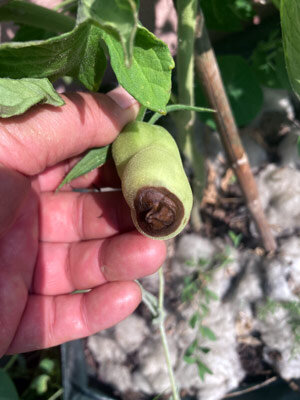
How to Recognise It
Blossom end rot always shows up at the blossom end of the fruit, that is, at the bottom end of the tomato, opposite the stalk.
Typical signs are:
- a greyish green or watery-looking spot at the bottom end of the fruit
- later brown to black discolouration
- sunken, dry or leathery, hard tissue
- usually only individual fruits or particularly large fruits affected
- the plant itself often still looks healthy
The affected area may look like rot, but it is usually dry and hard. That is why blossom end rot is sometimes also called dry rot.
What Actually Is Blossom End Rot?
Blossom end rot is not a fungal disease and not a bacterial infection. It develops when too little calcium reaches the growing fruit. Calcium is important for stable cell walls. If it is locally lacking in the fruit, the tissue at the blossom end becomes unstable, dies off and discolours.
However, this does not automatically mean that there is no calcium at all in the soil. Often there is enough calcium; it just does not reliably get into the fruits. This is exactly where water, heat, root health and nutrient balance play a major role.
Put simply: the tomato does not have a contagious problem, but a supply problem.
Why Do Tomatoes Get Blossom End Rot?
1. Uneven Watering
The most common trigger is an irregular water supply. Calcium is transported in the plant with the flow of water. If the soil first dries out badly and is then suddenly given a great deal of water, this transport gets out of balance.
Tomatoes in small containers, in a hot greenhouse or during dry spells in high summer are particularly at risk. There, soil moisture often fluctuates strongly.
What this means for you: tomatoes do not like extreme swings between drought and a flood of water. With blossom end rot, even watering is often more important than even more fertiliser.
2. Heat and Rapid Growth
In great heat, tomatoes sometimes grow very quickly. When fruits get bigger fast, their need for calcium rises. At the same time, in heat and drought stress the plant cannot always deliver enough water and nutrients.
The problem then shows up especially on the fruits, because compared with the leaves they are less well supplied with calcium. The result: the typical dark patches form at the blossom end.
3. Unfavourable Nutrient Balance
Unbalanced fertilising can also encourage blossom end rot. Too much nitrogen, potassium or magnesium can disrupt calcium uptake and calcium transport. Very large amounts of compost can also be a problem if they throw the nutrient ratio in the soil out of balance.
Tomatoes are heavy feeders, but they do not need to be oversupplied. What matters is an even, balanced diet.
4. Soil That Is Too Acidic
If the soil is too acidic, calcium can be less available. Especially with recurring blossom end rot, it is therefore worth taking a look at the pH of the soil or the compost.
If needed, garden lime or calcified seaweed can help. But the rule is: please do not lime blindly, but as moderately as possible and to suit the soil.
5. Dependence on Variety
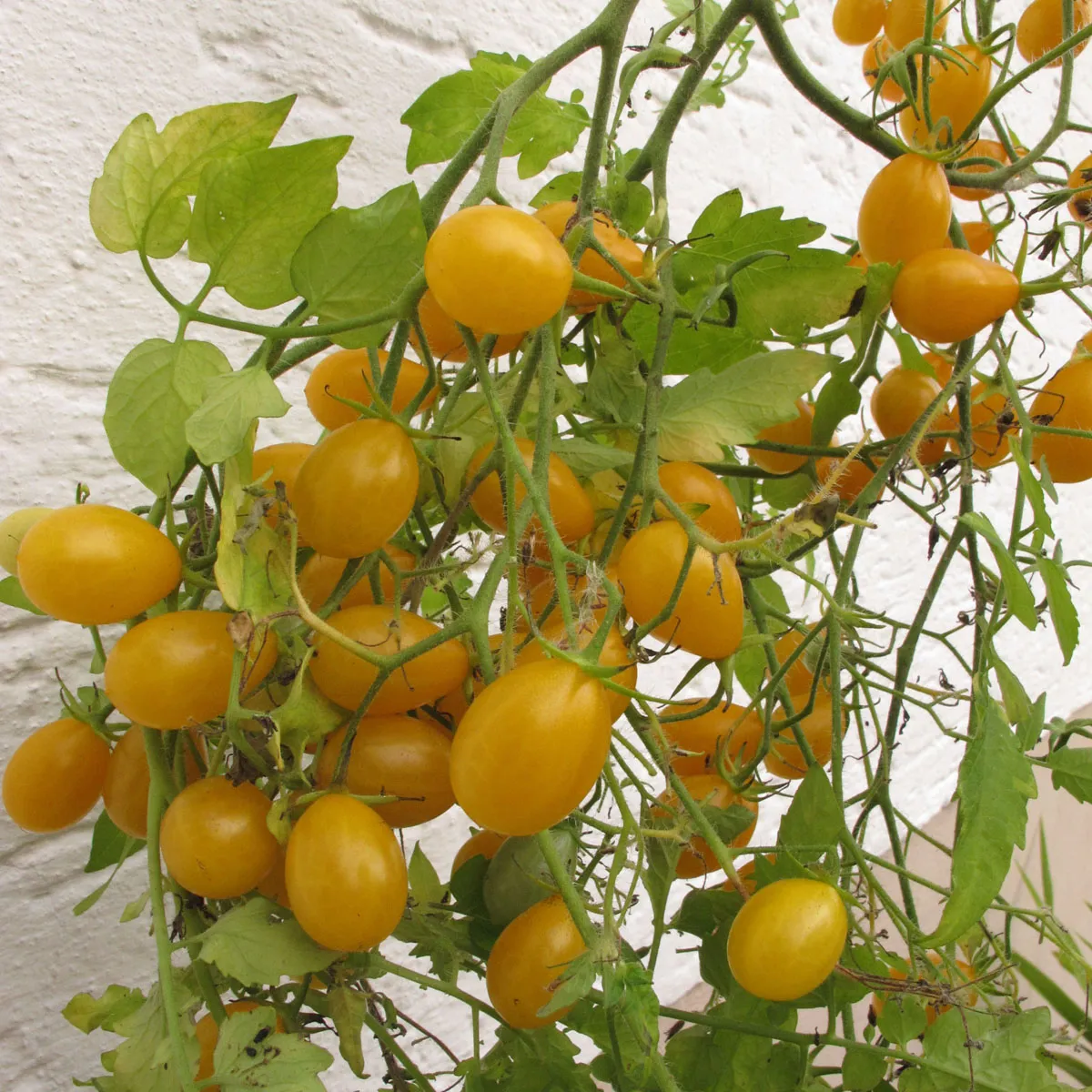
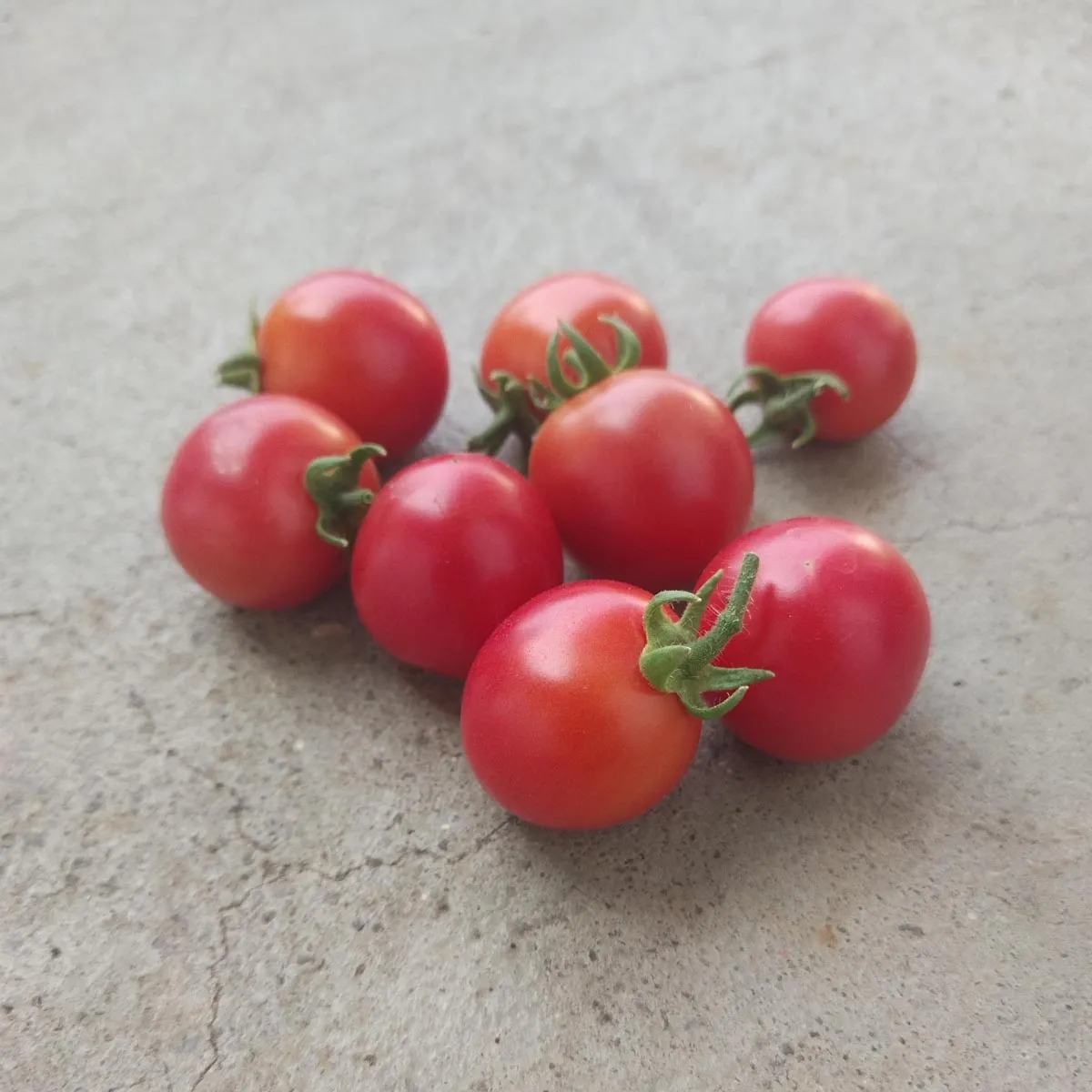
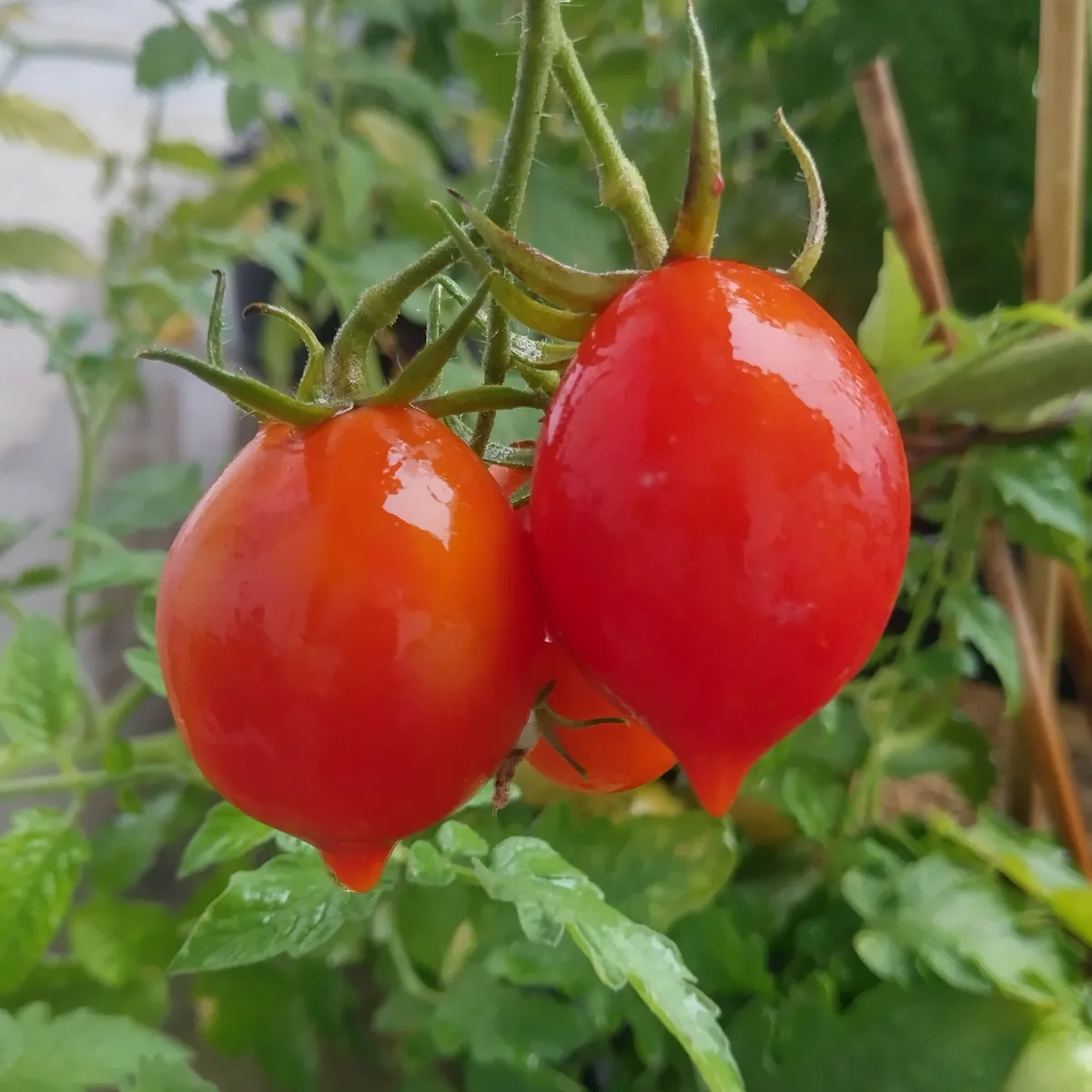
Not all tomatoes are equally susceptible. Large-fruited beefsteak and plum tomatoes in particular show blossom end rot more often. Small-fruited varieties such as many cocktail tomatoes or some bush tomatoes are often less affected.
If you have problems with blossom end rot every year, it can be worth trying out different types of variety and watching which ones cope best in your garden.
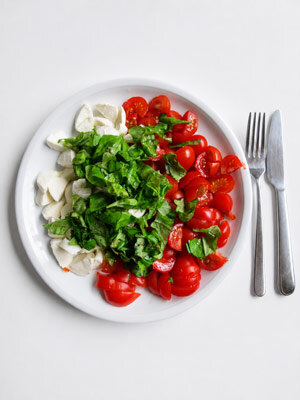
Can I Still Eat Tomatoes with Blossom End Rot?
Yes, in principle you can still eat tomatoes with blossom end rot. The dark patch is not poisonous and is not caused by a contagious fungal or bacterial disease.
Cut the affected area away generously. If the rest of the fruit looks healthy, smells normal and tastes good, you can use it. With very badly damaged fruits, or ones that also smell rotten, it is better to throw them away.
Important: blossom end rot is not the same as late blight. With late blight, the leaves, stems and other parts of the plant are usually affected as well. Blossom end rot typically sits at the bottom end of the fruit.
What Can You Do Straight Away?
When you discover blossom end rot, you can no longer heal the area that is already damaged. But you can prevent further fruits from being affected.
1. Stabilise Your Watering Rhythm
Check the soil regularly and water evenly. The soil should neither dry out completely nor be permanently wet. Tomatoes in containers in particular often need checking every day in summer.
It is best to water in the morning and directly onto the soil, not over the leaves. A layer of mulch can help to keep the moisture in the soil for longer.
2. Remove Affected Fruits or Harvest Them Early
You can remove badly damaged fruits so that the plant directs its energy into healthy fruits. You can use slightly affected tomatoes later if you cut the damaged area away generously.
3. Add Calcium in a Targeted Way
In an acute case, a special calcium fertiliser can help, for example as a foliar feed or via the watering water. Always follow the manufacturer's instructions. More is not automatically better.
Finely crushed eggshells, calcified seaweed or suitable rock dust can also play a role as slow-acting support. However, they do not work overnight and do not replace an even water supply.
4. Review Your Fertilising
If you have fertilised very heavily, especially with fertilisers rich in nitrogen or potassium, you should now hold back. Tomatoes need nutrients, but an oversupply can upset the balance.
5. Remove Leaves Selectively
Surplus leaves below the first truss can be removed if they are very dense or touch the ground. This makes the plant airier. But please do not strip the leaves radically: tomatoes still need their leaves for growth, ripening the fruit and protection from the sun.
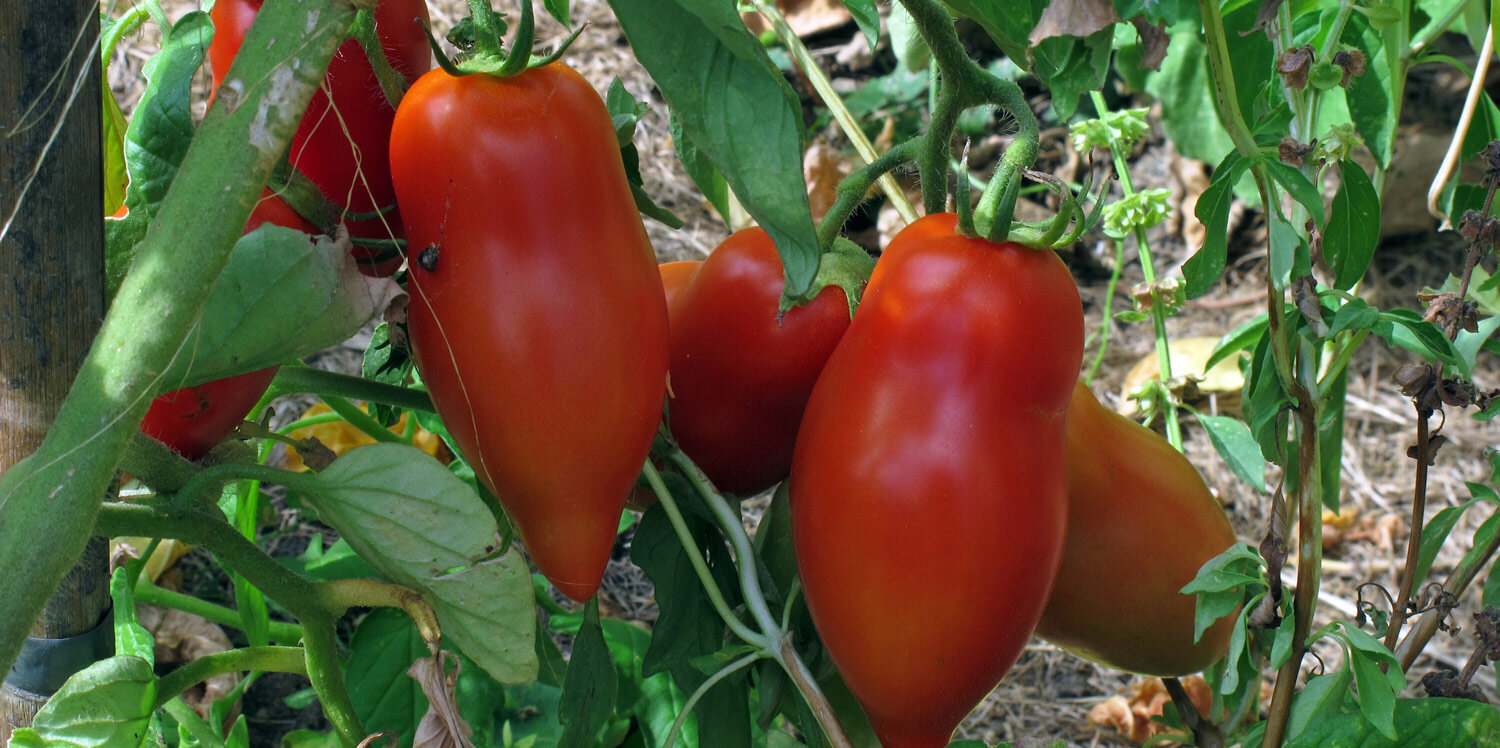
How to Prevent Blossom End Rot
The best prevention consists of three things: water evenly, fertilise in a balanced way and create a good environment for the roots.
Water Evenly
Avoid extreme fluctuations. Do not let the plants droop first and then give them a great deal of water all at once. In containers especially, a sufficiently large pot helps, because more soil can also store more water.
Use Large Containers
Tomatoes in small pots suffer from drought stress more quickly. For vigorous tomato plants, large containers with good drainage are much better. That way the compost does not dry out so quickly, and the roots have more space.
Mulching
Mulch made of straw, grass clippings, leaves or other plant material protects the soil from drying out and from strong temperature fluctuations. This supports a more even water supply.
Fertilise in a Balanced Way
Tomatoes need nutrients, but not to excess. A moderate, long-term supply is better than heavy bursts of fertiliser. Take particular care not to give too much nitrogen and potassium.
Keep an Eye on Soil pH
If problems keep recurring, a soil test is worthwhile. If the soil is too acidic, calcium can be less available. Then a moderate application of lime can make sense.
Choose Varieties Deliberately
If you often notice blossom end rot, also try out smaller-fruited tomato varieties. Cocktail, cherry or some bush tomatoes are often more robust against this problem than very large beefsteak or plum tomatoes.
What Blossom End Rot Is Not
Blossom end rot is often confused with other tomato diseases. That is why it is worth telling them apart:
- It is not a fungal disease.
- It is not a bacterial infection.
- It does not spread over the whole plant like late blight.
- It typically sits at the bottom end of the fruit.
- It is caused by a supply problem, above all by a lack of calcium in the fruit.
This is important because you cannot solve blossom end rot with classic fungicides. Even water supply, suitable fertilising and a stable soil environment are much more effective.
The Magic Tip
With blossom end rot, what usually helps is not more action but more evenness: water regularly, fertilise moderately and protect the roots from stress.
Tomatoes are powerful plants, but they react sensitively to extremes. When water, nutrients and root space are in balance, they can supply their fruits much better.
Our Conclusion
Blossom end rot in tomatoes looks dramatic, but it can usually be explained well. It is not caused by a contagious disease, but by a lack of calcium in the fruit. This lack is often triggered by irregular watering, heat, drought stress, containers that are too small or unbalanced fertilising.
The most important prevention is an even water supply. Add to that large pots, mulch, moderate fertilising, a suitable pH and, if needed, a targeted supply of calcium.
And if a few fruits are affected after all: don't despair. Cut the damaged area away generously, watch your plant closely and adjust its care. Your garden is talking to you, sometimes simply through a tomato with a black end.
Which plant is puzzling you right now?
Write your question to us in the comments, and perhaps we will answer it in the next Magic Garden Seeds Garden Clinic.