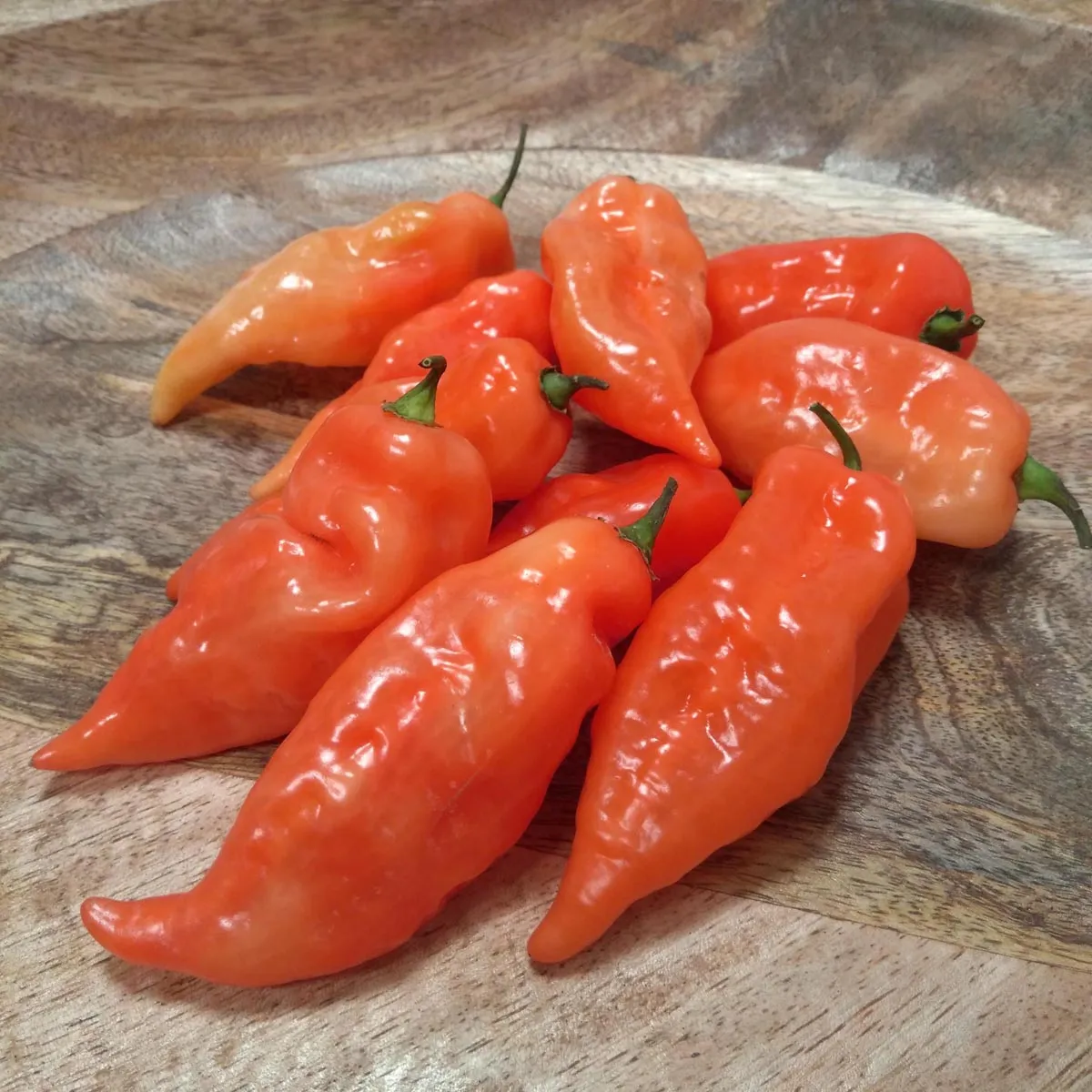
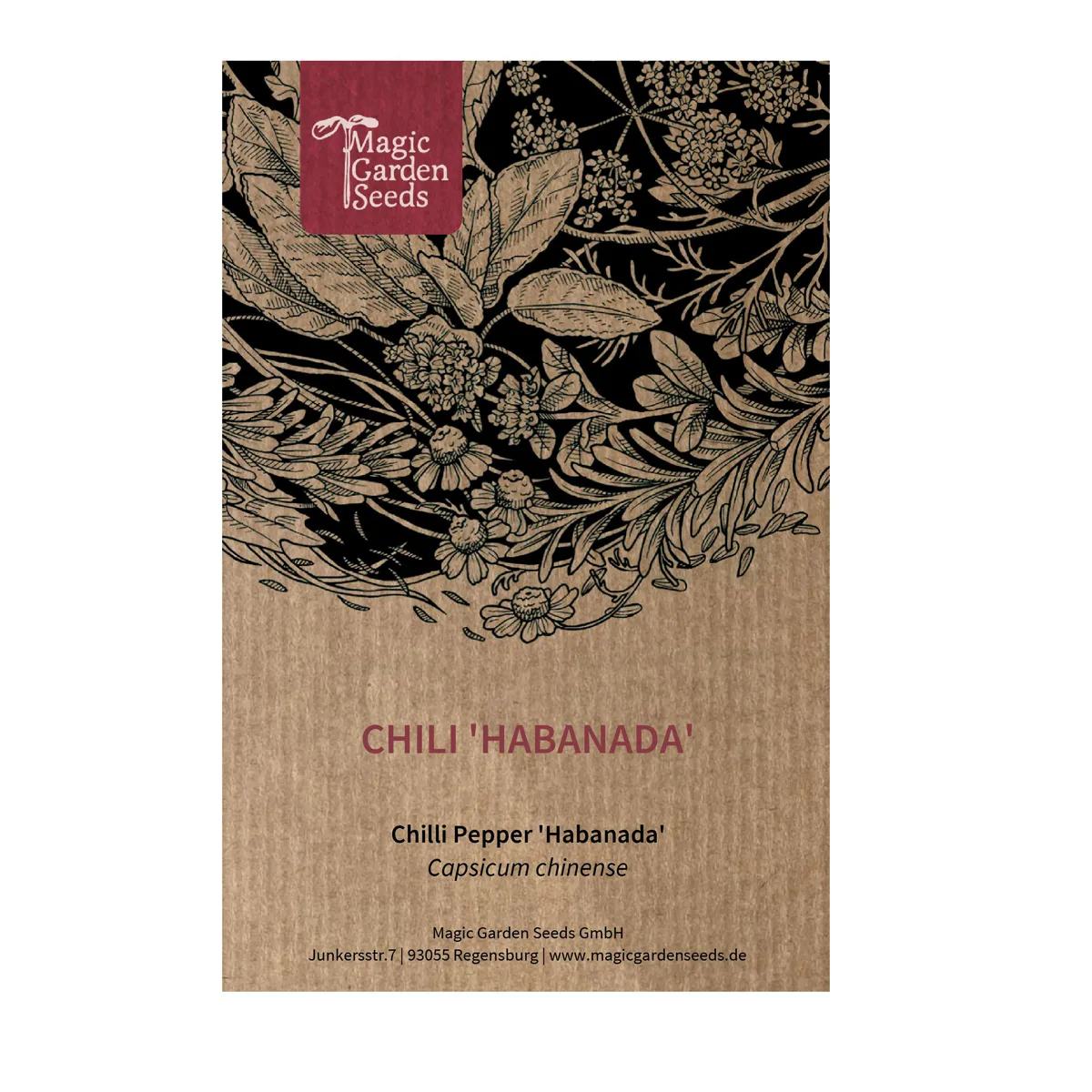
Chilli Pepper 'Habanada' (Capsicum chinense) seeds
- Eine außergewöhnliche Chilisorte, die das unverwechselbare Aroma eines Habaneros mit fruchtigen, rauchigen Noten bietet – ganz ohne die typische Schärfe.
- Contents: Approx. 10 seeds
- Open-pollinated variety, seed tested regularly
Regular price:
€4.99
Content: 10
No longer available
Product number: CAP30 GTIN: 4251420517647
Description
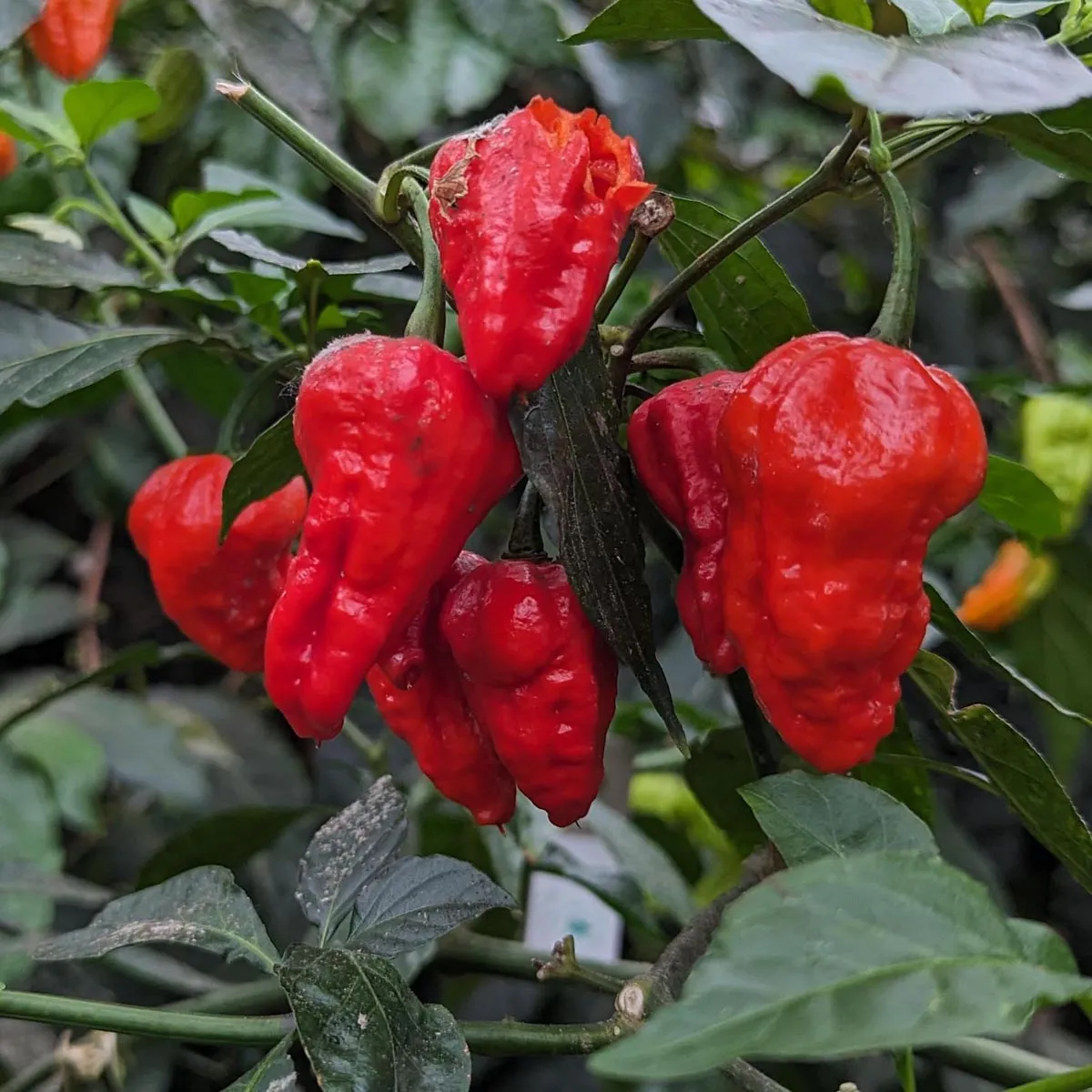
Imagine experiencing the unmistakable flavour of a habanero without setting your tongue ablaze – that’s precisely what the 'Habanada' offers. This unique chilli variety combines the fruity and smoky aroma of a classic habanero with a mildness that everyone can enjoy.
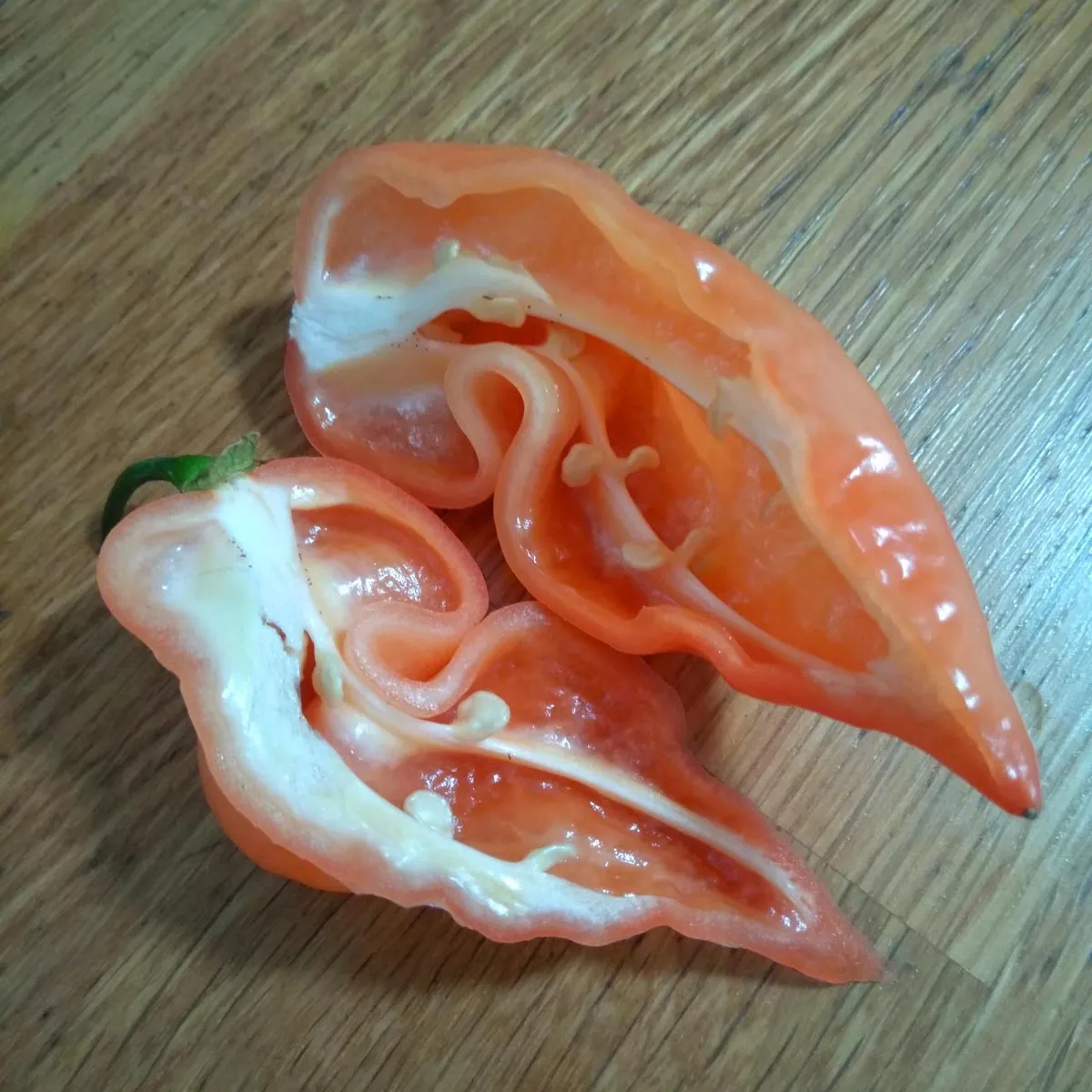
With its vibrant orange, thin-walled fruits, the 'Habanada' is not only a delight for the palate but also a striking feature in any garden or balcony. The plants remain pleasantly compact at 70–100 cm, making them ideal for smaller garden beds or large pots. Originally native to Central and South America, this chilli has quickly become a favourite among gardening enthusiasts and food connoisseurs who appreciate the extraordinary.
The fruits of the 'Habanada' are incredibly versatile in the kitchen. Their intense aroma adds a fruity, subtly smoky touch to dishes – all without any heat. Here are some ideas for how to use them:
- Fresh: The 'Habanada' can be eaten raw straight after harvesting, adding a unique touch to salads, salsas, or as a topping for sandwiches. Its mild flavour pairs beautifully with fresh herbs and a hint of acidity.
- Drying and Pulverising: Thanks to its thin skin, the fruit is easy to dry. Once ground into a powder, it becomes an excellent spice for soups, stews, or marinades.
- Sauces and Chutneys: The 'Habanada' adds depth and a distinctive sweetness to homemade chilli sauces, ketchup alternatives, or exotic chutneys.
- Roasting and Grilling: A light roasting process enhances the fruit’s fruity notes. Try them as a side dish with grilled vegetables or meat, or purée them into a creamy dip.
- Pickling: The fruits are perfect for pickling in vinegar, oil, or a sweet-and-sour marinade, making a fantastic antipasti option.
Plant profile
| Use | Container plant, Edible plant, Herb/spice plant |
|---|---|
| Lifecycle | Annual, Perennial |
| Species | Solanaceae |
| Seed propagation | Conventional production |
| Region of origin | Brazil, South America |
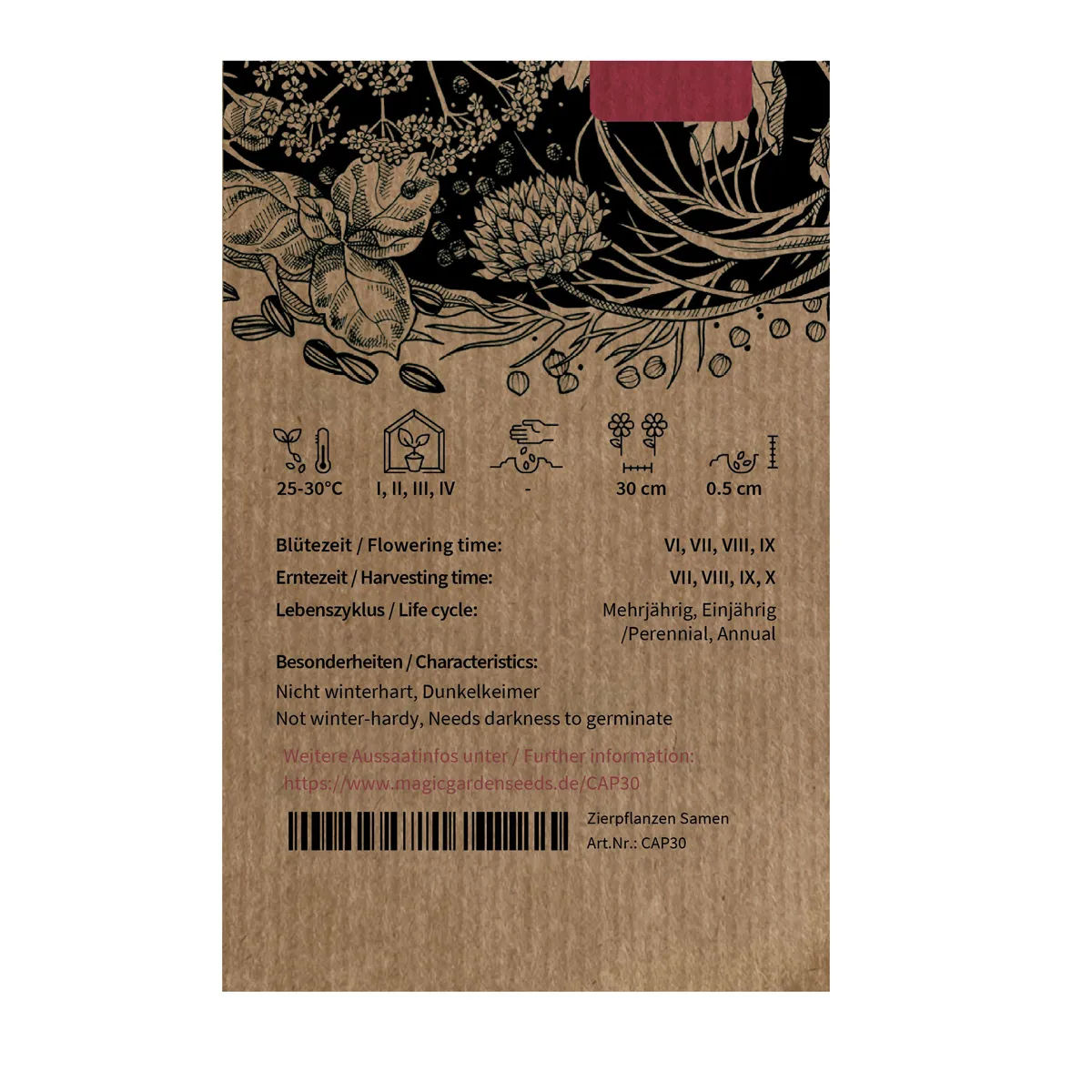
| Characteristics | Needs darkness to germinate, Not winter-hardy |
| Eventual height | 40-80 cm |
| Flower colour | Yellow |
| Flowering months | August, July, June, September |
| Main harvest | August, July, October, September |
| Fruit colour | Rosa, Rot |
| Fruit form | flachrund, glatt, rund |
| Root system | Heart roots |
Growing instructions
| Sowing depth | 0.5 cm |
|---|---|
| Germination temperature | 25-30°C |
| Germination time | 1-2 weeks |
| Climate | Temperate |
| Sunlight | Full sun |
| Water requirement | High |
| Planting distance | 30 cm |
| Good companion plants | Beans, Knoblauch, Lettuce, Marigold, Nasturtium |
| Bad companion plants | Celeriac, Cucumber, Peas, Potatoes, Tomatoes |
Sowing and care
- Aussaatzeit: Mitte Januar/ Ende Februar drinnen bzw 8-10 Wochen vor den letzten Frösten
- Optimale Keimtemperatur: +25-28°C, heller und warmer Standort ist absolut notwendig
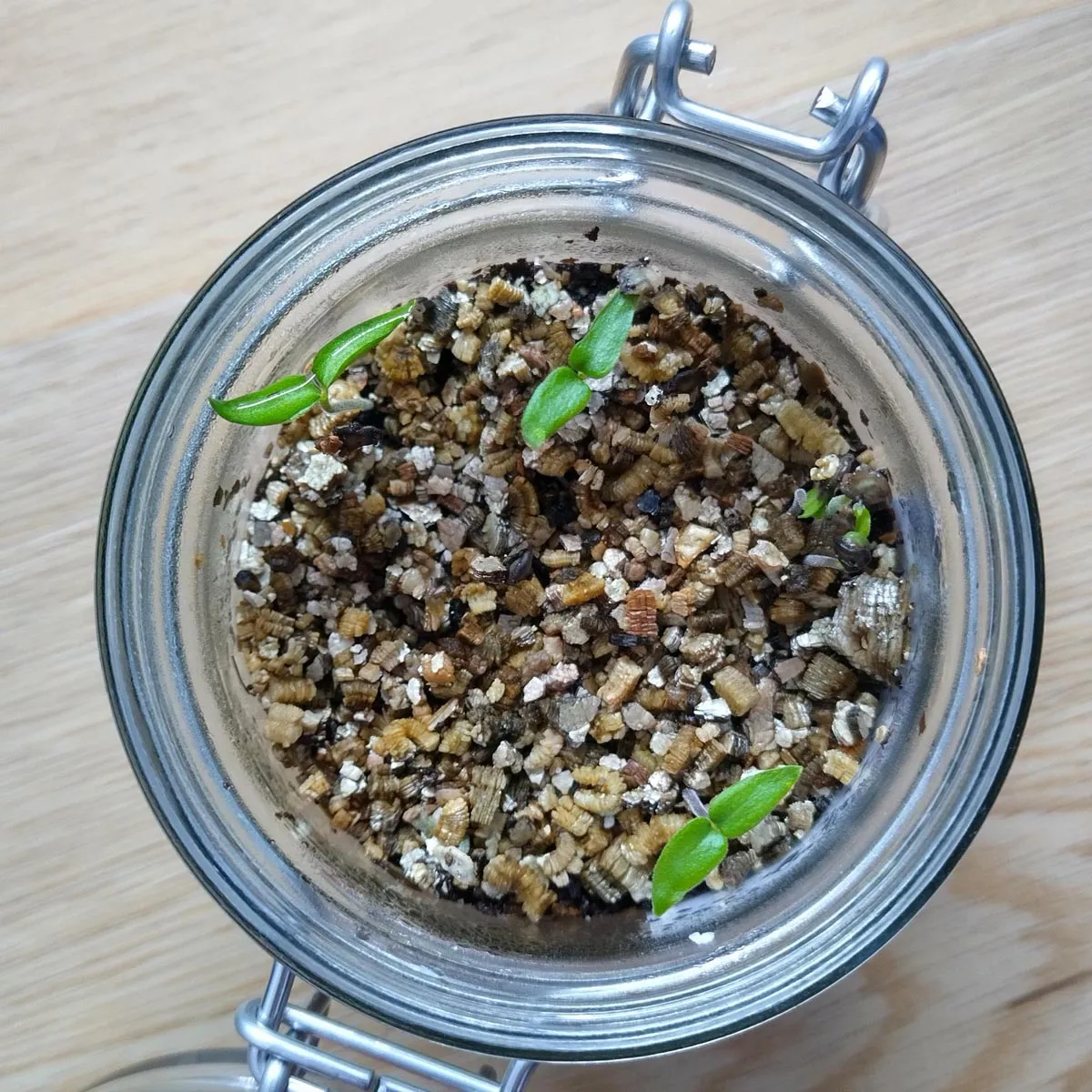
- Keimdauer: bis zu 2 Wochen. Nach dem Keimen die Pflanzen wieder kühler stellen bei ca. +20°C
- 2-3 Wochen nach der Aussaat die Pflanzen pikieren, wenn sich das erste Blattpaar voll ausgebildet hat. Dabei sollten die Wurzeln eingekürzt werden, um ein gesundes Wurzelwachstum anzuregen.
- Auspflanzen ab Mitte Mai bis Anfang Juni nach den letzten Nachtfrösten. Zuvor sollten die Pflanzen einige Tage abgehärtet werden. Angießen nicht vergessen.
- Paprika brauchen gut gelockerte, durchlässige Böden mit einem hohen Humusanteil. Sie mögen keine Staunässe, sollten jedoch nie ganz austrocknen.
- Paprikapflanzen lieben Wärme und gedeihen am besten im Gewächshaus. Das heißt nicht, dass es unmöglich ist, sie draußen wachsen zu lassen. Wählen Sie aber den wärmsten und geschütztesten Platz in Ihrem Garten, um Paprikas zu züchten oder denken Sie bei Bedarf an einen Schutzvlies.
- Paprikas sind Starkzehrer. Sie brauchen ausreichend guten Dünger und tatsächlich sehr viel Wasser
Nicht zu dicht neben scharfe Sorten stellen, da sich Paprikas und Chilis leicht verkreuzen.
Other names
Botanical name: Capsicum chinense
Reviews
Login
No reviews yet. Will you write the first one?