Ethnobotany explained – why plants were never “just plants” for humans
Ethnobotany & Magical Plants

Ethnobotany sees plants not just as useful objects but as humanity’s companions – as food, medicine, fragrance, protection, symbol and memory.
Today’s gardeners are often seeking more than just crops or beautiful flowers. Many people long for a more mindful and living relationship with nature. This is where ethnobotany comes in: it sees plants not as objects to be used but as humanity’s companions – as food, medicine, fragrance, protection, symbol and memory.
Our stories, rituals and knowledge around plants have evolved and been passed down through the centuries. Some plants we now call “medicinal” plants – others are “ritual” plants, and others still are “magical” plants. All of these terms point towards the intrinsic wonder of plants, which have never been just “greenery” in human cultures but always full of meaning.
Ethnobotany: plant knowledge in everyday life and human culture
Ethnobotany is the science of the relationships between humans and plants. It explores not only which plants are used but also how how people collect them, grow them, name them, process them and incorporate them in their everyday lives.
This covers far more than pure botany. It also covers medicinal practices, seasonings, dye plants, customs and rituals, ancient culinary traditions and the myths that have evolved around particular plants through the generations.
Which might sound like it’s all about research, archives and botanical collections. But in fact ethnobotany starts right at your own garden door. Because as soon as you ask yourself why mugwort was historically seen as a protective herb, why sage is a natural part of so many gardens, or why particular herbs are gathered for specific holidays or festivities – you’re looking at plants from an ethnobotanical perspective.
Ethnobotany – a quick definition
Ethnobotany explores how humans use plants in different cultures, how they interpret them and incorporate them in their lives – as food, medicine, perfume, raw material, ritual plant or symbol.
When a bed or border can do more than just look good
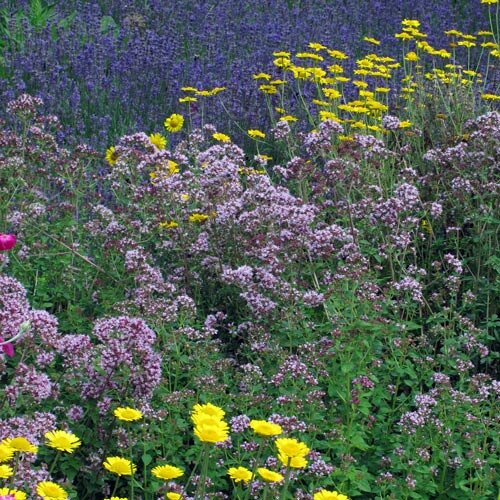
It’s something you might have experienced in your own garden: a bed with chives, parsley and basil is practical. A bed with sage, St John’s wort, mugwort and marigold also tells a story. Suddenly it’s not just about their uses but about traditional wisdom and customs, about fragrance, season and memory.
This is precisely what makes the ethnobotanical perspective so special. Plants become the carriers of experience. A sage is not just a kitchen herb but a plant with a long tradition in cooking, home apothecaries and garden culture. St John’s wort stands for midsummer, light and ancient customs. Mugwort in many traditions means protection, cleansing and threshold moments. And marigold combines beauty with healing power and cottage-garden wisdom.
This changes the way we look at our gardens. A bed becomes not just decorative or useful but also tells a story. It shows that plants don’t just grow – they carry meaning with them.
When we grow plants we grow our plant knowledge, too
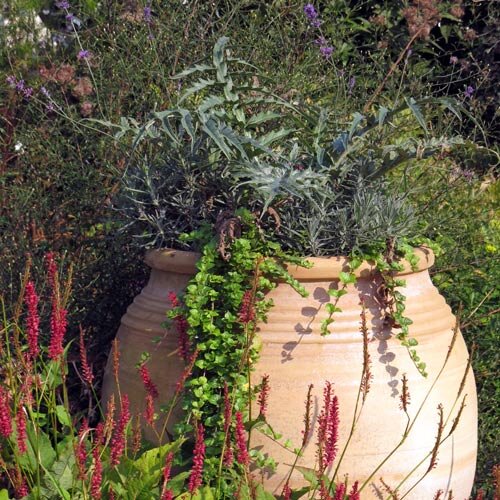
Ethnobotany comes to life when it’s real not abstract. A few very simple examples show its intimate connection with everyday gardening. Imagine a little row of herbs around the edge of a bed or border, with sage, hyssop and thyme growing in it. Even this little snippet of a garden combines culinary practice, fragrance, insect-friendly planting and centuries-old herbal wisdom.
Or you’re planting a summer bed with marigold, borage and dill. The result is not just visually attractive, but a planted space combining food, food for pollinators, folklore and the happiness that comes from gardening. A pot garden on a balcony can be ethnobotanical, too – one pot with tulsi, one with shiso and one with lemon balm, and you’ve got something that’s not just edible but a living micro-mosaic of cultural history, fragrance and everyday wisdom.
You don’t need a big garden to take an ethnobotanical perspective. It starts with paying attention. With asking yourself why a particular plant was valued in the past. With wondering at how an unremarkable-looking herb on the edge of your border can have a centuries-old story to tell.
Three simple ideas for small-scale ethnobotanical plantings:
- Home apothecary bed: Sage, marigold and chamomile
- Customs & traditions bed: St John’s wort, mugwort and yarrow
- Culinary culture bed: Dill, fennel and coriander
With just three to five plants you can create a bed that not only looks beautiful but combines plant lore, fragrance, usefulness and history.
Why ethnobotany matters today
In today’s world many people are seeking to live in a way that’s closer to nature – they want to be more conscious consumers, seeing their own garden as more than just a decorative surface. Ethnobotany is the perfect answer here. It helps us to see plants not just in terms of performance and function but as part of a living relationship between humans and the natural world.
And ethnobotany speaks in a very special way to home gardeners. You see plants differently when you’ve sown and grown them yourself. If you’ve accompanied St John’s wort, fennel or mugwort from germination through to flowering you develop a different relationship to the plants than from reading their names in a book.
Your garden becomes a place of learning – not school-type learning but practical learning. It invites you to observe more slowly, to see connections, and to choose plants not just for their yields but also for their origin, use and cultural meaning.
A good start: get small, real, curious
Perhaps the best thing about ethnobotany is that it doesn’t need a perfect plan. You can start small – with three plants that speak to you and have stories to tell. Sage for cooking and herbal knowledge. St John’s wort for summer, for symbolising light and ancient healing traditions. Mugwort for fragrance, for ideas of protection, for its strong presence in the garden.
Or you could start with just one pot on your balcony – ethnobotany can grow here, too: with a plant that reminds you of childhood, of an old home remedy, of a journey, of a particular cooking tradition or a fragrance from your grandparents’ garden.
In other words ethnobotany isn’t theoretical – but real, something you can smell, care for, harvest and remember.
Plants as relationship not just resource
This is perhaps the real heart of the matter: ethnobotany reminds us that plants never were “just plants” for humans. They were food and medicine, but also signs, companions, protectors, dyers, seasoning, ritual plants and bearers of stories.
Someone who gardens ethnobotanically doesn’t simply get more plants and put them in a bed. They create spaces for meaning. And today perhaps this is especially valuable – that we consider plants again in a slower way. Not just as crops or ornaments but as part of an evolved and evolving relationship between nature, culture and the everyday.
Because sometimes a deeper relationship to the plant world doesn’t begin with a big insight – but with a very simple question in a garden:
What’s growing here – and what kinds of things has this plant meant for people before now?
Your plant story
Which plant in your garden is more than just a plant for you? We’d love to hear about your stories, special fragrances, memories and meaningful plants in the comments.