Red Yarrow 'Cerise Queen' (Achillea millefolium) Seeds
- Bright cherry-red flower heads - hardy native perennial for sunny and natural-style borders.
- Open-pollinated seeds - seed packet with approx. 1300 seeds.
- Extremely insect-friendly, drought-tolerant and low-maintenance - ideal for wildlife gardens and cottage gardens.
€2.59
Description
Cherry-red clouds of flowers, long flowering period and a magnet for bees
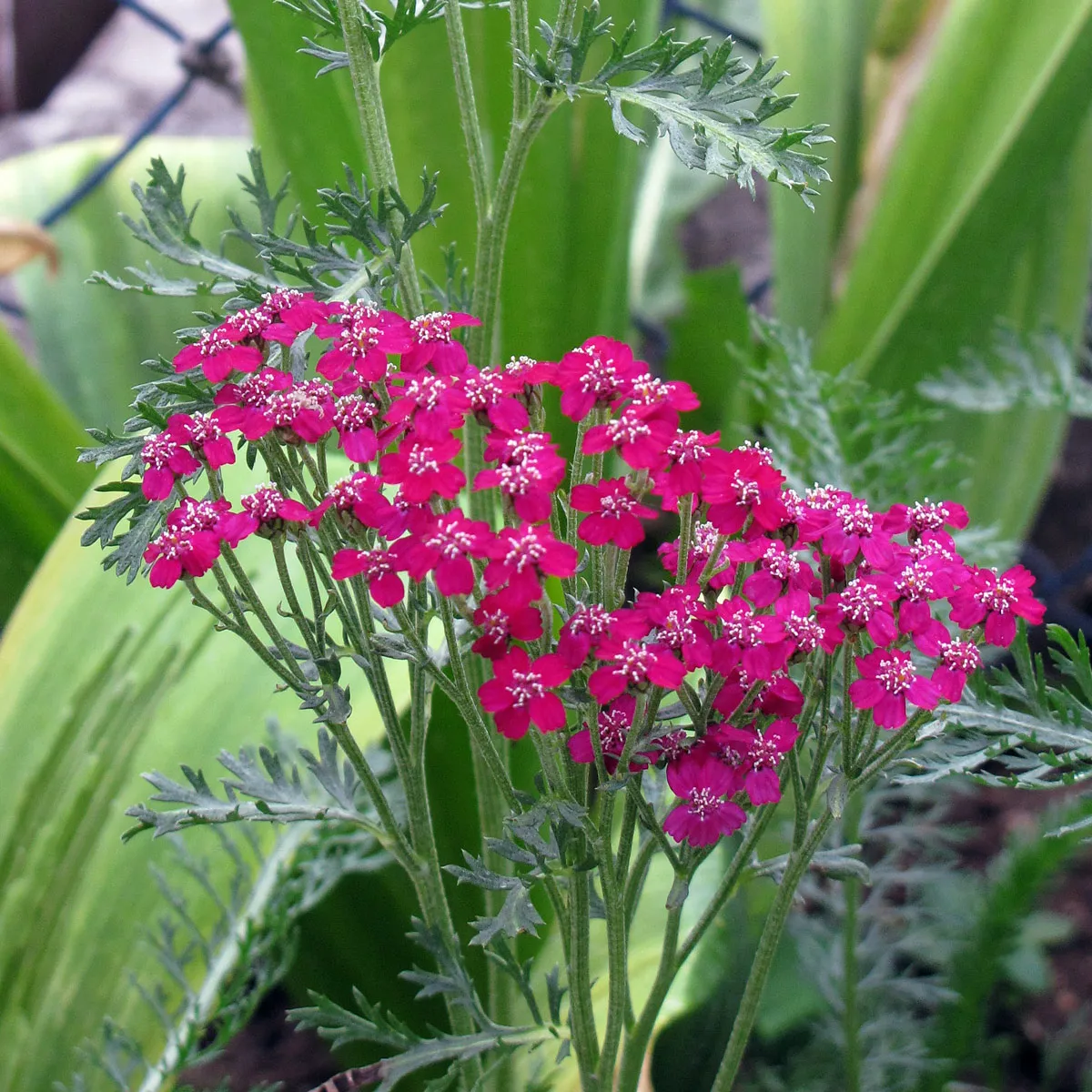
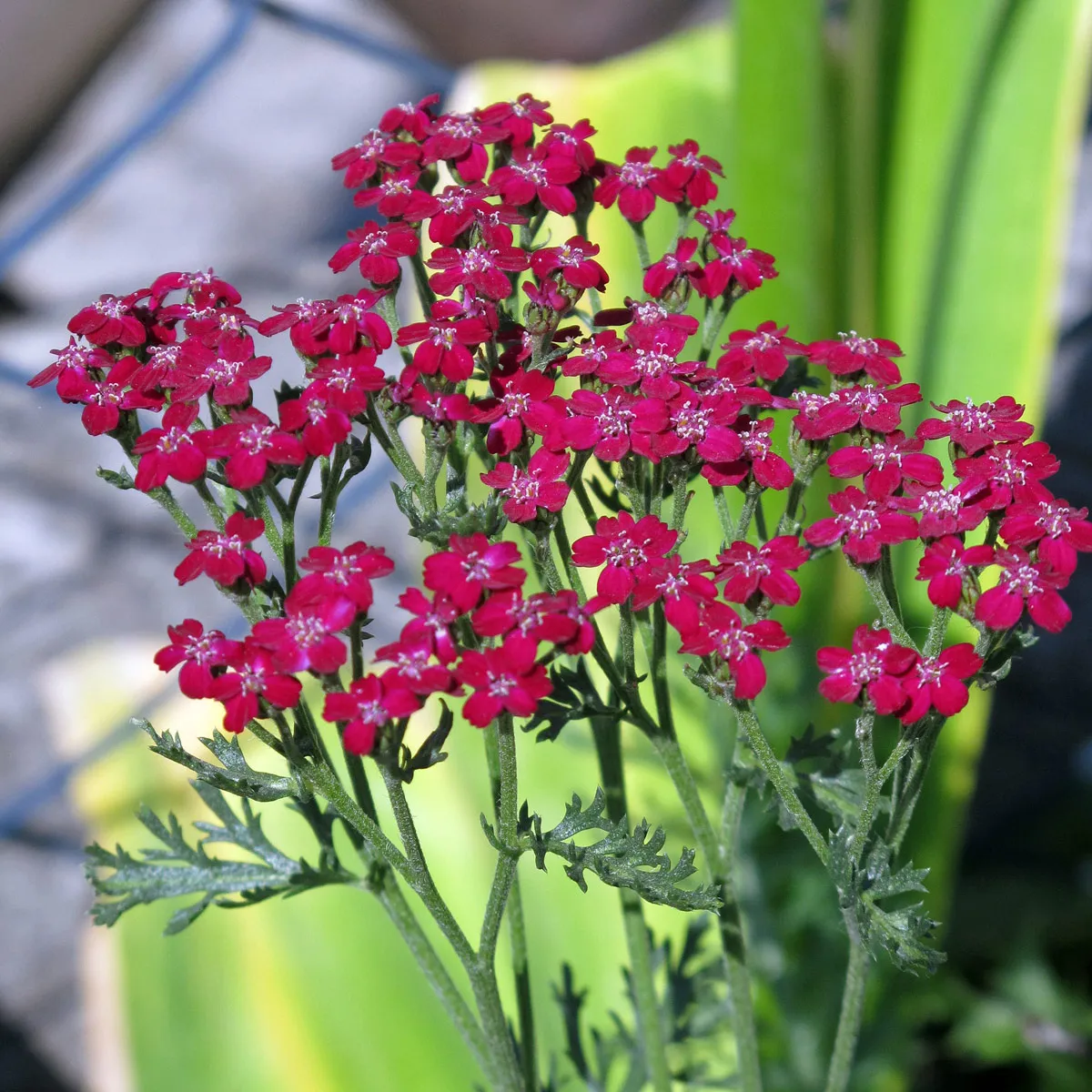
Red yarrow 'Cerise Queen' is a richly flowering, robust selection of the native Achillea millefolium. Its intensely cherry-red to purplish-pink flower heads shine from afar and add vibrant colour accents to herbaceous borders, wildlife gardens and cottage gardens. With a height of usually 60 to 70 cm, it remains noticeably more compact than many taller Achillea species and is ideal for the middle of the border.
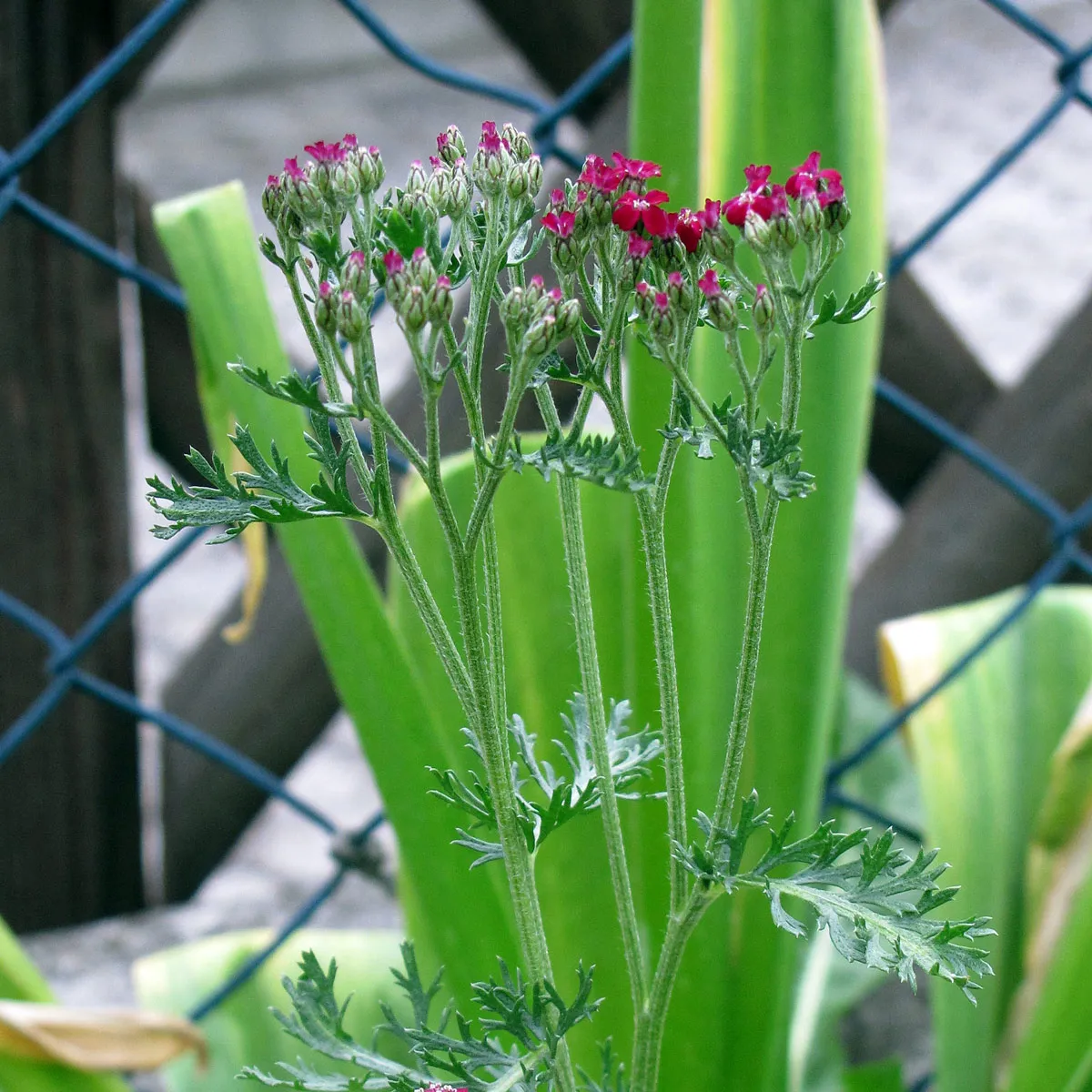
Typical of the species is the finely divided, delicate foliage that fully lives up to the name 'millefolium' - thousand-leaved. Over time, the variety forms cushion-like clumps and spreads moderately by short runners. From June to August, and often with a second flush in late summer after cutting back, the flat flower heads appear in strong red, later softening into lighter pink shades. This gentle colour transition gives the planting a particularly lively appearance.
As a native wild perennial, yarrow is perfectly adapted to our climate and fully hardy. Its flowers are a strong insect magnet and are intensively visited by bees, bumblebees, hoverflies and butterflies. With a history: the genus name Achillea refers to Achilles, who according to legend used the plant for wound healing. Even today, Achillea millefolium is known as a traditional medicinal plant.
In borders, 'Cerise Queen' combines beautifully with blue or violet flowering perennials such as Salvia, Nepeta or Lavandula. Ornamental grasses add lightness, while white or yellow summer flowers create striking contrasts. The result is an easy-care, insect-friendly summer border with a natural character.
Plant profile
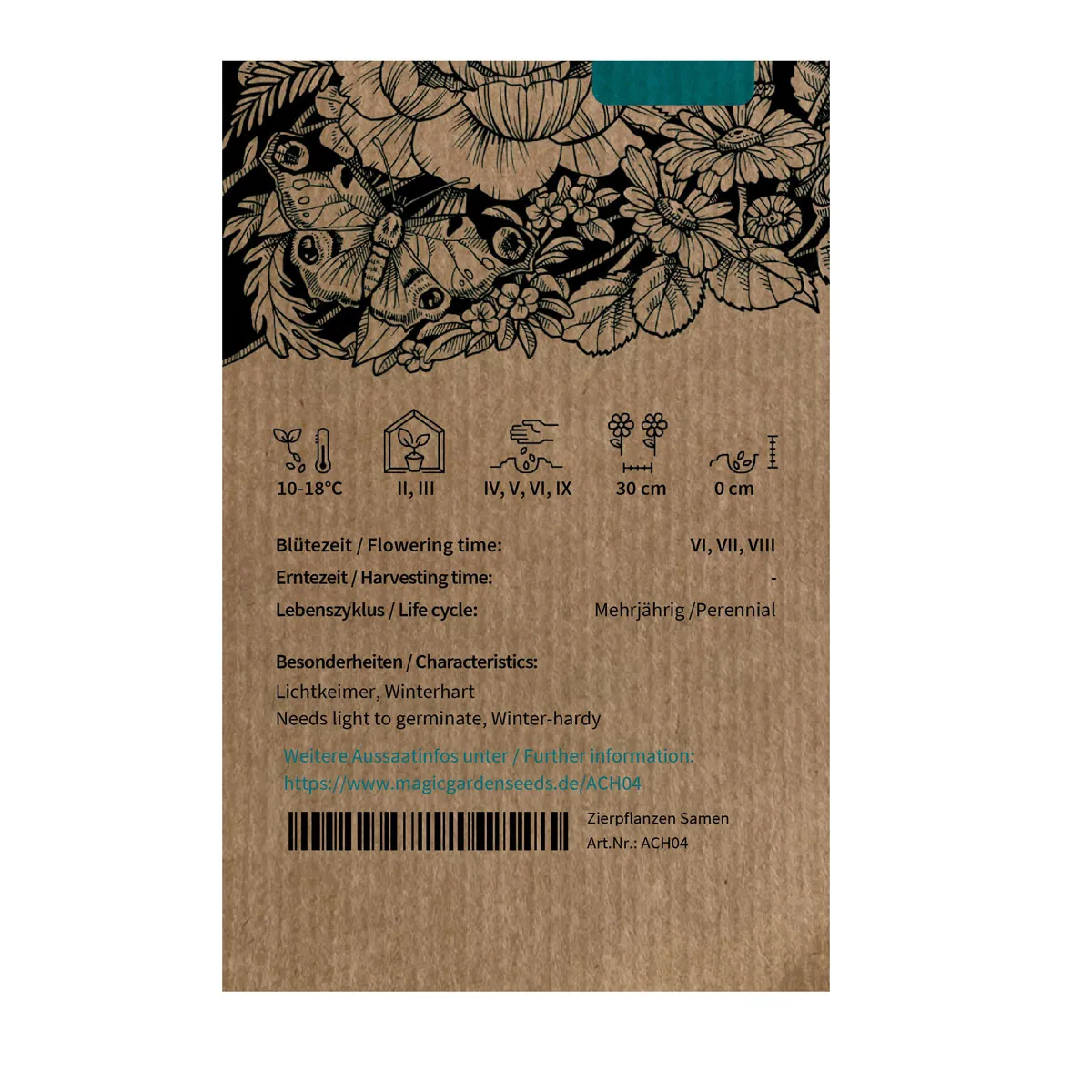
| Plant type | Herbaceous plant, Wildflower |
|---|---|
| Use | Cut flower, Good insect food plant, Medicinal plant, Ornamental plant |
| Lifecycle | Perennial |
| Species | Asteraceae |
| Seed propagation | Conventional production |
| Region of origin | Europe |
| Characteristics | Drought tolerant, Food for bees, Forms runners, Needs light to germinate, Winter-hardy |
| Eventual height | 40-80 cm |
| Flower colour | Purple, Red, Rosa |
| Flowering months | August, July, June |
| Root system | Runners, Shallow roots |
| Winter hardiness zones | 4 (-34 bis -30 °C) |
Growing instructions
| When to sow outdoors | April, June, May, September |
|---|---|
| Sowing depth | 0 cm |
| Germination temperature | 10-18°C |
| Germination time | 2-3 weeks |
| Climate | Temperate |
| Soil type | Dry, Free-draining, Fresh, Humus-rich, Moderate nutrient levels |
| Sunlight | Full sun |
| Water requirement | Low |
| Planting distance | 30 cm |
Sowing and care
Sowing & Care of Red Yarrow 'Cerise Queen'
Sowing can be carried out as an early start indoors from February to March or as direct sowing from April onwards. Autumn sowing from September is also possible, with the young plants overwintering at a small size. Red yarrow requires light for germination and the seeds should only be gently pressed onto the surface or very lightly covered with a fine layer of substrate. At optimal temperatures of 10 to 20 °C, germination usually takes place within 10 to 20 days. After germination, grow on in a bright and rather cool position and keep moderately moist. Prick out seedlings once they have developed one to two pairs of true leaves and plant outdoors after hardening off.
In the garden, this perennial prefers full sun but also tolerates light partial shade. It thrives in well-drained, humus-rich to moderately fertile soils and, once established, copes well with drought. Waterlogging should be avoided. Cutting back after the first flowering in July encourages a second flush in late summer. Dividing the plants every two to four years is recommended to rejuvenate them and control their spread.
Other names
Botanical name: Achillea millefolium
German: Schafgarbe, Gemeine Schafgarbe, Gewöhnliche Schafgarbe
English: common yarrow, milfoil, yarrow
French: achillée millefeuille, millefeuille
Italian: millefoglio
Spanish: milenrama
Dutch: duizendblad
Login