Yellow Monkshood (Aconitum anthora) seeds
- Rare, pale yellow flowering monkshood species from alpine regions with particular botanical and cultural historical significance.
- Open pollinated seeds - seed packet with approx. 20 seeds.
- Perennial, hardy herbaceous plant for rock gardens and naturalistic plantings, well adapted to free draining sites.
€2.79
Description
Aconitum anthora - historical poisonous plant with pale yellow flowers
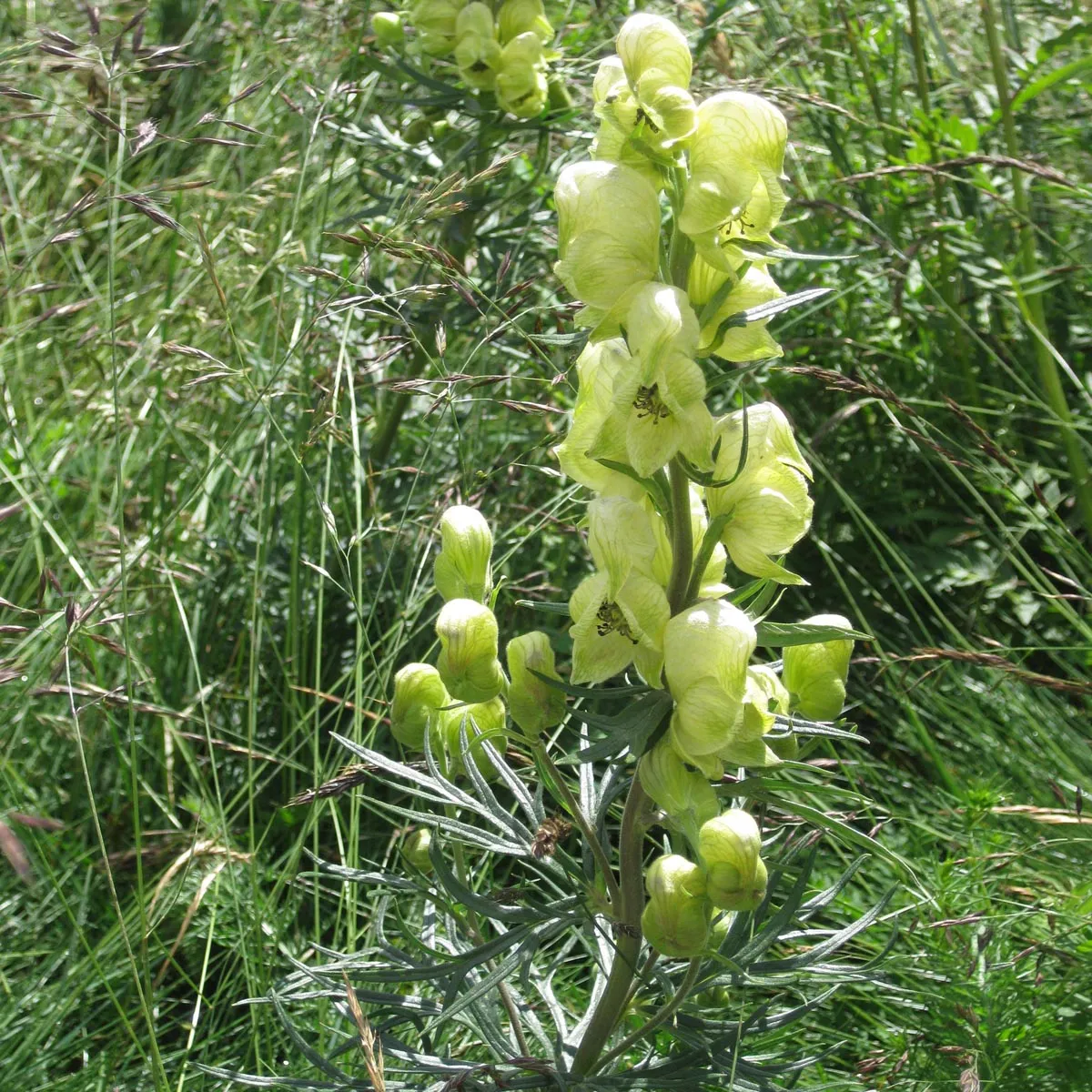
Yellow monkshood (Aconitum anthora) is a rare and botanically fascinating perennial from the limestone Alps and the Carpathians. Unlike the more familiar blue flowering species, this monkshood bears delicate, pale yellow flowers in loose, upright racemes, bringing an unusual shade of colour to the herbaceous border.
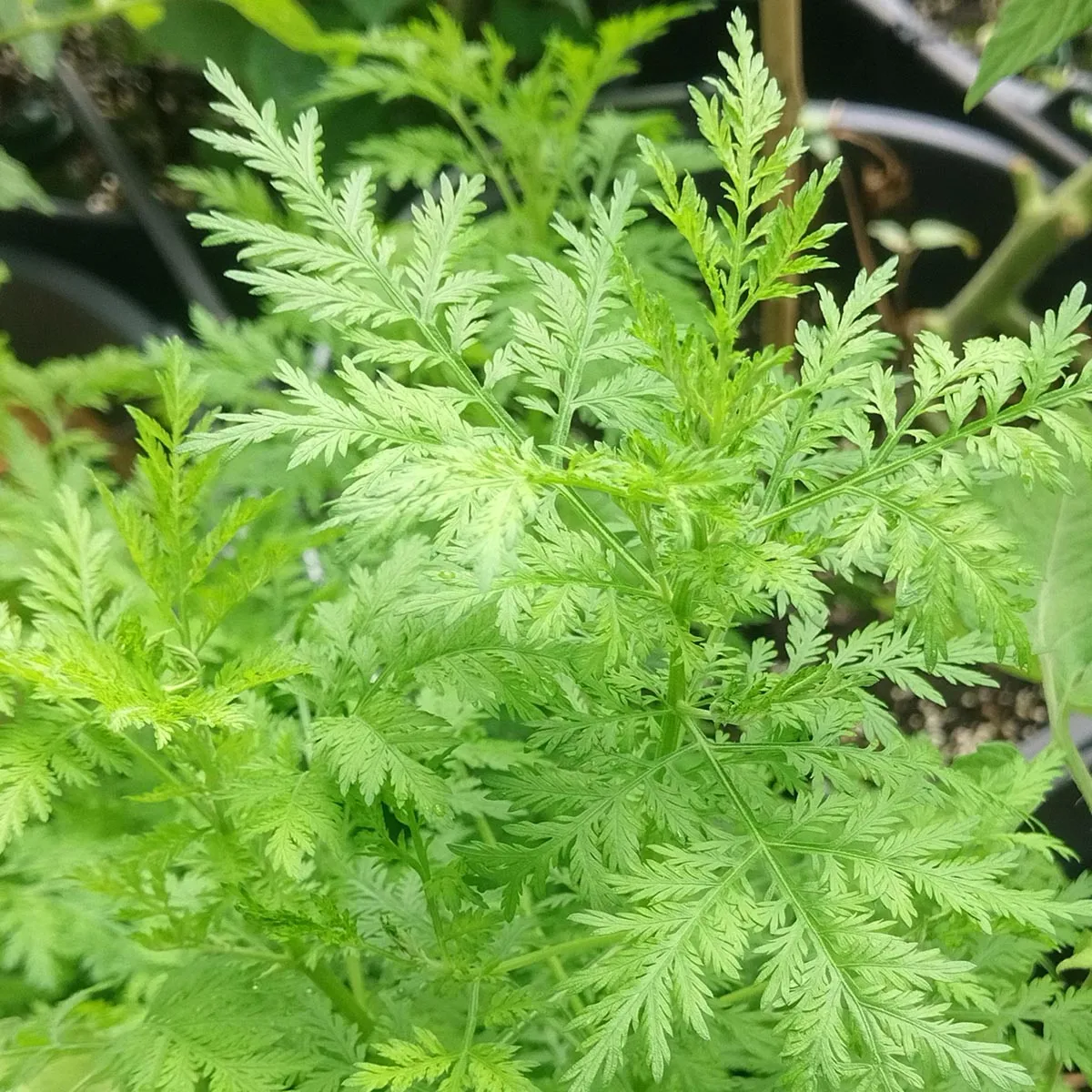
Typical of monkshoods are the characteristic helmet shaped flowers and the finely divided leaves, which have also given this species the name finely leaved monkshood. As a perennial plant, it reaches a height of around 40 to 70 cm and is particularly suitable for naturalistic plantings, alpine gardens and rock gardens with well drained, calcareous soil.
Yellow monkshood is a classic poisonous plant. All parts of the plant contain highly active alkaloids, and the poison of monkshood is among the strongest plant poisons in Europe. Even small quantities can be dangerous, so great care is always required when handling it.
Historically, Aconitum anthora was nevertheless revered as an 'antidote' plant, which is also reflected in its botanical name. This idea is now considered outdated, but it makes the plant a fascinating example of the close connection between medicinal and poisonous plants in European cultural history.
The flowers are visited by insects and contribute to ecological diversity in the garden. As an ornamental plant, yellow monkshood is particularly suitable for experienced gardeners with an interest in rare and unusual species.
Plant profile
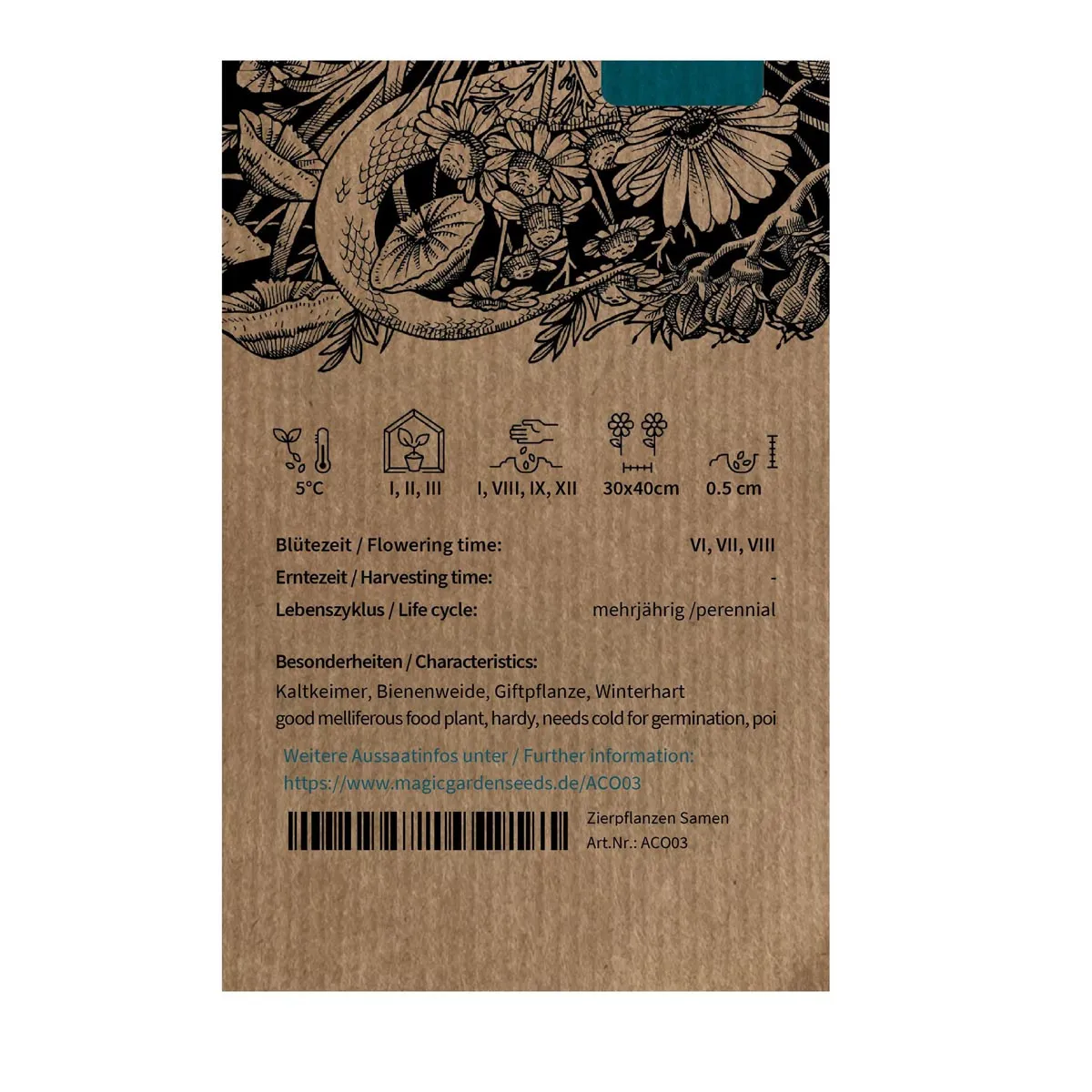
| Use | Medicinal plant, Ornamental plant |
|---|---|
| Lifecycle | Perennial |
| Species | Ranunculaceae |
| Characteristics | Food for bees, Needs cold to germinate, Poisonous plant, Winter-hardy |
| Eventual height | 30-150 cm |
| Flower colour | Yellow |
| Flowering months | August, July, June |
| Root system | Deep roots, Taproot |
| Winter hardiness zones | 5 (-30 bis -23 °C) |
Growing instructions
| When to sow outdoors | August, December, January, September |
|---|---|
| Sowing depth | 0.5 cm |
| Germination temperature | 3-5°C |
| Soil type | Chalky, Free-draining, Fresh |
| Sunlight | Full shadow, Full sun, Shade |
| Planting distance | 30 cm |
| Row spacing | 40 cm |
Sowing and care
Sowing & care of yellow monkshood
Yellow monkshood requires cold stratification for germination. It can be sown directly outdoors in autumn or early spring so that the seeds are exposed to natural temperature fluctuations.
For controlled pre cultivation, place the seeds with moist sand in a plastic bag. Keep this warm and moist at around 20 °C for 2 to 4 weeks. This is followed by a cold phase in the refrigerator at around 5 °C for 5 to 6 weeks. After that, keep the seeds at room temperature and check them regularly for germination.
Sow the seeds shallowly in a well drained substrate that is kept evenly moist. Germination may take several weeks and is often irregular.
The site should be sunny to partially shaded, with well drained soil that is preferably calcareous. Waterlogging must be avoided. The plants are hardy and develop into long lived perennials.
Always wear gloves when handling the plant, as all parts of it are highly poisonous.
Other names
Botanical name: Aconitum anthora
German: Gift-Eisenhut, Giftheil-Eisenhut, Blassgelber Eisenhut, Feinblatt-Eisenhut, Gegengift-Eisenhut, Herzwurz, Heilgift, Giel Sturmhott, Arabischer Zitwer
English: Yellow Monkshood, Healing Wolfsbane, Yellow Helmet Flower, Wholesome Wolf's Bane
French: Aconit anthore, Aconit vénéneux, Anthore, Maclou
Italian: Aconito antora
Login