Altweibersommer: a golden afterglow of summer
Seasons and Traditions
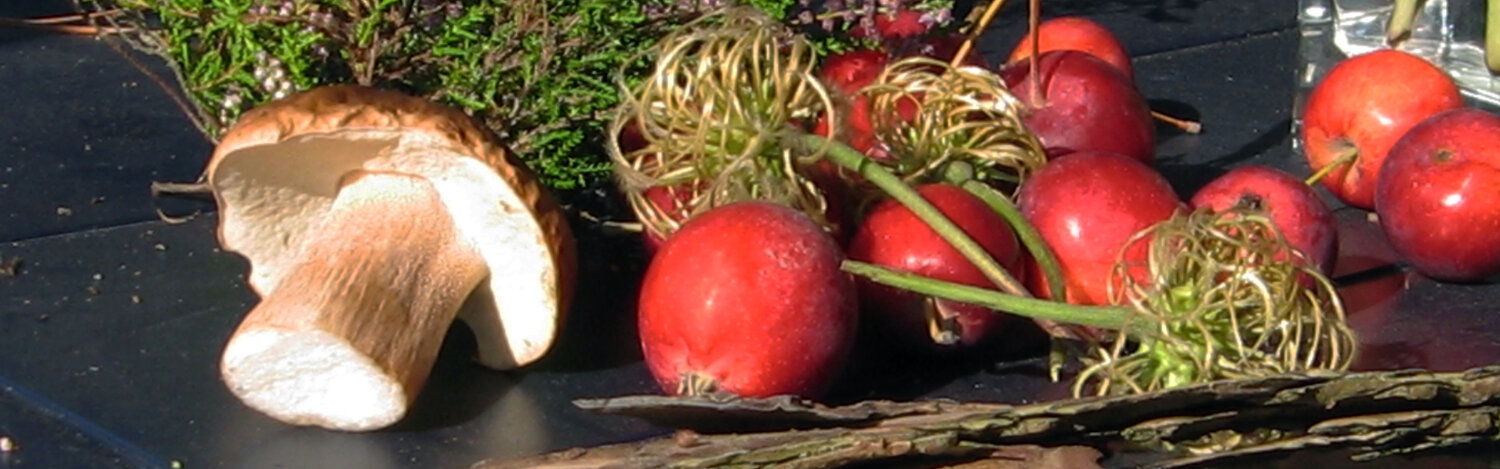
When the air shimmers in early autumn, silver threads of gossamer stretch across beds and hedges and the sun bathes the garden in a warm, soft light, then it is Altweibersommer.
A time between the seasons, full of farewell and abundance, light and quiet transience. For many gardeners, it is one of the loveliest phases of the gardening year.
But where does this peculiar term come from, and does it exist elsewhere in Europe too?
The origin of the term “Altweibersommer”
To modern ears, the term Altweibersommer can sometimes sound confusing or even derogatory. In fact, though, it comes from the Old High German word “weiben”, which means roughly “to spin”. It refers to the fine silken threads of young money spiders, which float through the air at this time of year and settle over the landscape, shimmering silver in the autumn sun. According to popular interpretation, they recall the “hairy” spinning of old women.
Linguistically, then, Altweibersommer does not go back to ageism, but to an old image for fine cobwebs in the air. Over the centuries, the word then took on a more poetic, atmospheric meaning, as a name for the golden late summer that settles between the end of summer and the start of autumn.
A weather phenomenon with cultural significance
Meteorologically, the Altweibersommer is a warm, dry spell of several days in early autumn, usually between mid-September and early October. During the day, temperatures often rise above 20 °C, the nights are already cool, and the sky is clear and a brilliant blue.
For nature, this means time to ripen, to bloom again and to scatter seeds. For gardeners, the Altweibersommer is ideal for harvesting, planting and enjoying. It is the phase in which the garden blooms once more, before fog, rain and frost take charge.
Autumn is the spring of winter.
– Henri de Toulouse-Lautrec
Altweibersommer in Europe: different names, same mood
Even though the term Altweibersommer is typically German, similar spells of weather are known in many parts of Europe, each with its own name and cultural background:
-
France: Été indien (“Indian Summer”), modelled on the North American counterpart
-
Great Britain & USA: Indian Summer, often associated with intense autumn colours
-
Italy: Estate di San Martino (“Summer of Saint Martin”), around 11 November
-
Spain: Veranillo de San Miguel (“little summer of Saint Michael”), around 29 September
-
Sweden: Brittsommar, named after the feast day of Saint Bridget (7 October)
-
Netherlands: Oudewijvenzomer, a direct equivalent of the German term, rarely used today
What they all share is the wish to name this last breath of summer, a small echo of growing and ripening, before the gardening year finally turns towards winter.
Flowers in the Altweibersommer
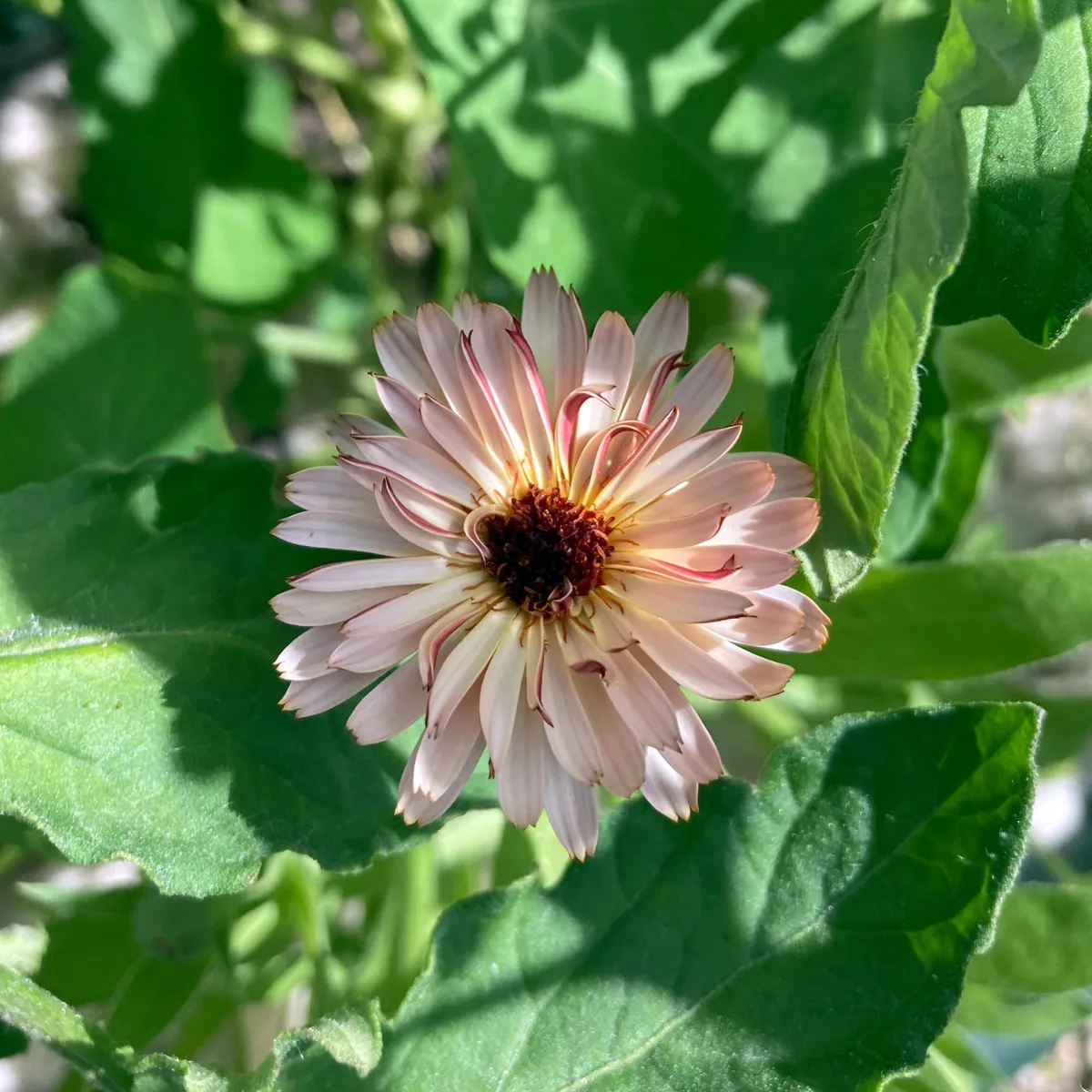
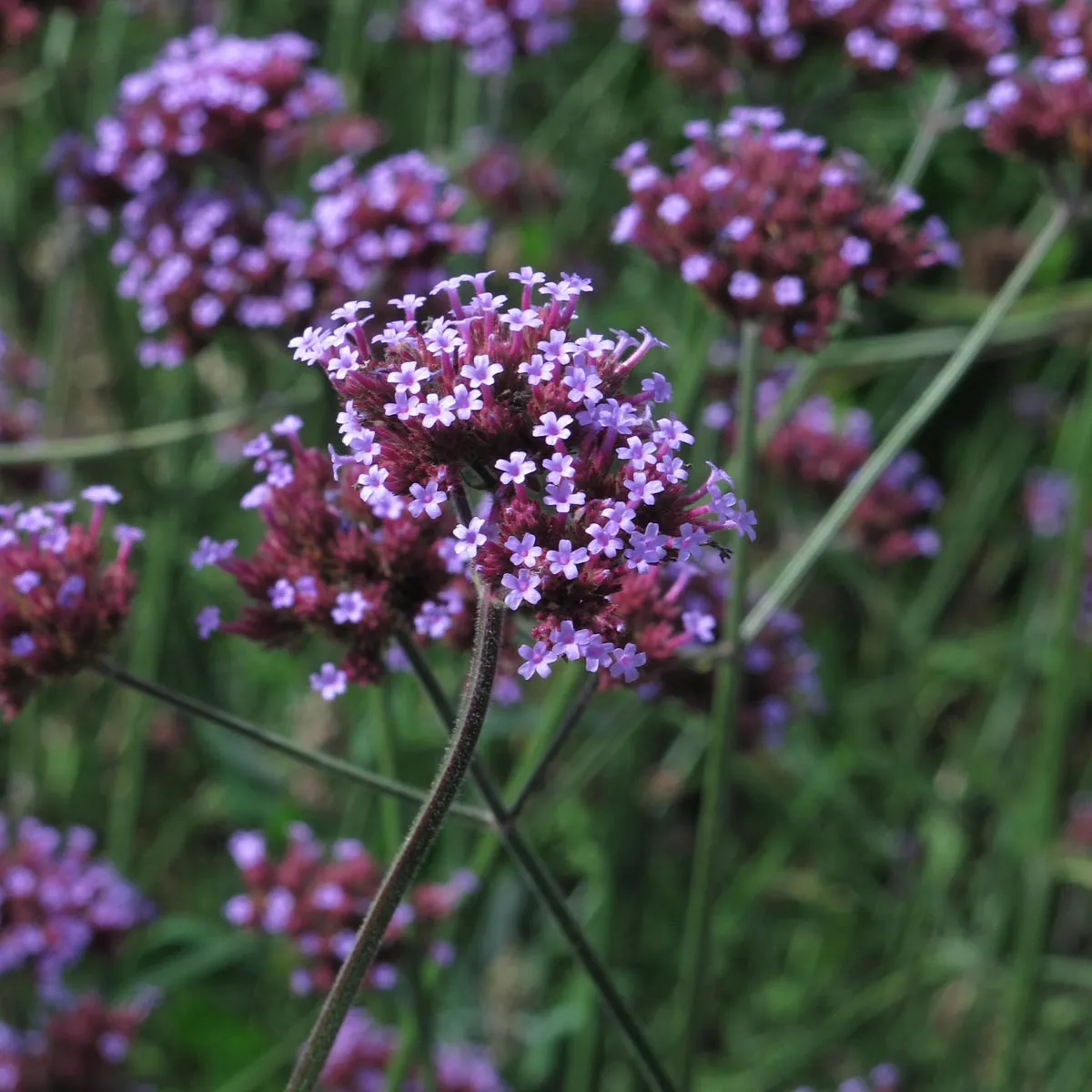
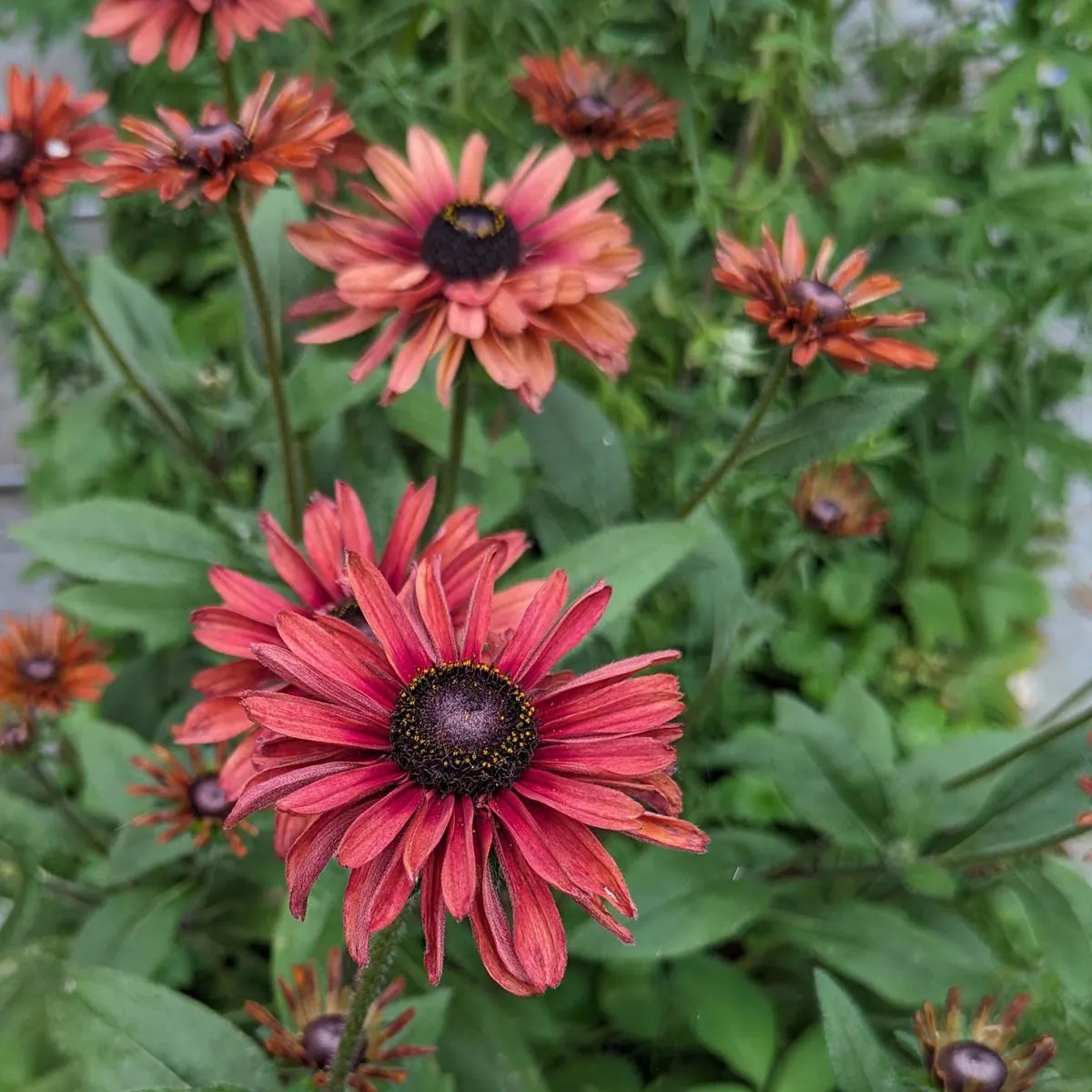
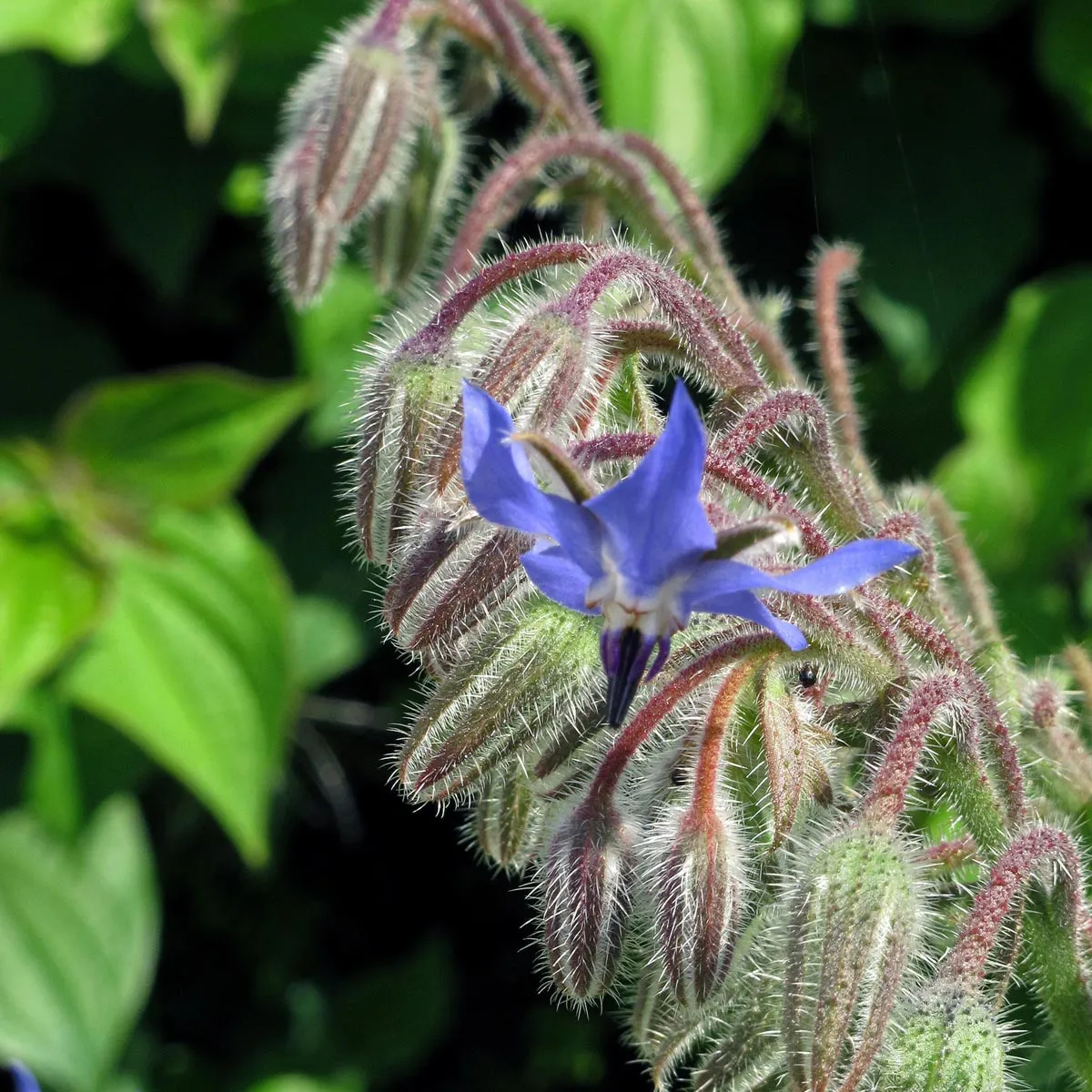
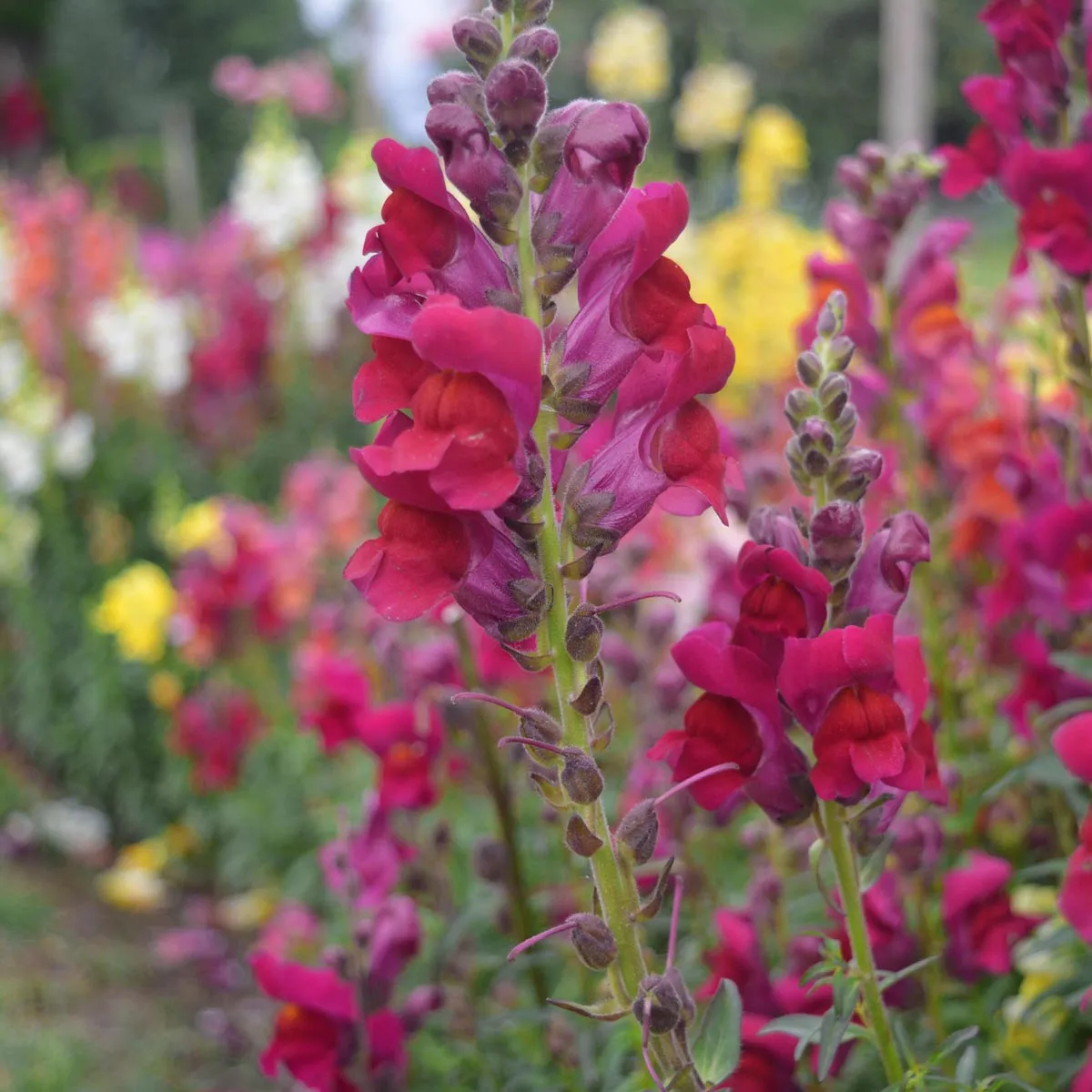
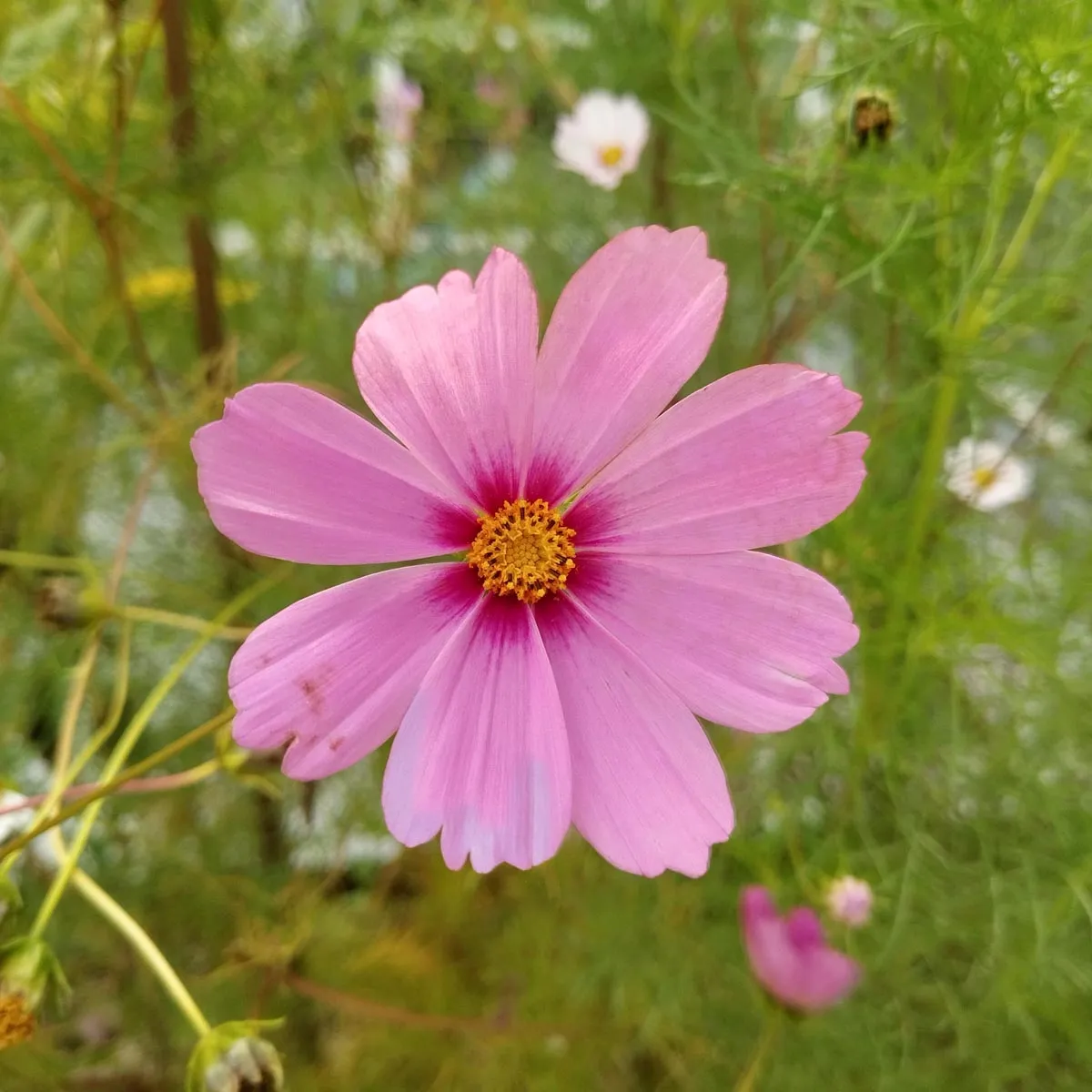
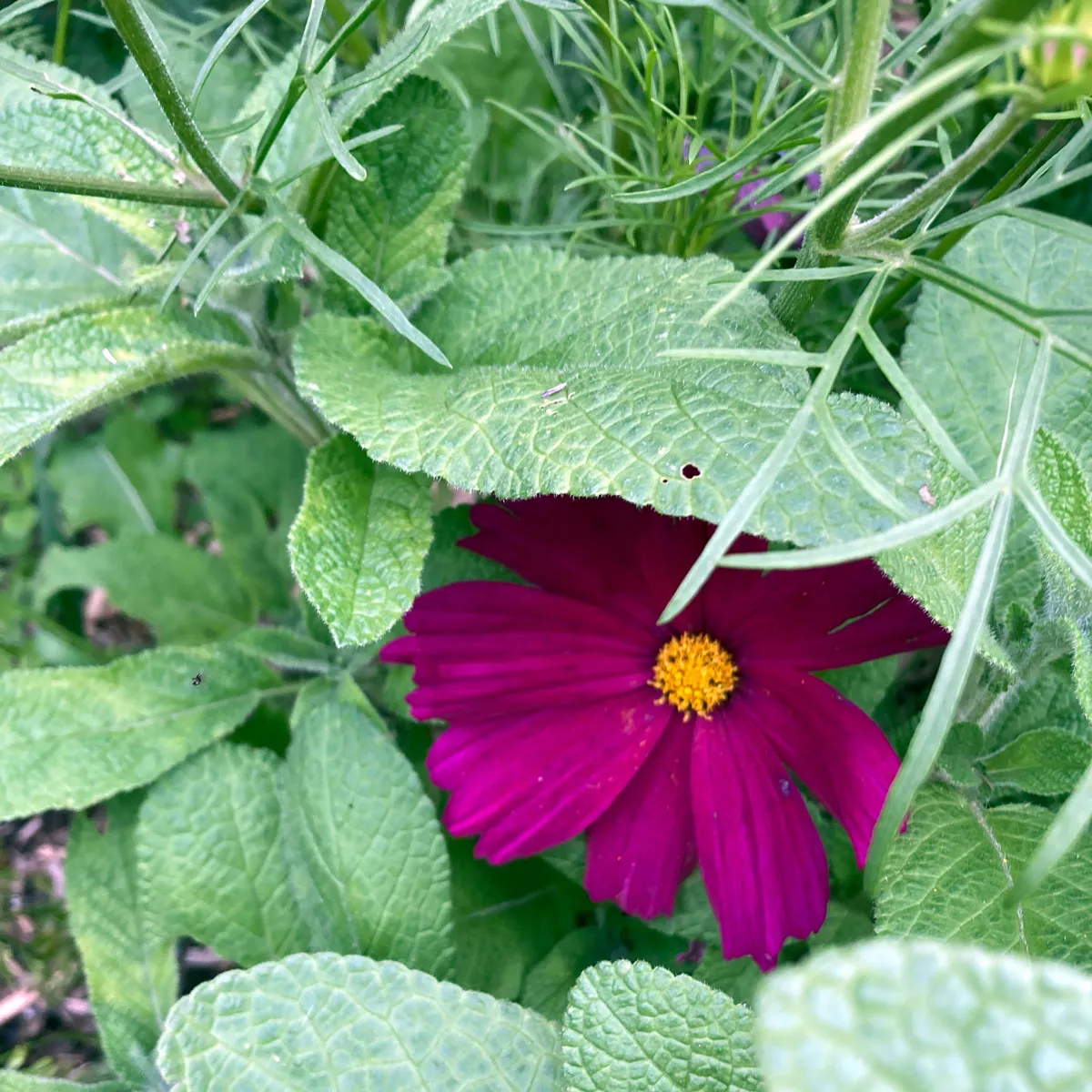
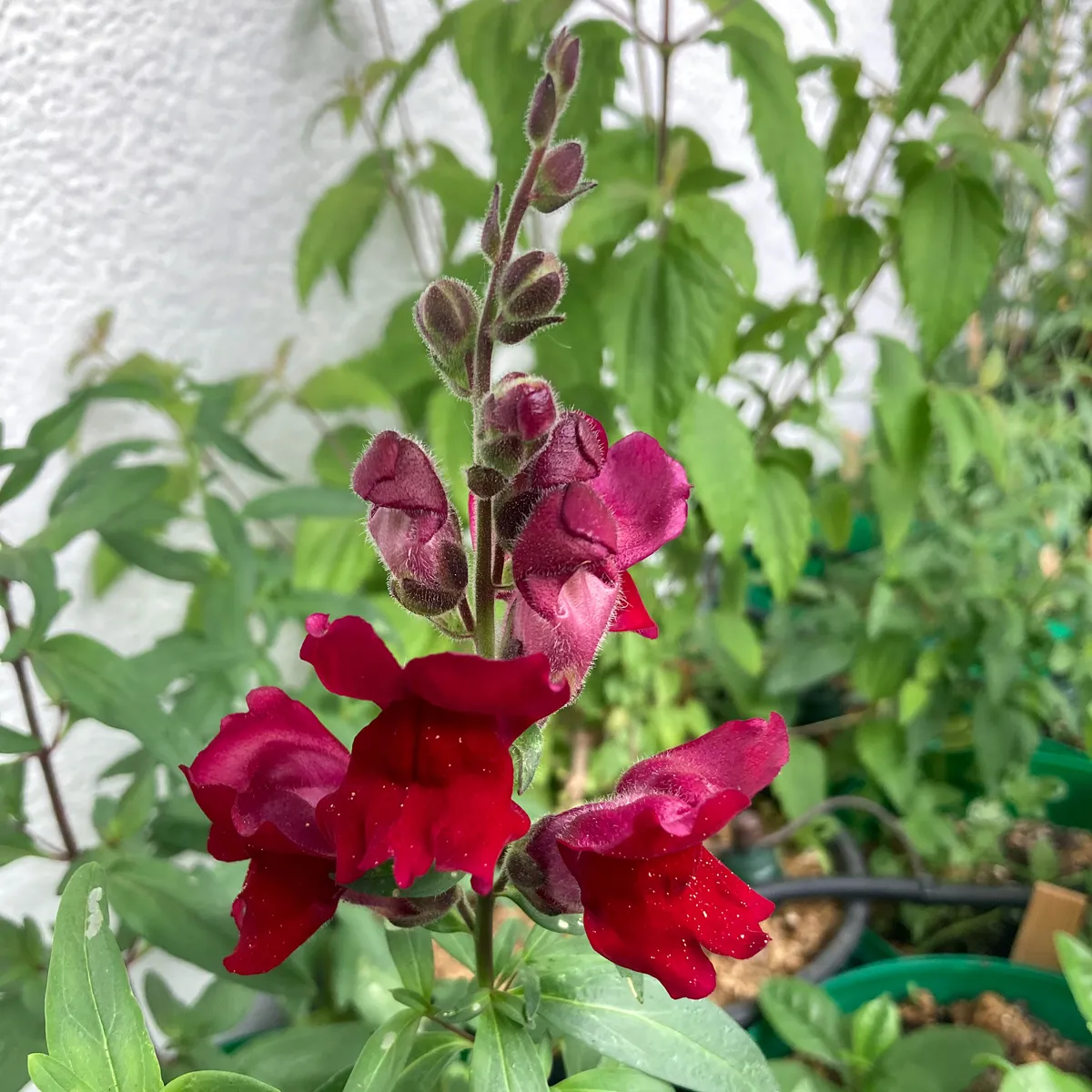
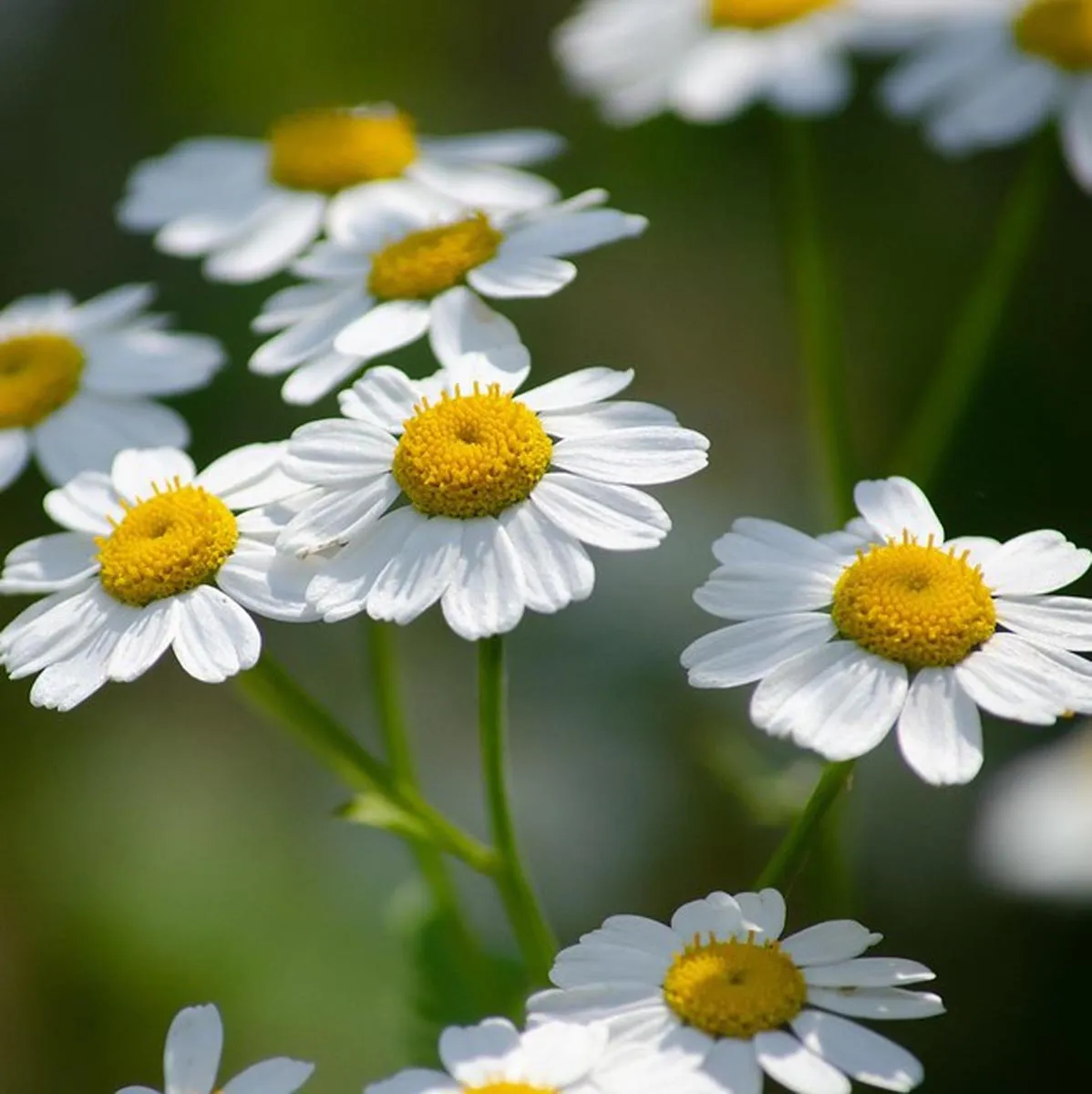
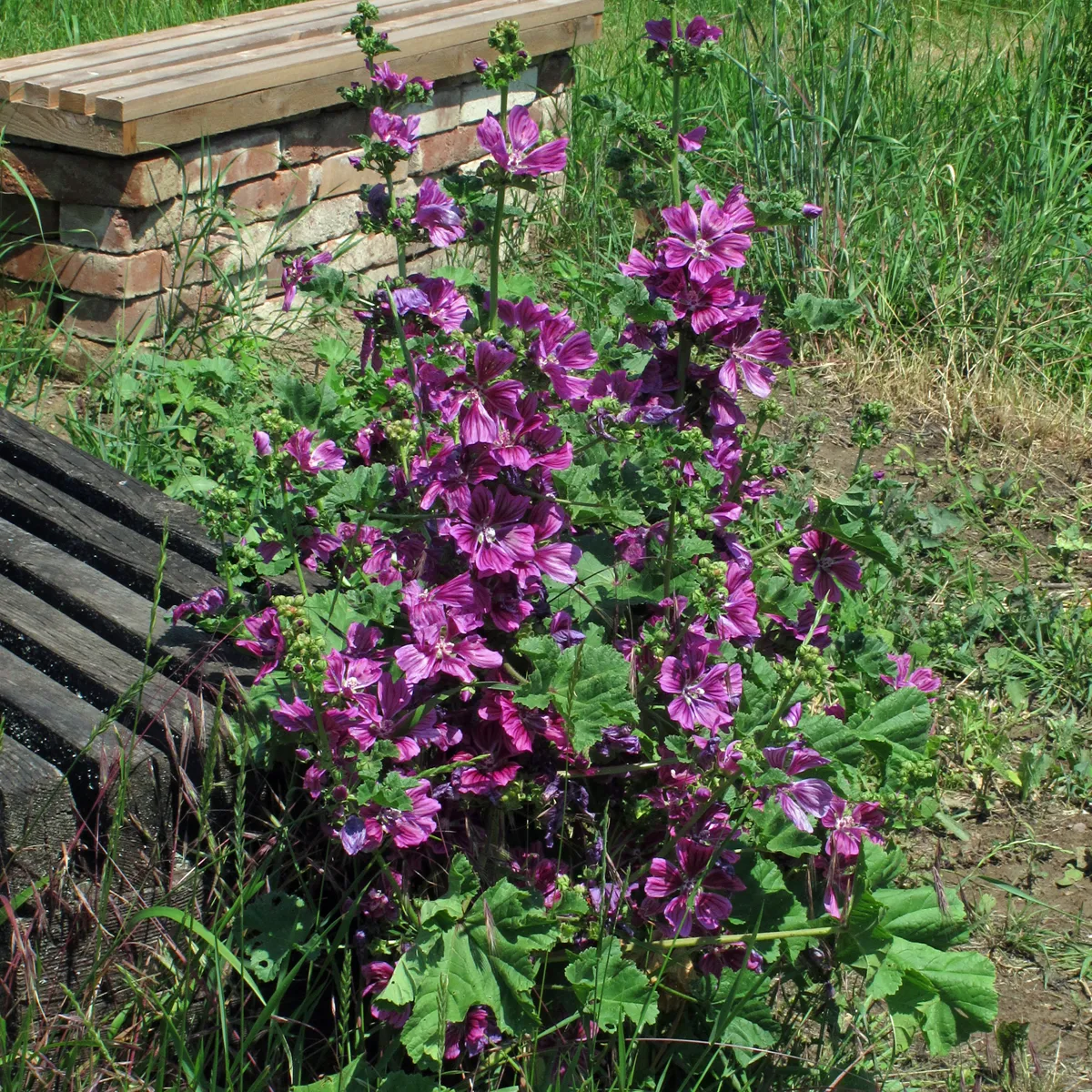
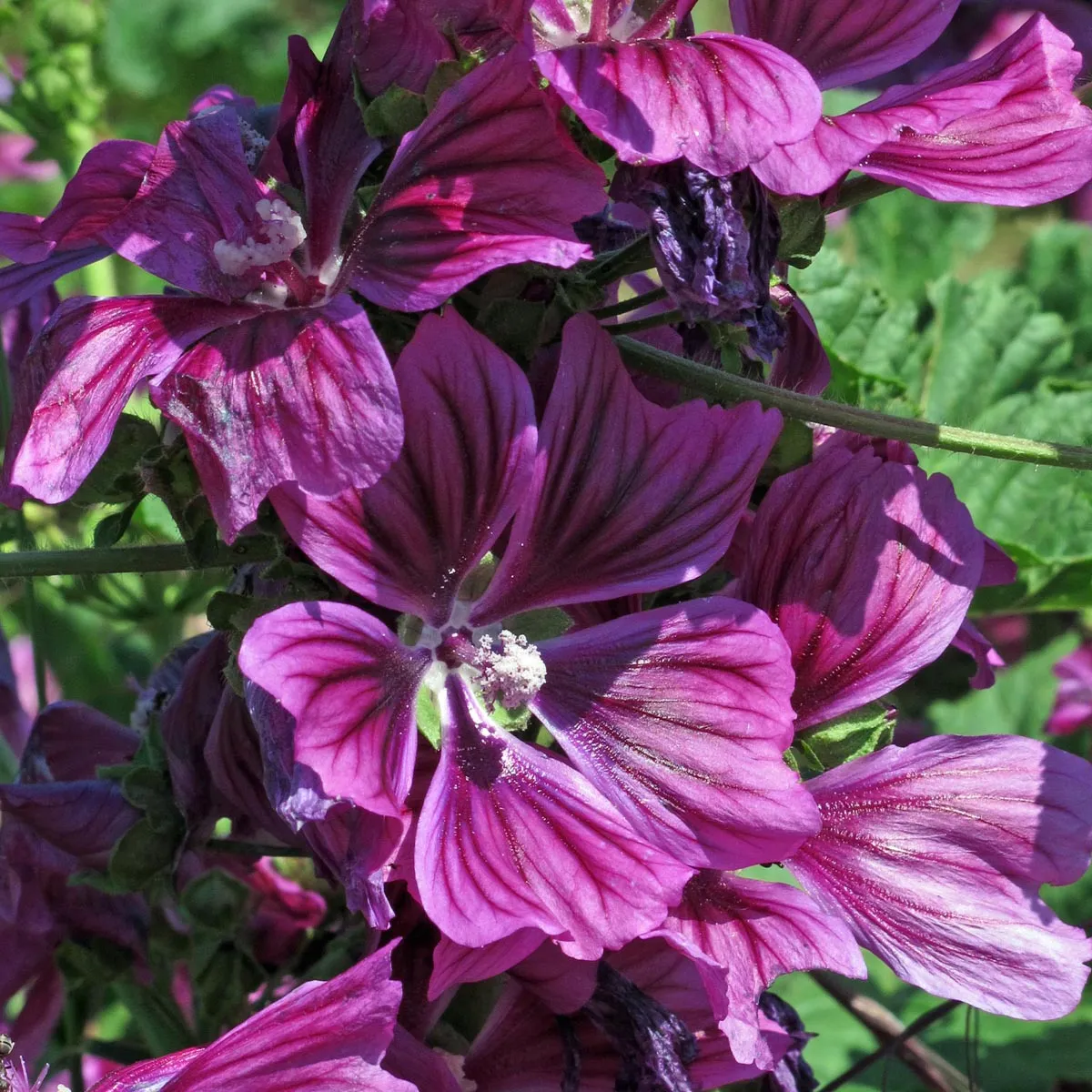
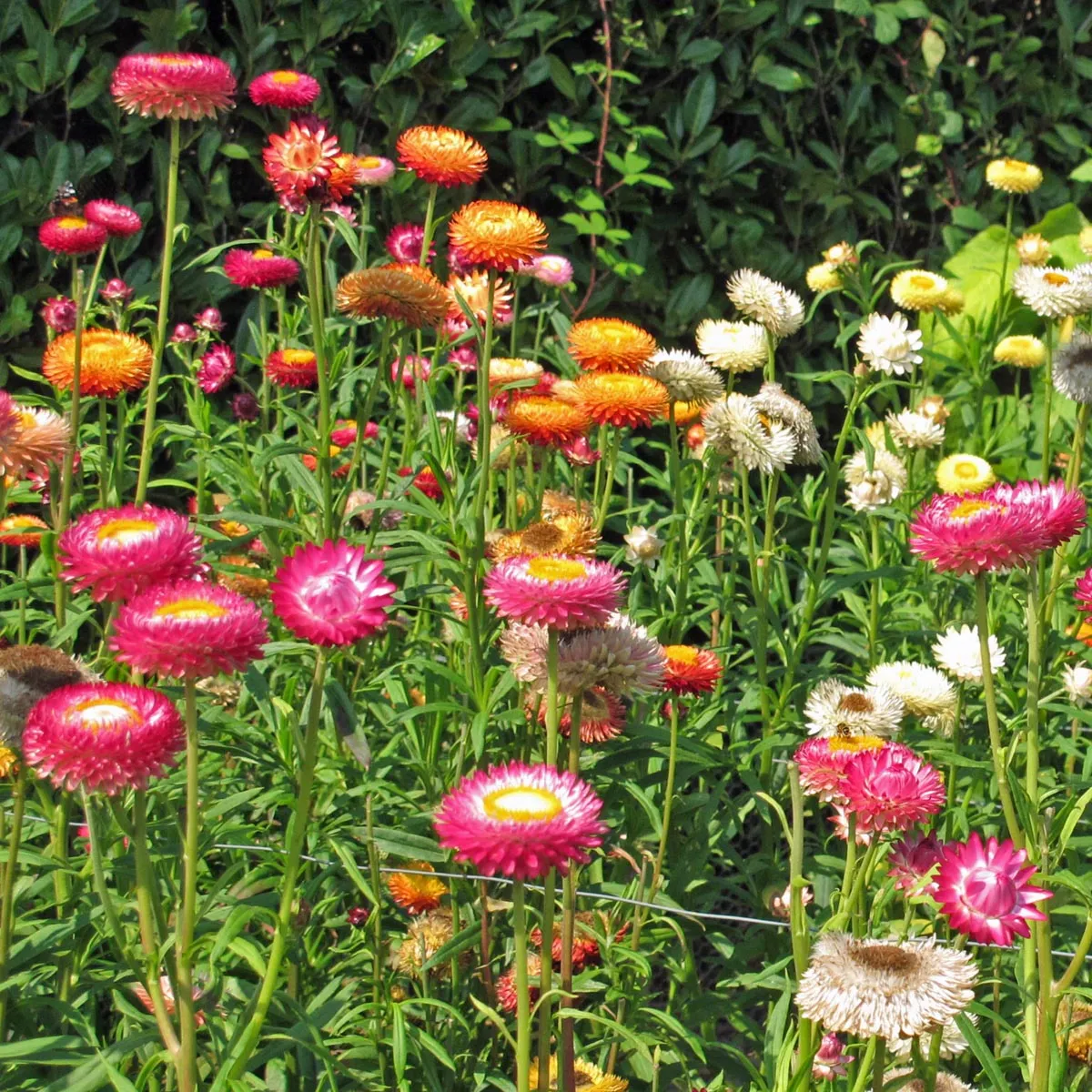
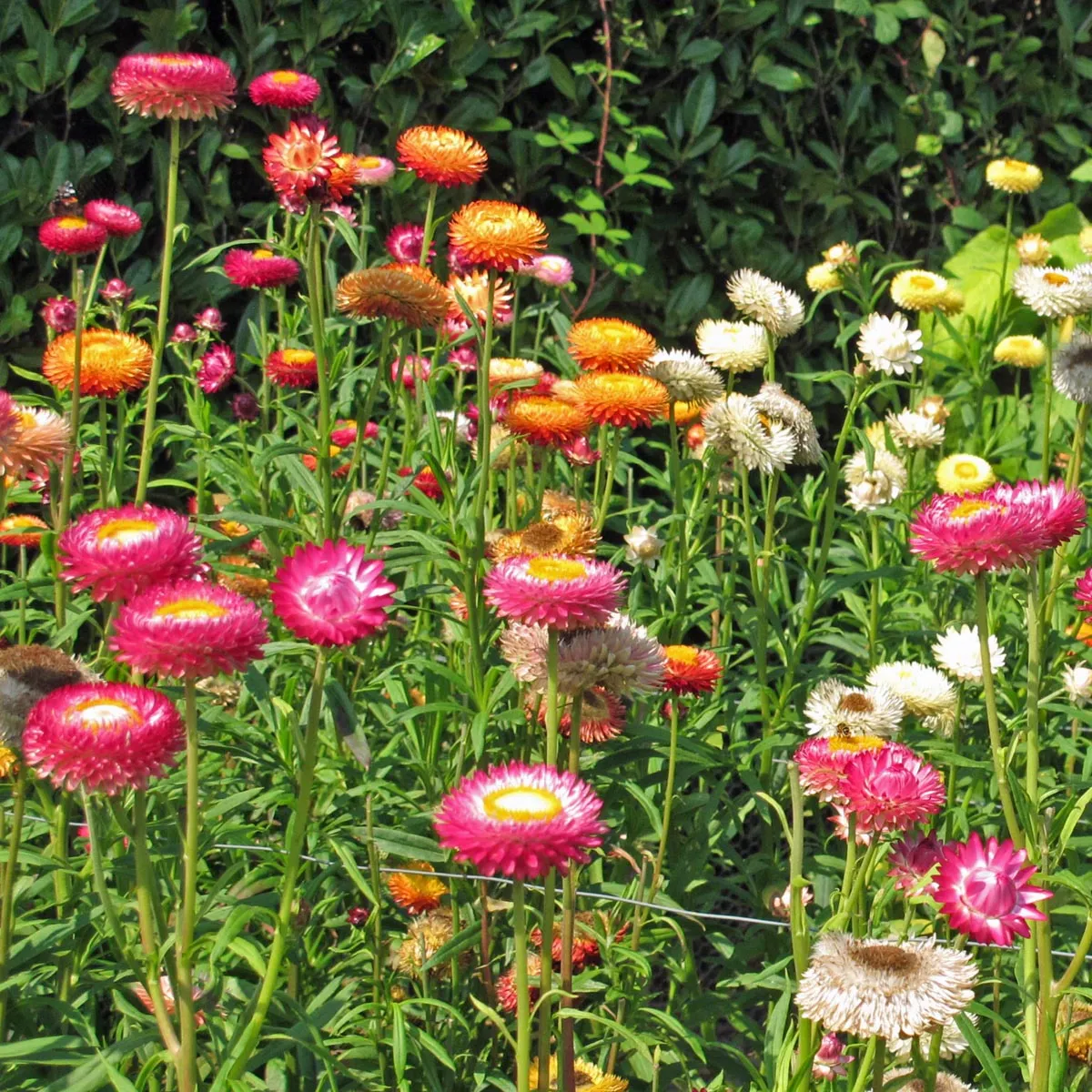
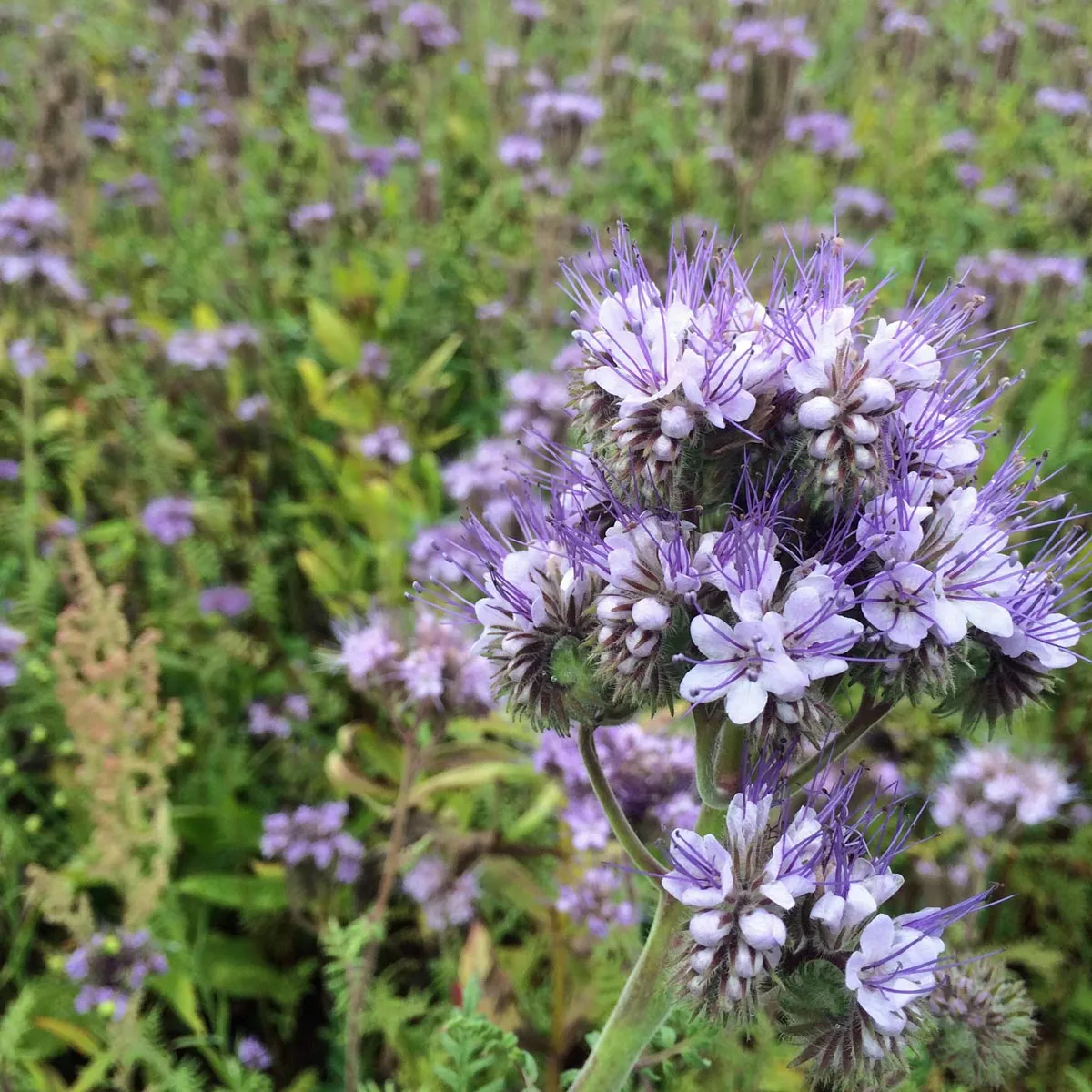
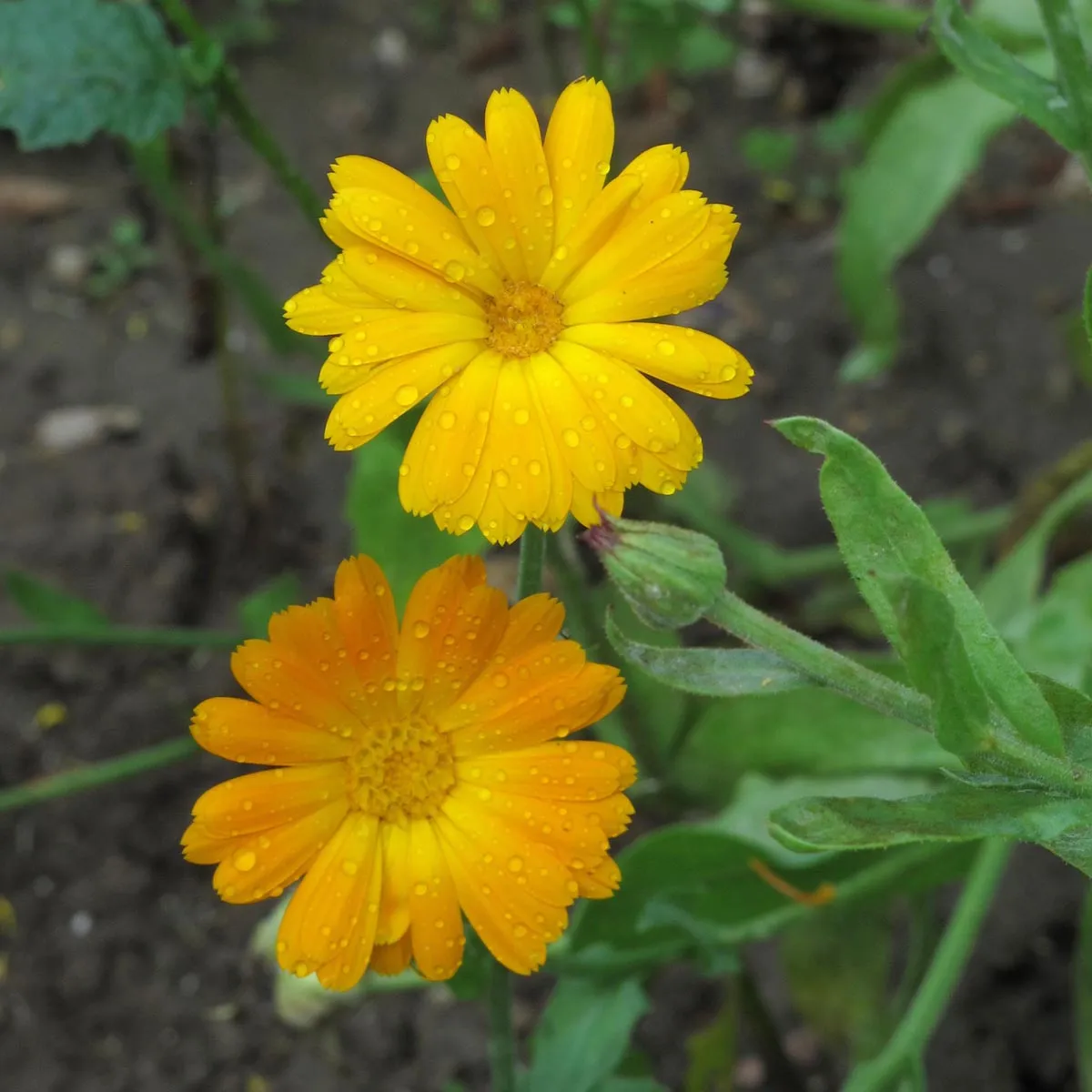
As summer slowly says farewell, many plants only now show their full glory. The Altweibersommer is the time of late blooms, full of colour, insect life and golden light. In our picture gallery, we introduce you to some typical flowers that are at their peak right now. You will find many of them in our range too, ideal for the late-summer garden or for planning next year.
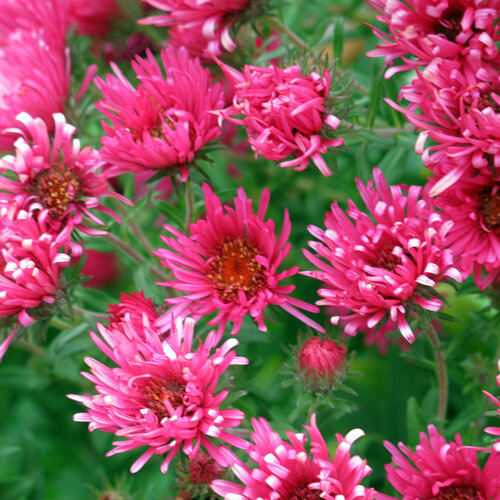
Michaelmas daisies (Aster spp.)
The classics par excellence, they bring colour to the bed from August/September onwards: in violet, pink, white or blue. A good source of food for bees and butterflies.
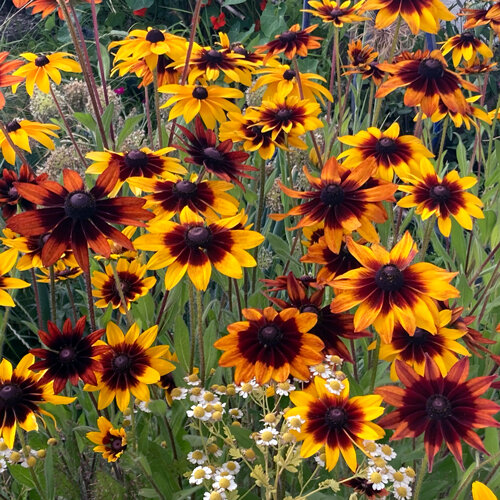
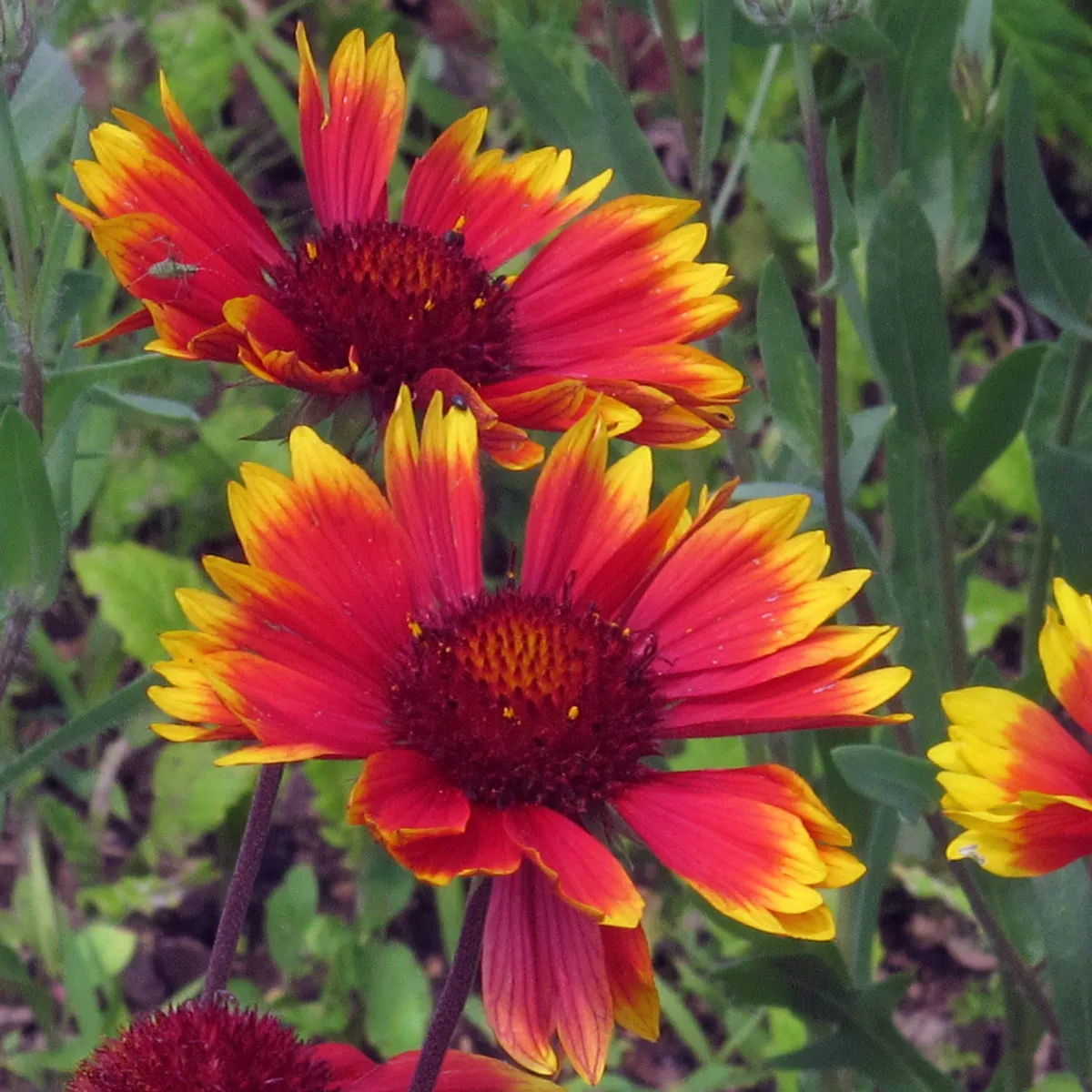
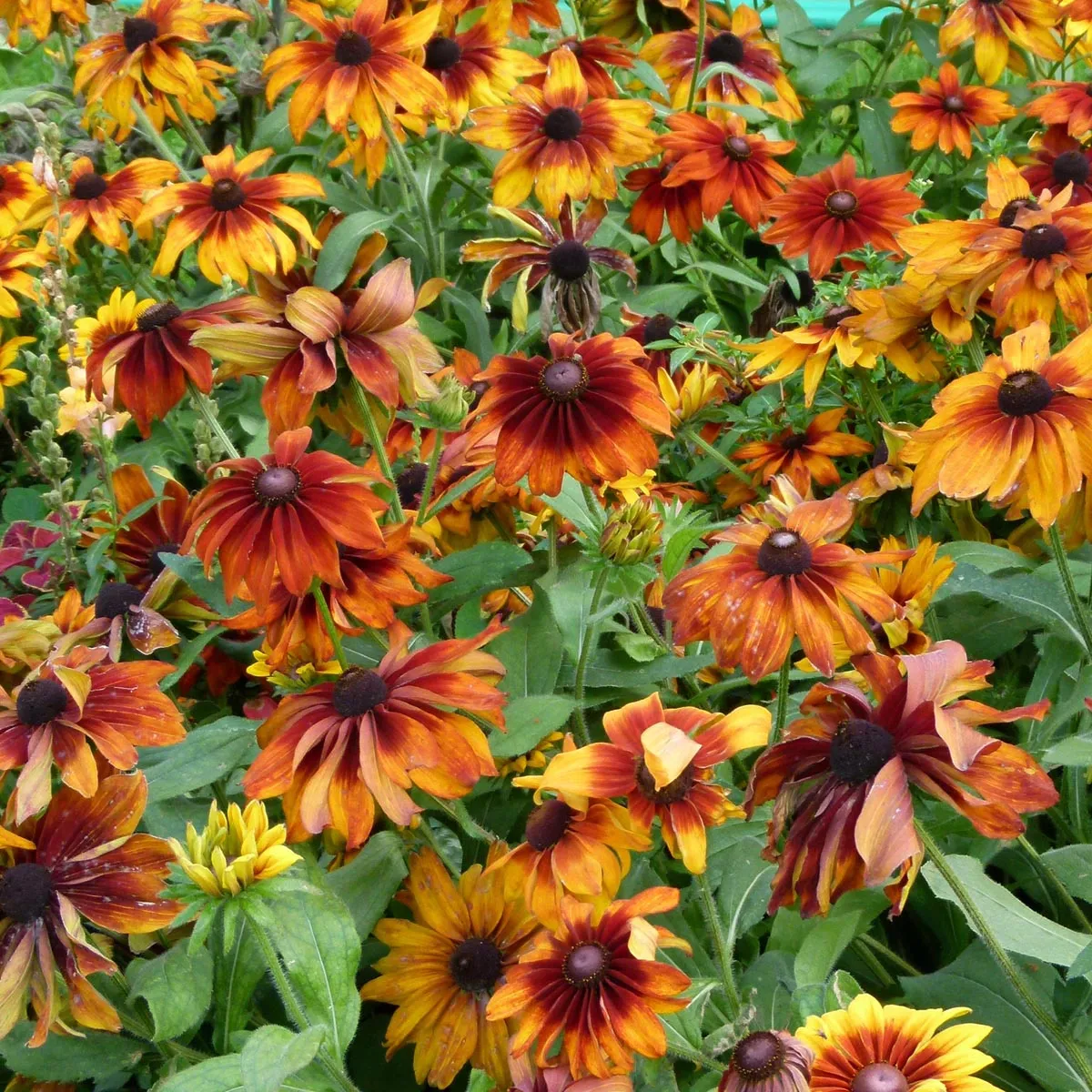
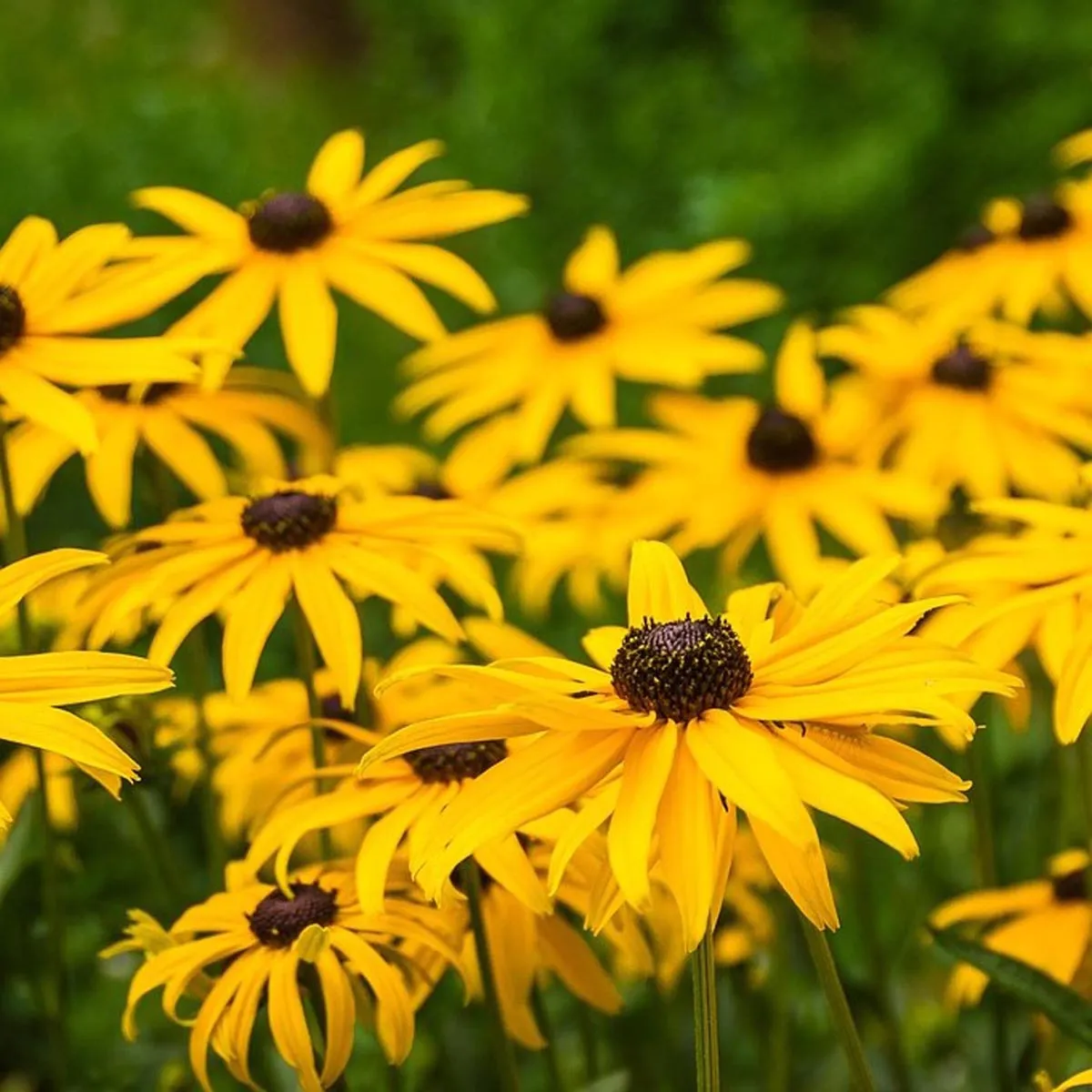
Black-eyed Susan (Rudbeckia hirta)
Bright yellow and red tones, robust, long-flowering and very popular with insects. Its colours are the very essence of an Indian summer.
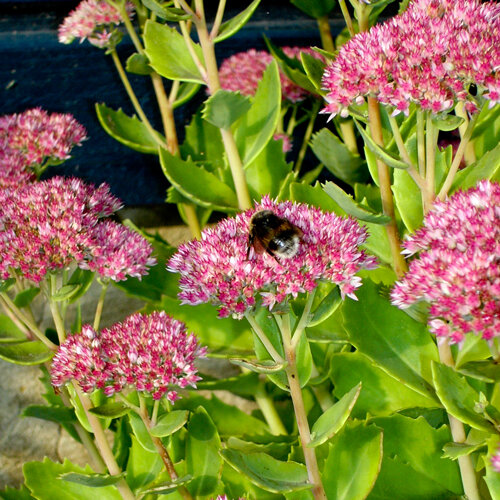
Stonecrop (Sedum spectabile)
It flowers late and, with its pink to purple blooms, attracts many wild bees and hoverflies. Very easy-going and undemanding.
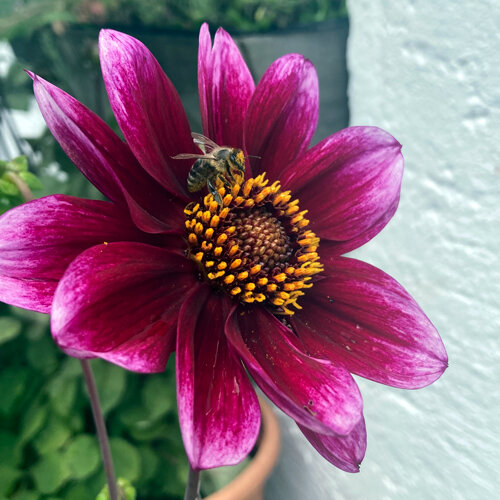
Dahlias (Dahlia)
They bloom from high summer until the first frost, in an incredible variety of shapes and colours depending on the variety. An ideal cut flower.
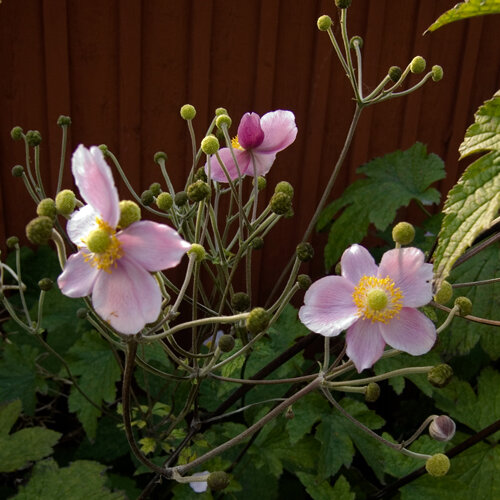
Japanese anemones (Anemone hupehensis)
Delicate and elegant, they often open their buds just at the time of the Altweibersommer and bring a lightness to the bed.
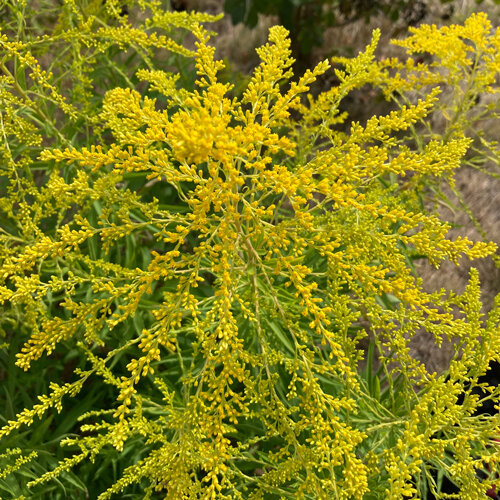
Goldenrod (Solidago)
Wild or cultivated, golden-yellow flower panicles that are especially popular in the natural garden, and they glow beautifully with their intense yellow.
Gardening in the Altweibersommer
From a practical point of view, the Altweibersommer is a gift: many plants, such as late tomatoes, squashes or herbs, still ripen during this phase. It is also the best time for:
-
dividing and replanting perennials
-
planting flower bulbs for next spring
-
sowing green manure
-
collecting and drying seeds
-
the last cutting back and tidying up
At the same time, it is an opportunity to pause, to breathe deeply and to experience the beauty of a mature garden before the cold season begins.
Conclusion: A poetic term for a quiet season
The Altweibersommer is more than just a weather phenomenon. It stands for a pause between new beginnings and retreat, for maturity and letting go, for the glow before the fading. As a term, it is deeply rooted in the German language landscape, but its mood is known all over Europe.
One last golden flowering before the year sinks into sleep.
Related products