Colours in the Frost: the Mysterious World of Winter-Flowering Plants
Gardening Knowledge
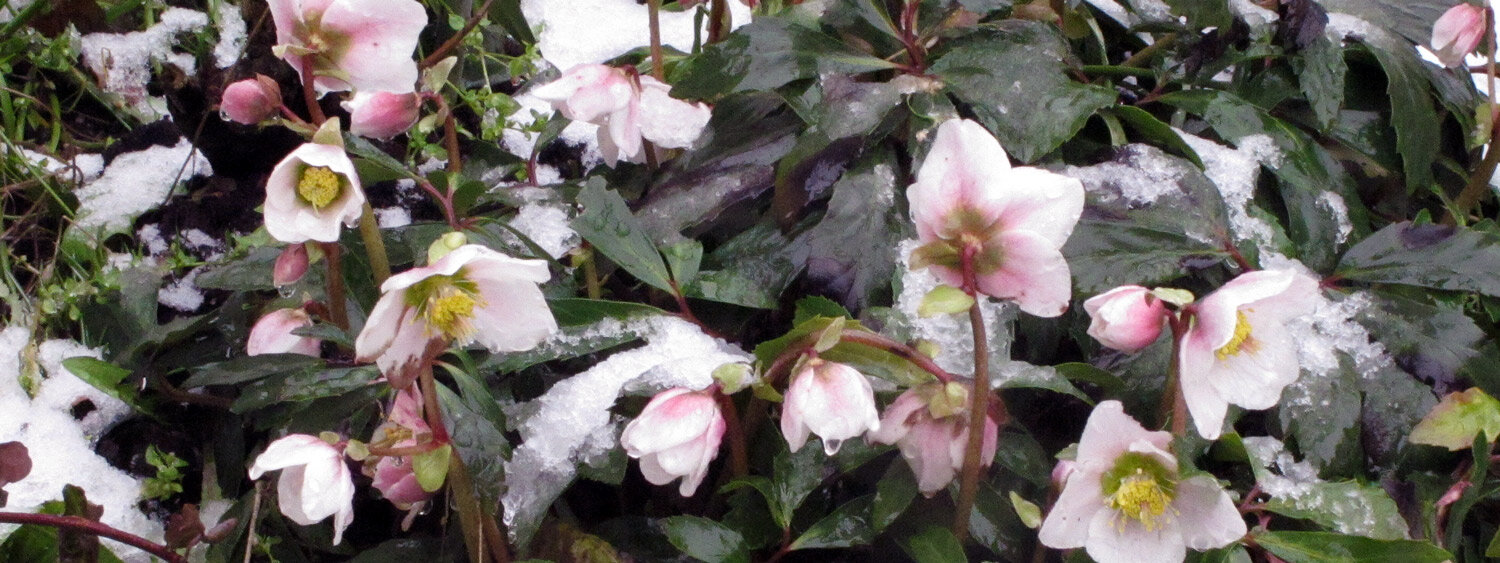
When the garden falls quiet and a fine layer of hoarfrost settles over the last leaves, all life seems to have come to rest. Yet in the midst of this wintry stillness, something wondrous happens: between bare branches, a delicate white, yellow or pink glows as the first flowers open.
These are the winter-flowering plants, the quiet heroines of the cold season. While snow and frost cover the ground, they defy the cold with astonishing strength. Christmas roses bloom in the snow, snowdrops nod in the icy wind, and winter jasmine adorns bare walls with golden stars.
Anyone who walks through the garden in winter experiences a special kind of magic: the colours seem more intense, the air is clear, and every single flower appears like a small promise, that life never disappears completely but simply takes on another form.
Contents
- What makes winter-flowering plants so special
- Why plants flower in winter
- Botanical background: chionophilous and vernal plants
- Favourite plants for the winter garden
- Native winter-flowering plants and their importance for animals
- Flowering hope in the frost: a closing thought
What makes winter-flowering plants so special
Winter-flowering plants have an extraordinary life rhythm. While most species move into dormancy in autumn, these are just beginning to wake up. Their flowering season lies between November and March, in other words at a time when light is scarce and temperatures are low.
Over thousands of years, these plants have adapted perfectly to the conditions of the cold season. Their buds are often thickly wrapped, their flowers coated in wax or slightly hairy, which are natural shields against frost. Many winter-flowering plants open their flowers only on mild days, when the sun briefly breaks through, and close them again as soon as it turns colder.
Their diversity is especially fascinating:
- Christmas rose (Helleborus niger): the “queen of winter flowers”, which often blooms at Christmas.
- Witch hazel (Hamamelis mollis): with fragrant, fringed flowers in yellow or red.
- Winter jasmine (Jasminum nudiflorum): a sea of bright yellow blossom on bare branches.
- Snowdrop (Galanthus nivalis): a symbol of hope and of spring drawing near.
All of them bring colour, scent and life to a time when you least expect them, and so they are a true treasure for garden lovers.
Why plants flower in winter
At first glance it seems illogical: why would plants open their flowers when snow is falling, the sun is weak and hardly any insects are about? But that is exactly where the secret of winter-flowering plants lies: they have found a niche in which they are almost alone.
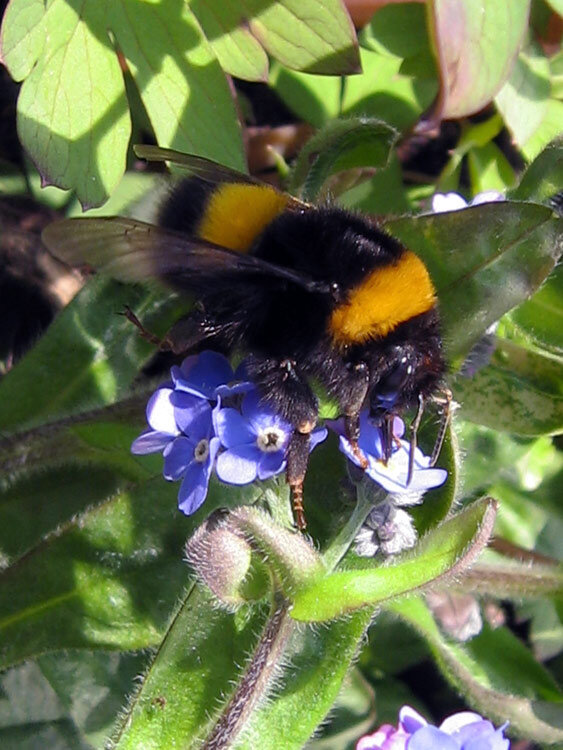
In winter there is hardly any competition. Other plants are resting, their seeds and buds hidden away. Winter-flowering plants, on the other hand, use the quiet season to stand out: their flowers shine against the dreary grey and attract even the few active pollinators, such as queen bumblebees, hoverflies or early bee species that venture out on mild days.
Many winter-flowering plants have developed special protective mechanisms:
- Downward-facing flowers protect pollen and nectar from snow and rain.
- Coatings of wax or hair prevent frost damage.
- Some species even produce their own heat to attract insects, so it can be a few degrees warmer inside the flower than in its surroundings.
Through their early flowering, these plants also secure an ecological head start: they can already set seed while other plants are only just sprouting. What sounds like a risk to many is, in fact, a successful survival strategy.
Botanical background: chionophilous and vernal plants
Behind the winter flower display there is more than mere chance: it is the result of astonishing adaptation strategies. Botanically, there are two groups responsible for this phenomenon: chionophilous and vernal plants.
Chionophilous means “snow-loving”. These plants grow and flower even in frost or under a blanket of snow. Their cells contain special sugars and proteins that act like a natural antifreeze. Typical examples are snowdrops, Christmas roses or the winter aconite.
Vernal plants, on the other hand, respond to cold with an inner switch: the cold stimulus triggers the formation of flowering hormones, a process known in plant physiology as vernalisation. Only after this cold phase are they able to flower at all.
This sophisticated system ensures that the plants bloom exactly when conditions are favourable: enough moisture, little competition and the first insects already on the wing. In this way, the cold becomes a prerequisite for new life, an impressive example of natural adaptation.
Favourite plants for the winter garden
A garden that lives on in winter needs plants with character: robust, adaptable and full of surprises. Winter-flowering plants are like the quiet protagonists of a hidden season. They open their flowers when hardly anyone expects them to, and turn the garden into a place of wonder.
Classics of the cold months
- Christmas rose (Helleborus niger): Probably the best-known winter flower. Its white to delicate pink flowers often appear as early as Christmas and defy snow and ice.
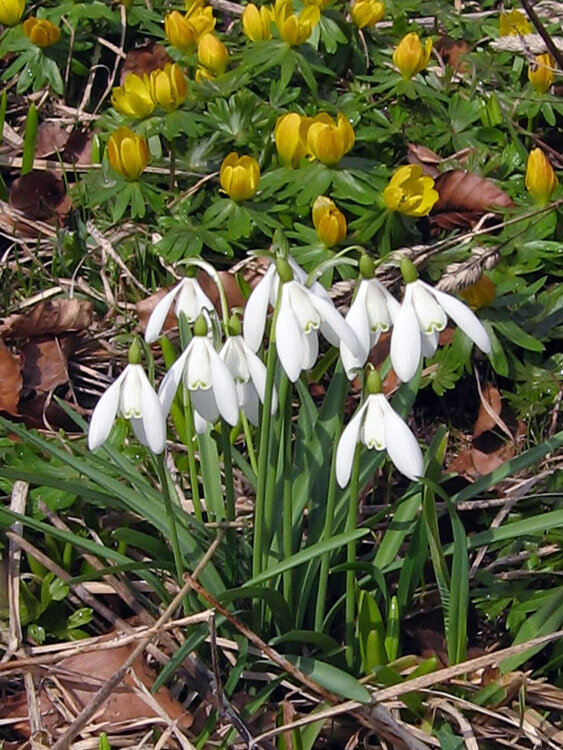
- Snowdrop (Galanthus nivalis): Delicate heralds of spring, which look most beautiful planted in groups.
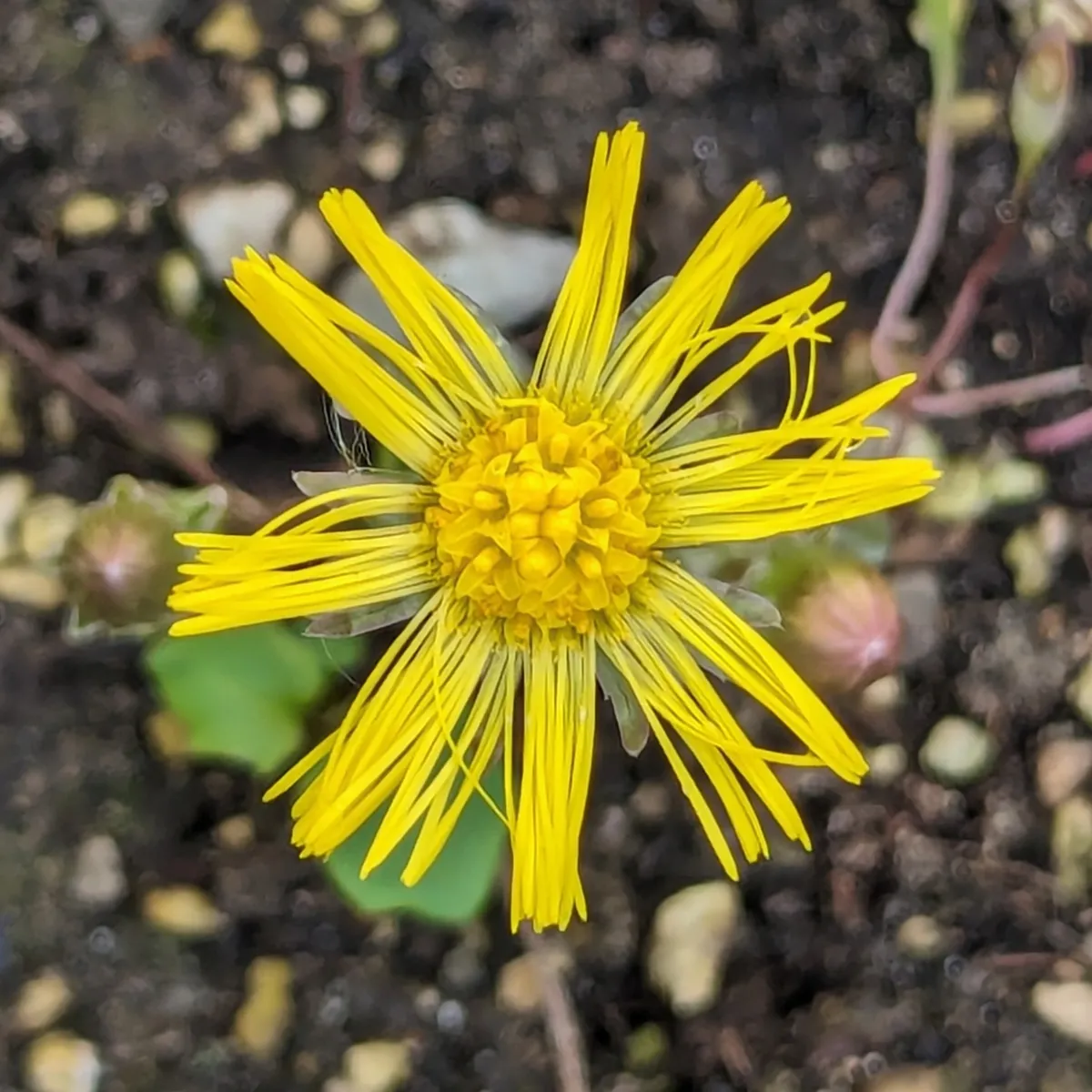
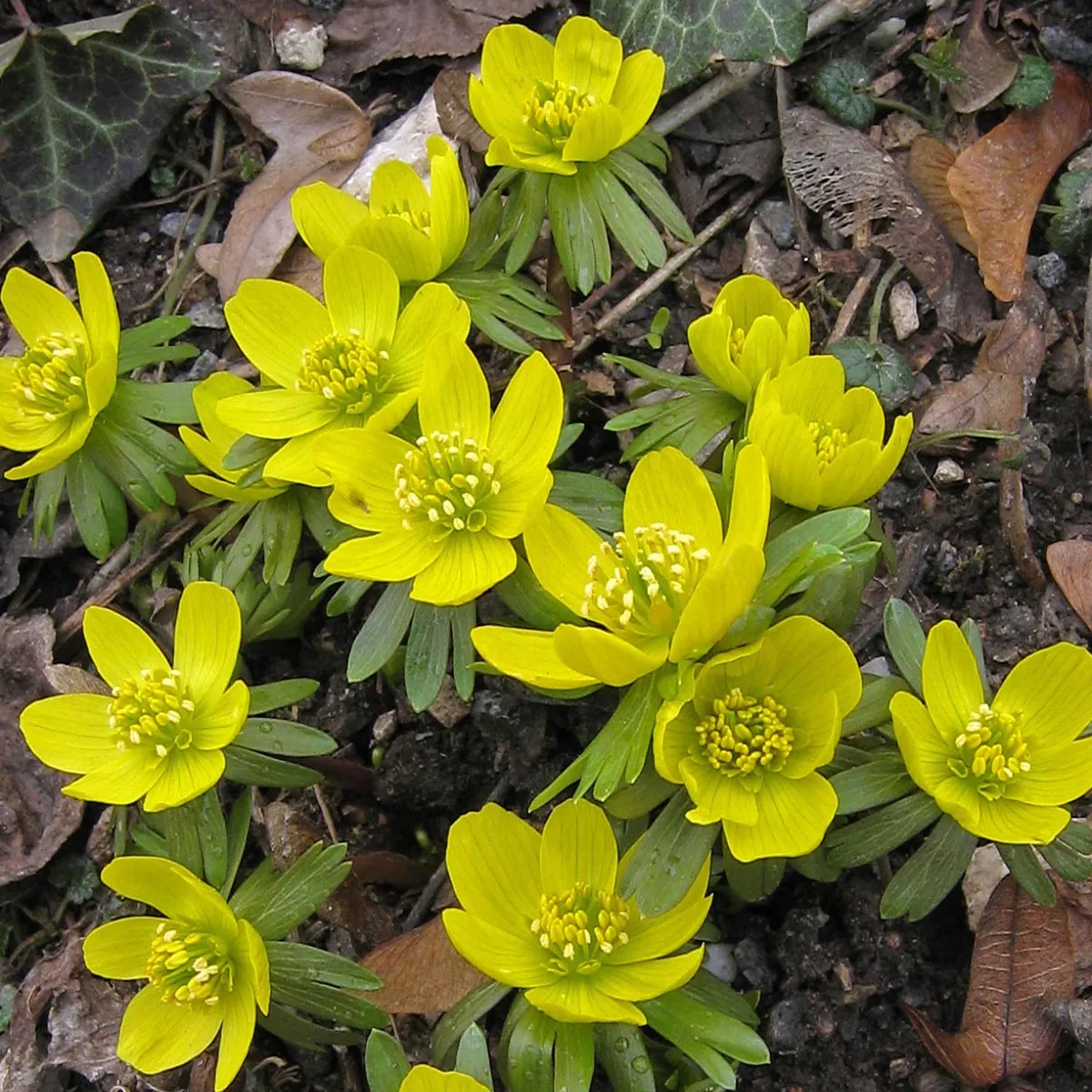
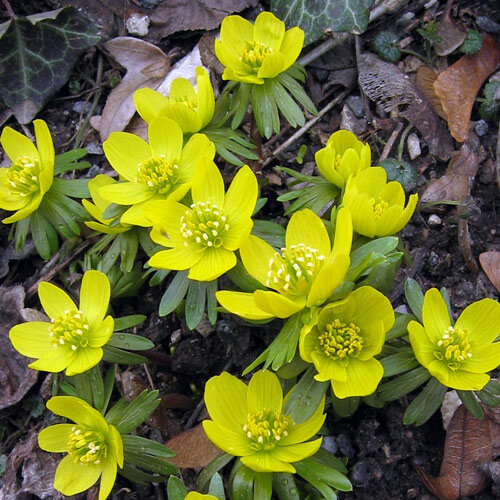
- Winter aconite (Eranthis hyemalis): A little ray of sunshine in the snow. Its bright yellow flowers open as early as February.
Ornamental shrubs with scent and radiance
- Witch hazel (Hamamelis mollis): Fringed flowers in yellow or red with a honey scent, from January to March.
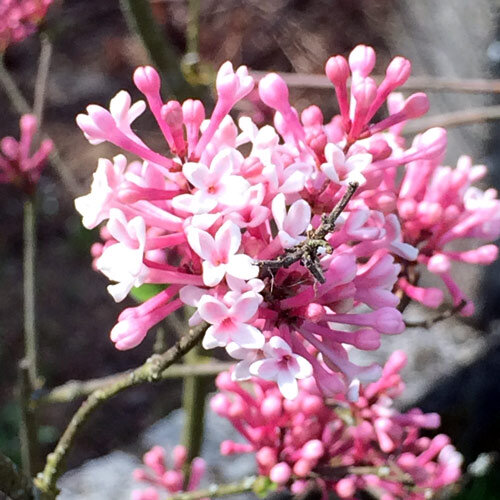
- Fragrant viburnum (Viburnum farreri): Pink flower clusters with an intense scent, often from December onwards.
- Winter jasmine (Jasminum nudiflorum): Robust shrub with golden yellow flowers, ideal for walls and trellises.
- Bodnant viburnum (Viburnum x bodnantense ‘Dawn’): Particularly long flowering season and strong colours.
Rare and special winter-flowering plants
- Mahonia (Mahonia x media): Evergreen, fragrant and eye-catching with yellow flower clusters in late winter.
- Winter heath (Erica carnea): Carpet-forming, with countless small flowers in white, pink or purple.
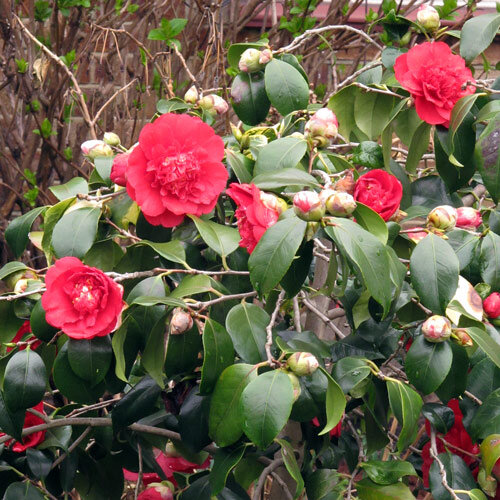
- Camellia (Camellia japonica): In mild regions from February, with elegant, rose-like flowers.
- Snow heath (Erica herbacea): A particularly frost-hardy type of heather that flowers as early as January.
Flowering ground cover and companions
- Lenten rose (Helleborus orientalis): A variety of colours from white to purple, from February to April.
- Liverleaf (Hepatica nobilis): Native, delicate beauty with violet-blue star-shaped flowers from March.
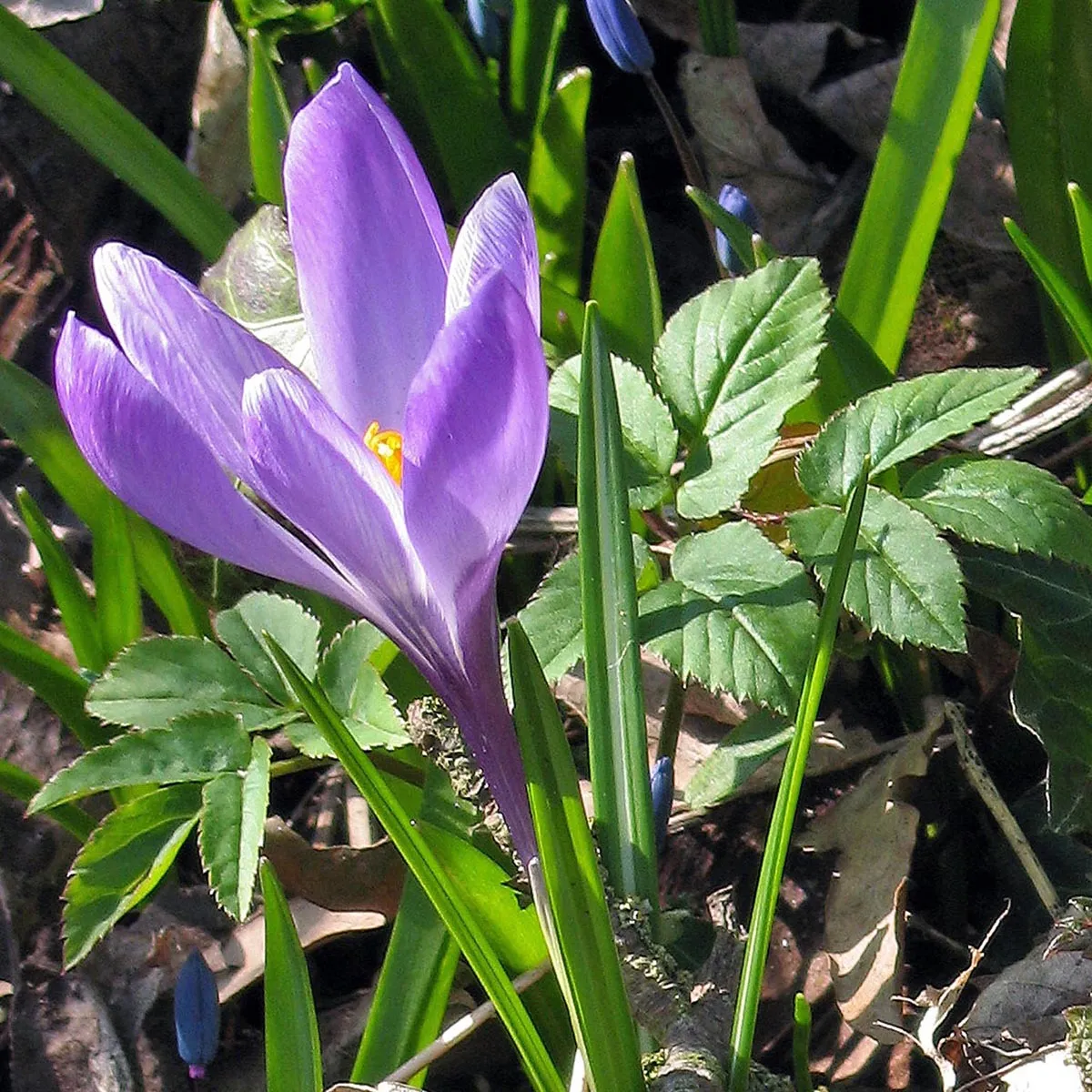
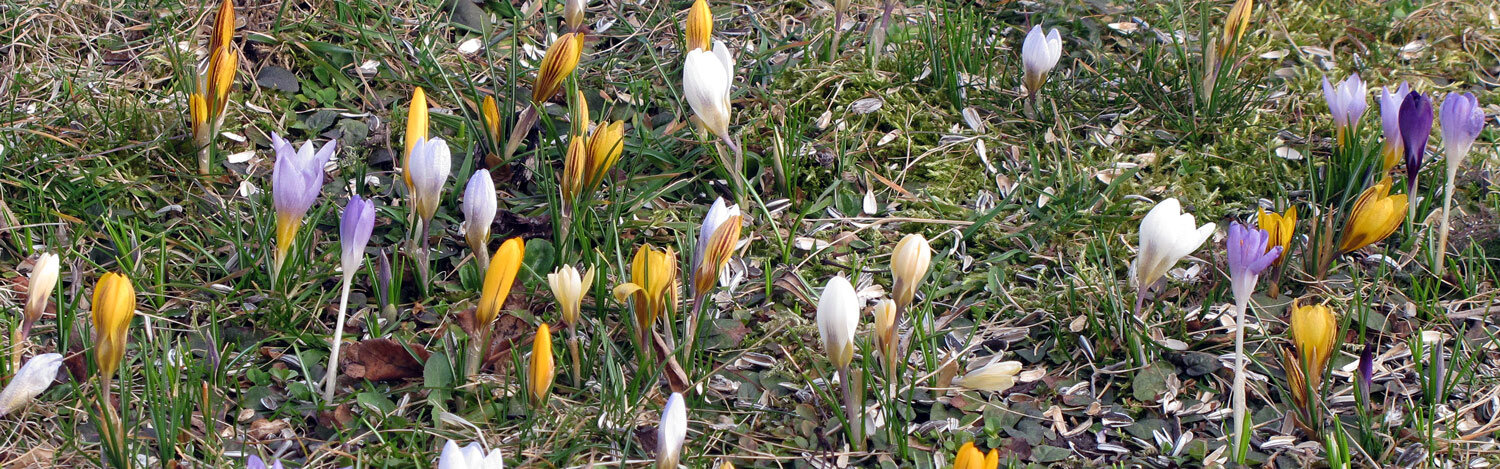
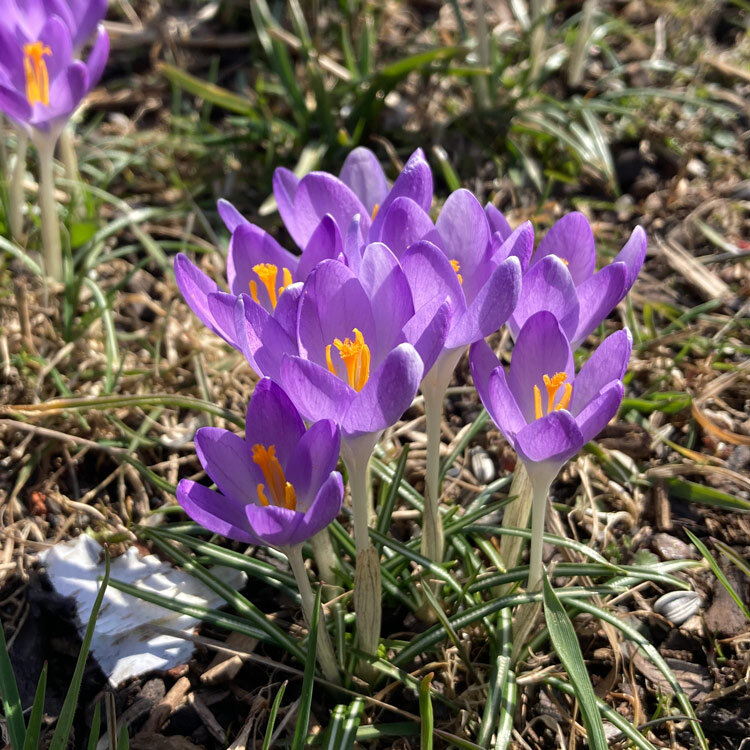
- Crocuses (Crocus speciosus, C. tommasinianus) : Early bloomers that harmonise wonderfully with snowdrops.
Tips for position and care
- Position: Sheltered, sunny to partially shaded spots by house walls, walls or under shrubs.
- Soil: Loose, humus-rich and free-draining. Avoid waterlogging.
- Care: A light winter protection of leaves or mulch protects the roots and keeps the plants vital.
A garden with winter-flowering plants lives on contrasts: delicate colours on dark soil, light in the shade, life in the stillness. Anyone who has once seen a witch hazel begin to bloom in January knows that winter can be just as beautiful as spring.
Native winter-flowering plants and their importance for animals
Alongside the many exotic species that bring colour to gardens in winter, there are also a few native winter-flowering plants that have been part of our natural flora for centuries, and which play an important role for wildlife.
Especially valuable for insects are those species that actually offer nectar or pollen in the coldest months. These include:
- Snowdrop (Galanthus nivalis): In mild winters the flowers often open as early as January. Early-flying wild bees, queen bumblebees and hoverflies use them as a first food source.
- Winter aconite (Eranthis hyemalis): Its bright yellow flowers provide plenty of pollen. Honeybees in particular visit it on sunny days.
- Liverleaf (Hepatica nobilis): A delicate early bloomer that is important for mining bees and other wild bee species from March.
- Stinking hellebore (Helleborus foetidus): Its greenish, bell-shaped flowers appear as early as February and offer nectar to early flies and bees.
- Hazel (Corylus avellana): Not a typical garden flowerer, but ecologically significant: the male catkins supply valuable pollen for honeybees and wild bees in late winter.
These native species are not only robust but also ecologically indispensable. They form the first link in the food chain after winter dormancy and help insects, birds and other animals to get through the cold season.
In wildlife gardens it is therefore worth actively encouraging native winter-flowering plants: they are adapted to our climate, easy to care for and make a valuable contribution to biodiversity.
Flowering hope in the frost: a closing thought
When, on clear January days, the sun hangs low over frozen beds and a flower suddenly glows between bare branches, the quiet beauty of winter shows itself in its purest form. Winter-flowering plants remind us that life and new beginnings are possible everywhere, even in the coldest, darkest time.
They are symbols of perseverance and confidence. Their flowers open not despite the cold but because of it, as a response to the challenges of their surroundings. Perhaps that is exactly what makes them so special: they teach us that even in stillness there is movement, and that beauty often arises where you least expect it.
A garden with winter-flowering plants is more than a place of colour: it is a place of hope. And anyone who visits it in the frost will see that the heart of the garden never truly stops beating.