Earth Night: When the Garden Goes Dark
Gardens of the future
On 11 September 2026, Earth Night invites everyone to switch off unnecessary outdoor lighting from nightfall onwards. The campaign draws attention to an environmental problem that is easily overlooked, especially in the garden: light pollution.
After all, darkness is not simply the absence of light. It is a habitat in its own right. As soon as we humans slowly settle down for the night, a second shift begins outside: moths search for nectar, beetles crawl between the plants, bats trace their paths as they hunt, and some flowers only now unfold their special magic.
So how much darkness does a living garden need?
Darkness Is Habitat
A lamp on the patio, solar lights along the garden path or a floodlit tree seem harmless to us at first. For many animals, however, artificial light at night means a fundamental change to their habitat.
Nocturnal insects can be attracted by lamps and distracted from their actual search for food. They spend time and energy flying towards or circling light sources instead of visiting flowers, finding mates or seeking out suitable places to lay their eggs.
How strong the effect can be was shown by a field study in Switzerland: on artificially lit plots, 62 per cent fewer nocturnal flower visits were observed than on dark comparison plots. At the same time, fruit set fell in the plant species studied.
Artificial light can also influence natural daily and annual rhythms, in animals as well as in plants. Light, after all, is not just something that lets us see. For many living things it is an important signal for when activity, growth, rest or reproduction should take place.
A dark garden is therefore by no means an empty garden. It is a habitat that we rarely notice during the day.
When Other Flowers Awaken
Plants that have adapted to dusk and night are particularly fascinating.
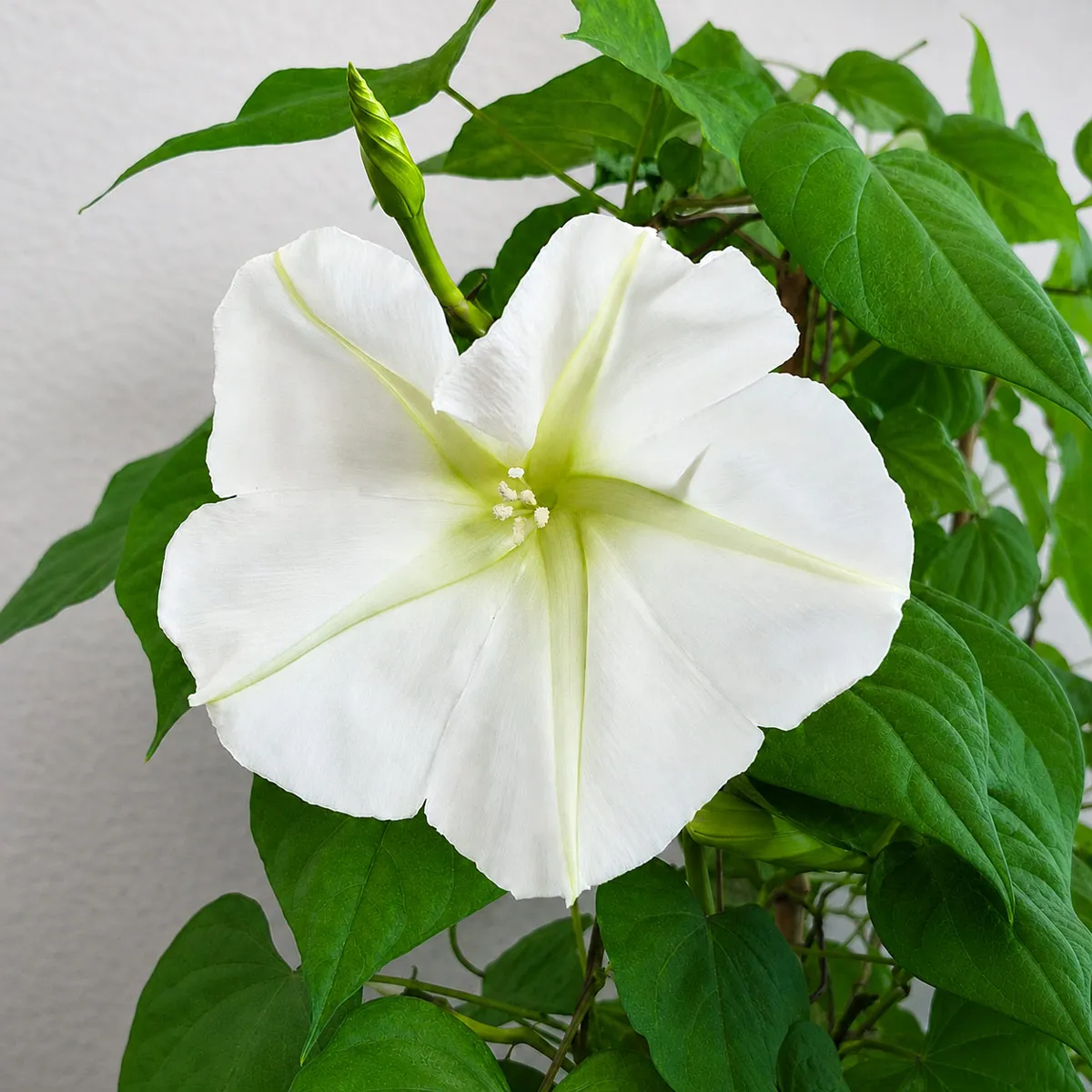
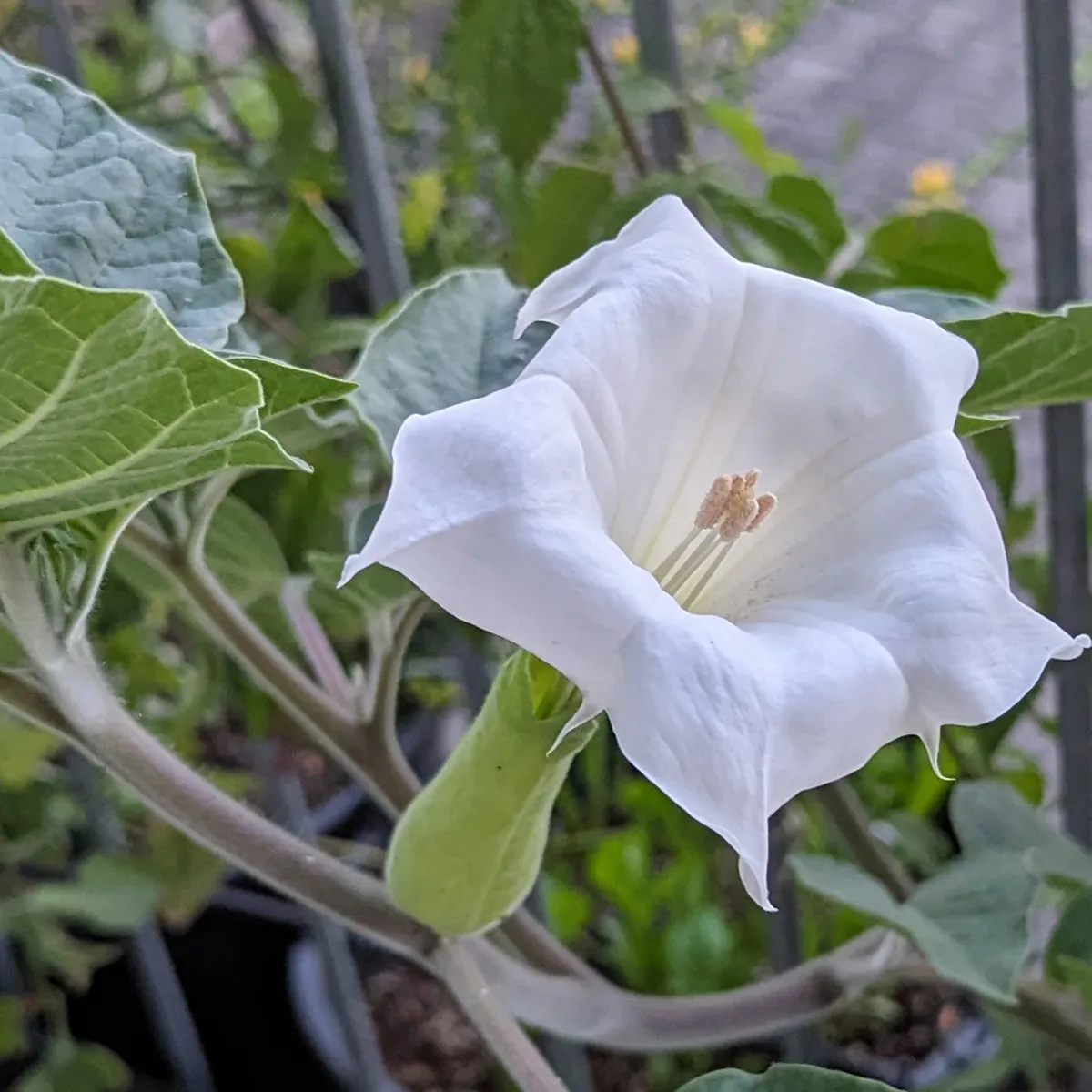
Some only open their flowers in the evening. Others stay open during the day but begin to give off a much more intense scent as the sun goes down. Pale flower colours, strong scents and plenty of nectar help nocturnal insects find the flowers even in low light.
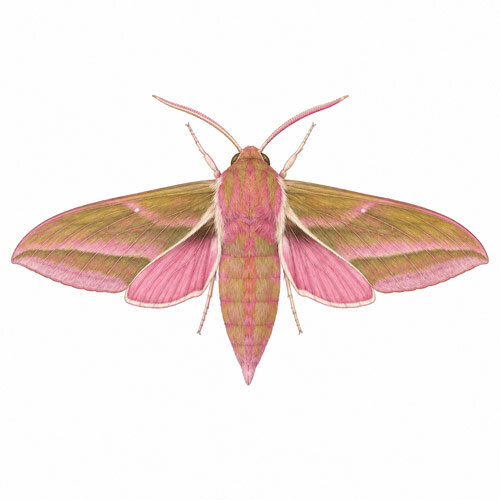
Flower and pollinator are part of a finely tuned interplay. Moths, and hawkmoths in particular, sometimes have very long proboscises with which they can reach nectar deep inside tubular flowers.
Night-flowering plants are therefore far more than just fragrant garden plants. They are important stations in the nocturnal food web.
Night-Flowering Plants: When the Garden Blooms Once More
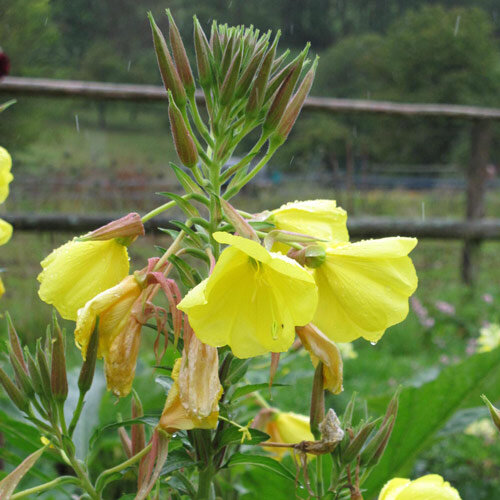
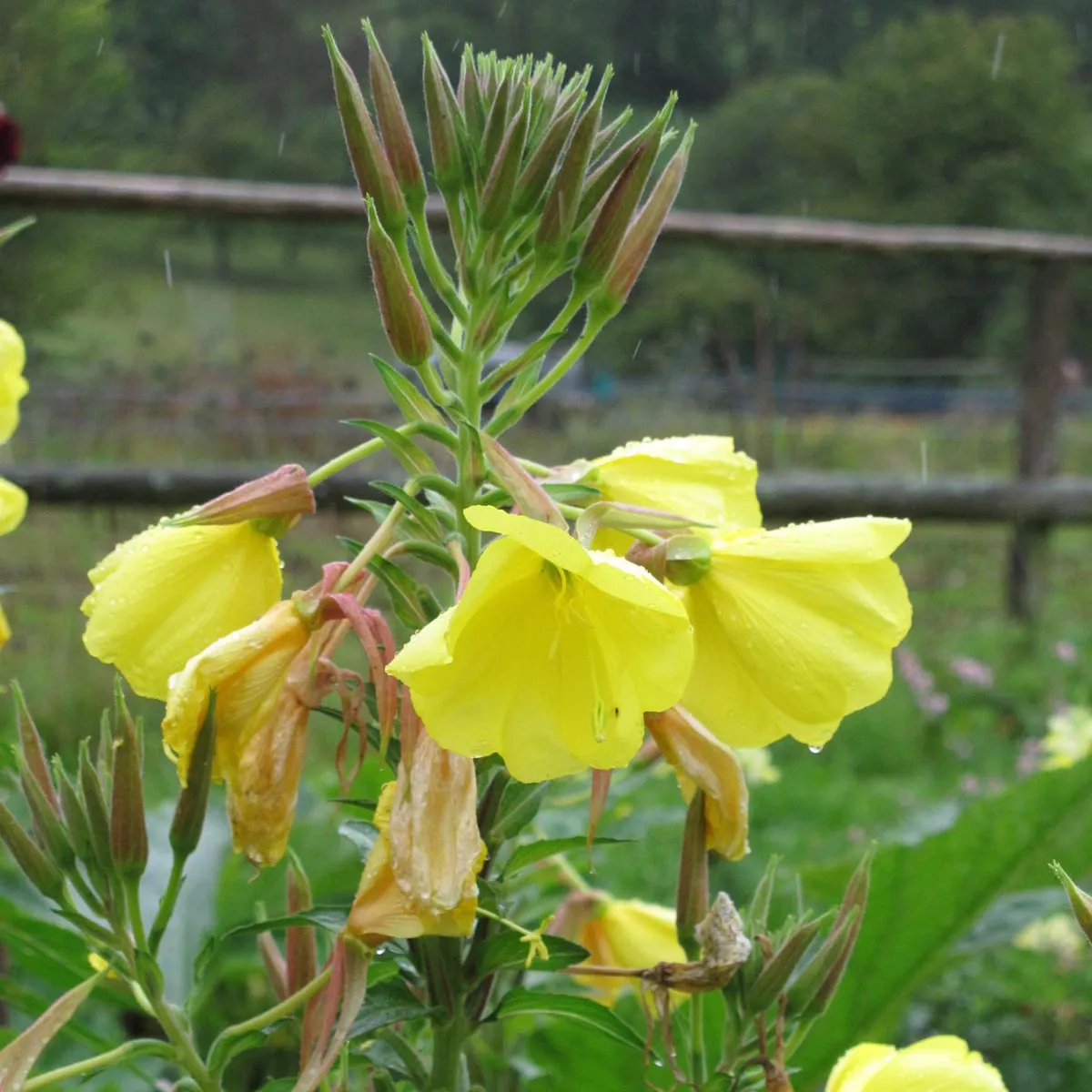
Common evening primrose (Oenothera biennis)
Evening primrose is probably one of the most beautiful plants for watching the night garden awaken. Its bright yellow flowers open at dusk, sometimes within an astonishingly short time.
This creates a source of nectar for moths exactly when their active period begins. At the same time, this biennial is easy to grow and is particularly happy in sunny, rather dry and free-draining spots.
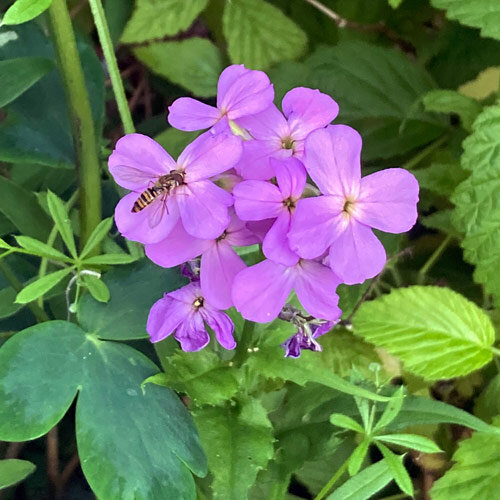
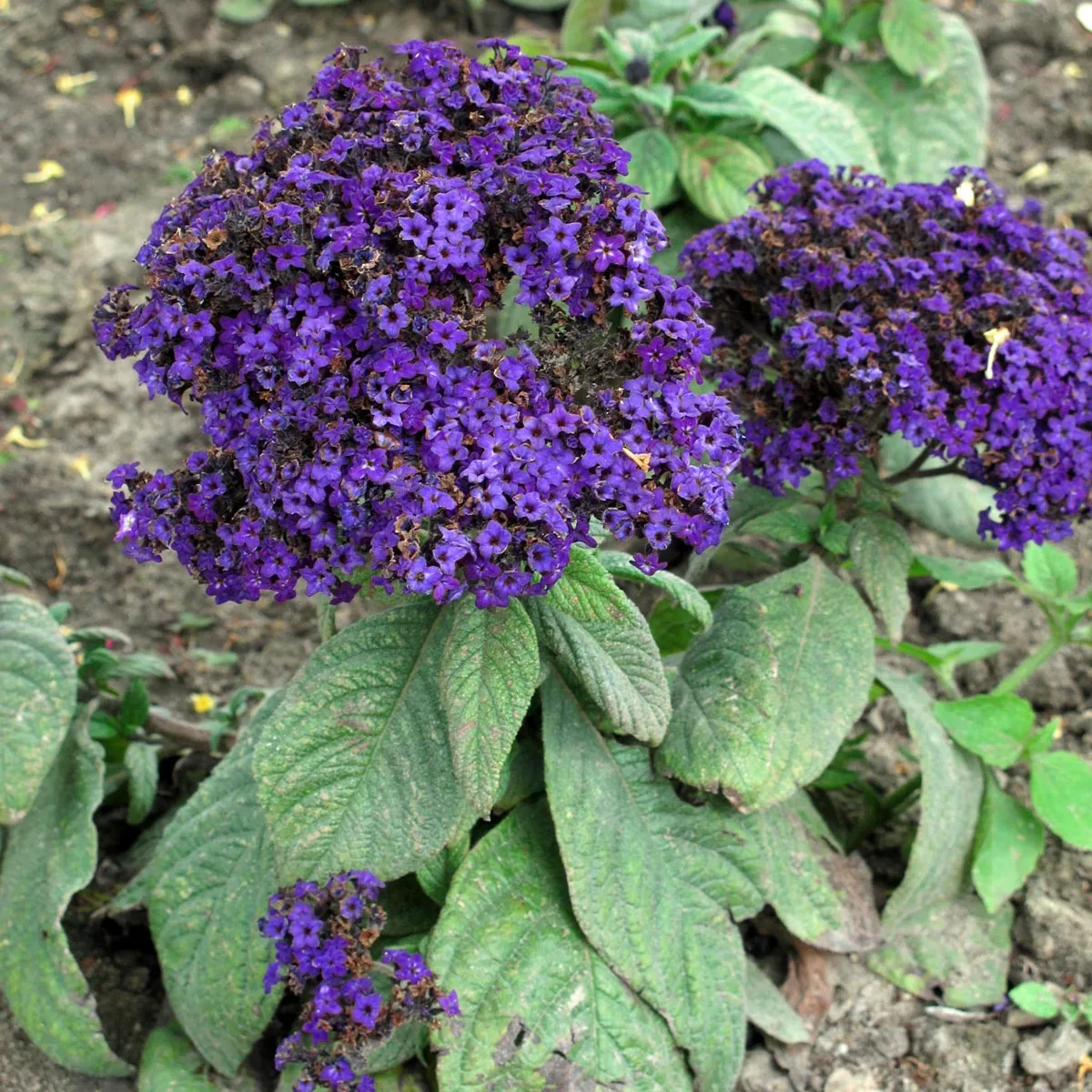
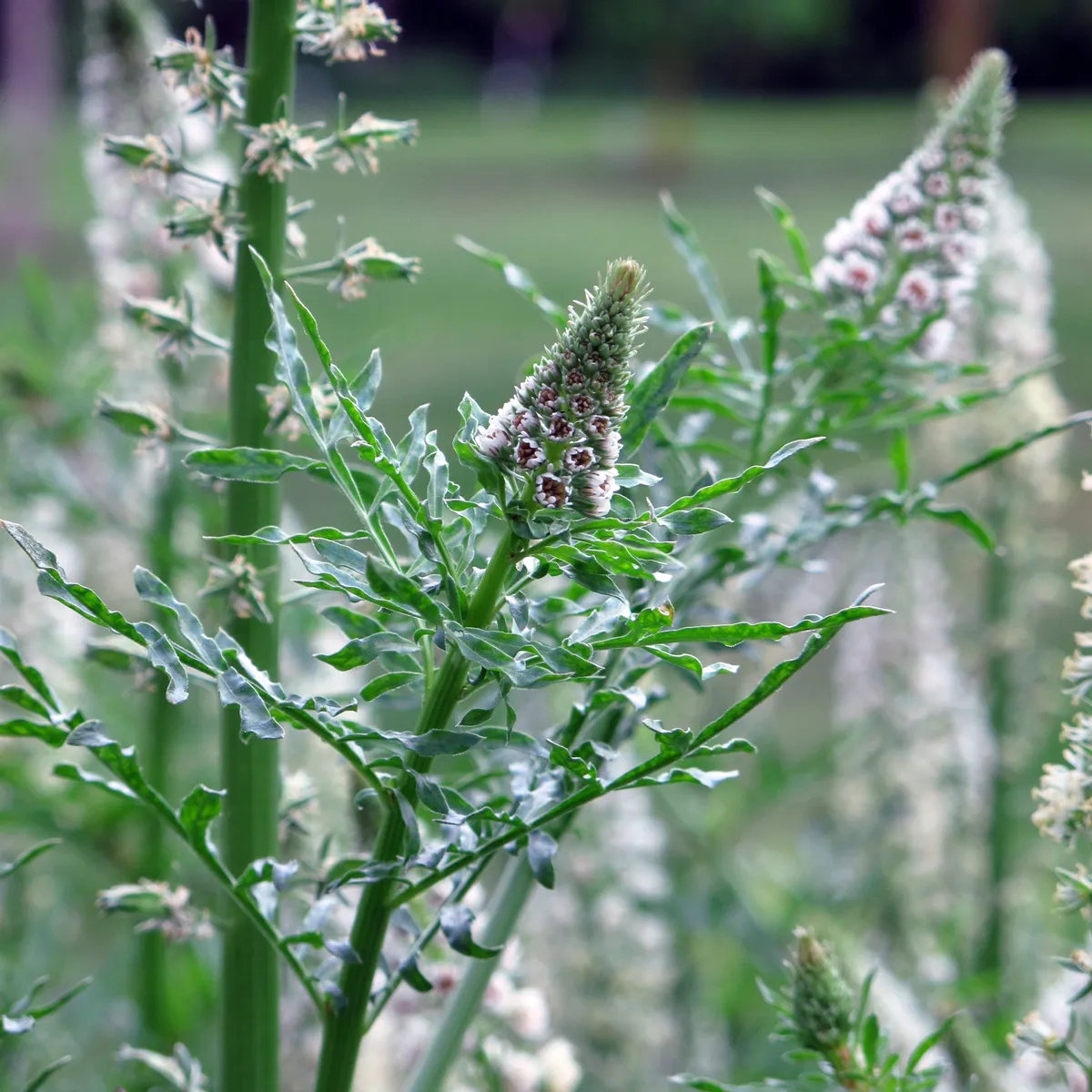
Dame's violet (Hesperis matronalis)
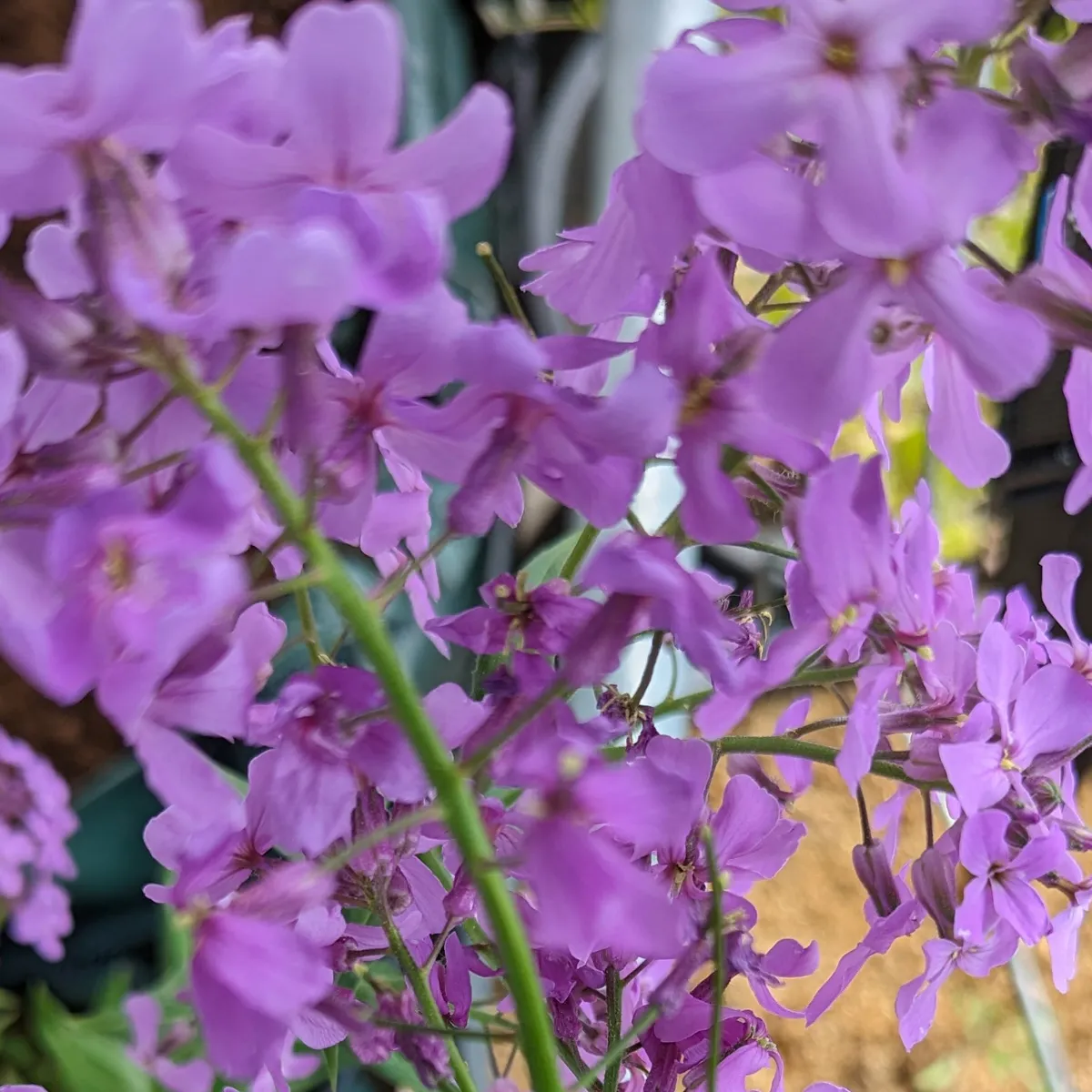
Dame's violet already carries its connection to darkness in its German name, Nachtviole, the “night violet”. Its purple, pink or white flowers look almost reserved during the day, but towards evening their character changes.
Then its sweet scent becomes much more intense and attracts various moths. It is particularly lovely in wildlife-friendly perennial areas and along the edges of trees and shrubs.
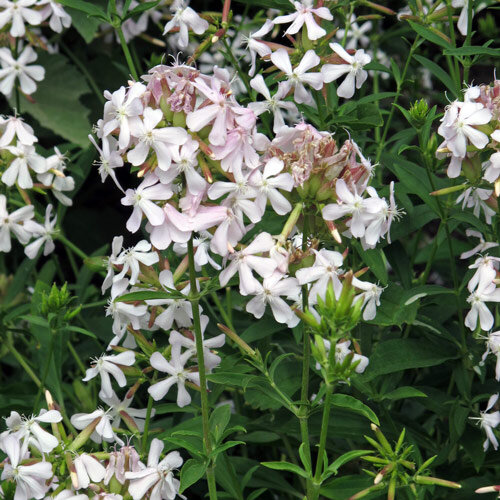
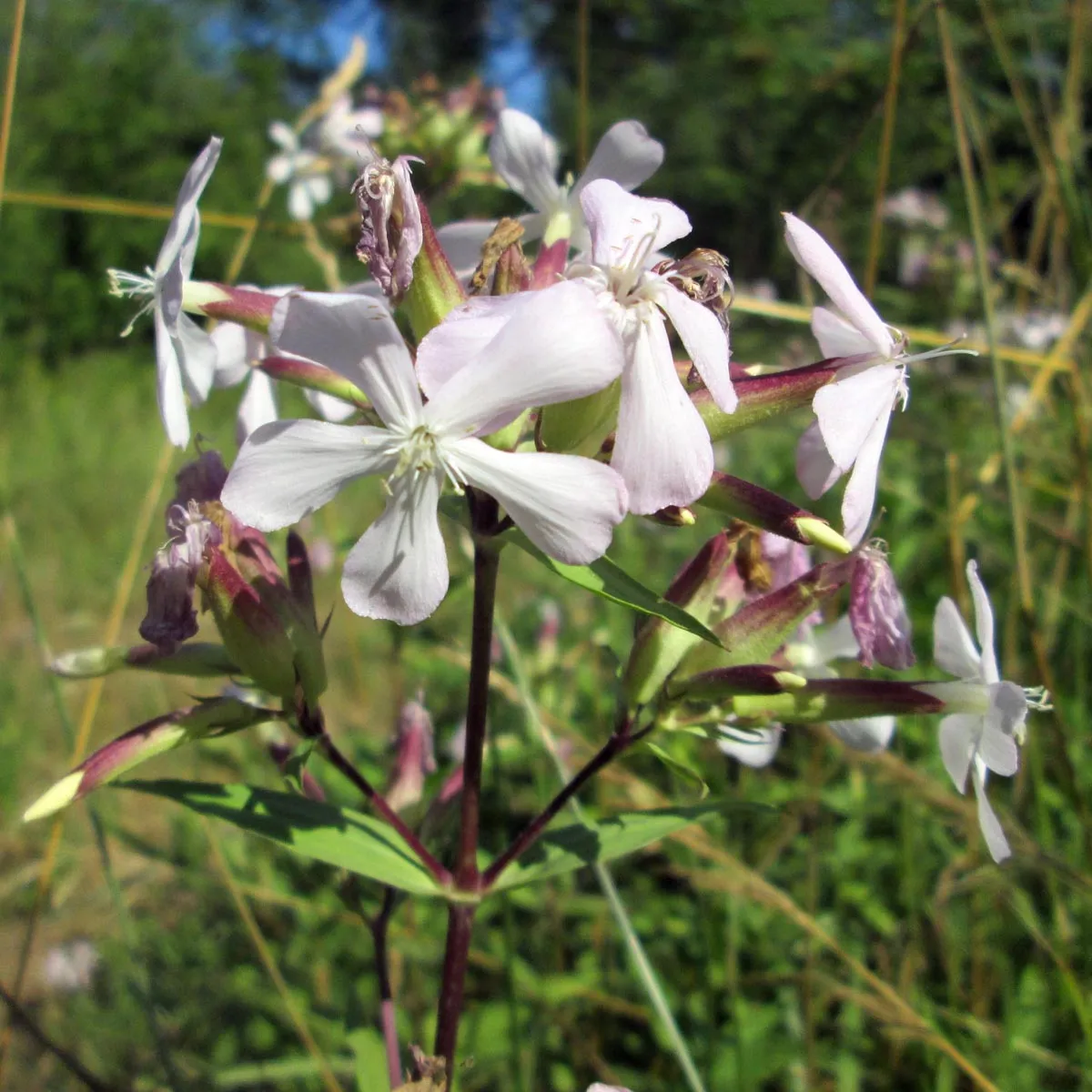
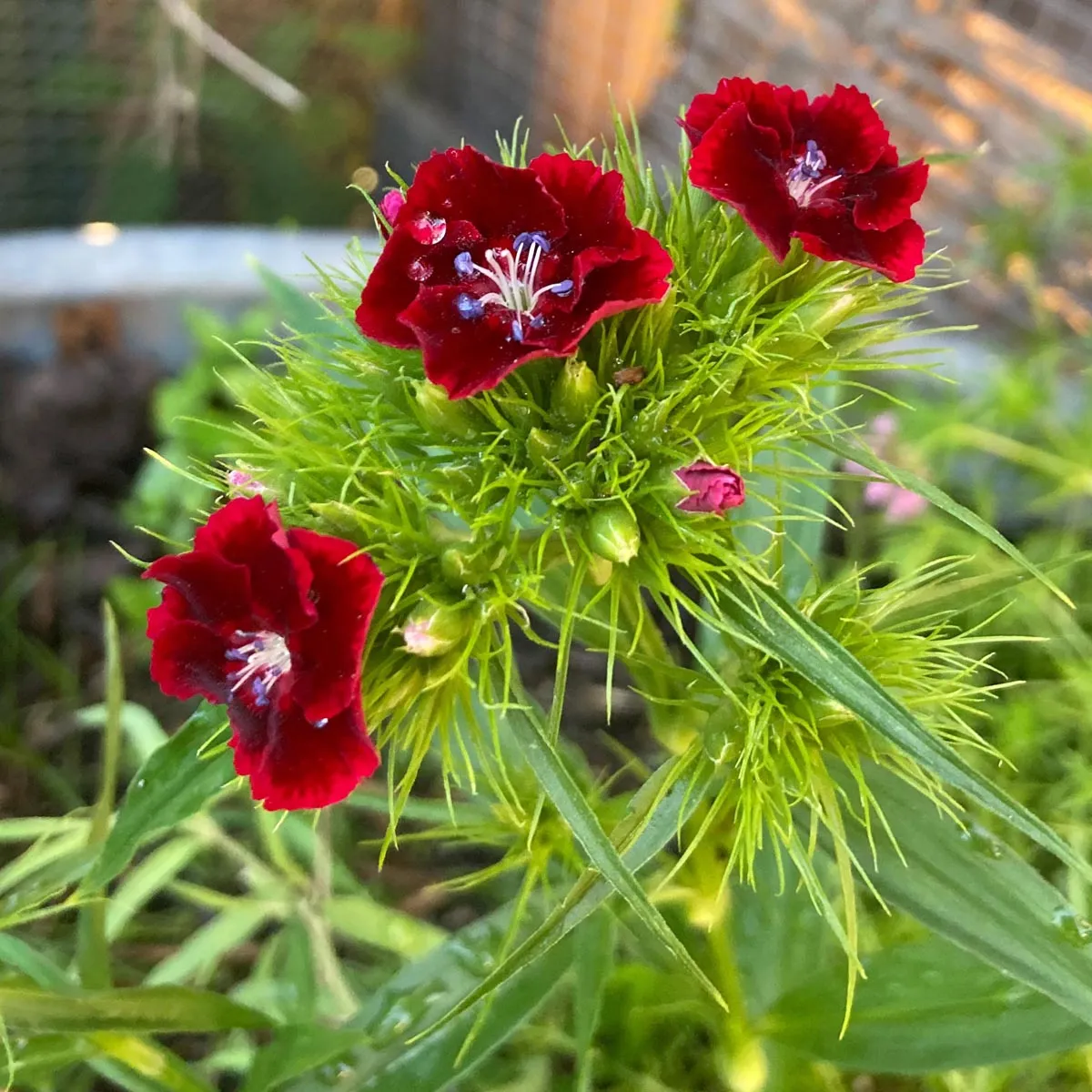
Common soapwort (Saponaria officinalis)
Common soapwort, too, releases its scent mainly in the evening hours. Its pale pink to almost white flowers are visited by a range of insects, including moths.
As a herbaceous perennial, it fits wonderfully into a somewhat wilder, wildlife-friendly garden, where it can remain part of the nocturnal flower supply for many years.
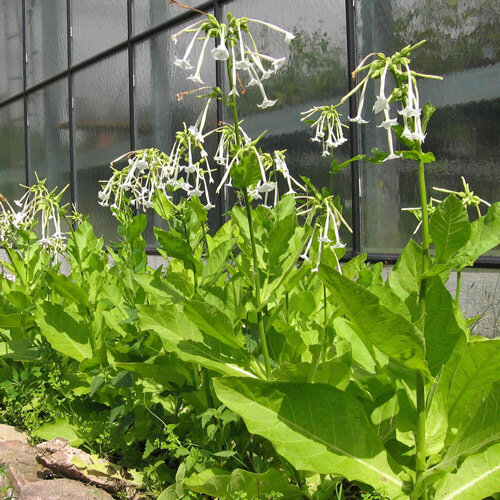
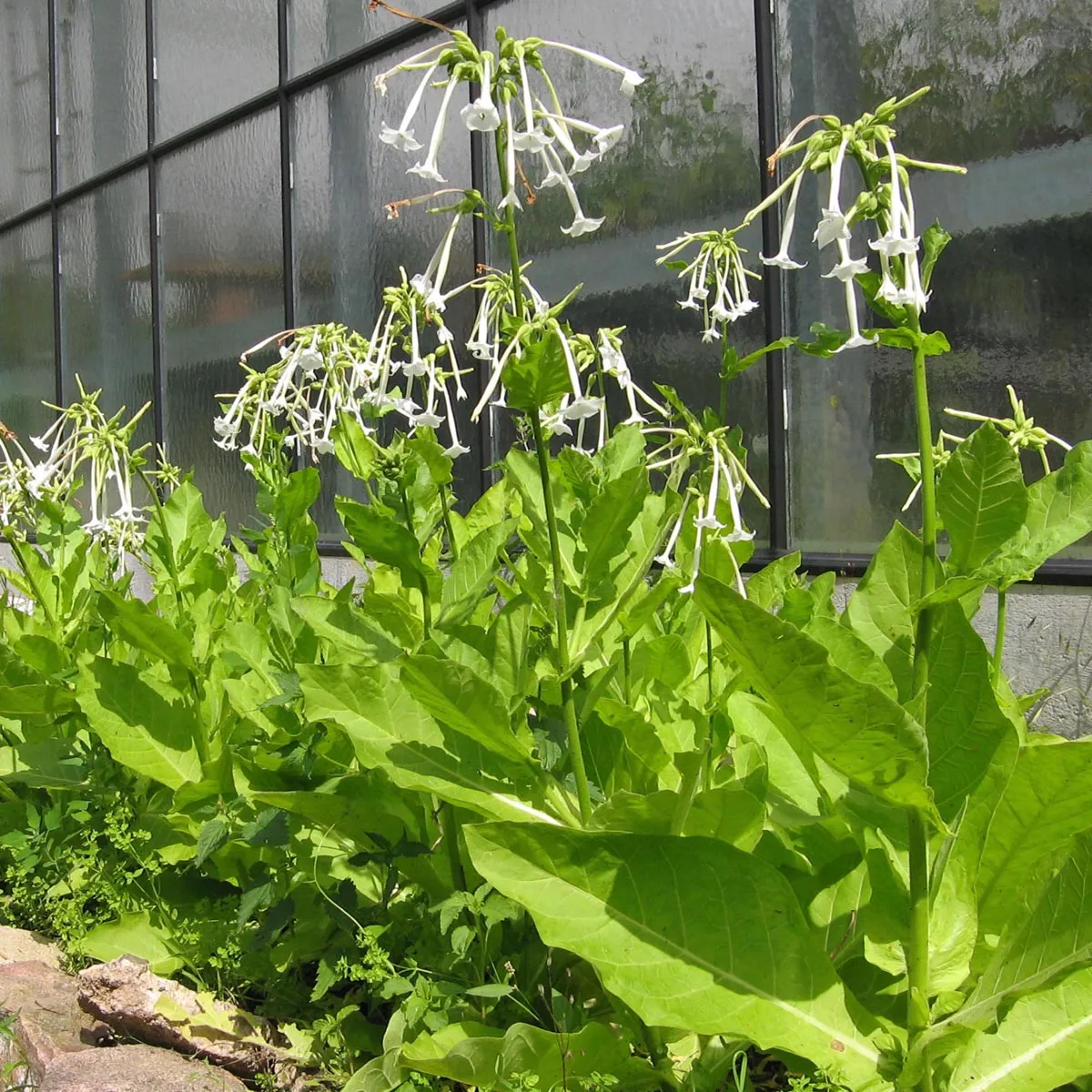
Woodland tobacco (Nicotiana sylvestris)
If you are also looking for an impressive summer plant, you can add woodland tobacco. Its long, white tubular flowers and intense evening scent make it a striking sight at dusk.
Here it is usually grown as an annual because it is sensitive to frost. In a summery scented bed in particular, it complements evening primrose, dame's violet and soapwort wonderfully.
Night-Flowering Plants, Moths and Bats
Night-flowering plants have an effect in the garden that reaches far beyond their own flowers.
Their nectar feeds moths and other insects. These in turn are on the menu of many bats. In Central Europe, bats are not pollinators, but they are closely linked to a rich nocturnal insect life.
Put simply:
Night-flowering plants → moths → bat
If you plant night-flowering plants, tolerate caterpillar food plants and at the same time keep dark areas in your garden, you strengthen a whole small food web.
The Most Insect-Friendly Garden Lamp Is the One Switched Off
Of course, light is sometimes needed: on a step, at the front door or on a frequently used path.
But the most important rule is: Only light places where light is really necessary, and only for as long and as brightly as needed.
A few simple principles help here:
- Point light downwards as completely as possible.
- Leave hedges, tree crowns, ponds and flowering areas dark at night.
- Set motion sensors to short, targeted timings.
- Avoid permanent decorative lighting.
- If light is necessary, use the weakest possible, very warm light with little blue. Amber or extra-warm white light is the better choice compared with cool white light with a high blue content.
It is important to remember: even a supposedly “insect-friendly” lamp is still artificial light. A bright amber light that is on all the time can also alter a dark habitat. The ecologically best option is therefore always darkness.
Perhaps You Will Discover Your Garden Anew
When the garden goes dark, life does not disappear: part of it only becomes visible then.
Earth Night can therefore be an invitation to go outside and observe what happens when, for once, we do not make everything visible.
Perhaps an evening primrose is just opening. Perhaps the scent of dame's violet is rising more strongly into the air. Perhaps a moth suddenly appears on a flower, or a bat glides silently over the garden.
Sometimes we do not need to add anything to experience more nature.
Sometimes it is enough to leave something out.
Give your garden a little darkness, and discover how much life it holds.
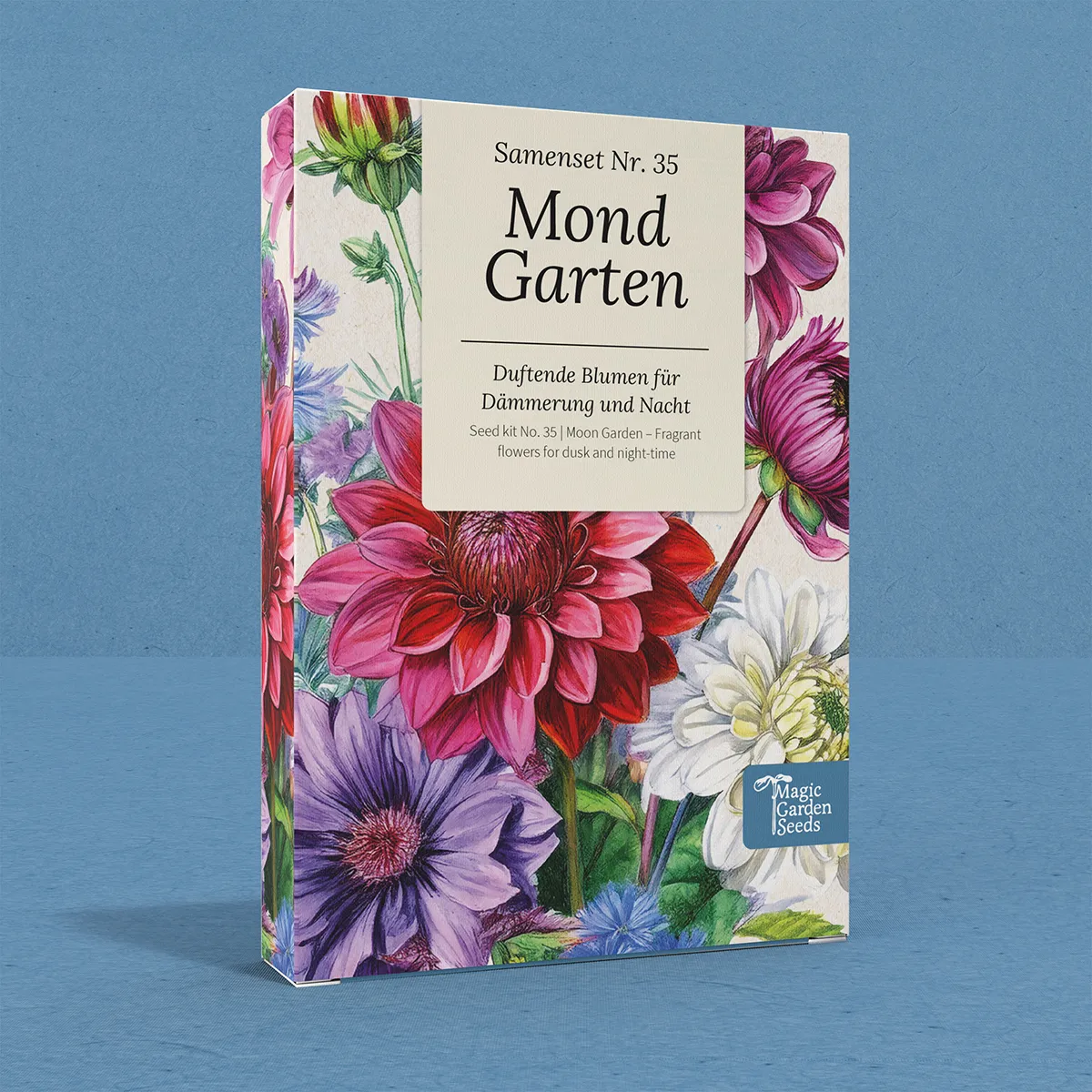
Which night-flowering plants are already growing in your garden? Share your experiences with us and discover open-pollinated seeds for a diverse, living garden at Magic Garden Seeds.
#EarthNight #LightPollution #NightFloweringPlants #Moths #NaturalGarden #Biodiversity #InsectFriendlyGarden #EveningPrimrose #MagicGardenSeeds
Sources
- Earth Night: earth-night.info
- Knop et al.: Artificial light at night as a new threat to pollination. Nature
- Overview of artificial light at night and its ecological effects: PubMed Central
- NABU: Information on moths, night-flowering plants and wildlife-friendly gardens. nabu.de