Green Manure in Autumn: Sow Now for Fertile Soil in Spring
Sowing & growing Startseite
The gardening year is coming to an end, but for the soil it is now peak season
When tomatoes, squashes and beans have been harvested, many people think of the garden going into “hibernation”. But while the beds are cleared, a life of its own begins in the soil, and you can support it deliberately. With the right green manure in autumn, you give your soil strength, structure and nutrients for the coming year.
Especially in times of intensive use, dry spells and erosion, it is more important than ever to send the soil into winter neither bare nor exhausted.
Contents
- What is green manure, actually?
- What happens in the soil when you use green manure?
- The best green manure plants for autumn
- Sowing tips for autumn
- What happens in winter?
- Green manure = sustainability in action
- Conclusion
What is green manure, actually?
Green manure means deliberately sowing certain plants that:
- loosen or stabilise the soil (depending on root structure),
- store nutrients or even fix them,
- stimulate soil life,
- and in many cases suppress weeds.
It is not harvested but is either worked into the soil in spring or left in place as a layer of mulch.
You could say: Green manure is a kind of plant therapy for your garden soil.
What happens in the soil when you use green manure?
A healthy soil does not consist only of minerals, but above all of organic matter and microorganisms. This is exactly where green manure works:
- Humus formation: Dying plant material is decomposed by soil organisms. This forms humus, a store for water and nutrients.
- Nitrogen fixation: Legumes such as hairy vetch or clover live in symbiosis with root nodule bacteria. These fix atmospheric nitrogen (N₂): natural fertilisation!
- Soil tilth & structure: Fine root networks promote what is known as a “crumb structure”. The soil becomes more open and holds water better.
- Preventing erosion: Bare soil is unprotected: rain, wind and frost can wash nutrients out. Green manure acts like a living umbrella.
The best green manure plants for autumn
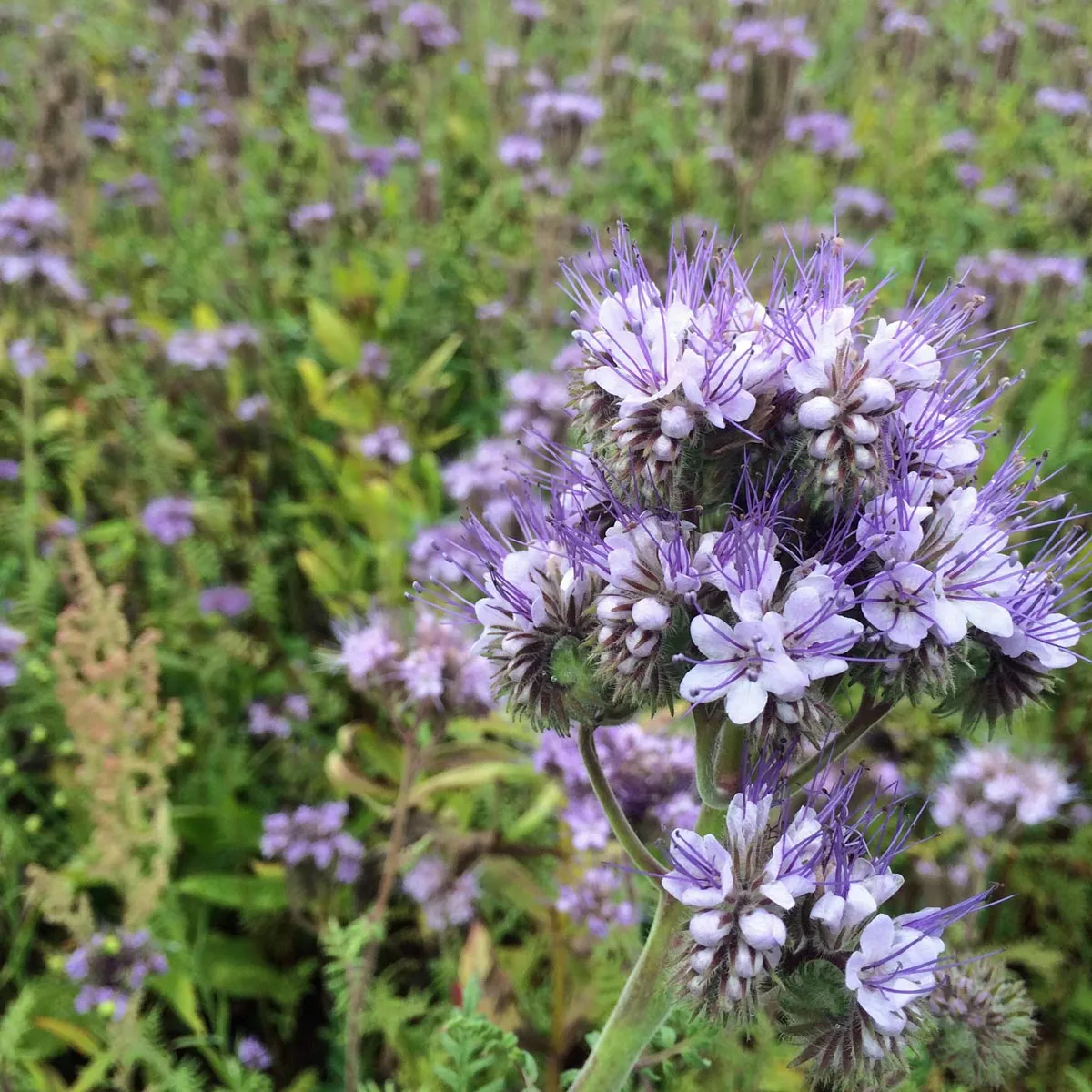
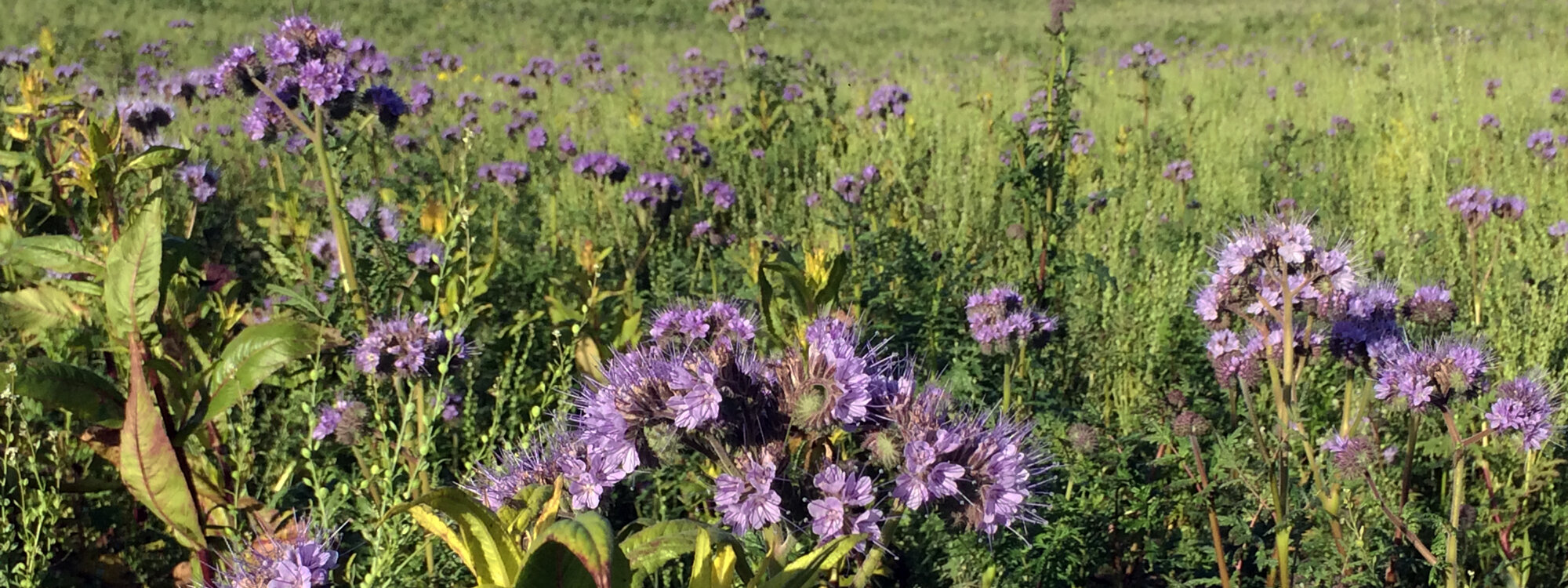
Phacelia (Phacelia tanacetifolia)
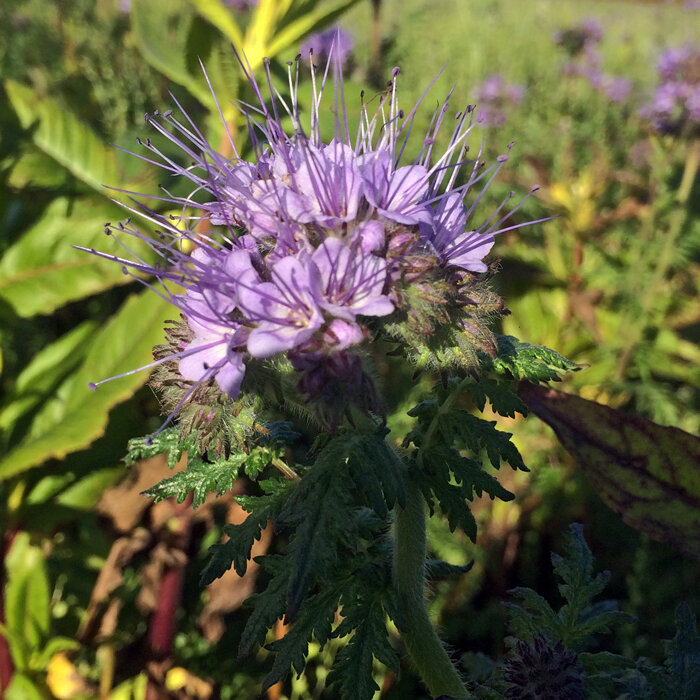
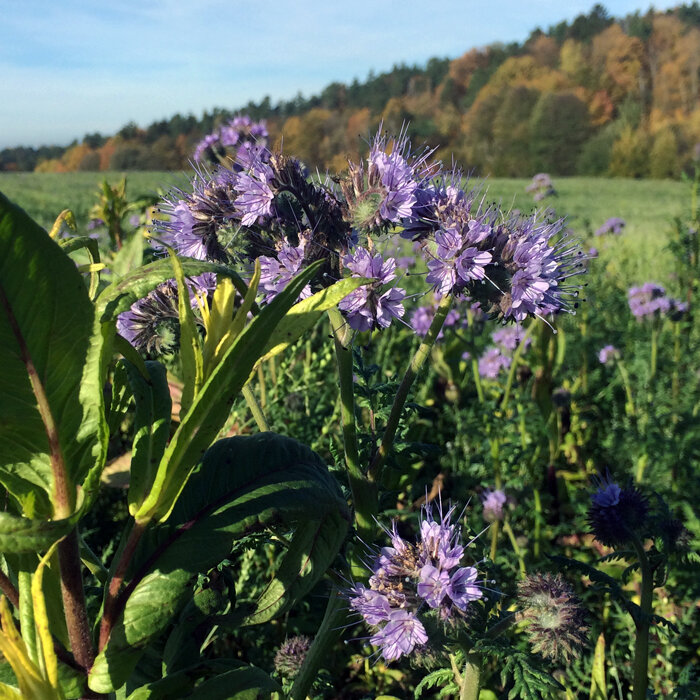
- Soil requirements: Undemanding, sandy to loamy soils
- Benefits: Loosens, protects, suppresses weeds
- Particularly suitable for: Before tomatoes, potatoes
Crimson clover (Trifolium incarnatum)
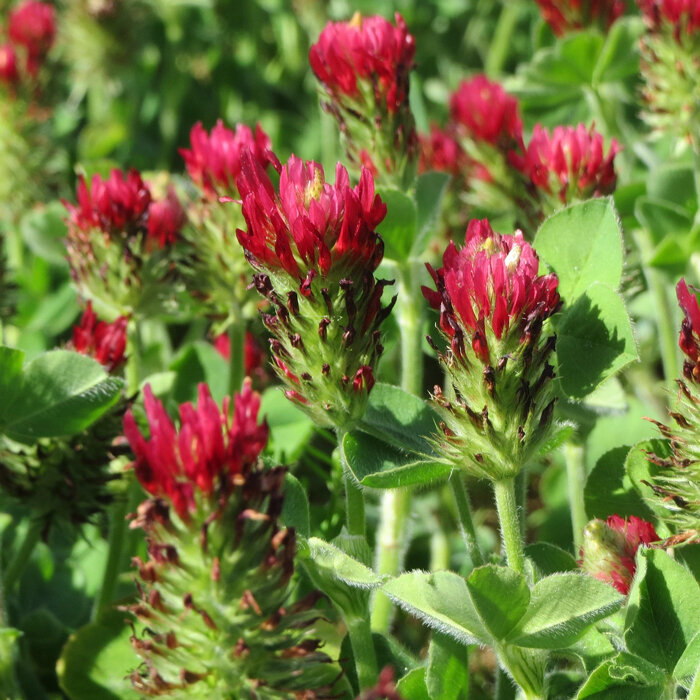
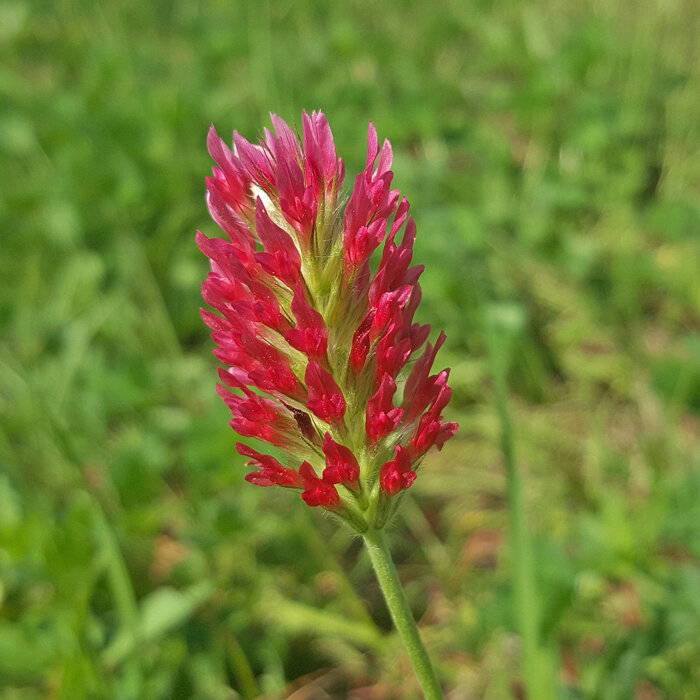
- Soil requirements: Humus-rich to loamy soils
- Benefits: Nitrogen fixation, food for insects
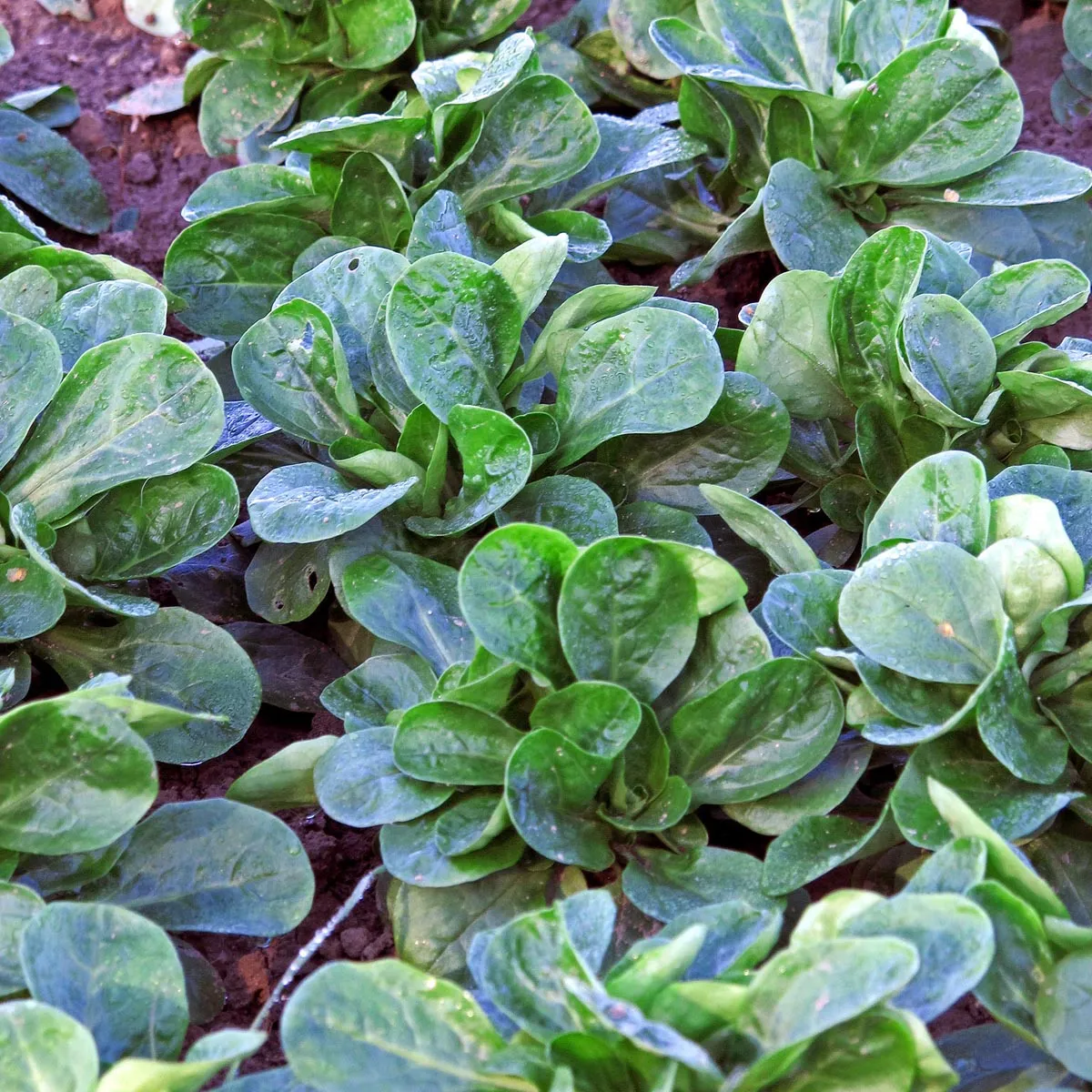
- Particularly suitable for: Before lettuce, spinach
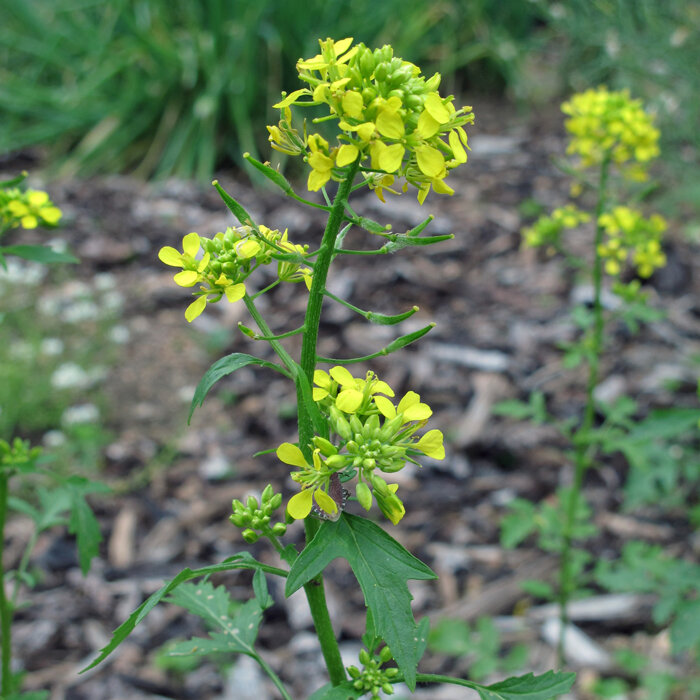
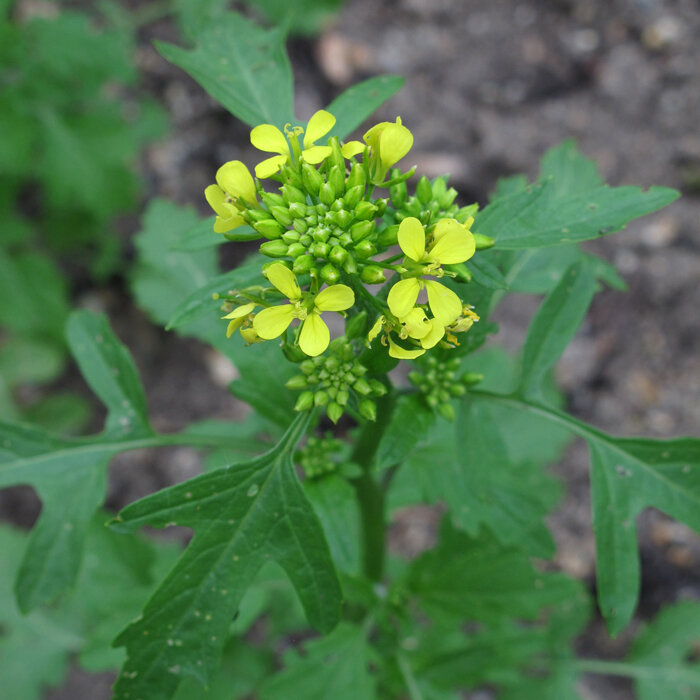
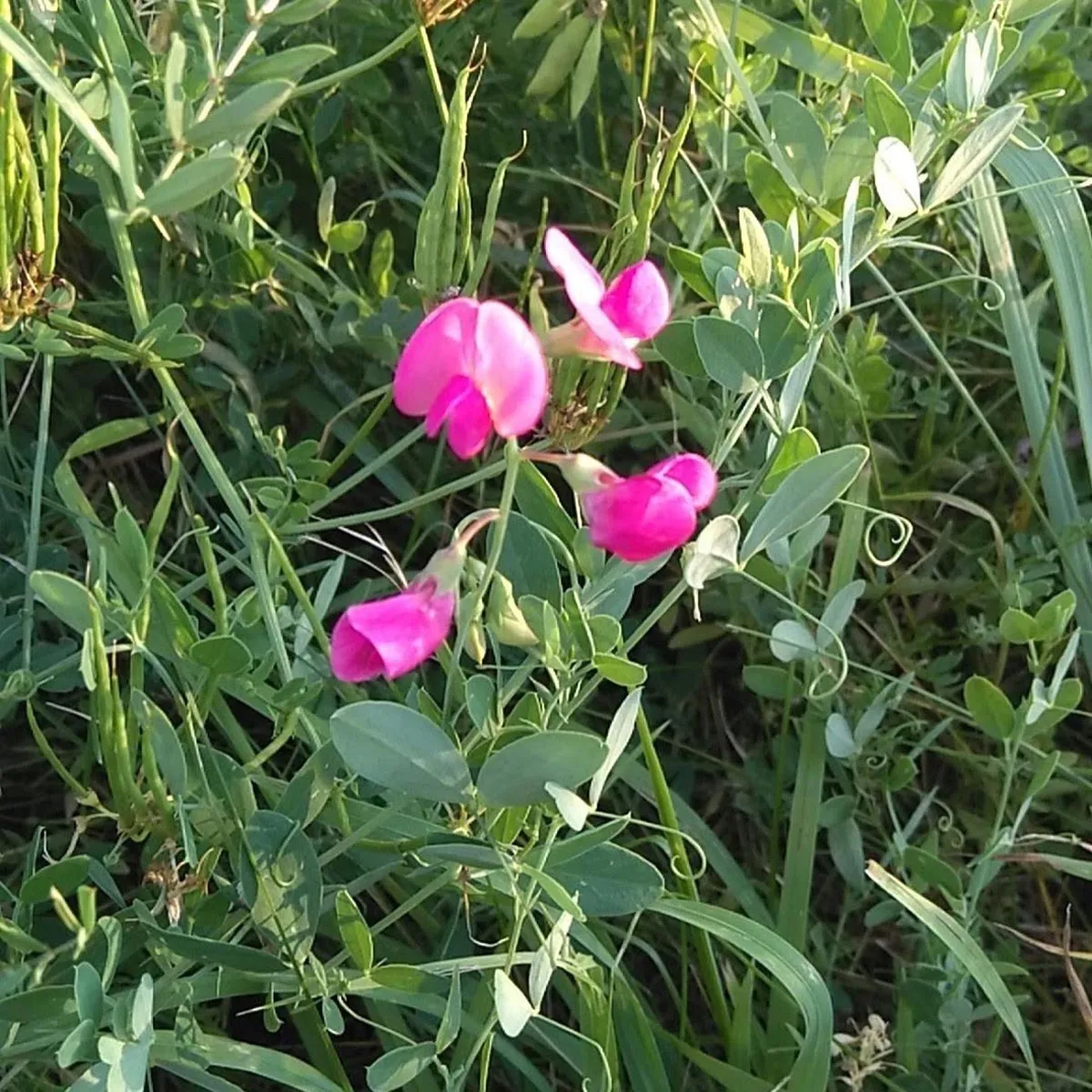
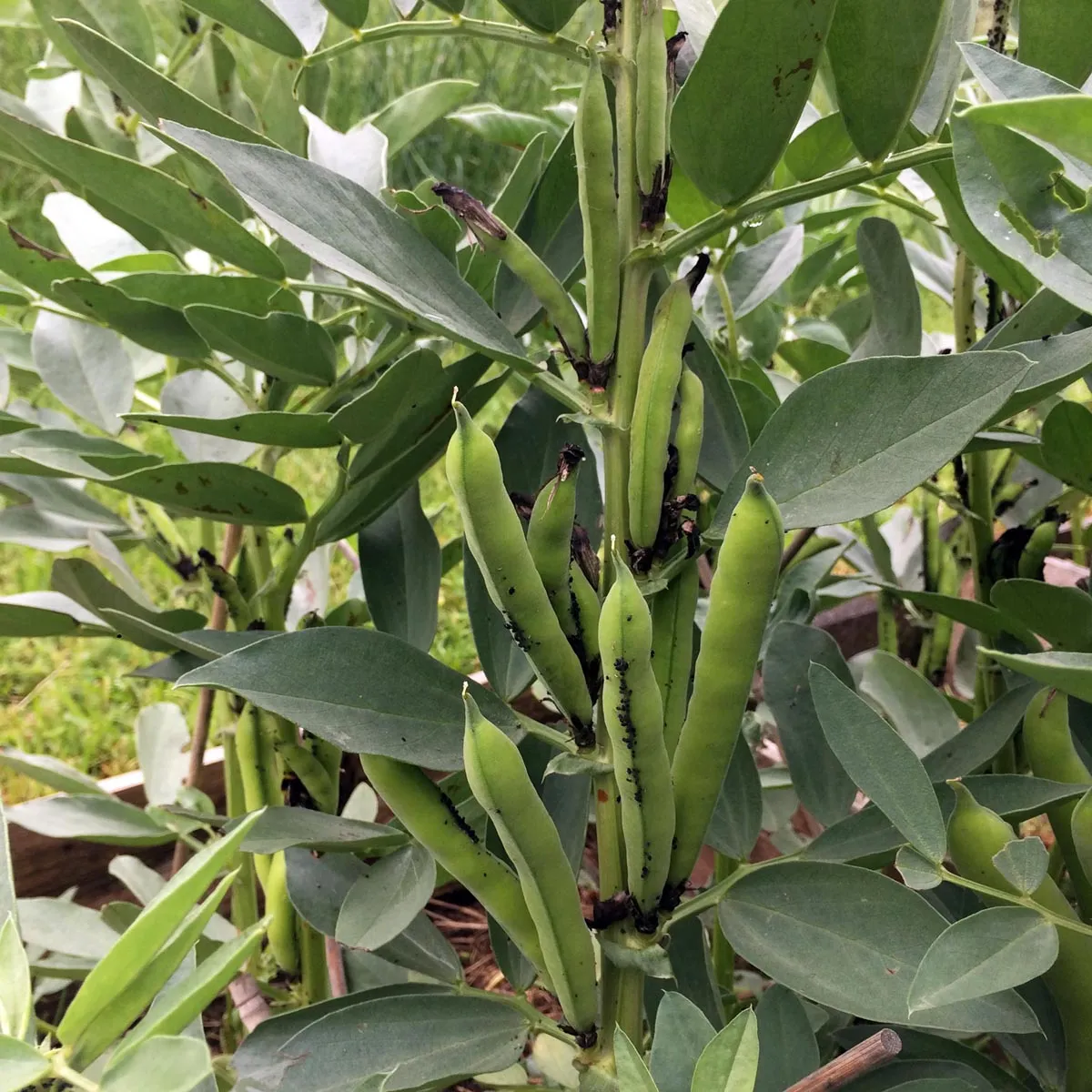
- Soil requirements: Light to medium-heavy, free-draining
- Benefits: Fast-growing, suppresses weeds
- Particularly suitable for: After potatoes
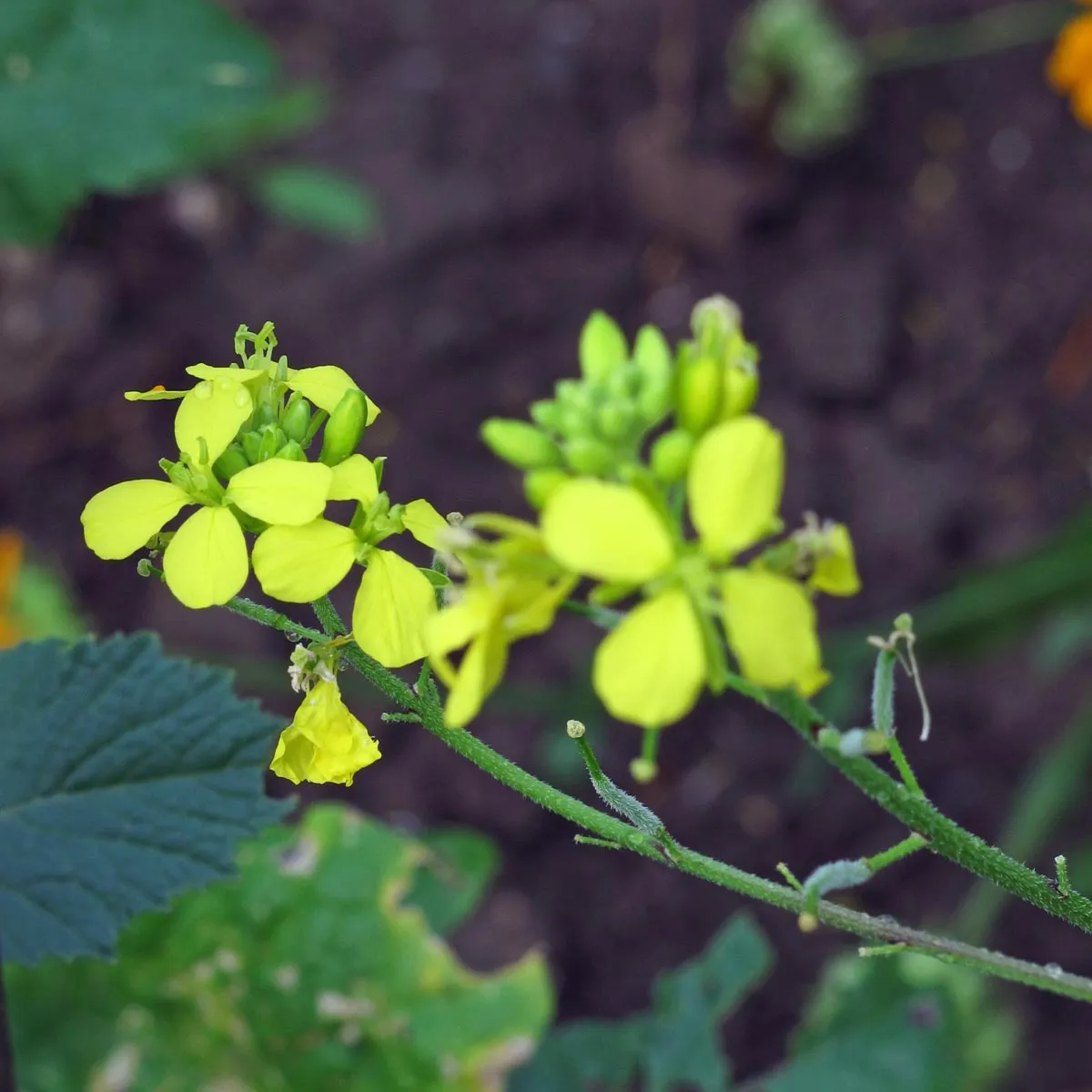
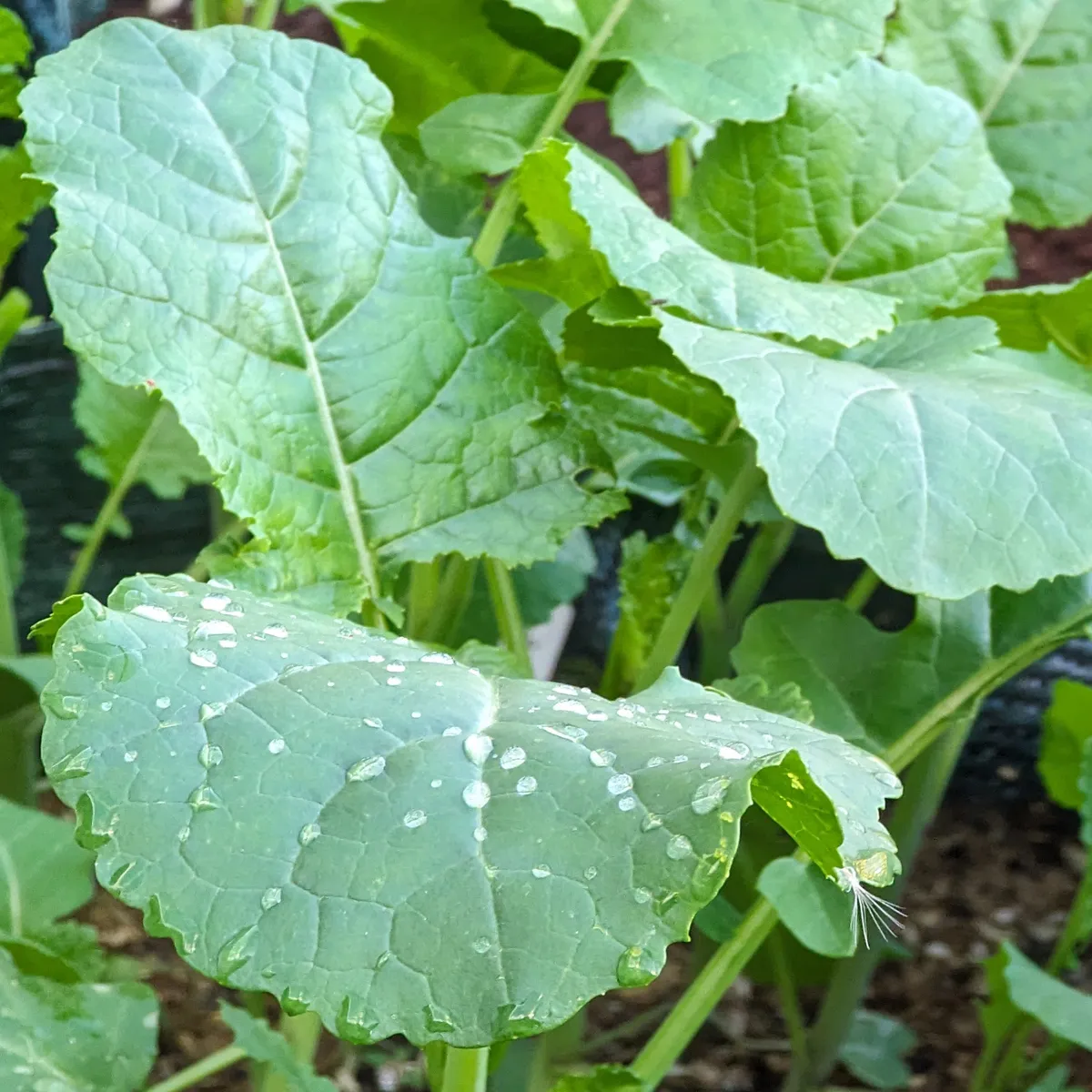
Fodder radish (Raphanus sativus)
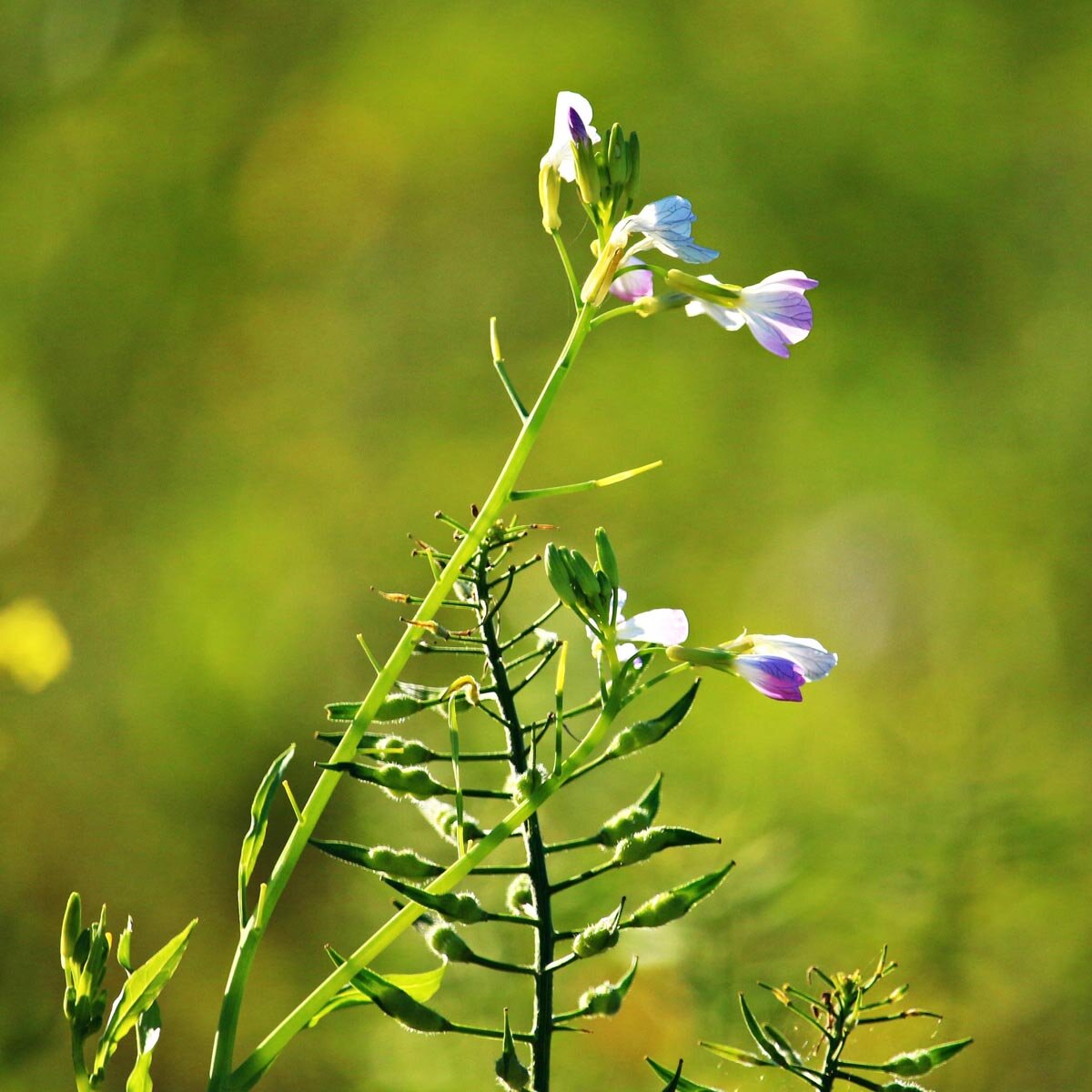
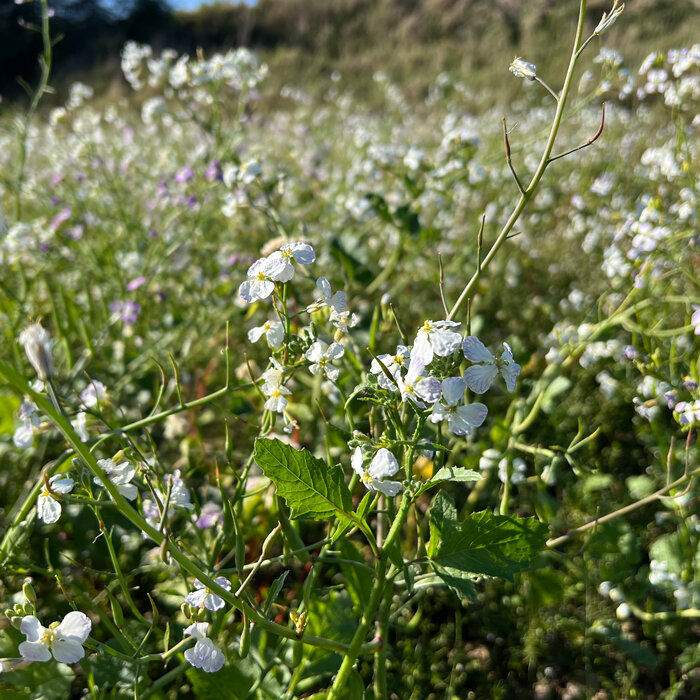
- Soil requirements: Compacted, loamy soils
- Benefits: Loosens deeply, stores nutrients
- Particularly suitable for: For loosening the soil
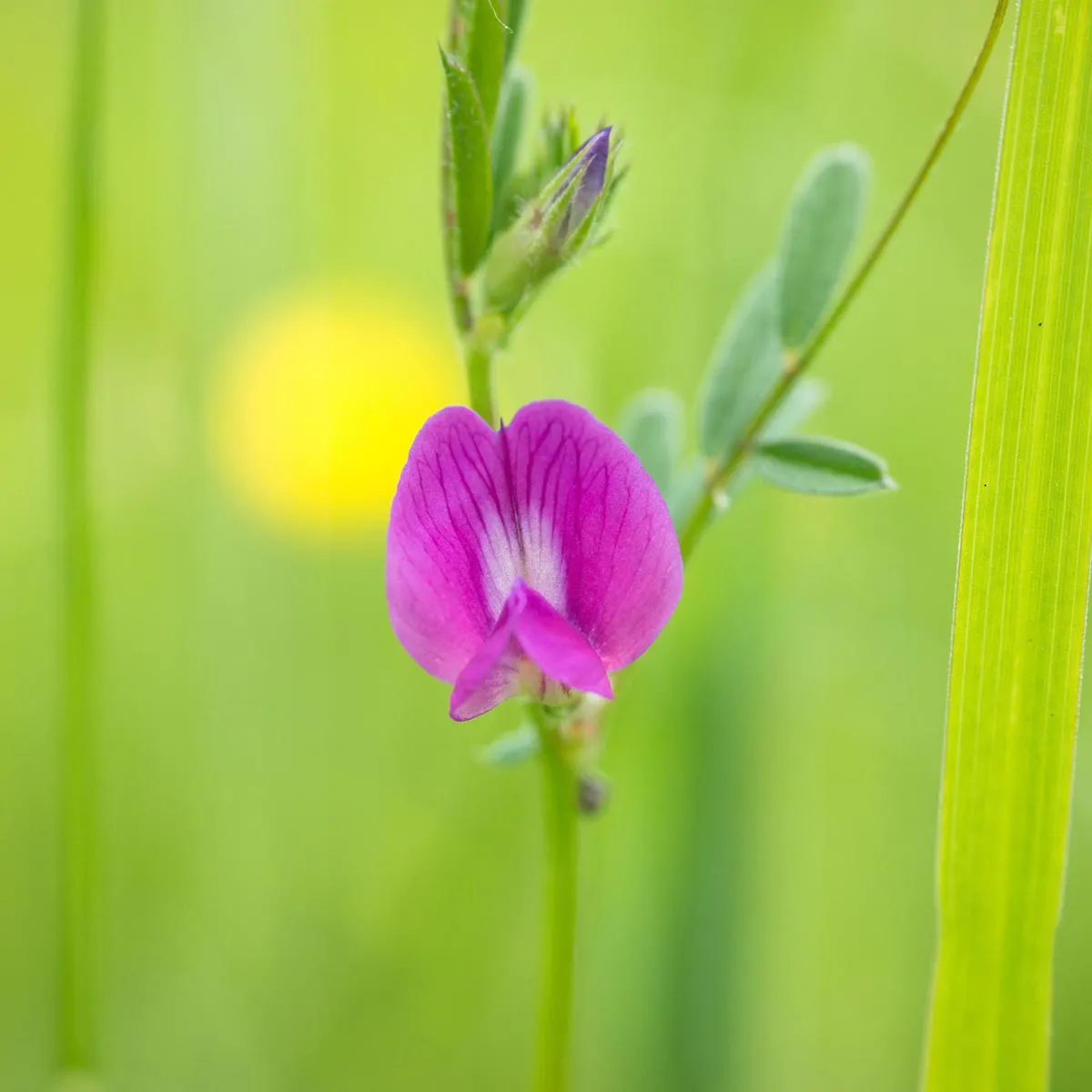
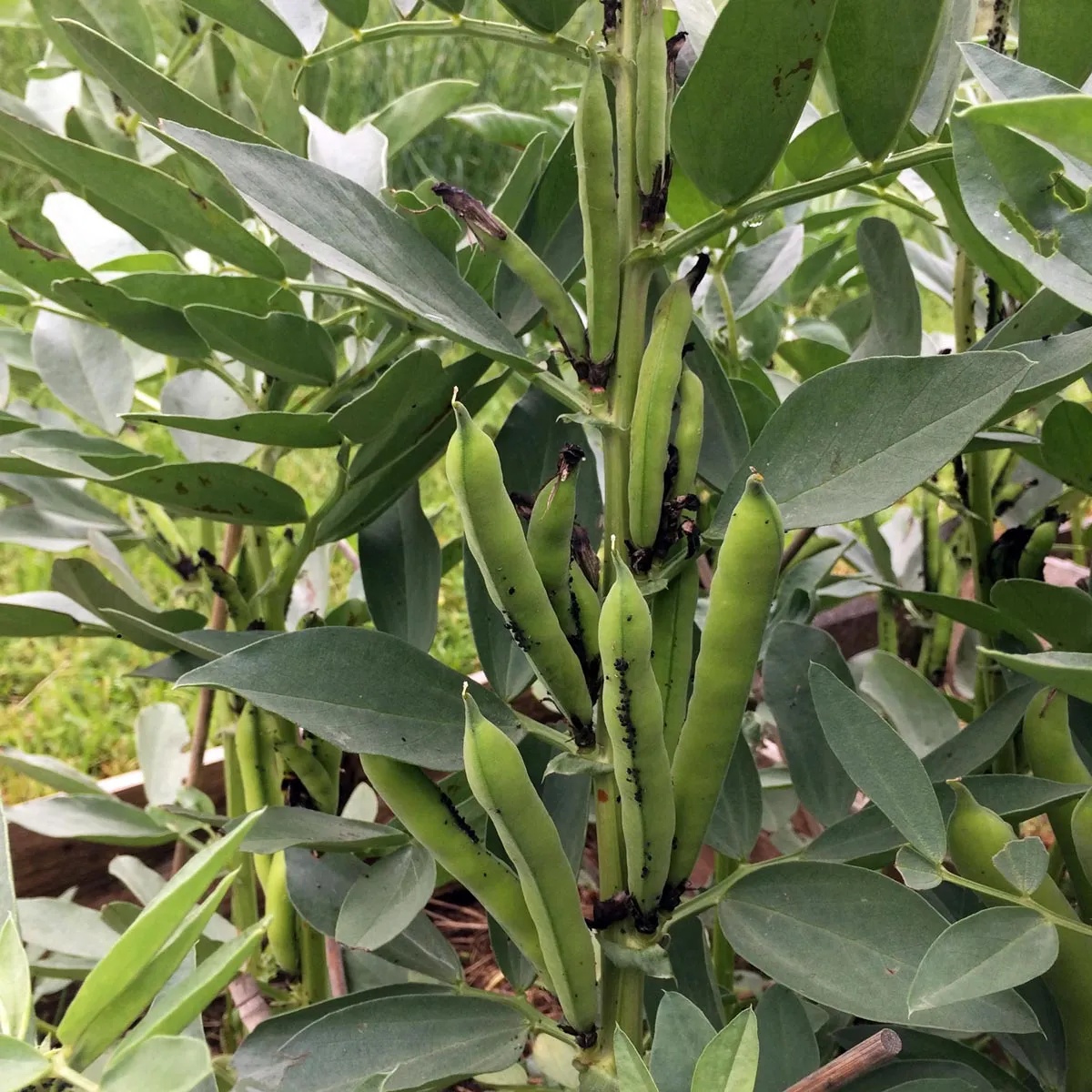
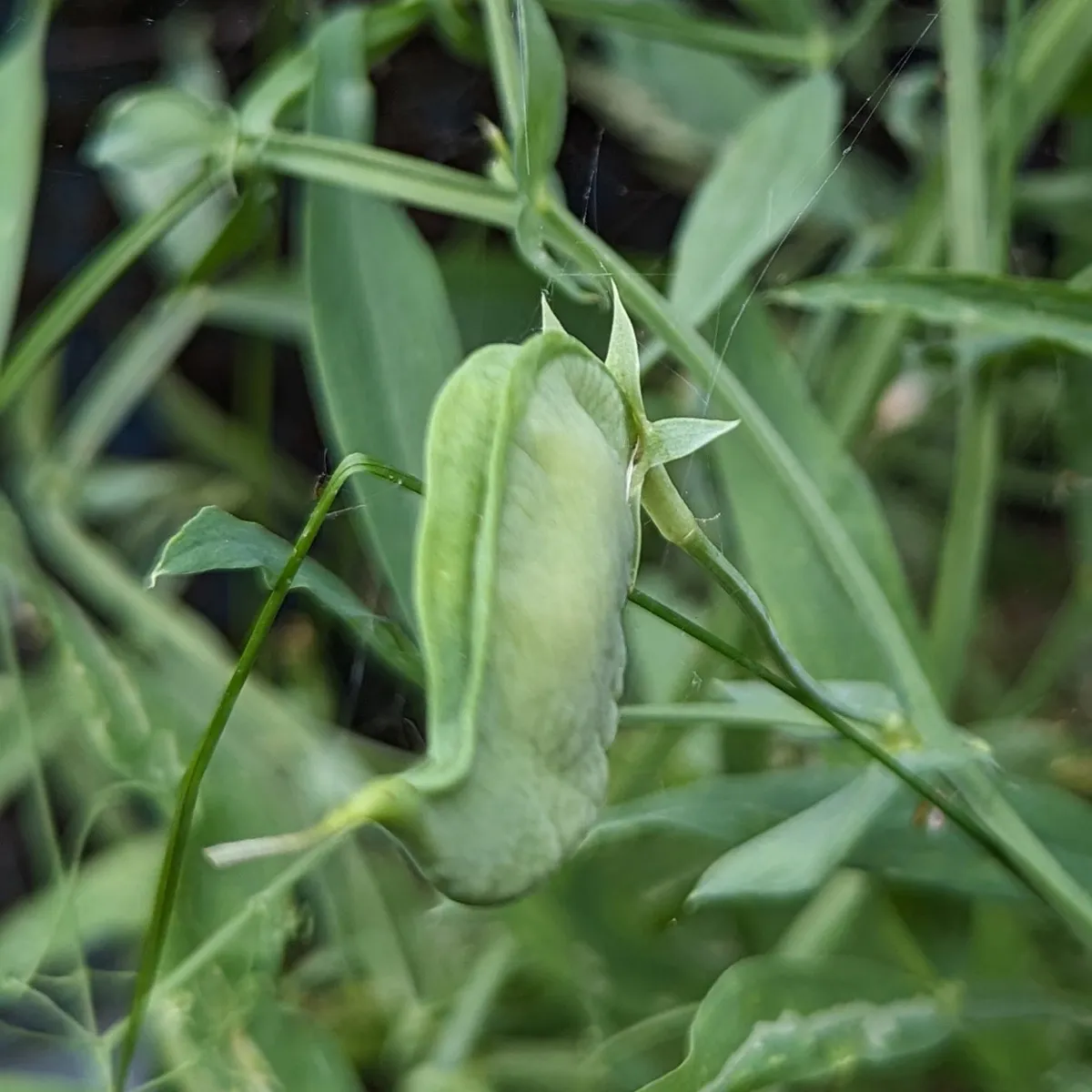
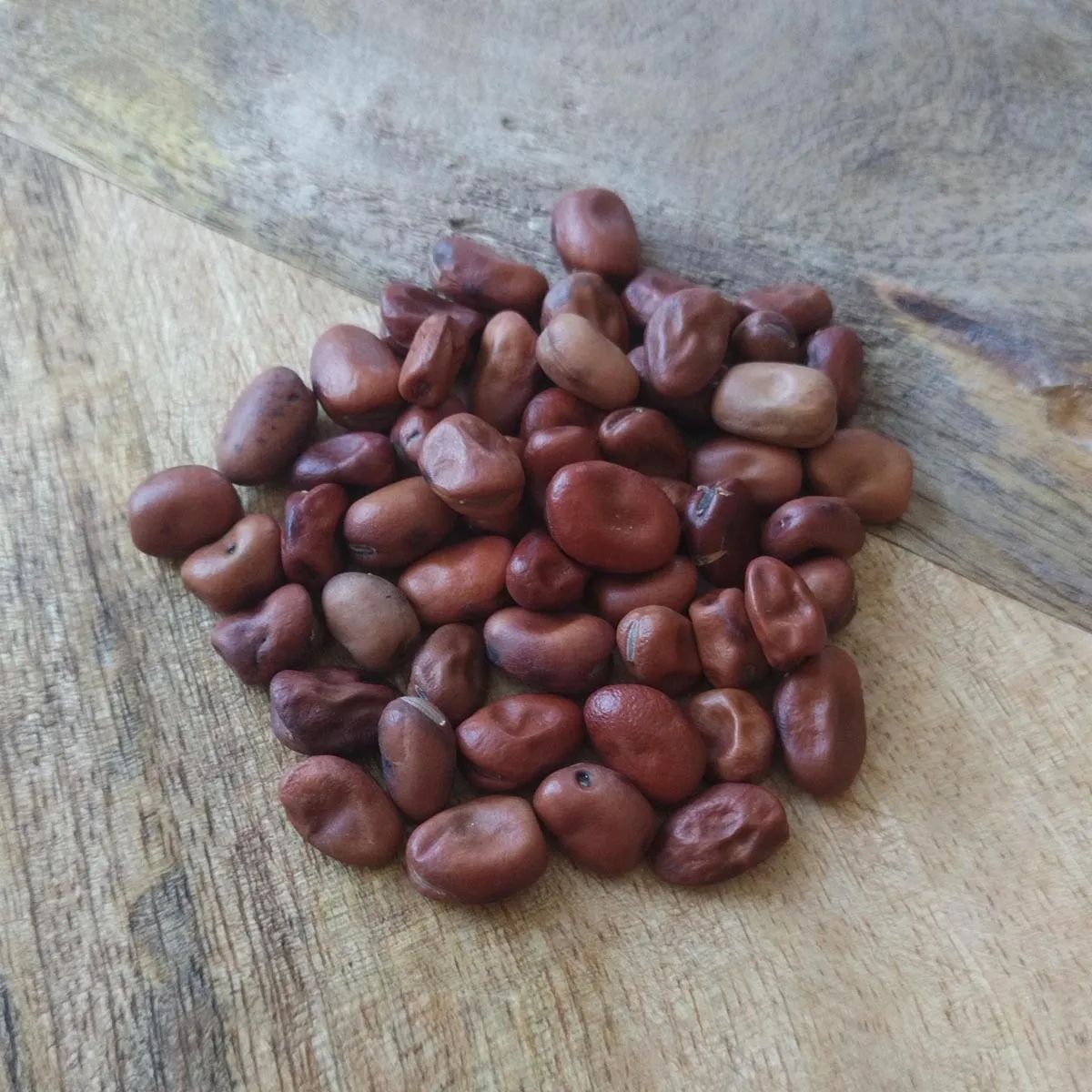
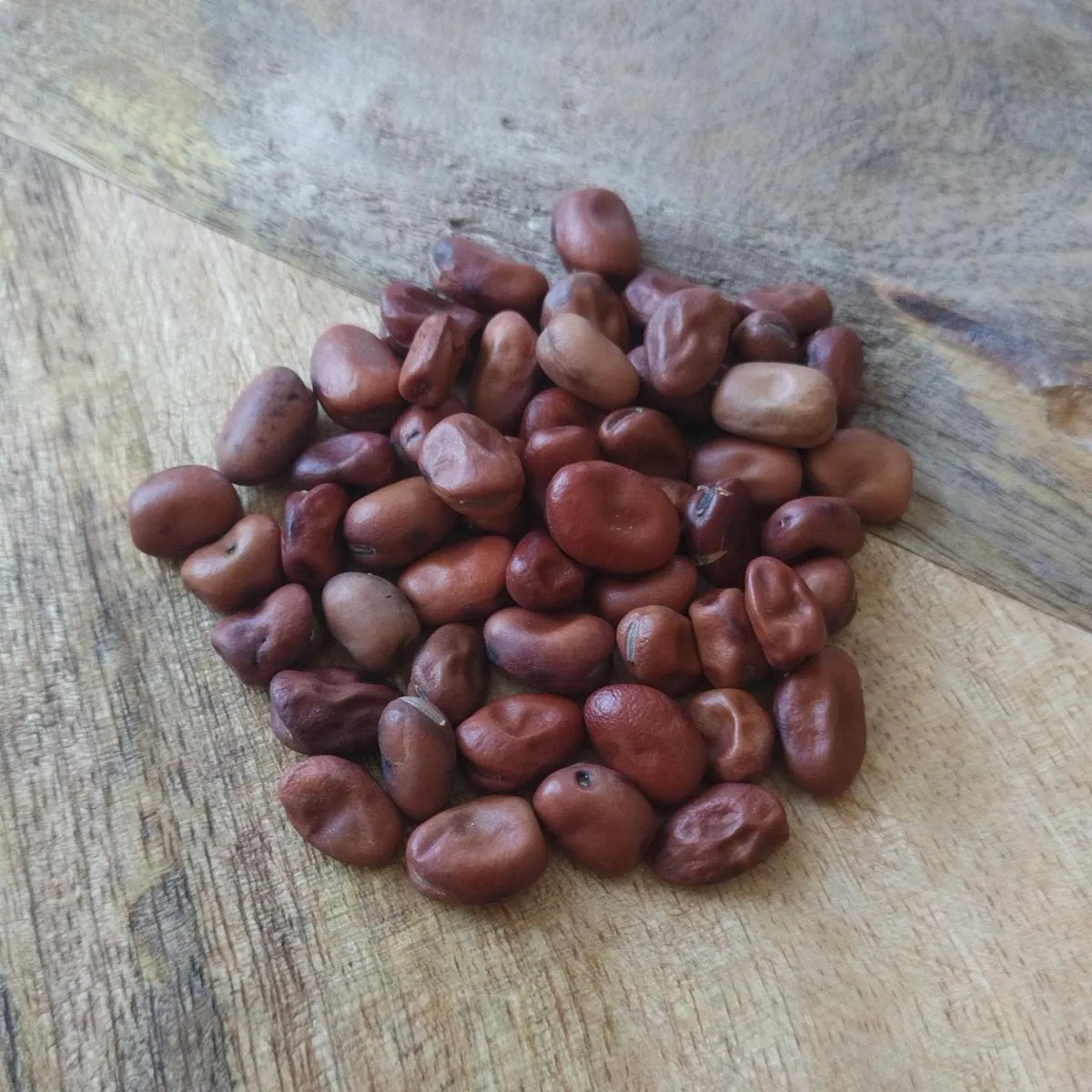
Hairy vetch (Vicia villosa)
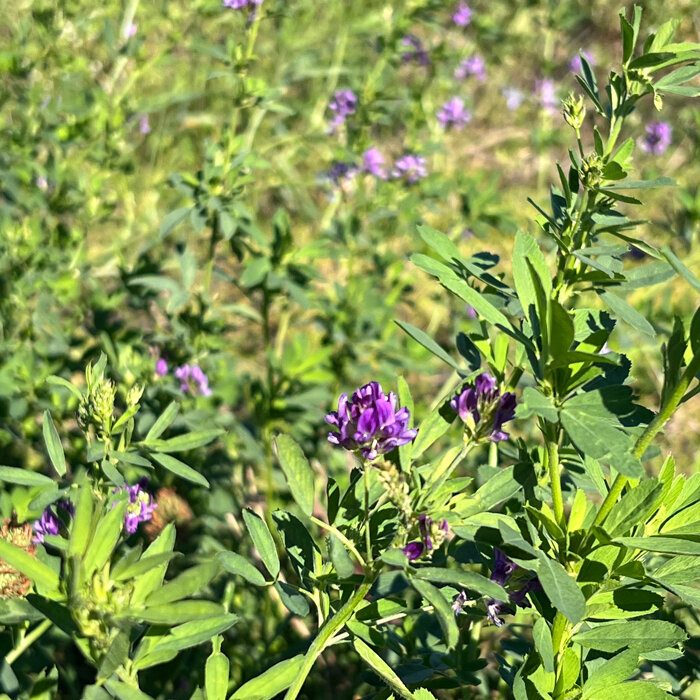
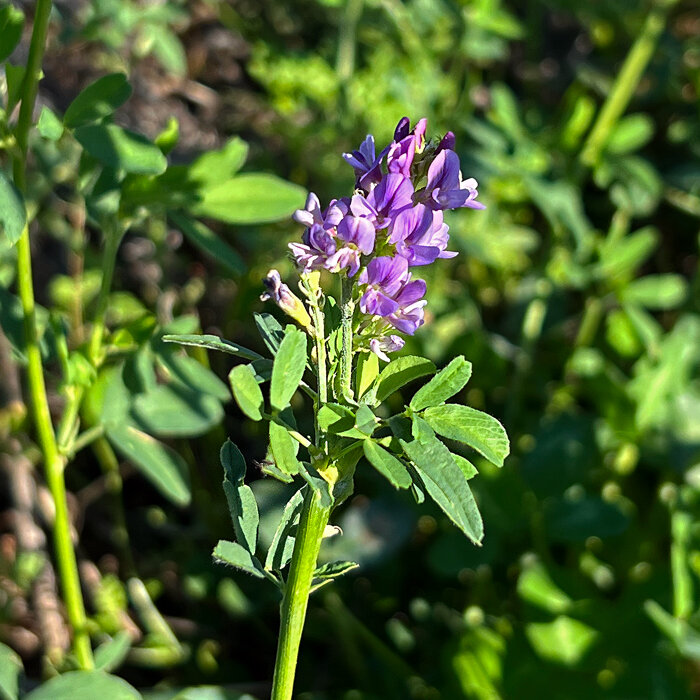
- Soil requirements: Deep, nutrient-poor soils
- Benefits: Collects nitrogen, roots through the soil
- Particularly suitable for: Before cabbage, squash
Buckwheat (Fagopyrum esculentum)
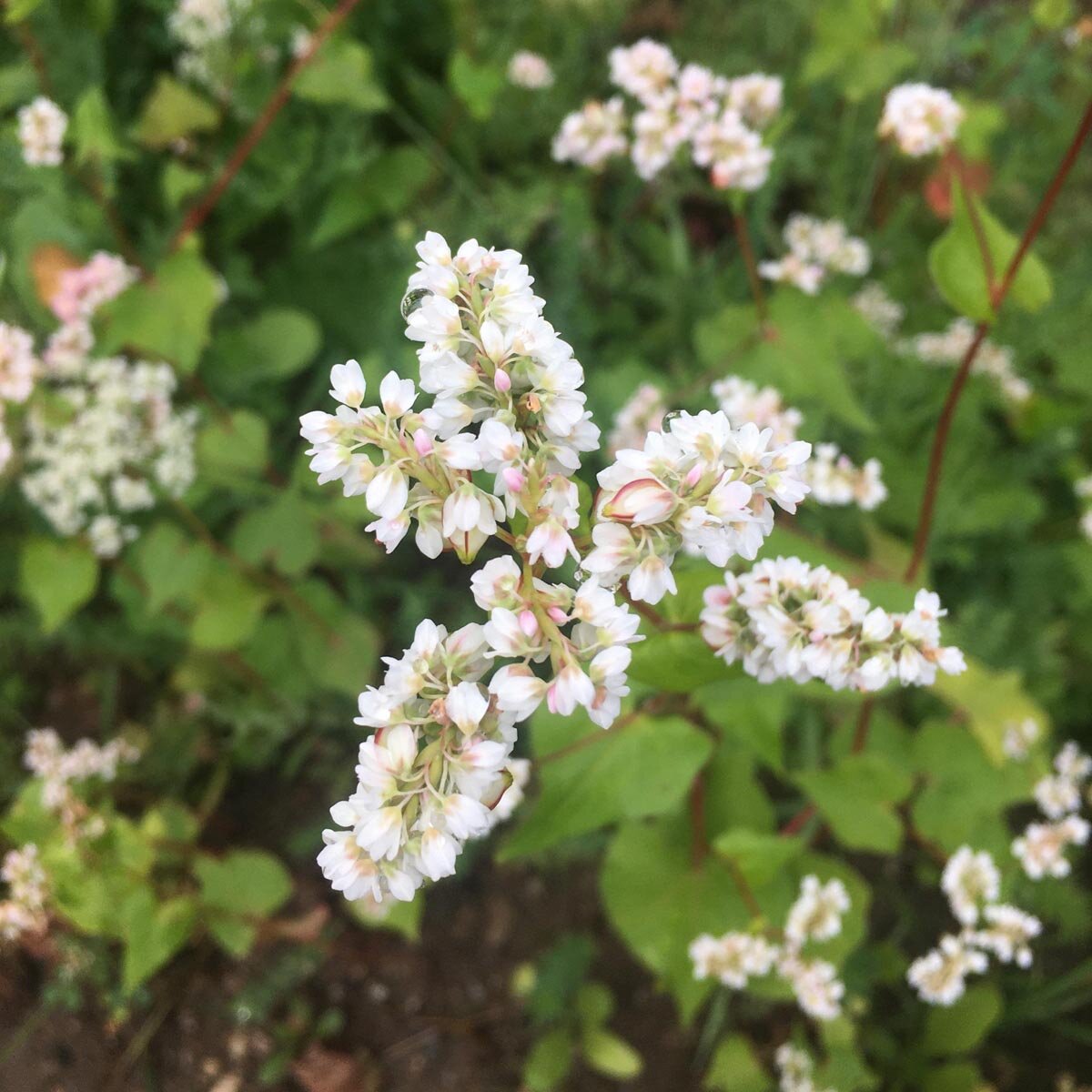
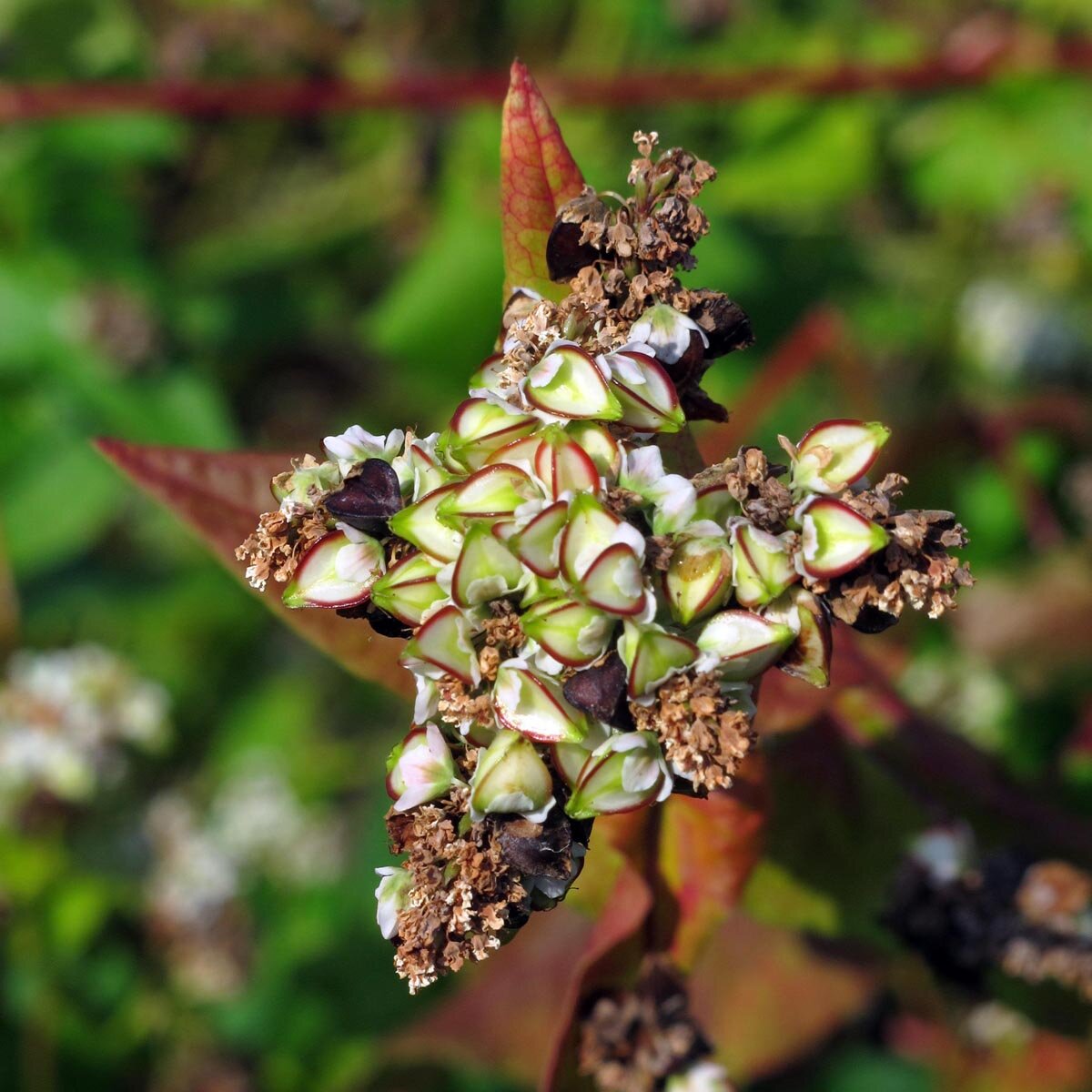
- Soil requirements: Sandy to slightly loamy, warm
- Benefits: Quick soil loosening
- Particularly suitable for: Only where frost comes late, mild locations
Sowing tips for autumn
- Prepare the bed: Remove old roots and plant remains, loosen the soil on the surface.
- Sowing: Sow seeds broadcast or in rows, no deeper than two to three times the seed diameter.
- Firm the soil around the seeds: Rake in lightly, press down with a board if necessary, and do not forget to water in.
- Combining pays off: Mixtures such as Phacelia + vetch make use of several benefits at once.
❄️ What happens in winter?
Hardy species such as vetch or clover keep growing in spring and can be worked into the soil in March. Frost-tender species such as Phacelia or mustard die off and form a layer of mulch that protects the soil and supplies organic matter.
Green manure = sustainability in action
At Magic Garden Seeds, green manure is not just gardening practice but part of our philosophy:
- 🌱 open-pollinated seeds
- 🌱 preserving species diversity
- 🌱 promoting soil life
- 🌱 a return to natural cycles
That is why you will find green manure varieties with us in open-pollinated quality: for saving, sharing and reusing.
Conclusion
Green manure is a quiet but powerful garden helper. With little effort you strengthen your soil, prepare for the coming year and support biodiversity and soil health at the same time. Anyone who sows now will later harvest not only vegetables, but also lasting joy in gardening.
Your turn!
Have you tried green manure yet? Which plants did you use, or are you just about to try it for the first time? Which seeds do you miss in our range?
Share your experiences and tips with us in the comments! 🌿
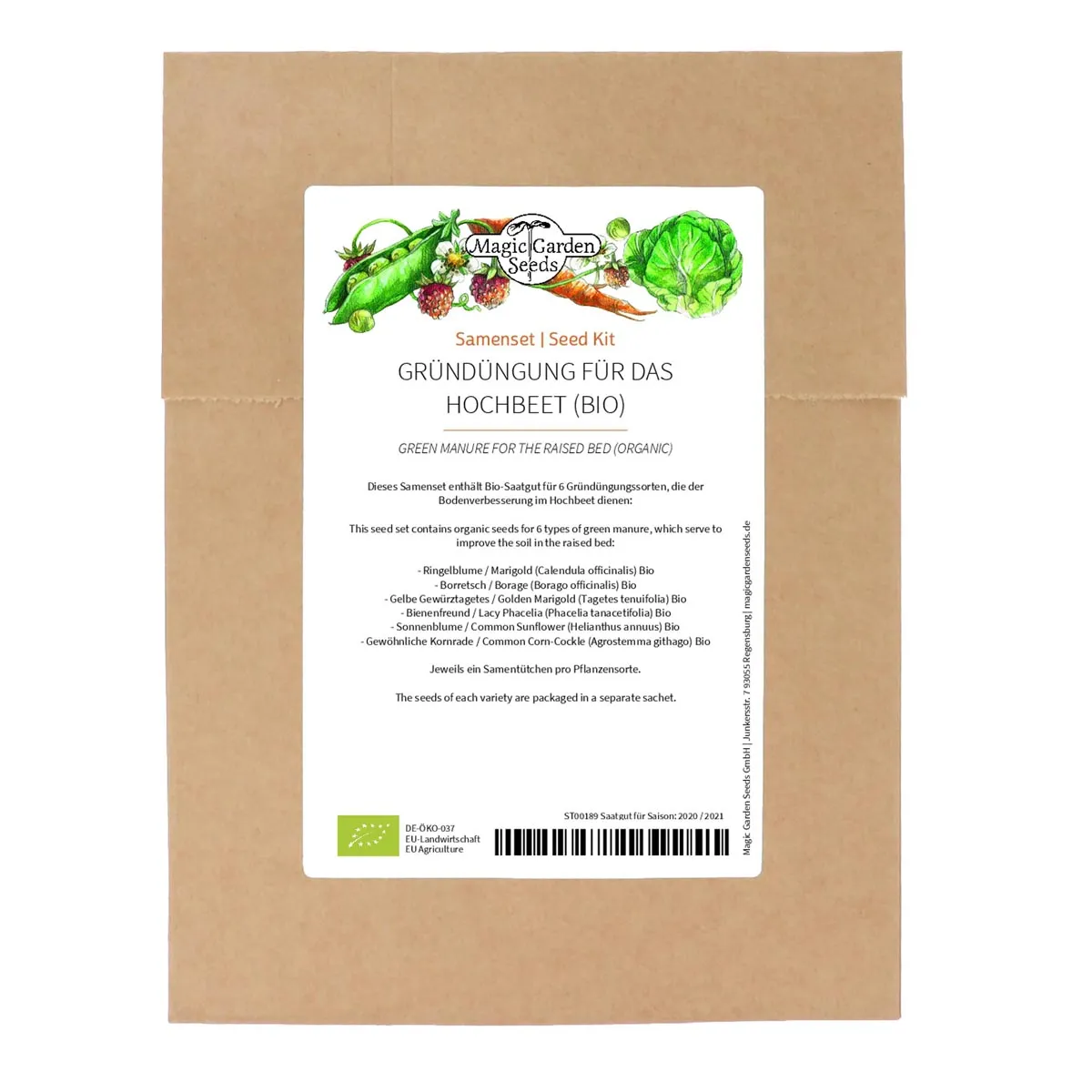
You can browse our green manure range here!
Plant seeds for green manureRelated products