Halophytes: Understanding Salt Plants from Coastal Landscapes
Gardens of the future
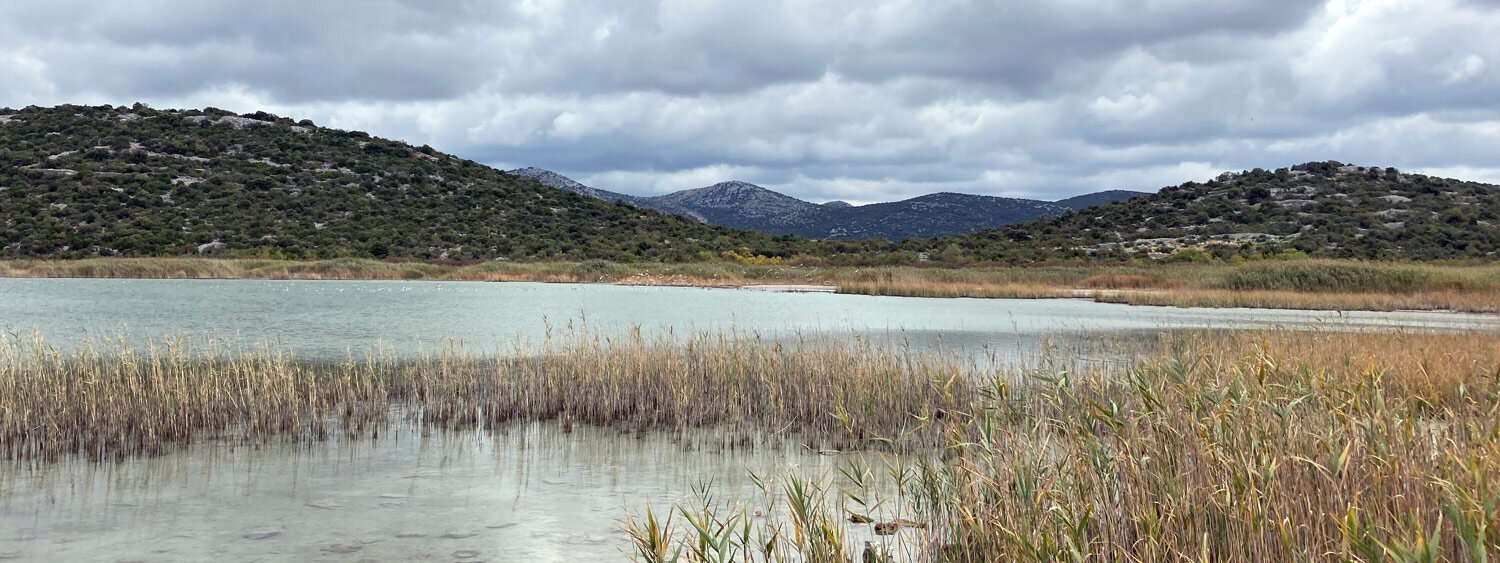
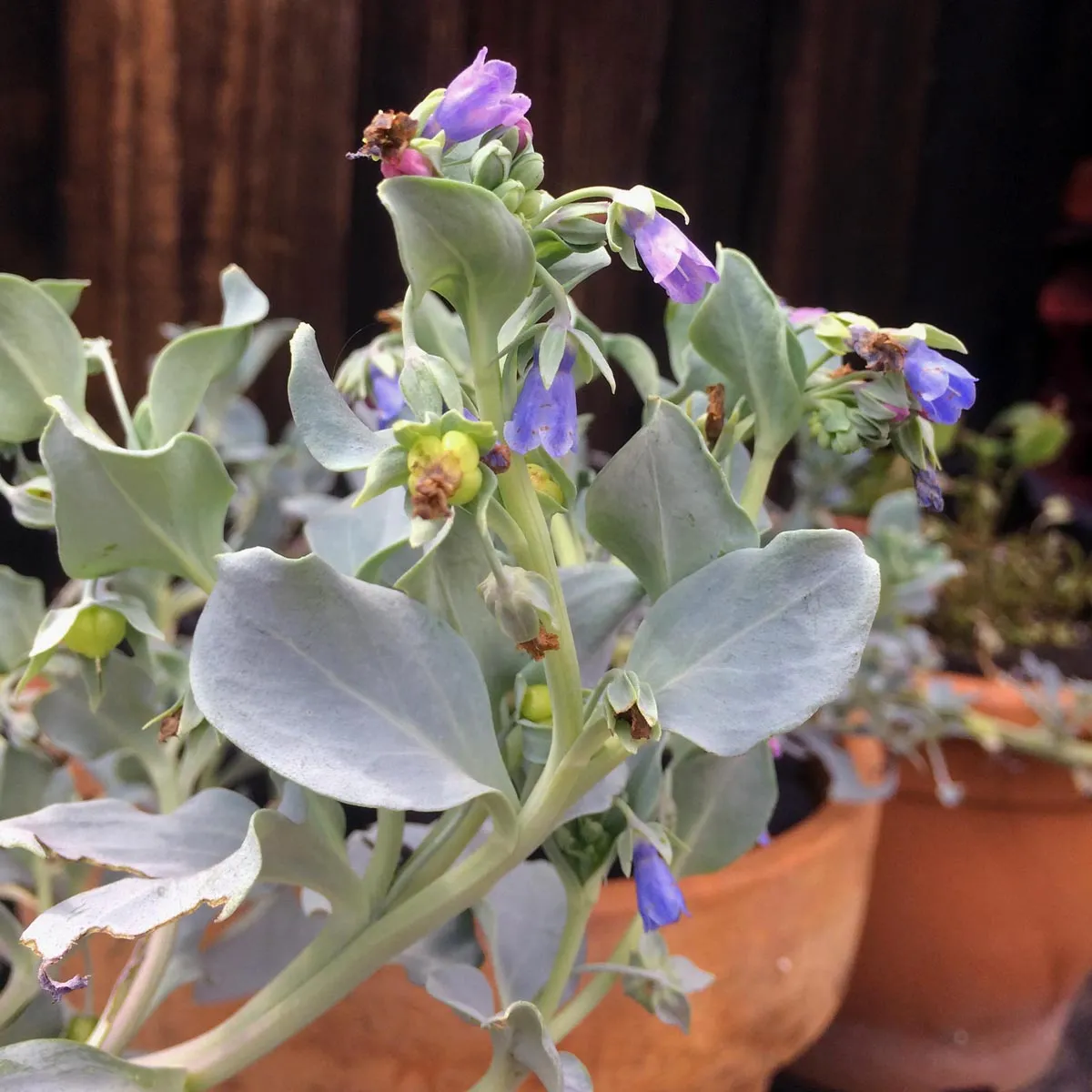
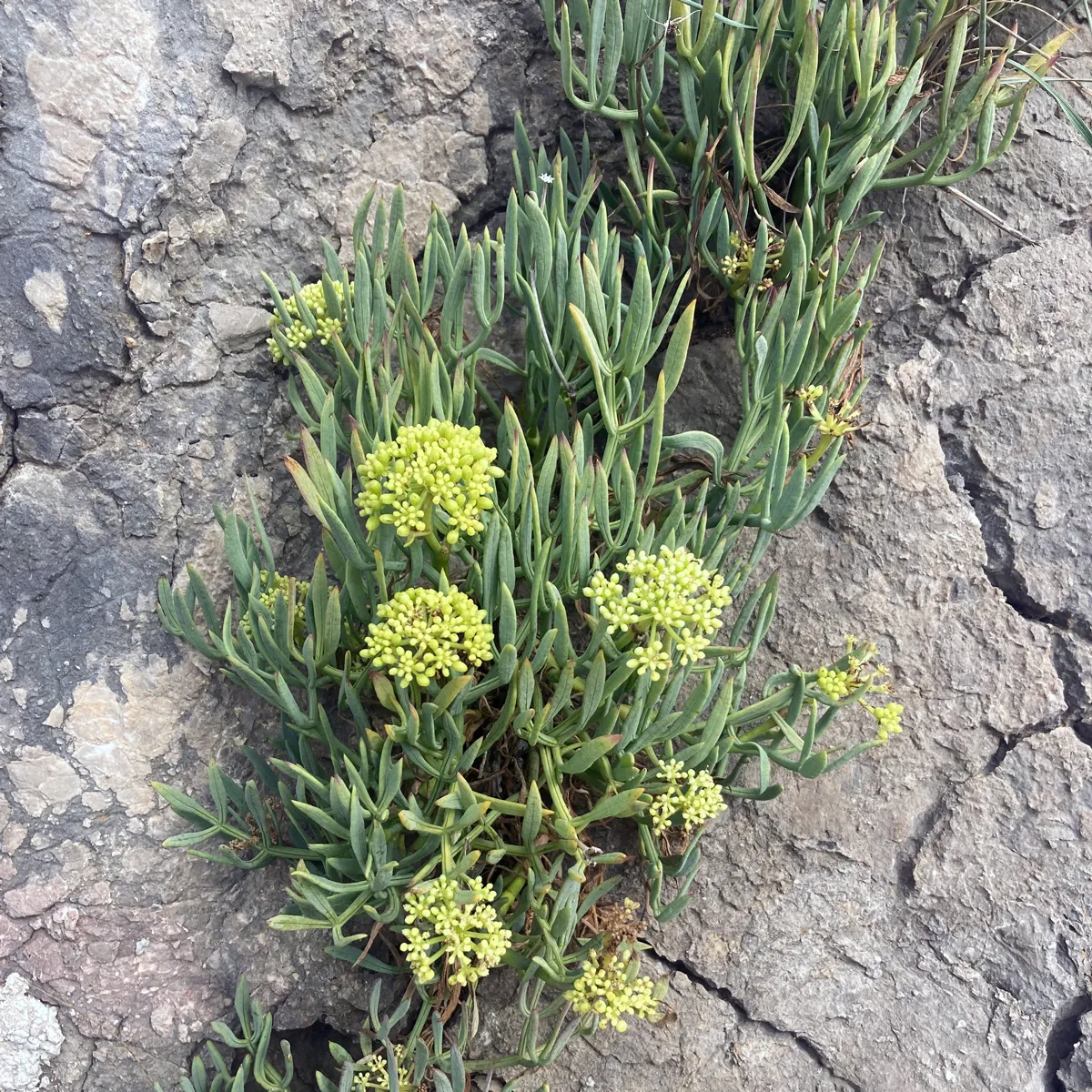
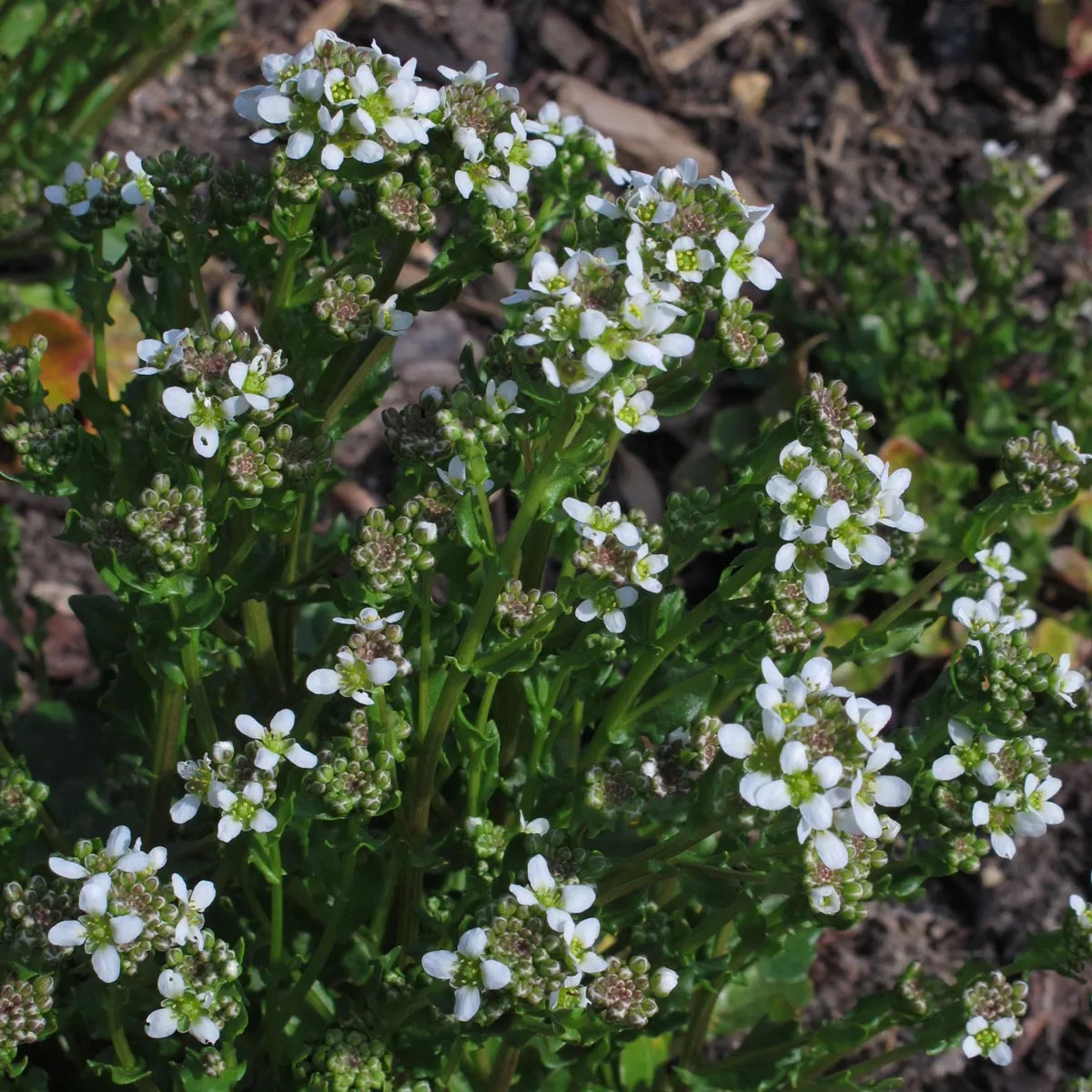
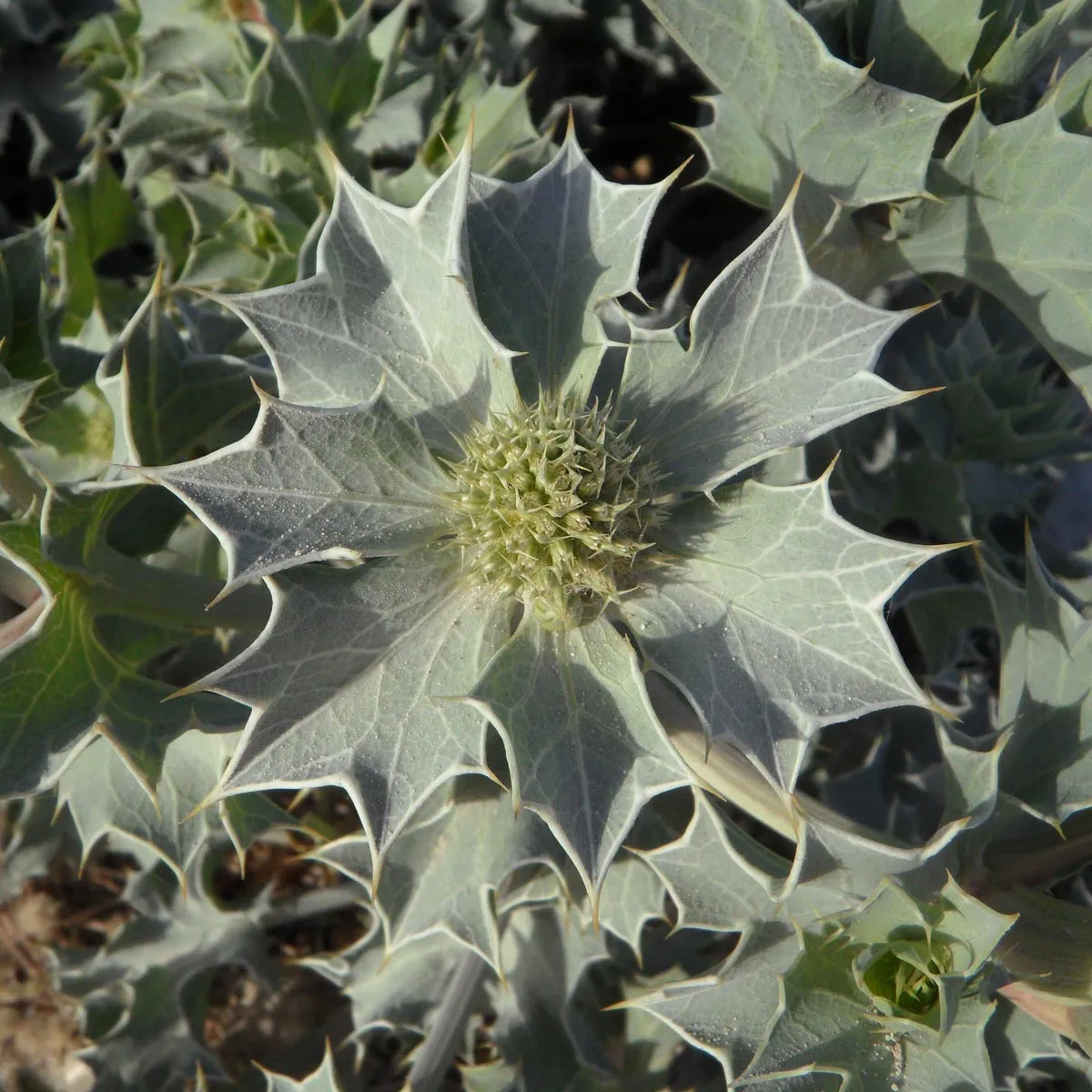
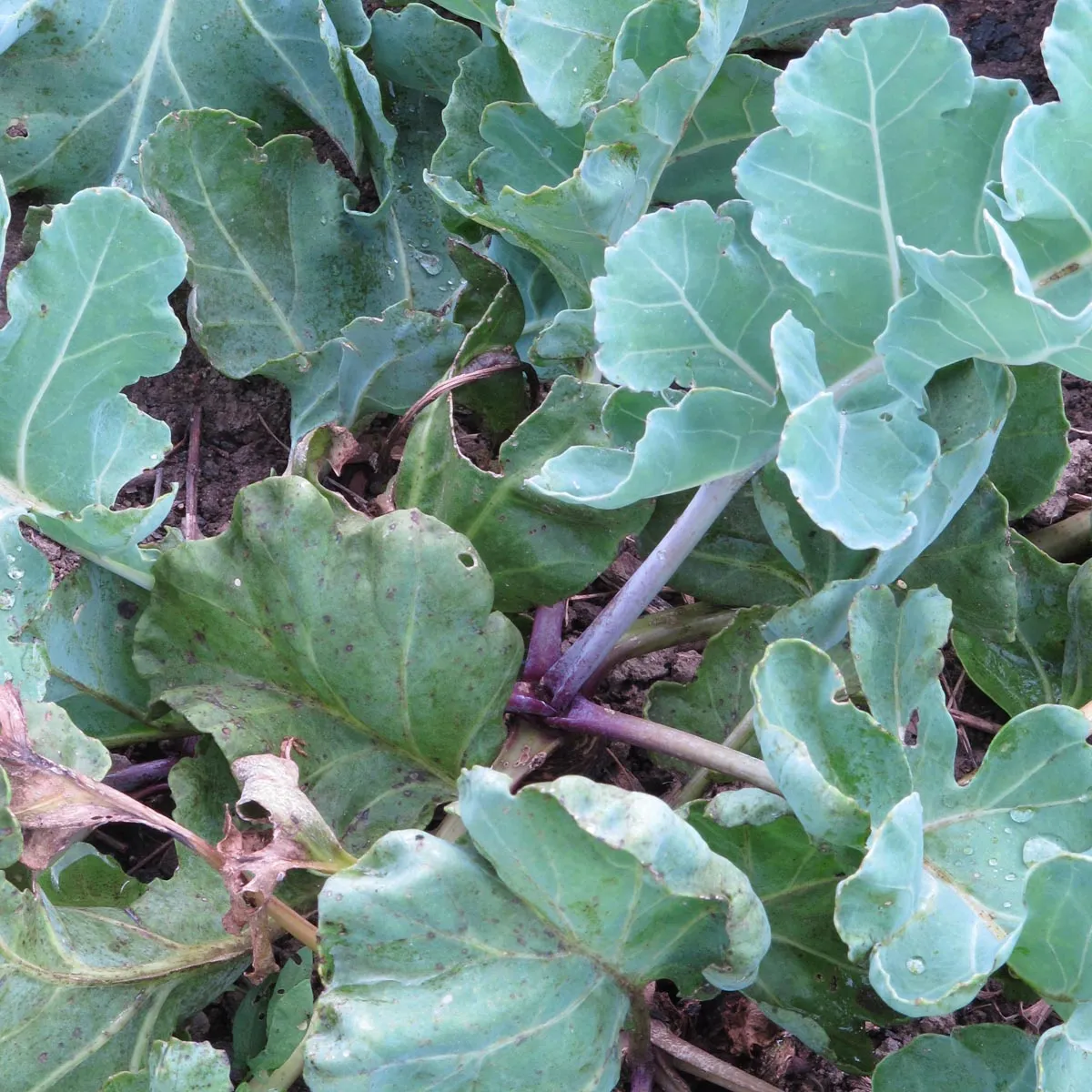
If you have ever travelled along the coast, you will know these special plants: low-growing, often fleshy, sometimes shimmering silvery and seemingly unimpressed by wind, salt and poor soil. Many holidaymakers wonder whether you could not also take such plants home and cultivate them in your own garden.
This is exactly where the topic of halophytes begins, in other words salt plants. They are specialists for extreme sites and fascinate with their unusual adaptations to conditions that are problematic for most garden plants.
What are halophytes?
The term “halophyte” comes from Greek. Hals means salt, phyton means plant. Halophytes are therefore plants that are adapted to saline soils. They are not a botanical family group but an ecological category. The species come from entirely different plant families, but have developed similar strategies for dealing with salt stress.
Typical habitats are coastal regions, salt marshes, tidal zones or saline inland sites. Everywhere there, halophytes grow under conditions that are hardly suitable for many other plants.
Why coastal plants are so special
Salt presents plants with particular challenges. Although coastal soils often seem moist, water is hard for plants to access. The high salt concentration creates what is known as osmotic stress. For the plant, the site therefore often feels like drought.
In addition, salts in the soil can disrupt the metabolism. Many garden plants react sensitively to this and quickly show growth problems. Halophytes, on the other hand, have found ways to cope with exactly these conditions.
The strategies of salt plants
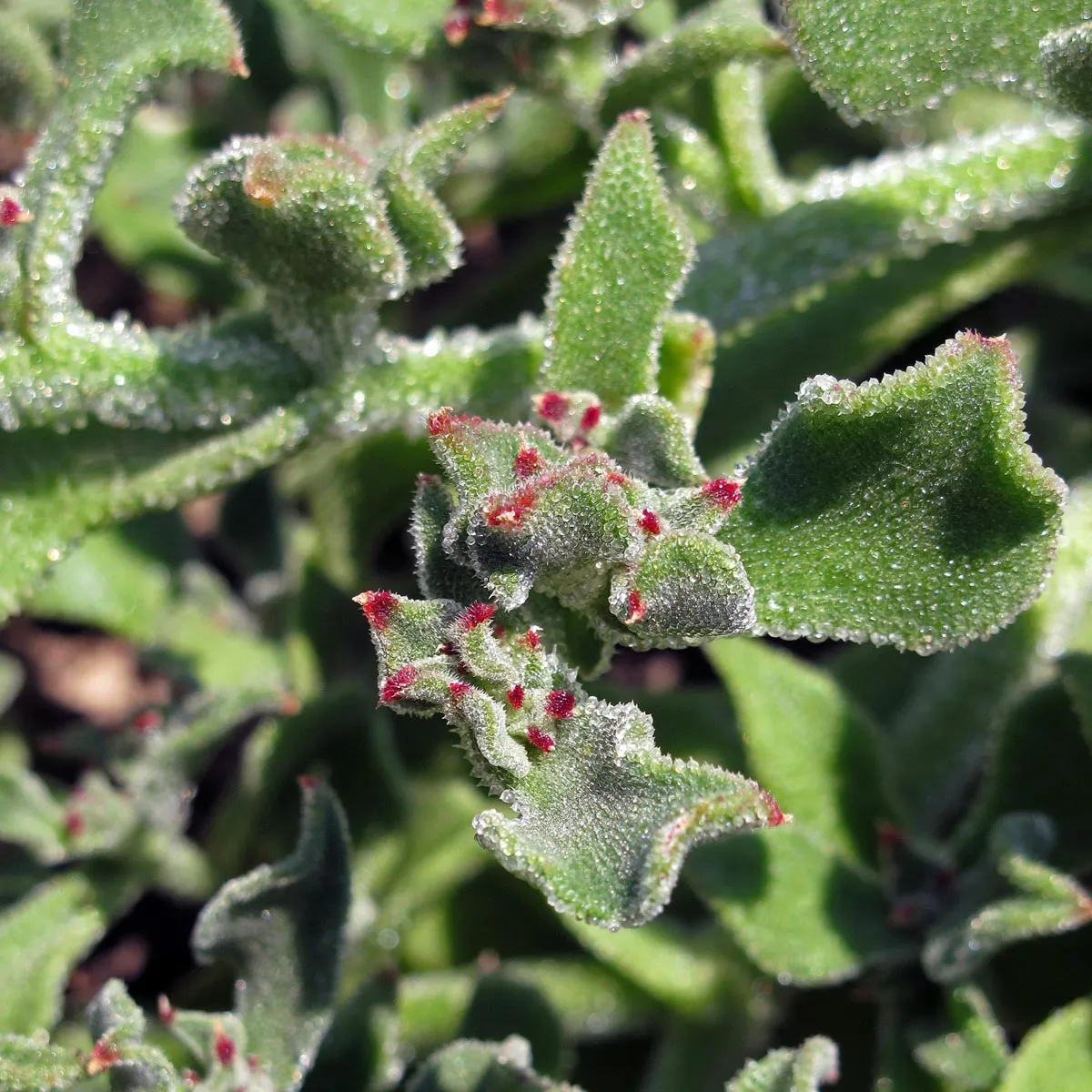
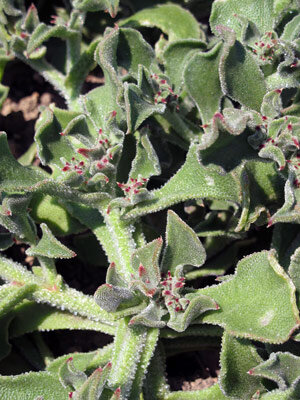
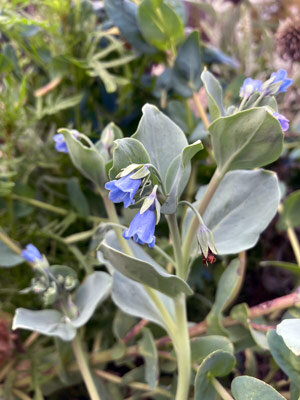
Many halophytes are succulent, meaning fleshy and rich in water. This extra water helps to dilute the salt that has been absorbed. Other species have special salt glands, through which excess salt is excreted again.
Another trick is to store salt deliberately in cell compartments, where it does less harm. In addition, halophytes regulate their water balance very precisely and adjust their evaporation to the conditions. This is how they manage to survive even in seemingly inhospitable conditions.
Why they often do not simply grow in the garden
The idea of settling coastal plants in your own garden is an obvious one, but it is not always easy to put into practice. Halophytes are highly specialised plants. Their adaptations are precisely matched to their natural sites.
In normal garden soils without salt, they are often at a disadvantage. They grow more slowly and are crowded out by other plants. In addition, the typical site factors are often missing, such as saline soil, special soil structures or dynamic moisture conditions.
If you want to cultivate halophytes, you therefore need to recreate their natural conditions as closely as possible. This can be achieved, for example, with mineral, well-drained substrates or by choosing the site carefully.
Halophytes in nature
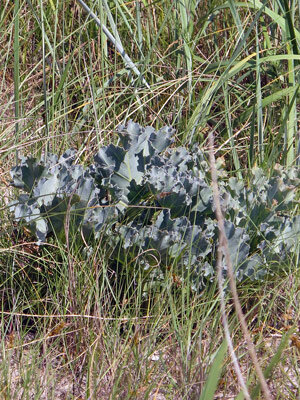
In their natural habitats, halophytes play an important role. They stabilise soils, protect against erosion and create habitats for many specialised animal species. Especially in salt marshes and coastal landscapes, they shape the appearance of entire regions.
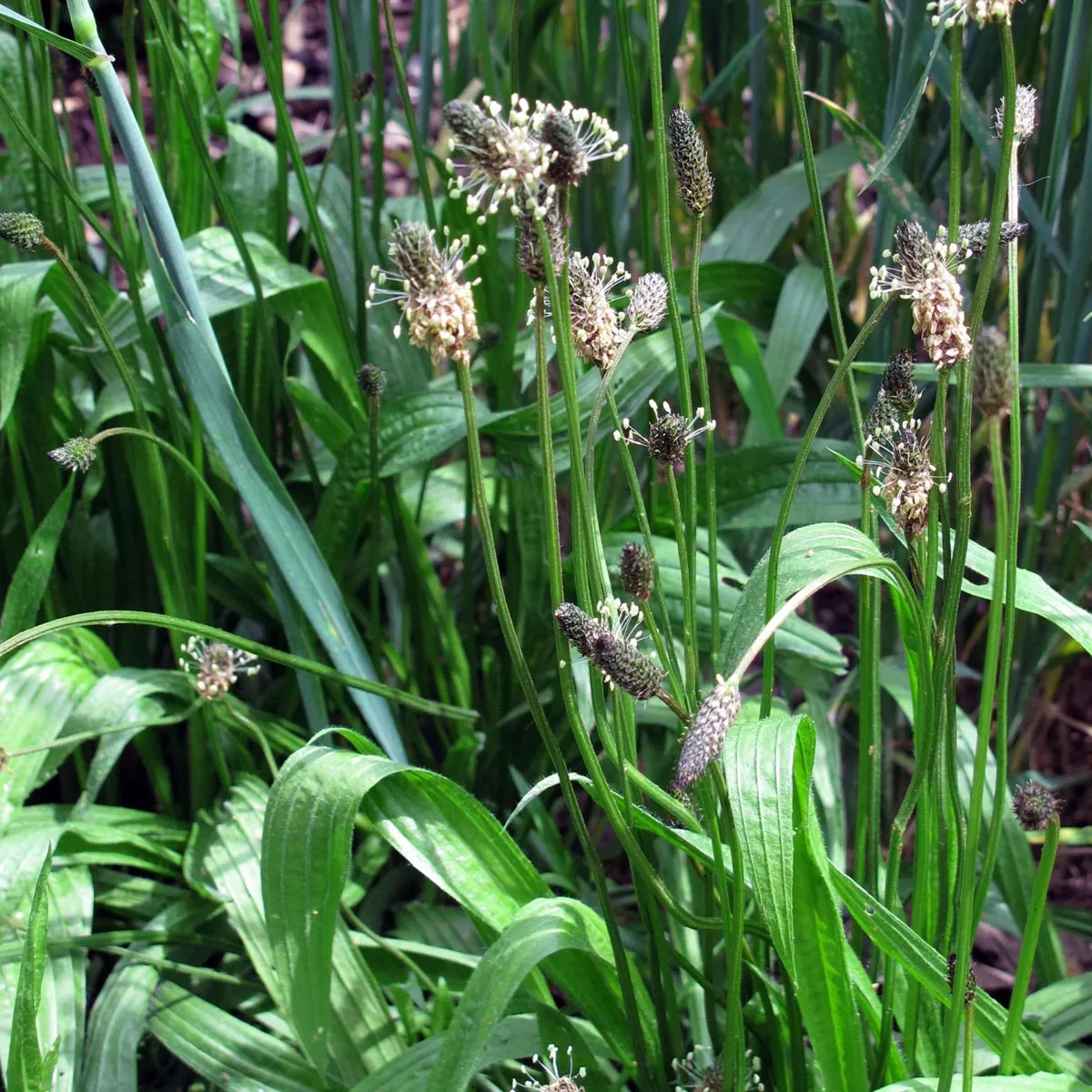
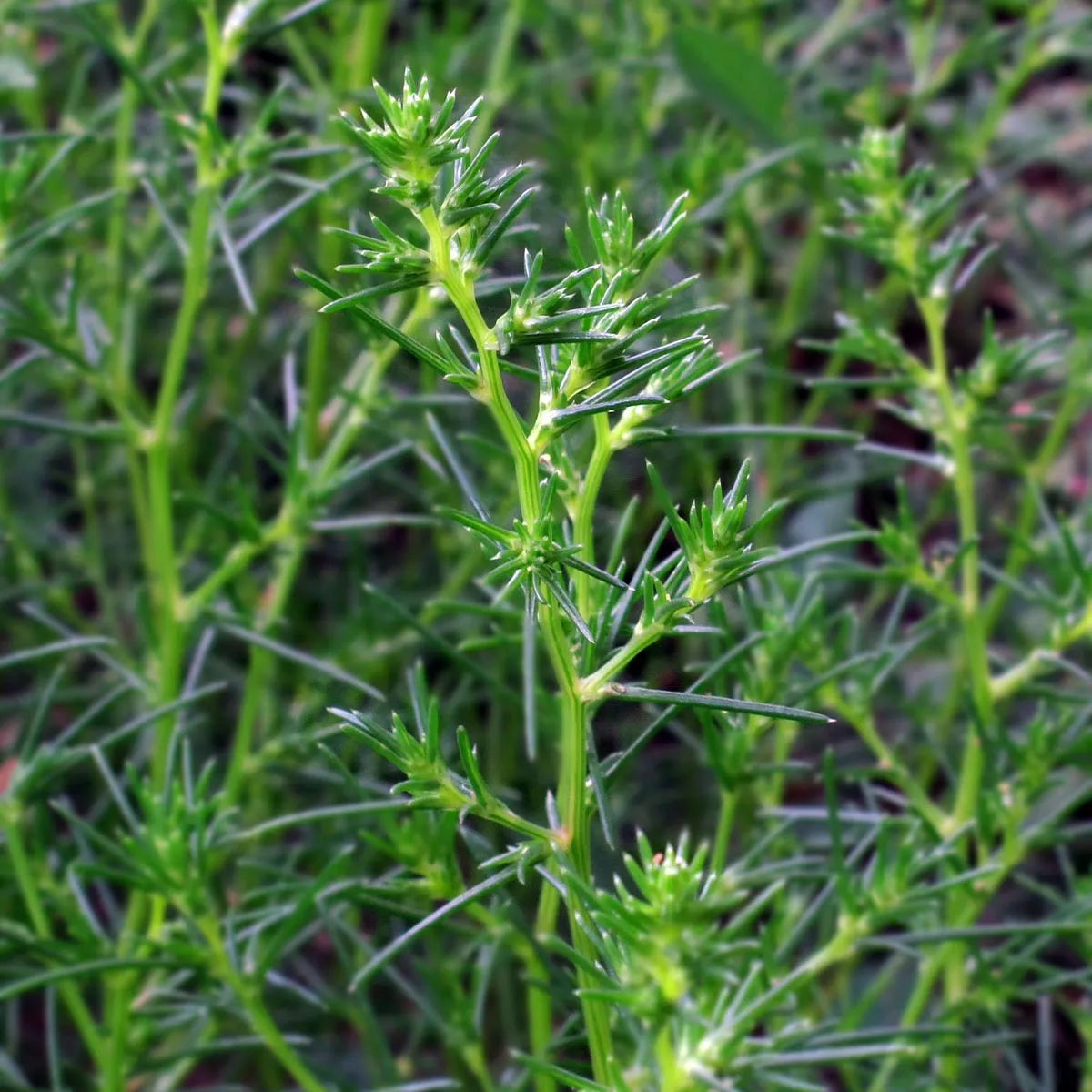
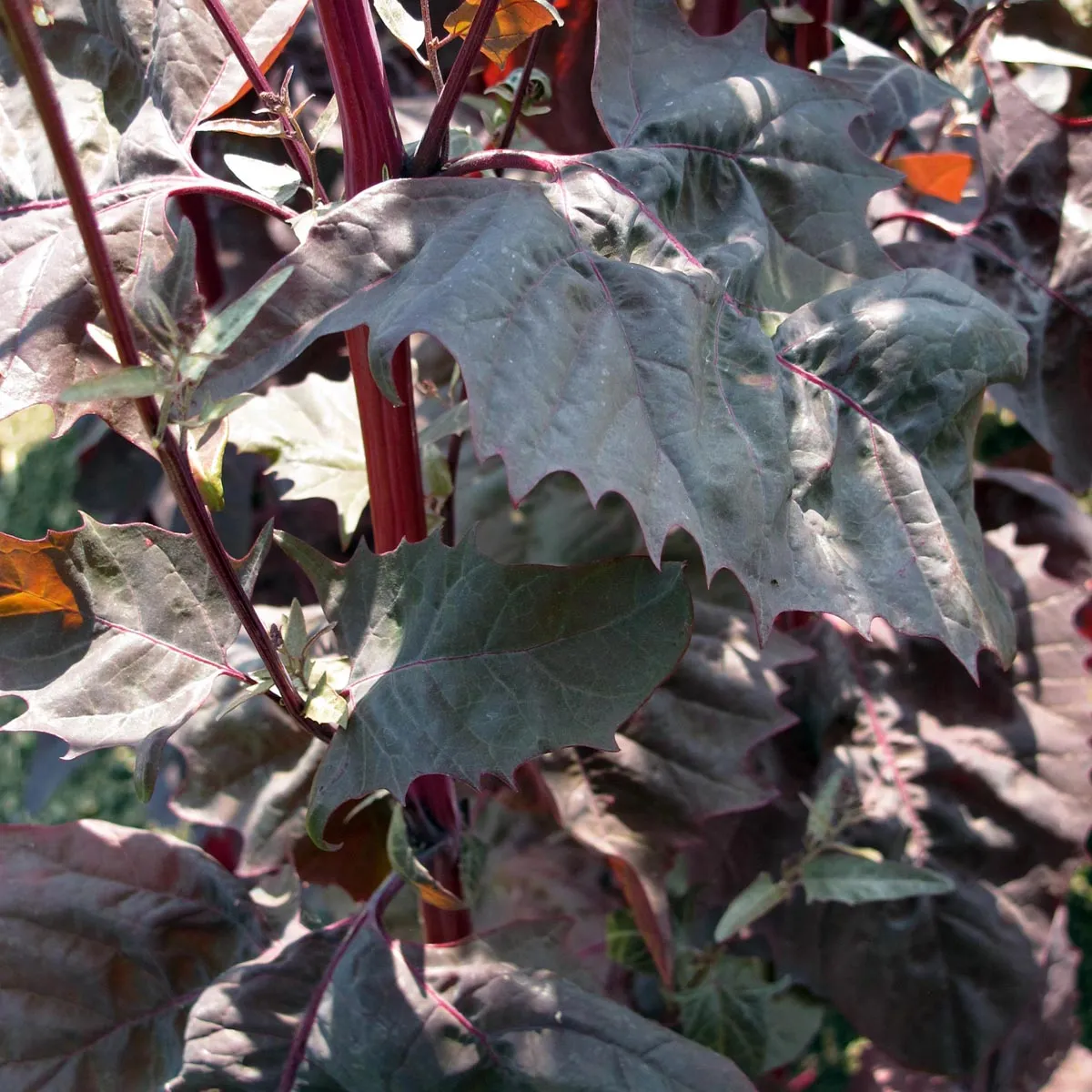
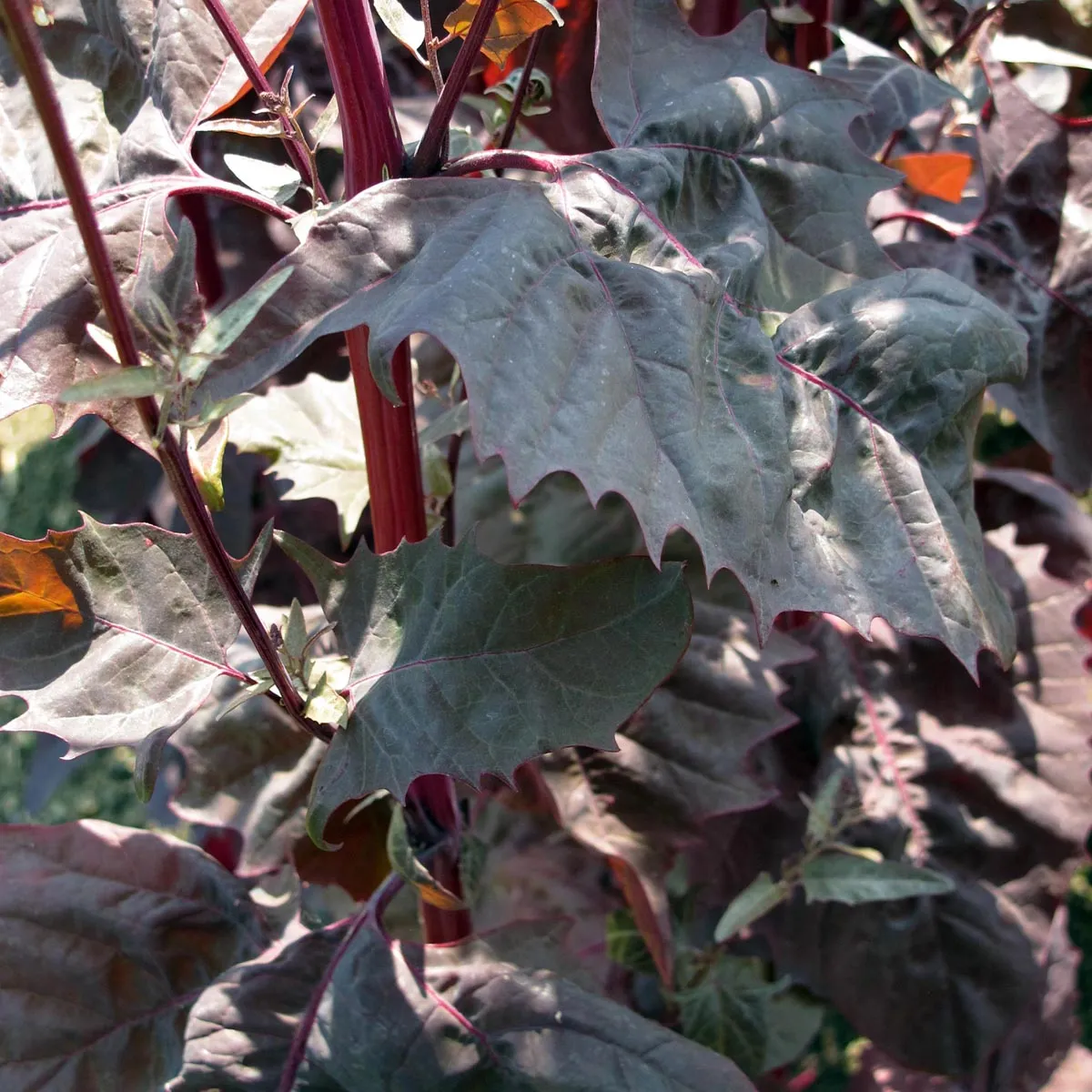
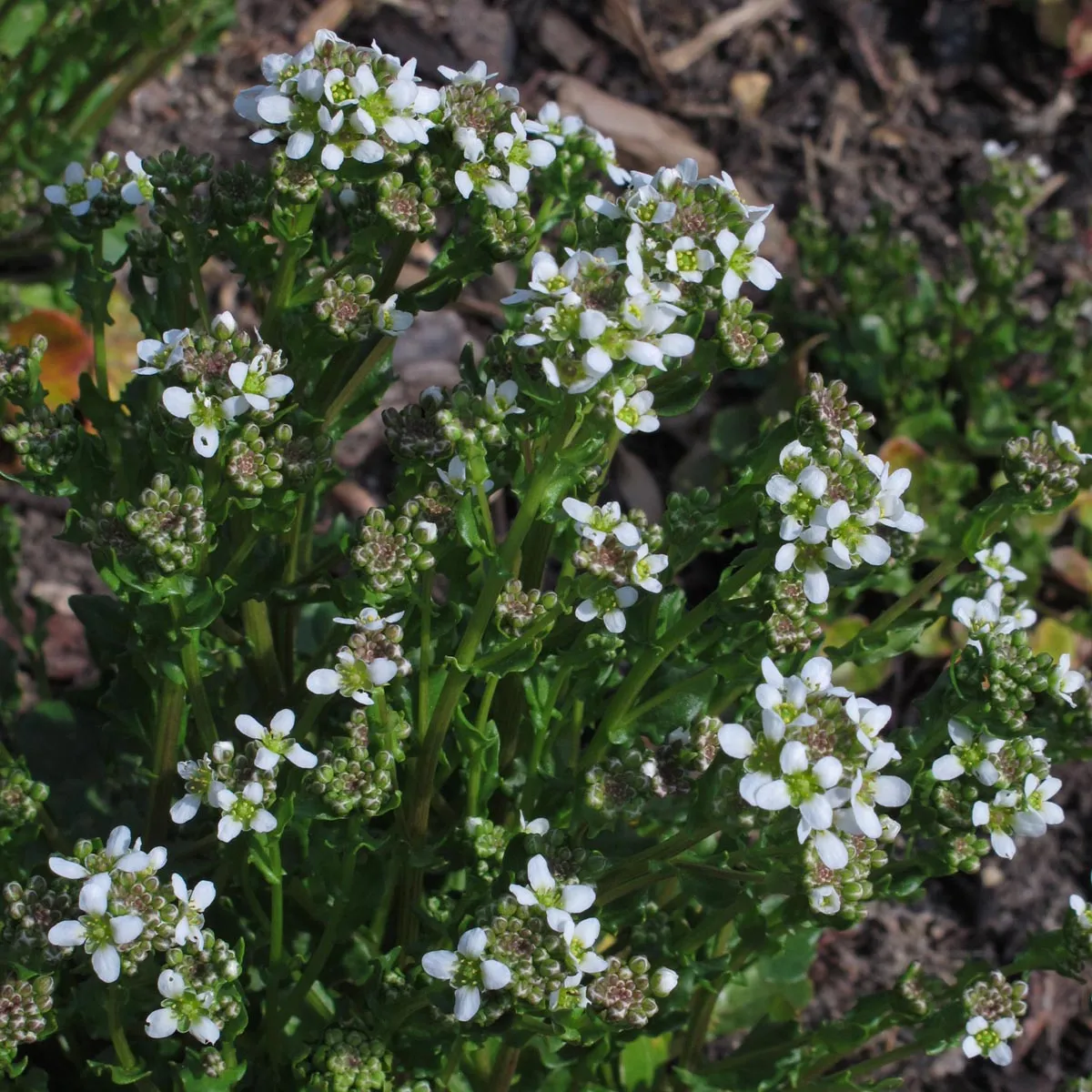
The best-known representatives include glasswort species (Salicornia), various salt marsh plants and certain grasses, sedges and tamarisks.
Why halophytes are becoming more and more important
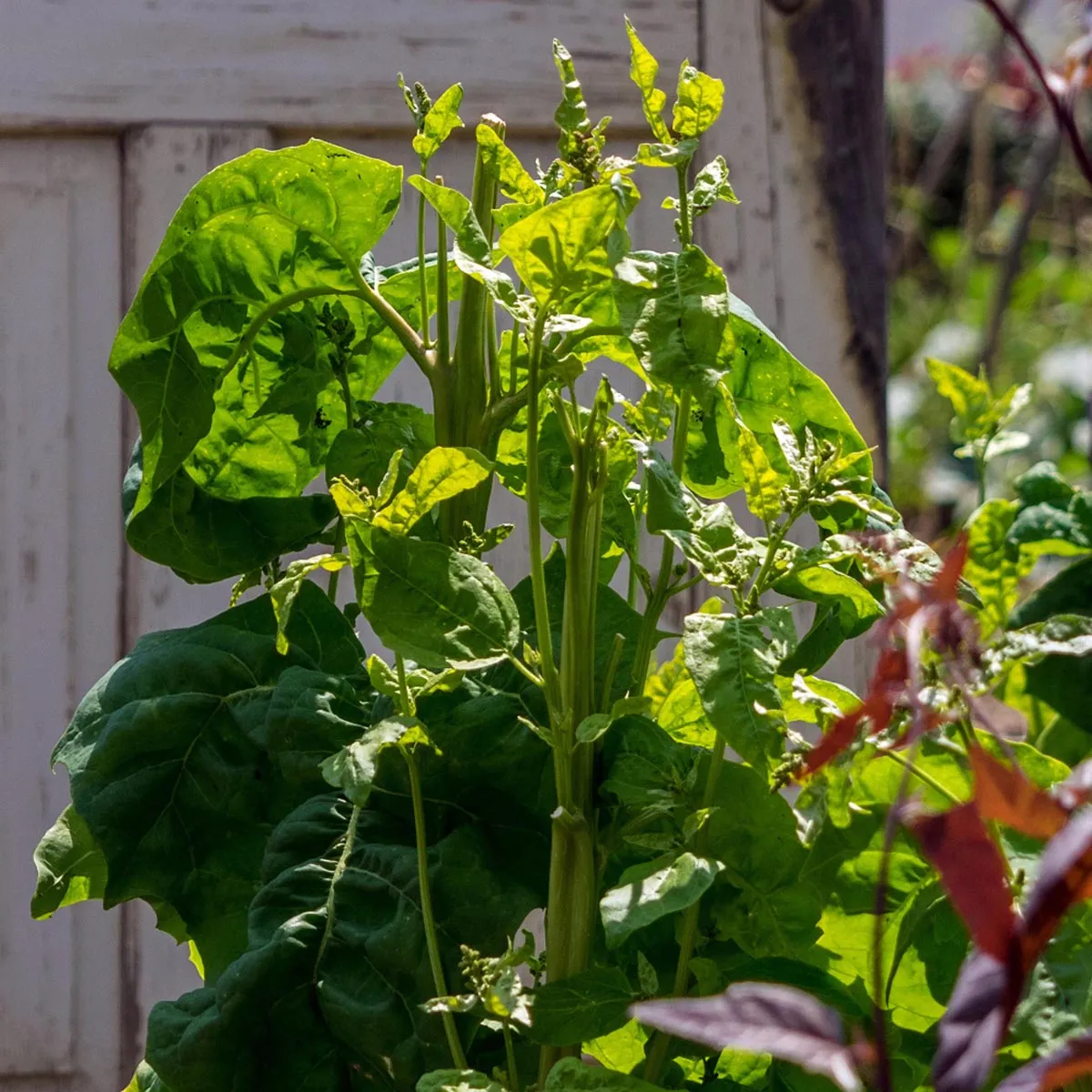
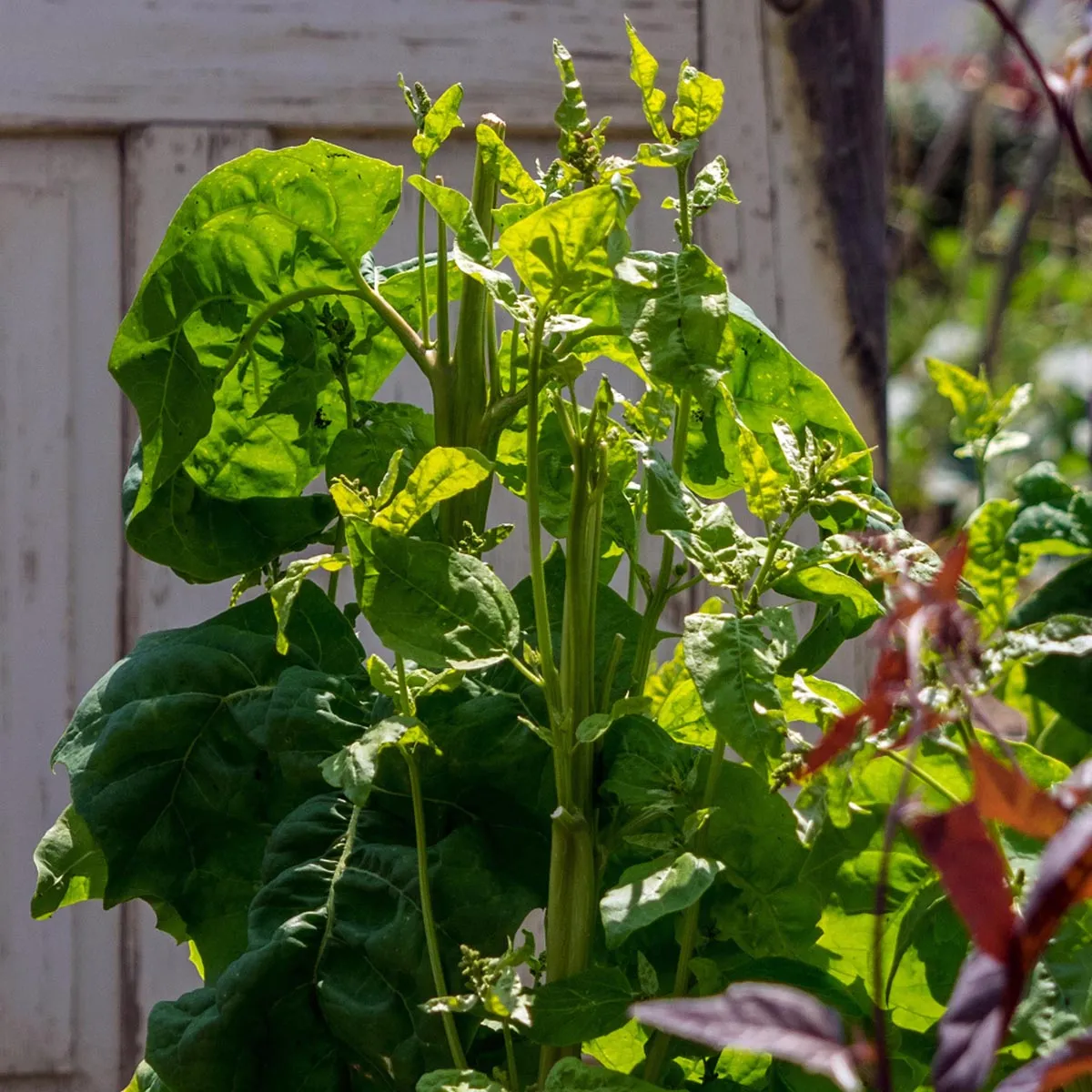
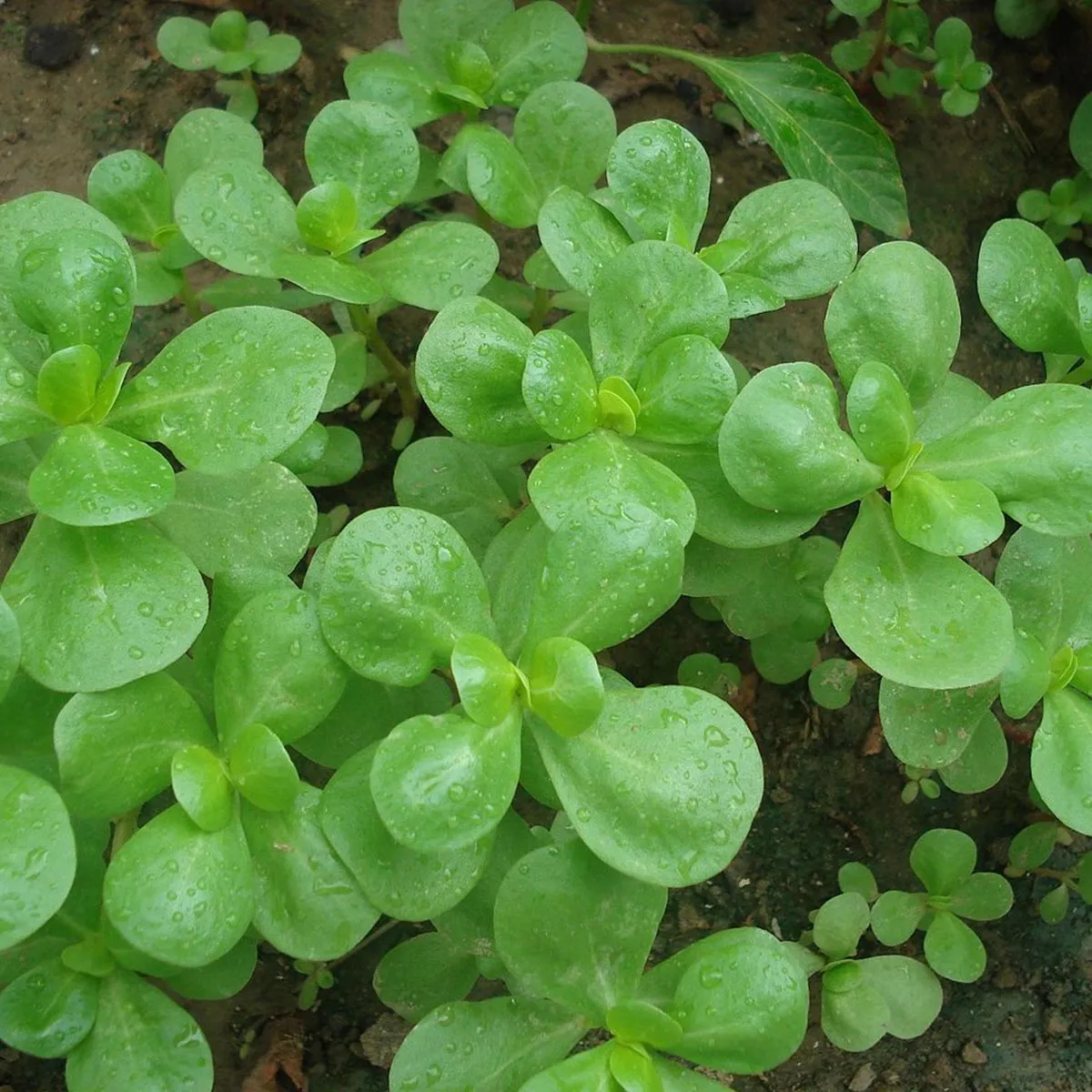
Halophytes are of great interest beyond the garden, too. In times of increasing soil salinisation and water scarcity, they are being researched as possible crop plants of the future. Some species are even edible and are already used in the kitchen today.
At the same time, they provide important insights into how plants cope with extreme environmental conditions, a subject that is gaining more and more significance in the course of climate change.
In a nutshell
Halophytes are salt plants that are adapted to extreme sites. They grow where other plants fail, and develop special strategies for dealing with salt and water. For garden lovers, they are interesting above all when it comes to difficult sites or natural-style designs inspired by coastal landscapes.