Leaves Aren't Waste, They're a Gift for Your Garden!
The Grow-your-own-food
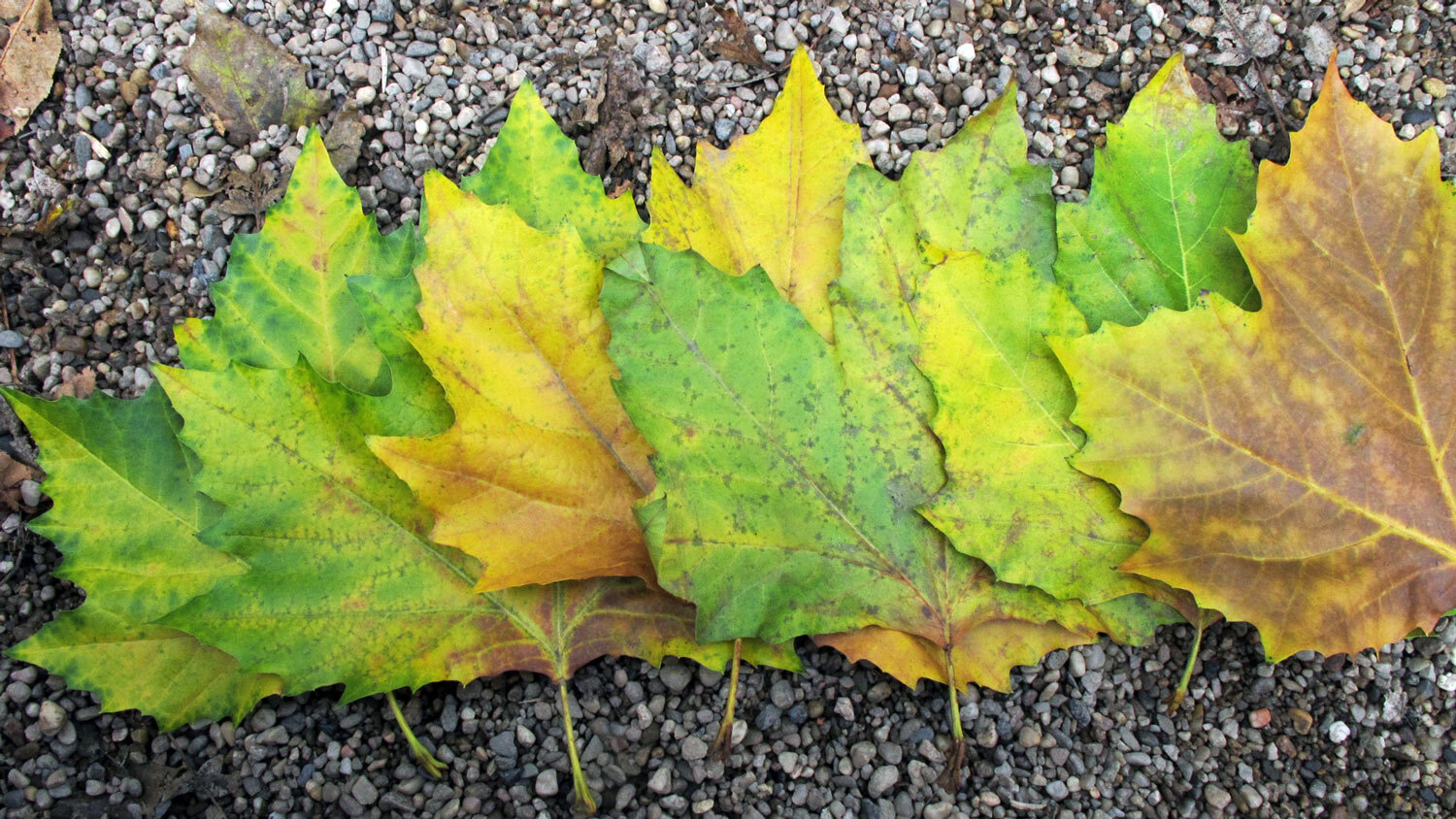
When the trees shed their colourful coats in autumn, the big garden clear-up begins for many of us: raking, sweeping, carting it all away. But wait! What looks like "autumn chaos" to us is actually a valuable natural cycle that we should definitely make use of in the garden.
Because: leaves aren't rubbish. They are mulch, fertiliser and habitat all in one.
Why you should leave leaves lying in your garden
In nature, falling leaves are not a burden but a blessing. They cover the soil, protect it from drying out, cold and erosion, and offer shelter for small animals and microorganisms that keep garden soil alive.
Here are a few good reasons why you shouldn't clear leaves off your beds, but put them to good use on purpose:
-
Frost protection for tender plants: A layer of leaves over your strawberries, herbs or roses works like a natural blanket.
-
Habitat for beneficial creatures: Hedgehogs, earthworms, beetle larvae and many other animals find shelter in leaves.
-
Soil improvement through humus formation: When leaves rot down, they turn into valuable humus, the foundation of nutrient-rich soil.
-
Free mulch: Leaves protect against weeds and retain moisture in the soil, with no packaging or transport costs at all.
Not every leaf is equally good: what to look out for
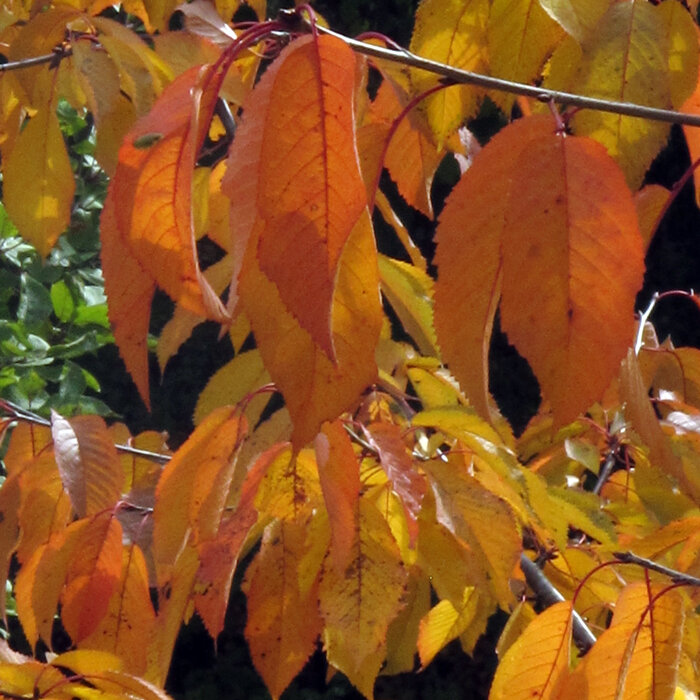
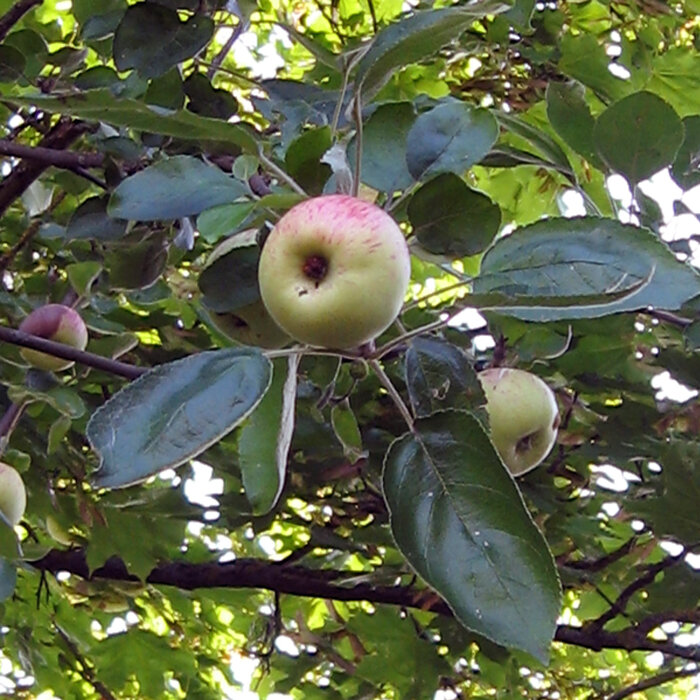
Leaves are not all the same. Depending on the tree species, the make-up of the leaves differs considerably. Some types contain a lot of tannins (tannic acids), which can have a negative effect on the soil or compost if used in larger quantities.
Suitable leaves for mulch and compost:
-
Lime (linden)
-
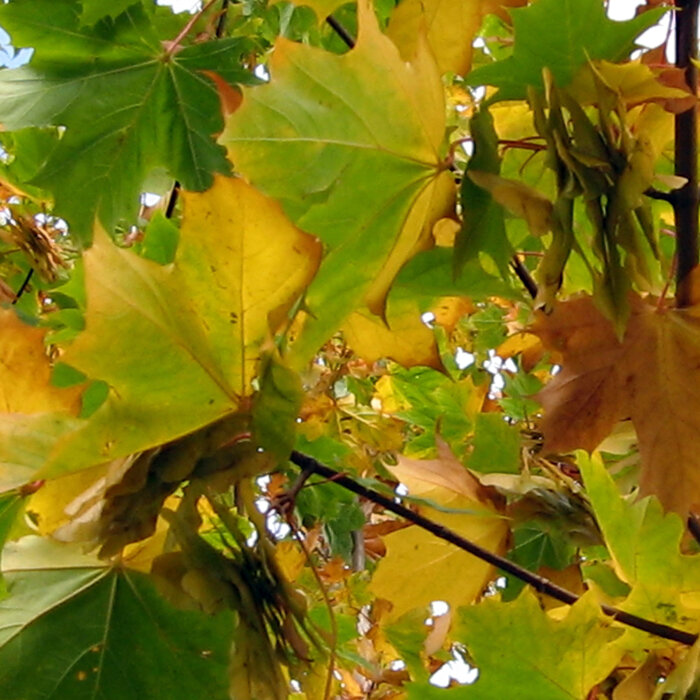
Maple
-
Hazel
-
Fruit trees (apple, pear, plum)
These leaves rot down quickly and can easily be used as mulch or compost material.
Less suitable (use only with restrictions):
-
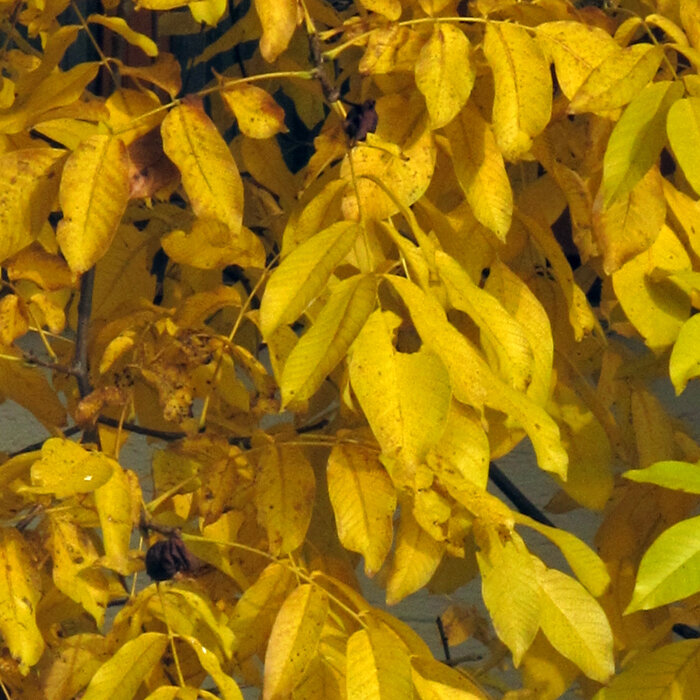
Walnut: contains tannins and in part inhibits life in the soil
-
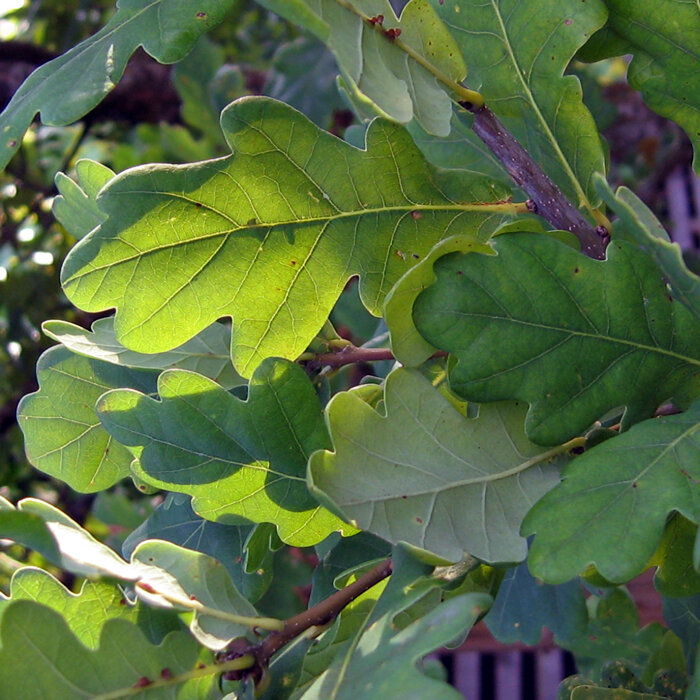
Oak: also very high in tannins and breaks down only slowly
-
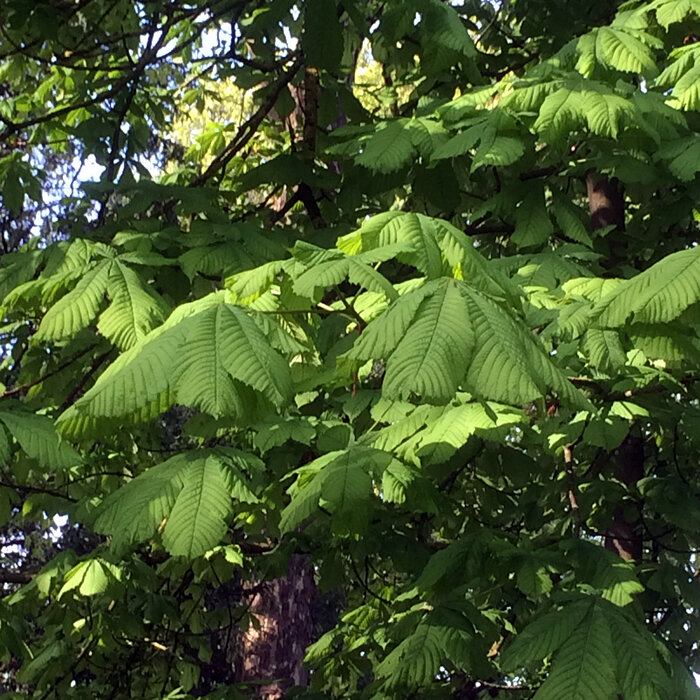
Horse chestnut & plane: tough leaves that are hard to compost
Tip: If you want to use oak or walnut leaves, shred them well, mix them with nitrogen-rich material (e.g. grass cuttings or kitchen scraps) and add them to the compost or beds only sparingly.
Watch out: leaves on the lawn are not a good idea
Useful as leaves are for beds and raised beds, they should not be left lying on the lawn. The dense layer of leaves takes the light away from the grass, stops air circulating and can lead to rot and fungal diseases.
🧹 Tip: Sweep or rake the leaves off the lawn regularly and use them instead as mulch in beds, under shrubs or as material for the compost.
Leaves in a raised bed: an insider tip!
Leaves are excellent as the bottom layer in a raised bed: they provide good aeration, give off warmth as they break down and slowly turn into humus. Combined with coarse cuttings, twigs and garden waste, that makes an ideal base for your spring bed!
In short: less tidying, more habitat
Leaves are not a sign of untidiness, but of natural abundance. They give your garden protection, nutrients and diversity. So the next time you reach for the rake, stop and think: where can the leaves stay?
Instead of laboriously disposing of them, you can turn them into a valuable garden helper with just a few simple steps.
Would you like to look after your garden with natural means?
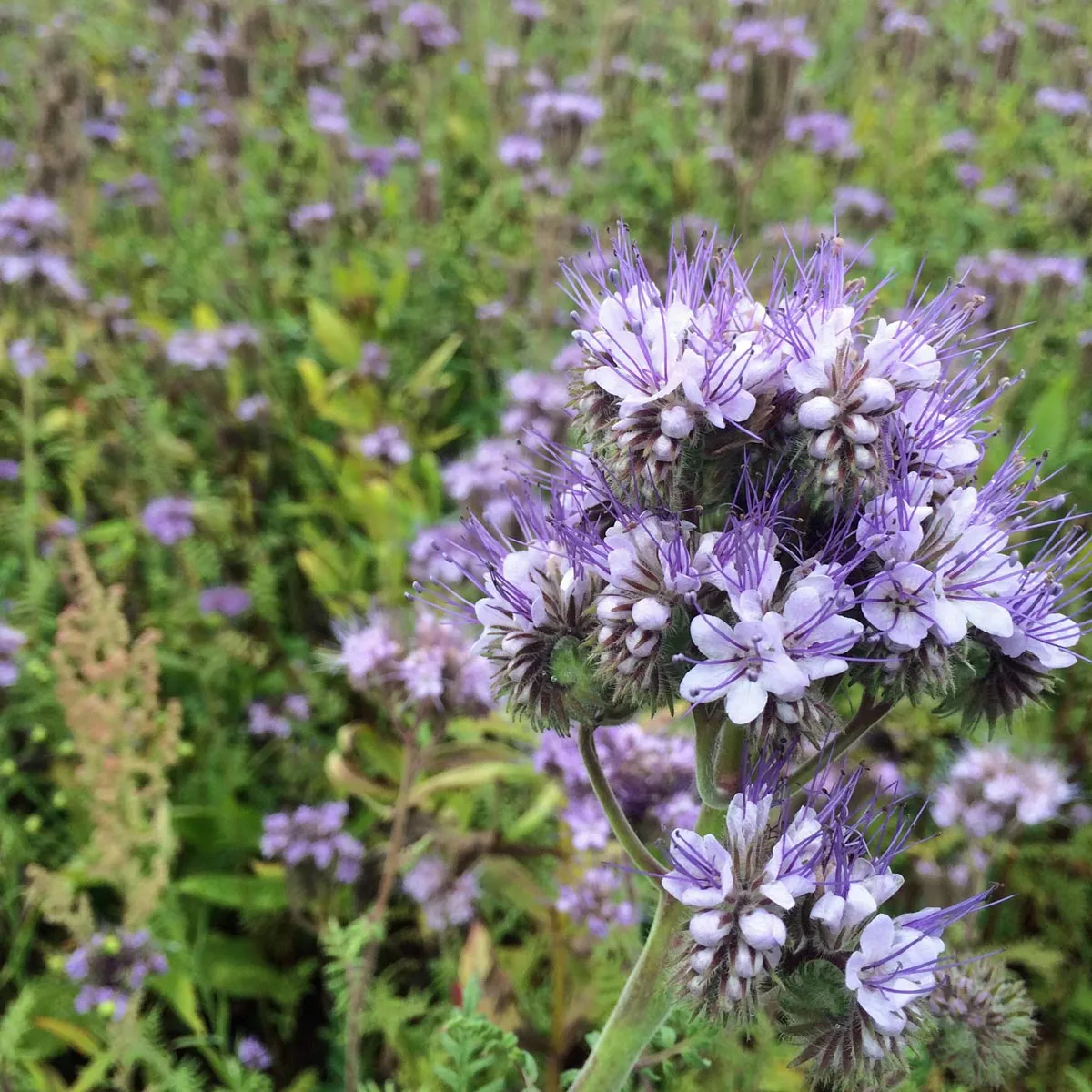
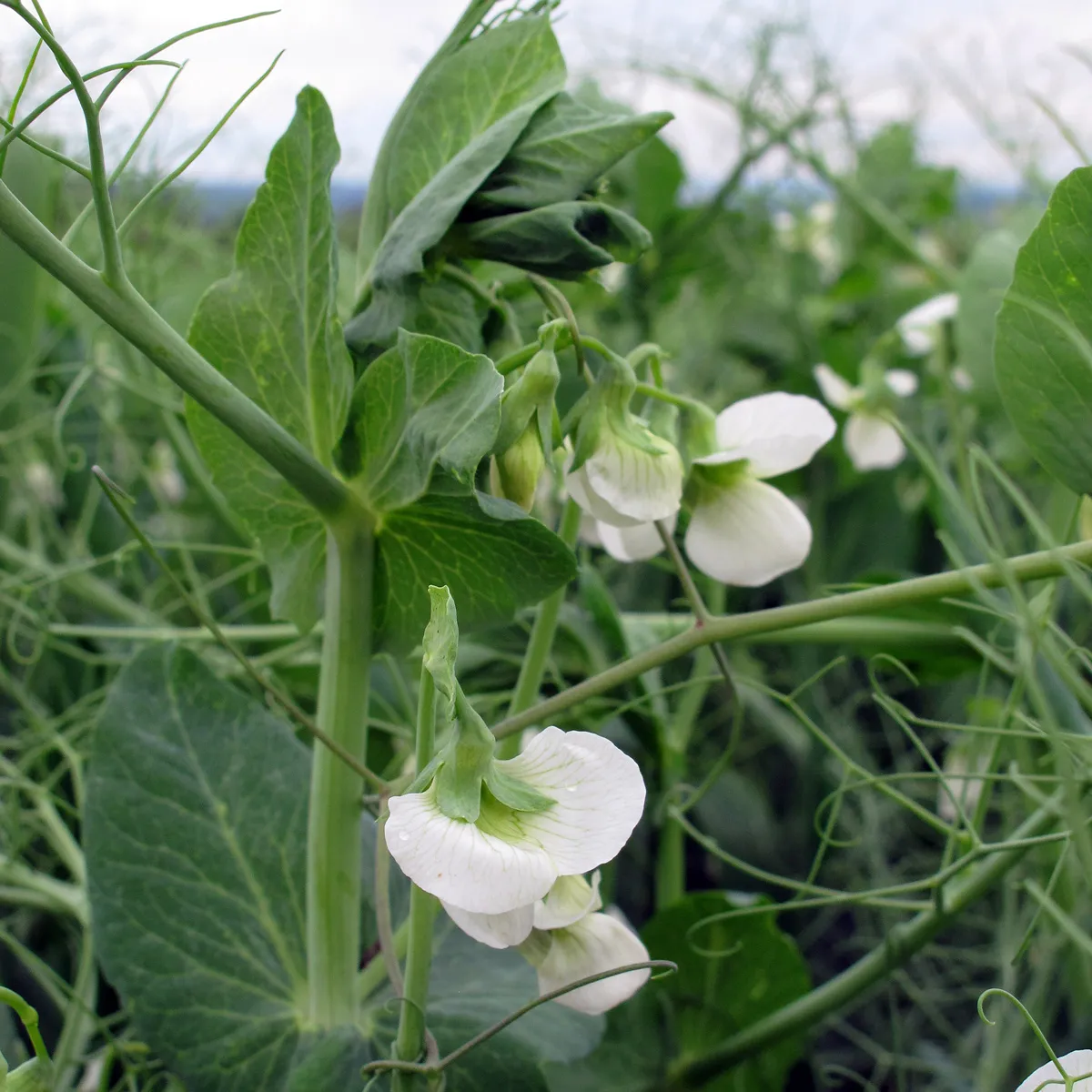
Plant seeds for green manure to improve soil qualityDiscover our open-pollinated seeds for the autumn season, green manure and specialities for soil care and biodiversity:
Related products