Why are my broad beans covered in black aphids?
Garden consultation
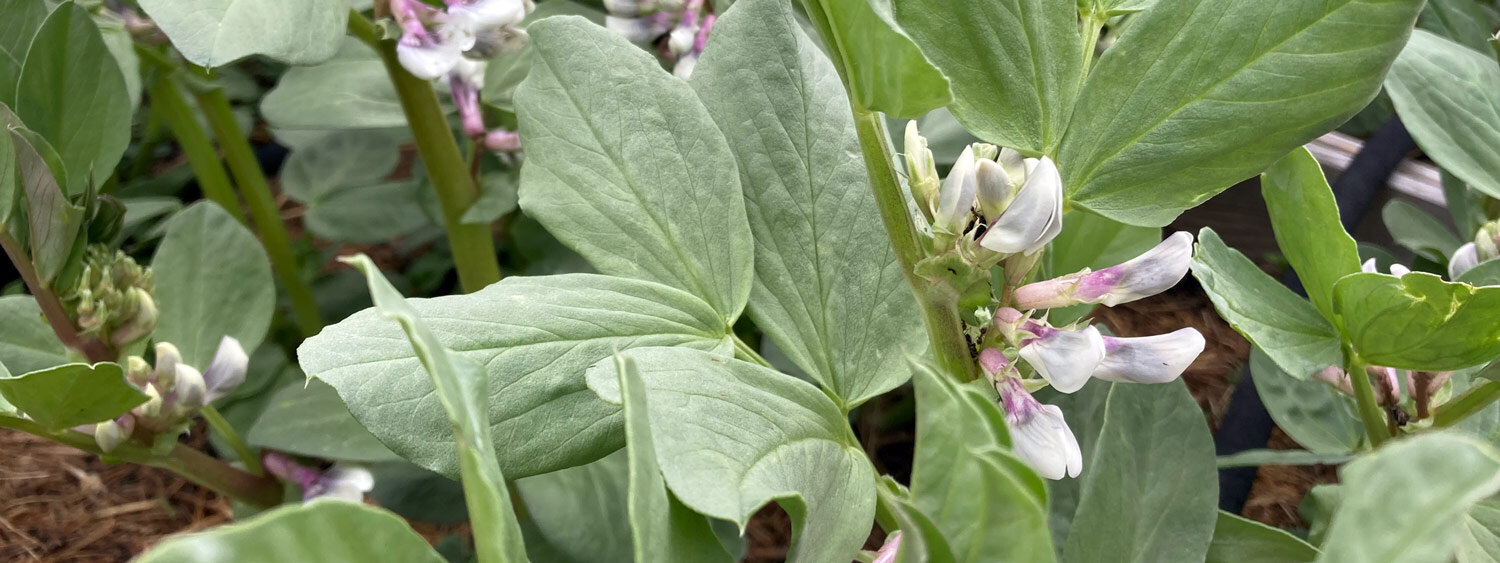
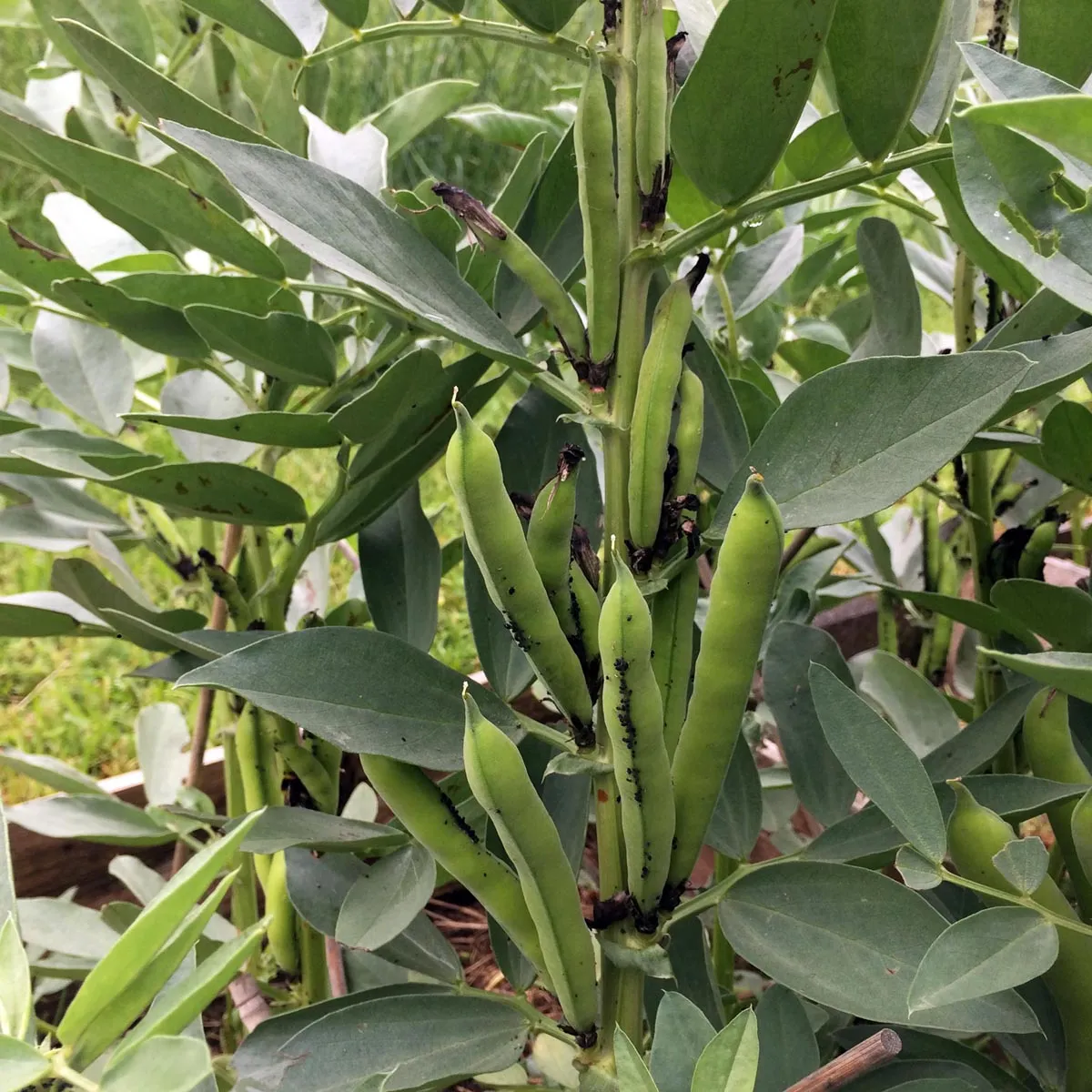
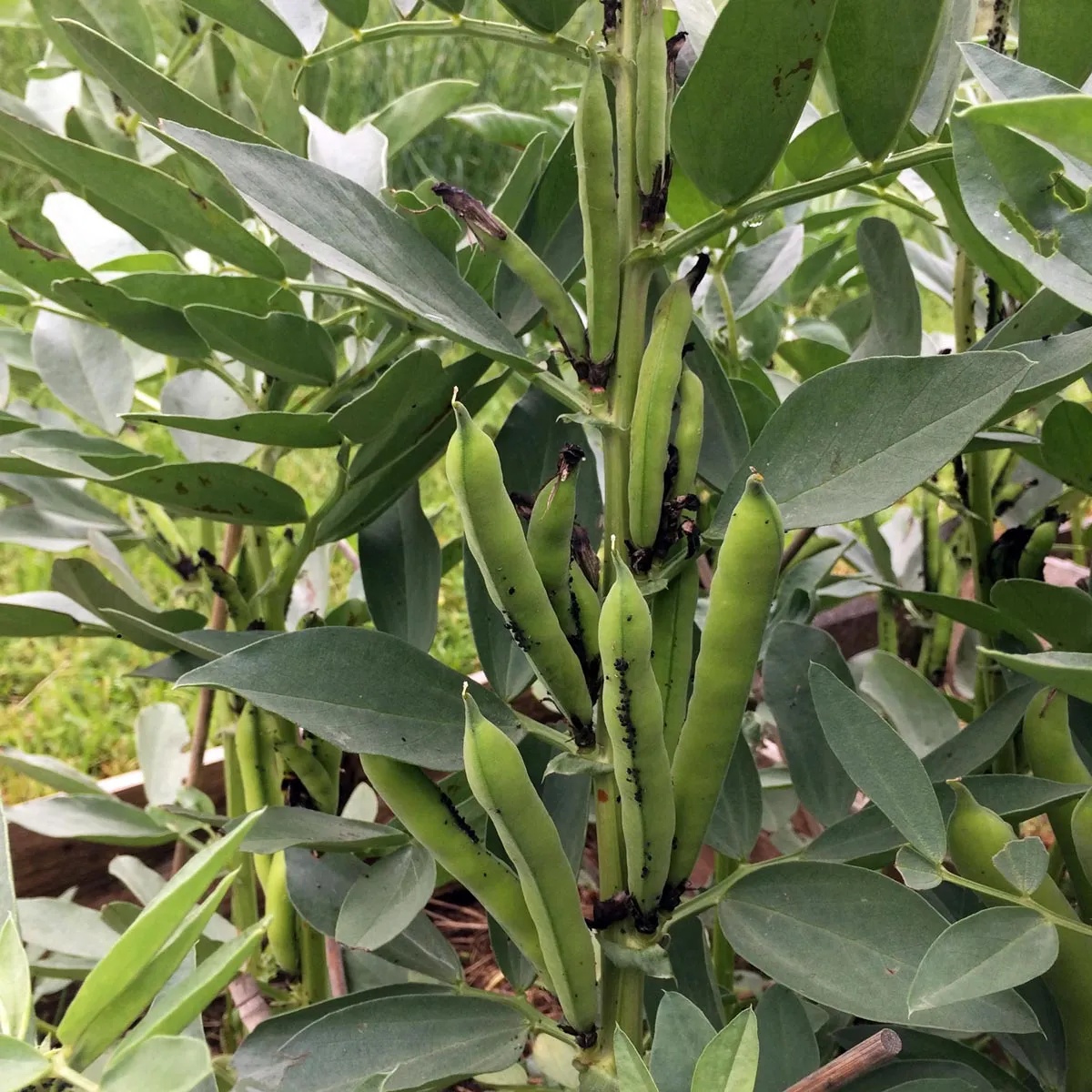
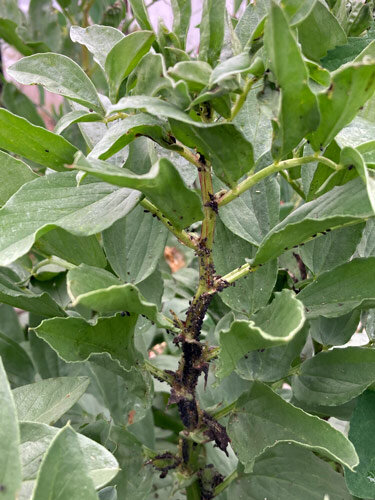
If the shoot tips of your broad beans suddenly look black, the black bean aphid is usually behind it. It gathers in dense colonies, especially on young, soft parts of the plant. The good news: if you look early and react in the right way, you can often get the infestation well under control.
Welcome to our Magic Garden Seeds Garden Clinic. Here we answer real questions from everyday gardening, in a way that is easy to follow, practical and with a loving eye for the natural connections in the bed.
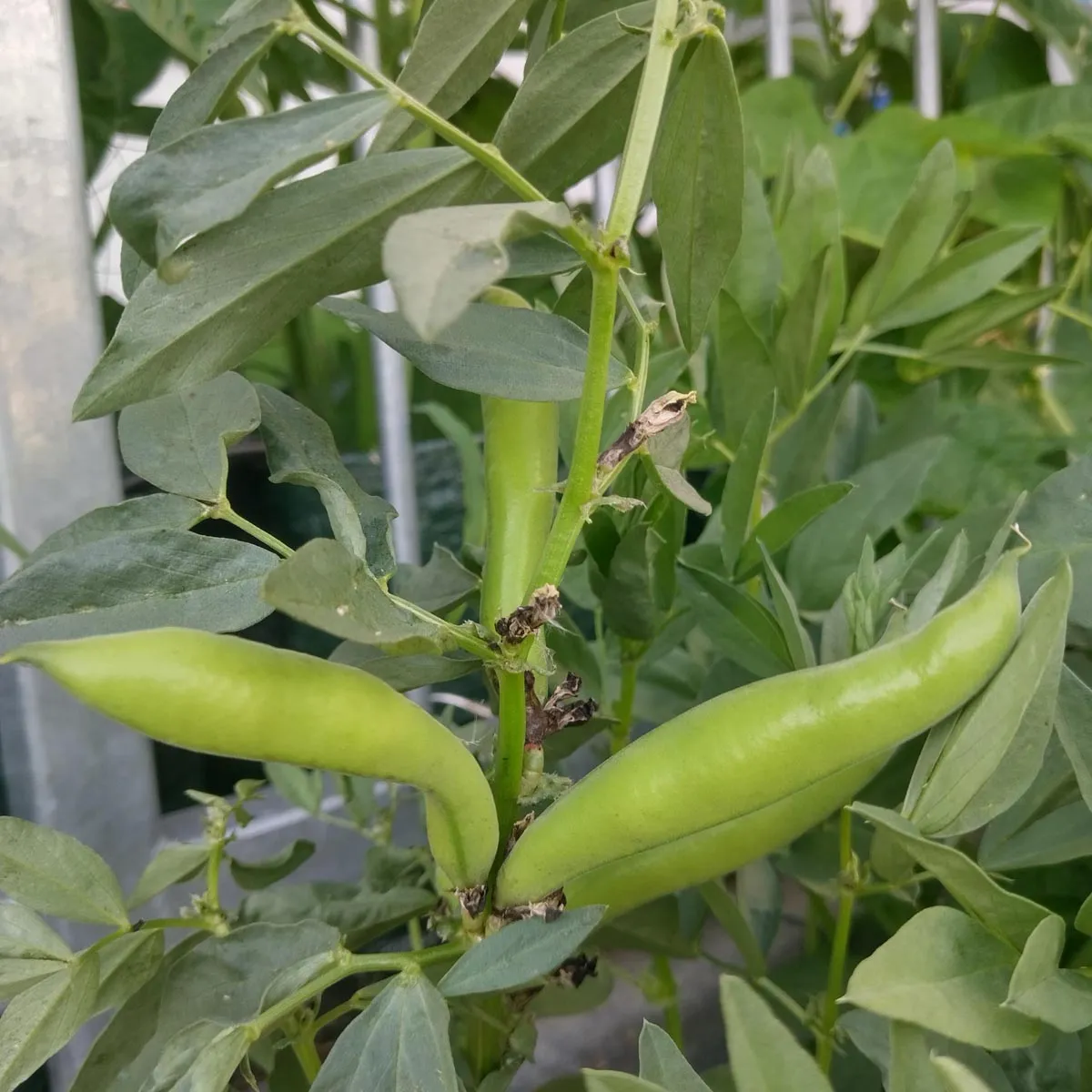
Today it is about a problem that many gardeners know from broad beans, also called field beans or fava beans: the plants first grow strongly and set flowers, and then suddenly the young shoots are covered in black aphids.
At first glance this looks dramatic. But not every aphid infestation means a lost harvest. What matters is that you spot the infestation early, strengthen the plants and support beneficial insects in the garden.
What to look for
The black bean aphid likes to sit on the soft shoot tips, young leaves and flower clusters of the broad bean. There it sucks the plant sap and can weaken the plant.
Typical signs are:
- dense black aphid colonies on the shoot tips
- curled or stunted young leaves
- sticky deposits from honeydew
- ants running up and down the plants
- weaker flower or pod set in a heavy infestation
- possibly dark deposits on the leaves later on
It is particularly striking that the shoot tips sometimes look almost as if they were covered in black dust. On closer inspection, though, you can make out the individual aphids.
Why do broad beans get black aphids?
The black bean aphid loves young, soft parts of the plant. In spring and early summer, broad beans offer it exactly that: juicy shoots, tender leaves and flower clusters.
An infestation arises especially easily when several factors come together:
1. The plants are still young and soft
Young shoot tips are particularly attractive to aphids. There they can easily suck plant sap and multiply quickly.
2. Too much nitrogen fertiliser was used
Too much nitrogen encourages soft, lush growth. Such shoots are especially tempting for aphids. Broad beans therefore do not need excessive feeding.
3. The plants are under drought stress
When the soil dries out, the plants become weakened. Stressed plants find it harder to hold their own against pests.
4. Beneficial insects are not there yet
Ladybirds, hoverfly larvae and lacewing larvae are important natural enemies of aphids. Sometimes, though, the aphids arrive faster than their natural enemies.
5. Ants protect the aphids
Ants love the sweet honeydew that aphids excrete. That is why they sometimes protect aphids from beneficial insects. If lots of ants are moving about on your broad beans, it is worth taking a close look.
What can you do straight away?
If you discover black bean aphids, you should not panic, but you should not wait too long either. Especially at the beginning, the infestation can often be contained well.
1. Pinch out infested shoot tips
With broad beans, removing heavily infested shoot tips makes particular sense. If the plants have already grown well and set flowers, you can pinch out or cut off the infested top tips. That way you remove many aphids at once.
2. Wipe off the aphids
With a light infestation, you can carefully wipe the aphids off with your fingers. This is simple, direct and needs no additional products.
3. Spray them off with water
A strong jet of water can dislodge many aphids from the plant. Take care not to damage the plants, especially while the shoots are still tender.
4. Check again after a few days
A single measure is often not enough. Look again after two to three days. If new colonies appear, repeat the wiping off or spraying.
5. Treat in a way that spares beneficial insects
With a light to moderate infestation, soap solution, nettle extract or tansy tea can help. It is important to work in a way that spares beneficial insects as far as possible. Do not spray in the blazing sun and not when lots of pollinators are about. Treat the infested spots specifically and then watch how the plants develop.
How you can prevent it
It is best if your broad beans grow strong and resilient before the aphids appear in large numbers. Prevention therefore starts with sowing, location and care.
Sow early
Broad beans can often be sown early in the year. The sooner they become strong, the better they survive a later infestation. A well-developed plant can usually cope better with a few aphids than a young, weakened plant.
Feed in moderation
Avoid too much nitrogen. Broad beans belong to the legumes and form a partnership with nodule bacteria that can fix nitrogen. They therefore do not need a feed that is high in nitrogen.
Water evenly
Drought stress weakens the plants. Keep the soil evenly moist, especially during flowering and pod formation. A layer of mulch can help to keep moisture in the soil.
Encourage beneficial insects
A lively garden is the best support. Flowering plants such as marigold, dill, cornflower, yarrow, fennel or nasturtium attract many helpful insects. Ladybird larvae, hoverfly larvae and lacewing larvae may look unremarkable, but they do a great job against aphids.
Use companion planting
Variety in the bed makes life harder for pests. Companion planting, flowering neighbouring plants or a trap crop such as nasturtium can help to support the natural balance.
Do I have to fight every aphid?
Not necessarily. A few aphids are normal in a nature-friendly garden. They are also food for many beneficial insects. What matters is whether the infestation gets out of balance.
If you spot lots of ladybird larvae, hoverfly larvae or lacewing larvae, it can be worth simply observing for a while. A light infestation often regulates itself. But if the shoot tips are black with aphids and the plant is visibly suffering, you should step in.
The Magic Tip
For broad beans, the rule is: keep them early, airy, balanced and moist. That way you get strong plants that cope much better with aphids.
And one more thing: broad beans do not have to be perfectly aphid-free. A garden is not a sterile space, but a living togetherness. What matters is that the plant stays healthy and the natural opponents are allowed to join in.
Our conclusion
Black aphids on broad beans look unpleasant, but they are no reason to give up on the plants straight away. If you check regularly, remove infested shoot tips, wipe off or spray off aphids and encourage beneficial insects at the same time, you can often keep the infestation well in check.
To prevent them, early sowing, moderate feeding, even watering, enough air between the plants and a varied, insect-friendly garden all help.
Which plant is puzzling you right now?
Write your question to us in the comments, and perhaps we will answer it in the next Magic Garden Seeds Garden Clinic.