Starting seeds indoors: how to grow strong young plants for your garden
Sowing & growing
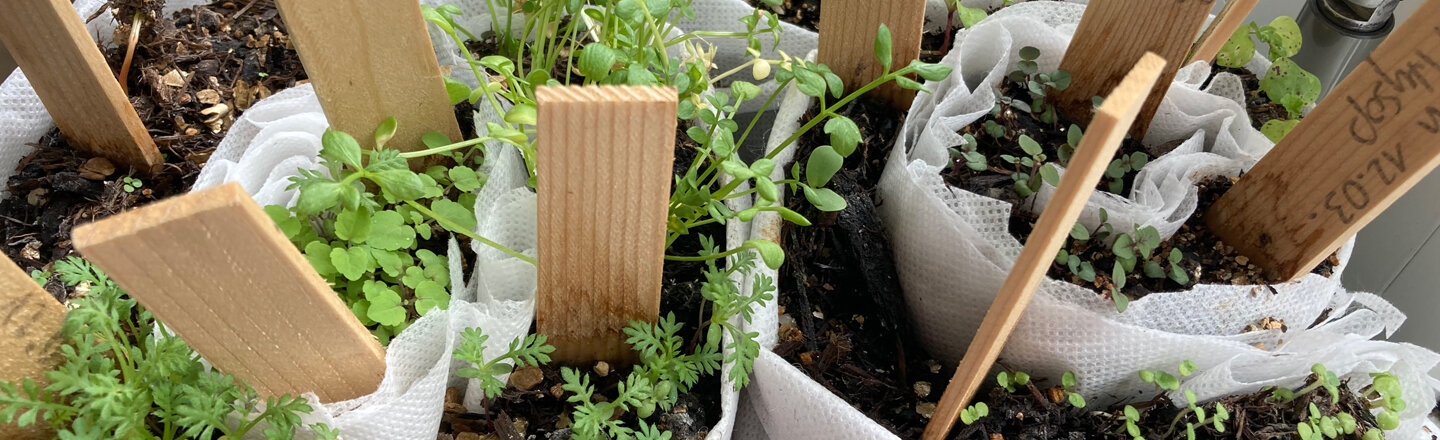
Many gardeners use indoor sowing as a reliable method for bringing tender or warmth-loving plants through the season. All it takes is a bit of planning, careful timing and a little patience – and soon you’ll have your own home-grown supply of strong young plants. And you don’t need a greenhouse to do it! In this post we’re taking a look at how indoor sowing works, issues to watch out for, and the plants that will really benefit.
Contents
- Starting seeds indoors – what it’s all about
- Benefits of starting seeds indoors
- Great plants for indoor sowing
- Indoor sowing step-by-step
- Timing it right
- Common mistakes to avoid
- Summary and tips
Starting seeds indoors – what it’s all about
By starting your plants indoors – in pots, trays or modules – before planting them out in the open, your seedlings can grow in sheltered conditions, protected from cold weather, heavy rain, and slugs and snails. So they can put on strong growth before they’re transplanted to your garden or balcony.
Typical places for starting seeds:
- Windowsill (as sunny as possible)
- Indoor propagator
- A warm coldframe
- Heated greenhouse
Benefits of indoor sowing
- Extends the gardening season
- Strong, resilient young plants
- Earlier crops for vegetables and herbs
- Boosts growth for warm-season plants
- You can plan your growing timeline
Great plants for indoor sowing
Not all plants need to be started indoors or under cover – some can be direct sown outdoors. But an indoor start works especially well for these plants:
Vegetables:
- Tomatoes, peppers, chillies, aubergines
- Celery, kohlrabi, broccoli
- Squashes, courgettes, cucumbers
Herbs:
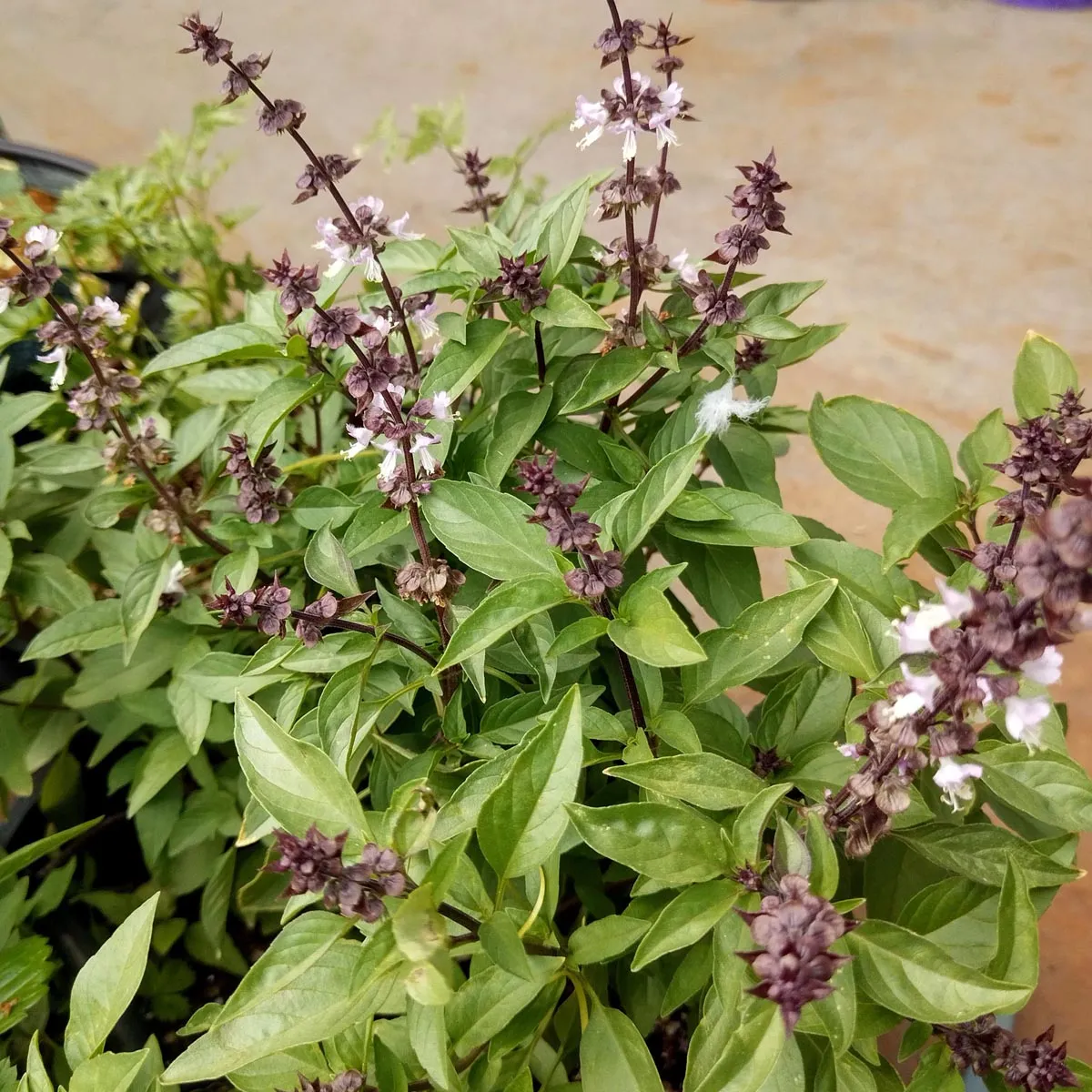
- Basil, marjoram, lemon balm
Flowers:
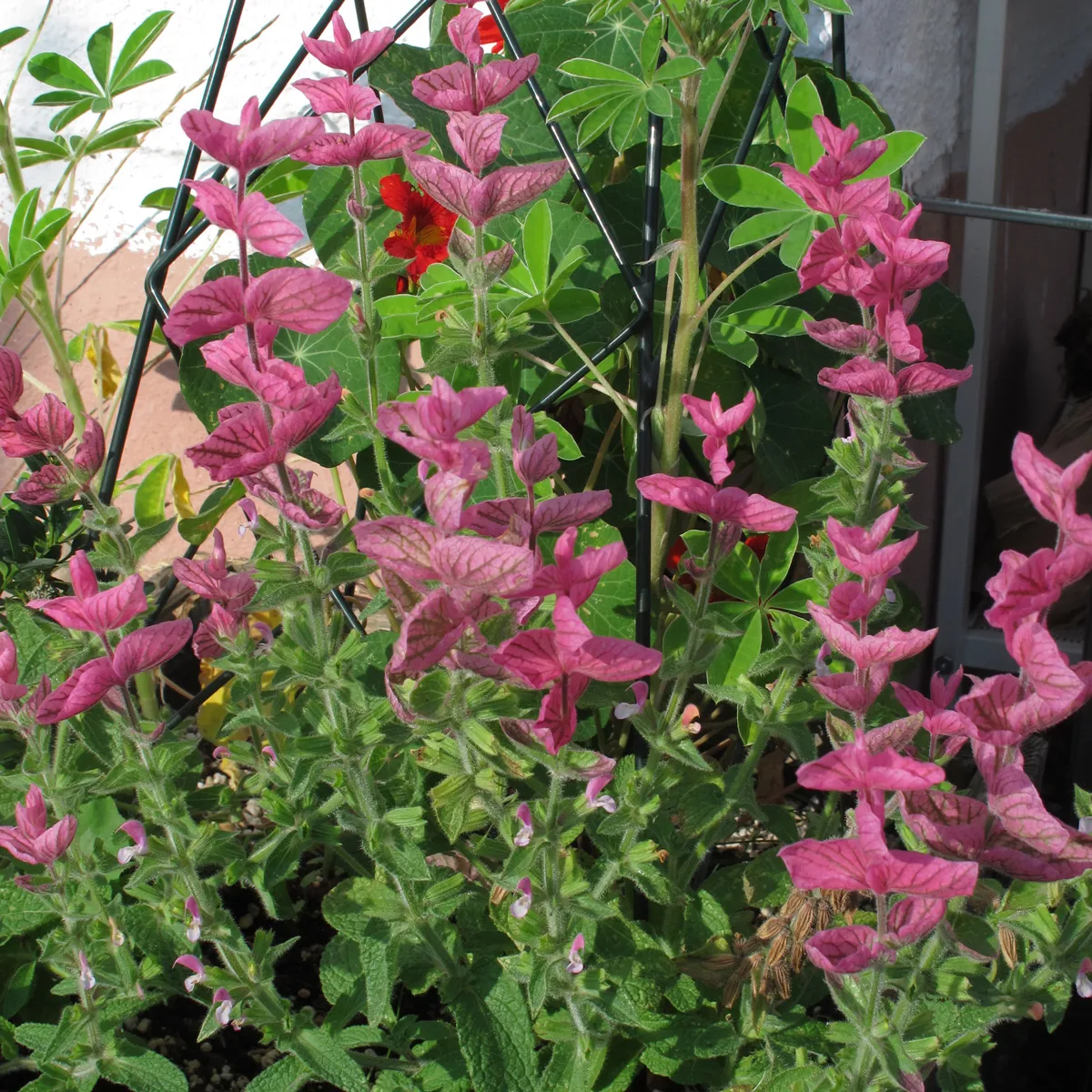
- Sunflowers, snapdragon, zinnias, asters
Indoor sowing step-by-step
1. Sow your seeds
Use seed compost – free-draining and low in nutrients. Sow the seeds on the surface or in small holes, depending on the seed type, and following instructions for seeds that need light (or darkness) to germinate.
2. Speed up germination
Cover the tray or modules with a plastic sheet or lid to keep the moisture in. The ideal temperature is generally between 18 and 24°C, depending on plant type.
3. Pricking out
When your seeds are showing their first true leaves they are pricked out and moved on to larger pots.
4. Hardening off
Before you move your plants outside you should gradually acclimatise them to outdoor conditions: wind, sunlight and temperature fluctuations. Stand them outside during the day and bring them in again at night.
Timing it right
When to start your seeds depends on the plant type and your location. As a rough guide:
| Plant | Sow indoors from | Plant out from |
|---|---|---|
| Pepper/chilli | January/February | from mid-May |
| Tomatoes | February/March | from mid-May |
| Squash/courgette | April | from mid-May |
| Basil | March/April | from mid-May |
Tip: allow around 6–10 weeks’ indoor growing before planting out.
Common mistakes to avoid
- Sowing too early: plants grow too fast and become leggy (tall and weak).
- Insufficient light: weak, leggy seedlings.
- Over- or under-watering: keep moisture levels constant and even.
- No hardening off before planting out: the shock can stop growth or lead to sunburn.
Summary and tips
Starting plants indoors really is worthwhile – and for everyone, beginners included, and not just gardening pros. With a little planning and patience you can grow your own healthy and vigorous plants – and enjoy your first flowers and crops early in the season.
- Use a sunny windowsill or a grow light
- Allow sufficient time between sowing and planting out
- Follow the instructions on your seed packet
- Try different varieties – e.g. heirloom or unusual vegetable varieties
Related products