Stronger seedlings – 7 tips for growing strong young plants from seed
Sowing & growing
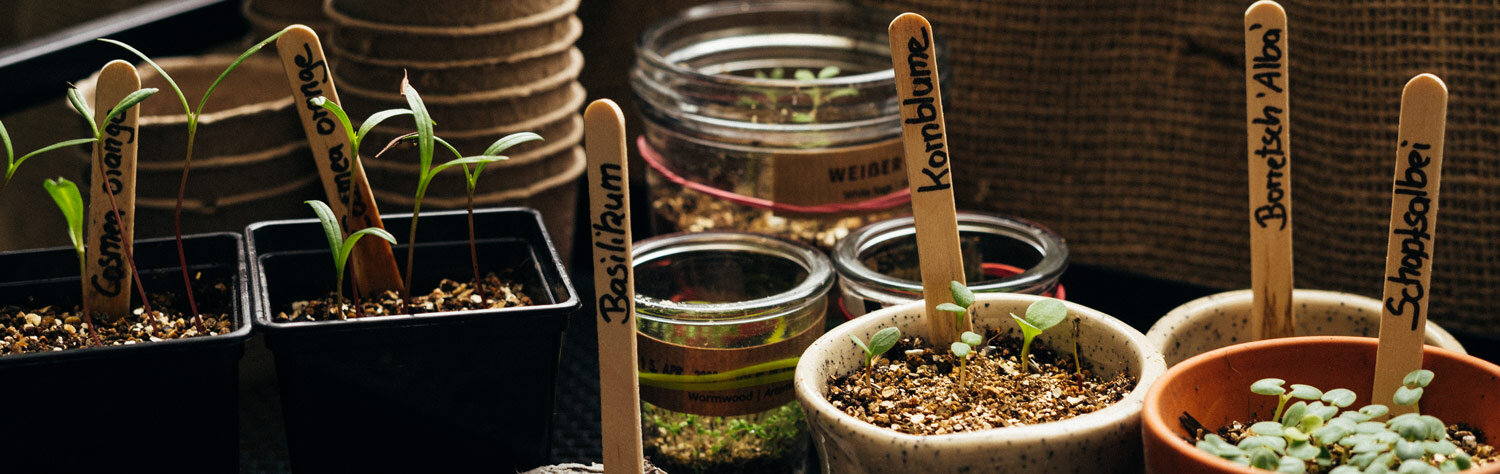
You’ve sown your seeds, the first green tips are showing through on your windowsill, and excitement for the upcoming gardening year is starting to build ... The next phase of starting plants indoors is a tricky one – you want to turn those tender seedlings into sturdy young plants that will ace the transition to outdoor life. So what’s the best way of giving your plantlets a helping hand?
If you’ve still got questions about the why and how of starting seeds indoors, take a look at this article, where we explore the basics and benefits of indoor early sowing.
Here you’ll find 7 simple but effective tips for seedling success – for launching your plants into the season in a mindful and sustainable way.
1. Light is life – brightness matters
The most common reason for weak, spindly seedlings is a lack of light. Daylight levels in February are often too low – especially for seeds that need light to germinate, like basil, lettuce or lavender. So finding a bright location is crucial – ideally right by a south-facing window.
If there isn’t enough natural light around (less than 10 hours per day) it’s worth using a grow light. Here are the factors to consider when buying one:
- Light colour: a combination of blue light (around 400-500 nm) for leaf growth and red light (around 600-700 nm) for development is perfect.
- Light strength: a PAR value of at least 200-400 µmol/m²/s at a distance of 20-30 cm.
- How long to leave the light on for: 12-14 hours of light per day – ideally using a timer switch.
Tip: Ideally the light should shine from directly above to prevent imbalanced growth. Rotate the pots a little at regular intervals if your seedlings are leaning towards the light.
2. Get the temperature right: warm for germinating, cooler for growing
Many vegetables germinate at temperatures between 20 and 24°C – especially warmth-loving plants like chillies, aubergines and tomatoes. But once your seedlings have appeared you should reduce the temperature to around 16-18°C.
This will help them grow slower and stronger. Too much warmth plus too little light will quickly produce leggy, unstable seedlings.
To sum up: Warm to germinate – cool for healthy growth.
3. Even moisture – not too wet
Seedlings don’t like dry conditions – but they don’t like wet feet, either! You should keep the substrate evenly moist. Use a fine sprinkler or spray bottle so you don’t damage the delicate root system.
Finger test: Is the surface dry, but the earth below it still slightly damp? Great – that’s just how it should be.
Prevent mould growth:Make sure you have a free-draining substrate and good ventilation (see next tip). Use room-temperature water that has been boiled or left to stand.
4. Ventilate – but carefully
Propagators and indoor greenhouses are helpful for germination. But after germination your seedlings need fresh air. Provide ventilation once the first shoots are showing – but not too suddenly!
- Day 1-2 after germination: Open the lid for 30 minutes each day
- From days 3-4: 2-3 times daily for 30-60 minutes
- After a week or so: Remove the lid completely
This acclimatises your plants to the indoor air and helps to prevent mould formation.
5. Pricking out – carefully and using the right substrate
When your seedlings are showing their first true leaves it’s time to prick them out – i.e. move them on to individual pots, giving them space to grow and encouraging root development.
Important: Always hold the plant by a seed leaf (cotyledon) as the stem is very delicate. Lift out of the soil using a widger or teaspoon, transfer and water well.
Why use low-nutrient compost?
Low-nutrient compost encourages active root formation. The plant develops a strong and well-branched root system in the process of seeking out nutrients.
High nutrient levels in this phase encourage plants to produce fast but soft growth – making them more vulnerable at a later stage.
Suitable options: Coconut-based seed compost, compost/sand mixes or specialist organic germination substrates.
How deep should seedlings be planted?
- Tomatoes, peppers, aubergines: Set them deeper than before – up to just below the seed leaves. This encourages additional root growth from the stem.
- Lettuce, basil, kohlrabi, etc.: Around the same depth or slightly deeper than before. Planting them too deep can cause rotting.
General rule: Stable but not too deep – the leaves shouldn’t be touching the soil.
6. Gentle growth boosting for healthy seedlings
After pricking out your plants won’t yet need full-strength fertiliser but gentle strengthening measures can be helpful:
- Chamomile tea: Prevents mould, calms the substrate
- Nettle compost tea (1:20 dilution): Encourages growth from the third pair of true leaves onward
- Effective Microorganisms (EM): Support a healthy soil environment
Fertiliser: Only 10-14 days after pricking out start with a diluted organic liquid feed (1/4 recommended dose).
7. Patience – trust the process!
Some species – like chilli, lavender and aubergine – take their time to germinate. Two to three weeks isn’t unusual. So stay patient and try not to worry!
The magic of starting seeds indoors: It’s all about believing, paying attention, and the joy of seeing things grow. Some things just take a little time.
Looking for varieties you can sow in February? Here are our tips for plants especially well suited to an indoor start.
Over to you …
What are your personal hacks for indoor sowing? Which varieties do you most love growing? Tell us in the comments – we’d love to hear about your experiences!
Find something exciting to sow in our new arrivals – check them out here …
Find something exciting to sow in our new arrivals – check them out here …Related products