Which plant containers are suitable for the balcony, and what should you look out for?
Gardening Knowledge
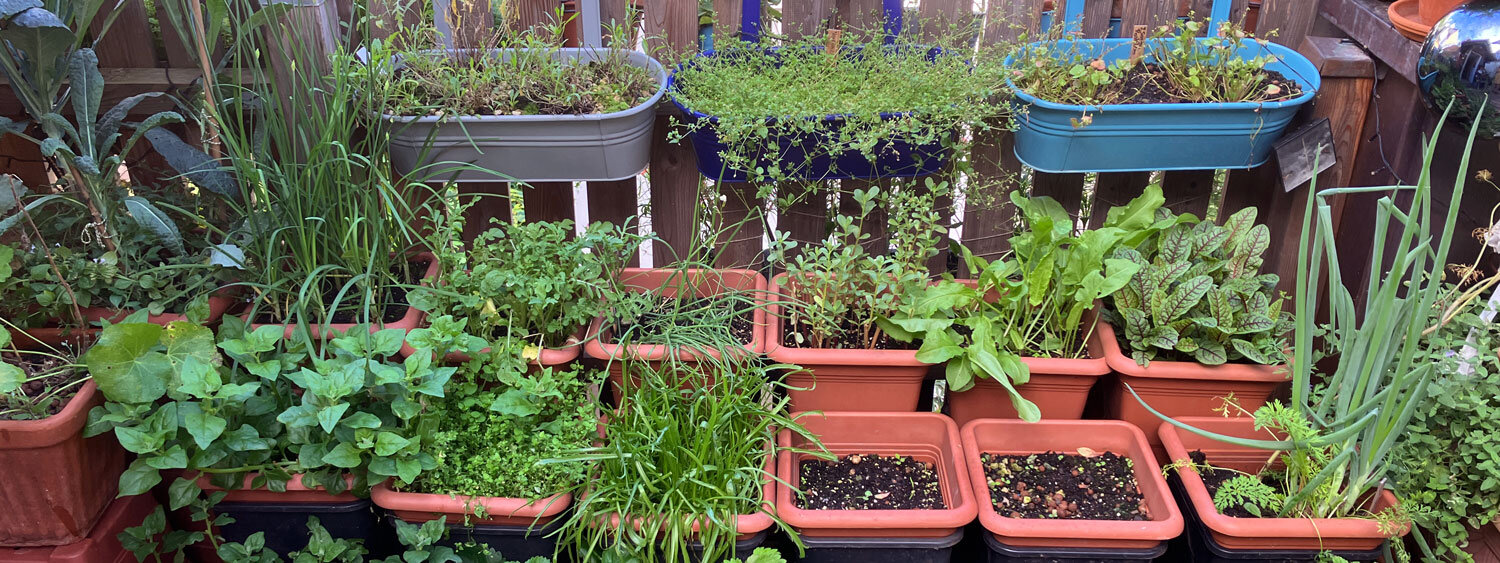
A pot is just a pot, isn't it?
If you have ever grown herbs, tomatoes or edible flowers on your balcony, you may know the feeling: some plants grow strong and happy, while others stay small, let their leaves droop or hardly bear any fruit. And often this isn't down to a lack of care, but to the wrong plant container.
A plant container is far more than just a vessel. It is water reservoir, root space, protective shell and small ecosystem all in one. Especially on a balcony, where space, weight and water supply are limited, it pays to take a closer look.
Which plant containers are suitable for the balcony?
Ideal are light, frost-proof containers with good drainage and enough soil volume. Large planters suit tomatoes, cucumbers or courgettes, window boxes suit herbs and lettuces, and small to medium pots are well suited to many single plants.
Your plant container is not just a pot: it is your plant's home.
Contents
- What makes a good plant container
- Which types of container suit the balcony
- The right pot size for balcony plants
- Plant containers for the balcony: comparing materials
- Drainage, saucers and waterlogging
- Location, care effort and balcony orientation
- How heavy are plant containers on the balcony? Weight & load capacity
- Common mistakes with plant containers
- How to combine containers sensibly on your balcony
- Conclusion
1. What makes a good plant container
On a balcony, a good plant container has to fulfil several tasks at once. It should give the roots enough room, store water, drain off excess moisture and, ideally, be light enough not to put unnecessary strain on your balcony.
Four points are especially important: enough soil volume, working drainage, a suitable material and a realistic view of the weight later on. It is precisely this combination that decides whether a plant merely scrapes by on the balcony or really grows lushly.
The larger the soil volume, the more stable moisture and nutrients stay. You notice this above all on hot summer days. Small pots dry out faster, large containers are more forgiving. That is why, when gardening on a balcony, it almost always makes sense not to plan too tightly.
2. Which types of container suit the balcony
On a balcony, variety is welcome. Different types of container have different strengths, and often the loveliest little wilderness appears precisely when you combine several shapes.
Classic pots
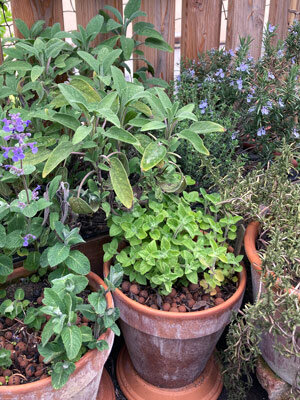
Ordinary round or square pots made of plastic, fibreglass, lightweight metal or hard-fired ceramic are real all-rounders. They suit herbs just as well as peppers, chilli or individual tomato plants, and are easy to find in many sizes.
Window boxes
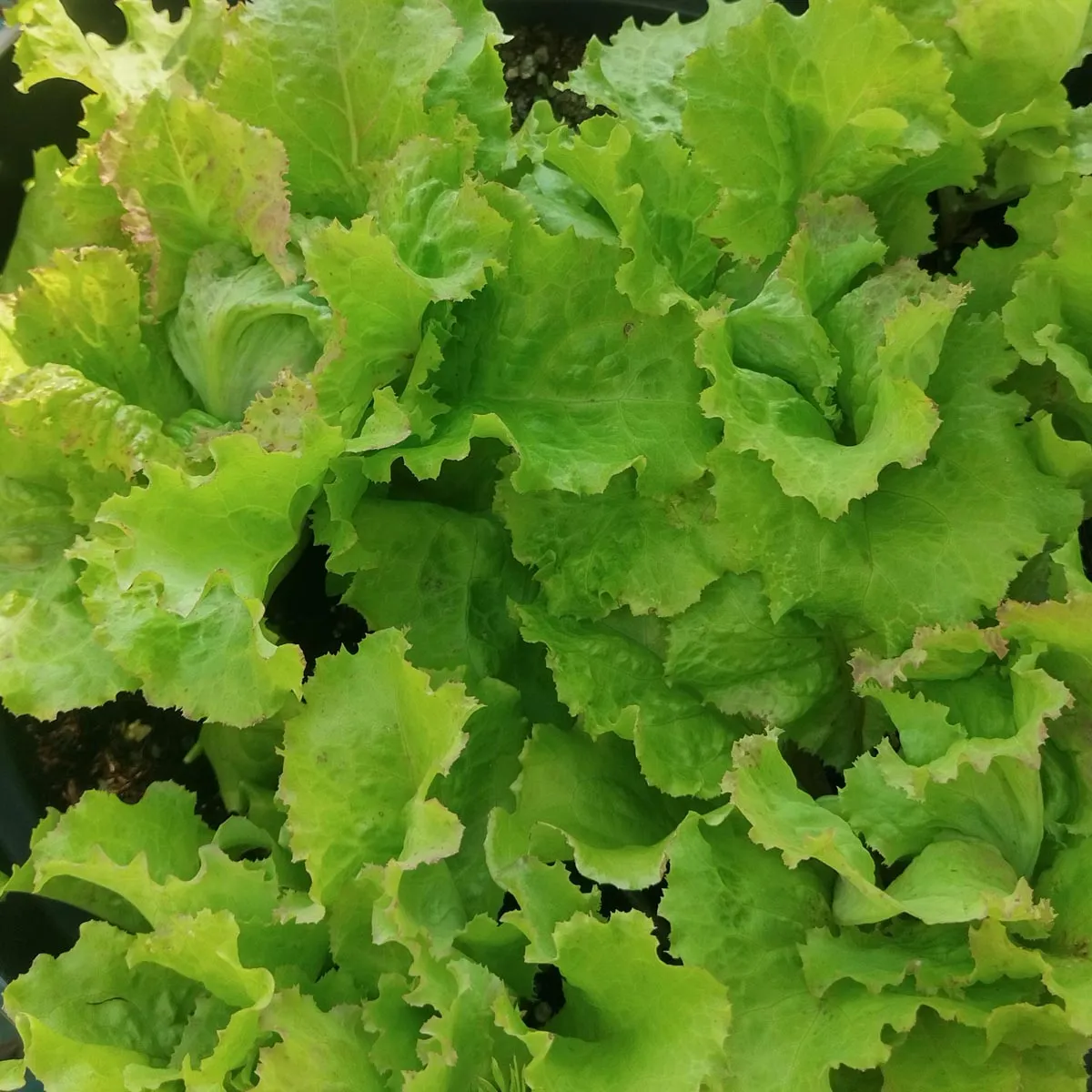
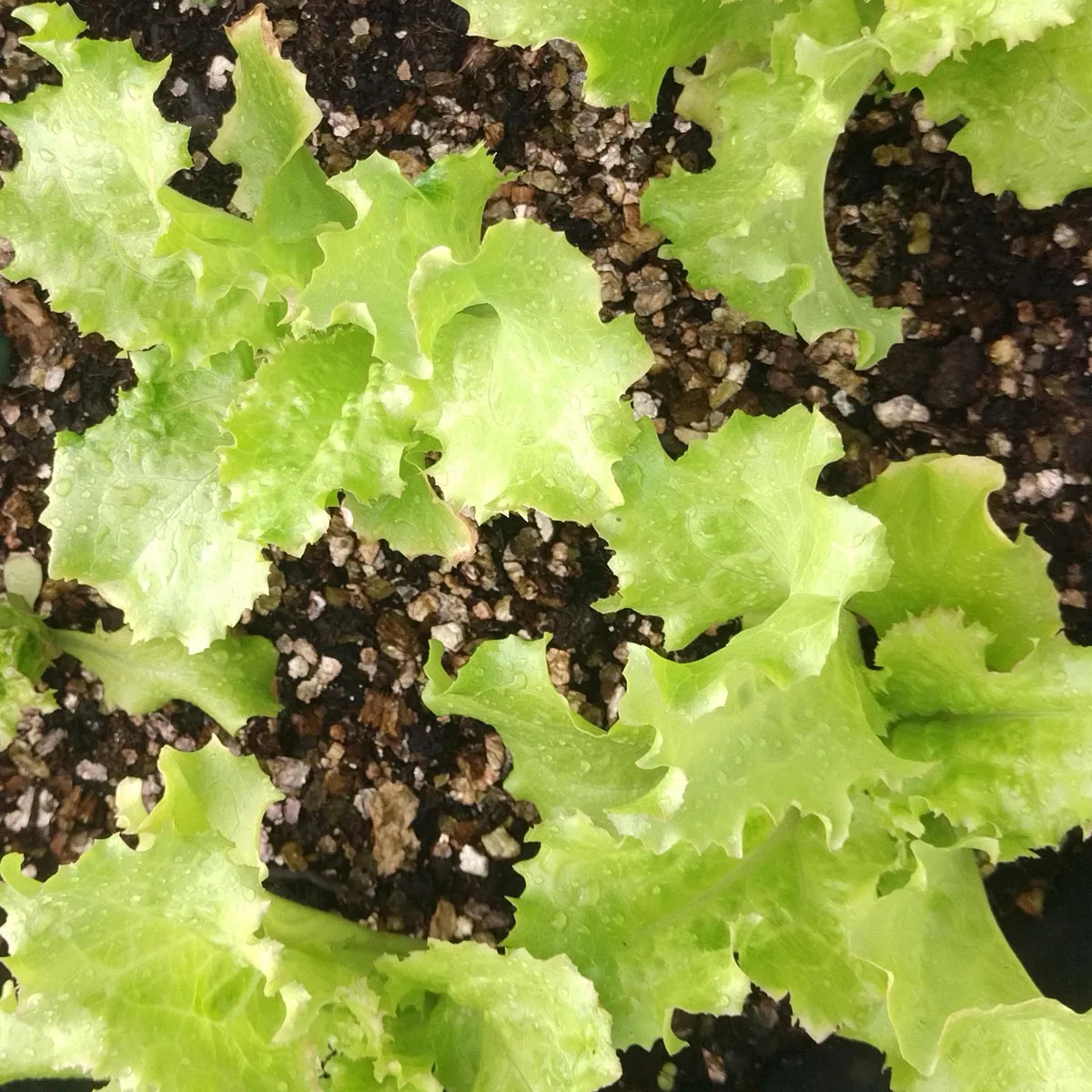
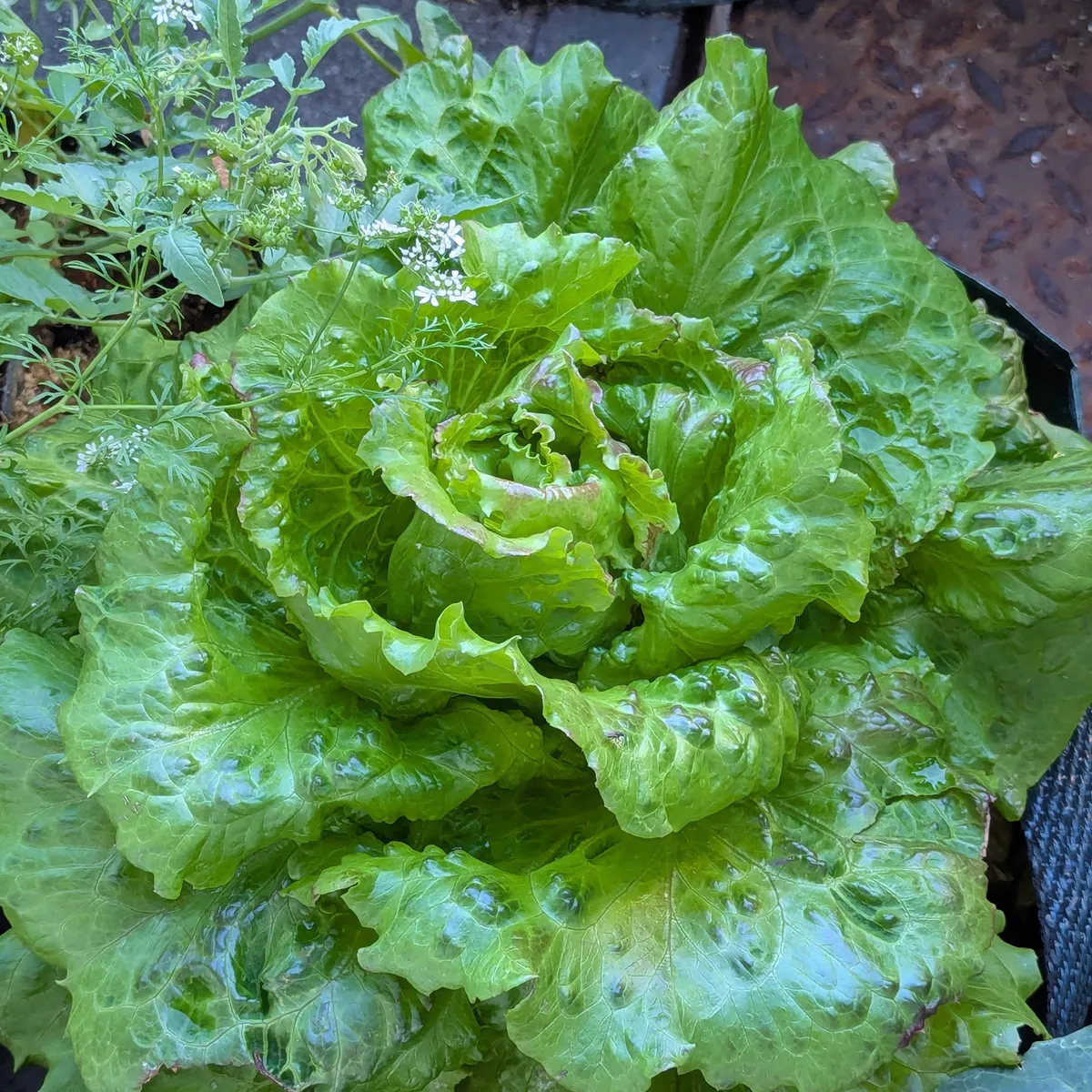
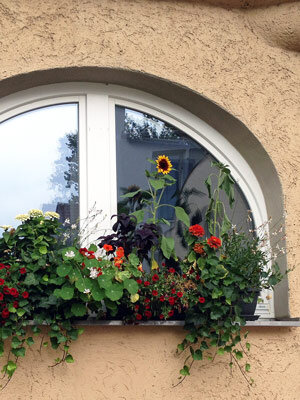
Window boxes are ideal for shallow-rooted crops such as loose-leaf lettuce, radishes, many herbs and annual flowering plants. They make good use of narrow spaces and bring life to the railing or the parapet.
Large planters
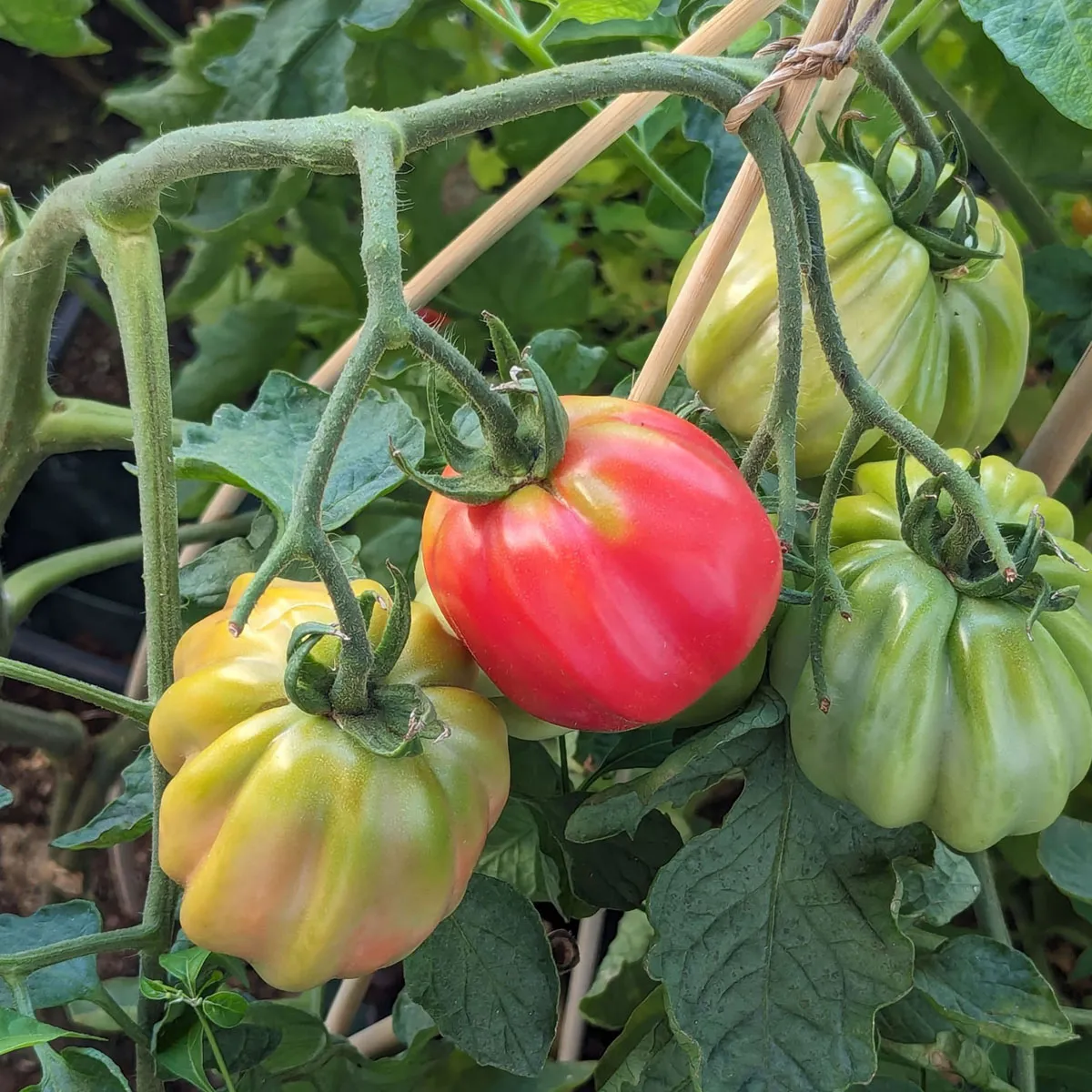
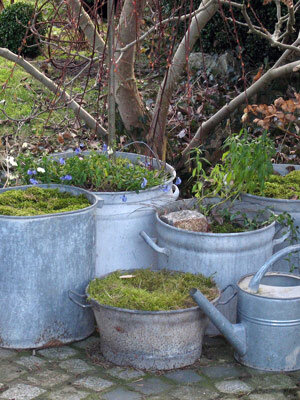
For heavy feeders such as cordon tomatoes, cucumbers, courgettes or perennial climbers, you need large, sturdy containers. Here the pot almost becomes a small bed, in which water and nutrients stay available much longer.
Grow bags and fabric containers
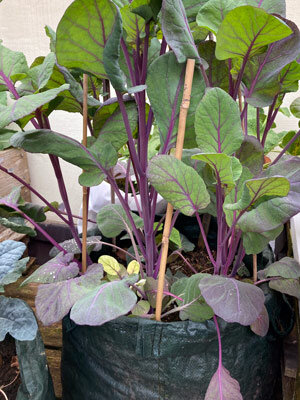
They are light, flexible and kind to roots. On balconies with a limited load capacity in particular, they can be very practical. However, they dry out faster than solid pots and therefore need a little more attention when watering.
For many balconies, a mix of uses makes the most sense: one or two large planters for the main plants, plus window boxes for lettuces and herbs and individual pots for flowering plants, scented herbs or climbers. This way you use the space efficiently and create structure and variety at the same time.
3. The right pot size for balcony plants
If there is one point that decides success or failure on the balcony, it is the right pot size.
Containers that are too small dry out quickly, store hardly any nutrients and leave the plants little room for their roots. The result: weak growth, a poor yield and a lot of stress, for you and your plants.
The most important rule of thumb is therefore: choose one size bigger.
The more soil is available, the more stable the water supply stays, and the more relaxed your gardening routine becomes.
| Plant | Recommended volume |
|---|---|
| Lettuce, radishes | 5 to 10 litres |
| Peppers, chilli | 10 to 15 litres |
| Bush tomatoes | 10 to 15 litres |
| Cordon tomatoes | 20 to 40 litres |
| Cucumbers | 20 to 40 litres |
| Courgettes | 40 to 60 litres |
Especially with larger plants, the rule is: one plant = one pot. This way you avoid competition for water and nutrients and create stable conditions.
With herbs, too, it is worth taking a closer look: while thyme or oregano make do with little space, rosemary or mint only really thrive in larger containers.
4. Plant containers for the balcony: comparing materials
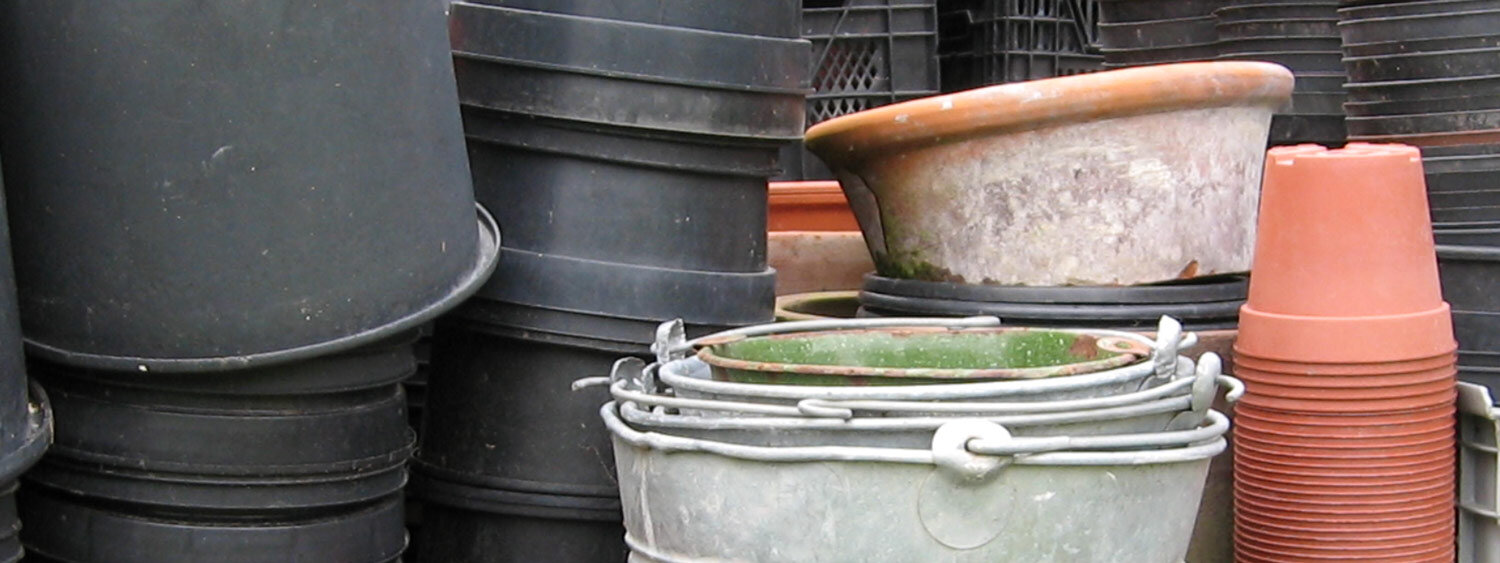
The material of your plant container affects not only the look, but also weight, durability and care effort.
- Plastic & fibreglass: light, robust and ideal for balconies with a limited load capacity
- Metal: modern and sturdy, but can heat up a lot in the sun
- Ceramic & terracotta: natural and beautiful, but often heavy and not always frost-proof
- Wood: lively and warm, needs protection from moisture
Especially with larger planters, it pays to rely on light materials, as they make everyday life easier for you and go easy on your balcony.
5. Drainage & water supply
Many plant problems begin out of sight, inside the pot. If water cannot drain away, waterlogging occurs. The roots get too little oxygen and begin to rot.
That is why the following applies:
- Every pot needs drainage holes
- A drainage layer of expanded clay or gravel protects against waterlogging
- Saucers should be emptied regularly
A small effort with a big effect, and often the difference between healthy and ailing plants.
6. Location & container
Your balcony helps determine which plant container makes sense.
On a sunny south- or west-facing balcony, the soil dries out much faster. Here, larger containers with more water storage have a clear advantage.
On a north- or east-facing balcony, on the other hand, the soil stays moist for longer, so smaller containers often work without any problem here.
This creates an interplay of location, container and plant, and this is exactly where the strength of a well-planned balcony garden lies.
7. How heavy are plant containers on the balcony? Weight & load capacity
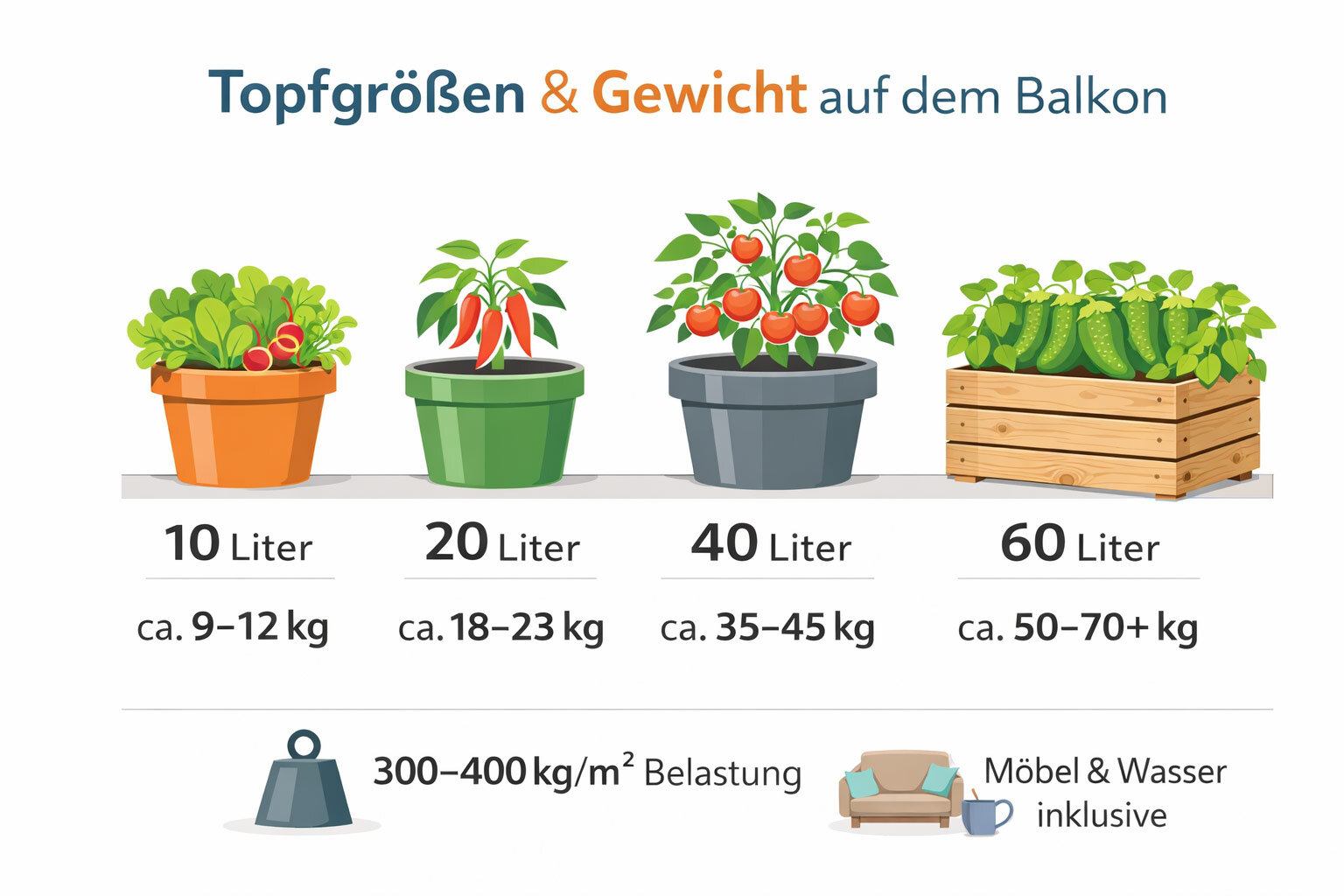
One point that is often underestimated: a planted pot is heavy, often much heavier than you would think.
Most balconies can carry around 300 to 400 kg per square metre, but this load also includes furniture, people and water.
That is why it is important to keep an eye on the weight and distribute it sensibly:
- distribute heavy pots evenly
- do not place large planters in just one corner
- rather choose several medium-sized containers
Especially with older balconies or very large containers, a quick safety check is worthwhile. That way you can garden in peace, without any risk.
8. Common mistakes
Many problems in the balcony garden can be traced back to a few typical mistakes:
- pots that are too small → plants stay weak
- too many plants in one container → competition
- missing drainage → waterlogging
- wrong depth → roots do not develop properly
- leaving plants in their nursery pot → growth stops
If you avoid these points, you are already a big step ahead.
9. Combining containers sensibly
A lively balcony rarely comes from a single container. A combination is much more exciting:
- large planters for tomatoes, cucumbers or courgettes
- window boxes for herbs and lettuces
- smaller pots for flowers and variety
This creates structure, and with it a small urban wilderness.
10. Conclusion
The right plant container is the foundation of your balcony garden. It affects growth, care effort and even safety on your balcony.
If you keep size, material, drainage and weight in mind, you create ideal conditions for healthy plants and a rich harvest.
And perhaps that is the loveliest thing of all: a few pots become a living place, your very own small urban wilderness.
Feeling inspired? Then here you will find suitable seeds for your balcony
Seeds for balcony vegetablesRelated products