Why isn't it growing for me? Spotting garden mistakes and understanding your plants better
Garden consultation
Sometimes seeds don't germinate, carrots stay tiny, strawberries bear no fruit or the lettuce bolts far too early. When plants don't grow the way we'd like them to, it's rarely down to a lack of green fingers. Much more often, it's just one small detail that isn't quite right yet: position, soil, water, sowing time or care.
Perhaps you know the feeling: you sowed lovingly, watered, waited, and still not much is happening. While everything in the neighbouring bed grows lush, your young plants just struggle along. It's easy to feel that you've done something wrong.
But gardening is not a competition. It is a living learning process. Every plant has its own needs, every garden its own conditions. If something doesn't thrive, that's not automatically a mistake. It's often a sign to look more closely.
At Magic Garden Seeds, we believe that seeds are more than the beginning of a plant. They are an invitation to observe nature, preserve diversity and understand a little more with every gardening year. Open-pollinated seeds, heirloom varieties and special plants in particular sometimes show us very clearly what they need, and what simply doesn't suit them.
Observe first, then act
When a plant turns yellow, doesn't grow or doesn't set fruit, many people immediately reach for the watering can or the fertiliser. That's understandable, but not always the best solution. After all, many garden problems look alike.
Yellow leaves, for example, can point to a nutrient deficiency. But they can also be caused by waterlogging, dryness, cold, too little light or damaged roots. Wilting plants don't always need more water. Sometimes the soil is actually too wet, so the roots no longer get enough air.
That's why a quick garden check is worthwhile before any rescue mission:
- Is the plant getting enough light?
- Is the soil loose, rich in humus and free-draining?
- Is the soil really dry, or only on the surface?
- Was it sown too deep or too shallow?
- Is the plant right for the season and the position?
- Does it have enough room for roots, leaves and fruit?
- Has it perhaps been fed too much or watered too kindly?
Often, this small stocktake alone brings more clarity than any quick grab for the fertiliser.

1. The position doesn't suit the plant
One of the most common reasons for weak plant growth is an unsuitable position. Not every plant wants full sun, and not every plant can cope with shade. Some species love dry, warm spots. Others need even moisture and protection from the midday heat.
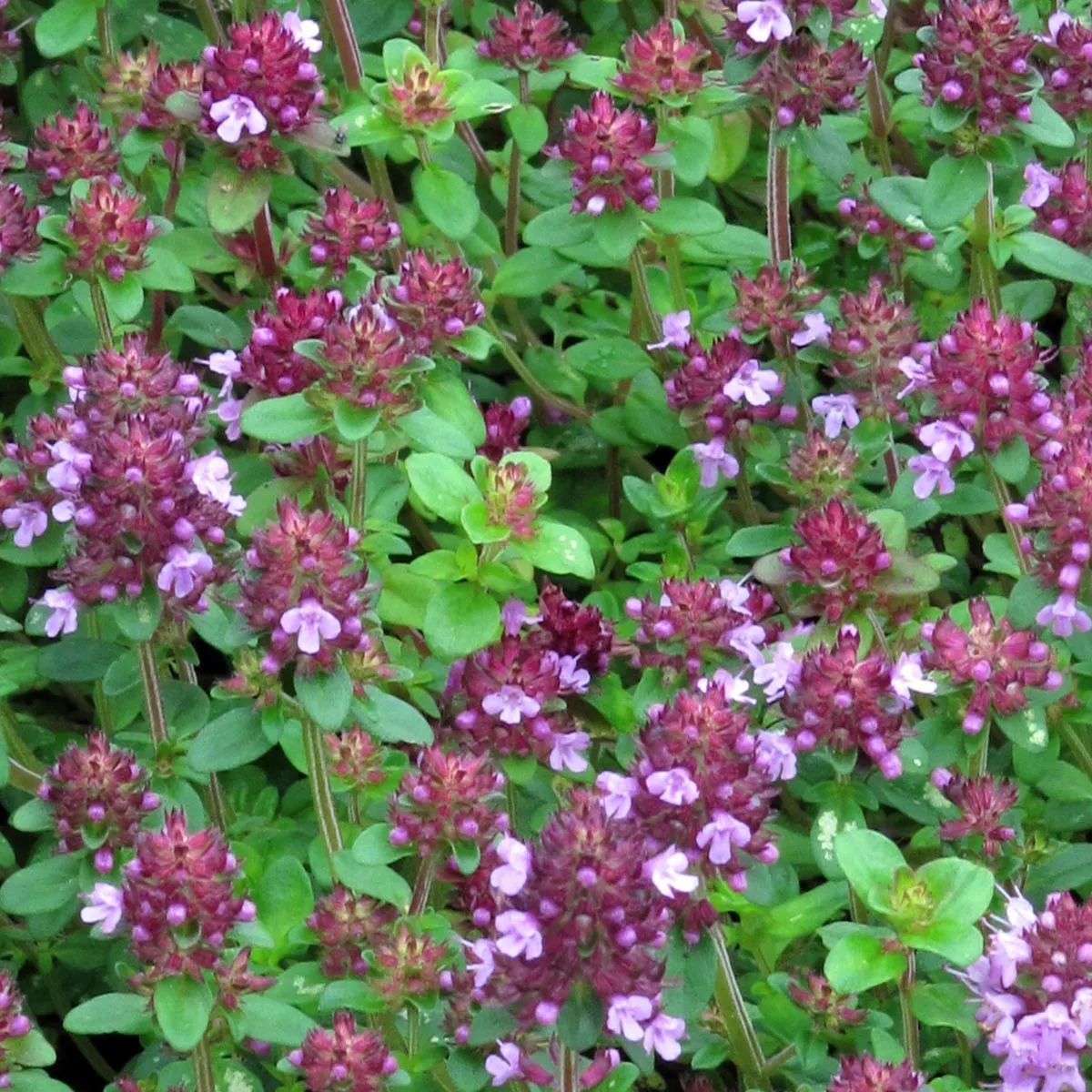
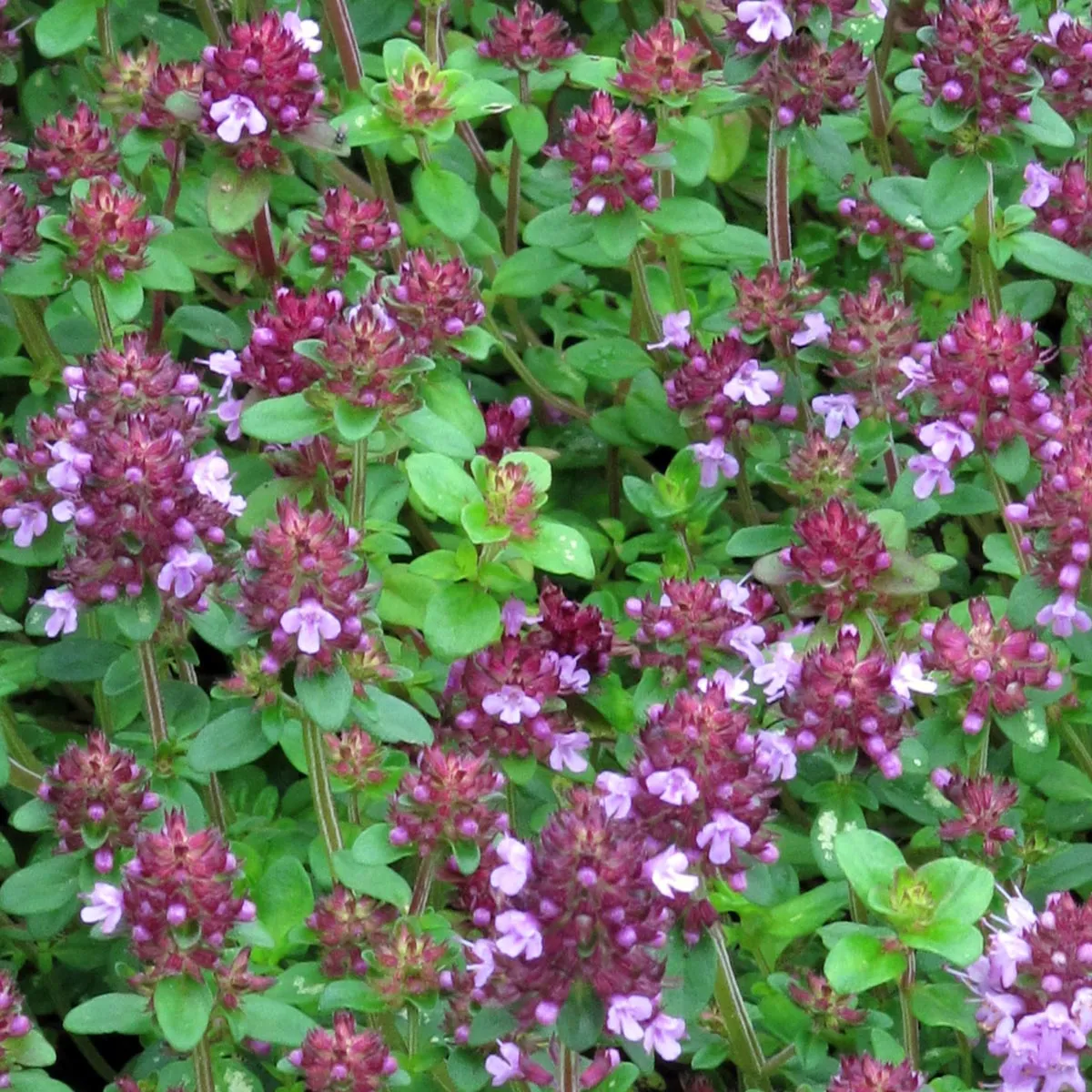
Mediterranean herbs such as thyme, sage or oregano do particularly well in sunny, rather lean and free-draining positions. Lettuce, on the other hand, can quickly become stressed in high summer if it stands in blazing sun all day. Carrots need deeply loosened soil, while squashes demand plenty of space, warmth, water and nutrients.
Practical tip: Observe your garden consciously for a day. Where does the morning sun fall? Which beds are hot and dry at midday? Where does the soil stay moist for a long time? That makes it easier to find out which plants really suit which spot.

2. The soil is too heavy, too poor or compacted
Plants don't simply grow “in the garden”, but in the soil. And this soil decides a lot: can roots grow deep? Is water retained, or does it collect? Is there enough air in the soil? Is there enough humus?
Root vegetables such as carrots, parsnips or black salsify in particular react sensitively to heavy, stony or compacted soil. The roots may then fork, grow crooked or stay small. Other plants struggle because the soil is too low in nutrients or water drains away too quickly.
Practical tip: Try the simple hand test. Take some moist soil in your hand and squeeze it. If it falls apart immediately, it is rather sandy. If it sticks heavily and can be moulded, it is rather clayey. If it crumbles loosely and smells pleasantly earthy, that's a good sign of living soil.
With compost, mulch, green manure and as little soil compaction as possible, you can improve your garden soil in the long term. It doesn't happen overnight, but every gardening year adds to it.

3. The sowing conditions aren't right
If seeds don't germinate, it's not always the fault of the seeds. Often, the conditions around sowing aren't right. Some seeds need light to germinate and should only be pressed in. Others germinate better in the dark and must be covered with soil. Some species need warmth, others a cold period or simply more time.
Moisture is also crucial. If the seed tray or seed drill dries out during the germination phase, germination can stop. If the soil is permanently wet, seeds can rot.
Practical tips for better germination:
- Read the instructions on the seed packet carefully.
- Only press in light-dependent germinators and do not cover them with soil.
- Cover dark germinators lightly with soil.
- Water fine seeds particularly carefully.
- Keep the soil evenly moist, but not wet.
- Pay attention to the right germination temperature.
- Be patient: not every plant germinates after a few days.
A good rule of thumb: Seeds are alive, but they only get going when their little starting signal is right.

4. Too much or too little water
Water is one of the most important growth factors in the garden. Yet this is exactly where many mistakes happen. Too little water leads to drought stress, weak growth, flower drop or small fruit. Too much water can damage the roots because they no longer get enough oxygen.
A good water outlet is especially important in pots and window boxes. Without a drainage hole, waterlogging quickly develops. In the bed, on the other hand, the surface can look dry even though there is still enough moisture underneath.
Practical tip: Check the soil with your finger a few centimetres below the surface. Only when it is dry there should you water. It's better to water less often and thoroughly than a little every day. This encourages the roots to grow deeper.

5. Too much fertiliser can throw plants off balance
When plants don't grow, fertiliser often seems the obvious solution. But more isn't always better. Too much nitrogen can cause plants to produce plenty of leaves, but fewer flowers, roots or fruit.
Radishes then make lush greenery, but hardly any roots. Tomatoes grow strongly, but set fruit poorly. Strawberries produce beautiful leaves, but crop only a little. Herbs, too, can lose aroma when given too much fertiliser.
Practical tip: Feed in moderation and to suit the plant. Heavy feeders such as squash, courgettes or tomatoes need more nutrients than Mediterranean herbs. Compost, mulch and organic fertilisers support the soil gently and in the long term.

6. The plant doesn't suit the season
Some plants don't grow well because the timing isn't right. Warmth-loving species such as chilli, basil, tomatoes or aubergines react sensitively to cold. If they are planted out too early, they often stand still in their growth for a long time.
Other plants don't like summer heat. Lettuce, radishes or spinach quickly become stressed in long days and high temperatures and start to flower. This is called “bolting”. The plant is not broken then, it is simply moving on to the next stage of its life and wants to produce seed.
Practical tip: Don't just go by the calendar, but also by the weather, soil temperature and position. In July, it's worth planting heat-sensitive crops in partial shade and already thinking about later autumn crops.

7. Too little space and too much competition
Especially at the start, densely sown rows or full containers look nicely lush. But over time, the plants compete for light, water, nutrients and root space. Then they stay small, become more susceptible or produce less fruit.
Weeds, tree roots or very hungry neighbouring plants can also hold back young crops.
Practical tip: Thin out young plants in good time and keep to the plant spacing. This sometimes feels hard, because you don't want to remove small seedlings. But the remaining plants often develop much more strongly afterwards.
Typical garden questions: our new Garden Clinic
Because many garden problems keep coming up, we are launching our Magic Garden Seeds Garden Clinic to go with this topic. In it, we take up concrete questions from everyday gardening: short, easy to understand and with practical tips.
For example:
- Why won't my carrots thrive?
- Why are my strawberries not bearing fruit?
- Why does my lettuce bolt so quickly?
- Why does my courgette flower but not produce fruit?
- Why won't my seeds germinate?
- Why is my basil turning yellow?
We will answer these questions bit by bit on the blog and on Instagram. Perhaps your garden problem is among them.
Gardening means not controlling, but understanding
A garden is not a perfect system. It lives, changes and surprises us. Some years are dry, others wet. Some plants grow lush, others fall behind. And sometimes something thrives wonderfully exactly where we never would have expected it.
If a plant doesn't grow, that's no reason to lose heart. It is an invitation to look more closely: at the light, the soil, the water, the season, and also at the expectations we have of our garden.
Because in the end, it isn't about doing everything without mistakes. It's about learning a little more with every gardening year. That is exactly where the joy of gardening lies.
Which plant is puzzling you right now?
Write your question to us in the comments. Perhaps it will become the next Magic Garden Seeds Garden Clinic.
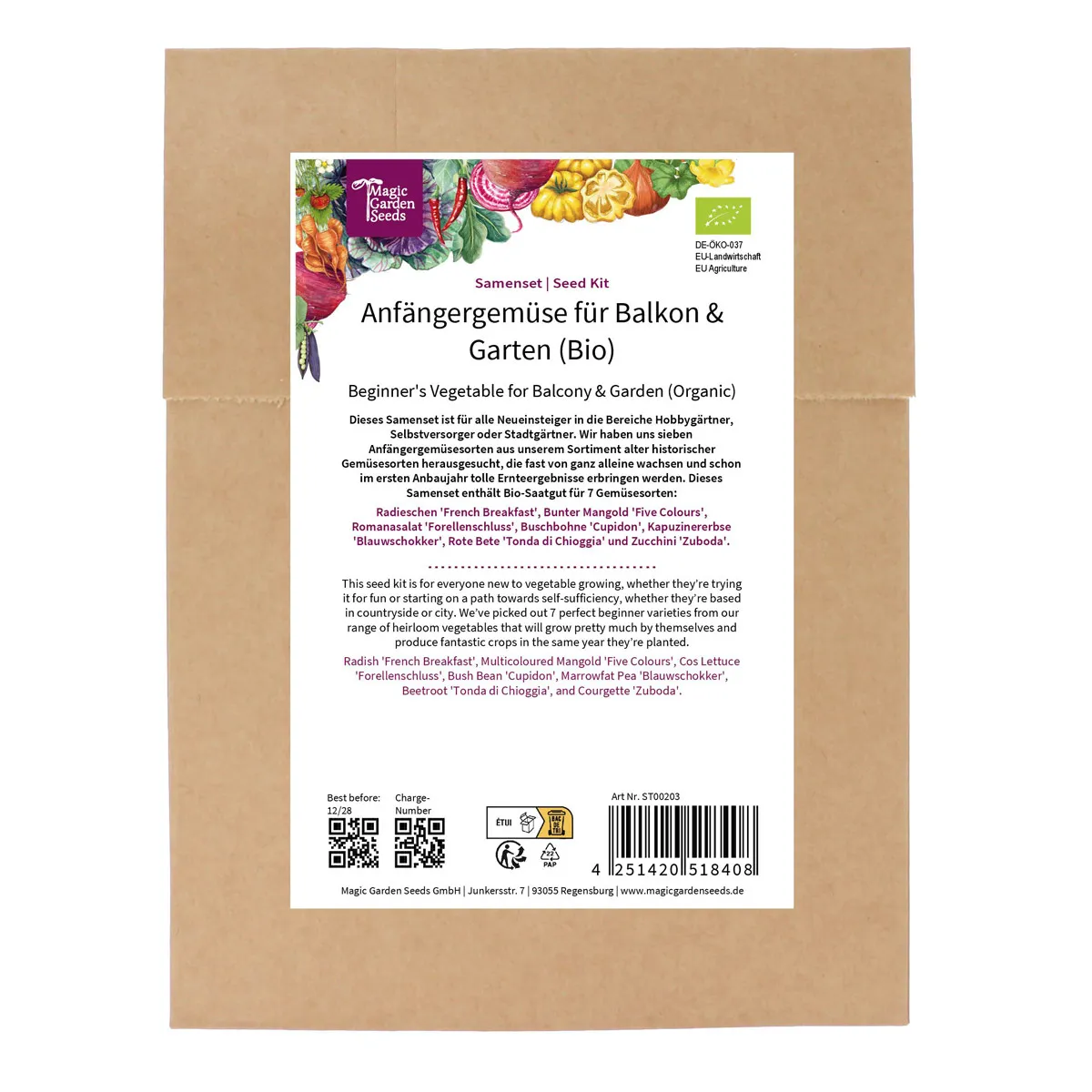
Don't make it too hard for yourself and start with easy sowings
Seeds for beginners: our recommendationsRelated products