
Strawberry seeds - grow your own red, white and wild strawberry varieties
Strawberry seeds give you the opportunity to grow strawberries yourself from the very beginning - from classic red varieties and white strawberries to aromatic wild strawberries. Growing strawberries from seed takes a little patience, but rewards you with strong young plants and the special feeling of having raised this traditional fruit yourself.
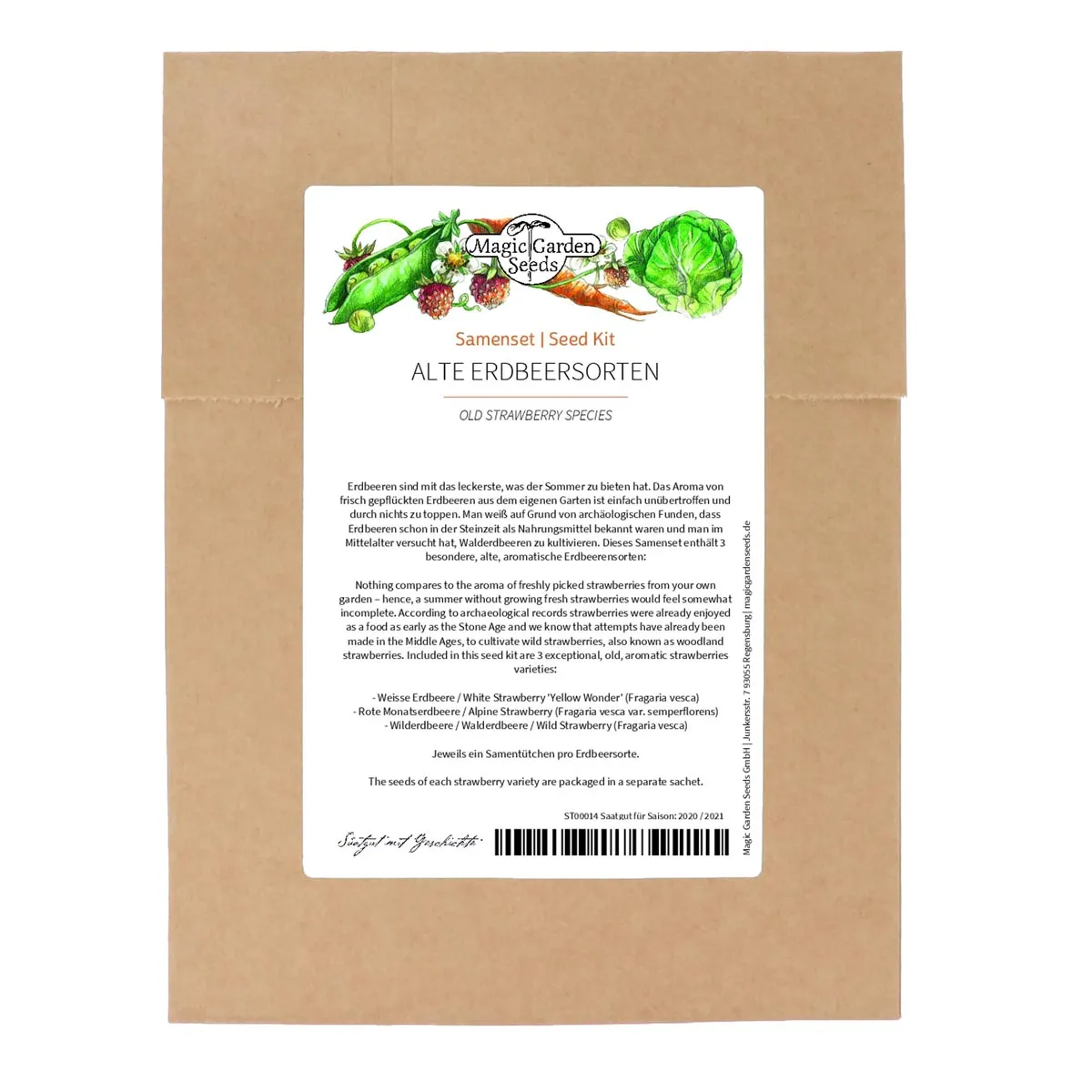
Read moreStrawberries are among the most popular summer fruits of all. Freshly picked from your own garden, balcony or pot, they taste especially intense, sweet and aromatic. Archaeological finds show that wild strawberries were already valued as food in the Stone Age. In the Middle Ages, people began to cultivate wild strawberries deliberately - long before today's garden strawberries became widespread.
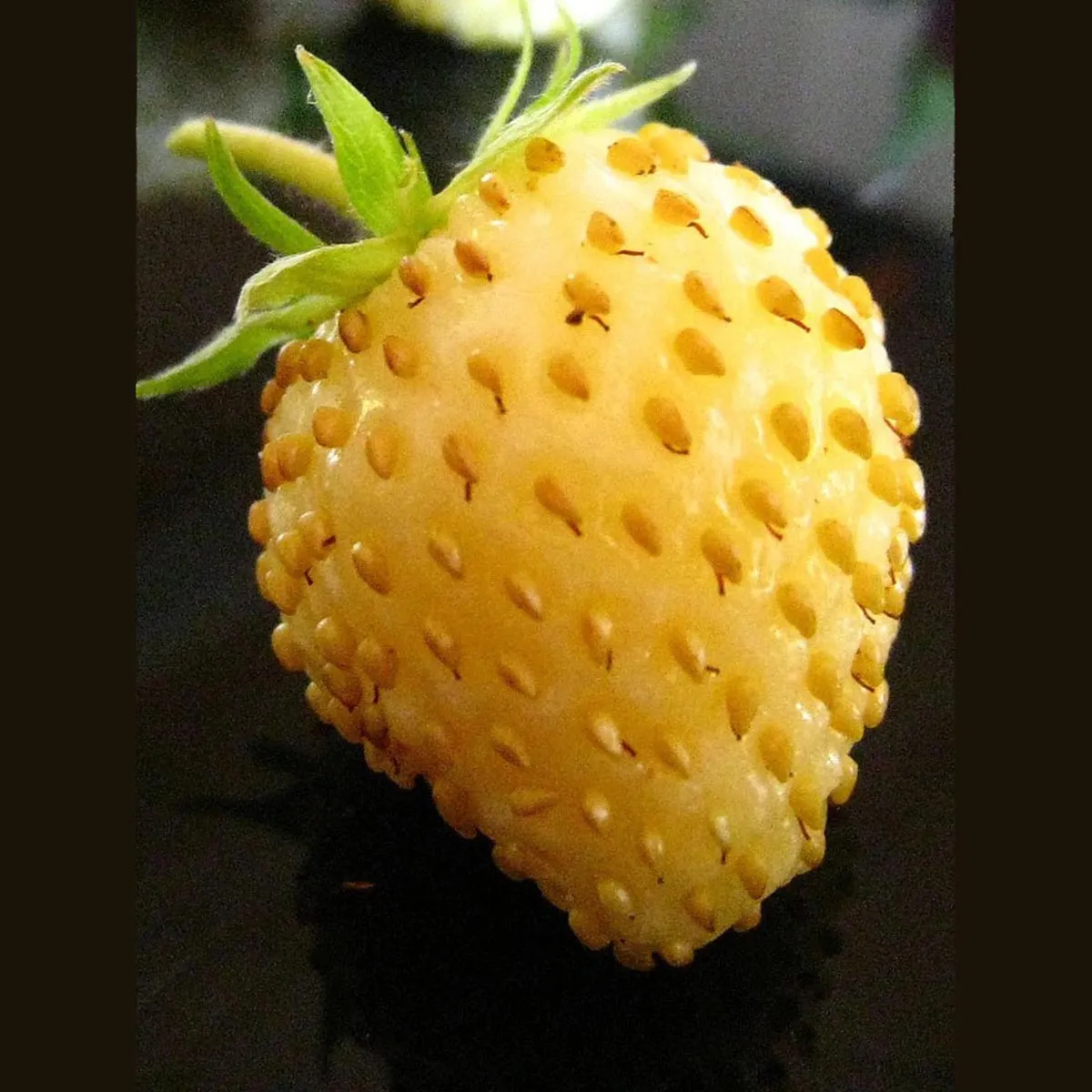
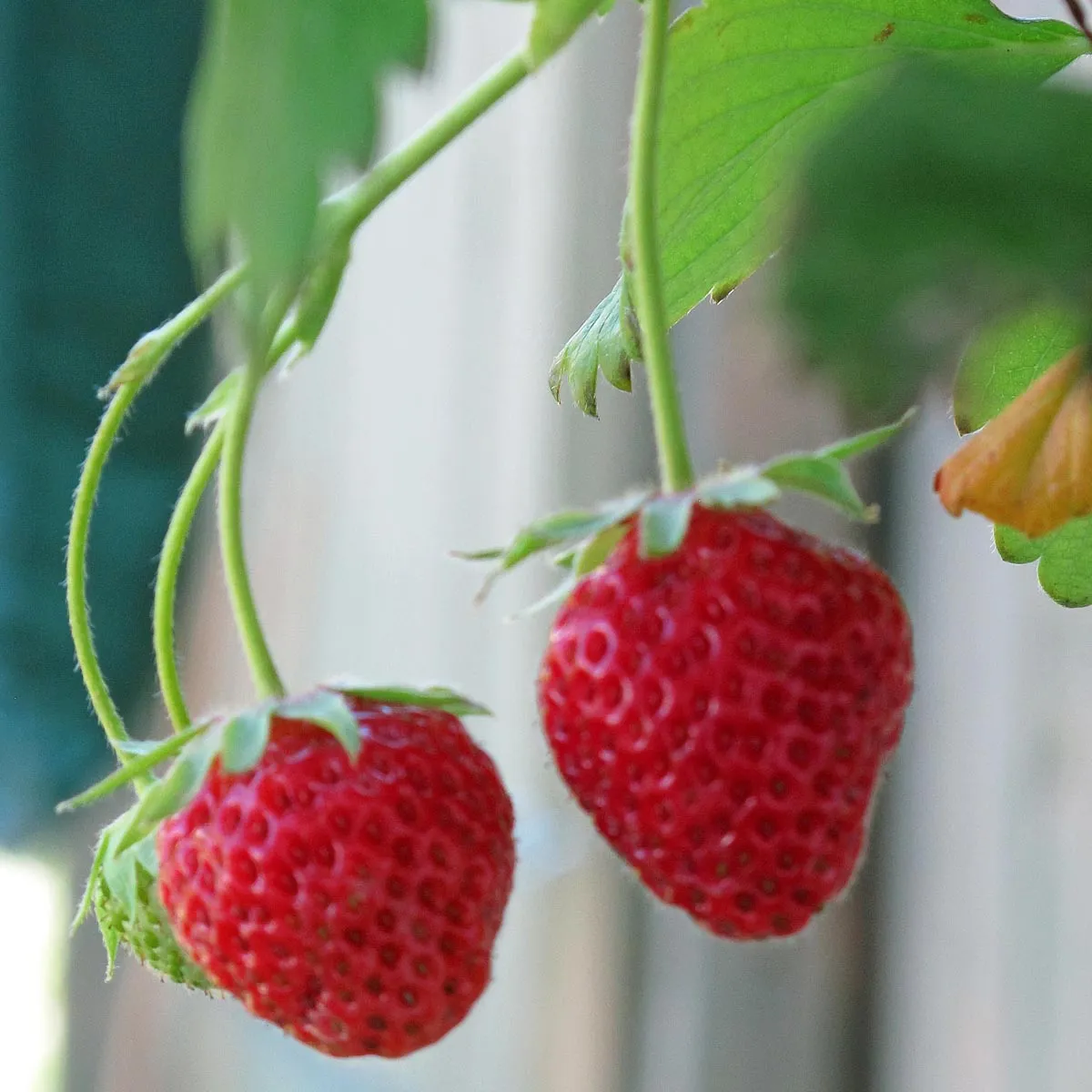
Botanically speaking, strawberries are not true berries, but aggregate accessory fruits. The actual fruits are the tiny nutlets on the surface, while the red or white flesh develops from the flower base. This botanical peculiarity makes strawberries especially interesting for gardeners who enjoy plants with history and unusual details.
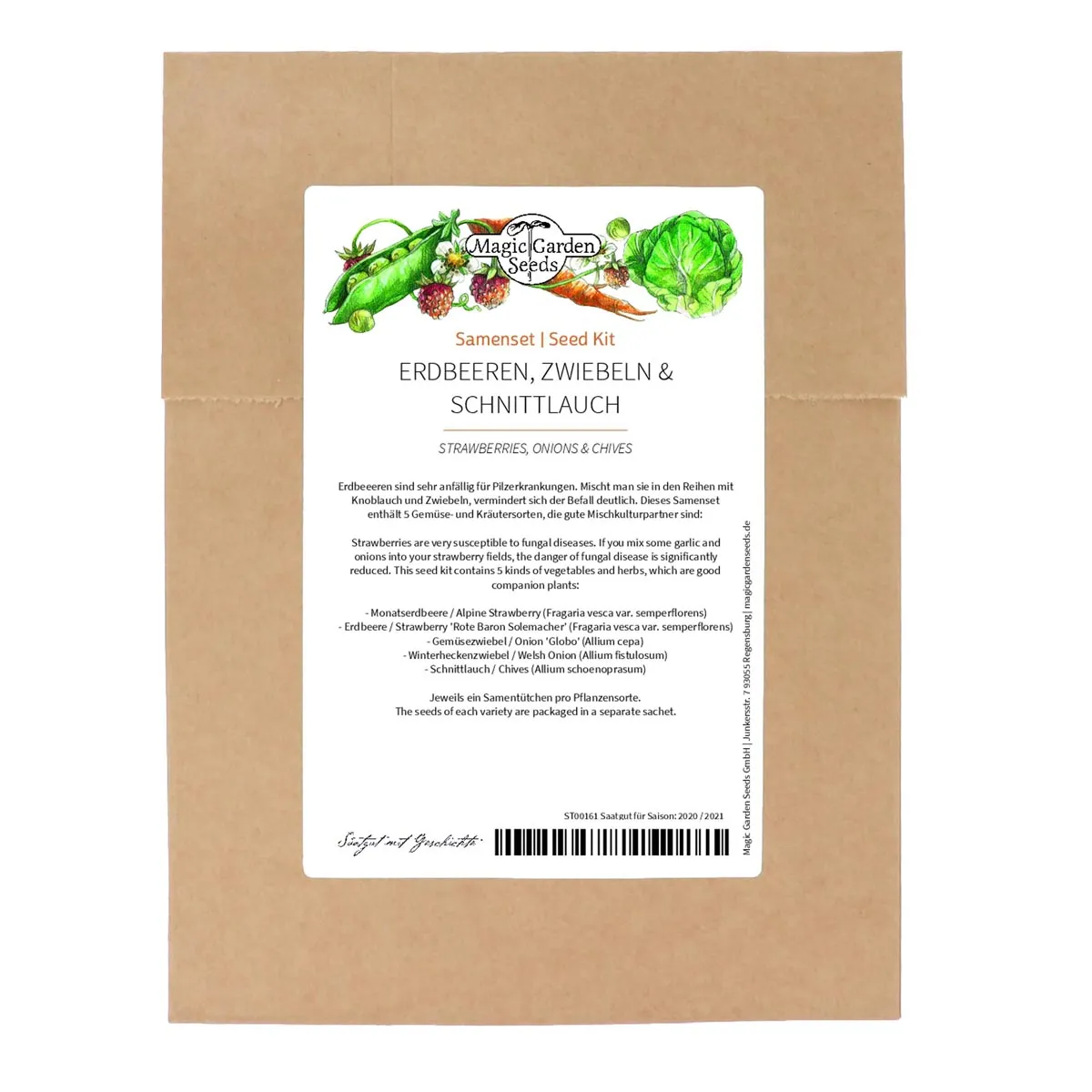
In this category you will find strawberry seeds for different growing ideas: red strawberry varieties with classic fruit flavour, white strawberries with an unusual appearance and wild strawberries whose fine, intense taste recalls woodland edges and sunny clearings. Depending on the variety, strawberries are suitable for beds, raised beds, pots, balcony boxes or naturalistic garden areas.
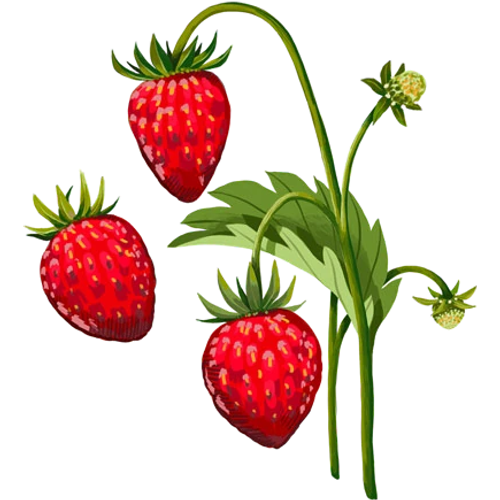
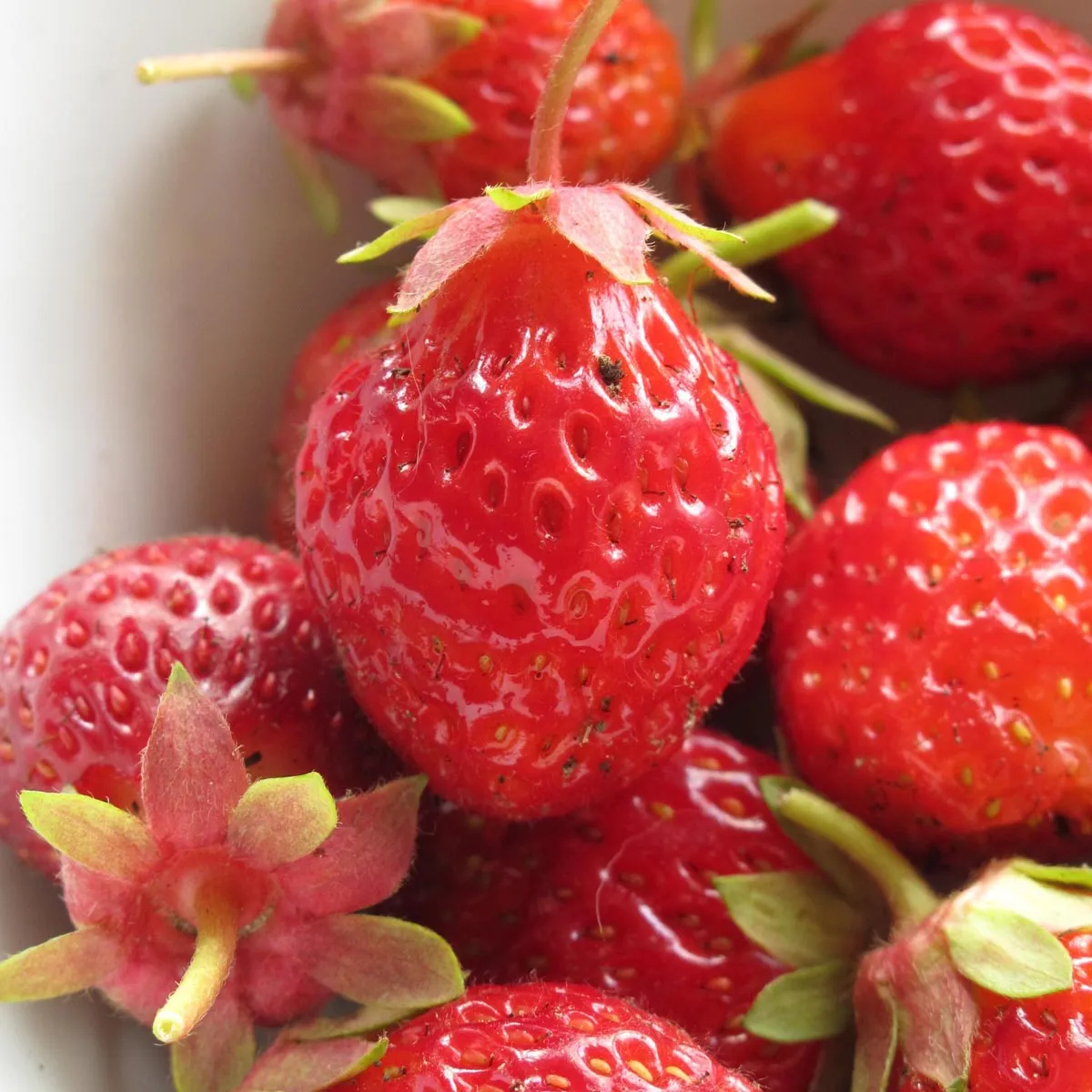
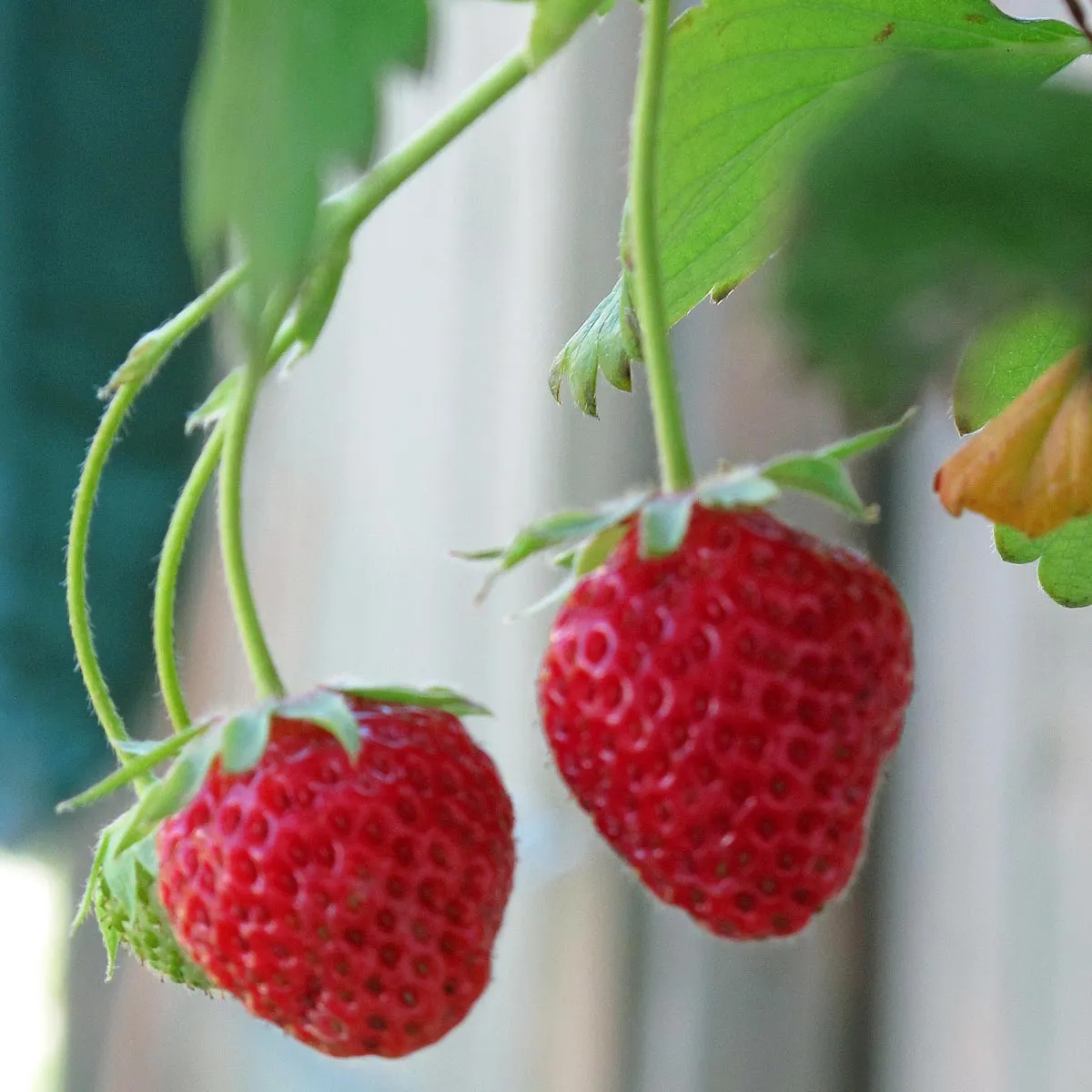
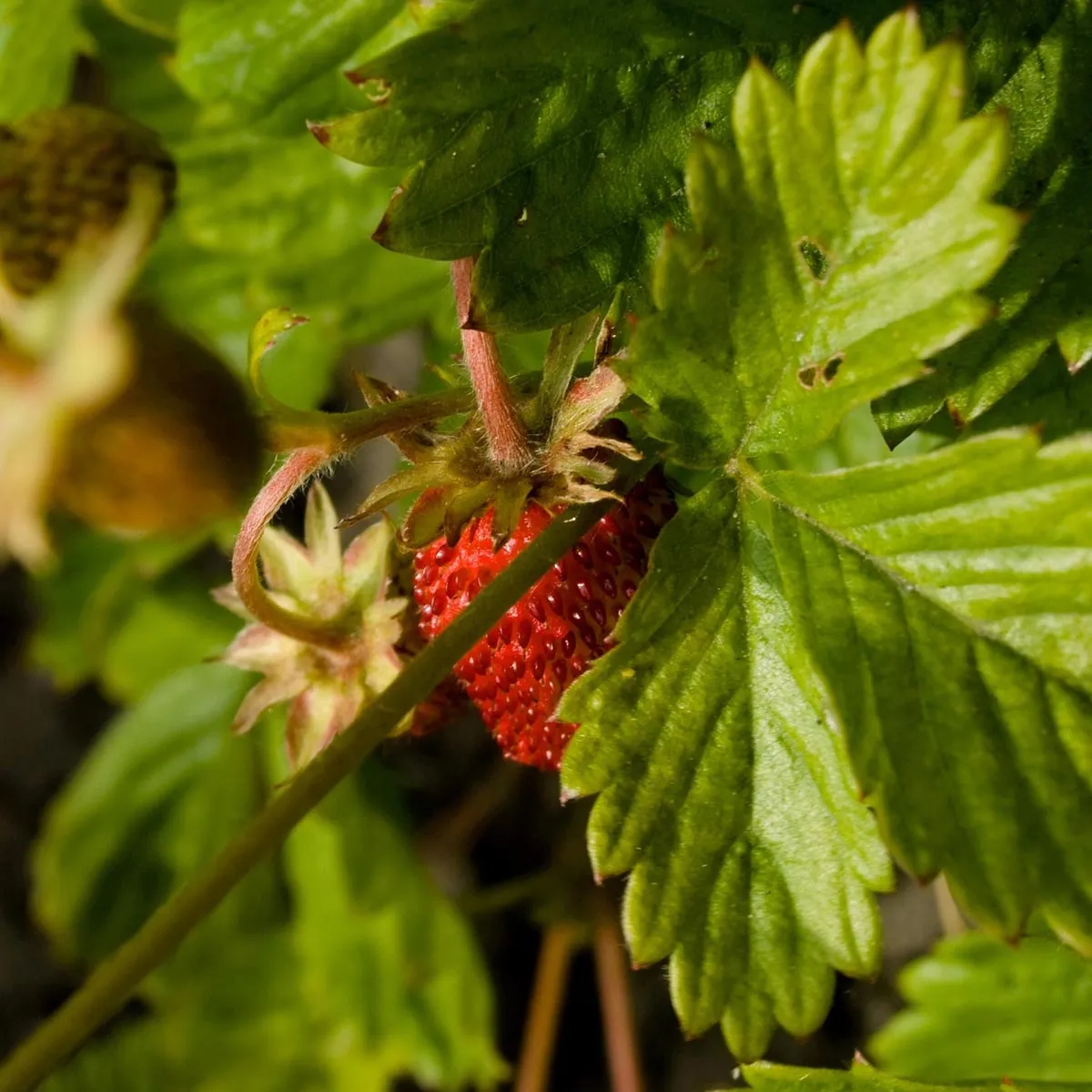
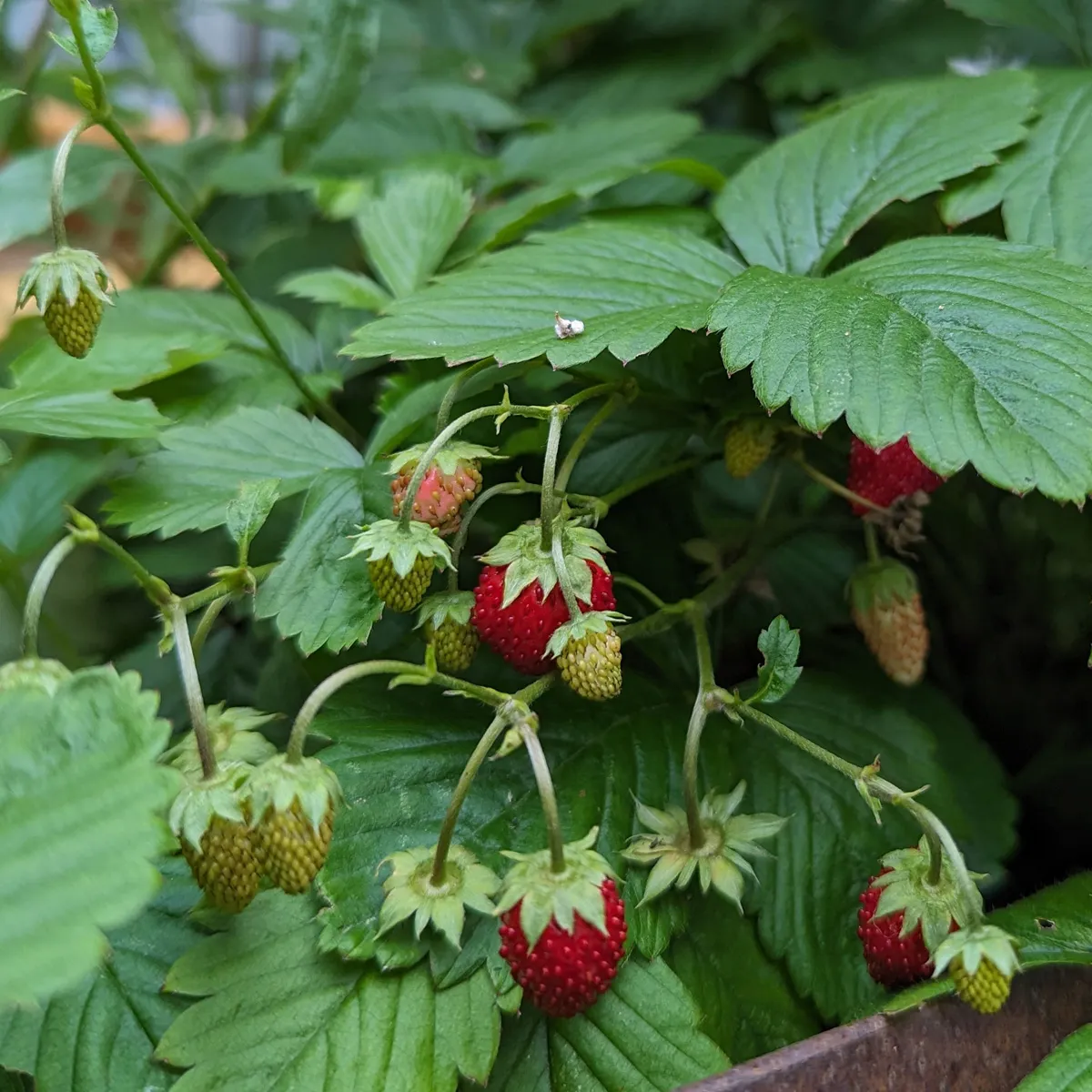
Everbearing Alpine Strawberry 'Attila' (Fragaria vesca var. semperflorens) seeds
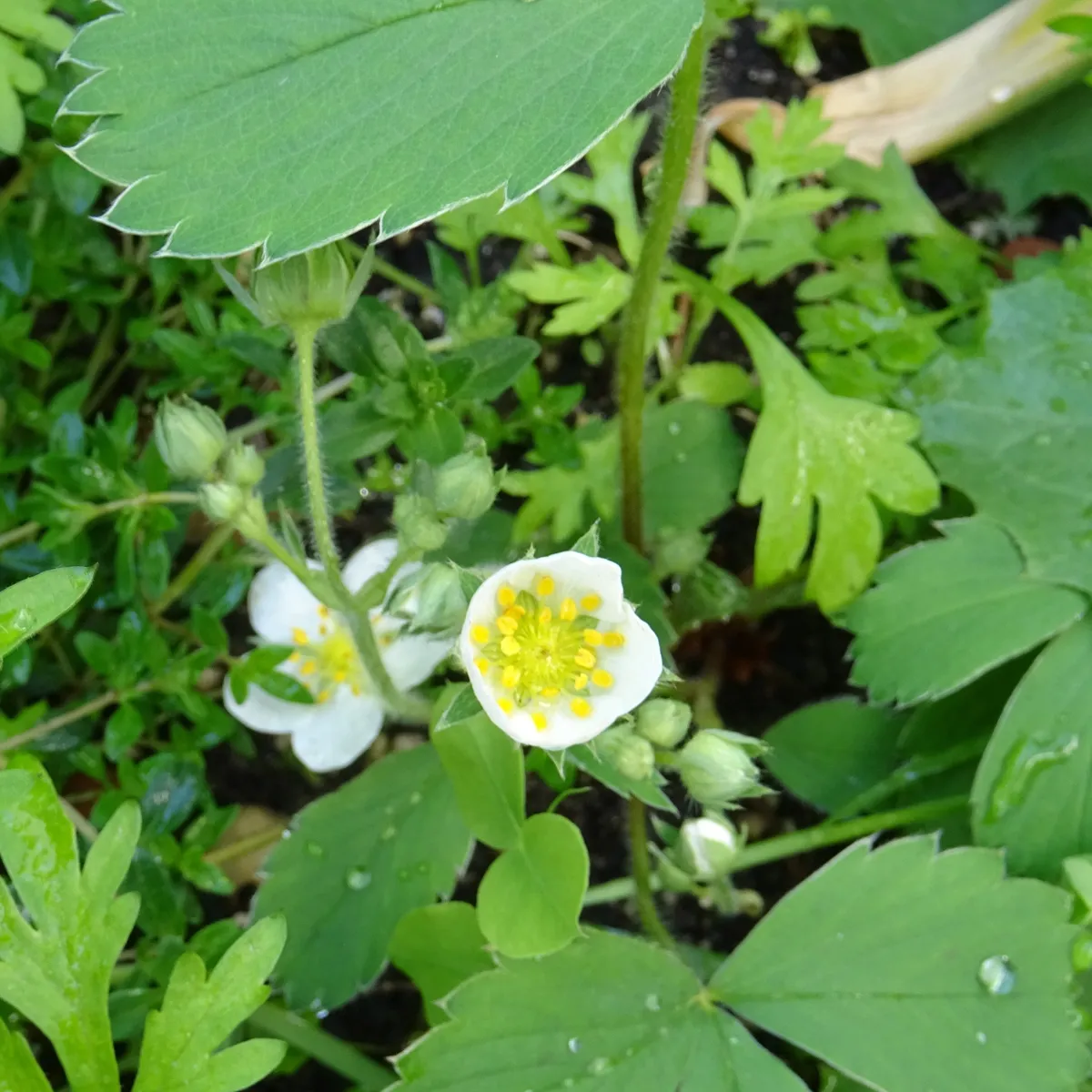

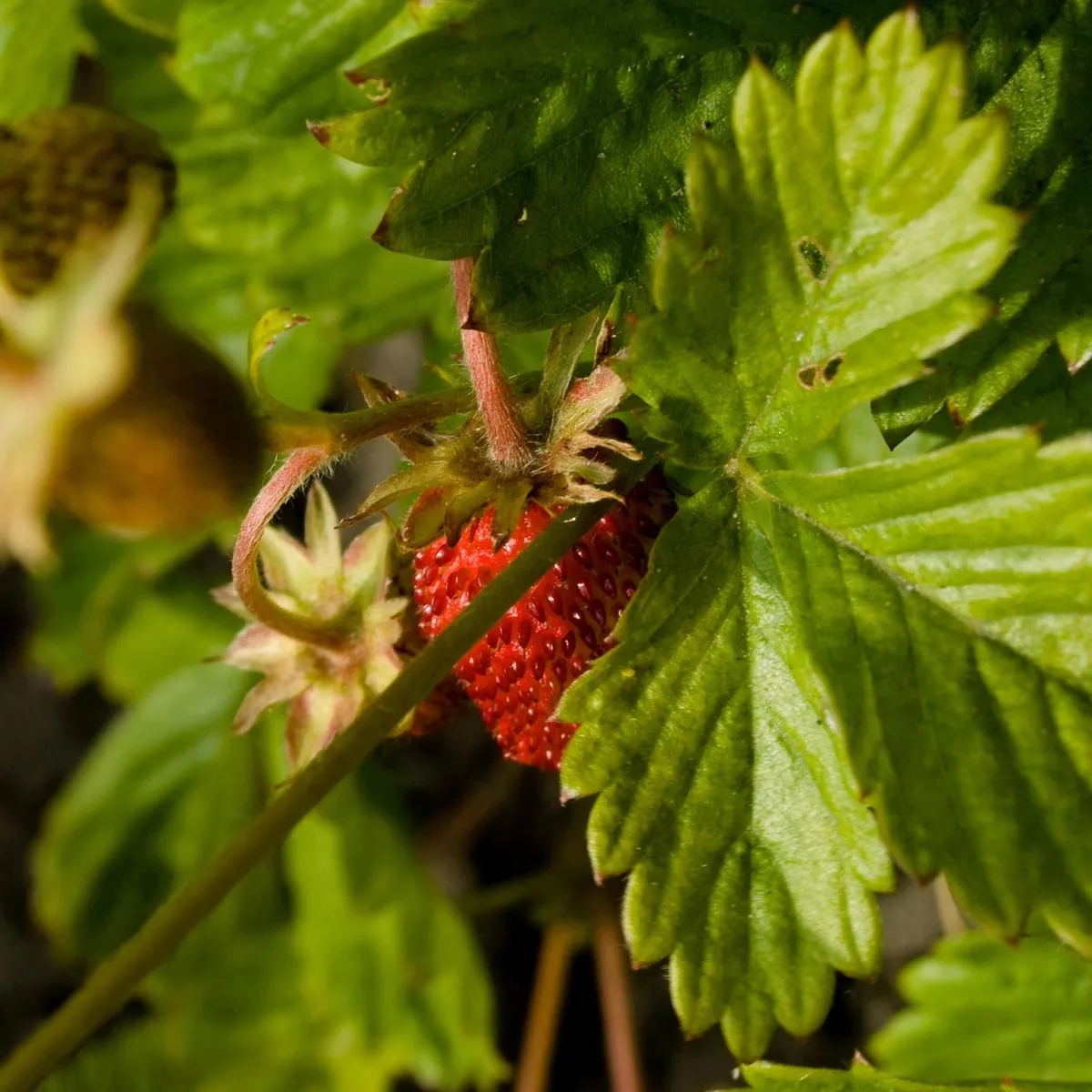

Sowing strawberry seeds and raising young plants
Growing strawberries from seed is a little more demanding than propagating them from runners, but it is very rewarding. The best time for sowing is usually between mid-February and early March. This gives the young plants enough time to develop strongly by early summer before they are moved outdoors.
Strawberry seeds need light to germinate. The fine seeds are therefore scattered over the surface of moist seed compost and covered, if at all, with only a very thin layer of fine sand or sieved soil. Consistent, gentle moisture is important, but waterlogging should be avoided. Covering the container with glass, plastic film or thin paper can help retain moisture, but it should be aired regularly. At temperatures of around 18 °C or above, the first delicate seedlings usually appear after about two to three weeks, depending on the variety.
Once the young plants are strong enough, they can be pricked out and later gradually acclimatised to outdoor conditions. Strawberries prefer a sunny position, loose, humus-rich soil and a consistent water supply. Regular watering is particularly important when growing them in containers, so that the plants establish well and later produce plenty of aromatic fruit.
FAQ about strawberry seeds
What is the difference between garden strawberries and alpine strawberries?
Alpine strawberries usually produce small, particularly aromatic fruits over an extended period. Classic garden strawberries, by contrast, often produce larger fruits and have a more distinct main harvest period. Alpine strawberries are therefore especially suitable for snack gardens, window boxes, pots and the edges of garden beds.
Can white strawberries be grown from seed?
Yes, white strawberries can be grown from seed. They look noticeably different from classic red strawberries and are particularly interesting for gardens, balconies and beds where unusual fruit varieties are welcome.
Why are strawberries botanically not true berries?
Botanically, strawberries are aggregate accessory fruits. The small dots on the surface are the actual fruits, while the red or white flesh develops from the enlarged receptacle of the flower.
Where do strawberries grow best in the garden?
Strawberries prefer a sunny position with loose, humus-rich and well-drained soil. They also grow well in raised beds, pots or window boxes, provided they receive enough light and a consistent supply of water.
What is special about wild strawberries?
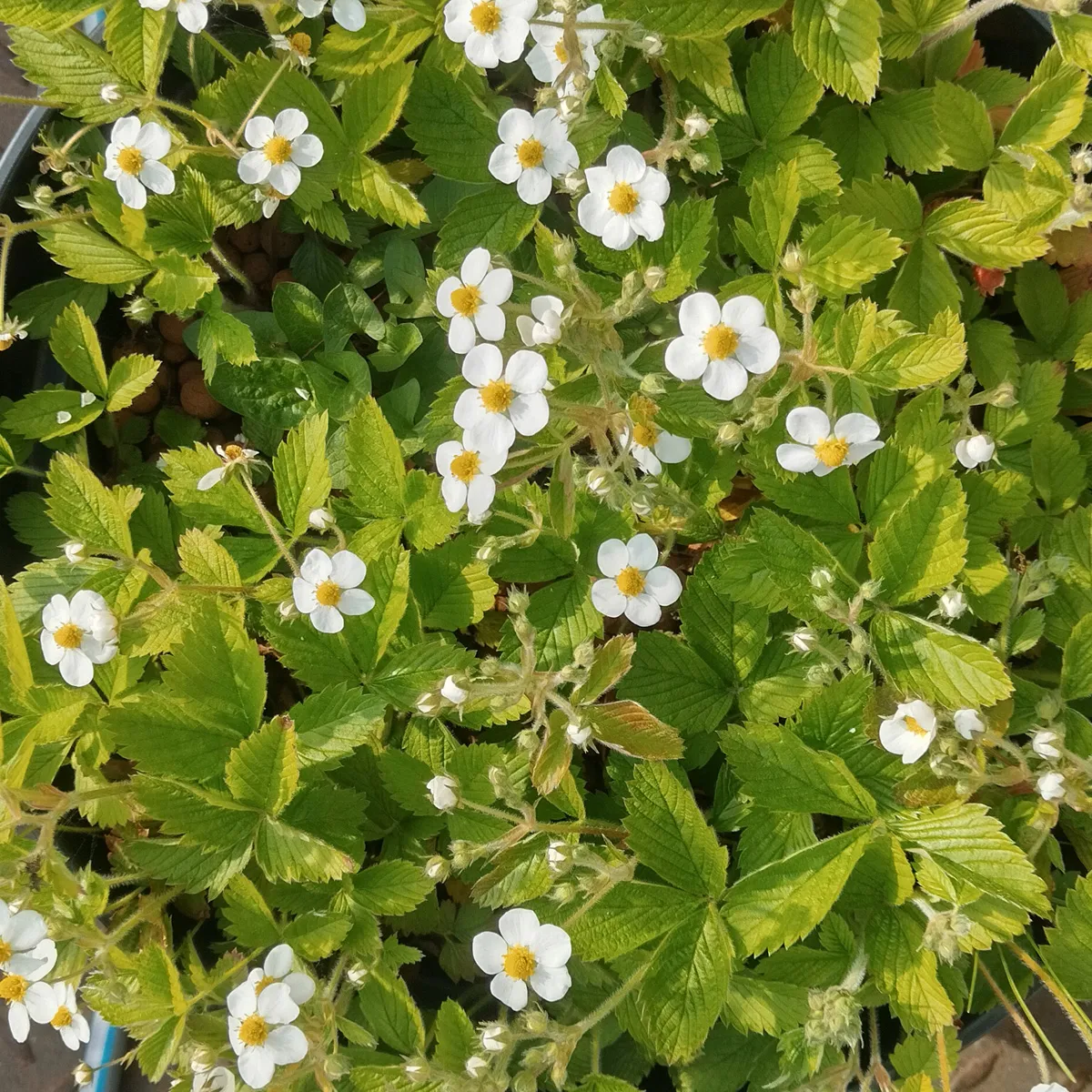
Wild strawberries produce small, intensely aromatic fruits and have a particularly natural appearance in the garden. They are well suited to bed edges, light woodland areas, naturalistic plantings and pots, where their intense fragrance and flavour can be especially appreciated.