
Melon seeds - grow your own sweet melons and watermelons
Melon seeds - grow your own sweet melons and watermelons
Melons combine summery sweetness with a surprising diversity of shapes, colours and aromas. Both sweet melons and watermelons belong to the cucurbit family, but botanically they are two different cultivated species. With suitable varieties, plenty of warmth and a protected location, melons can also be grown successfully in Central Europe and harvested fully ripe from your own garden.
Sweet melon and watermelon are botanically different
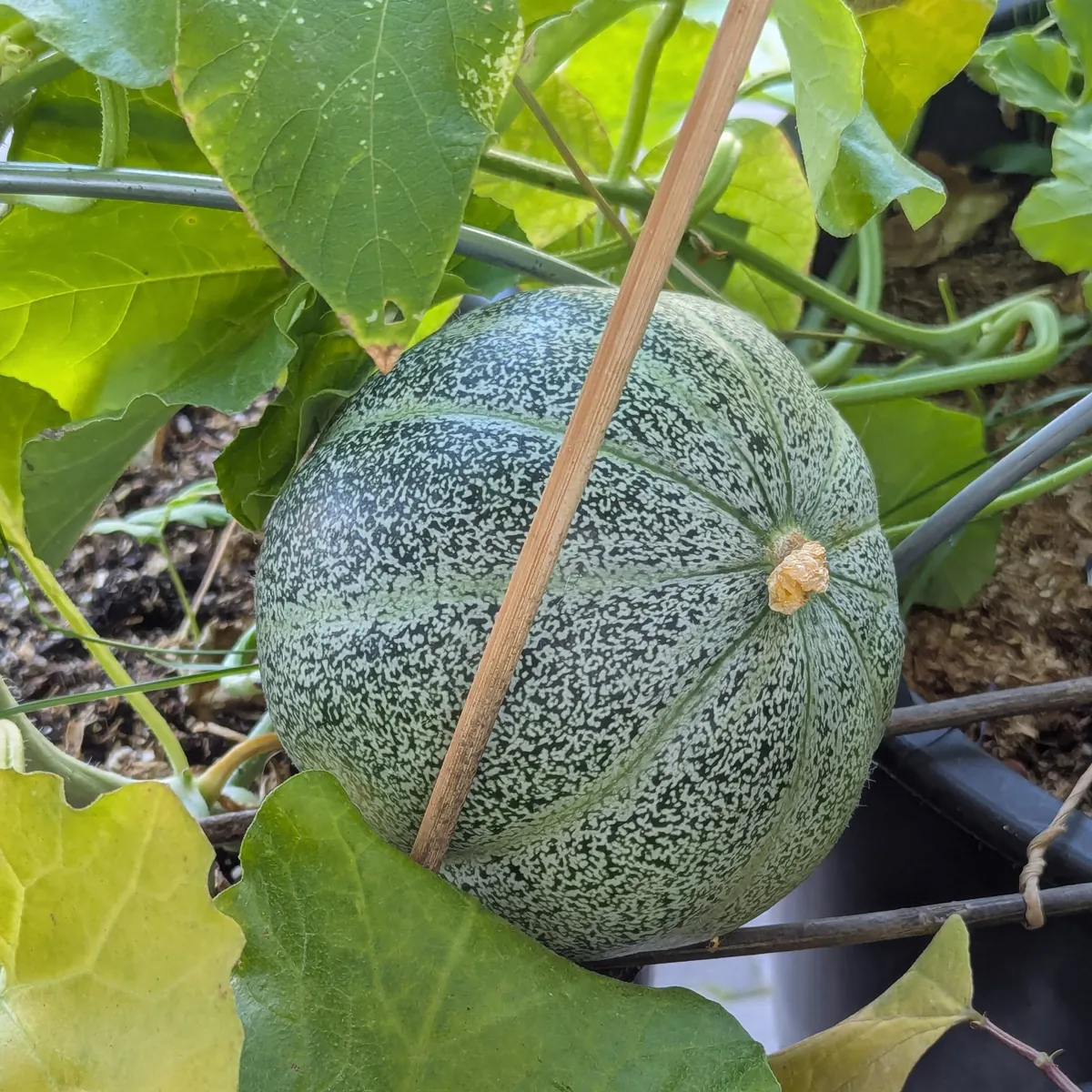
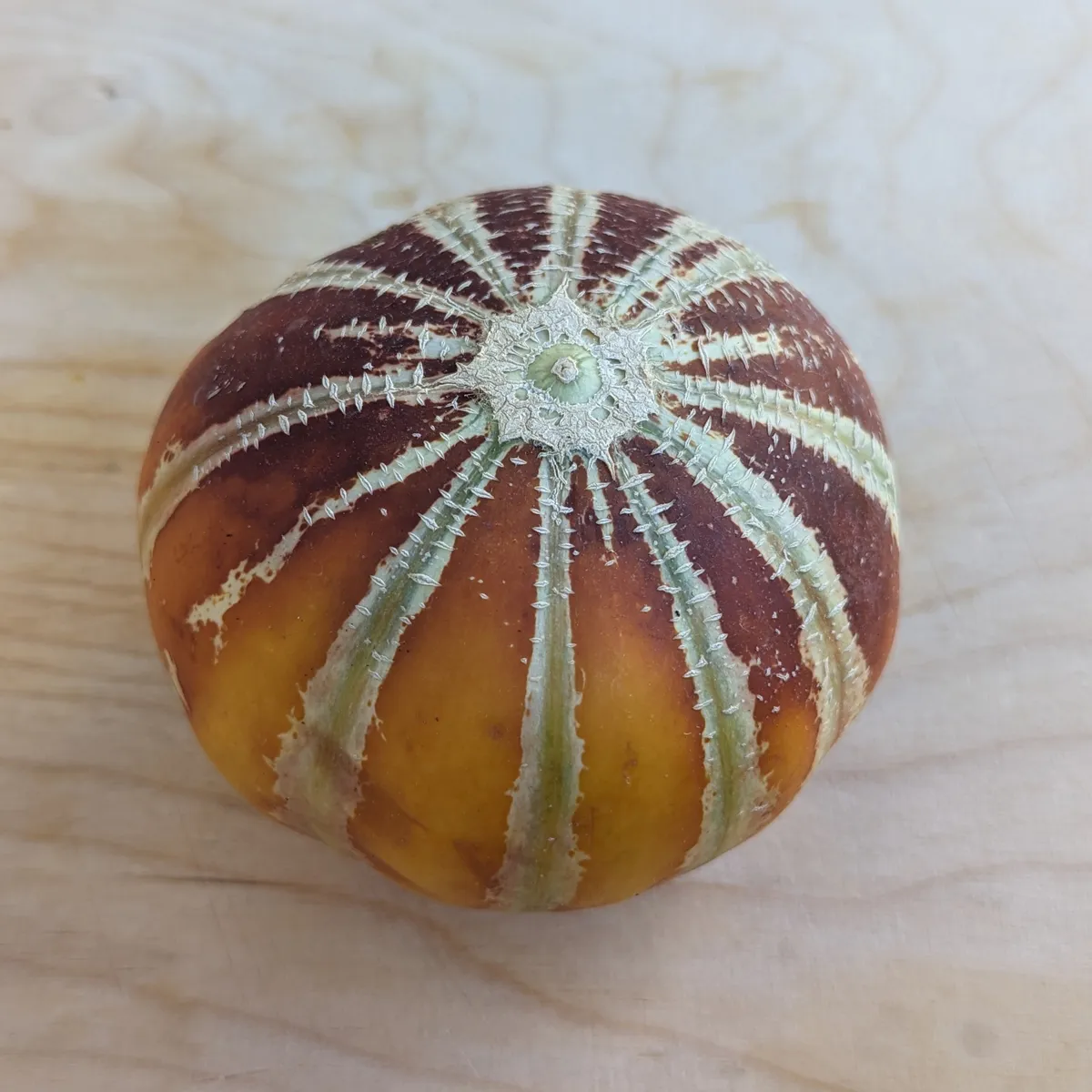
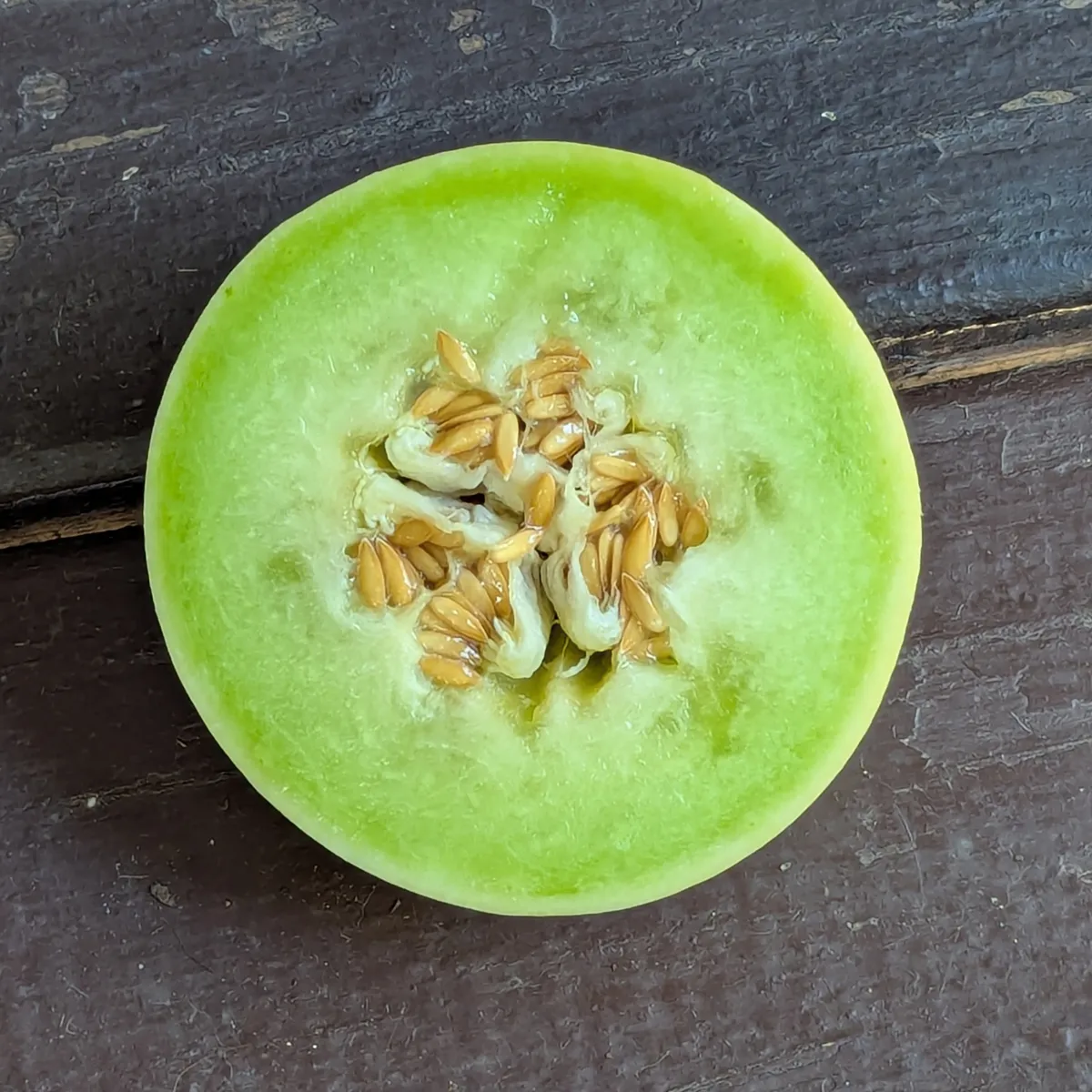
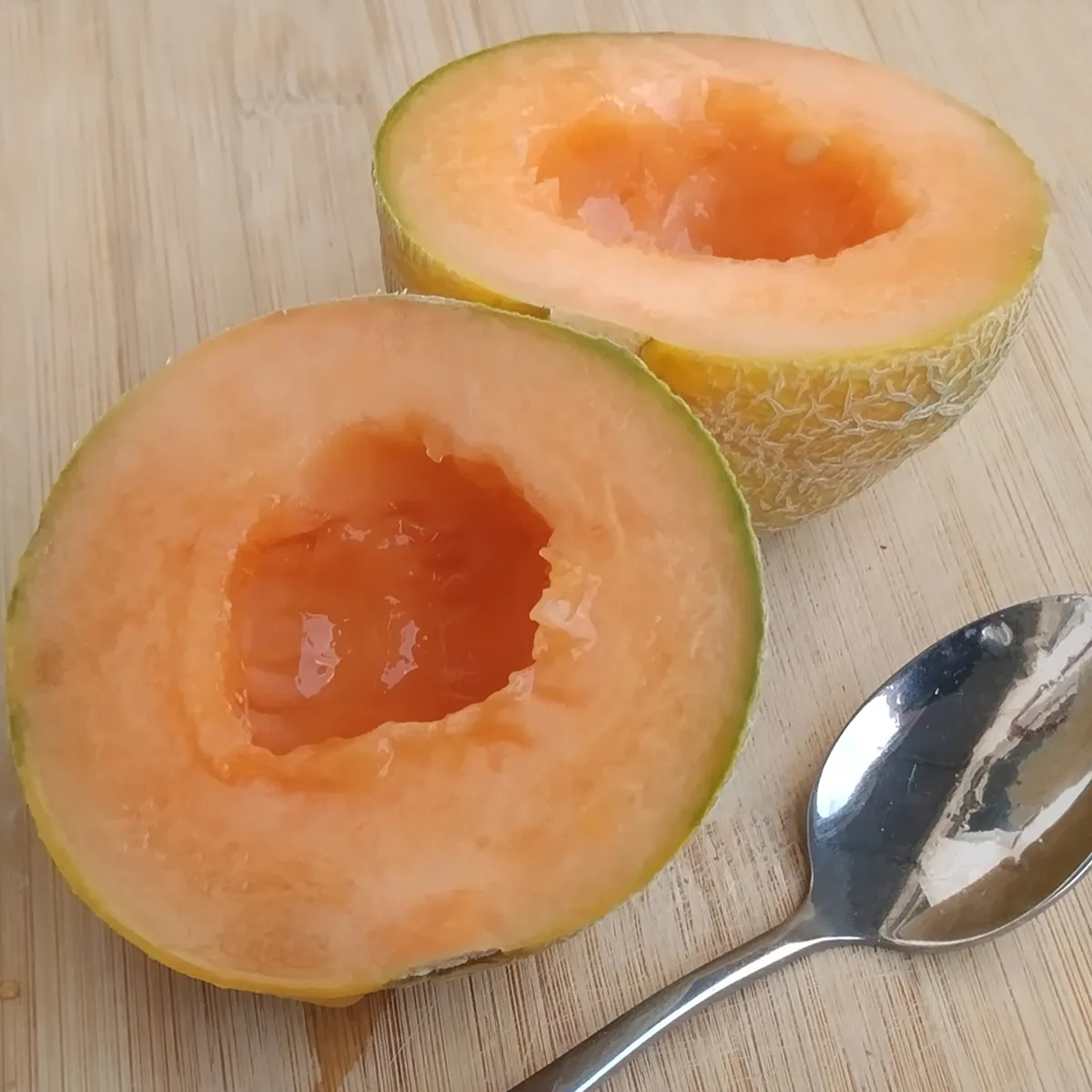
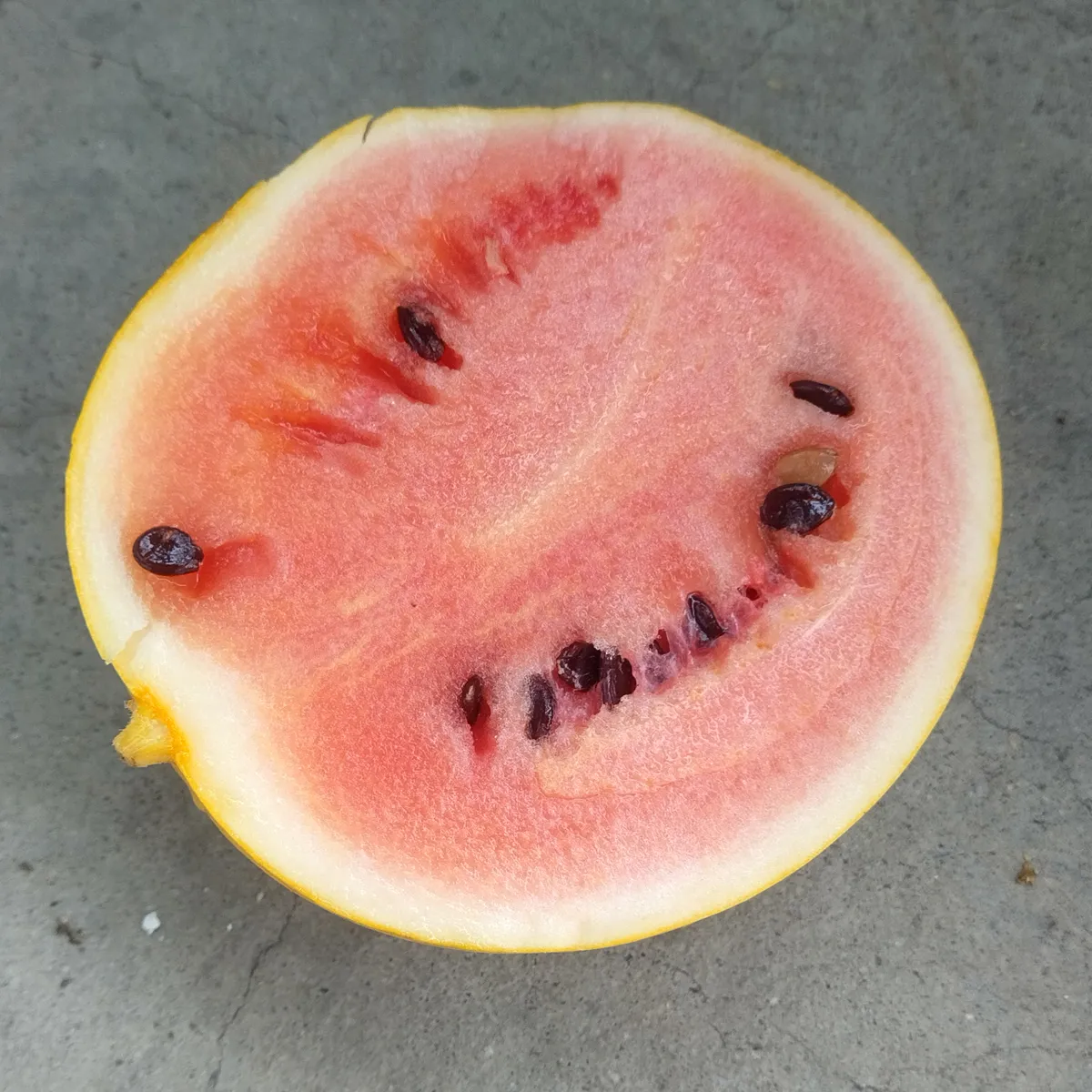
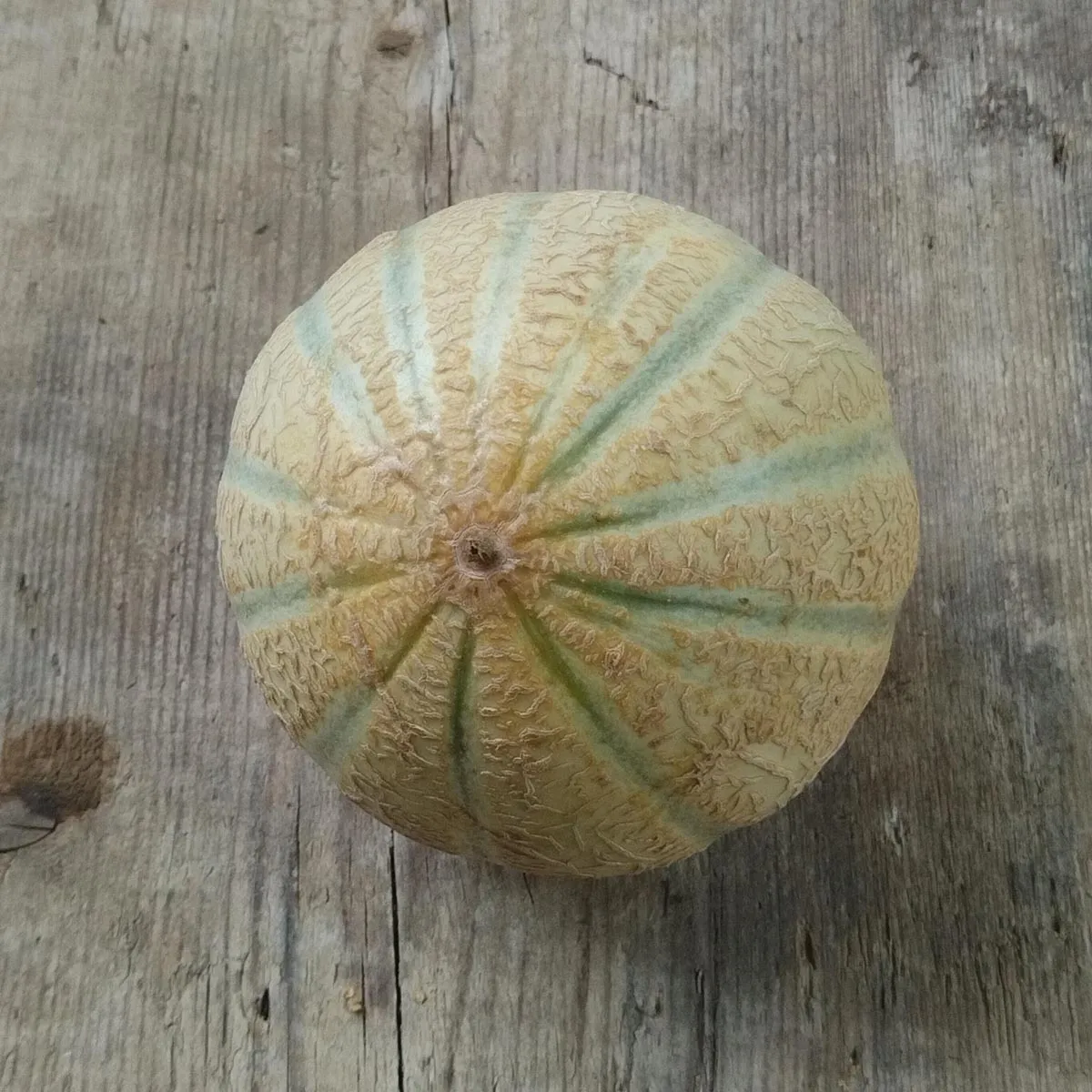
Sweet melons belong to the species Cucumis melo. They include Charentais, cantaloupe, netted, Galia and honeydew melons, among others. Watermelons, on the other hand, belong to the species Citrullus lanatus. Both are annual, trailing plants from the cucurbit family, but they differ clearly in origin, heat requirements, fruit development and cultivation.
It is therefore worth taking a close look when choosing varieties. Under Central European conditions, sweet melons are usually somewhat easier to cultivate, while watermelons need especially plenty of warmth and benefit greatly from a protected location.
Melons need warmth above all
For good development, melons need plenty of sun, warm soil and conditions that are as sheltered as possible. Success is not determined by the frost-free period alone, but by the total warmth of the summer. Warm days and mild nights promote growth, fruit development and sugar formation.
A sunny bed in front of a protected wall, a raised bed, a polytunnel or a greenhouse can therefore make a significant difference. Watermelons in particular usually develop more reliably under protection than in open ground.
Early varieties are especially interesting for Central Europe
For the home garden, early and rather small-fruited varieties are usually the best choice. They need less time to ripen and can make better use of the comparatively short warm season. Large, late-ripening varieties, by contrast, more often fall short of expectations in cool or rainy summers.
Among sweet melons, early Charentais and small-fruited types are especially interesting. Among watermelons, more compact varieties with smaller fruits offer better chances of fully ripe fruit.
Trailing heavy feeders with a large space requirement
Melons grow vigorously and form long shoots that spread across the ground or can be trained on climbing supports in protected cultivation. As heavy feeders, they need nutrient-rich, humus-rich and well-drained soil as well as an even water supply.
They dislike waterlogging just as much as cold, compacted soil. Especially in spring, the plants benefit from a location that warms up quickly and from good soil structure.
No melons without pollination
Melons form male and female flowers on the same plant. For fruit development, pollen must be transferred to the female flowers. Outdoors, bees and other insects usually take care of this.
In a closed greenhouse or polytunnel, it is therefore important to ensure that pollinators have access to the flowers. If necessary, pollination can also be carefully supported by hand.
Fully ripe melons taste especially aromatic
The right harvest time is crucial for flavour. When fully ripe, many sweet melons develop an intense fragrance and, depending on the variety, detach more easily from the stem. With watermelons, important indicators include the colour of the ground spot, a drying tendril near the fruit base and the variety’s typical development time.
Anyone who grows melons themselves can harvest the fruits exactly when they have reached their best ripeness. This is one of the greatest appeals of growing your own: fully developed fruits straight from the garden, greenhouse or polytunnel.
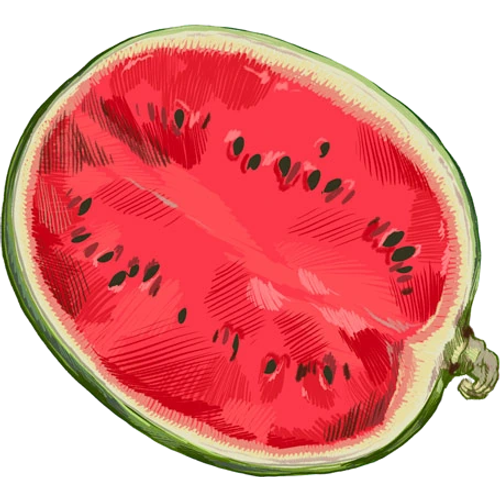

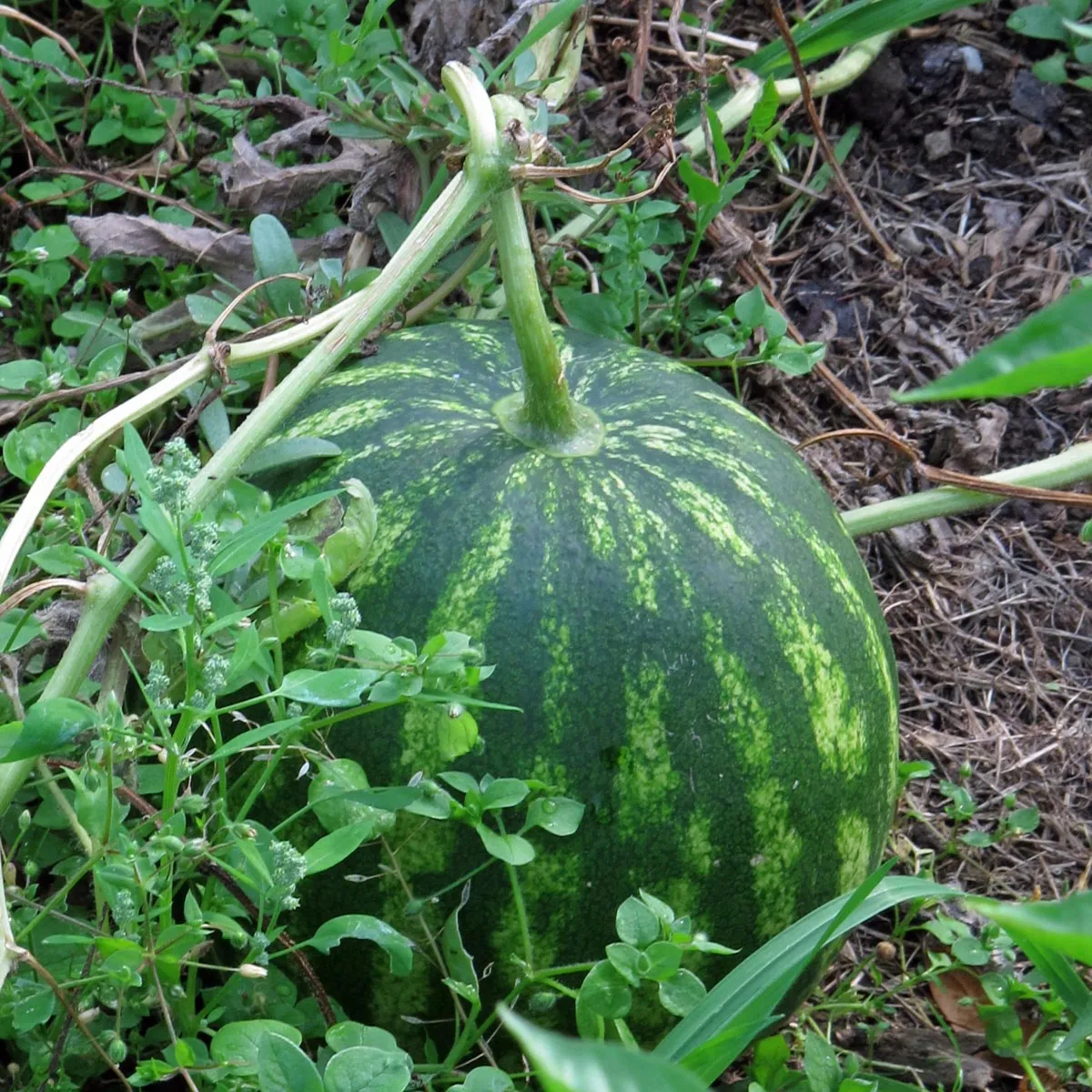
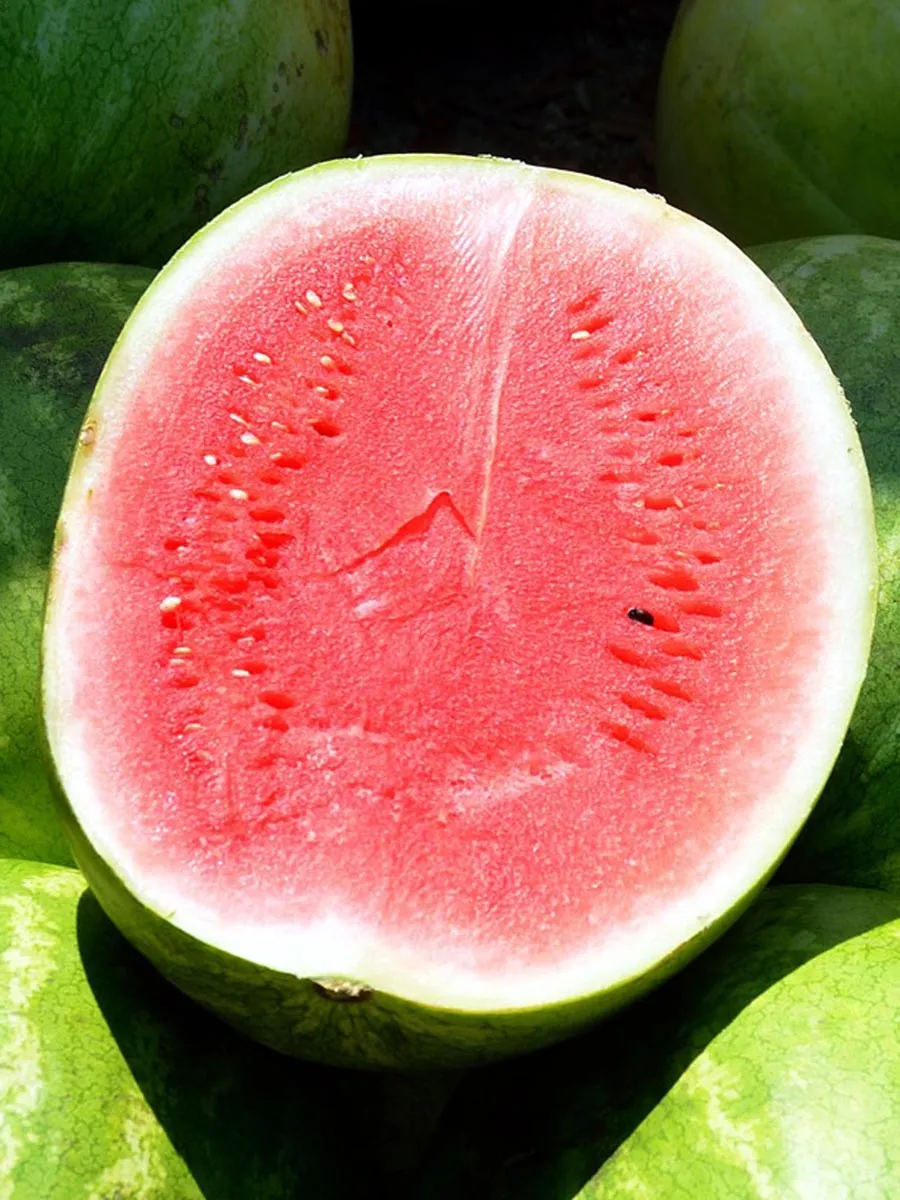
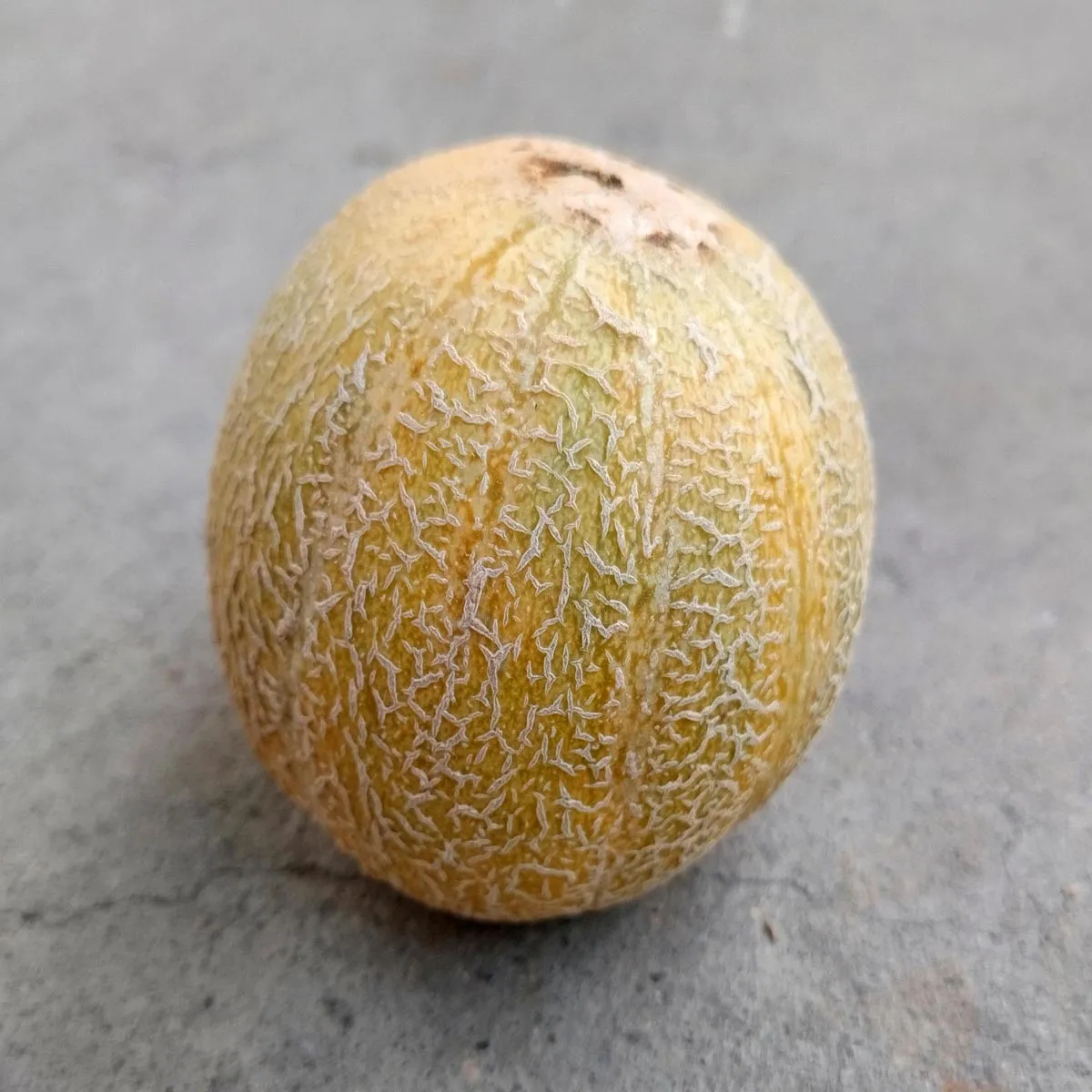
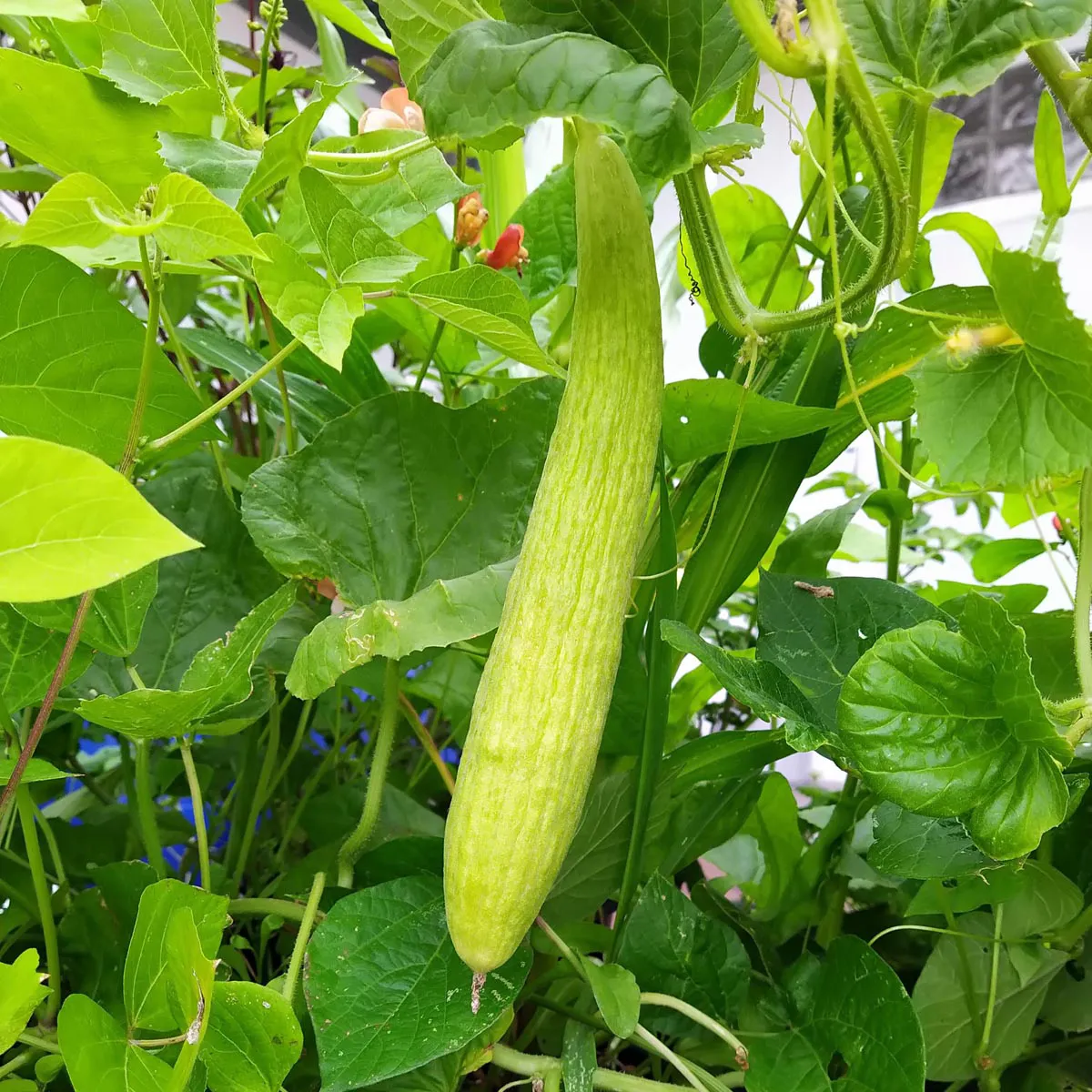
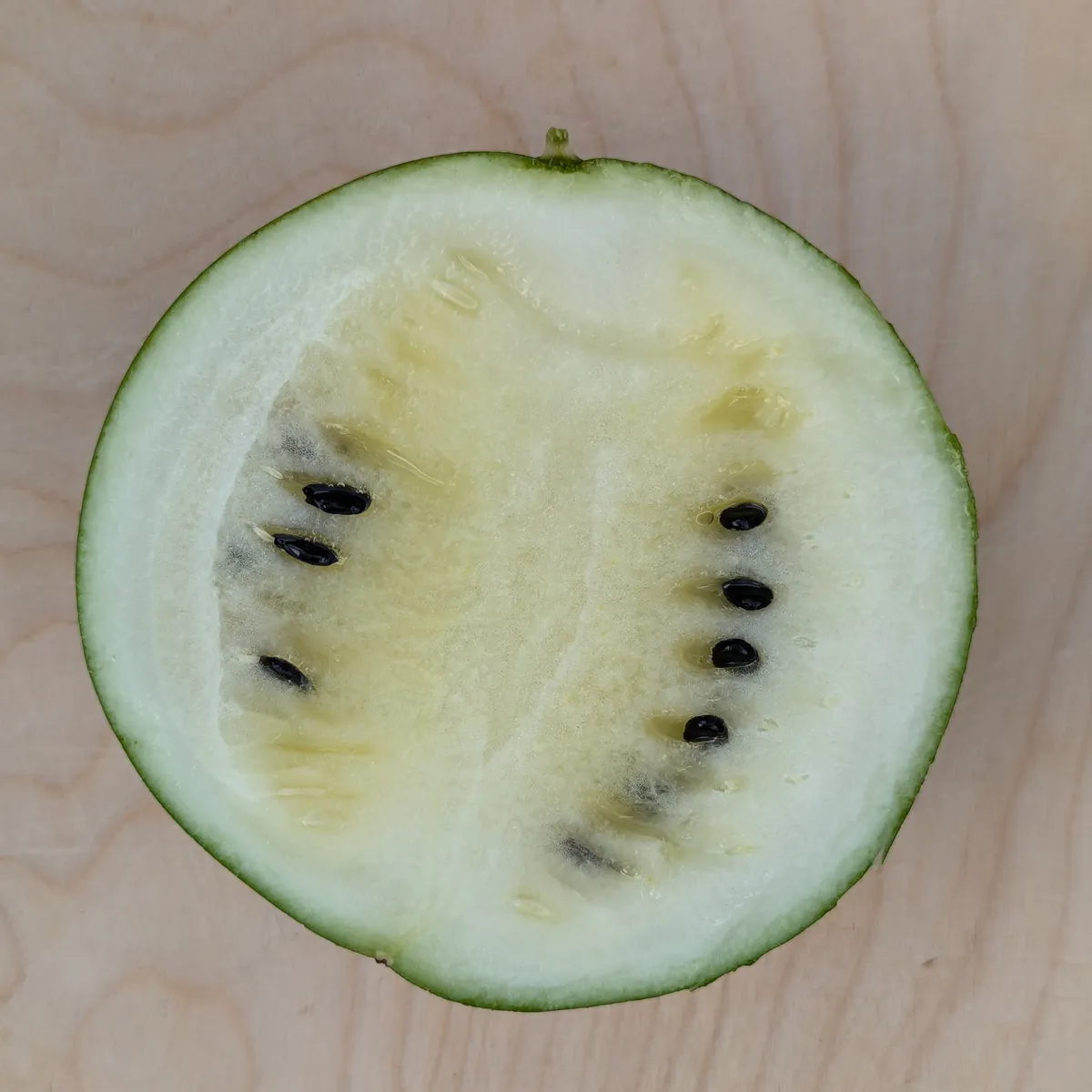
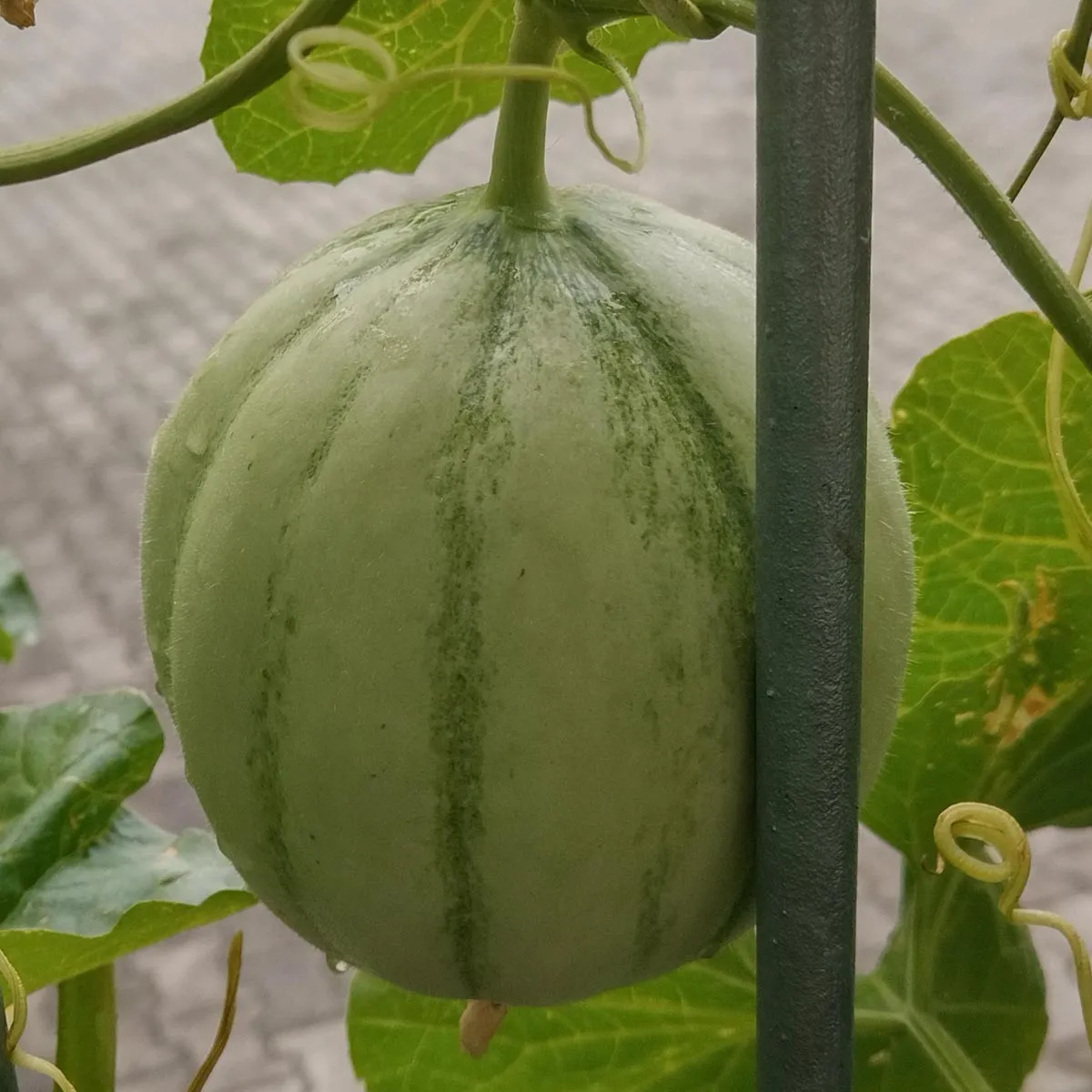
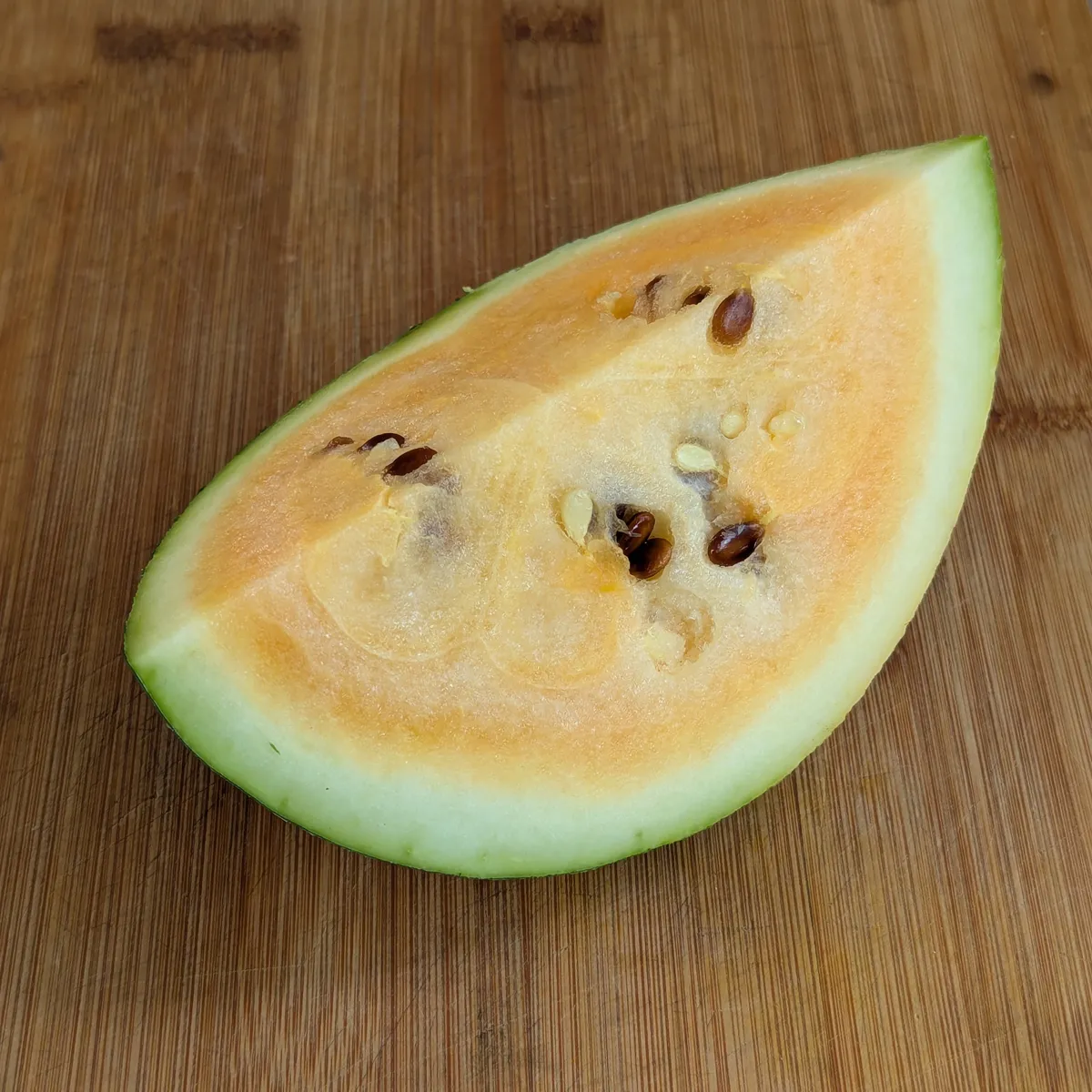

Sowing and growing melons
In Central Europe, melons are best started indoors so that these warmth-loving plants can get an early start to the season. April is usually a good time for pre-cultivation. Sow the seeds individually about 1.5 to 2 cm deep in small pots filled with loose seed compost and keep them consistently warm.
Temperatures of around 24 to 28 °C are ideal for germination. After emergence, the young plants need plenty of light so that they grow compact and strong. As melons are sensitive to root disturbance, it is best to sow directly into individual pots and avoid unnecessary pricking out.
After the last frosts, the plants can be gradually hardened off and moved to a very sunny, warm and sheltered location. A greenhouse, polytunnel or protected south-facing bed can significantly improve the chances of success. Watermelons in particular benefit from extra warmth.
Melons need nutrient-rich, humus-rich and well-drained soil as well as a consistent water supply. Waterlogging and permanently cold soil should be avoided.
Frequently asked questions about melon seeds
When should melon seeds be sown?
April is usually a good time for pre-cultivation. This gives the plants enough time to develop strongly before planting out without becoming too large in their pots.
How long do melon seeds take to germinate?
At sufficiently high temperatures, melon seeds usually germinate within a few days to around two weeks. The exact germination time depends on the variety, seed quality and temperature.
What temperature do melon seeds need to germinate?
Temperatures of around 24 to 28 °C are ideal for both muskmelons and watermelons. Warmth around the roots supports fast and even germination.
Can melons be sown directly outdoors?
Under Central European conditions, pre-cultivation is usually much more reliable. Direct sowing is only advisable in very warm locations and once the soil has warmed sufficiently, as melons are sensitive to cold.
When can melons be planted outdoors?
Melons should only be planted out after the last frosts, once the nights are reliably mild. Depending on the region, late May or early June is usually suitable.
Can melons be grown in Germany?
Yes. Early and small-fruited varieties in particular can also produce good yields in Germany. A very warm location or protected cultivation in a greenhouse or polytunnel can significantly improve the chances of success.
Which is easier to grow: muskmelons or watermelons?
Muskmelons are usually somewhat easier to grow under Central European conditions. Watermelons generally need more warmth and benefit particularly from a protected location.
Do melons need a lot of sun?
Yes. Melons are among the most warmth- and light-demanding crops. A full-sun, sheltered location is essential for strong growth, fruit set and flavour.
Do melons need support?
Not necessarily. Outdoors, the vines can grow along the ground. In a greenhouse or polytunnel, muskmelons in particular can also be trained up strings or supports to save space.
Do melons need to be hand-pollinated?
Outdoors, bees and other insects usually take care of pollination. In a closed greenhouse, hand pollination can be useful if only a few pollinators have access to the flowers.
How can you tell male and female melon flowers apart?
Female flowers have a small swollen ovary directly behind the flower that already looks like a tiny melon. Male flowers, by contrast, are borne on a normal slender flower stalk.
How many fruits should a melon plant carry?
This depends on the variety, vigour and available warmth. Small-fruited muskmelons can ripen several fruits, while under Central European conditions it is often better to allow only a few watermelons to develop per plant.
How can you tell when a melon is ripe?
Ripeness indicators differ between muskmelons and watermelons. Muskmelons often develop an intense fragrance and a change in skin colour. With watermelons, a yellowish ground spot and the drying of a tendril near the fruit stalk can be useful signs.
Can you save your own melon seeds?
With open-pollinated varieties, this is generally possible. However, muskmelon varieties can cross with one another, as can different watermelon varieties. If you want to save true-to-type seed, cross-pollination must therefore be prevented.