
Nut seeds - grow familiar and unusual nut species
Nuts are among the most fascinating fruits of the garden. Over the years, an inconspicuous seed can become a vigorous shrub or even a stately tree. In this category you will find seeds of various nuts and other shell fruits - from familiar species such as hazelnut, walnut and almond to more unusual plants such as bladdernut. Peanuts are also included, although botanically they are not nuts, but legumes.
What exactly is a nut?
In everyday language, many edible kernels are called nuts, but botanically they belong to very different fruit types. The hazelnut is a true nut, the almond is a stone fruit and the peanut is a legume. What they mainly have in common is this: the edible part is the seed or kernel of the fruit.
For the garden, this botanical classification is less important than the question of how the particular plant grows. While peanuts are cultivated as annual herbaceous plants, hazelnut, walnut, almond or sweet chestnut develop into long-lived woody plants.
From seed to nut tree
Sowing nut trees and shrubs shows especially vividly how a single seed can become a large plant over many years. In walnut, hazelnut or sweet chestnut, even the young seedling is noticeably stronger than in many other garden plants and gradually develops into a shrub or tree.
This is precisely where the special appeal lies: anyone who sows nut seeds accompanies the plant from the very beginning and experiences its development over a long period of time. Some species grow quickly, while others require considerably more patience before they reach their final size.
Hazelnut, walnut and other classics
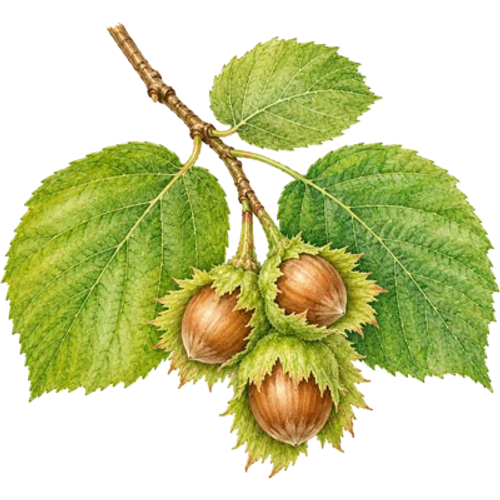
Hazelnut is one of the best-known nut-bearing woody plants for the garden. It usually grows as a large, multi-stemmed shrub and needs significantly less space than a mature walnut tree. Walnut trees, by contrast, can become very large over the years and develop a broad crown.
Sweet chestnuts and almonds are also classic shell fruits. However, they have higher demands in terms of location and climate. Sweet chestnuts prefer rather warm sites and suitable soils, while almonds can be particularly at risk from late frosts because of their early flowering.
Unusual nut species for curious gardeners
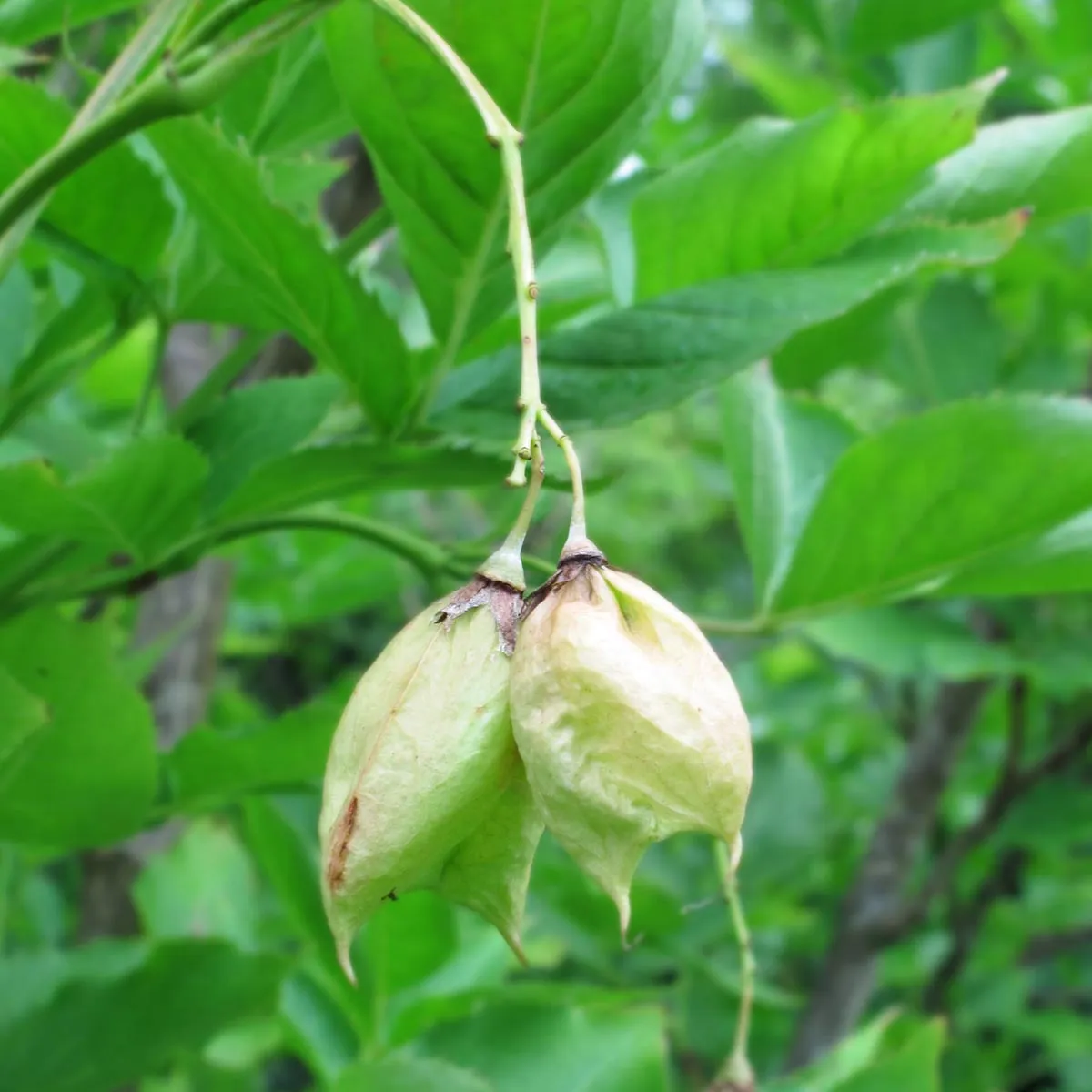
Alongside the familiar species, there are also less common nuts and shell fruits to discover. Bladdernut, for example, is a traditional woody plant with striking fruit capsules containing hard seeds. Hickory, heartnut and other walnut relatives also show just how diverse this group of plants can be.
Such species are especially interesting for larger gardens, collections and anyone who enjoys getting to know plants that are not found in every orchard.
Peanuts also belong in this category
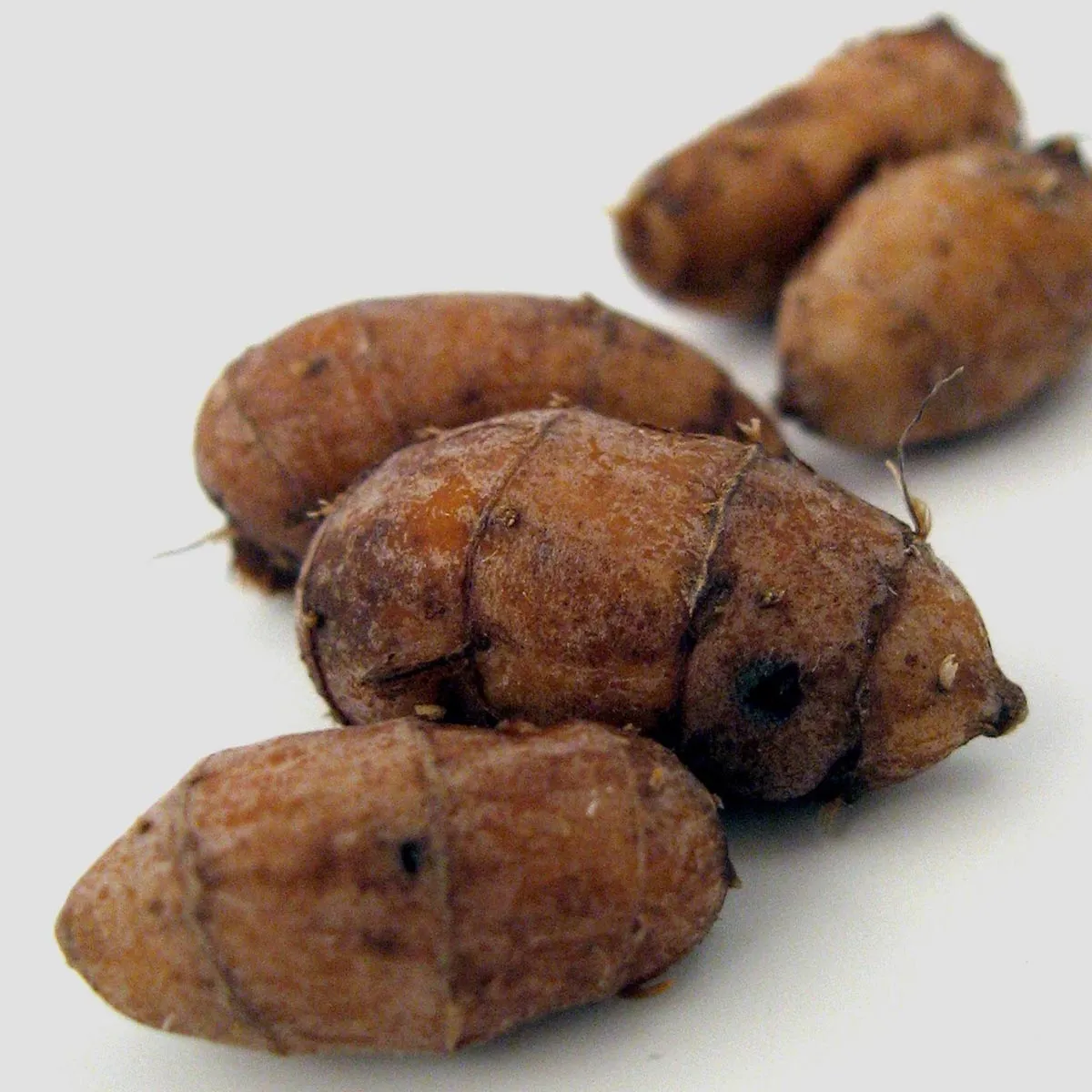
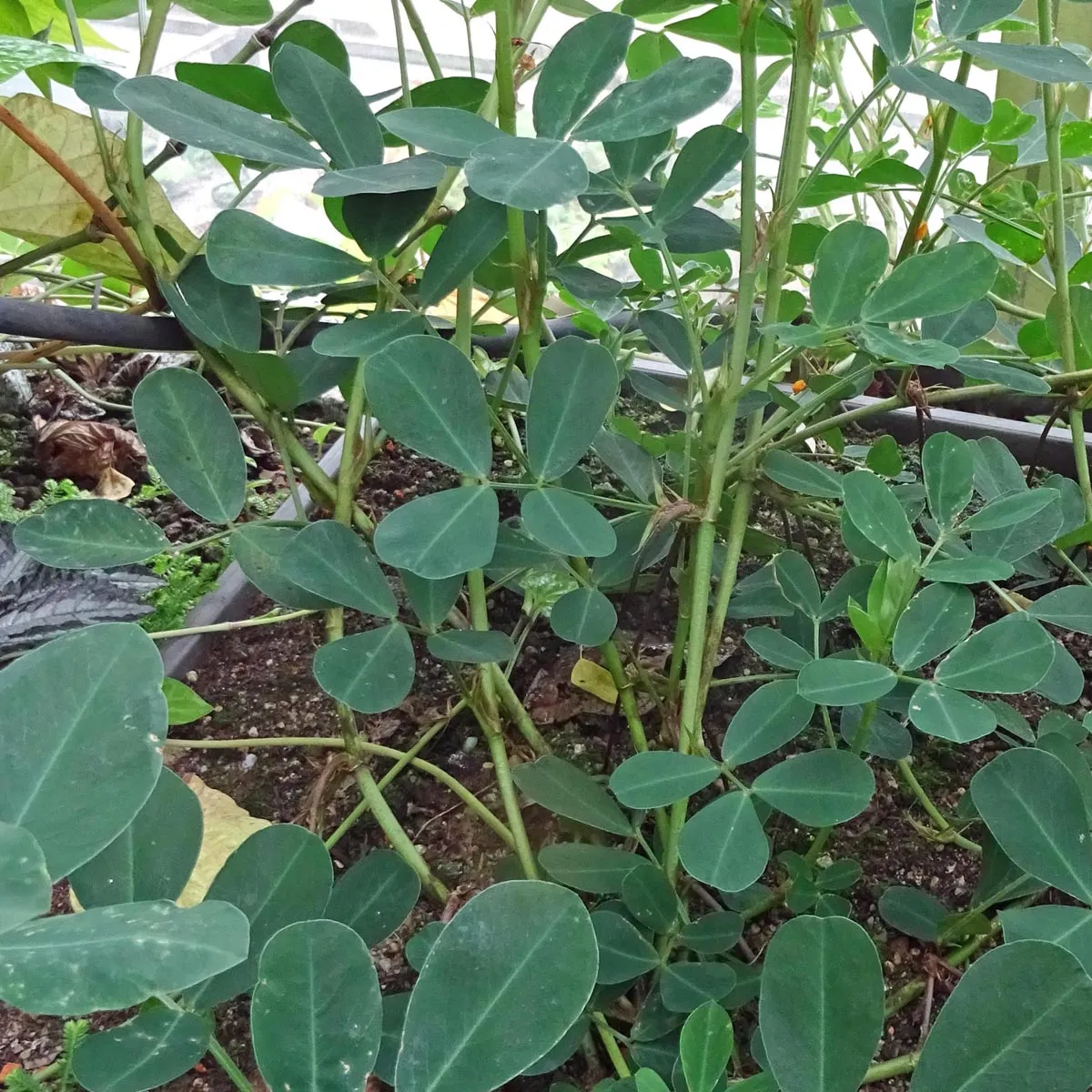
The peanut differs fundamentally from most other plants in this category. It is not a nut in the botanical sense and does not grow on a tree or shrub. Arachis hypogaea is an annual legume whose fertilised flower stalks bend down into the soil after flowering. There, the familiar peanut pods develop.
It therefore beautifully illustrates how different plants can be that we group together in everyday language under the term nuts.
Nut trees need space and patience
Anyone growing a nut tree from seed should already think about its later size at sowing time. Hazelnuts can become shrubs several metres high and wide, while walnuts and sweet chestnuts can grow into large trees. The final location should therefore be chosen carefully.
It may also take some time until the first harvest. Nut trees and shrubs grown from seed often bear much later than grafted varieties. Especially with walnut or sweet chestnut, several years may pass before the first fruits develop.
Nut trees from seed are genetically unique
A walnut, hazelnut or almond does not automatically produce a plant with exactly the same characteristics as the mother plant. Through sexual reproduction, each seedling has a new combination of genetic traits.
The later plant may therefore differ in growth, fruit size, taste, ripening time or yield. Anyone looking for a specific variety with predictable characteristics is better advised to choose a vegetatively propagated plant. Anyone who enjoys natural diversity and the development of an individual plant, however, will find the special appeal precisely in sowing from seed.
Sowing and growing nut seeds
Sowing nut seeds varies considerably depending on the plant species. Many nut-bearing trees and shrubs from temperate climates have a natural seed dormancy and require a prolonged cold period before germination. For walnuts, hazelnuts or sweet chestnuts, autumn sowing can therefore be useful so that the seeds experience winter conditions naturally.
Alternatively, the necessary cold treatment can be reproduced under controlled conditions. The seeds are stored for an extended period in cool, slightly moist conditions. The exact duration and temperature depend on the species. Other nut plants, such as peanuts, do not require stratification and instead need consistent warmth.
After germination, young nut trees and shrubs should receive plenty of light and a loose, well-drained substrate. Walnuts and sweet chestnuts in particular develop strong roots at an early stage and should therefore not remain in small containers for longer than necessary. When planting them out later, their eventual space requirements are especially important.
Growing nut trees and shrubs from seed requires patience. Several years may pass before the first flowers and fruits appear. At the same time, seedlings are genetically individual plants, so their future characteristics cannot be predicted exactly.
Frequently asked questions about nut seeds
Can you simply plant nuts?
With many species, yes in principle. However, depending on the species, the seeds require different conditions before they will germinate. Walnuts, hazelnuts and other woody plants from temperate regions often benefit from a prolonged cold period.
When should nut seeds be sown?
Many hardy nut trees and shrubs can be sown in autumn. The seeds then pass through the cold season outdoors. Alternatively, controlled stratification followed by sowing is also possible.
Do nut seeds need to be stratified?
Many nut-bearing woody plants have a natural seed dormancy and require cold treatment. This commonly applies to walnuts and hazelnuts, for example. Warmth-loving or annual species such as peanuts, on the other hand, do not require cold stratification.
How long do nut seeds take to germinate?
Germination time varies greatly between species. Once dormancy has been broken, some seeds may germinate within a few weeks, while others do not sprout until after a longer resting period or the following spring.
Can you grow a walnut tree from a walnut?
Yes. A viable walnut can grow into a new walnut tree. However, the young plant is not genetically identical to the tree from which the nut came and may later develop different fruit characteristics.
Can you grow a hazel bush from a hazelnut?
Yes. Hazelnuts can also be propagated from seed. As with other seedlings, the resulting plants are genetically individual and do not come true to type.
Do nut trees grown from seed come true to type?
No. Seedlings have a new genetic combination and may differ from the parent plant in growth habit, nut size, flavour, ripening time or yield.
How long does it take for a nut tree to produce nuts?
This depends on the species and growing conditions. Nut trees and shrubs grown from seed often need several years before their first harvest. Seed-grown walnuts and sweet chestnuts can begin fruiting considerably later than grafted varieties.
How much space does a walnut tree need?
A great deal. Walnut trees can develop into large, wide-crowned trees over time. They are therefore best suited to larger gardens and should be planted with sufficient distance from buildings, paths and other woody plants.
How large does a hazel grow?
Hazels usually grow as large, multi-stemmed shrubs and can reach several metres in both height and width. They require considerably less space than a mature walnut tree, but should still not be planted too closely together.
Do nut trees and shrubs need more than one plant for pollination?
For many species, a second genetically different plant can significantly improve fruit set. Hazelnuts rely strongly on cross-pollination. With walnuts and sweet chestnuts, a suitable pollination partner can also help provide a more reliable yield.
Can peanuts be grown from seed?
Yes. The peanut is an annual, warmth-loving legume. It is best started indoors in spring and needs a very warm, sunny position with loose soil. Unlike nut trees and shrubs, it does not grow on a bush or tree.
Why do peanuts grow underground?
After fertilisation, the flower stalk elongates and grows down into the soil. The pods containing the peanuts then develop underground. This unusual growth habit is one of the distinctive features of Arachis hypogaea.
Can nut trees be grown in containers?
Young plants can initially be grown in pots. However, many species develop strong root systems and eventually become very large. Walnuts and sweet chestnuts are therefore not suitable as permanent container plants. Smaller woody species may remain in containers for longer, depending on the species.
Which nut plant is particularly suitable for smaller gardens?
Hazels are generally better suited to smaller gardens than walnuts or sweet chestnuts. They remain shrub-like, can be managed by pruning and require considerably less space.