
More fruit seeds - special species for your own garden
Not every fruit plant fits clearly into one of the classic fruit groups. In this category you will therefore find special species that have their very own place in the garden - from cultivated apple and cultivated blueberry to rhubarb. As different as these plants are, they have one thing in common: they expand the diversity of your own fruit garden with exciting forms, aromas and growth habits.
Fruit is more diverse in the garden than in botany
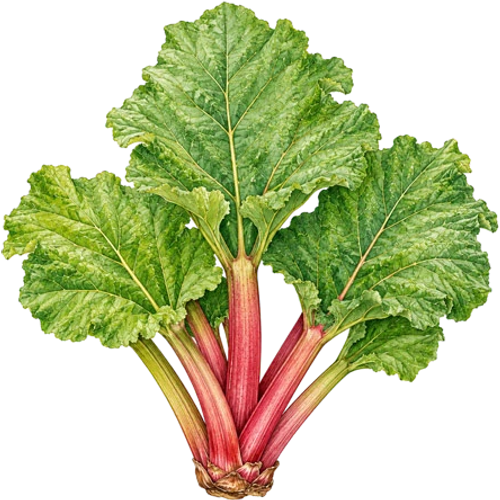
What we call fruit in everyday language is by no means a uniform plant group in botanical terms. Apples are the fruits of woody plants, blueberries grow on shrubs, and rhubarb is botanically even a perennial whose leaf stalks are used.
For gardening practice, this diversity is especially interesting. Behind the term fruit are very different plants, each with its own requirements for location, soil, care and sowing.
From apple seedling to blueberry shrub
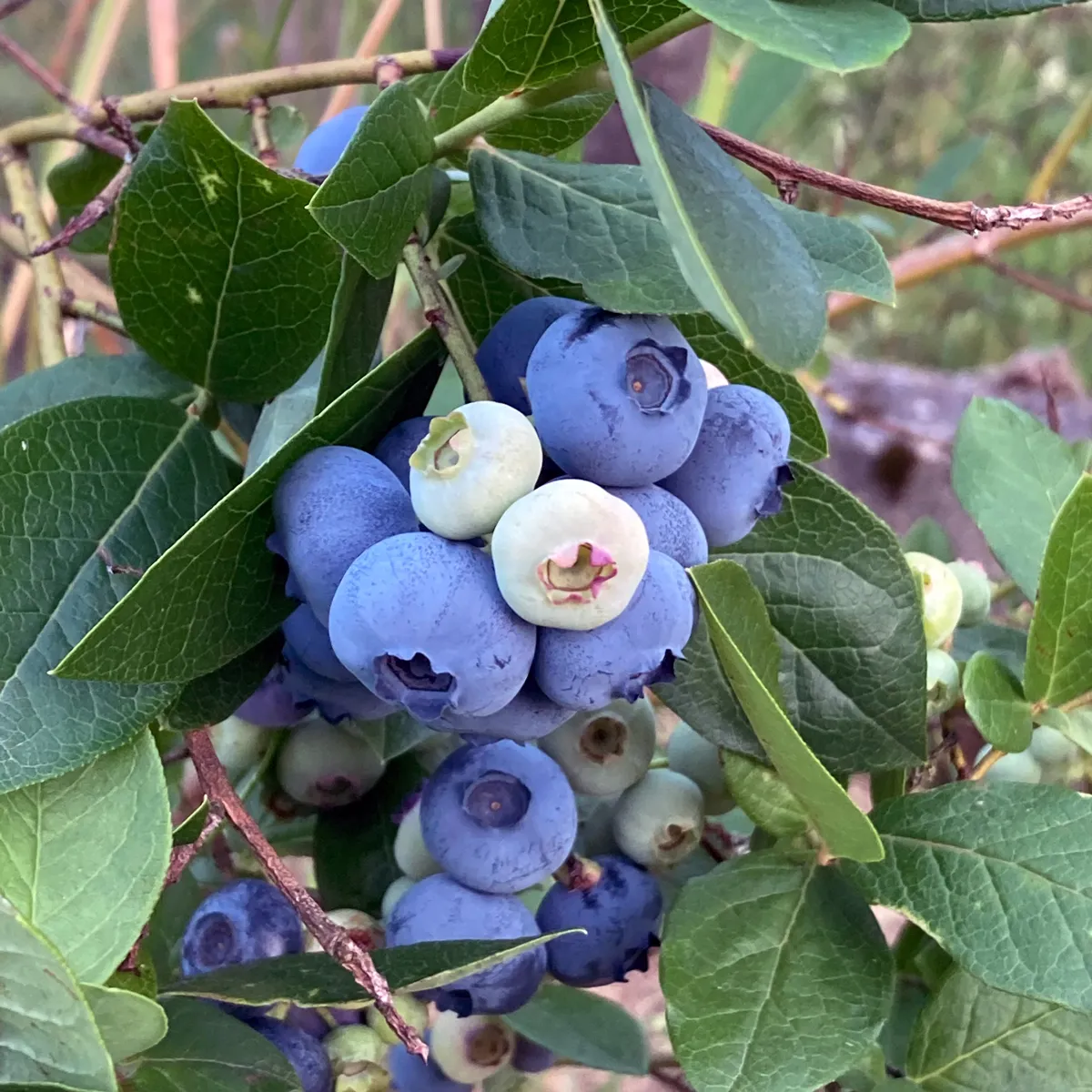
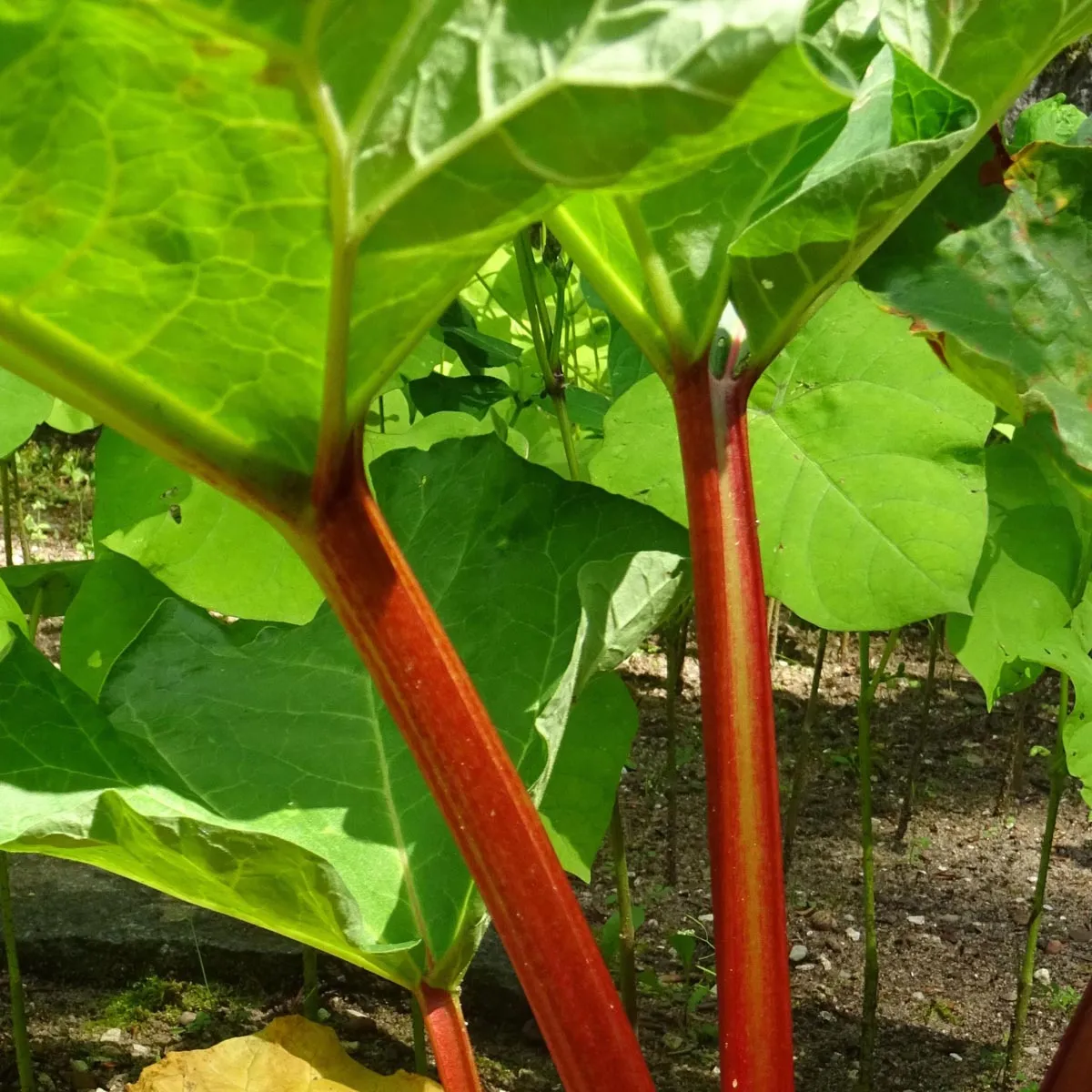
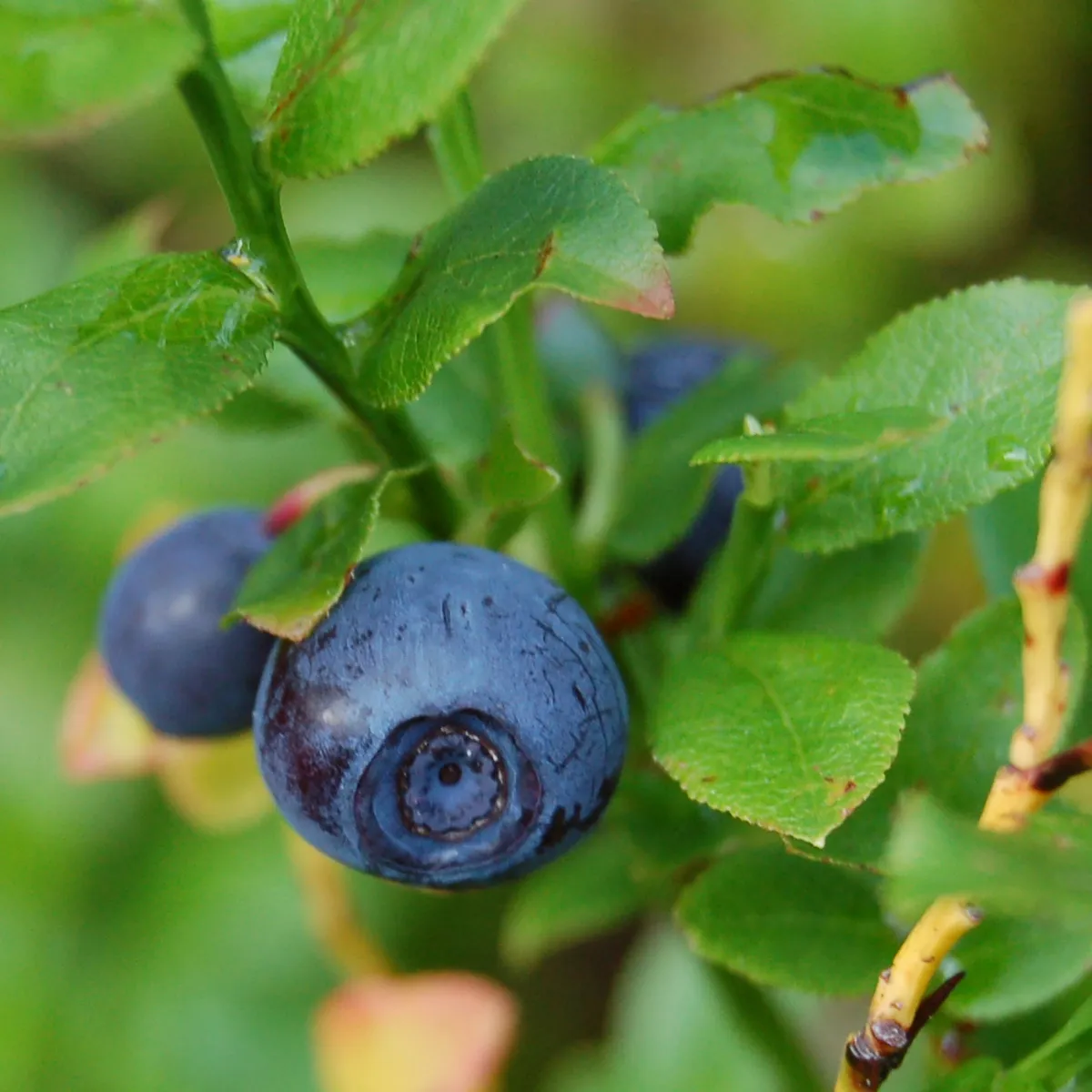
A cultivated apple can develop from a small seed into a stately tree, while cultivated blueberries remain more compact and have special requirements for soil and pH value. Rhubarb, in turn, forms strong clumps over the years and is cultivated as a long-lived perennial.
It is precisely these differences that make the category exciting. It shows how many different ways there are to grow fruits and fruit-like plants in your own garden.
Fruit from seed is not automatically true to type
In many cultivated plants, seeds produce genetically individual offspring. This is especially important with apples: the seed of a well-known cultivated apple does not automatically grow into the same variety again.
A seedling may later differ significantly in growth, fruit size, taste, ripening time and yield. Anyone wishing to preserve an exactly defined variety is therefore usually dependent on vegetative propagation. Sowing, on the other hand, opens up the possibility of getting to know the natural diversity of a species and raising a completely individual plant.
Special requirements are part of it
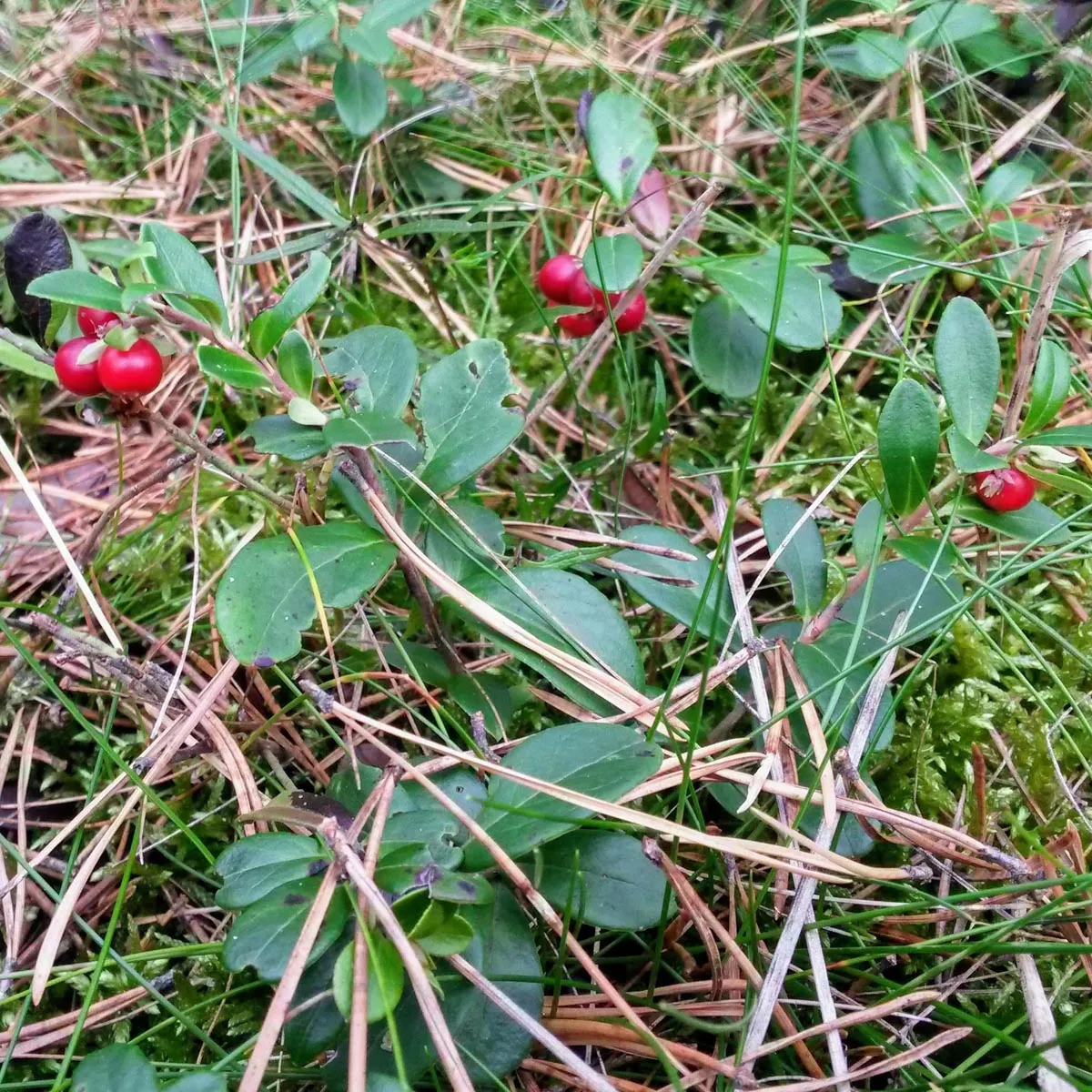
As different as the species in this category are, their cultivation conditions are just as varied. Blueberries prefer acidic, humus-rich soils, while apple seedlings cope with very different site conditions. Rhubarb, in turn, loves nutrient-rich, sufficiently moist soil and develops over many years in the same place.
For these species, it is therefore especially worthwhile to follow the specific sowing and cultivation instructions carefully. There is no general care formula here - but there is a particularly varied selection for curious gardeners.
A category for discoverers
These fruit seeds are ideal for anyone who wants to look beyond the classic categories. Some species are familiar, others surprising, and not all follow the usual ideas of what fruit actually is.
This is exactly where their appeal lies: from the first seedling to the later plant, each develops in its own way, enriching the garden with new forms, flavours and experiences.

Sowing and growing other fruit seeds
The species in this category differ considerably in their requirements. There is therefore no single sowing method for cultivated apples, cultivated blueberries and rhubarb. Depending on the plant species, cold periods, different germination temperatures or particular soil conditions may be necessary.
Patience is especially worthwhile with perennial plants. Some seeds take several weeks or months to germinate, while others develop only slowly at first. The specific sowing and cultivation instructions for each species are therefore particularly important.
The plants also differ considerably after germination. Apple seedlings eventually develop into woody plants, blueberries need acidic, humus-rich soil, and rhubarb grows as a long-lived perennial in the same location for many years.
Another important point with many fruit plants is that seedlings are genetically individual plants. Growing from seed therefore does not automatically produce a true-to-type copy of the parent plant.
Frequently asked questions about other fruit seeds
Can fruit plants be grown from seed?
Yes. Many fruiting plants can generally be grown from seed. However, germination requirements vary considerably between individual species.
Do fruit plants grown from seed come true to type?
In many cases, no. Sexual reproduction produces genetically individual plants that may differ from the parent plant in growth habit, flavour, fruit size, ripening time or other characteristics.
Can you grow an apple tree from an apple seed?
Yes. A viable apple seed can grow into a new apple tree. However, the seedling will not come true to type and will not necessarily produce fruit resembling the original apple.
Why do apple seedlings not come true to type?
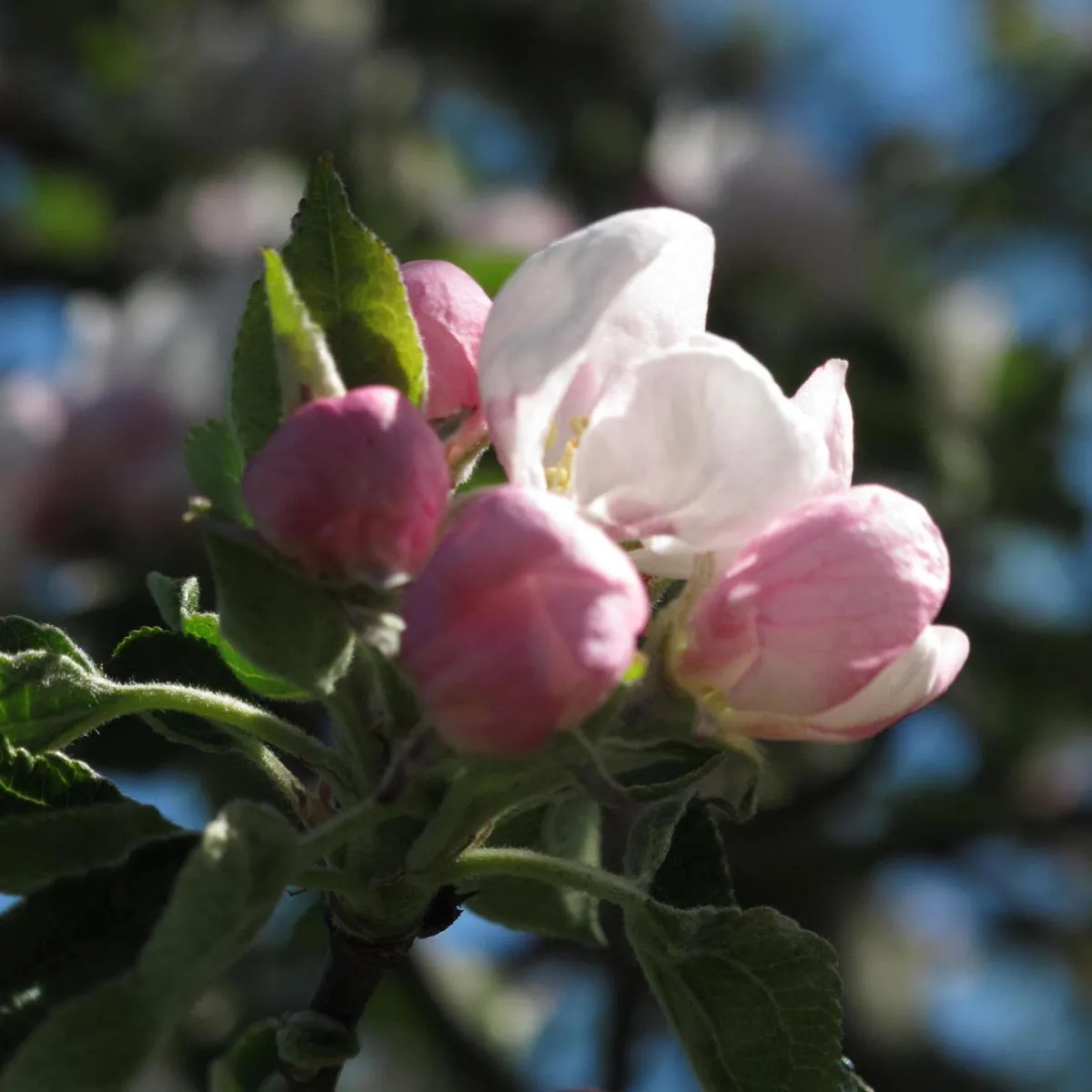
Apple flowers are fertilised by pollen from a genetically different plant. The seed therefore contains genetic material from two parent plants and forms a new genetic combination.
How long does an apple tree grown from seed take to produce fruit?
Seedlings can take several years before they flower and produce fruit for the first time. They often take considerably longer than grafted apple trees.
Can cultivated blueberries be grown from seed?
Yes. Cultivated blueberries can also be propagated from seed. However, the resulting plants are genetically different and will not necessarily correspond to a particular variety.
What type of soil do cultivated blueberries need?
Blueberries need acidic, humus-rich and well-drained soil. Calcareous garden soil is unsuitable for them. A suitable acidic growing medium is therefore particularly important for further cultivation.
Is rhubarb actually a fruit?
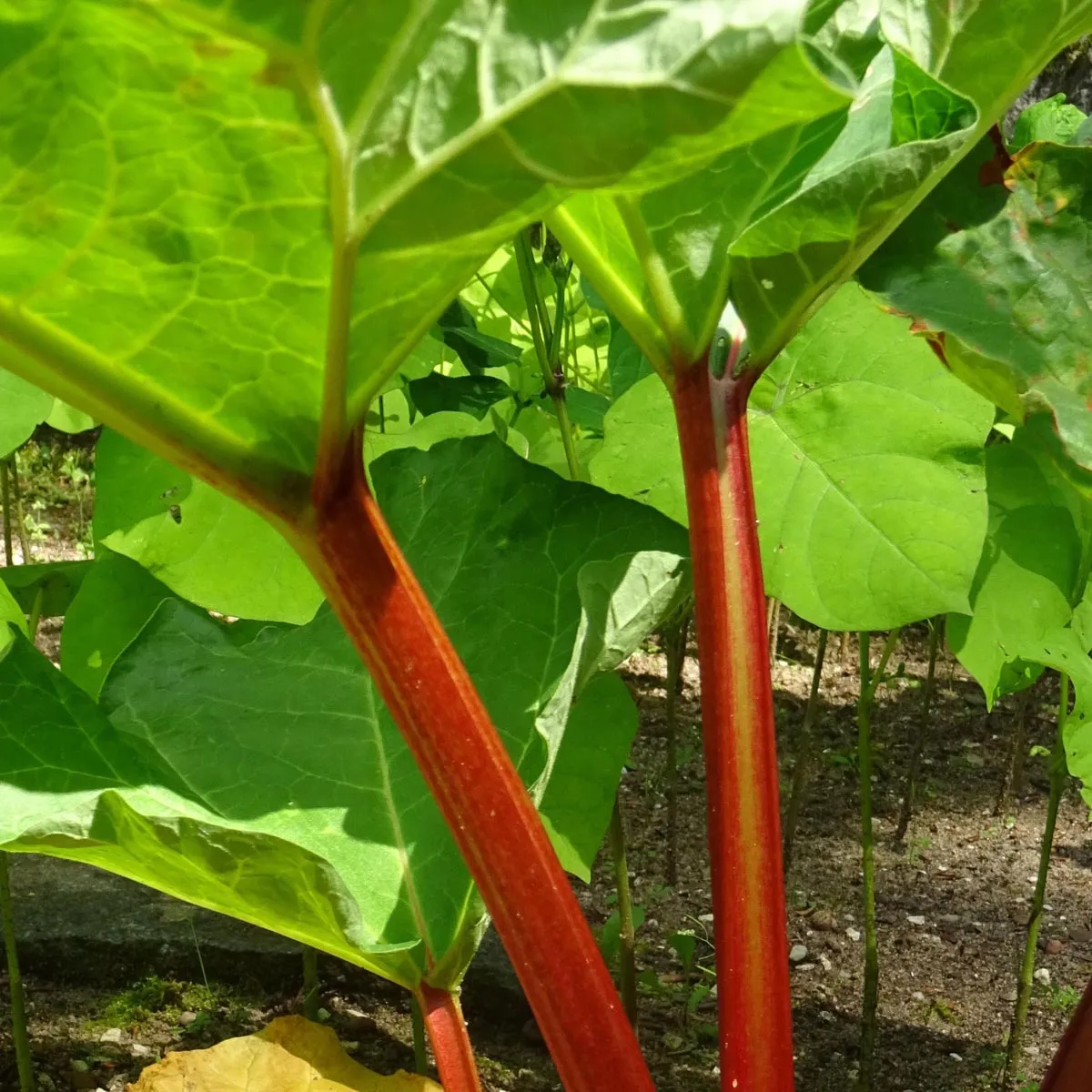
Botanically, rhubarb is not a fruit. The fleshy leaf stalks of this perennial plant are the part that is eaten. Because rhubarb is mainly used for cakes, compotes, desserts and other sweet dishes, it is often grouped with fruit in the garden and kitchen.
Can rhubarb be grown from seed?
Yes. Rhubarb can be grown from seed. However, seedlings are genetically different, so the resulting plants may vary in growth habit, stalk colour and other characteristics.
Are the plants in this category perennial?
Many of them are. Apple and blueberry are perennial woody plants, while rhubarb is a long-lived herbaceous perennial. Their exact lifespan and growth habit depend on the individual species.
How much space do these fruit plants need?
This varies considerably. An apple seedling can develop into a larger tree, blueberries remain much more compact, and rhubarb forms broad clumps over time. Their eventual space requirements should therefore be considered from the beginning.
Why is growing from seed worthwhile even if the plants do not come true to type?
Growing from seed allows you to follow a plant from the very beginning and experience natural genetic diversity. Especially with long-lived fruit plants, this can become a fascinating garden project lasting many years.