
Wild fruit seeds - original fruits for natural gardens
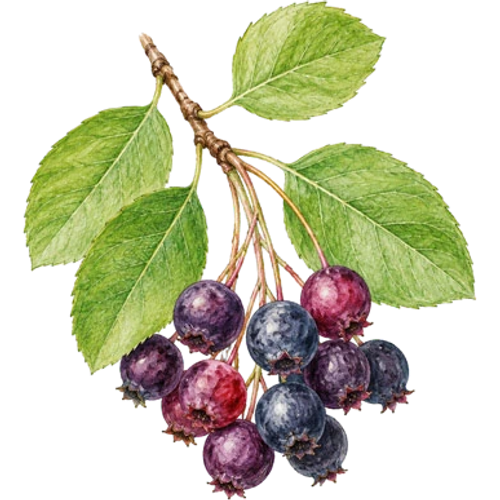
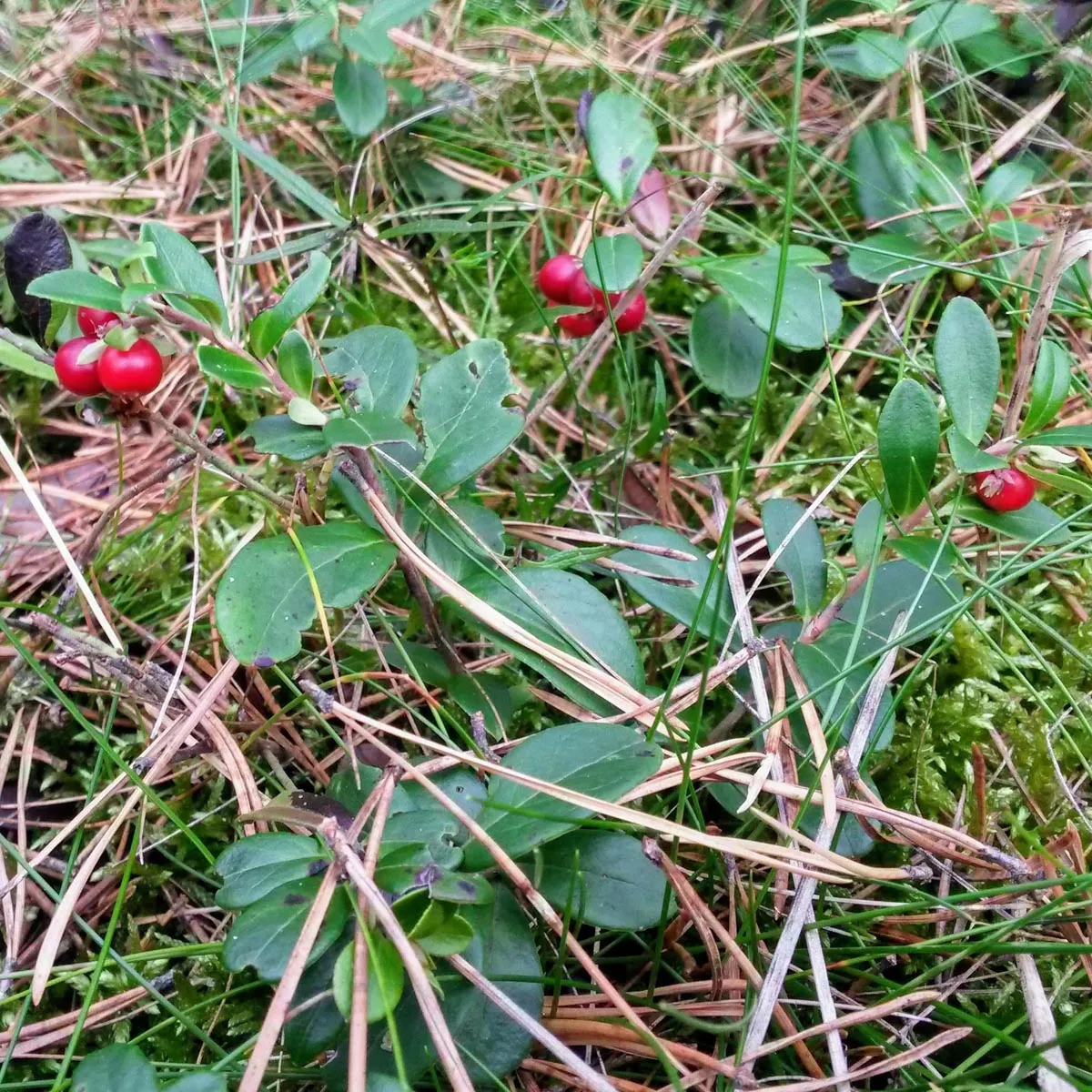
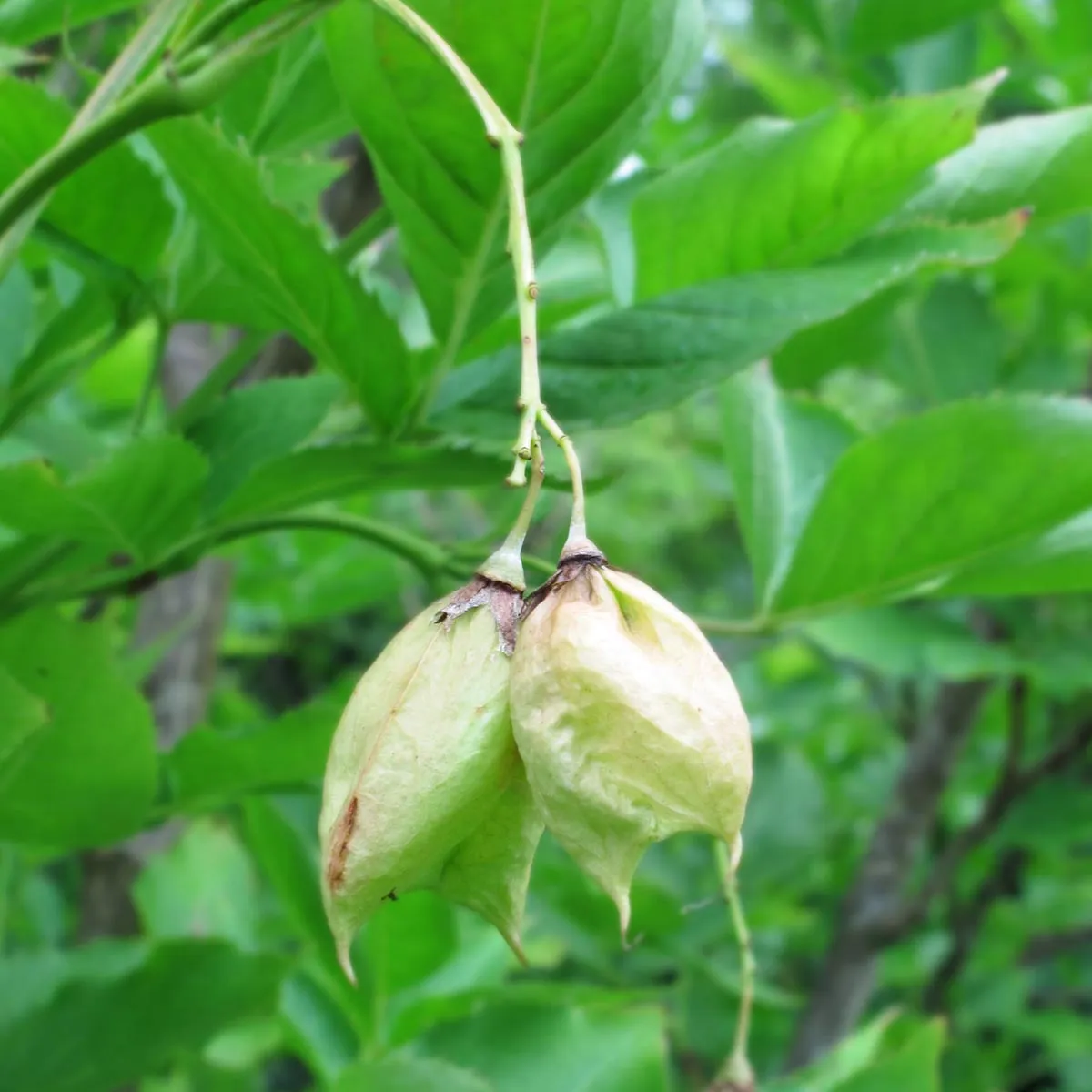
Wild fruit brings a special kind of diversity into the garden. Alongside familiar fruit trees and shrubs, there are numerous original species with edible or traditionally used fruits that have been only slightly, or not at all, altered by breeding. Many of these wild fruit shrubs and trees combine harvest and natural gardening in a particularly beautiful way: they provide fruits for the kitchen as well as flowers, food and shelter for many animals.
What is meant by wild fruit?
Wild fruit is not a strictly defined botanical term. It usually refers to wild-growing or only slightly bred plant species whose fruits are edible for humans or usable after suitable processing. These include both shrubs and smaller or larger trees.
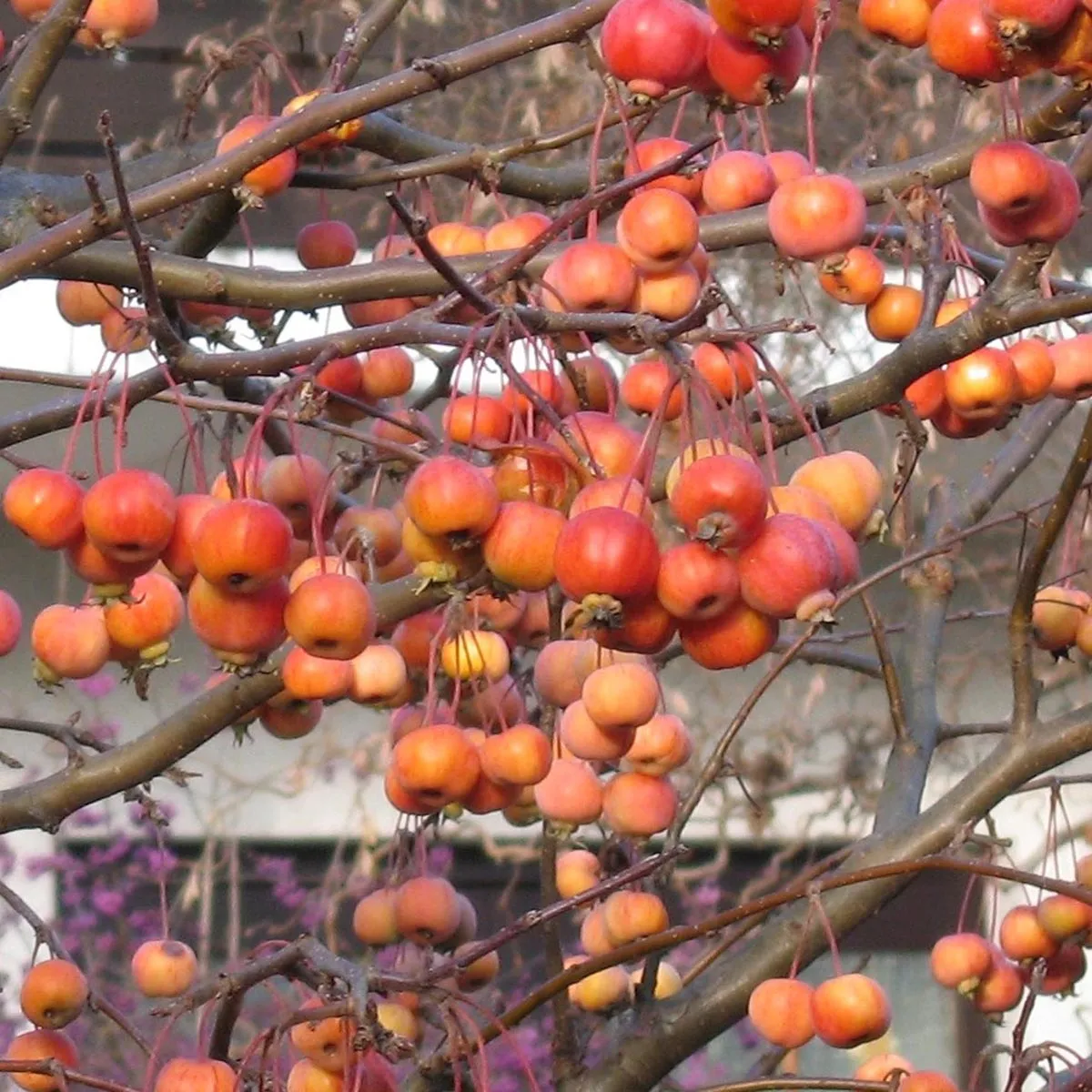
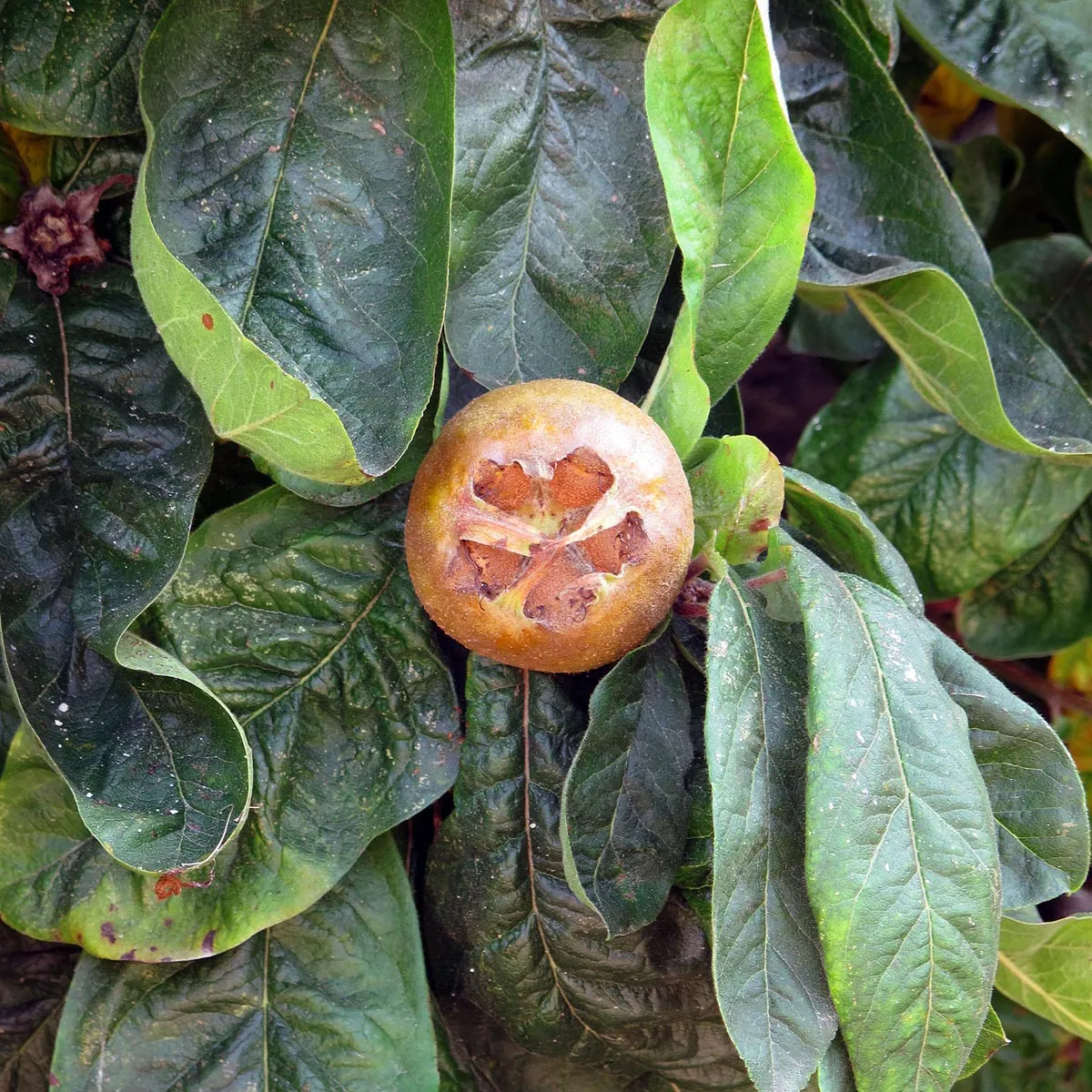
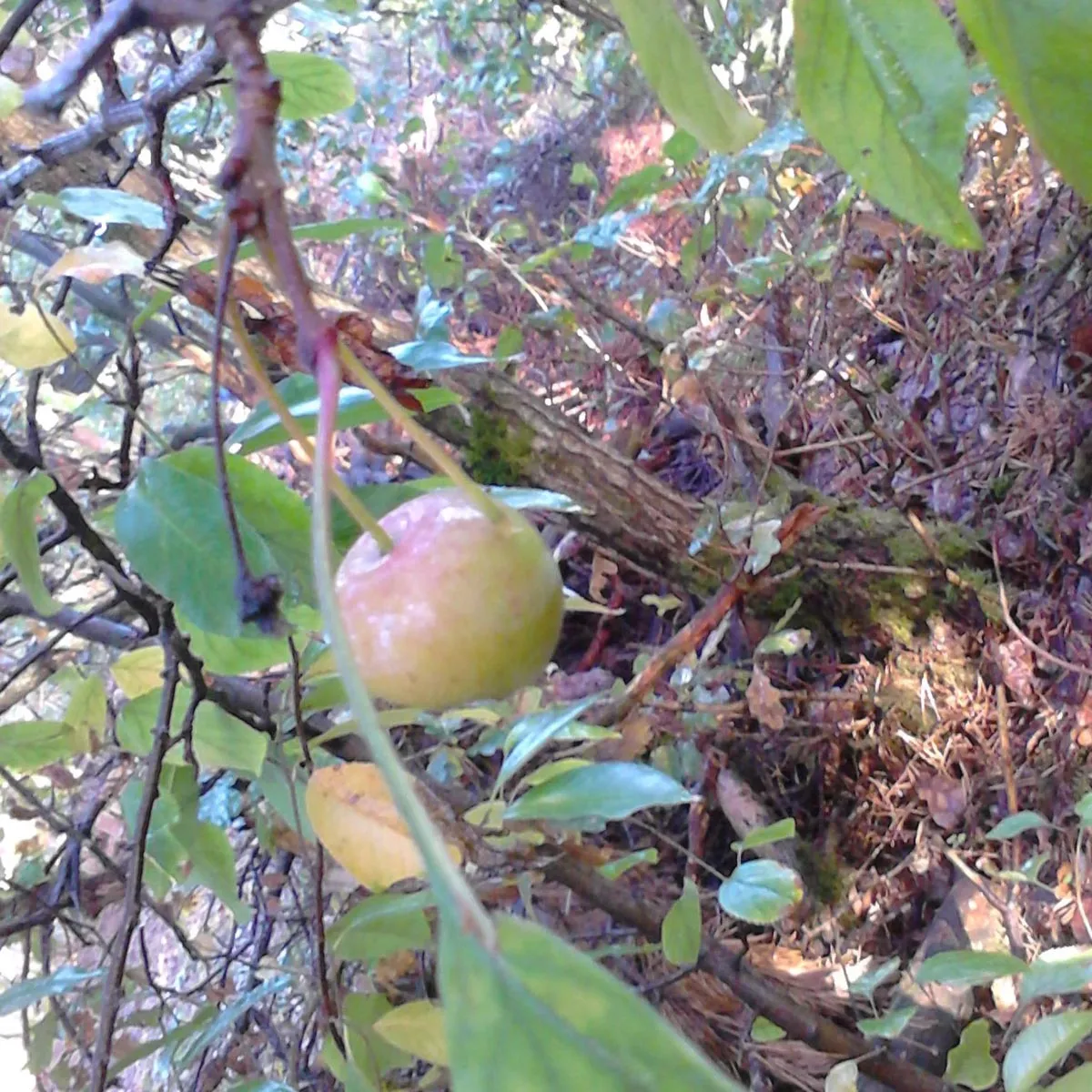
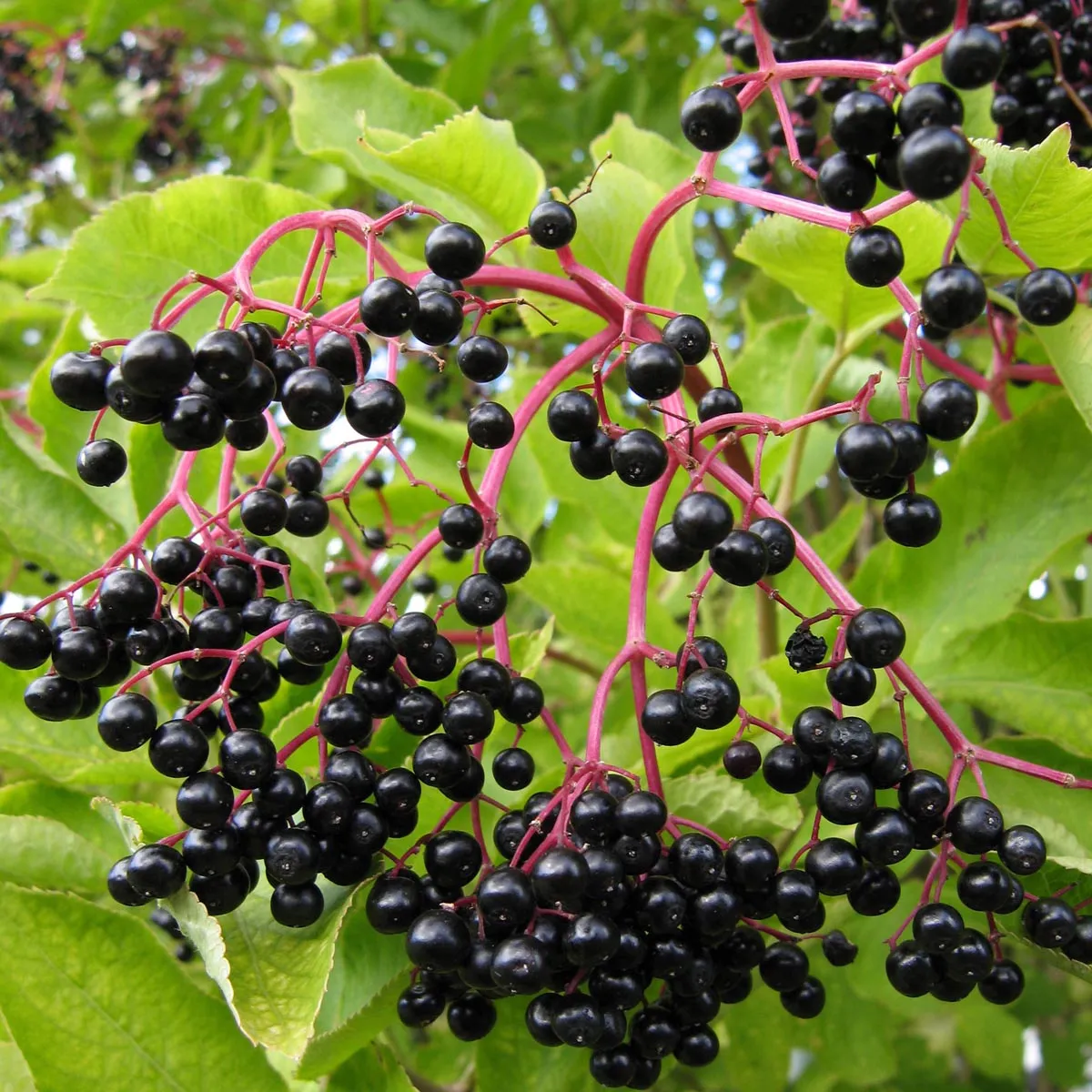
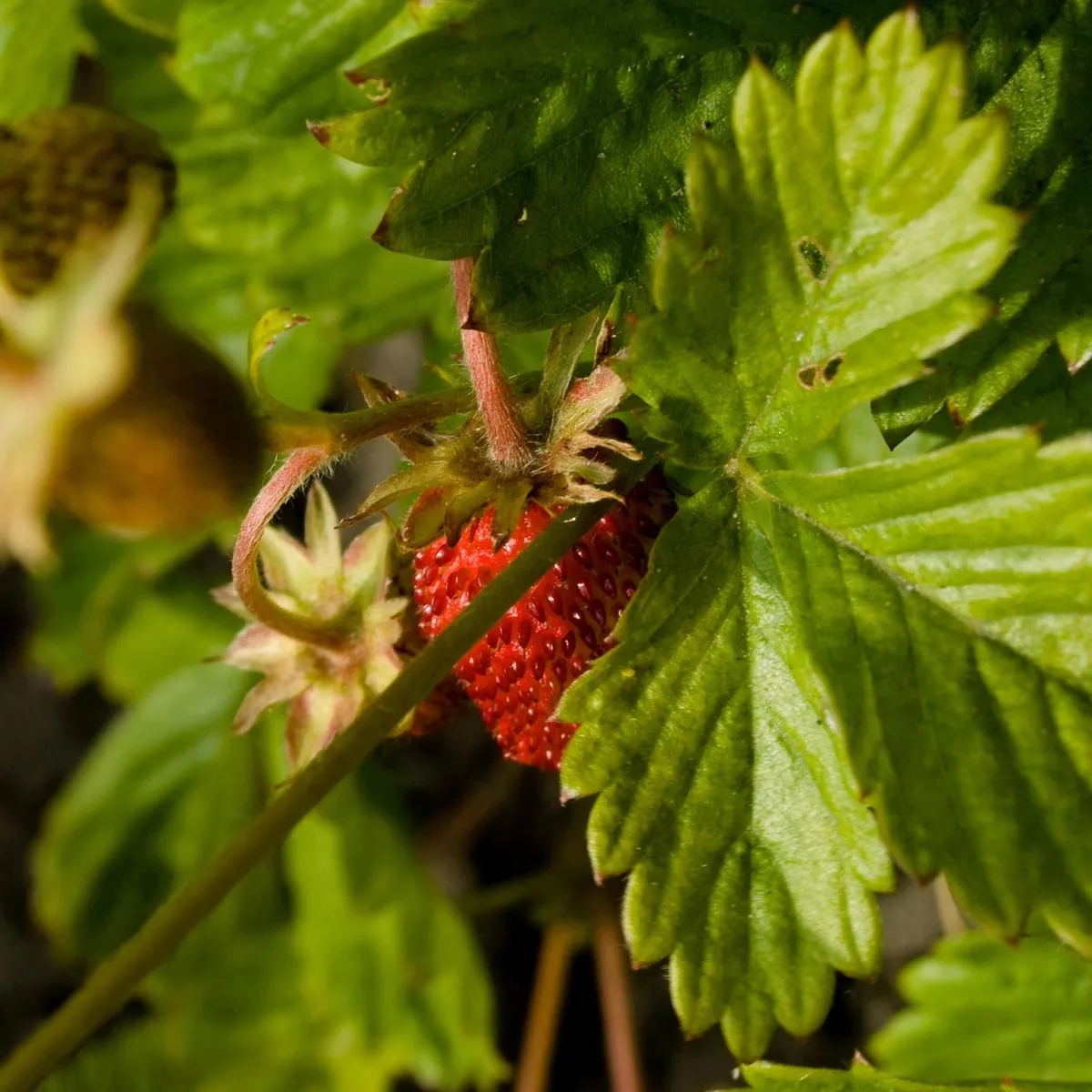
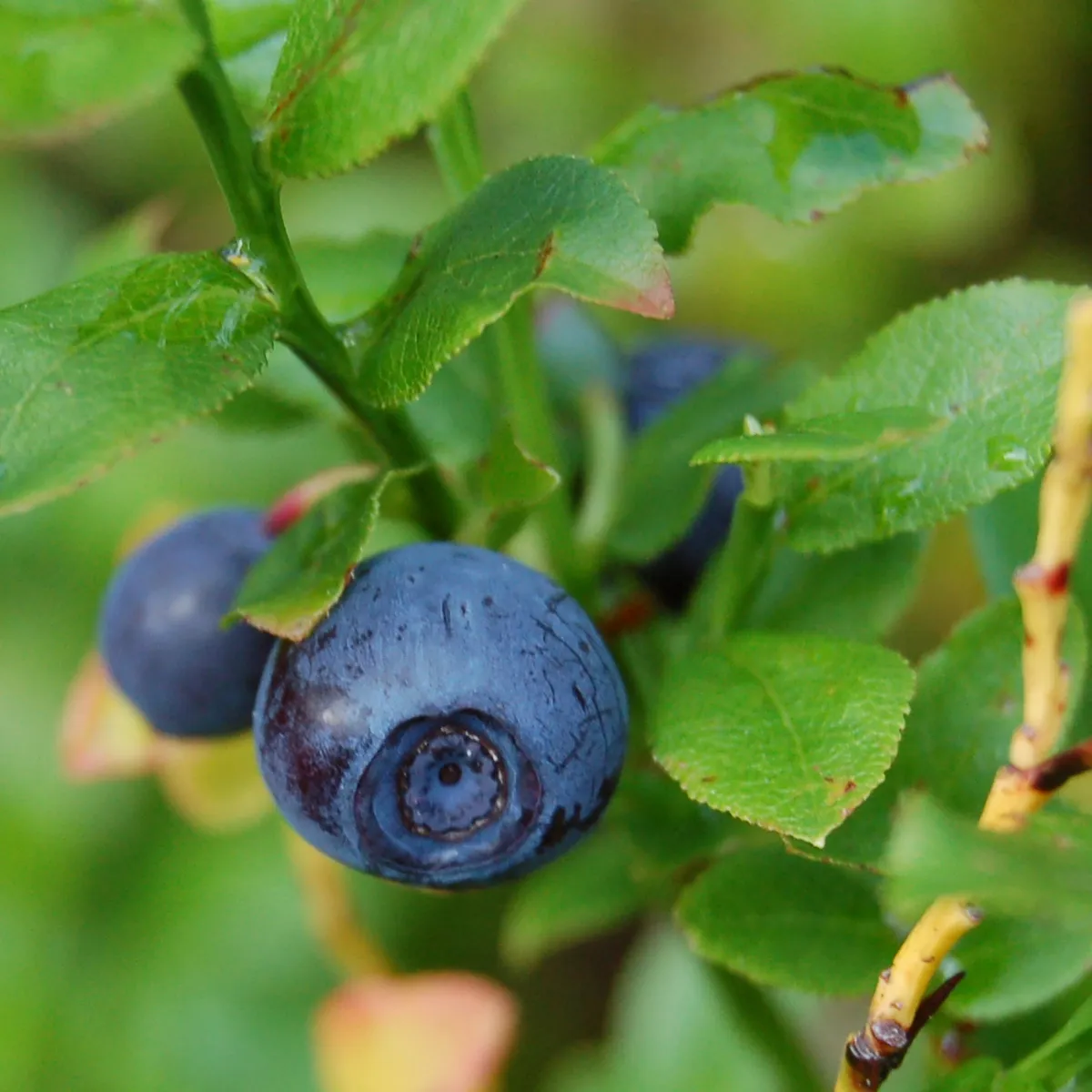
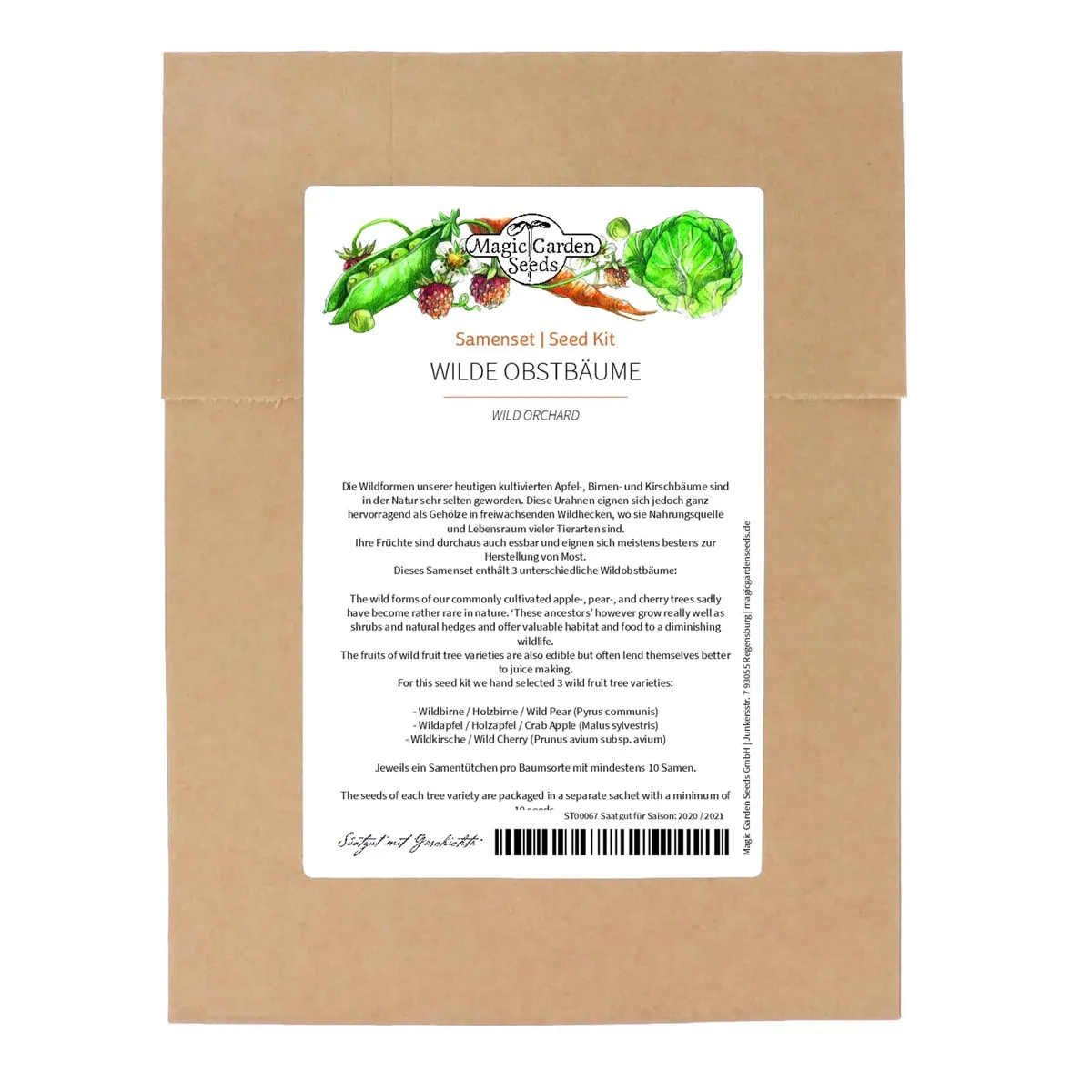
Typical wild fruit species include black elder, cornelian cherry, blackthorn, rowan, service tree, wild service tree, wild apple, wild pear, medlar and various wild roses. Their fruits differ greatly in taste and use: some can be eaten fully ripe straight from the plant, while others only develop their aroma after frost, storage or processing.
Fruits beyond the classic orchard
The special appeal of wild fruit lies in its culinary and botanical diversity. Fully ripe cornelian cherries can taste pleasantly fruity, blackthorn fruits are initially very tart, medlars only become soft and aromatic after bletting, and rose hips provide an intensely fruity pulp.
Many of these species were once a natural part of hedges, field margins, village gardens or traditional orchard landscapes. Today, some of them are being rediscovered because they combine robust plants, unusual fruits and high value for natural gardens.
Wild fruit shrubs and trees as habitats
Wild fruit is not only interesting for human harvest. Many species are among the particularly valuable woody plants for insects, birds and other animals. Early-flowering cornelian cherries provide food for pollinators early in the year, while blackthorn, wild roses and hawthorn create dense and partly thorny places of shelter.
In late summer and autumn, the fruits of many wild fruit shrubs and trees become an important food source for birds and mammals. Anyone who cultivates wild fruit in the garden can therefore consciously leave part of the fruit on the plants and allow wildlife to share in the harvest.
From shrub to stately wild fruit tree
The growth forms within this category are very diverse. Elder, cornelian cherry and blackthorn develop into strong shrubs and are well suited to natural hedges and woody borders. Service tree, wild service tree, wild apple or wild pear, on the other hand, can grow into stately trees and therefore require more space.
Their site requirements also differ. Some species prefer fresh, nutrient-rich soils, while others cope remarkably well with dry, sunny and calcareous locations. This makes it possible to find a suitable wild fruit shrub or tree for many garden areas.
Wild fruit from seed - natural diversity instead of identical copies
Sowing wild fruit differs from the vegetative propagation of many classic fruit varieties in one important respect. Seedlings are not genetically identical to their mother plant. This produces individual plants that may differ from one another, for example in growth habit, fruit size, taste or ripening time.
This natural variation is especially fascinating in original species. Wild fruit seeds are therefore suitable for anyone who wants to raise woody plants themselves from the very beginning and experience not just the multiplication of a single variety, but the genetic diversity of a species.
Old species with new significance
Some wild fruit species such as service tree, wild service tree or wild apple are much rarer today than they once were. At the same time, they possess special qualities such as drought tolerance, robust growth forms or valuable genetic traits that may also be interesting for future fruit breeding.
Wild fruit thus combines garden culture, biodiversity and the joy of unusual fruits in a special way. From a single seed, a woody plant can grow that bears fruit for many years or even decades while becoming a living part of the garden.

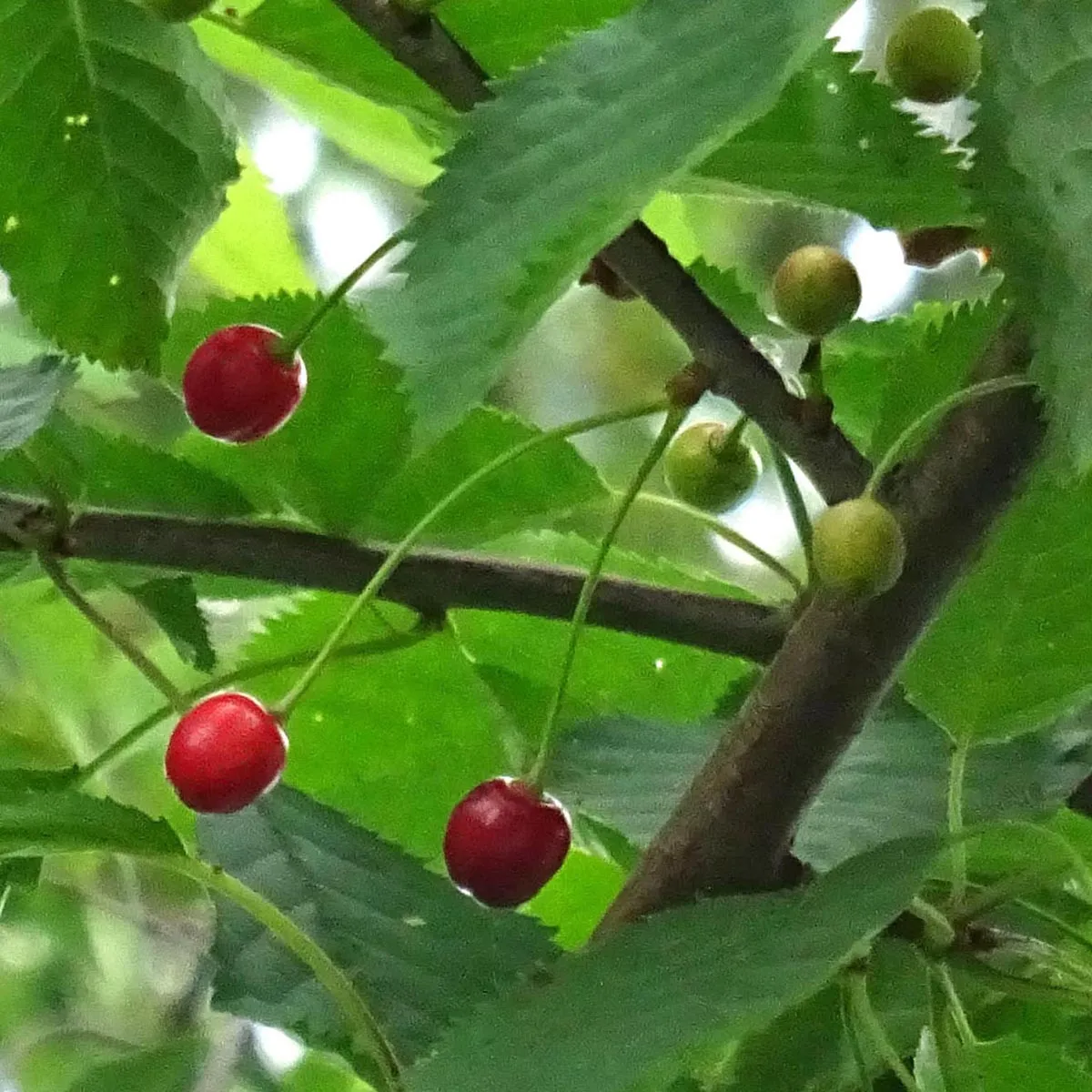
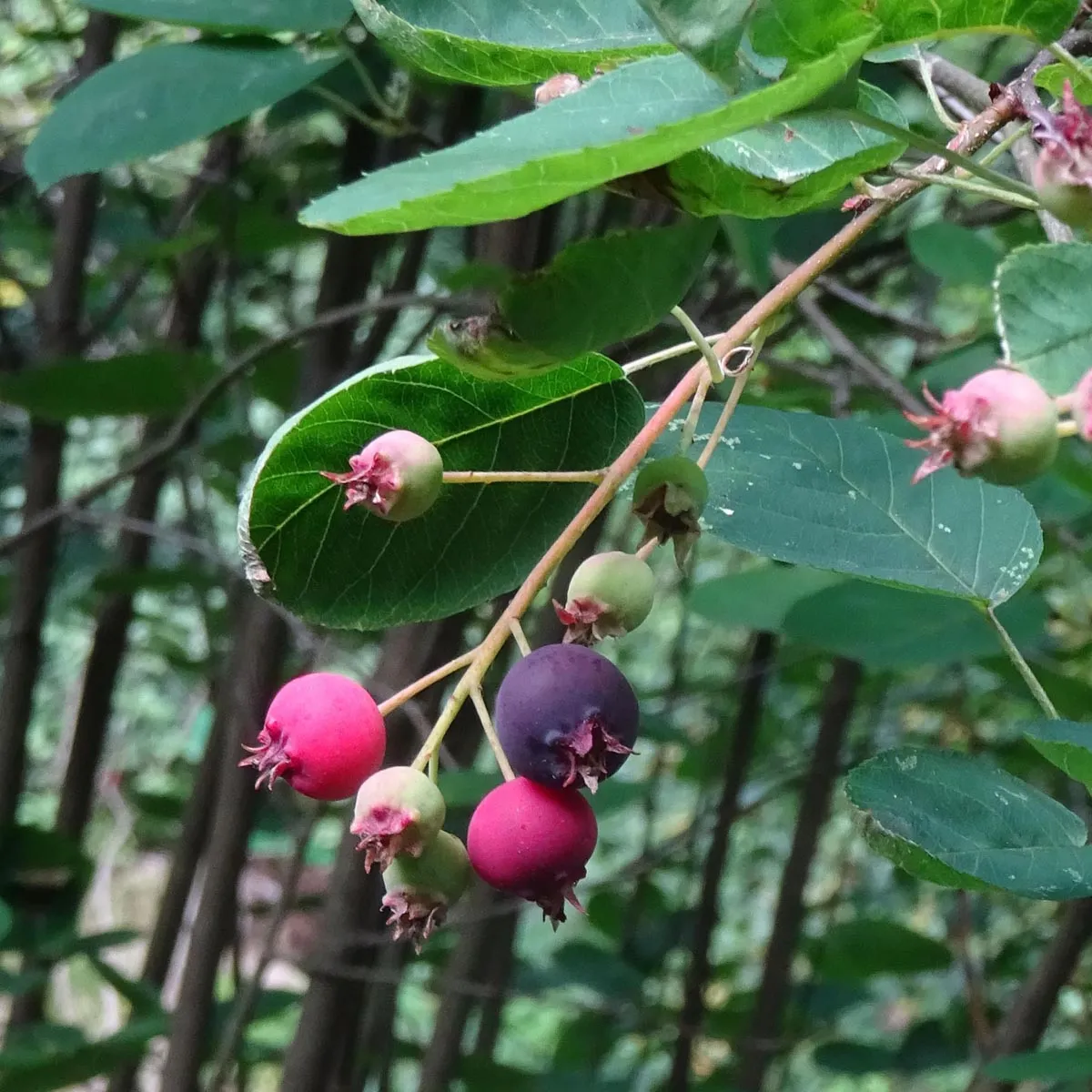
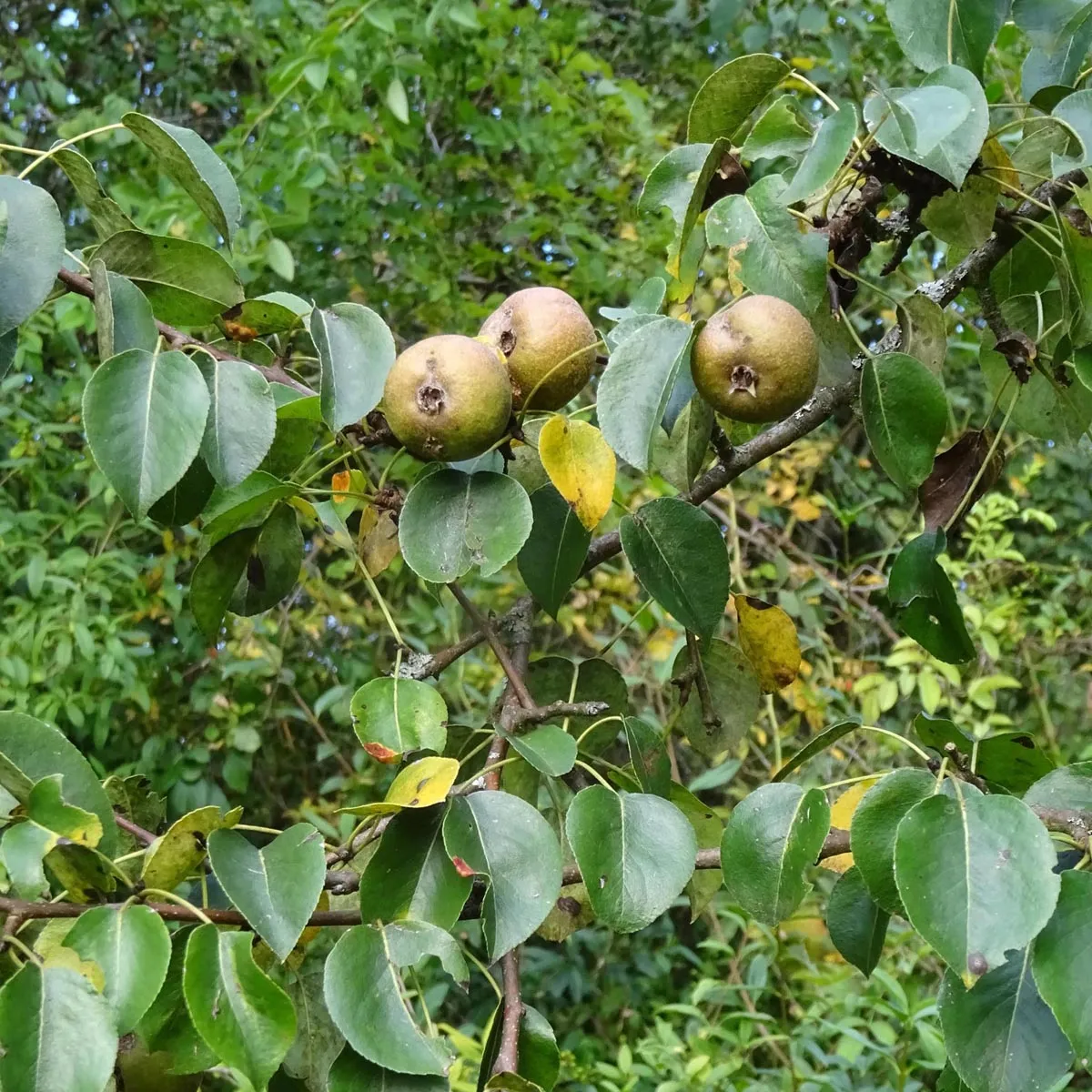
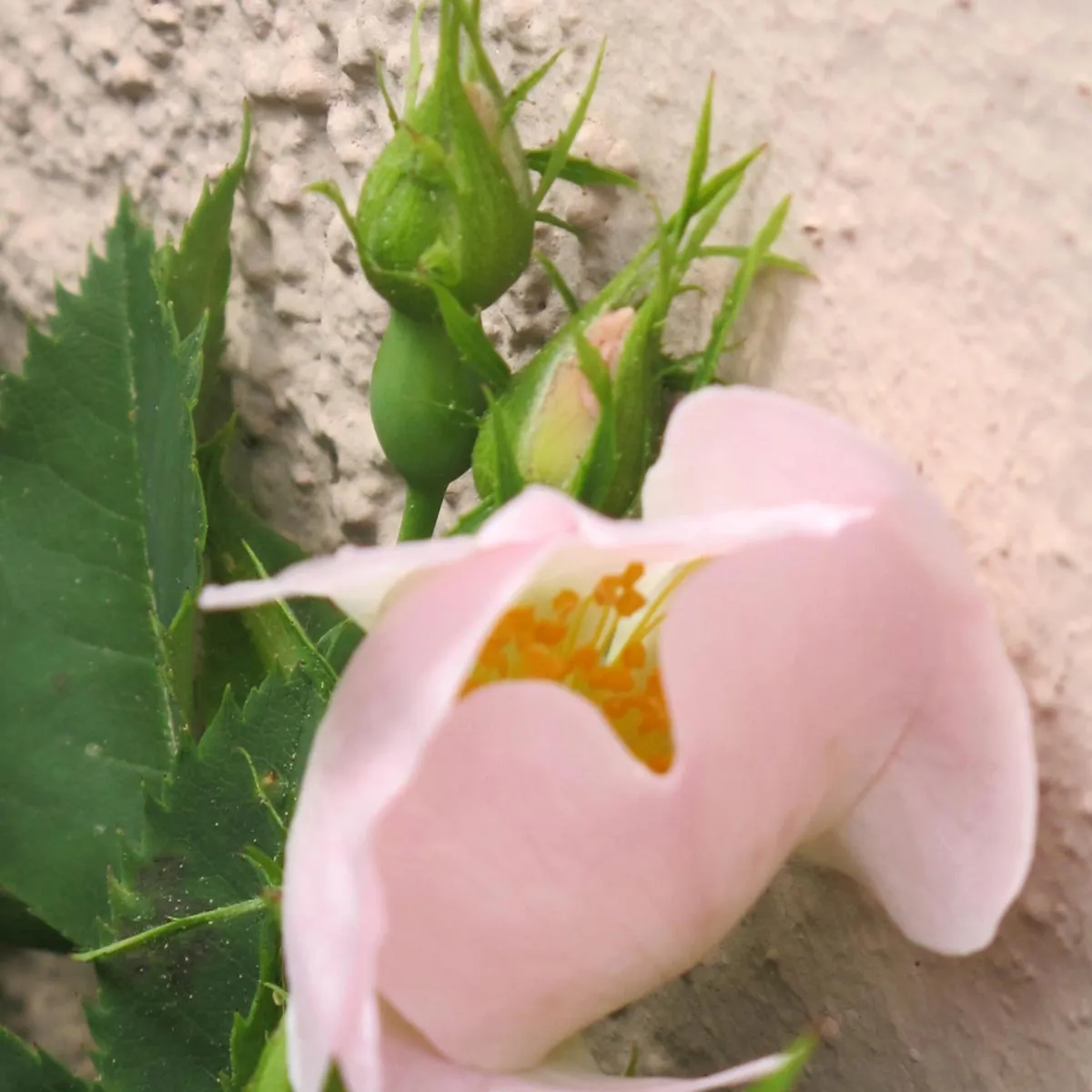
Sowing and growing wild fruit plants
Wild fruit plants can be grown from seed, although the amount of patience required varies considerably depending on the species. Many native woody plants and species originating from temperate climates have a natural seed dormancy. A cold period is therefore often necessary before the seeds begin to germinate.
For many wild fruit species, sowing in autumn is particularly natural because the seeds experience winter conditions outdoors and can germinate in spring. Alternatively, the necessary cold period can be reproduced under controlled conditions. Other species also require a longer warm period or may not germinate until several months later. The exact requirements always depend on the individual plant species.
Young wild fruit plants should initially be grown in a protected location and kept evenly moist. Once they have become stronger, they can be planted in their final position. When choosing a site, it is important to consider the eventual size of the plants: while some species remain compact shrubs, service tree, wild service tree, wild apple and wild pear can develop into substantial trees over time.
Frequently asked questions about wild fruit seeds
What is meant by wild fruit?
Wild fruit is not a strictly botanical term. It generally refers to species that grow wild or have undergone little selective breeding and whose fruits are edible or can be used after processing.
Which plants are considered wild fruit?
Typical examples include cornelian cherry, blackthorn, black elder, rowan, service tree, wild service tree, medlar, wild apple, wild pear and various wild roses. Depending on the definition, other wild fruiting shrubs and trees may also be included.
Can wild fruit be grown from seed?
Yes. Many wild fruiting shrubs and trees can be propagated successfully from seed. However, as numerous species have a natural seed dormancy, germination can take considerably longer than with typical annual garden plants.
Do wild fruit seeds need to be stratified?
For many species from temperate climates, a cold period is necessary or beneficial. Some seeds also need a preceding warm period. The exact stratification requirements vary depending on the species.
When should wild fruit seeds be sown?
Autumn sowing works very well for many native wild fruit species. The seeds then experience the necessary winter temperature changes naturally. Sowing after controlled stratification is also possible.
How long do wild fruit seeds take to germinate?
This varies greatly. Some seeds germinate after the first winter, while in other species dormancy can last much longer. With certain woody plants, germination may not occur until the second year.
Do wild fruit plants grown from seed come true to type?
No. Seedlings are genetically individual plants and are not identical copies of the parent plant. They may therefore differ in growth habit, fruit size, flavour or ripening time.
Why is it worth sowing wild fruit?
Sowing allows you to grow original woody plants from the very beginning and helps preserve natural genetic diversity. With wild species in particular, this variation is an important part of their special appeal.
Is wild fruit suitable for a natural garden?
Yes. Many wild fruiting shrubs and trees provide flowers for insects, fruits for birds and mammals, and valuable shelter and nesting opportunities. Native species that are well suited to the site can greatly enrich a naturalistic garden.
Can wild fruit be planted as a hedge?
Many species are very suitable for wild fruit hedges. Cornelian cherry, blackthorn, hawthorn, wild roses and elder, for example, can be combined to create varied woody structures. Their eventual size and any tendency to produce suckers should be taken into account.
Are all wild fruits edible raw?
No. Some wild fruits are best used only after processing, frost or bletting. Black elderberries, for example, should be heated, while medlars and service tree fruits become aromatic only once they are soft and fully bletted.
What is the difference between wild fruit and cultivated fruit?
Cultivated fruit has been selectively bred over many generations for characteristics such as fruit size, flavour or yield and is often propagated vegetatively. Wild fruit is generally far less altered by breeding and shows greater natural genetic variation within a species.
How long does wild fruit grown from seed take to produce fruit?
This depends greatly on the species. Shrubby wild fruit species may begin fruiting comparatively early, while larger trees such as service tree, wild service tree, wild apple or wild pear can take several years before they flower and produce fruit for the first time.