
Mediterranean and tropical fruit seeds - grow your own exotic fruits
Mediterranean and tropical fruits bring the plant world of warm regions into your own garden, onto the terrace or into the conservatory. This category includes very different fruit plants from the Mediterranean, the subtropics and the tropics - from citrus fruits, pomegranate and fig to mango, papaya or banana. Anyone who grows these exotic fruit plants from seed discovers not only extraordinary fruits, but also plants with very different requirements for warmth, light and overwintering.
What exactly are Mediterranean and tropical fruits?
This category brings together fruits and fruit plants from warmer regions. It includes species from the Mediterranean as well as subtropical and tropical plants. It is therefore broader than a purely tropical fruit category and is particularly suitable wherever Mediterranean citrus plants stand alongside warmth-loving fruit species from other parts of the world.
Even within this group, there are major differences. While some species cope surprisingly well outdoors in Central Europe in a protected location, others require cultivation in containers, a greenhouse or a heated conservatory.
From Mediterranean fruits to tropical species
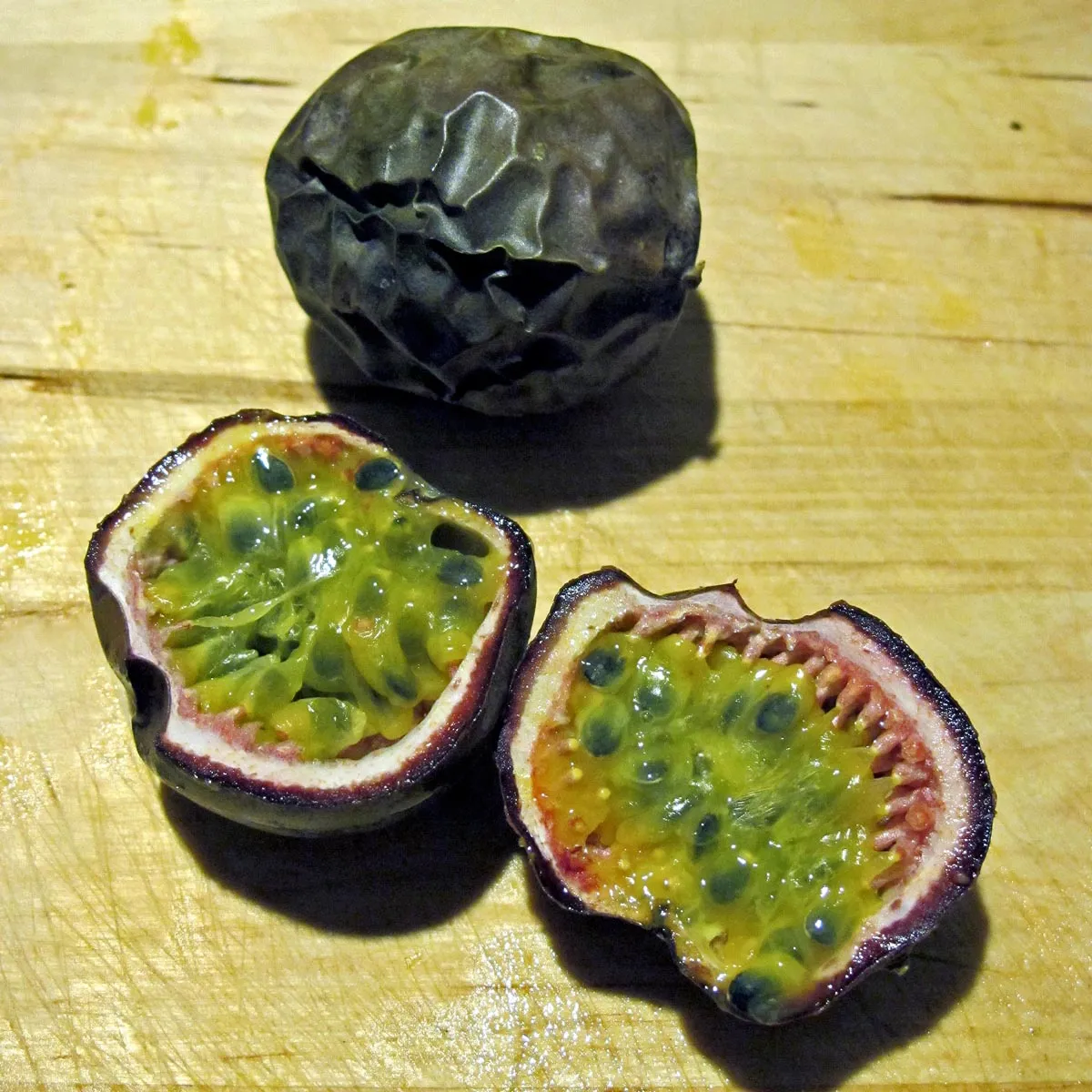
Classic Mediterranean fruits include lemon, mandarin, orange, fig, pomegranate and other plants that we associate with the Mediterranean region. They are joined by tropical and subtropical fruits such as mango, papaya, banana or various passion fruits.
Their origin largely determines how they can be cultivated here. A fig can grow permanently in the garden in a warm and sheltered location, while many citrus plants spend the summer outdoors and overwinter frost-free. Tropical species, by contrast, often require significantly higher temperatures even in winter.
Not every exotic fruit plant needs tropical conditions
Growing Mediterranean and tropical fruit plants in Central Europe is more varied than one might initially assume. Some species are far more robust than their exotic appearance suggests. What matters is not only the lowest winter temperatures, but also summer warmth, hours of sunshine, late frosts and the length of the growing season.
A protected microclimate can therefore make a big difference. House walls, courtyards, greenhouses or sunny terraces store warmth and extend the period in which warmth-loving plants can grow and ripen their fruits.
Exotic fruit plants in containers
For many species, container cultivation is a particularly practical solution. Citrus plants, pomegranate and other frost-sensitive woody plants can stand outdoors in a sunny spot during the warm months and move to suitable winter quarters before the first stronger frost.
This makes it possible to cultivate plants that would not survive a German winter outdoors. At the same time, location, substrate and water supply in containers can be adapted specifically to the needs of each plant.
Tropical fruits as a long-term botanical project
With mango, papaya, banana and other tropical fruit plants, a quick harvest is not always the main focus under Central European conditions. Often, the development of the plant from seed is already especially fascinating. Over time, small seedlings develop characteristic leaf shapes and growth habits that give an impression of their tropical origin.
For later flowering and fruiting, however, many of these species need a great deal of light, warmth and space. A bright conservatory or a heatable greenhouse therefore offers much better conditions than an ordinary room.
Fruit from seed is always a small experiment
In many fruit plants, seeds produce genetically individual offspring. A plant grown from a seed therefore does not have to produce the same fruits as the plant from which the seed originally came. Especially with bred fruit varieties, true-to-type propagation by seed is often not possible.
But this is precisely where the special appeal lies: anyone who grows exotic fruit plants from seed accompanies a new plant from the very beginning and can observe how it develops under their own conditions. Some species surprise with remarkable robustness, others remain demanding collector plants - and each tells, in its own way, something about the plant world of warm regions.
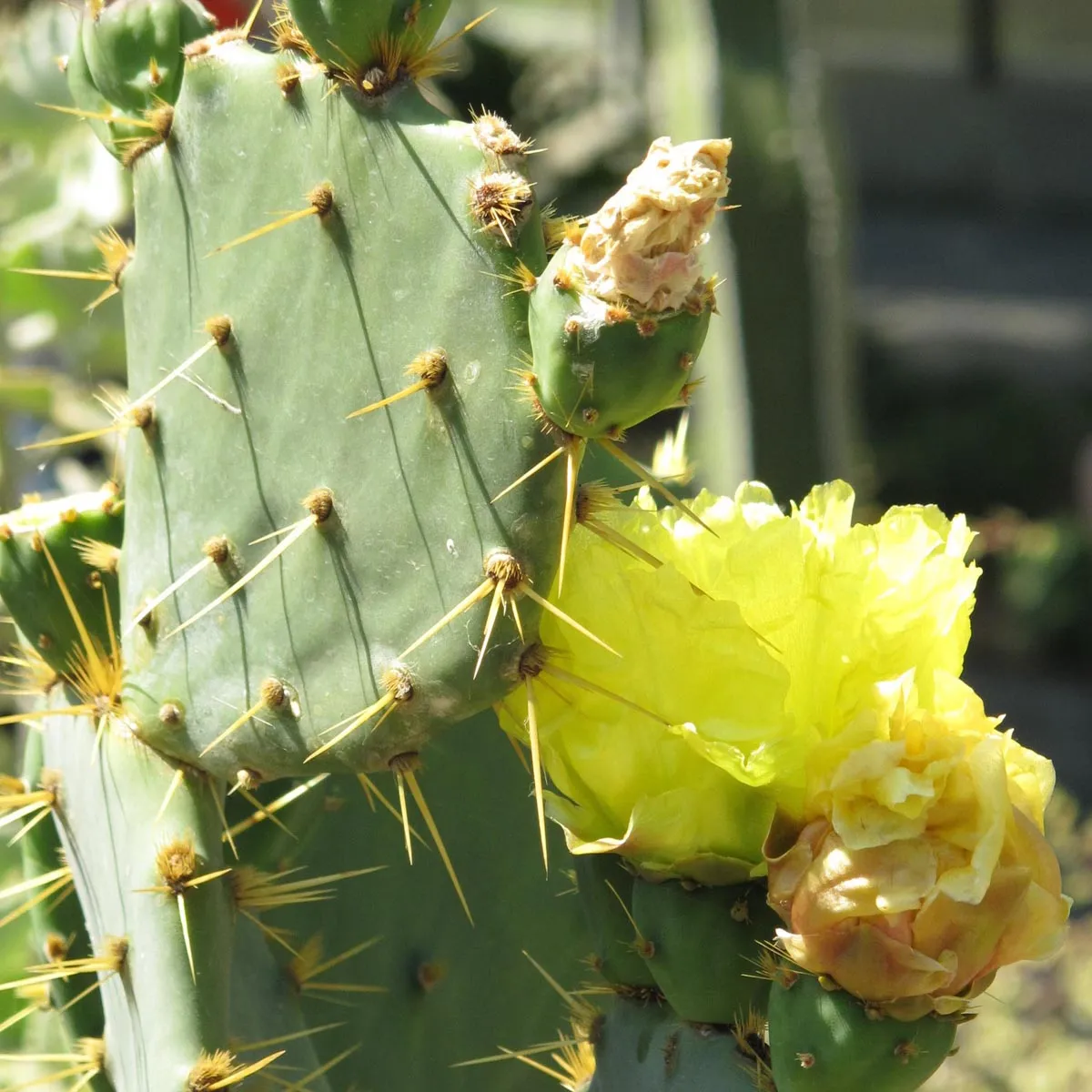
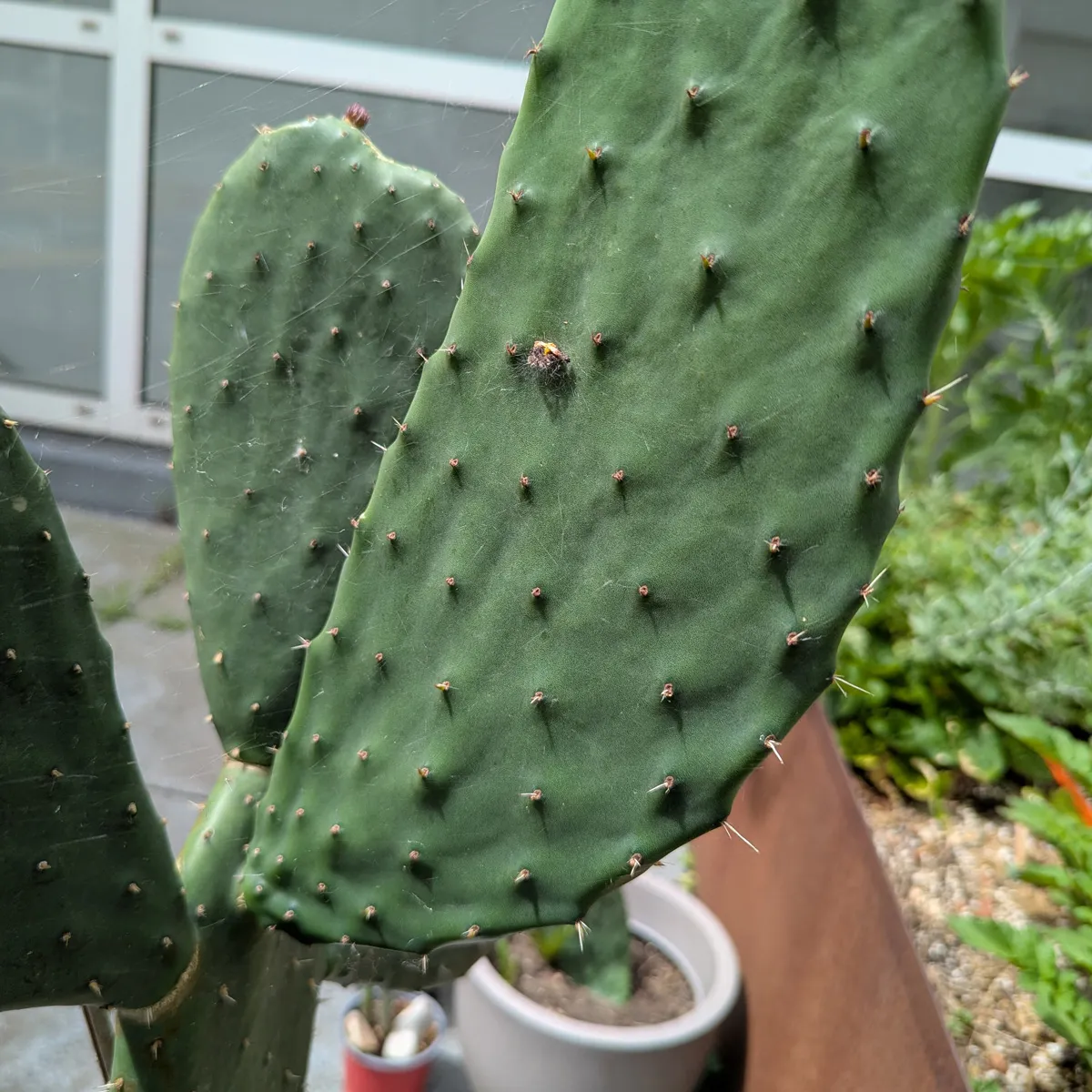
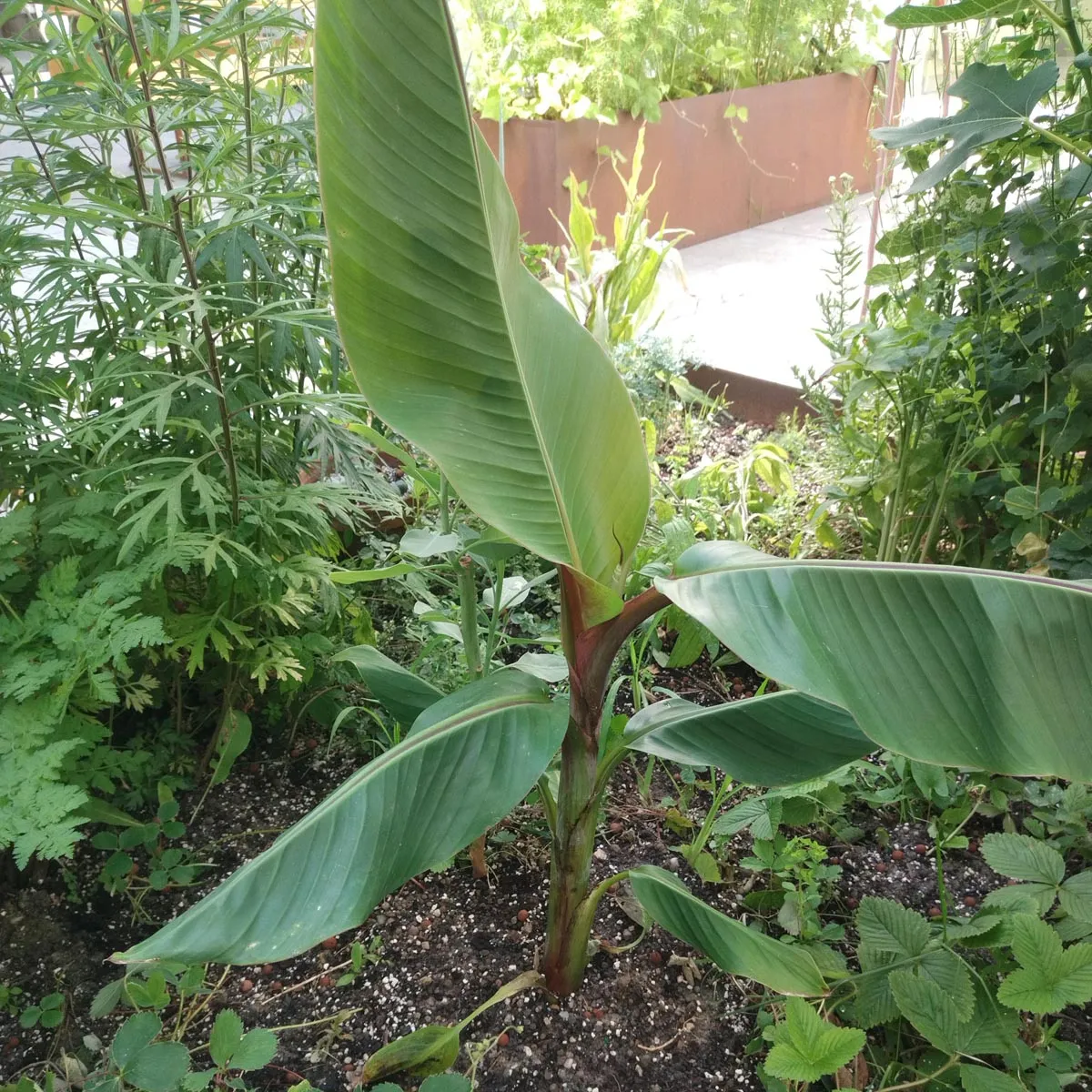
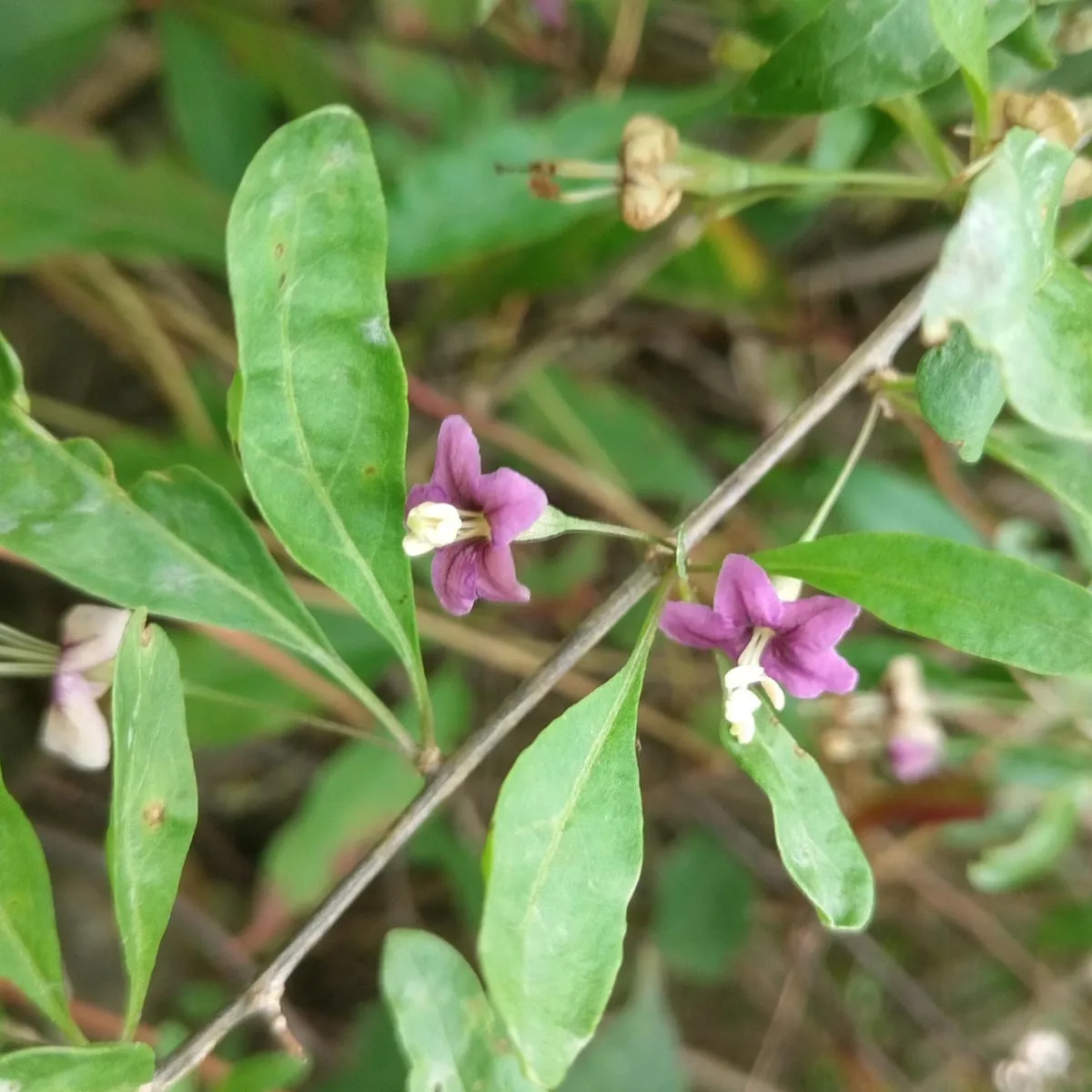
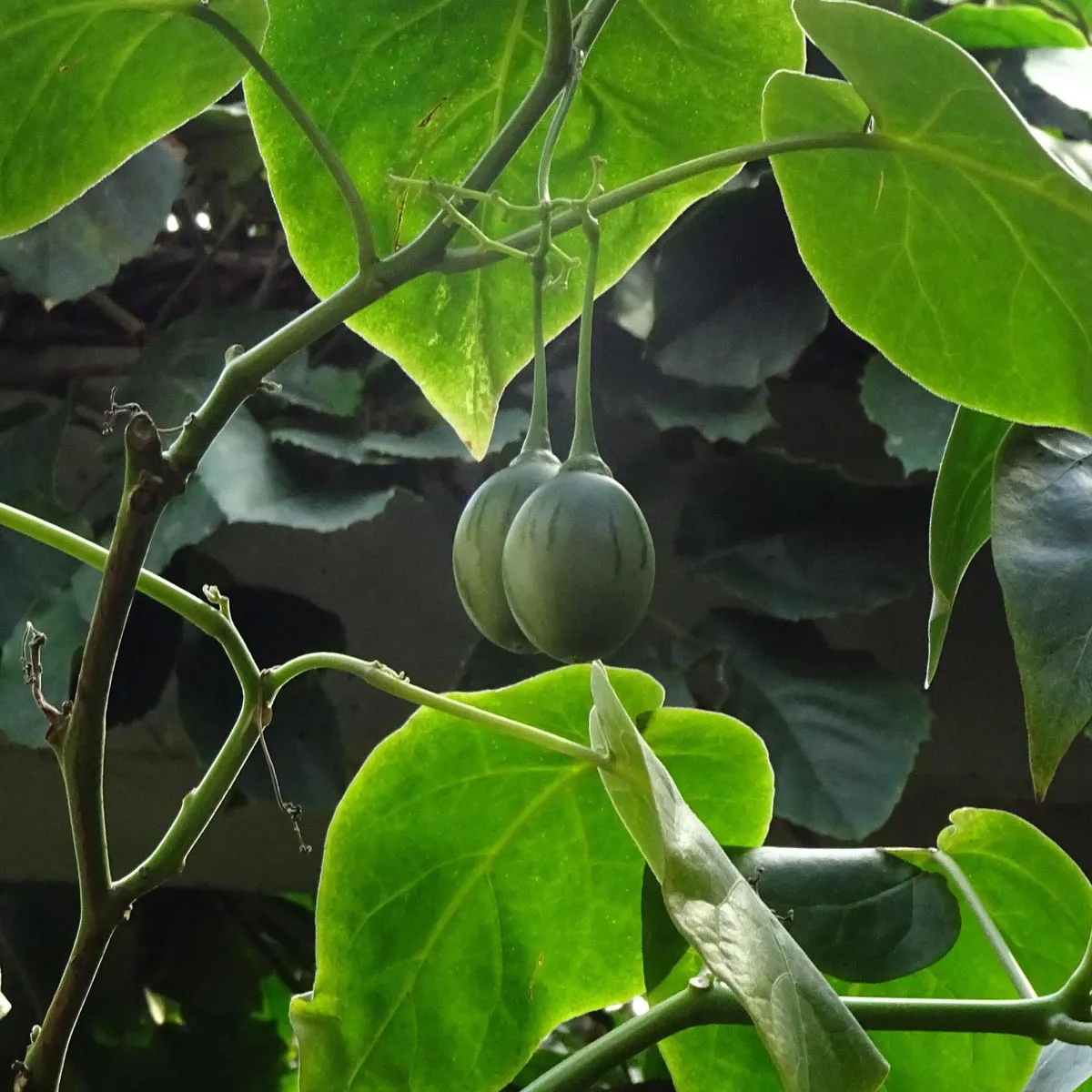
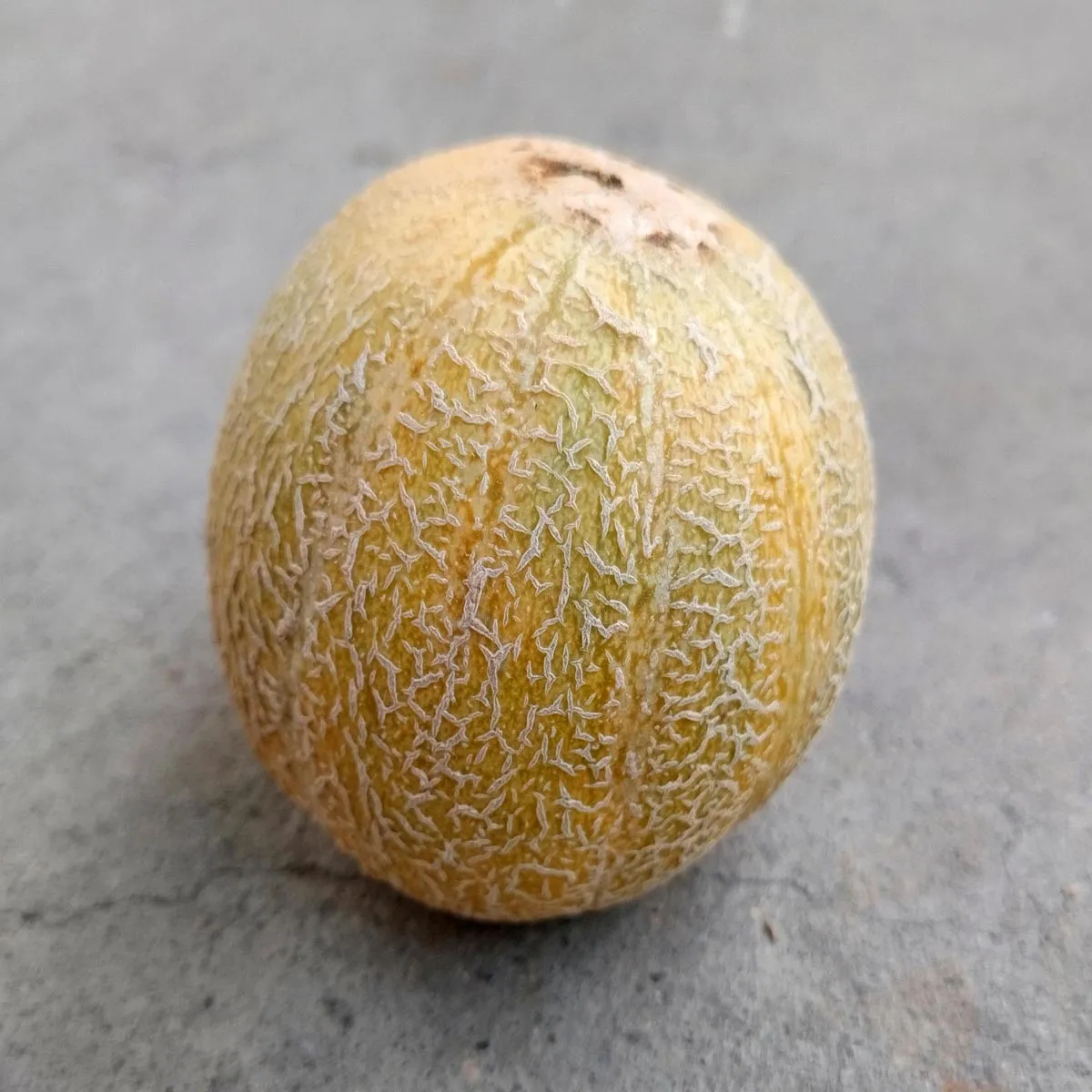
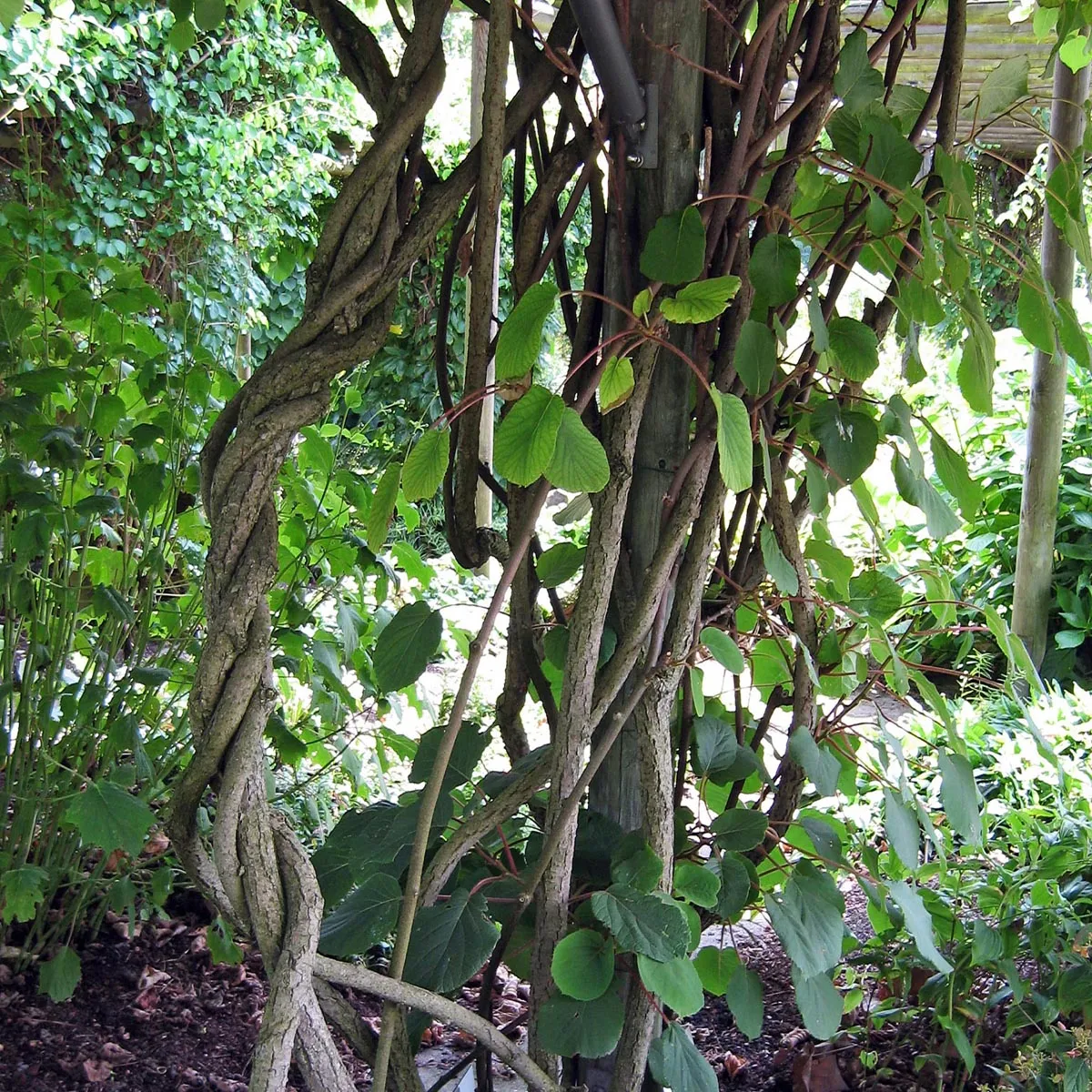
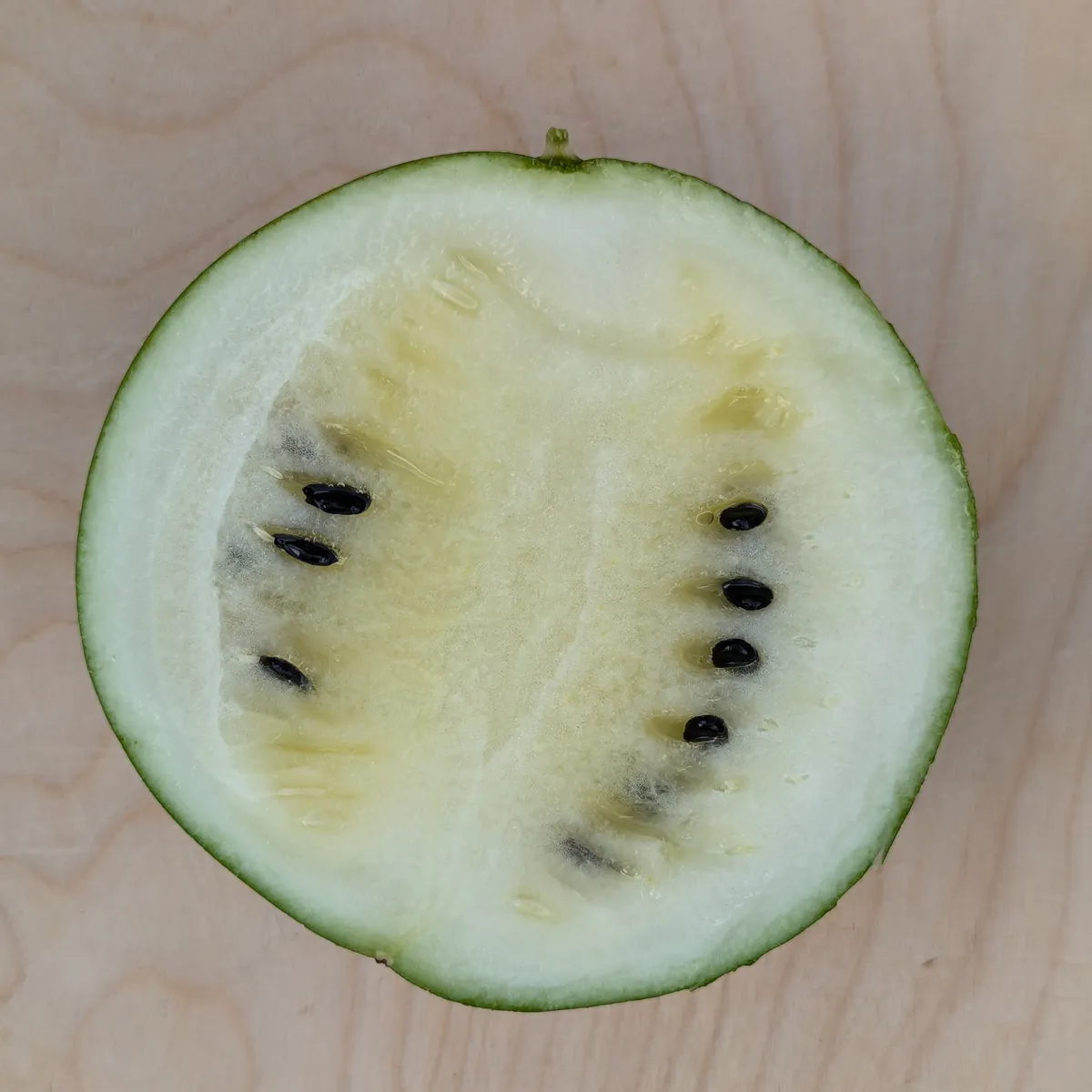

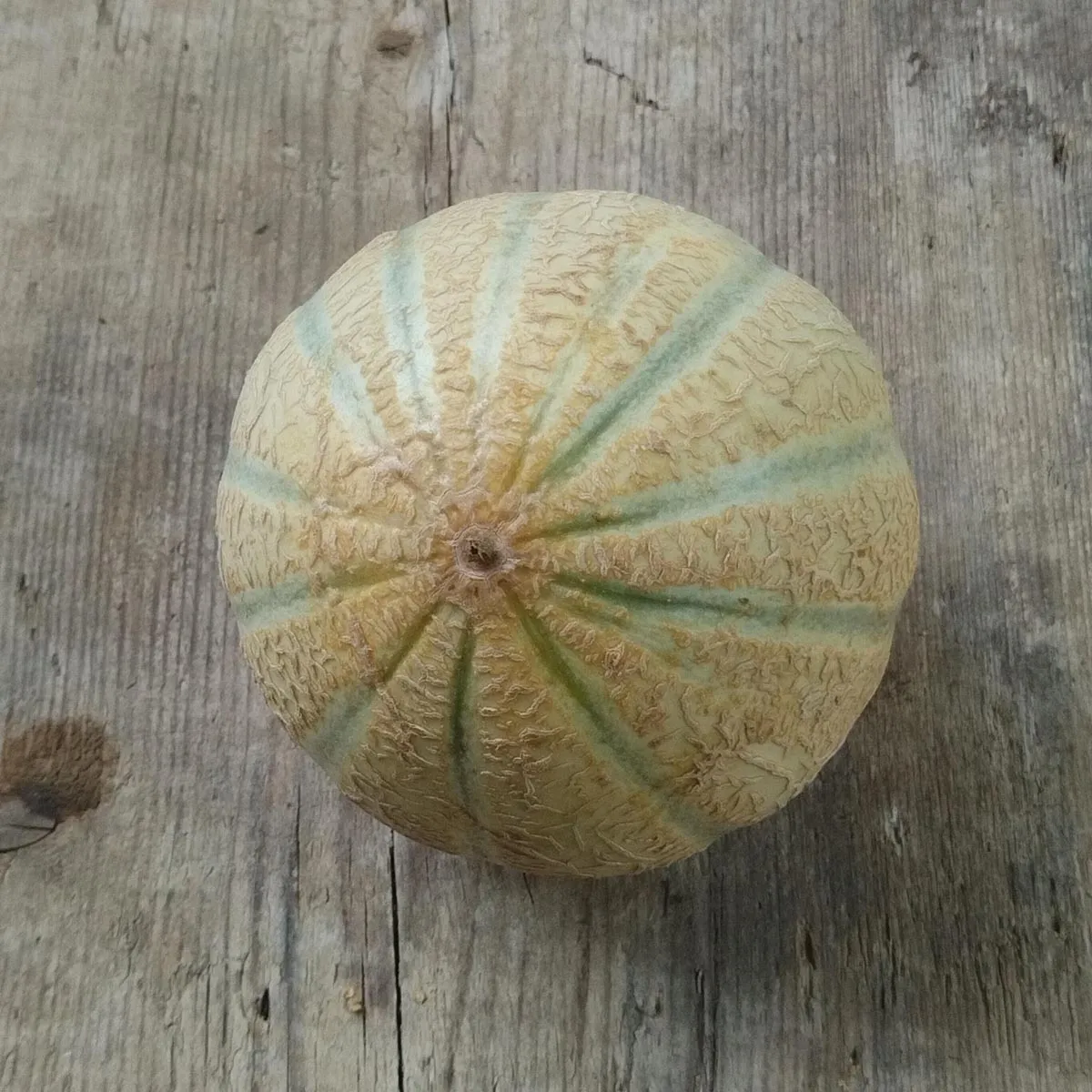
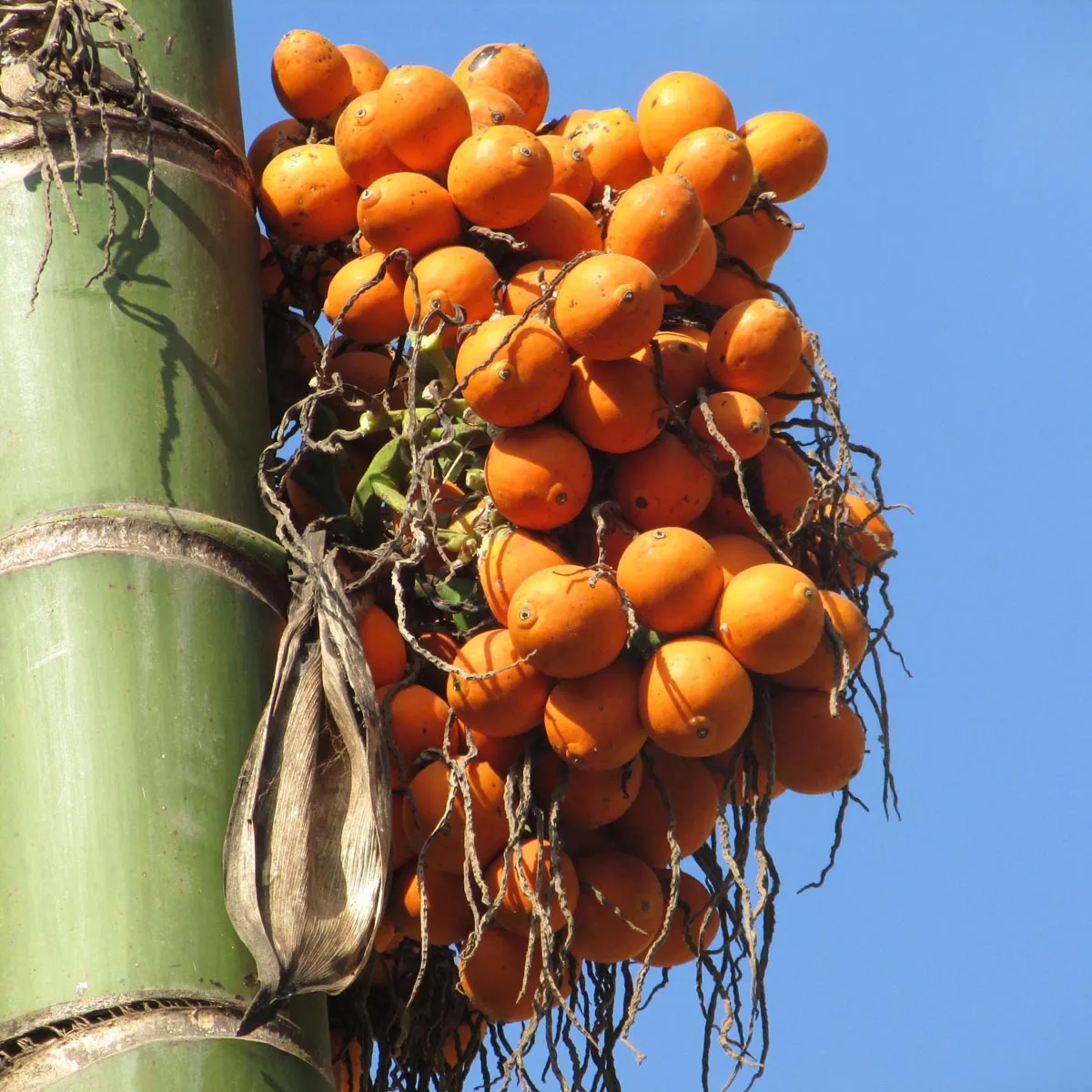
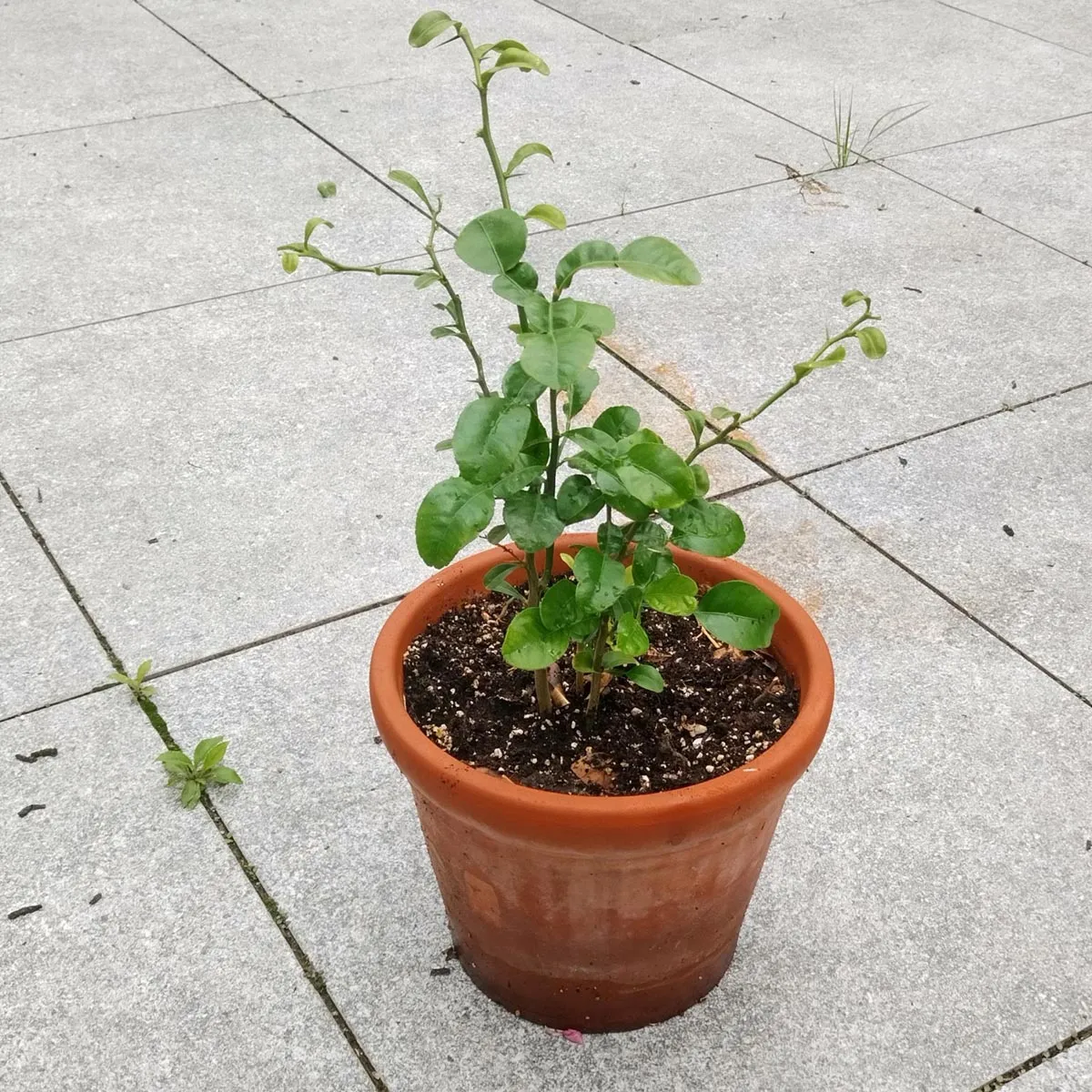
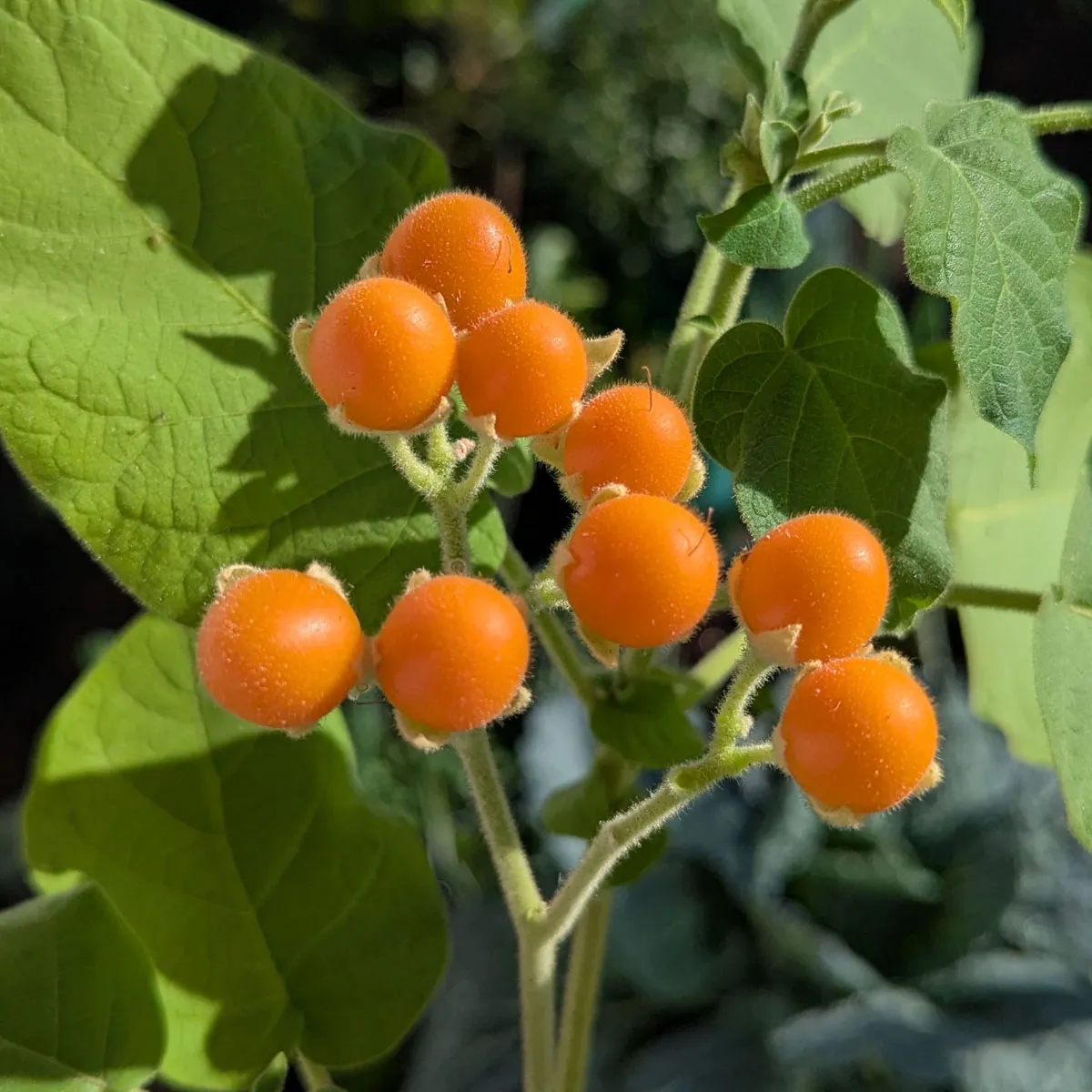
Sowing and growing exotic and southern fruits
Sowing southern and exotic fruits is as varied as the plants themselves. Mediterranean, subtropical and tropical species differ considerably in their heat requirements, germination times and needs for light and moisture. It is therefore worth checking the specific sowing instructions for each species.
Many southern fruits germinate particularly reliably with consistent warmth. A loose, well-drained seed compost and steady moisture without waterlogging provide a good basis. Tropical species often need temperatures well above 20 °C, while Mediterranean woody plants can sometimes germinate at slightly lower temperatures.
After germination, the young plants need as much light as possible. Warmth-loving species can often spend the summer outdoors in a sheltered, sunny spot. Frost-sensitive plants, however, need to be moved indoors, into a greenhouse or into suitable winter quarters in good time. How warm and bright these conditions should be depends greatly on the plant’s origin.
Patience is also required with many fruit plants. Plants grown from seed often need several years before they flower or produce fruit for the first time. As seedlings are genetically individual plants, their eventual fruits will not necessarily have the same characteristics as a known cultivated variety.
Frequently asked questions about southern fruit seeds
What fruits are considered southern or exotic fruits?
“Southern fruit” is not a botanical term. It generally refers to Mediterranean, subtropical and tropical fruits such as citrus fruits, figs, pomegranates, bananas, mangoes or papayas. Which species are included can vary depending on how the term is used.
Can southern fruits be grown from seed?
Yes. Many southern fruits can generally be grown from seed. However, germination temperature, germination time and other requirements vary considerably depending on the species.
What temperature do southern fruit seeds need to germinate?
This depends on the species. Many tropical fruit plants germinate particularly well at temperatures of around 24 to 30 °C. Mediterranean and subtropical species may also germinate at somewhat lower temperatures.
How long do southern fruit seeds take to germinate?
Germination can take anything from a few days to several weeks or months. Seed freshness, temperature, moisture and the particular plant species all have a major influence on germination.
Can southern fruits be grown in Germany?
Yes, although not all in the same way. Some species can grow outdoors in sheltered locations, while others are better suited to containers. Tropical fruit plants often need a warm greenhouse or a very bright conservatory.
Which southern fruits can grow outdoors?
Figs, hardy kiwis, pawpaw and, in some cases, persimmons can be grown permanently outdoors in suitable locations. In addition to winter hardiness, summer warmth, the risk of late frost and the length of the growing season are also important.
Which southern fruits are suitable for containers?
Citrus plants and pomegranates are classic choices for container cultivation. They can spend the summer outdoors and are moved to suitable winter quarters before severe frosts arrive.
Can mango, papaya or banana be grown in Germany?
These tropical species can certainly be cultivated as plants. However, reliable fruit production requires a great deal of warmth, light and often sufficient space. Under normal indoor conditions, the focus is therefore usually on growing the plants rather than on harvesting fruit later.
Do southern fruits grown from seed come true to type?
In many cases, no. Seedlings are genetically individual plants and can differ considerably from the parent plant. Cultivated fruit varieties are therefore often propagated vegetatively when true-to-type plants are required.
How long does it take for southern fruits grown from seed to produce fruit?
This varies greatly by species. Fast-growing tropical plants may flower comparatively early under ideal conditions, while woody plants such as citrus, mango or other fruit trees grown from seed can take several years before producing their first fruit.
Do southern fruits need a greenhouse?
Not necessarily. Many species can spend the summer outdoors or even grow permanently in the open ground. A greenhouse or conservatory, however, greatly expands the possibilities, especially for tropical and very warmth-demanding plants.
How should southern fruits be overwintered?
The correct winter conditions depend on the plant’s origin. Mediterranean container plants often do best in a bright, cool and frost-free place. Tropical species, on the other hand, usually need considerably higher temperatures and as much light as possible even in winter.
Why do southern fruit plants sometimes lose their leaves in winter?
A common cause is an unfavourable balance between temperature and light. If warmth-loving plants are kept very warm in winter, they also need correspondingly high light levels. Lack of light, dry indoor air or overly wet substrate can lead to leaf drop and weakened growth.
Can plants be grown from the seeds of shop-bought exotic fruits?
With some species this is possible, provided the seeds are fully developed and viable. However, the resulting plant may not produce fruit comparable to the one purchased, and in some commercially sold fruits the seeds are immature, sterile or absent altogether.