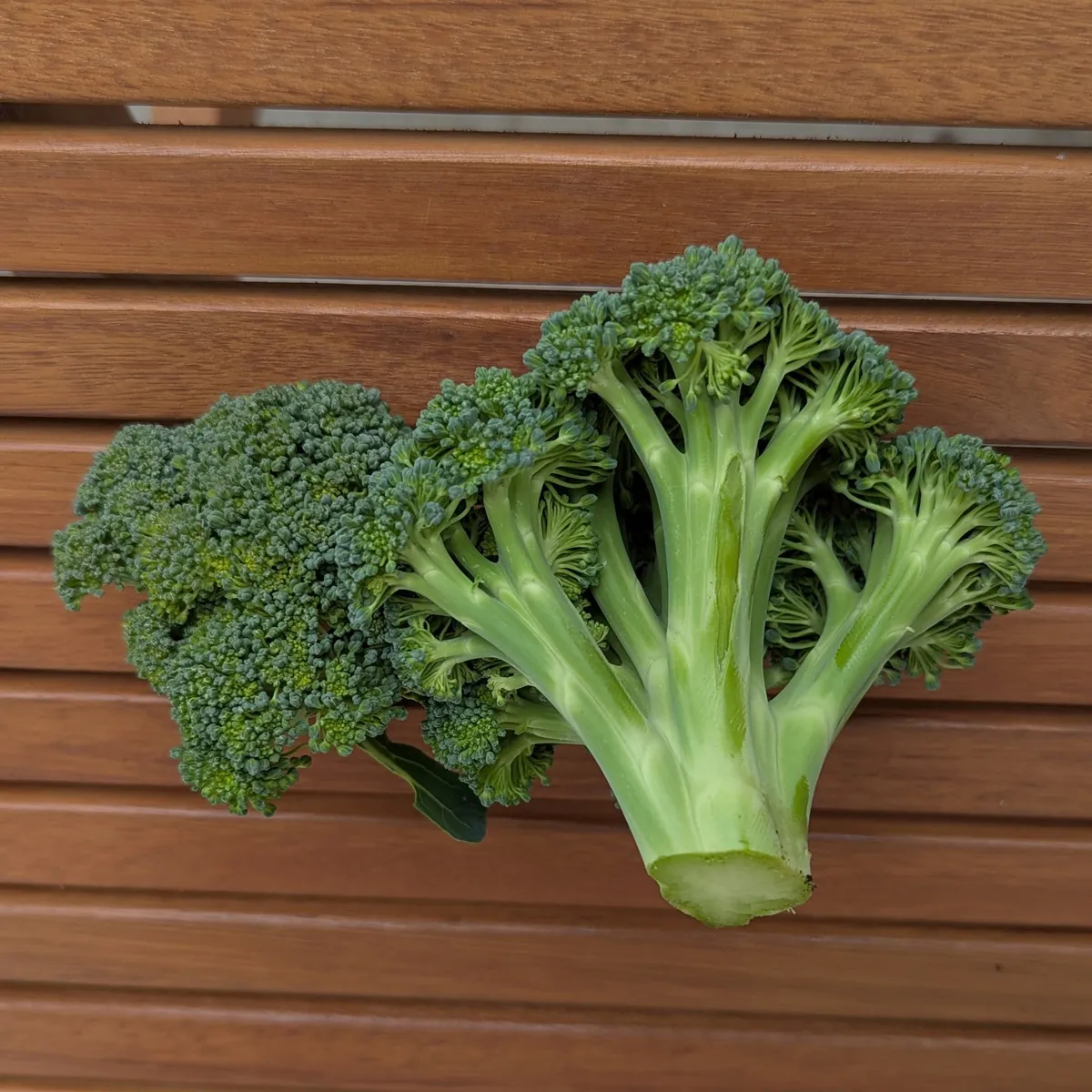
Celebrating self-sufficiency: it doesn't begin with a big garden, but with a seed
The Grow-your-own-food
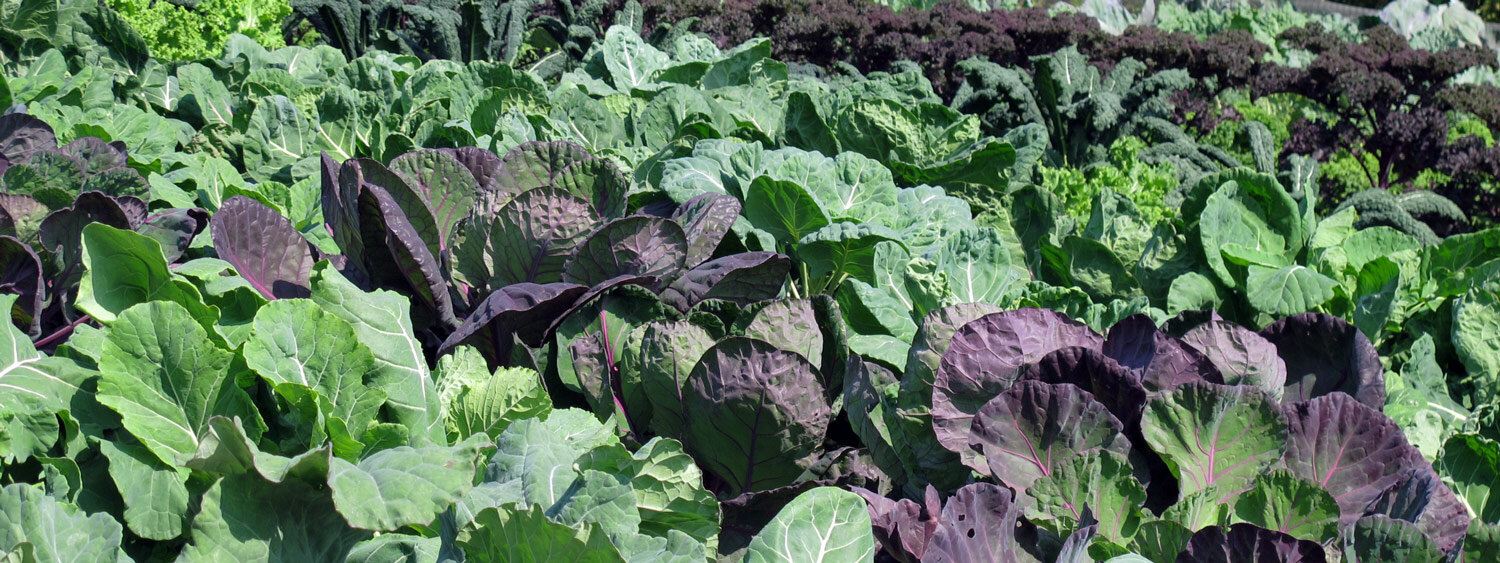
Self-sufficiency doesn't have to be perfect. It is allowed to start small. With a pot of basil, a few tomatoes on the balcony or a bed full of heirloom vegetable varieties. And it gives us something that goes far beyond the harvest: appreciation, patience, flavour and a new connection to nature.
Self-sufficiency often sounds like a big promise. Like lavish vegetable gardens, full pantry shelves, preserving jars, potato cellars and a daily life that gets by almost without a supermarket. For some people, that is exactly a wonderful goal. For many others, though, it quickly feels like pressure: too little space, too little time, too little experience.
And yet self-sufficiency begins much more quietly.
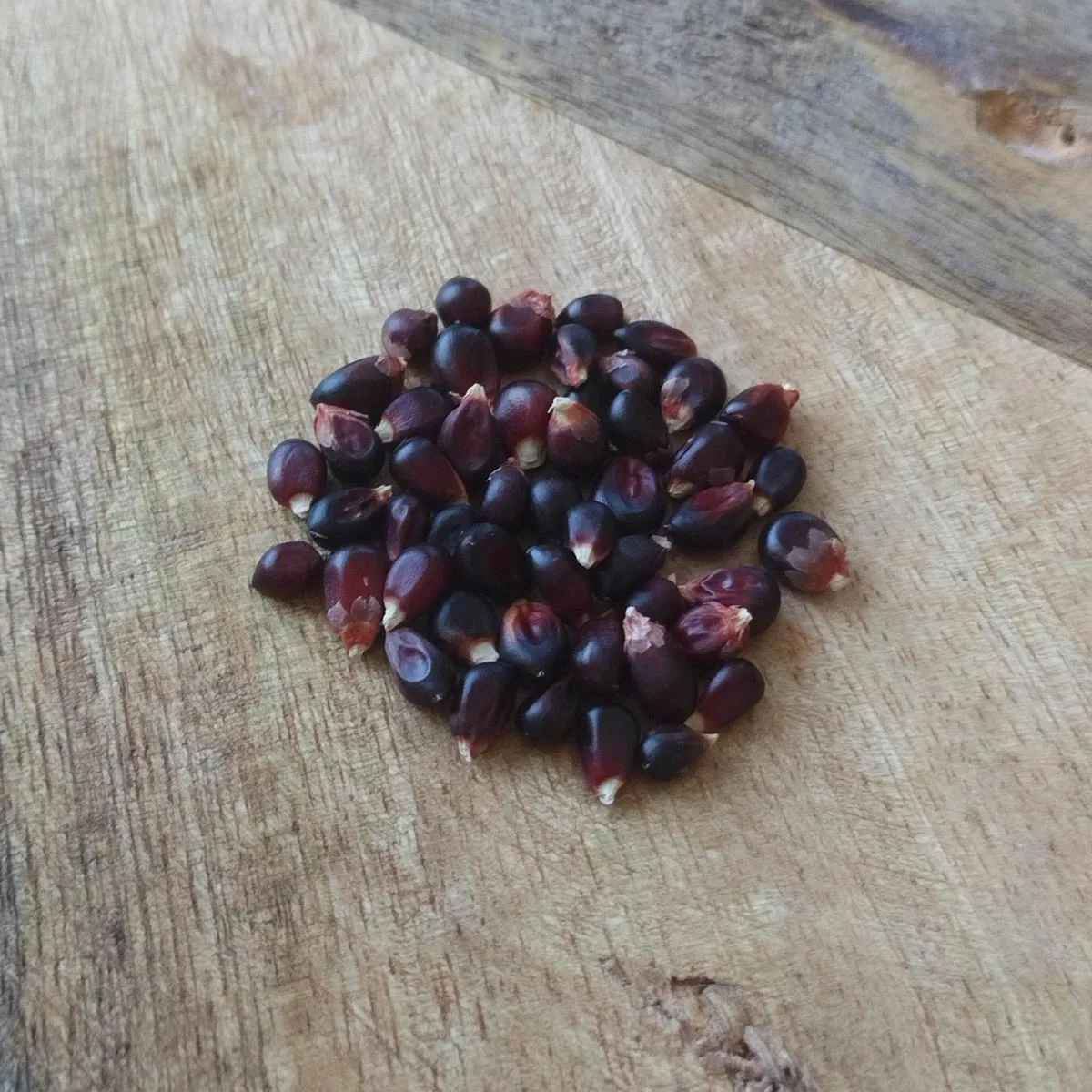
With a seed in your hand.
With a pot of basil on the windowsill.
With a few tomatoes on the balcony.
With marigolds between the vegetables.
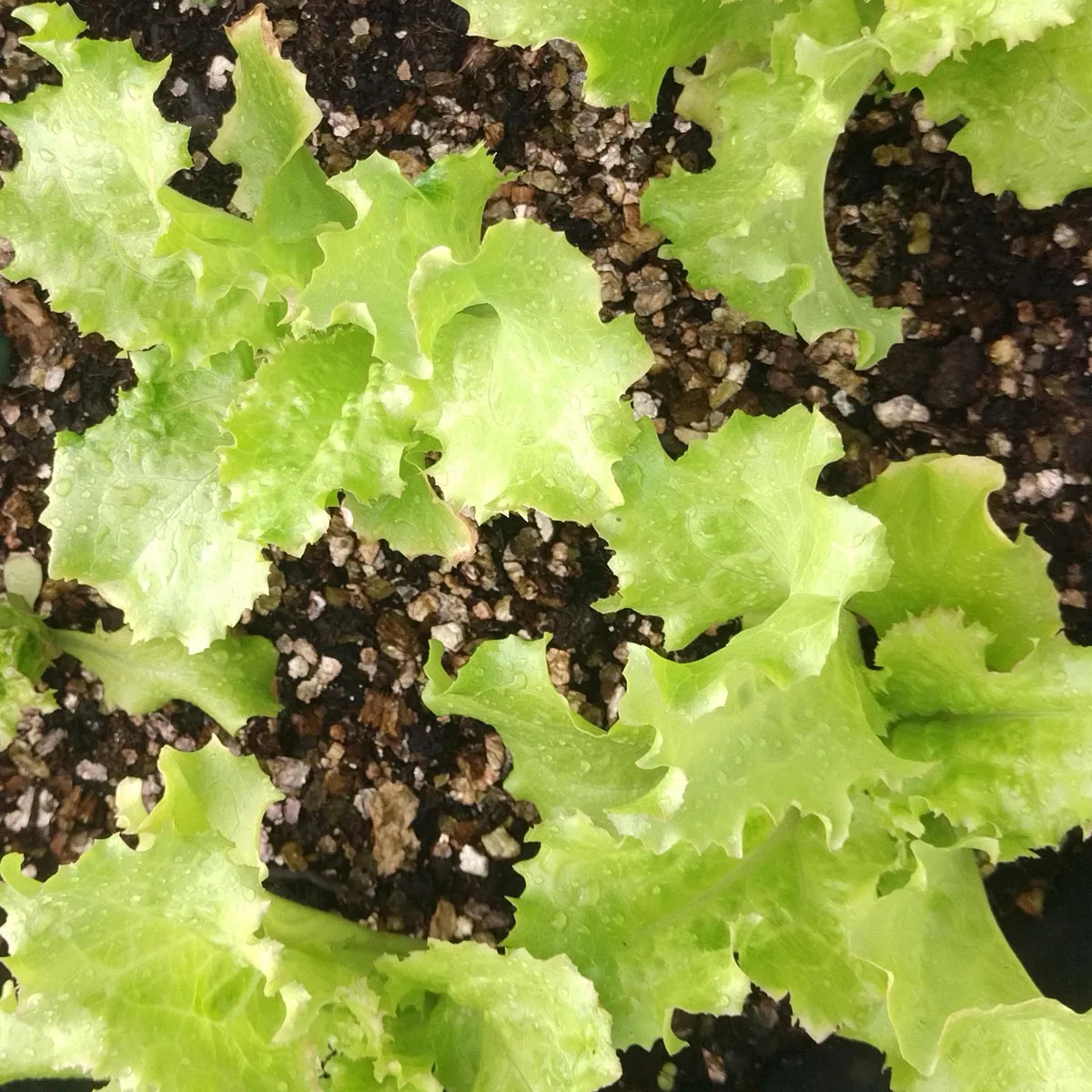
With the first lettuce leaf you harvested yourself.
Self-sufficiency doesn't have to be complete. It is allowed to start small. It is allowed to grow. And above all, it is allowed to bring joy.
Self-sufficiency today: less ideal, more connection
Today, for many people, self-sufficiency does not mean withdrawing completely from everything. It is not about managing everything alone or never buying anything again. Rather, it is about a new, old connection: to what nourishes us. To earth, water, seasons, plants and seeds.
A small herb pot can create this connection just as well as a large cottage garden. Anyone who has once experienced how a tiny seed becomes a strong plant understands food differently. You no longer see only the finished product. You see time, patience, weather, care and vitality.
That is exactly where the magic lies: self-sufficiency brings us back into a natural rhythm. It reminds us that we are not only consumers, but part of a cycle.
There is room for this in the city, too. A balcony, a back yard, a windowsill or a community garden can become small places of self-sufficiency. It doesn't take much to begin. Just a seed, some soil, light, water and the willingness to look closely.
Why self-sufficiency does you so much good
Self-sufficiency is not only practical. It changes how we look at food.
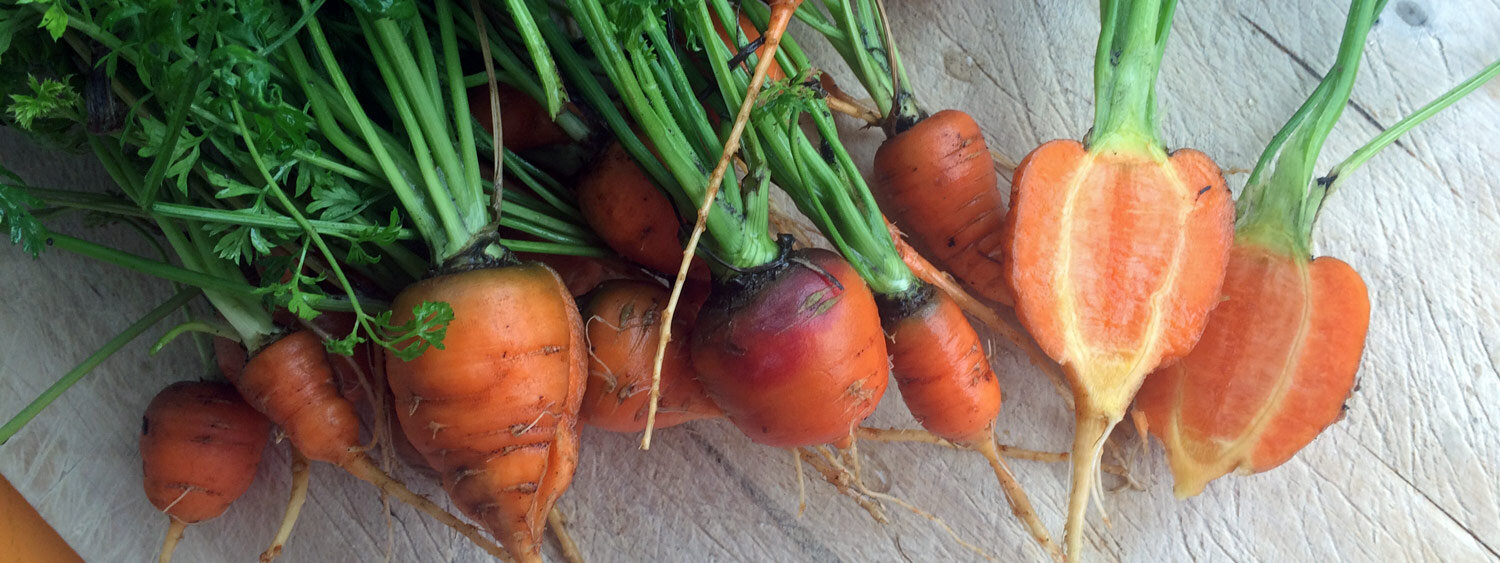
Anyone who sows a carrot, tends it and finally pulls it out of the ground suddenly understands how much work goes into a single item of food. A carrot begins as a tiny seed, almost inconspicuous. Then it needs loose soil, moisture, light, space, time and patience. Perhaps it has to be thinned out. Perhaps a dry spring comes along. Perhaps it grows crooked, forked or much smaller than expected.
And at some point you pull it out of the ground.
In that moment you are not simply holding a carrot in your hand. You are holding weeks full of growth, care, waiting and garden happiness in your hand. That is humbling. Not small in a bad sense, but connected. You begin to understand how much work, weather, soil life and vitality go into a single item of food.
This experience changes how we look at the shopping basket. At leftovers. At crooked vegetables. At the value of soil.
Self-sufficiency teaches us appreciation, not as an abstract idea, but in a very practical way, with soil under your fingernails.
The taste of your own harvest
And then, of course, there is this other, very simple reason: it tastes good.
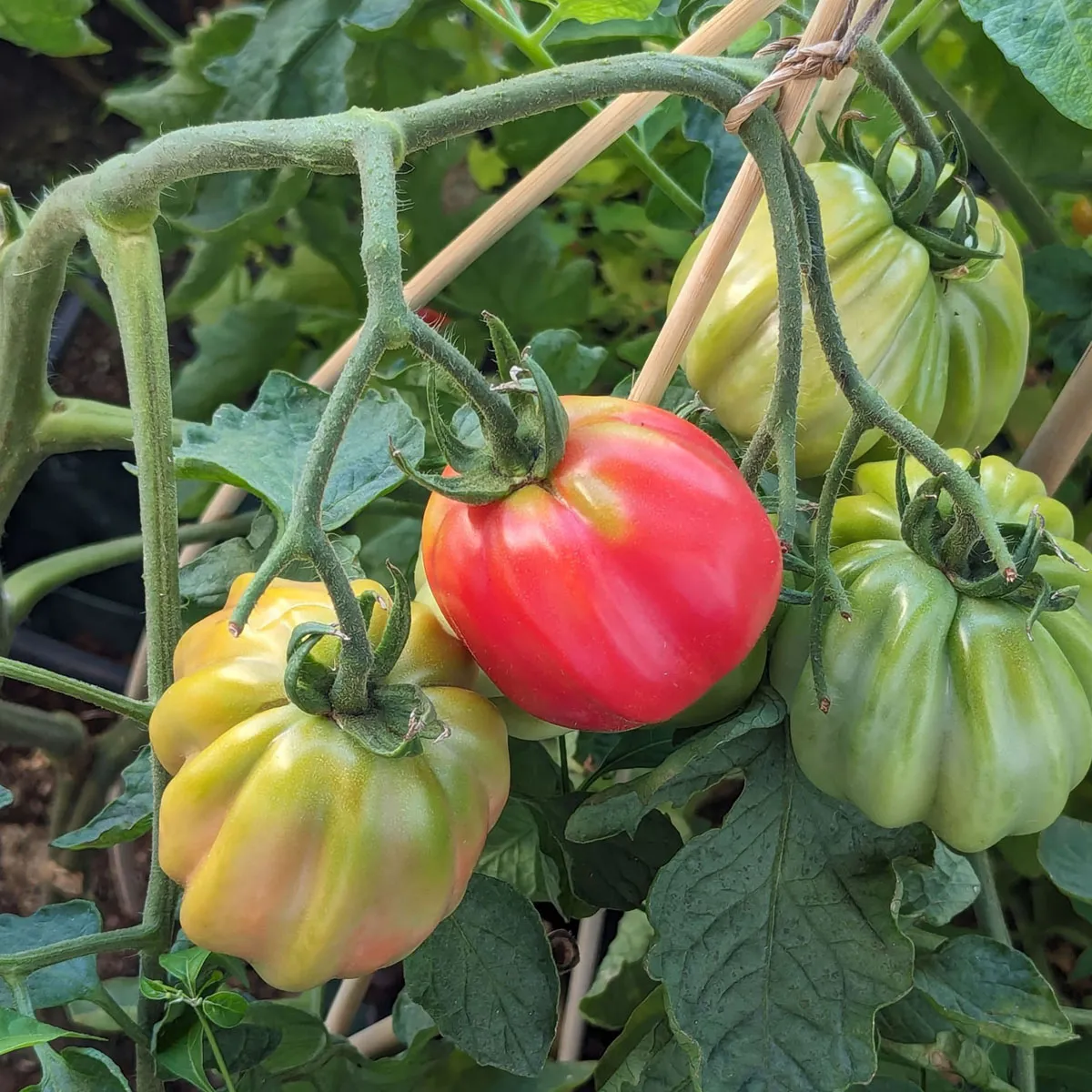
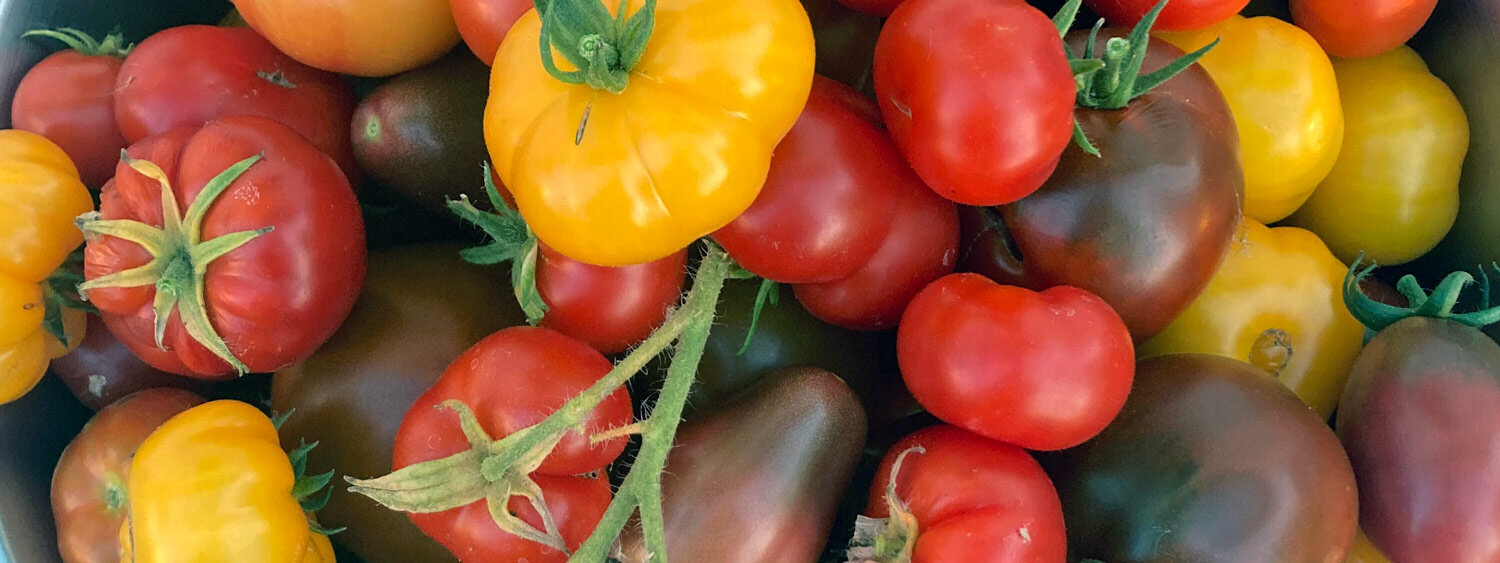
A sun-warmed tomato straight from the garden is a small miracle. Harvested fully ripe, fragrant, soft, aromatic, sweet and savoury at once. Anyone who has once eaten a tomato like that understands immediately why home-grown vegetables can make us so happy.
Many fruits and vegetables from the shops have to survive long journeys. They are meant to look uniform, keep well and withstand transport undamaged. In the garden, a tomato can stay until it is truly ripe. It doesn't have to travel. It doesn't have to look perfect. It is simply allowed to develop flavour.
That is perhaps one of the loveliest luxury moments of self-sufficiency: no longer looking for the prettiest, biggest or most flawless, but for the ripest. The most alive. The one that wants to be harvested right now.
Your own harvest also tastes different because it has a story. You still remember when you sowed. You remember the first seed leaves. The daily watering. The moment the first flower appeared. Flavour is then not just aroma, but memory.
Every pot counts
Perhaps you don't have a garden. Perhaps just a sunny windowsill. Perhaps a balcony with room for just three pots. That is enough.
A pot of chives can change your breakfast.
A tomato plant in a container can keep you company all summer.
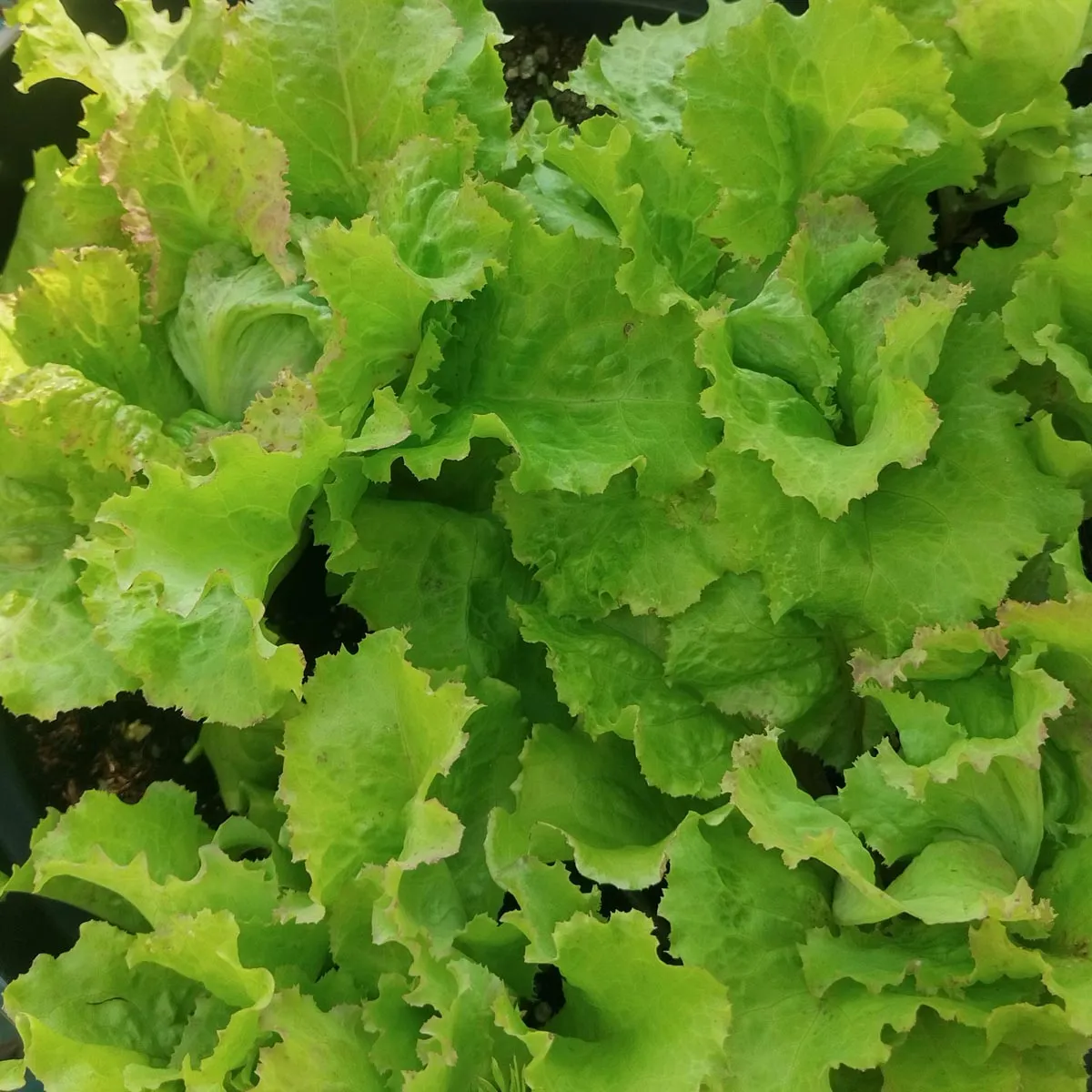
A box of loose-leaf lettuce can show you how quickly fresh greens grow back.
A few herbs can turn a simple meal into something of your own.
Self-sufficiency begins where you are. Not where you believe you first have to be.
Herbs in particular are wonderful plants to start with. They often need little space, can be used fresh, dried, or made into herb salt, tea and flavoured oil. So a few plants become a small store that tastes of summer long after it has gone.
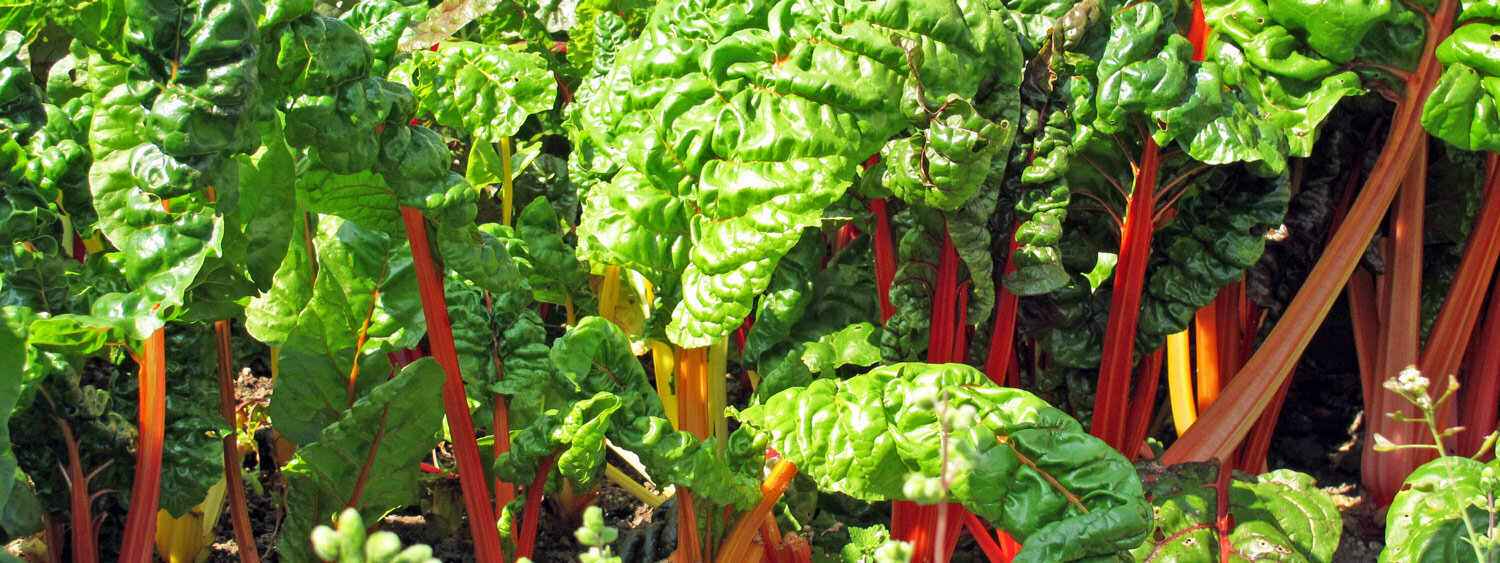
Edible flowers, loose-leaf lettuces, radishes, chard or bush tomatoes are also well suited to small spaces. They show success quickly and give you the courage to go further: pot by pot, season by season.
Heirloom varieties, new freedom
Anyone who grows their own can make decisions that in the supermarket have often long since been made for us. Which tomato will it be? A yellow one, a black one, a striped one? Which lettuce do you really like? Which bean grows well in your garden? Which flower should not only look beautiful, but also feed insects?
Heirloom and open-pollinated varieties open a special door here. They carry stories within them. They preserve diversity. And they give us the chance to save seeds ourselves again and pass them on.
For Magic Garden Seeds, this is very much a matter close to the heart: open-pollinated seeds, variety and species diversity and the sharing of plant knowledge are among our core values. Our own story, too, began with the search for special herbs, medicinal plants and historic vegetable varieties that were barely available at the time.
So self-sufficiency also means: preserving diversity. Not only for ourselves, but for future generations of gardeners.
What you learn from growing your own
Self-sufficiency is a quiet teacher. It shows us things that no guidebook can fully explain.
- Patience, because plants follow their own rhythm.
- Trust, because not every seed germinates visibly right away.
- Humility, because weather, soil and seasons always have a say.
- Creativity, because a rich courgette harvest calls for new recipes.
- Composure, because not everything succeeds, and yet next year you are allowed to sow anew.
- Gratitude, because a salad of your own is suddenly no longer taken for granted.
And perhaps you will also learn to look after yourself differently: more slowly, more mindfully, more kindly.
Because anyone who gardens is not only practising how to grow plants. You practise relationship. With a place. With a season. With the small things that grow every day.
Self-sufficiency is also appreciation
Anyone who sows, tends and harvests their own food often no longer throws it away so easily. A crooked carrot from your own bed is not a flaw. A small tomato is not a reject. A nibbled leaf sometimes simply tells you that other creatures live in the garden, too.
This appreciation is more important than ever. Because in our modern food world, much is available at any time. Strawberries in winter, tomatoes all year round, herbs in plastic trays. Your own garden reminds us that food actually has a season. A place. A time. A rhythm.
Self-sufficiency can be a gentle counter-proposal. Not preachy, but practical. Anyone who has grown their own learns to look more closely: What can still be used? What can be dried? What becomes soup, pesto, tea, stock or compost?
Compost is self-sufficiency, too. Leftovers become soil. Soil becomes new life.
A garden nourishes more than the body
Of course it is wonderful to harvest your own herbs, lettuces, tomatoes, beans or flowers. But self-sufficiency goes deeper. A garden doesn't only provide us with food. It provides us with calm. With wonder. With patience. With the feeling of doing something meaningful with our hands.
Sometimes the most important harvest is not edible.
Perhaps it is the moment in the morning when you water your plants. Perhaps the scent of basil on your fingers. Perhaps the humming of insects in the marigold. Perhaps the realisation that not everything has to be available immediately in order to be valuable.
A garden can be a sheltered place. A place for knowledge, trust, awareness and devotion. A place where we are allowed to feel like living, natural beings again.
This is how self-sufficiency becomes care: for you, for your surroundings and for the small ecosystems right outside your door.
Start small. But start.
You don't have to be able to do everything. You don't have to be self-sufficient. You don't have to have a perfect garden.
Sow something. Observe. Learn. Harvest. Try again.
One seed is enough to begin.
Perhaps this year you will supply yourself with fresh herbs. Perhaps with edible flowers. Perhaps with tomatoes on the balcony, lettuce from the raised bed or seeds for next year. Perhaps you will also simply supply yourself with a few quiet minutes among your plants.
That counts, too.
Because self-sufficiency doesn't begin with a big garden.
It begins with a seed.