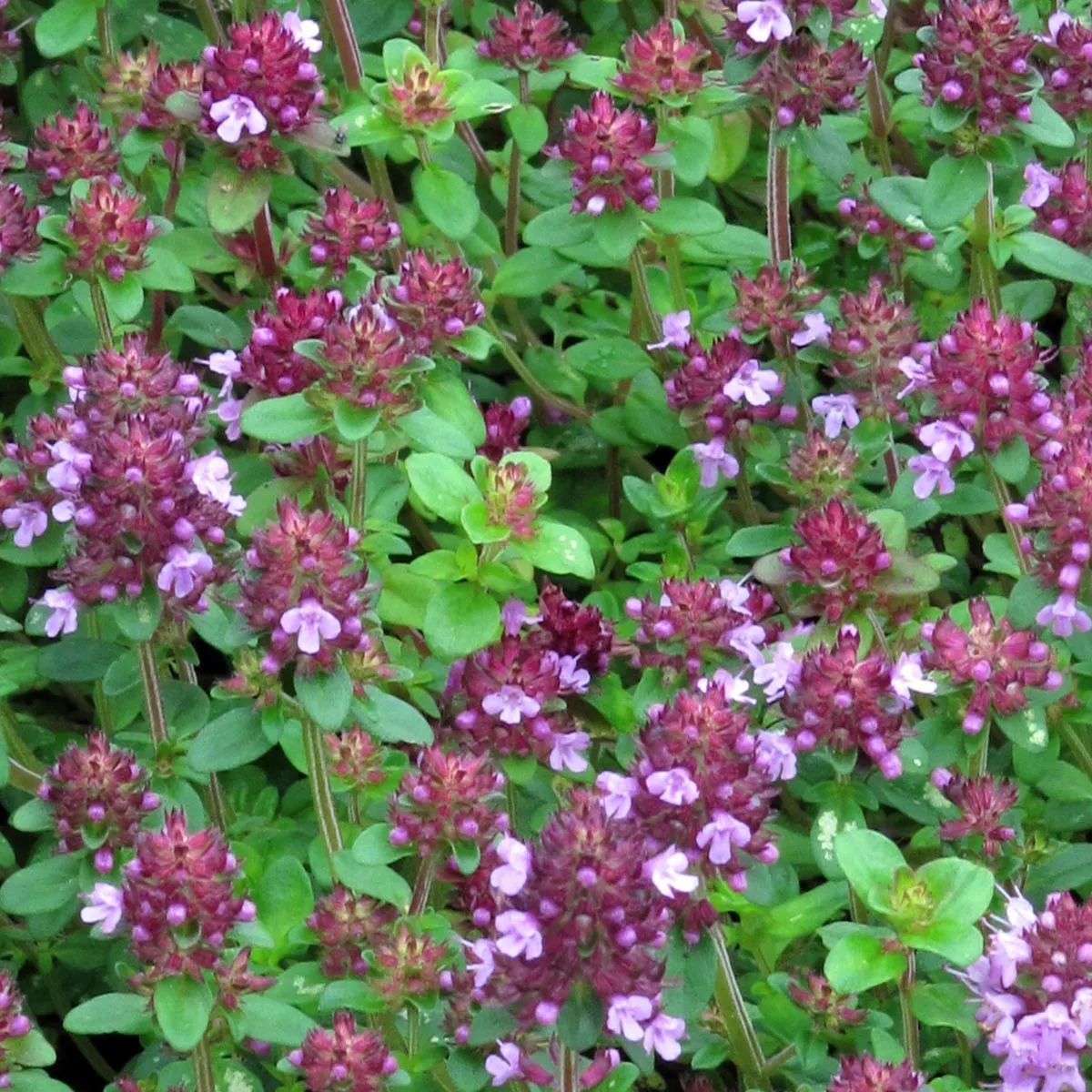
Food for Beneficial Insects in September: These Plants Make the Difference
Gardening Knowledge
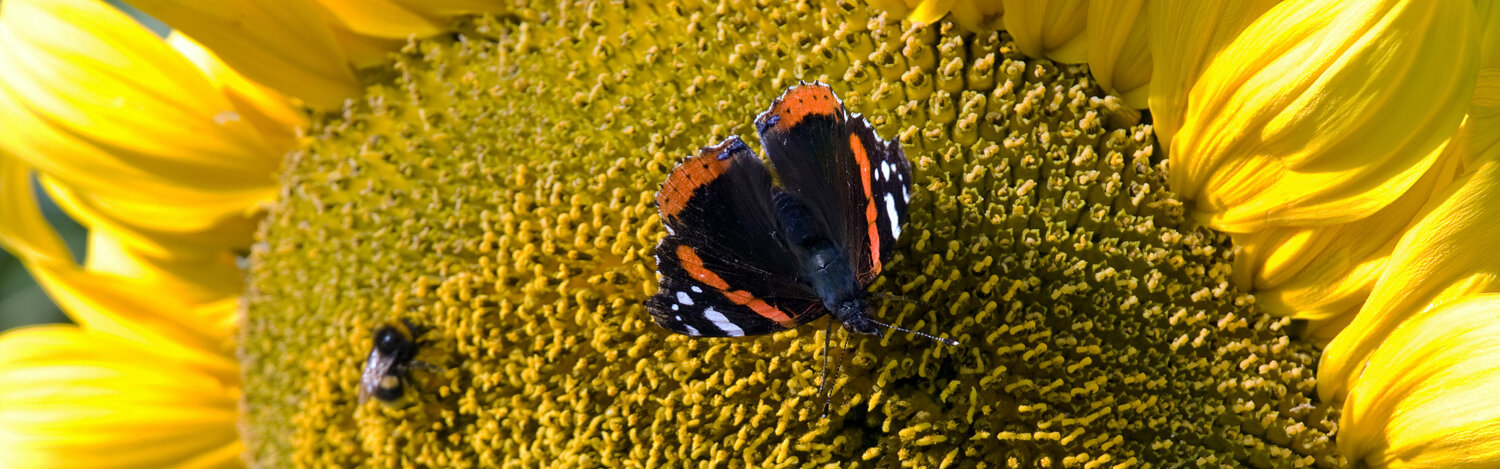
Late summer is a quiet beauty, but also a critical time for many beneficial insects. While most garden flowers fade and the fruit harvest slowly comes to an end, wild bees, bumblebees, butterflies, hoverflies and birds are looking for the last sources of food before winter.
With the right plants, you can turn your garden into a late-summer paradise for insects and birds and actively help preserve biodiversity at the same time. We introduce five outstanding plants and give you an extensive list of further species that you can deliberately encourage in your garden.
Five plants that are especially useful in September
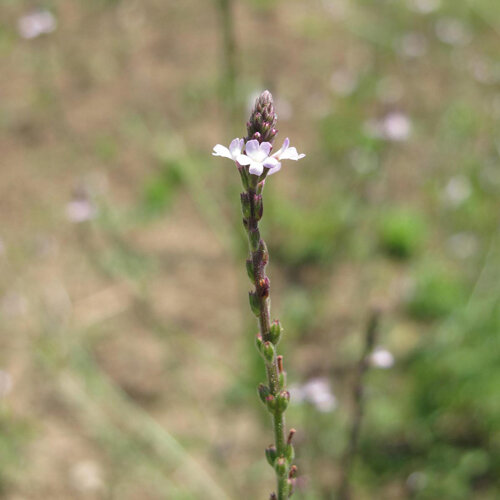
1. Common vervain (Verbena officinalis)
Fine, delicate and yet powerful: common vervain is a valuable late bloomer for bees, butterflies and moths. Its small violet flowers remain popular well into October. Known and revered in natural medicine, it looks especially good in the garden in natural corners or at a sunny bed edge.
Magical bonus: Vervain has always been regarded as a magical plant, a beautiful symbol of the bond between people and nature.
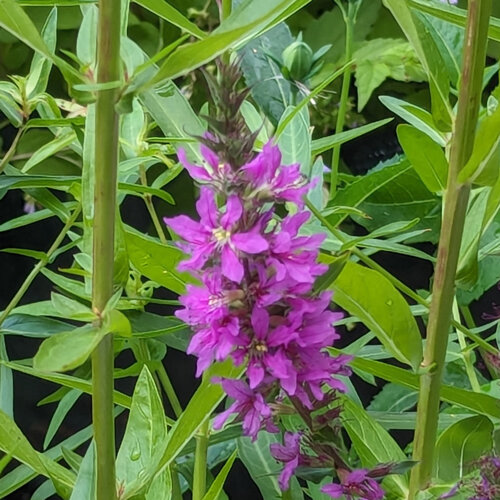
2. Purple loosestrife (Lythrum salicaria)
With its bright purple spikes, purple loosestrife draws all eyes, and countless insects as well. It loves moister spots and is ideal for mini wetland habitats, pond edges or heavy soils. Its late flowering helps wild bees and butterflies through a lean time.
Tip: Also very attractive as a structural plant in the wild corner of the garden.
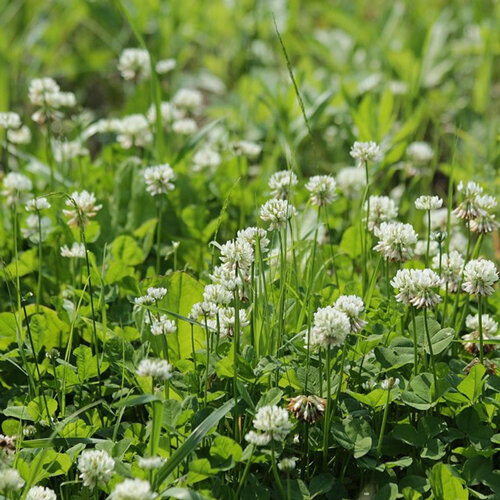
3. White and red clover (Trifolium repens & pratense)
Clover in the lawn? Yes, please! Clover is one of the most valuable forage plants for insects in late summer. Bumblebees in particular love it. At the same time, it improves soil quality by fixing nitrogen, making it an ideal green manure and bee pasture in one.
Gardening trick: Simply mow part of the lawn less often, and marvel at how life returns.
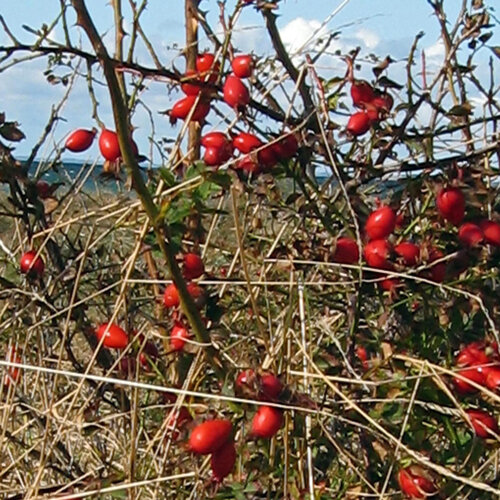
4. Dog rose (Rosa canina)
After its flowering season in early summer, the dog rose shows its second strength in autumn: its bright red rosehips. These are not only a valuable food source for birds, but also offer shelter to many small animals among their thorny branches.
Beautiful as a bonus: Its wild form brings structure to natural gardens and can be used beautifully as a living hedge.
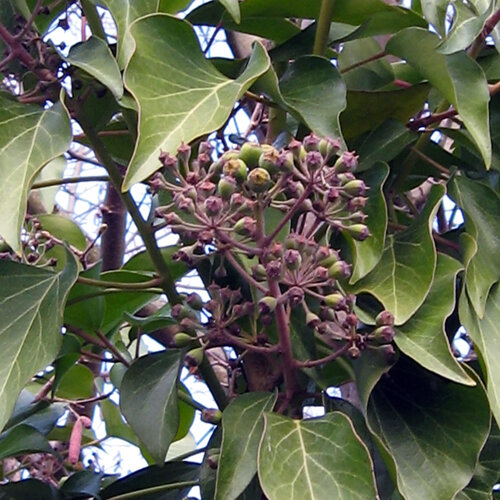
5. Ivy (Hedera helix)
It is often underestimated, but it is a true late bloomer: from the end of September, the inconspicuous yellow-green flowers of ivy appear, and they are then one of the very last nectar sources of the year. Ivy is an eldorado for late wild bees, hoverflies and wasps.
Jack-of-all-trades: In winter, its berries provide food for birds, and the dense foliage is a wintering place for insects and hedgehogs.
Overview: More useful plants in September
Here you will find a list of further plants that provide valuable services for animals in late summer, whether through late flowers, fruit-bearing structures or habitat quality:
| Plant | Useful for | Useful part of the plant in September |
|---|---|---|
| Ivy (Hedera helix) | Late wild bees, wasps, hoverflies | Flowers (Sept. to Oct.), later berries for birds |
| Dog rose (Rosa canina) | Birds, small mammals, wild bees | Rosehips, branches as shelter |
| Common vervain (Verbena officinalis) | Wild bees, butterflies | Flowers (until October) |
| Purple loosestrife (Lythrum salicaria) | Bees, butterflies and moths | Flowers (until autumn) |
| Red and white clover (Trifolium spp.) | Bumblebees, bees | Flowers (continuous with mowing) |
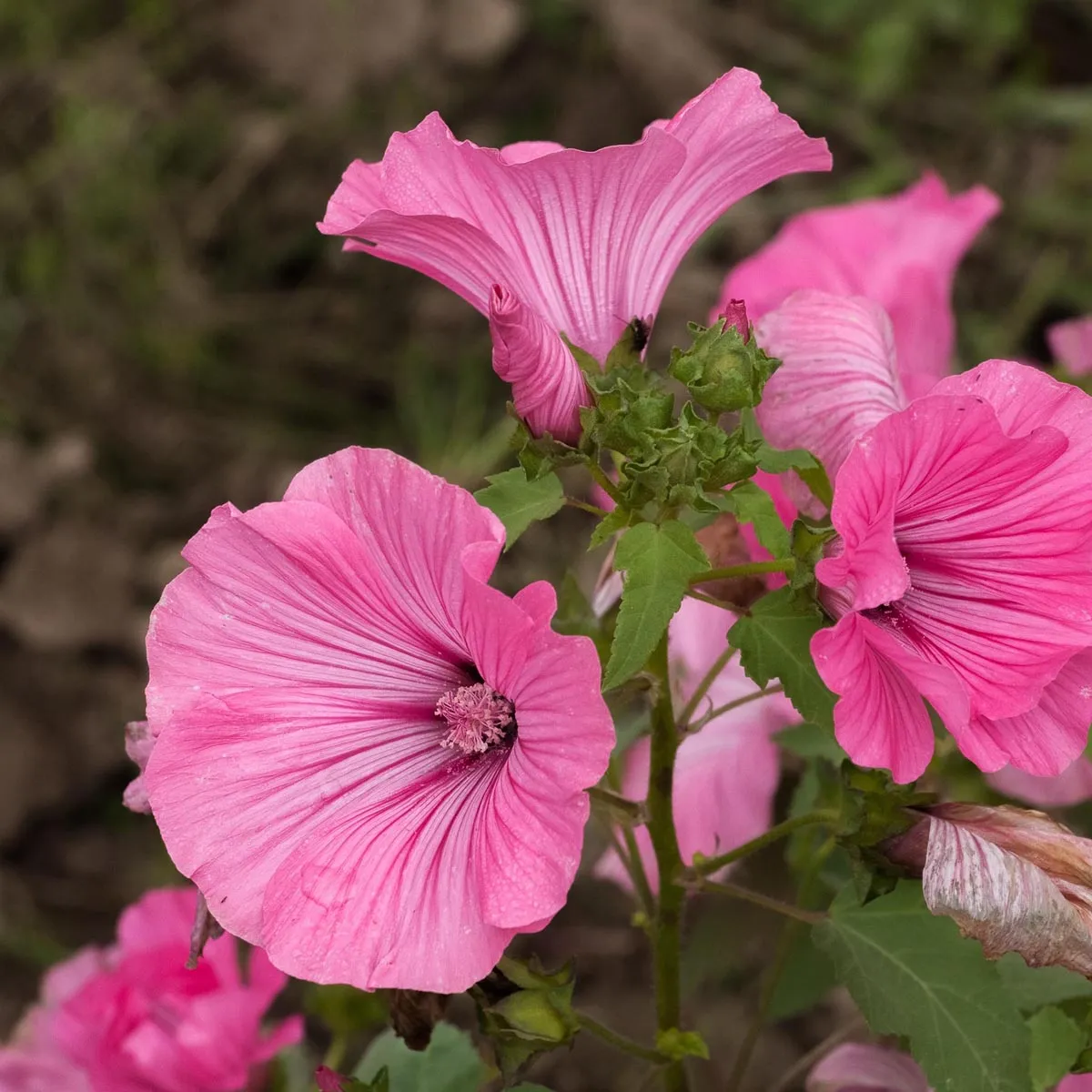
| Mallow (Malva sylvestris/zebrina) | Bees, bumblebees | Flowers (until frost) |
| Sunflower (Helianthus annuus) | Bees, birds | Flowers, later seed heads for birds |
| Field eryngo (Eryngium campestre) | Wild bees, beetles | Flowers + structure as habitat |
| Serviceberry (Amelanchier spp.) | Birds, insects | Fruit (partly harvested), provides structure |
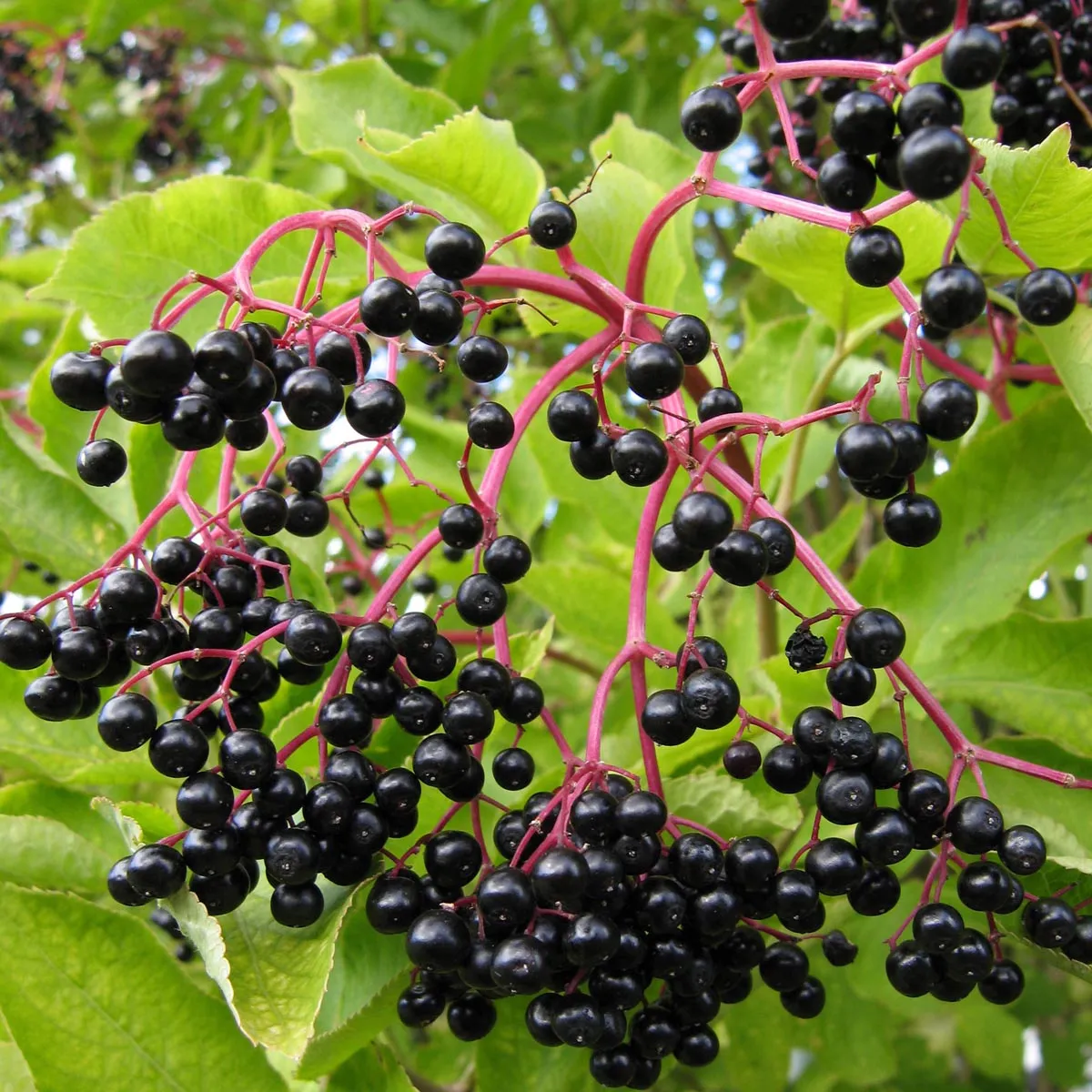
| Elder (Sambucus nigra) | Birds, insects | Berries (in September) |
| Nasturtium (Tropaeolum majus) | Bumblebees, bees | Flowers (until frost) |
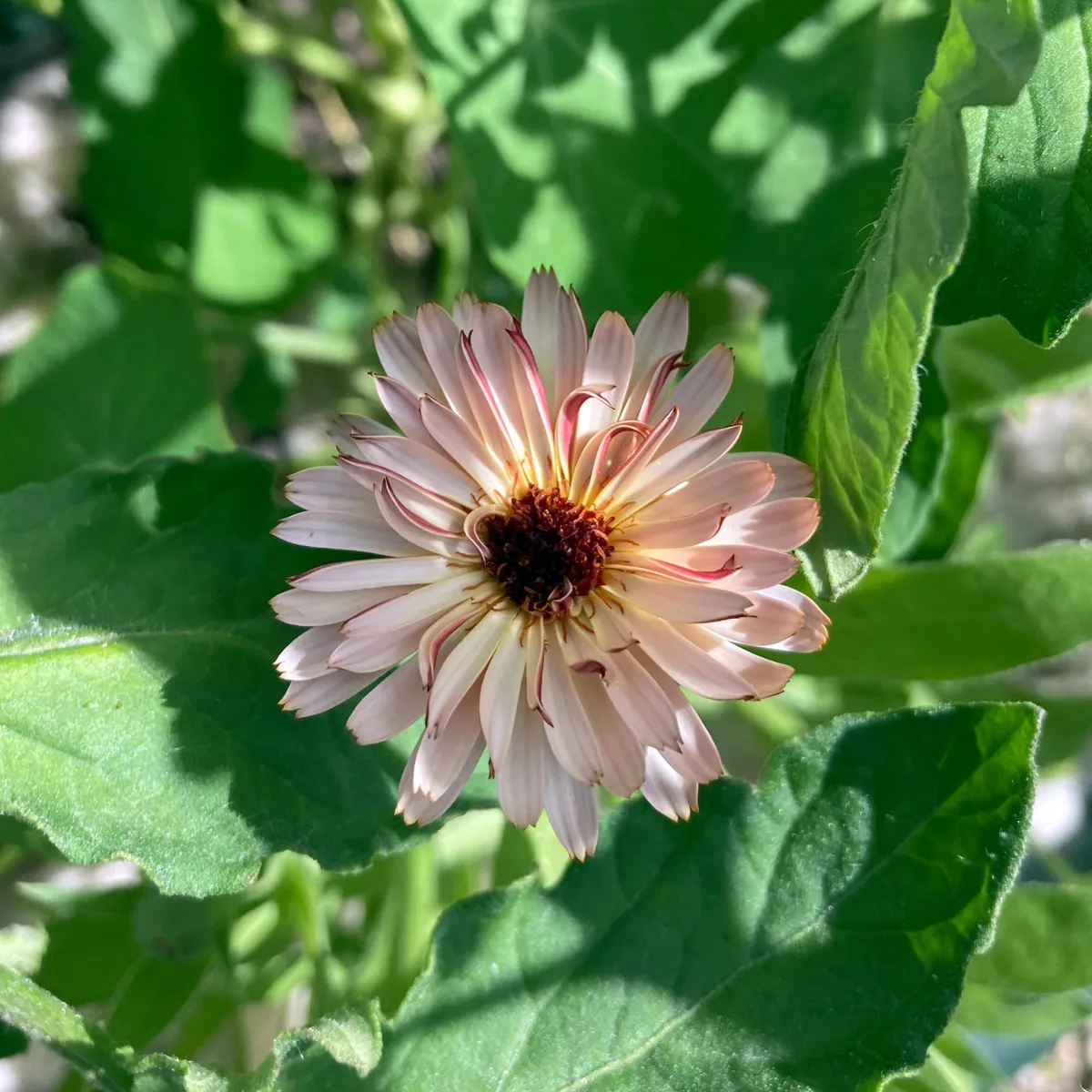
| Pot marigold (Calendula officinalis) | Bees, hoverflies | Flowers (with cutting) |
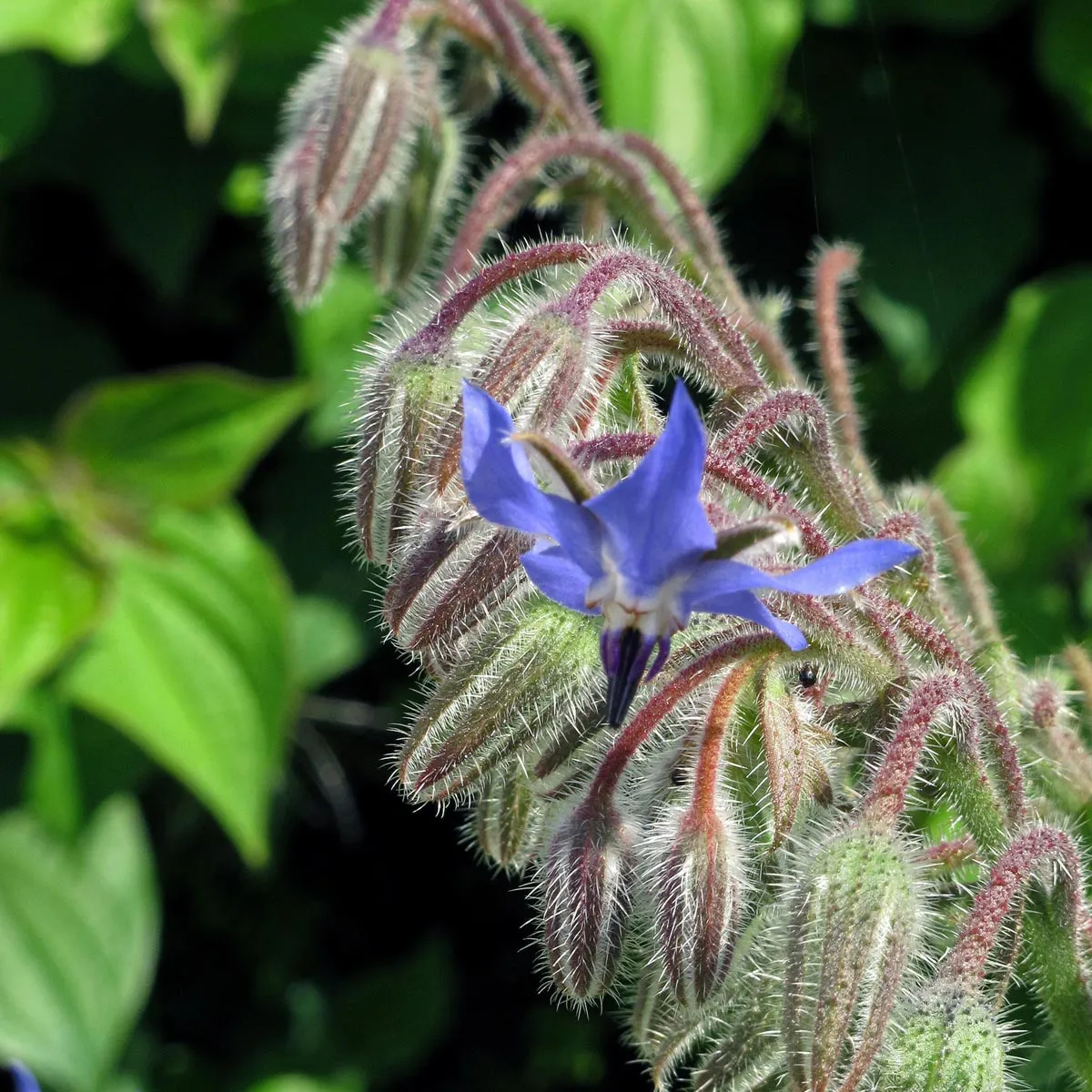
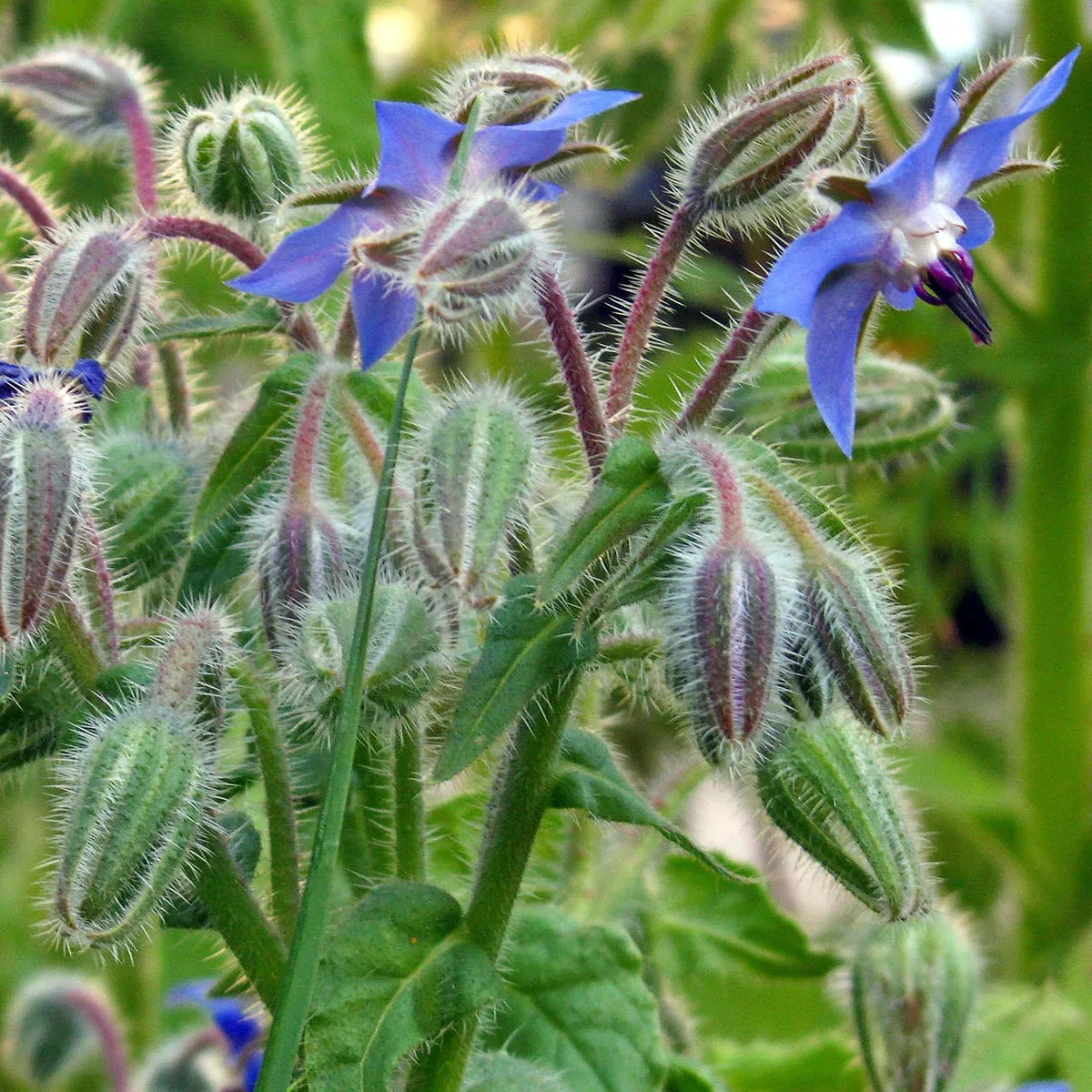
| Borage (Borago officinalis) | Bees, bumblebees | Flowers (can be resown) |
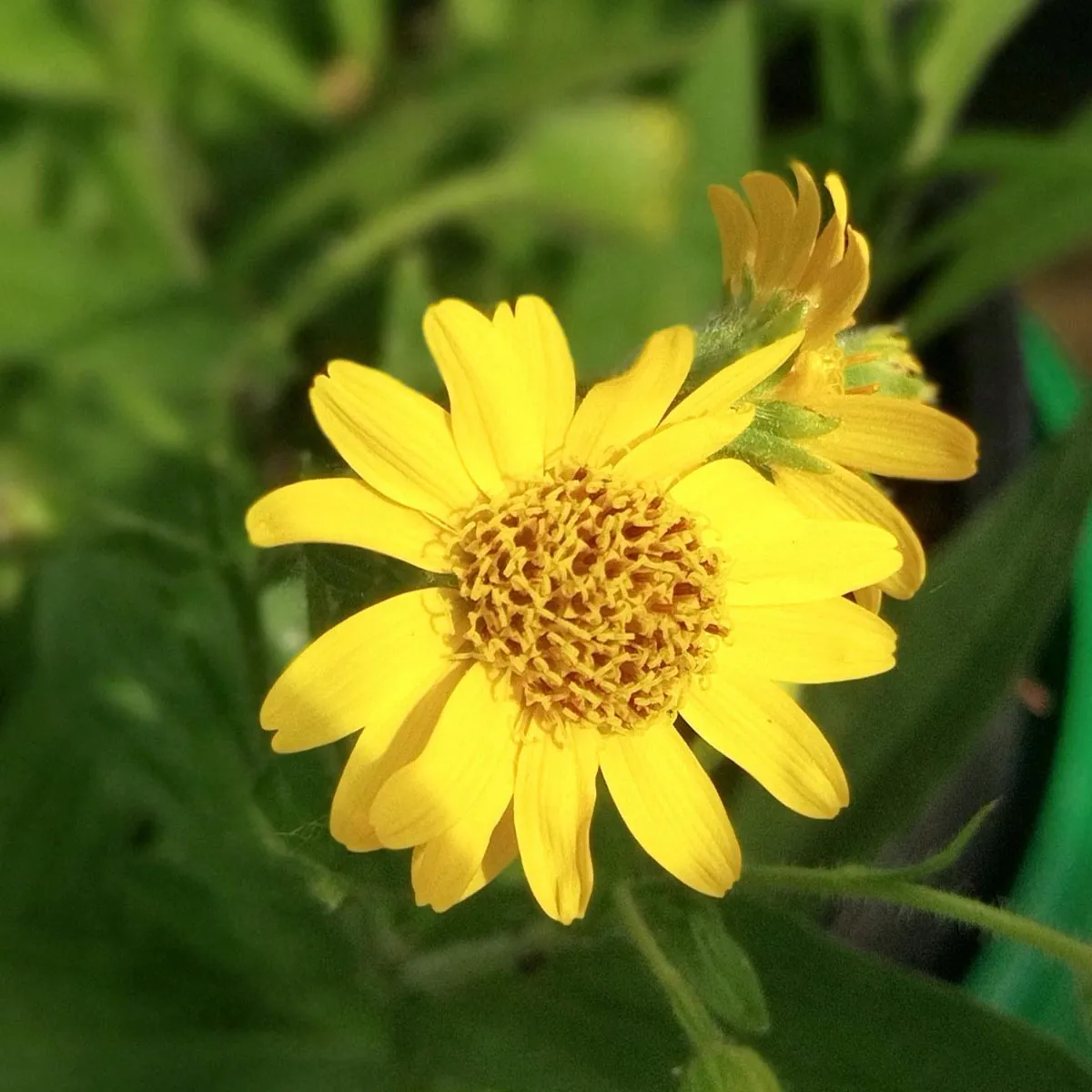
| Dyer's chamomile (Anthemis tinctoria) | Wild bees, hoverflies | Flowers (into autumn), also as a cut flower |
| Lavender (Lavandula spp.) | Bees, butterflies | Late remaining flowers, structure for overwintering |
| Thyme (Thymus vulgaris) | Bees, beetles | Late flowers, evergreen |
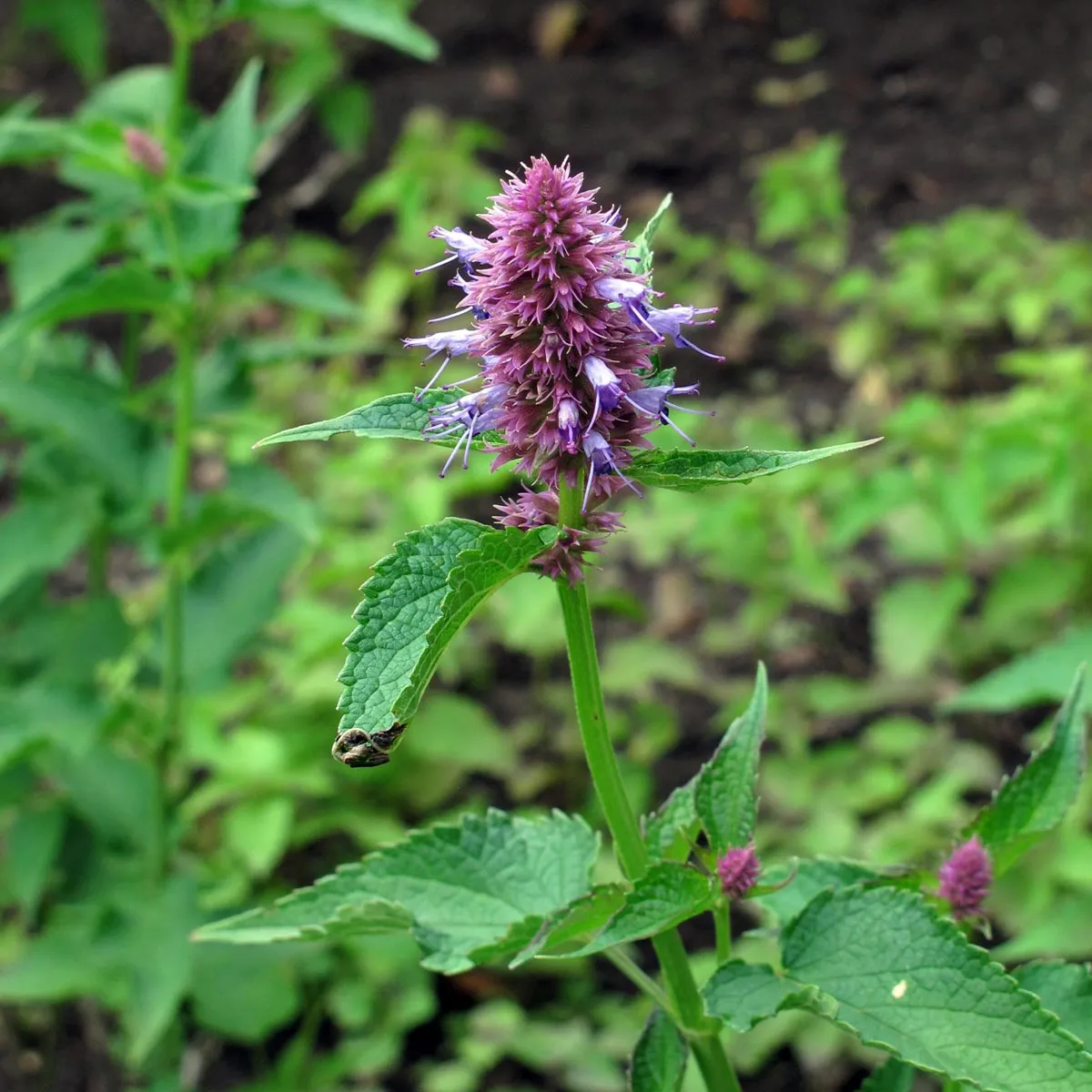
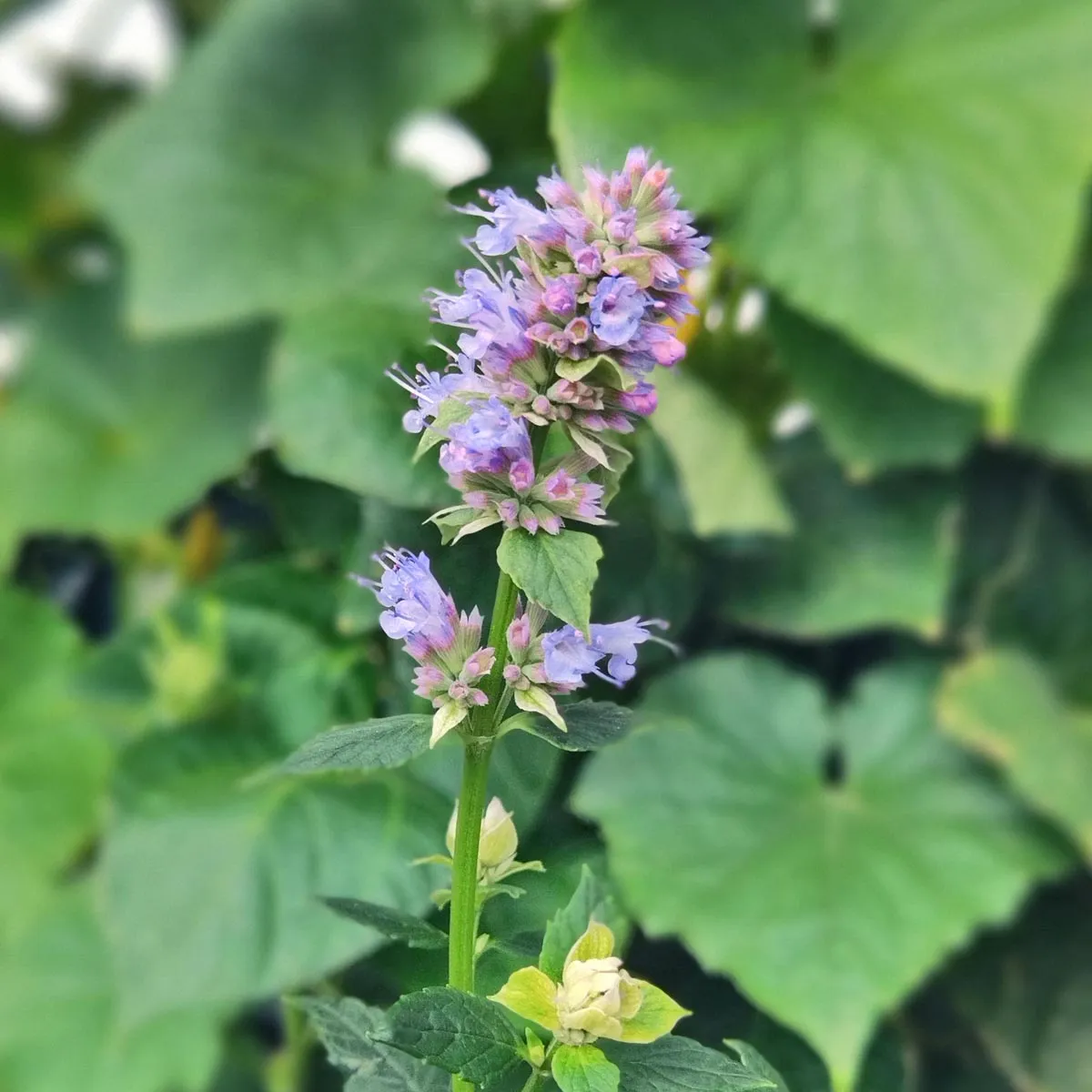
| Hyssop (Hyssopus officinalis) | Bees, butterflies | Flowers (until autumn) |
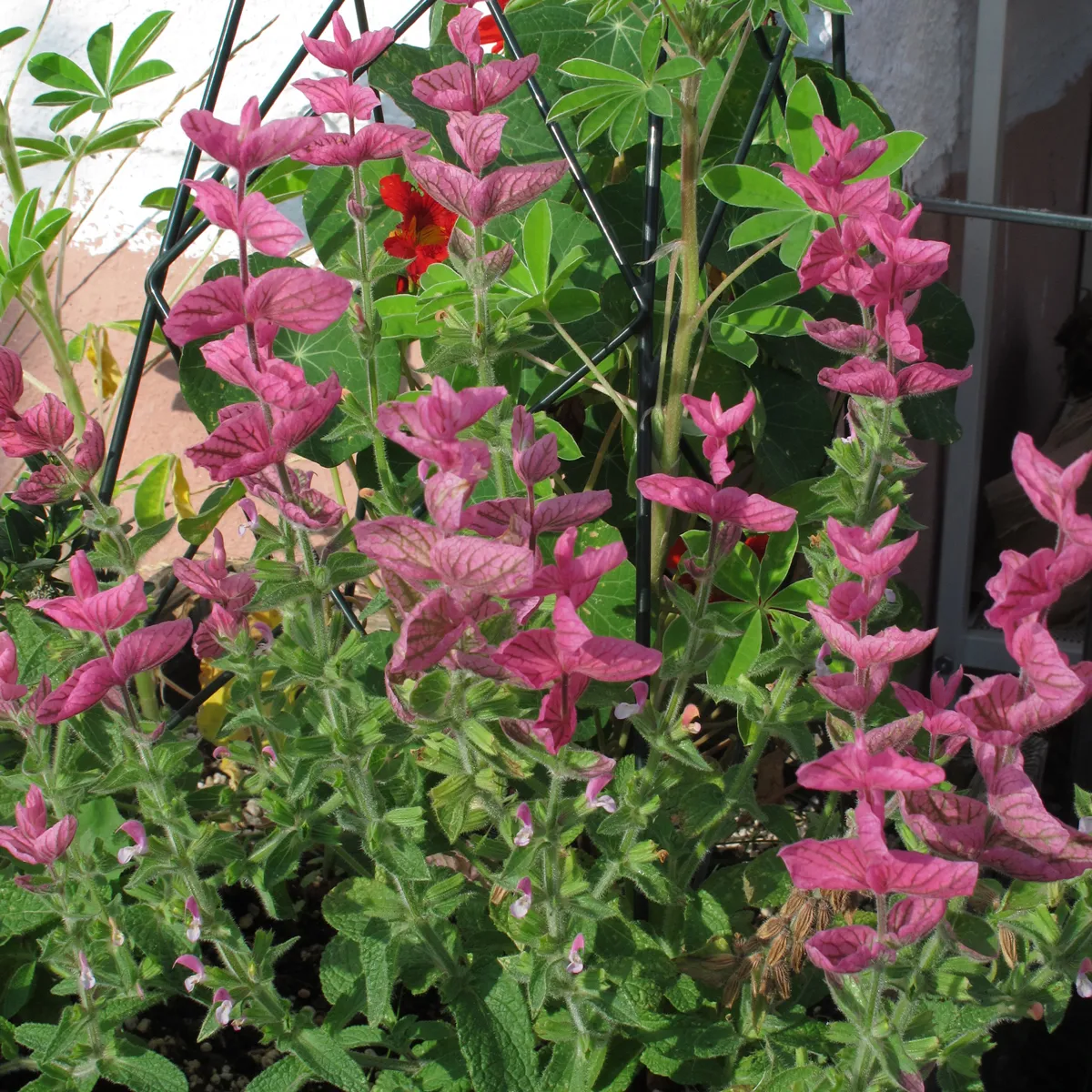
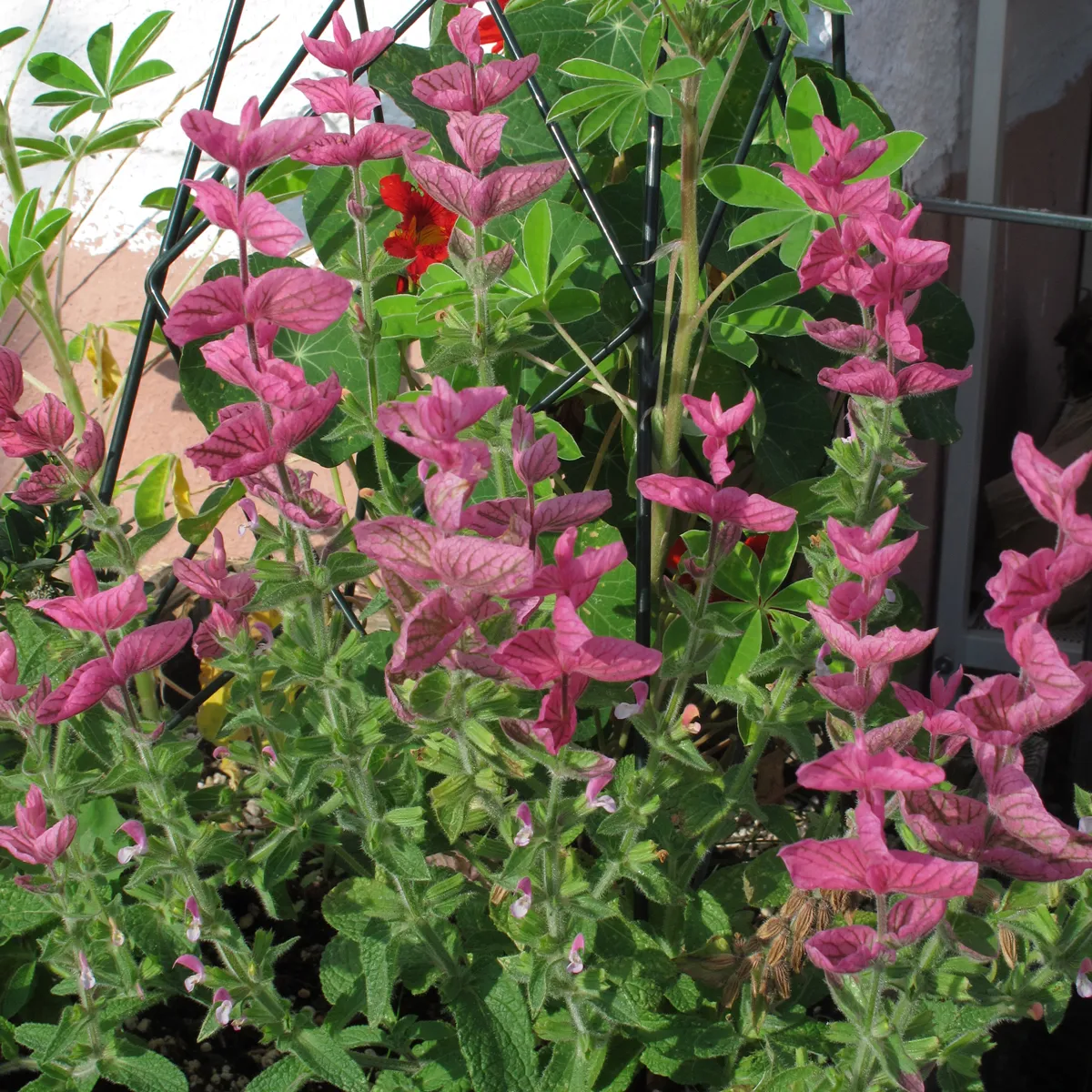
| Sage (Salvia officinalis) | Bees, bumblebees | Late flower spikes |
🌿 The garden as a refuge: time to act
With these plants, you are not only doing something good for bees and birds, but also promoting the biological diversity in your garden. Even small changes, such as a flowering strip, clover in the lawn or a few wild perennials, make a noticeable difference.
Now it's your turn: get plants that bloom in September
Melliferous plant seeds - bee pastureRelated products