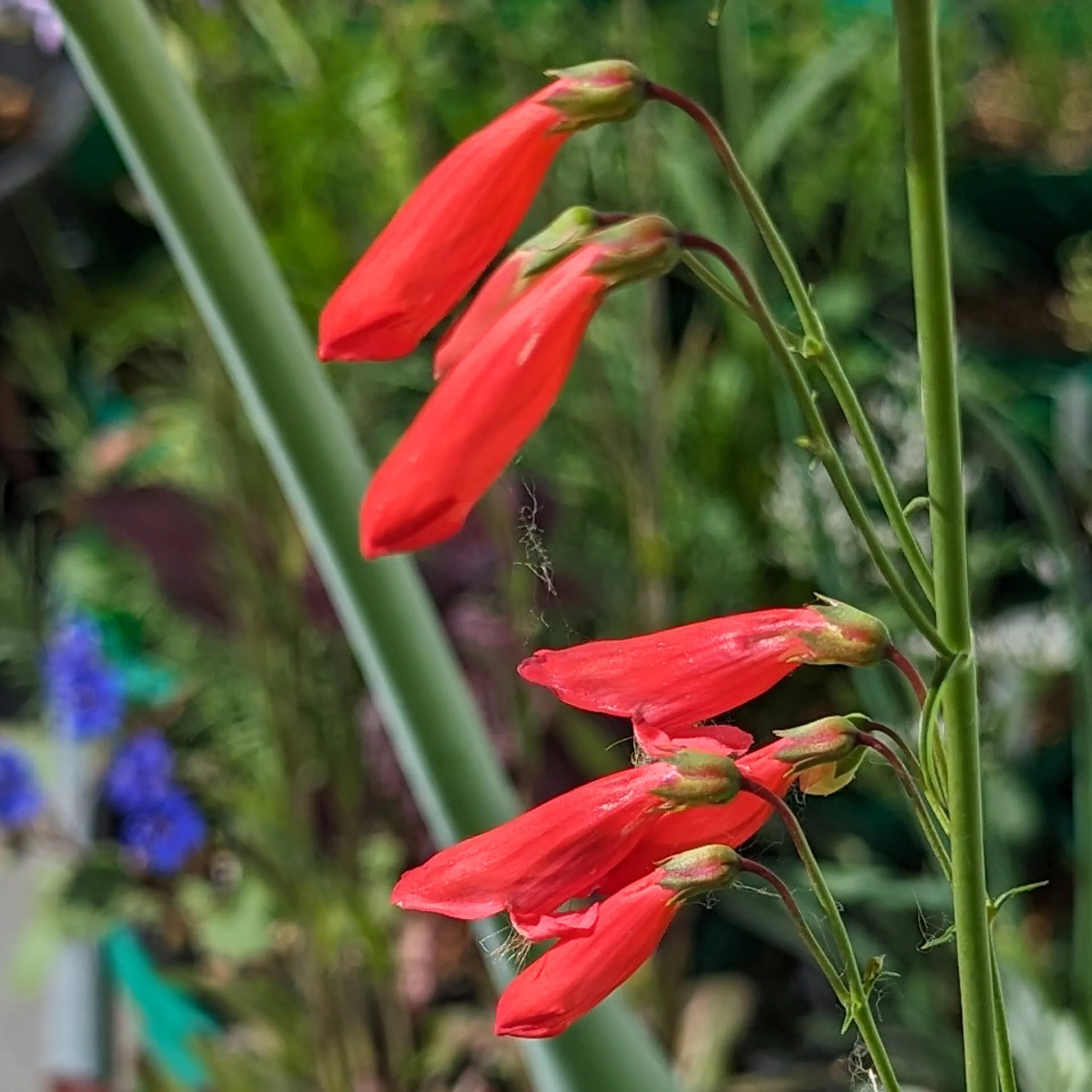
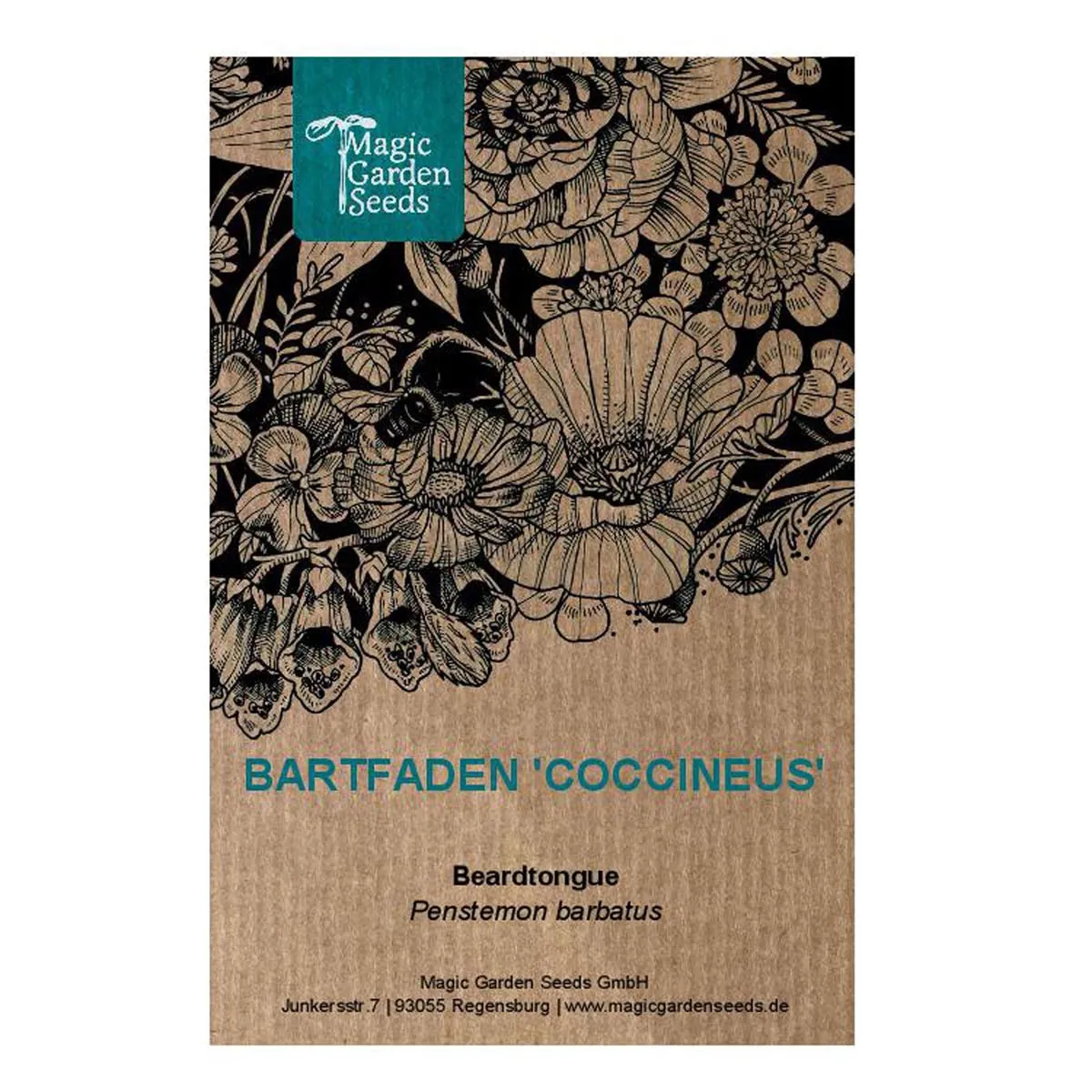
Beardtongue 'Coccineus' (Penstemon barbatus) seeds
- Very beautiful continuously blooming plant for the near-natural garden or the flower pot. Graceful, bright red bellflower from June to autumn. Often visited by bees and bumblebees.
- Contents: Approx. 100 seeds
- Open-pollinated variety, seed tested regularly
Regular price:
€2.59
Product number: PEN01 GTIN: 4251420517999
Description
Beardtongue is a perennial shrub for the near-natural garden, stone garden, and the classic borders of flowers. From June, its graceful, bright red, bell-shaped blossoms show and, as a true continuously blooming plant, delight until autumn. The name points out the fine hairs that can be found on the underside of the calyx. Especially bees and bumblebees often visit the beautiful blossoms to draw on their nectar. You can cut the inflorescences very well for the flower vase. Beardtongue is also very advisable as a pot plant.
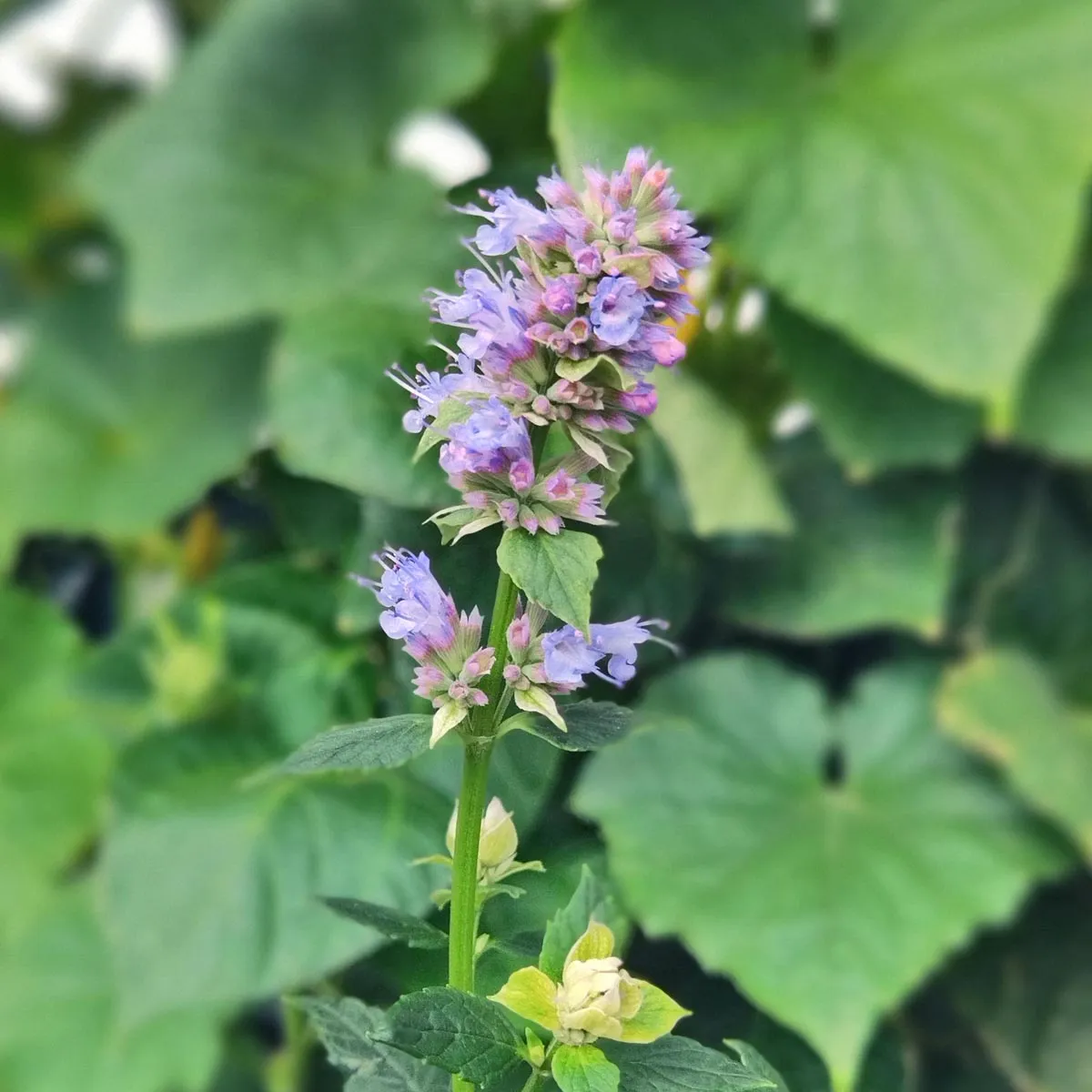
Originally, this shrub stems from Central and South America. Therefore, it's used to rather dry winters and turns out to be less long-living in our climate as it doesn't tolerate waterlogging. A sunny location with permeable soil is ideal. As companions in the flower bed, bergamot, phlox, meadow clary, yarrow, catnip, and some beautiful grasses are suitable.
Originally, this shrub stems from Central and South America. Therefore, it's used to rather dry winters and turns out to be less long-living in our climate as it doesn't tolerate waterlogging. A sunny location with permeable soil is ideal. As companions in the flower bed, bergamot, phlox, meadow clary, yarrow, catnip, and some beautiful grasses are suitable.
Plant profile
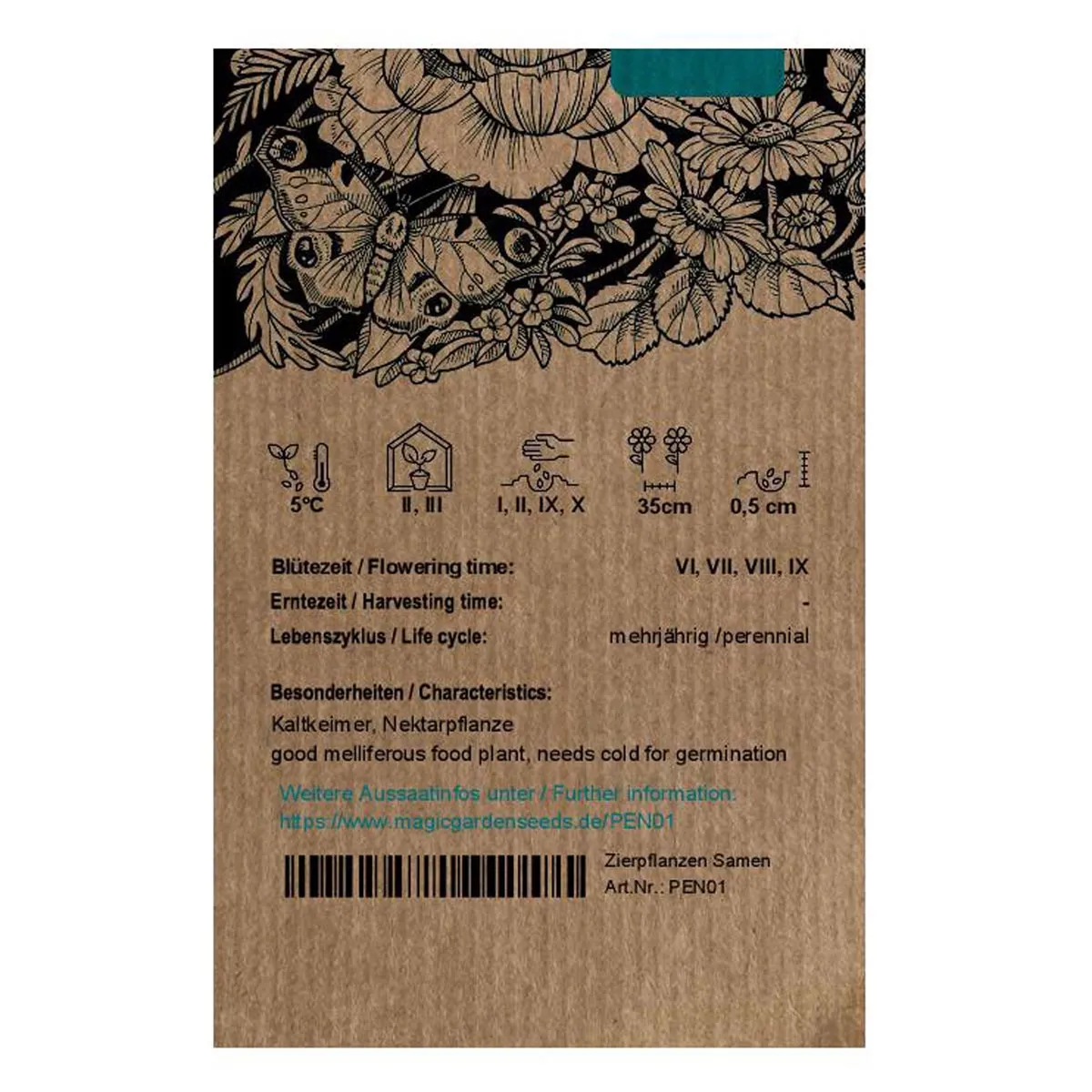
| Use | Container plant, Cut flower, Good insect food plant, Ornamental plant |
|---|---|
| Lifecycle | Perennial |
| Species | Scrophulariaceae |
| Seed propagation | Conventional production |
| Region of origin | Central America, Mexico, South America |
| Characteristics | Food for bees, Needs cold to germinate, Very resistant to slugs and snails |
| Eventual height | 80-120 cm |
| Flower colour | Red |
| Flowering months | August, July, June, September |
| Winter hardiness zones | 3 (-40 bis -34 °C) |
Growing instructions
| When to sow outdoors | February, January, October, September |
|---|---|
| Sowing depth | 0.5 cm |
| Germination temperature | 3-5°C |
| Soil type | Free-draining, Fresh, Humus-rich, Moist |
| Sunlight | Full sun |
| Water requirement | Medium |
| Planting distance | 40 cm |
Sowing and care
Perennial shrub for sunny, moist locations. Preculture indoors possible from February or direct sowing outdoors from September to February. Only cover the seeds lightly with soil and keep them moist. Cold germination. Alternatively, an artificial stratification is possible. Mix the seeds with moist sand in a plastic bag. The bag has to remain warm and moist (approx. +20°C) in the first 2-4 weeks and, afterward, be placed in the fridge, where it should remain at a temperature of +5°C for 5-6 weeks. Then, take the plastic bag out and watch regularly at room temperature if the seeds germinate. Prick the seeds in pots and plant them out after the last frost in mid-May.
Beardtongue doesn't tolerate waterlogging. Although it's hardy, it should be covered lightly in winter to protect it from too much wetness. The shrub should be cut back in autumn or spring to promote new sprouting.
Beardtongue doesn't tolerate waterlogging. Although it's hardy, it should be covered lightly in winter to protect it from too much wetness. The shrub should be cut back in autumn or spring to promote new sprouting.
Other names
Botanical name: Penstemon barbatus
German: Bartfaden
English: Beardtongue, Beardlip Penstemon, Scarlet Beardtongue, Beard Tongue, Penstemon
Reviews
Login
No reviews yet. Will you write the first one?