Ethnobotanical Plants in Everyday Life: What Native Herbs, Flowers and Wild Plants Can Still Do for Us Today
Ethnobotany & Magical Plants
Ethnobotany does not have to begin in distant parts of the world. It often begins right on your doorstep: in the herb bed, by the wayside, in the cottage garden or even between the cracks in the paving. After all, what makes plants interesting from an ethnobotanical point of view is not only exotic ritual plants or rare crops from other continents. Many native garden plants, or ones that have been naturalised for centuries, also tell us how people have lived with plants: how they healed, seasoned, dyed, burned incense, stored, dried and observed.
It is in everyday life above all that we see how alive this knowledge still is today. A sage tea for a sore throat, pot marigold petals in a summer salad, lavender in the linen cupboard or mugwort by the garden gate: these are not grand rituals, but small, concrete plant practices. And it is precisely in such gestures that ethnobotany becomes tangible.
How ethnobotany can be experienced in practice in everyday life
Ethnobotany does not stay in books or in museums. It comes alive whenever plants find a place in our everyday lives again. A tea made from sage you have harvested yourself, pot marigold petals on a plate, a bunch of lavender in the house or a small bundle of mugwort hung up to dry: often it is exactly these simple actions that make plant knowledge tangible.
So ethnobotany can be experienced in practice where we do not just grow plants, but use them consciously: in the kitchen, as tea herbs, as fragrance plants, as dye plants or in small, quiet moments in the garden. It is not about romantically re-enacting old traditions, but about perceiving plants as companions of everyday life again. That is exactly where their special strength lies: they combine experience, use and attention.
Ethnobotany often begins in the kitchen garden
Many plants that we grow in our gardens today as a matter of course were once not divided into "ornamental", "medicinal" or "culinary". One plant could season, help, protect and smell good all at once. The modern view often separates these functions from one another. The ethnobotanical view brings them back together.
A good example is sage. In many home gardens it is now a matter of course as a Mediterranean kitchen herb. Yet for centuries sage was more than a culinary herb. The leaves were infused as a tea, gargled for sore throats, cooked along with fatty dishes and also prized as a strongly scented herb for bundling. So if you have sage in your garden, you own not just a kitchen spice, but a plant that is deeply rooted in the home medicine cabinet, in food culture and in everyday garden life.
It is similar with thyme. It, too, is mostly read today as a Mediterranean culinary herb. In fact, however, it also belongs to those plants that were used for a long time in the kitchen as well as a tea herb and a fragrance plant. Its strong scent, its essential oils and its keeping quality after drying made it a typical store-cupboard herb.
Tea from your own garden: one of the simplest ethnobotanical practices
One of the most direct ways to experience ethnobotanical plant knowledge in everyday life is homemade herbal tea. Here a plant turns directly into an action: sowing, tending, harvesting, drying, infusing, smelling, drinking.
Native or long-established garden plants are particularly suitable for this, such as:
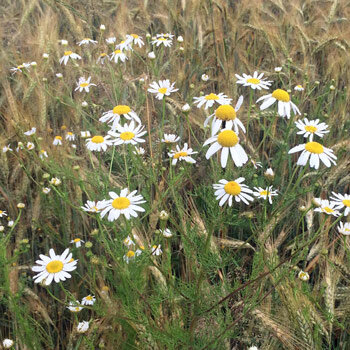
Chamomile for mild infusions
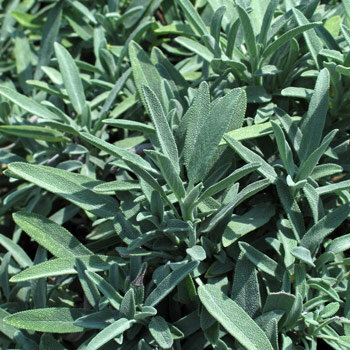
Sage for strong herbal teas
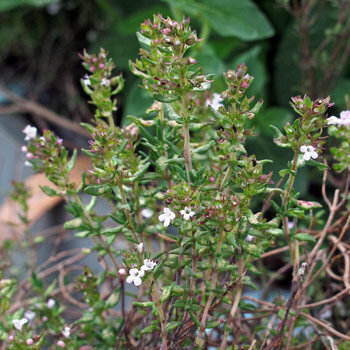
Thyme as a classic cough tea herb
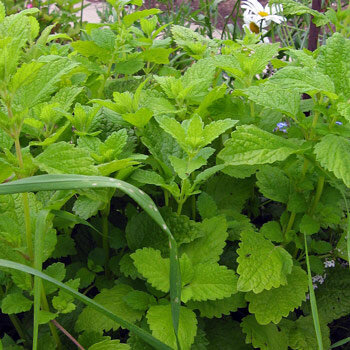
Lemon balm for calming, fresh blends

Peppermint for cooling summer teas

Yarrow as a wild and tea plant with a long tradition
It is with herbs like these in particular that we can show how closely everyday life and ethnobotanical knowledge were connected. Tea used not to be a wellness product, but a practical form of using plants: for cold days, after a meal, for restlessness or simply as store-cupboard knowledge from the garden.
A small practical idea
On a dry morning, harvest a few shoot tips of sage, lemon balm and mint, tie them loosely together and let them dry in the shade. After just a few days you will have a small homemade tea blend. Simple stores like these were, for a long time, part of the everyday knowledge of many gardens.
Burning incense with native plants: scent, custom and atmosphere
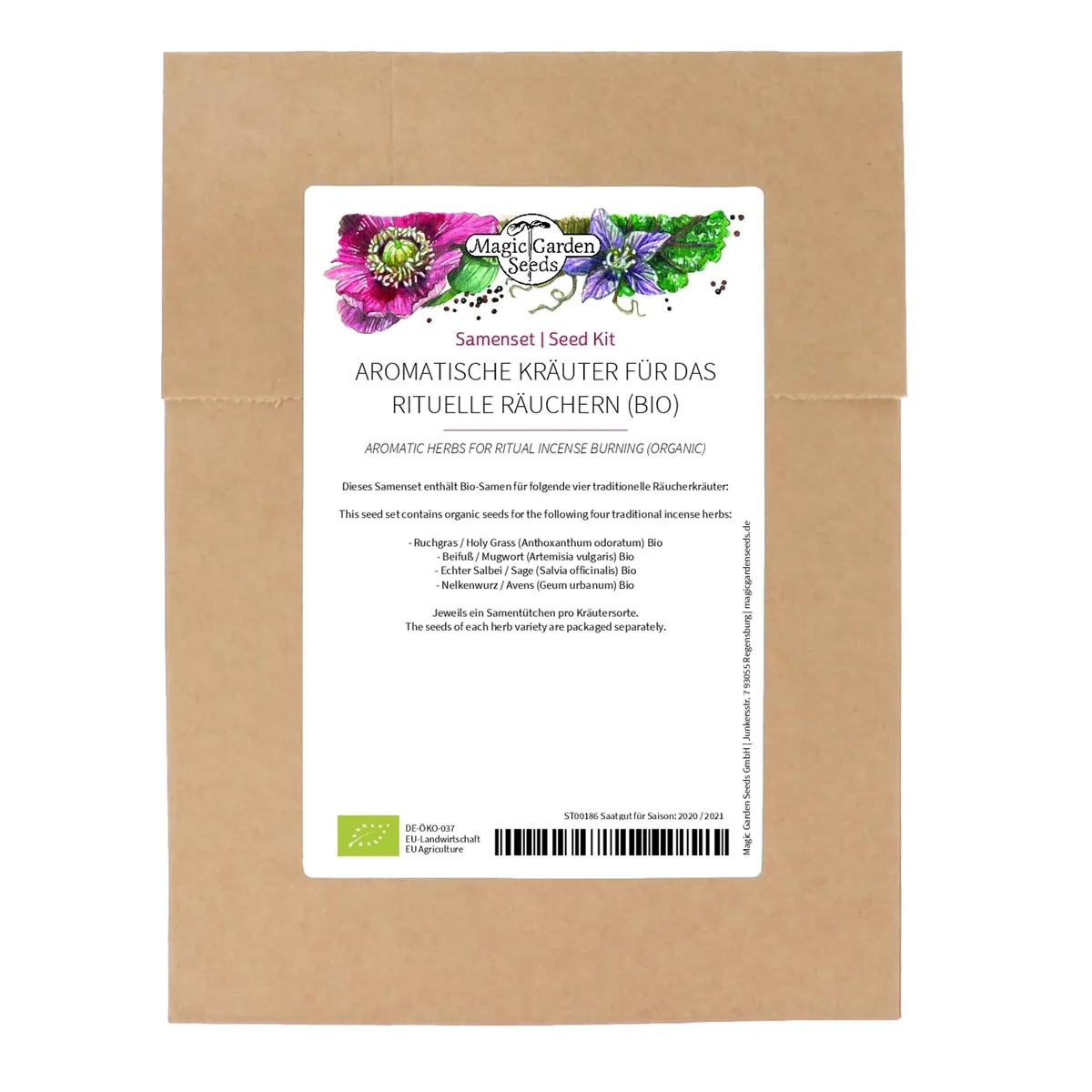
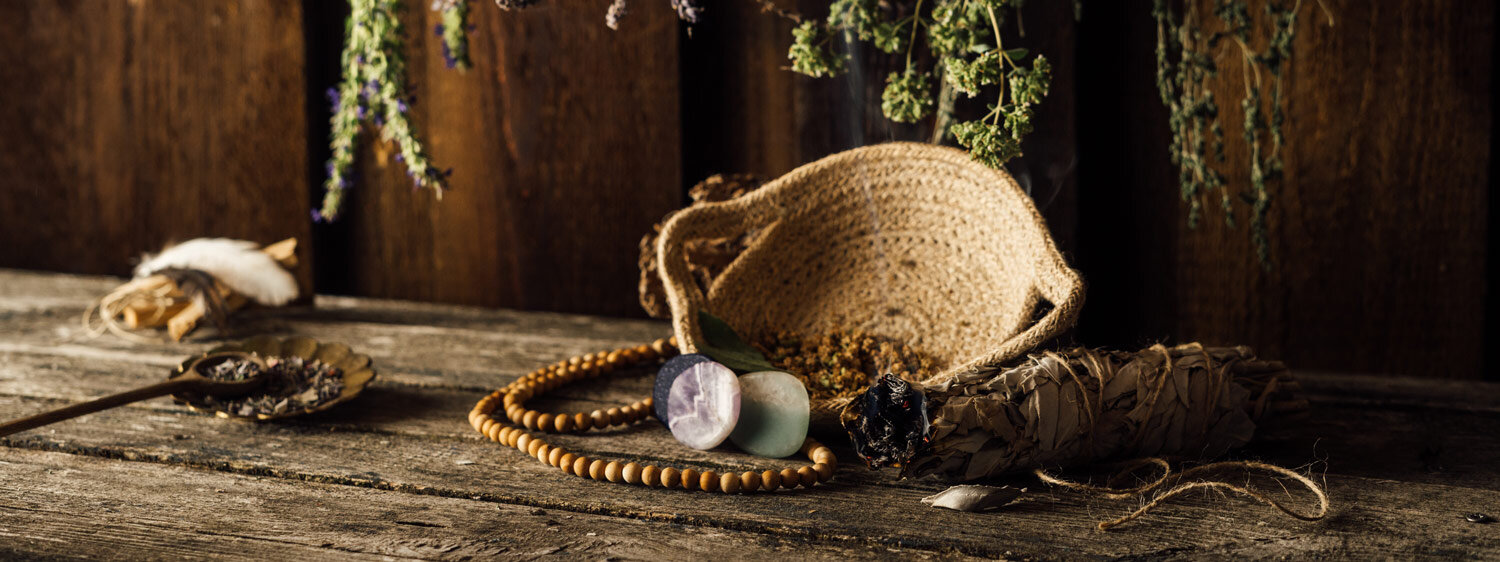
Burning incense, too, can be brought into everyday life in a very down-to-earth and unfussy way, especially with native plants. Instead of spectacular staging or decontextualised rituals, it can be about something much simpler: scent, memory, the seasons, transitions.
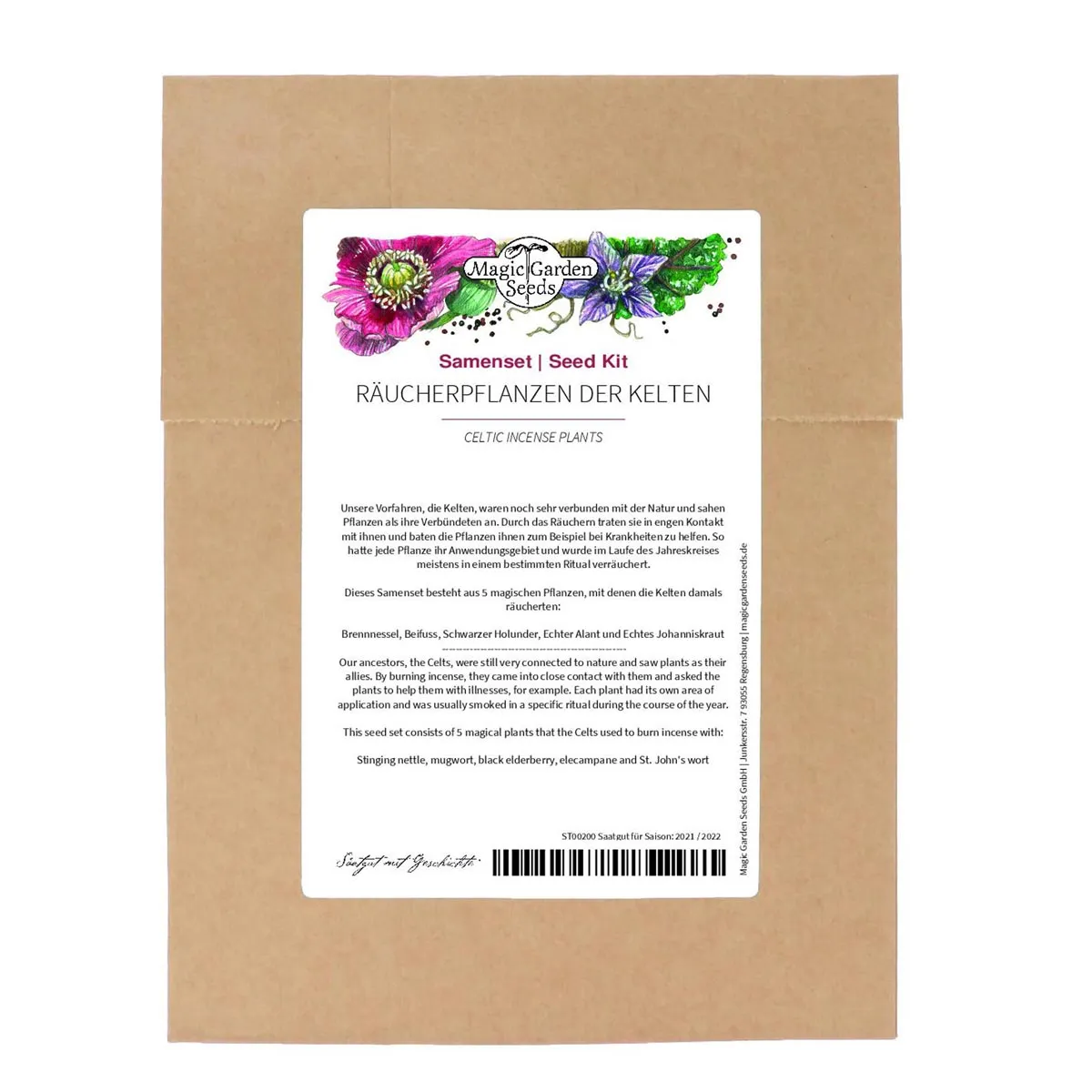
Mugwort is a particularly fascinating plant for this. In Europe it was associated for a long time with custom, ideas of protection and threshold moments. At the same time, it was used very practically as a spice and as an incense herb. So anyone who dries mugwort and later burns it sparingly encounters not just a strong scent, but a plant that is deeply anchored in European plant knowledge.
Lavender, sage, juniper or rosemary can also be understood in this way. It is not about imitating a foreign ritual, but about perceiving native plants again, more consciously, as fragrance and atmosphere plants.
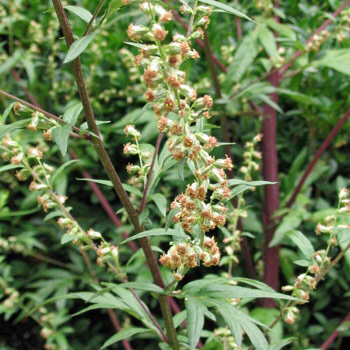
Common mugwort (Artemisia vulgaris)
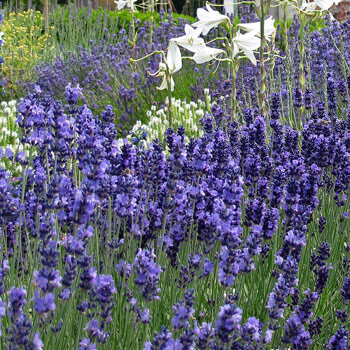
True lavender (Lavandula angustifolia)

Rosemary (Rosmarinus officinalis)
A small practical idea
Dry and store a small bundle of herbs made from lavender, mugwort and sage. Even the tying and drying is a form of handling plants that recalls old store-cupboard and home garden practices.
Dye plants: when plants give colour
A particularly lovely, often underrated plant practice for everyday life is dyeing with plants. Here it becomes visible that plants were not only eaten or drunk, but could also dye fabrics, yarns, eggs or paper.
The following are particularly good for first attempts:
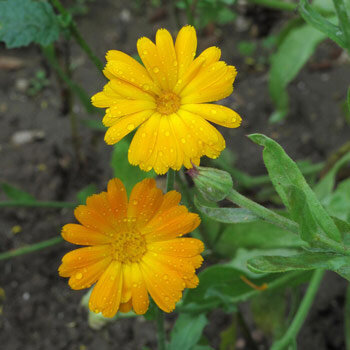
Pot marigold for warm yellow shades
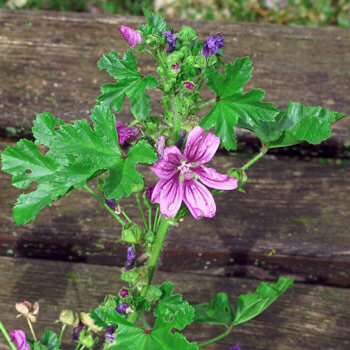
Mallow flowers for delicate colour results
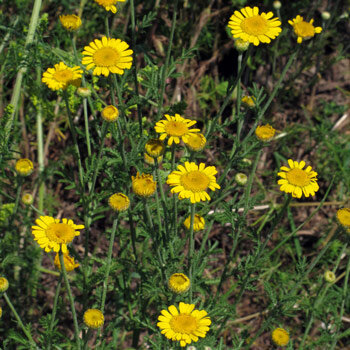
Dyer's chamomile for strong yellow tones

Red onion skins for browns and reds
Likewise nettle or birch leaves for greenish shades in combinations.
Pot marigold in particular is a lovely ethnobotanical example. It is one of the classic cottage garden plants, was prized as a medicinal plant, its flowers were eaten and it could also be used as a source of dye. So if you dry pot marigold flowers, you can use them not only for tea or salad, but also for small dyeing experiments.
A small practical idea
Pour hot water over a few dried pot marigold flowers and let a piece of natural-coloured cotton fabric steep in it. Even if the colour turns out subtle, the process itself is exciting: you can see straight away that plants can do more than just bloom.
Edible flowers and culinary plants: ethnobotany on the plate
A particularly lovely way to experience ethnobotanical plants in everyday life is through the kitchen. After all, many plants that were traditionally significant medicinally or symbolically were also eaten as a matter of course.
Pot marigold, borage, nasturtium, fennel, dill, coriander or black cumin are good examples. They bring not only flavour to food, but also a connection to the history of garden and kitchen.
Borage, for instance, was long well known in herb gardens and kitchen traditions, was used for cold dishes and drinks, and is still a plant today that shows wonderfully how close ethnobotany and the kitchen lie together. Fennel also belongs in this category: vegetable, spice, tea plant and medicinal plant all at once.
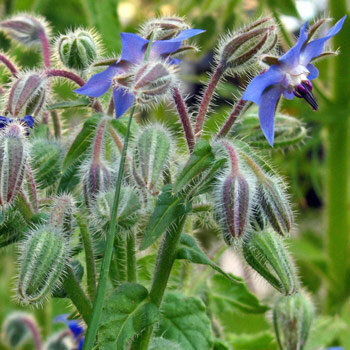
Borage (Borago officinalis)

Nasturtium (Tropaeolum majus)
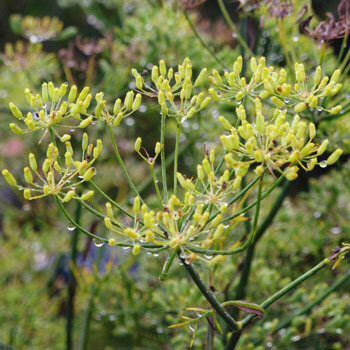
Green spice fennel (Foeniculum vulgare)

Dill (Anethum graveolens)
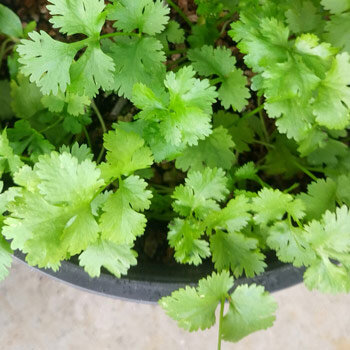
Leaf coriander (Coriandrum sativum)
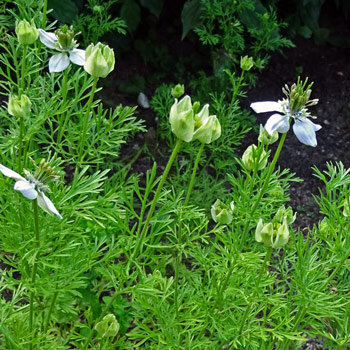
Black cumin (Nigella sativa)
A small practical idea
Mix pot marigold petals, borage flowers and finely chopped dill into a simple leaf salad. That turns an everyday dish into a small ethnobotanical plate: not spectacular, but conscious.
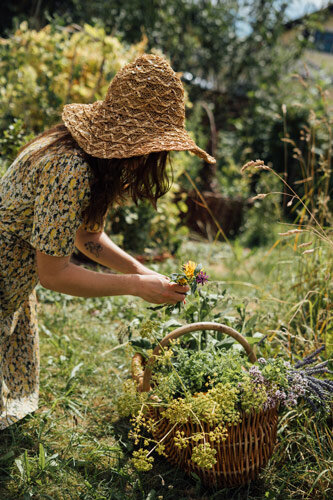
Native wild plants: underrated companions
If you really take ethnobotany in everyday life seriously, you should look not only at cultivated garden plants, but also at wild plants. After all, it was they in particular that were part of practical knowledge for centuries.
Nettle is a particularly strong example here. It was eaten as a wild vegetable, used in the garden as liquid feed, prized in folk medicine and even used for fibres. Hardly any plant shows more clearly how false the division into "weed" and "useful plant" often is.
Yarrow, dandelion and ground elder also belong in this category. Not everything has to be used or eaten straight away. But even the question of why a plant was once respected, although today it is often weeded out of the bed, opens up the view.
Healing with plants: yes, but with responsibility
Many of the plants mentioned were traditionally also used in medicine: sage, chamomile, thyme, yarrow, pot marigold, mugwort or nettle. This knowledge is an important part of ethnobotanical history. At the same time, care is needed here today.
A herbal tea you have harvested yourself or a lavender scent sachet are wonderful first steps. However, healing claims should not be drawn from them too hastily. Plant knowledge deserves respect, especially where it reaches into old traditions, folk medicine or home remedy traditions.
That is why perhaps the loveliest attitude for everyday life is:
not wanting to apply everything straight away, but first getting to know plants again.
Everyday life instead of exoticism
What is truly lovely about ethnobotanical plants is perhaps that they can quietly deepen our everyday lives. A sage bush by the path, a bed of pot marigolds, a bunch of lavender in the house, a pot of mint or a dried handful of mugwort: none of these are exotic special projects, but small forms of a lived relationship with plants.
So ethnobotany often begins not with the extraordinary, but with attention. With the question of what a plant once meant to people. And what it might still do for us today.