Preserving Vegetables: The Best Methods at a Glance
The Grow-your-own-food
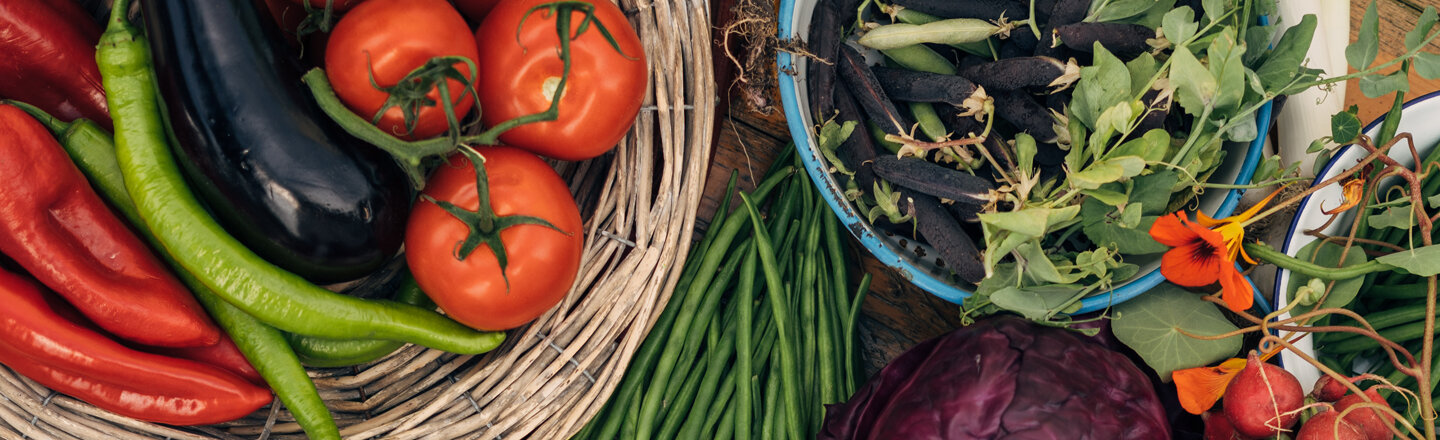
Late summer is a time of plenty: tomatoes hang heavy and plump on the plants, the beans climb up lushly, and courgettes and squash pile up in the basket. Everything seems to ripen at once, and the day still has only 24 hours. As great as the joy of abundance is, the question often arises:
What to do with all those vegetables?
The solution is as old as horticulture itself: preserving vegetables. With the right methods, you can capture the taste of summer and keep it for the cold months. Whether drying, freezing, preserving in jars or fermenting, every technique opens up new ways for you to enjoy your harvest for a long time.
Table of contents
- Why it is worth preserving vegetables
- The most important methods at a glance
- Overview: which method for which vegetable?
- Conclusion
Why it is worth preserving vegetables
Perhaps you know the feeling: part of the harvest makes it fresh onto the table, but much of it threatens to spoil unused. Preserving is not only practical but also sustainable.
- You avoid food waste.
- You fill your pantry with treasures of your own.
- You know exactly what goes into your food.
- And you continue a long tradition that generations before us kept alive.
The most important methods at a glance
Sustainable, practical and full of flavour: there are many ways to keep your home-grown vegetables for months. Below you will find the most proven methods, from classic techniques such as drying to fermenting, which is currently enjoying a renaissance.
1. Drying vegetables
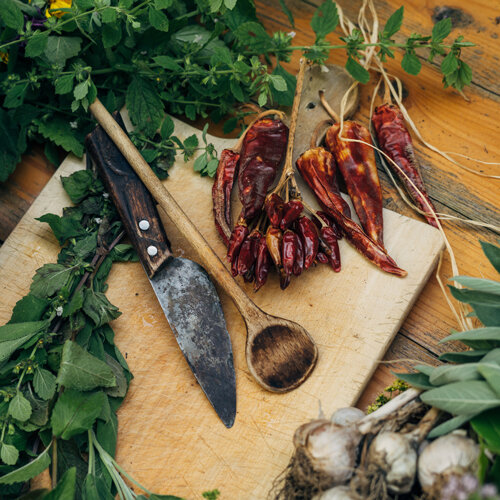
Drying is one of the oldest methods of preservation. By removing the water from the vegetables, you prevent the growth of bacteria and mould.
- Suitable: tomatoes, peppers, mushrooms, onions, herbs and chillies.
- Methods:
- Air drying: simply hang up bunches of herbs or chilli pods.
- Oven: at a low temperature (40-60 °C, fan oven).
- Dehydrator: particularly practical for larger quantities.
- Solar drying: sustainable and free: with special solar dryers or simple DIY constructions, vegetables can be dried gently using solar energy.
- Advantages: intense aroma, long shelf life, space-saving.
- Disadvantages: takes several hours to days, depending on the method.
Tip: dried tomatoes or herbs preserved in oil are a real delicacy.
2. Freezing vegetables
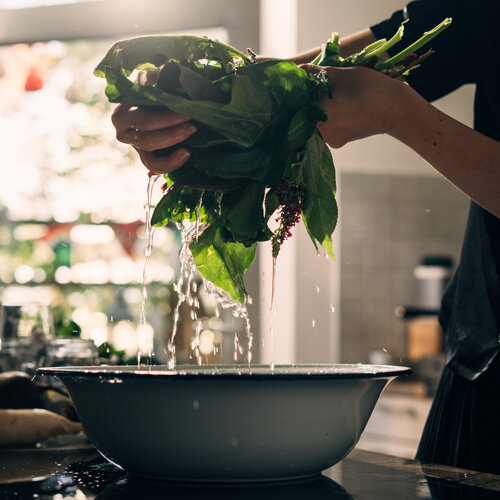
Freezing is straightforward and ideal for many varieties. To keep your vegetables crisp and rich in vitamins, you should blanch them briefly before freezing.
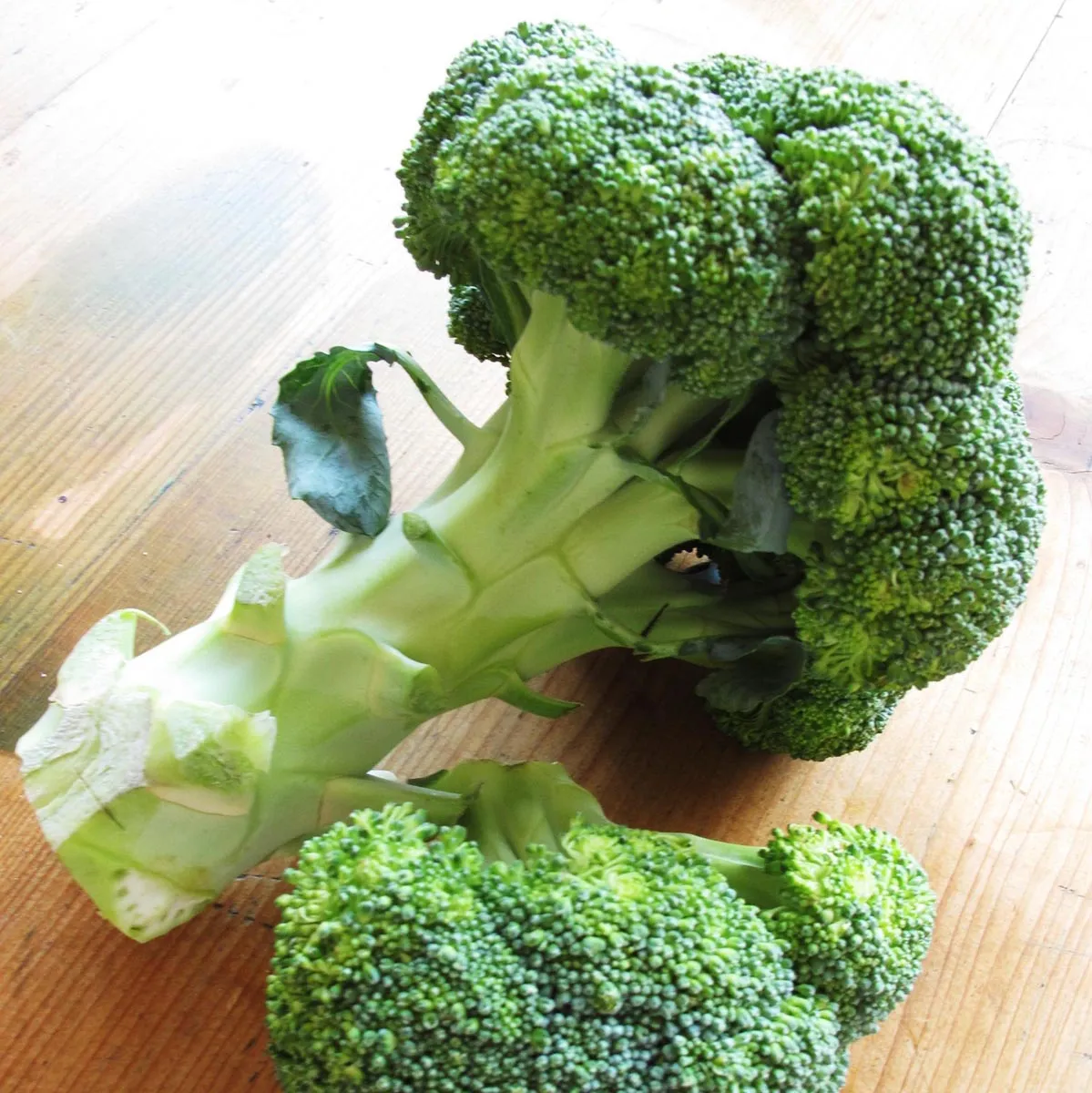
- Suitable: beans, peas, spinach, chard, peppers, broccoli, cauliflower.
- Preparation: blanch for 2-3 minutes, then immediately plunge into ice water.
- Storage: in airtight containers or bags, ideally in portions.
Tip: freeze herbs in ice cube trays, so you have small portions for soups and sauces.
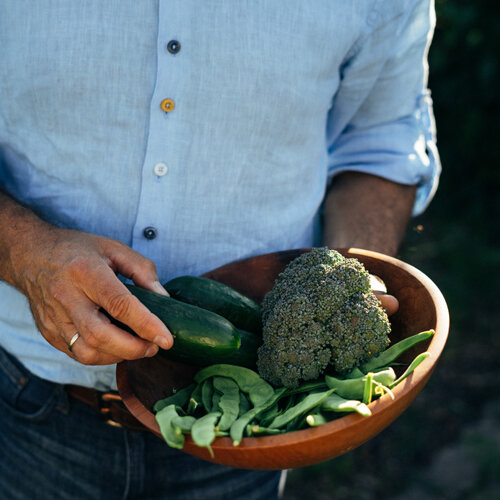
3. Preserving vegetables in jars
When preserving in jars, jars filled with vegetables or sauces are heated and sealed airtight. This often keeps your supplies for many months.
- Suitable: tomatoes, courgettes, squash, beetroot, beans.
- Variations:
- preserved plain (e.g. tomato sauce, squash soup)
- pickled sweet and sour (e.g. cucumbers, beetroot, pieces of squash)
- Important: cleanliness! Jars and lids must be sterile.
Tip: preserving in jars is perfect for ready-made dishes such as ratatouille or chilli. In winter, just open the jar, heat and enjoy.
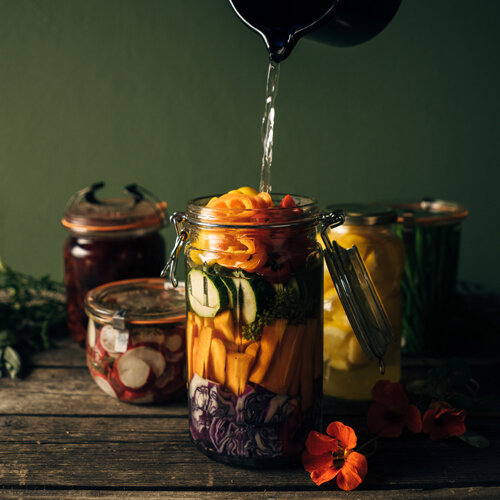
4. Fermenting vegetables
Fermenting is currently making a comeback, and rightly so: it makes vegetables not only last longer but also healthier.
- Suitable: cabbage (sauerkraut, kimchi), carrots, beetroot, beans, cucumbers.
- Method: place vegetables in a salt brine (approx. 2% salt). Let ferment airtight for 5-14 days at room temperature.
- Result: flavourful, probiotic vegetables that keep for months.
Tip: carrots fermented with ginger make a refreshingly spicy side dish that livens up almost any meal.
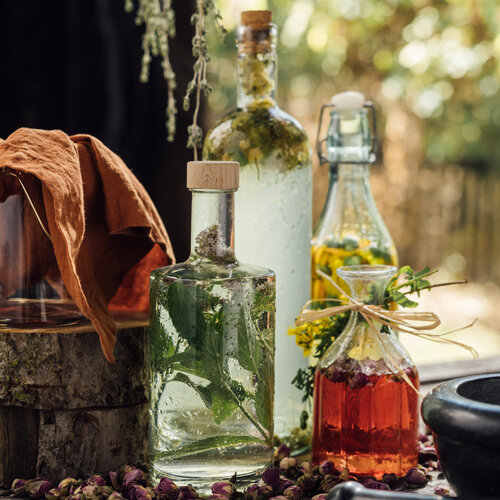
5. Pickling in oil, vinegar or salt
This method preserves and refines the flavour at the same time.
- In vinegar: a classic for cucumbers, peppers or squash.
- In oil: dried tomatoes or grilled courgettes, pure Mediterranean enjoyment.
- In salt: herb salt or salted beans, simple and effective.
Tip: flavoured oils with rosemary, garlic or chilli are a small culinary highlight and a lovely gift.
Overview: which method for which vegetable
| Vegetable | Drying | Freezing | Preserving in jars | Fermenting | Oil/vinegar/salt |
|---|---|---|---|---|---|
| Tomatoes | ✅ | ✅* | ✅ | ✅ | ✅ |
| Peppers | ✅ | ✅ | ✅ | - | ✅ |
| Courgettes | - | ✅ | ✅ | ✅ | ✅ |
| Beans | - | ✅ | ✅ | ✅ | - |
| Cucumbers | - | - | ✅ | ✅ | ✅ |
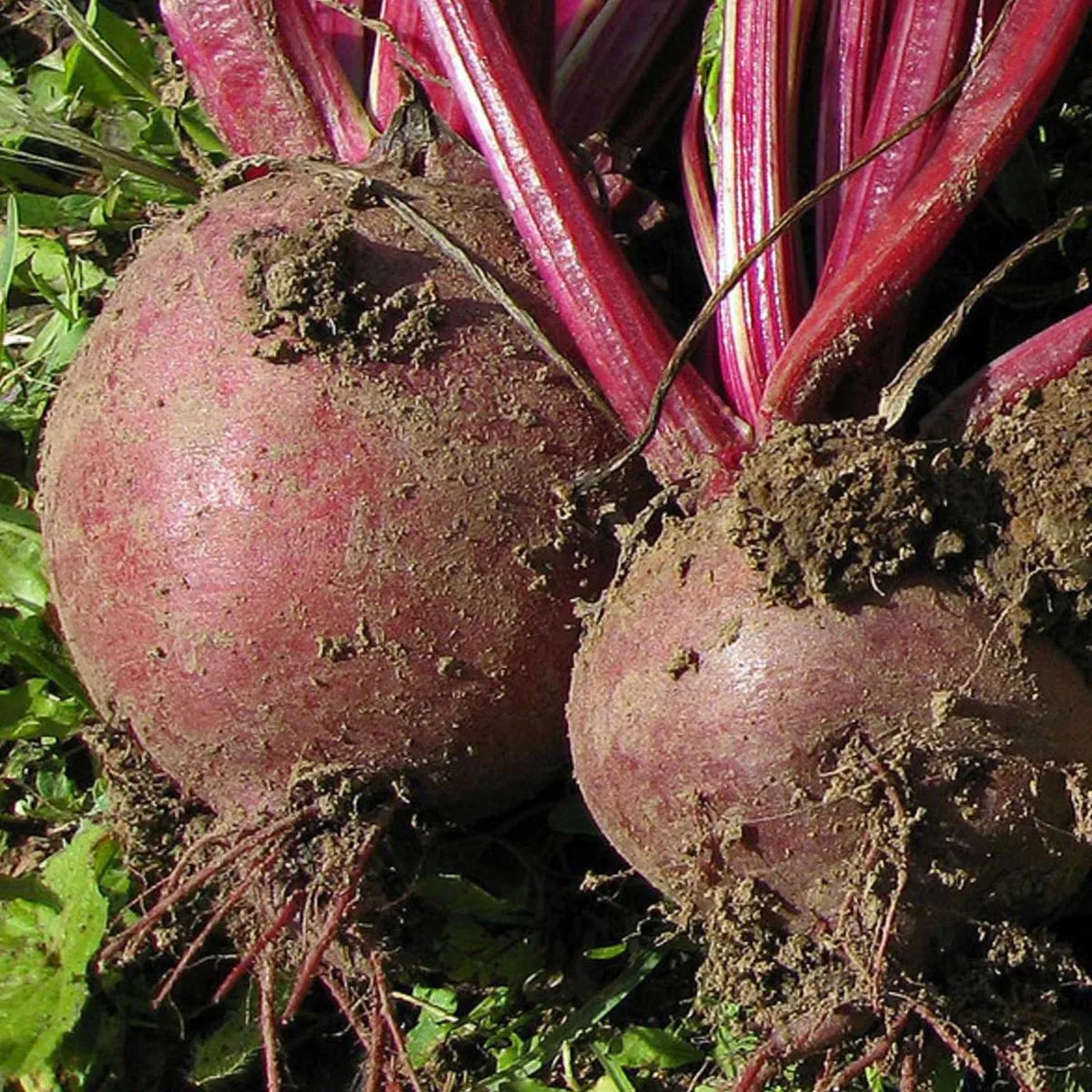
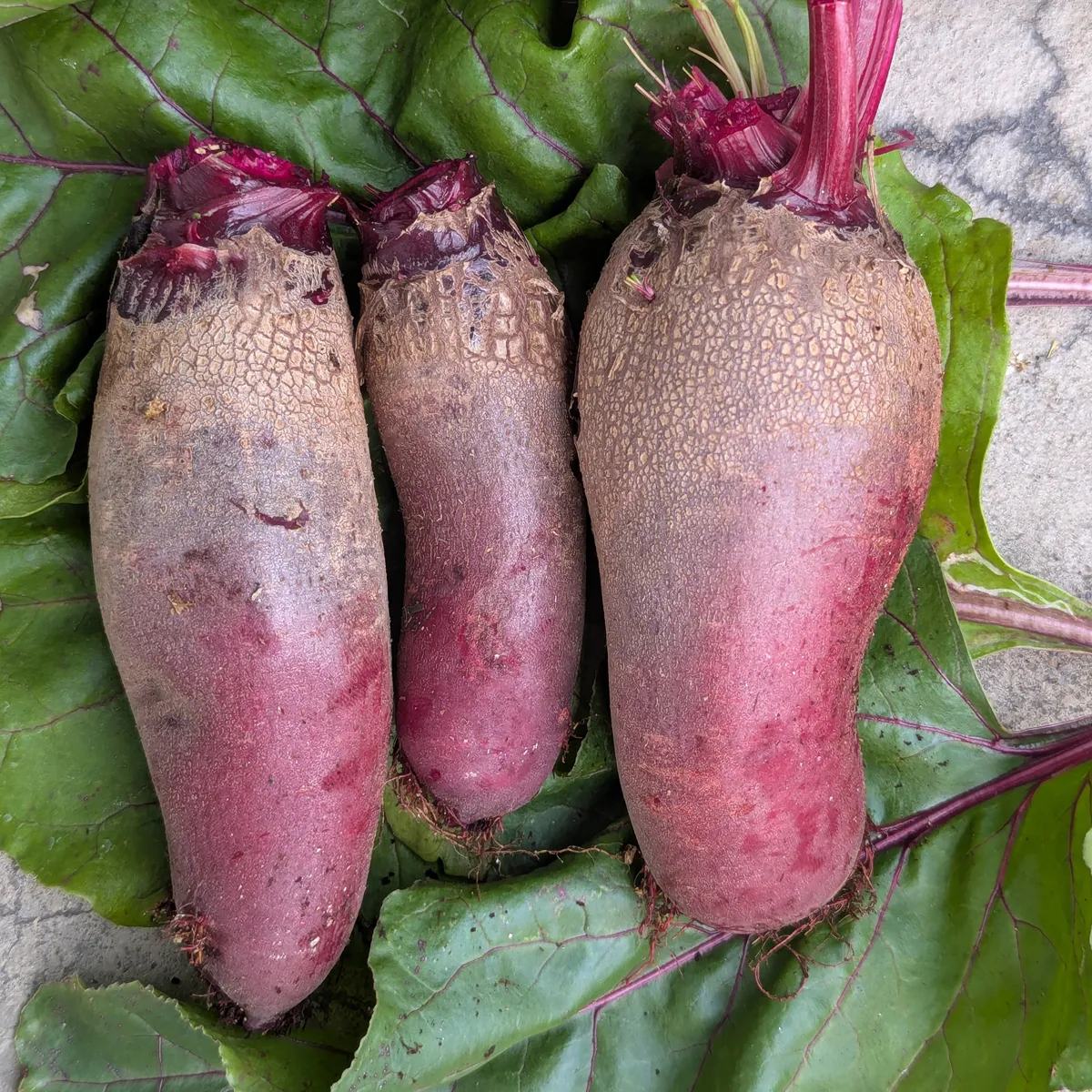
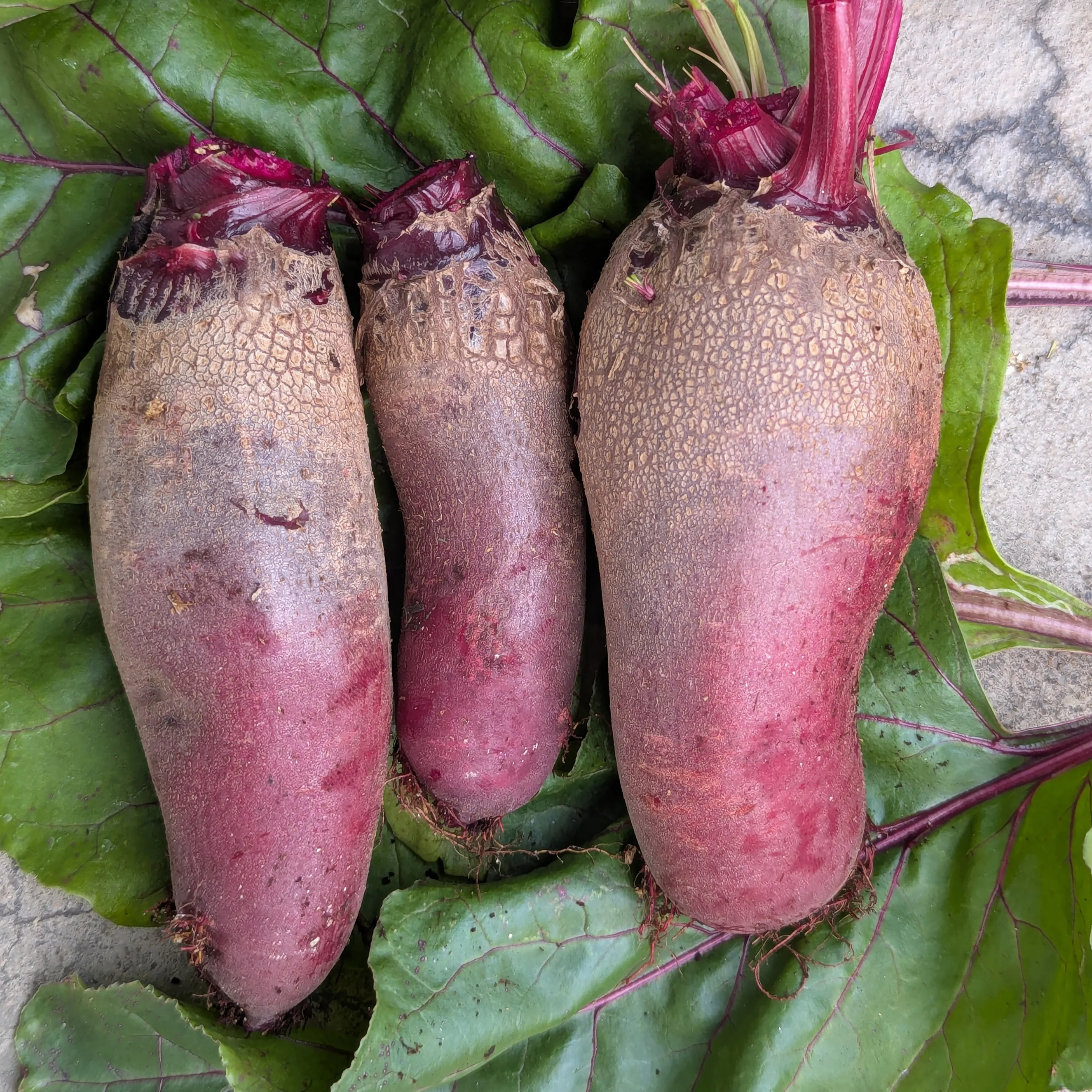
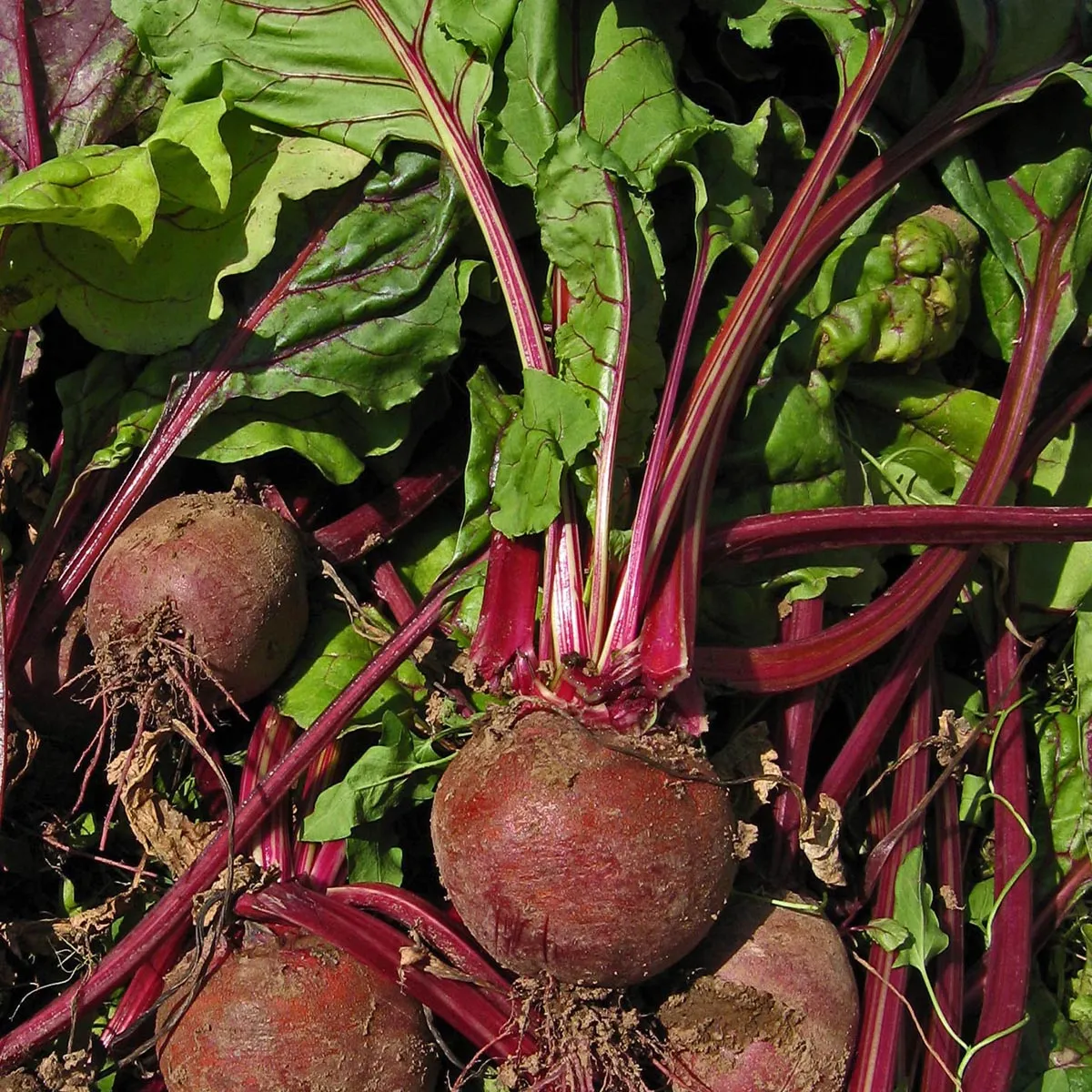
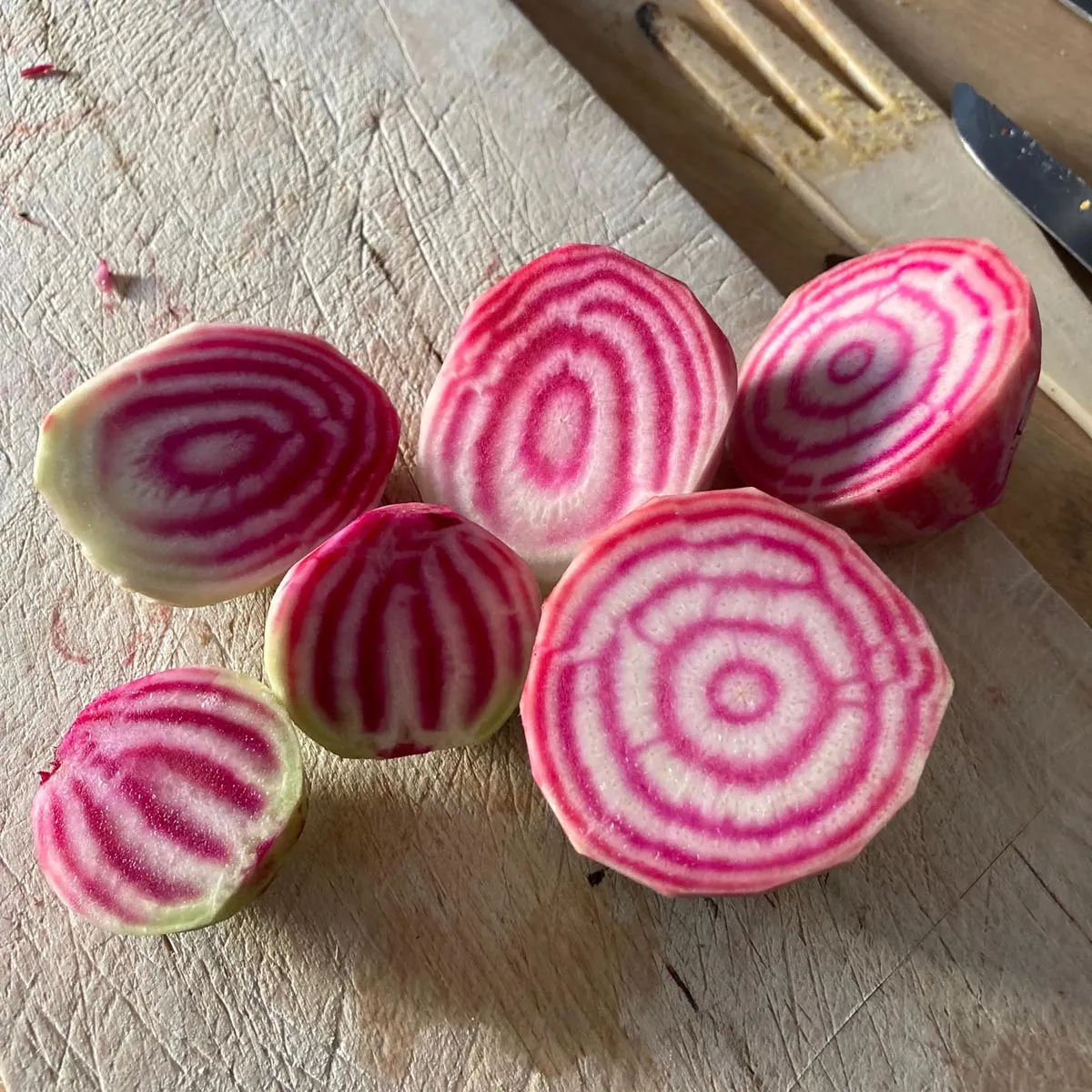
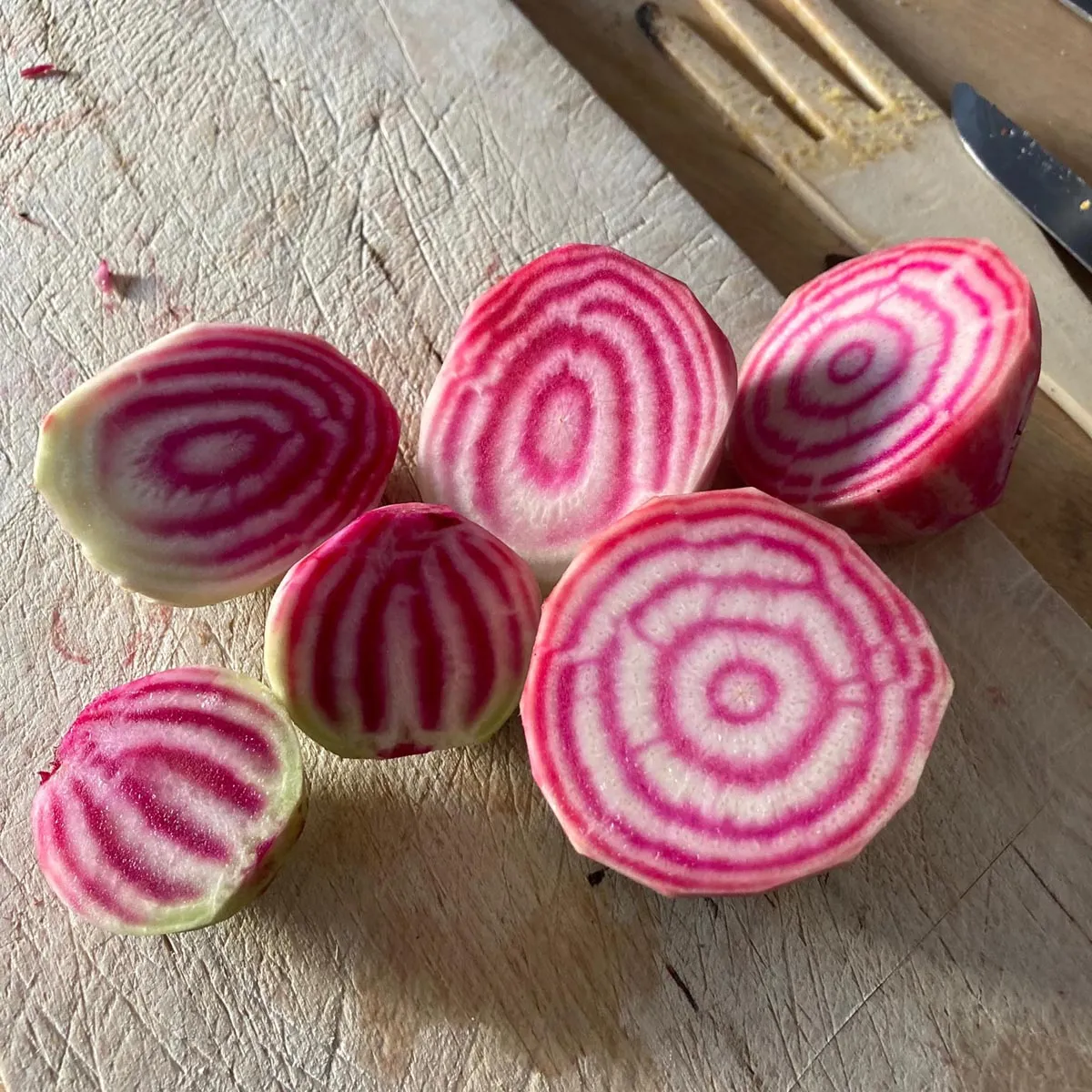
| Beetroot | - | ✅ | ✅ | ✅ | - |
| Carrots | - | ✅ | ✅ | ✅ | - |
| Squash | - | ✅ | ✅ | - | ✅ |
| Broccoli | - | ✅ | ✅ | - | - |
| Cauliflower | - | ✅ | ✅ | - | - |
| Herbs | ✅ | ✅ | - | - | ✅ |
| Mushrooms | ✅ | ✅ | ✅ | - | - |
*Freezing is only recommended if the tomatoes are cooked afterwards (e.g. sauce, soup, oven-roasted tomatoes). Unsuitable for fresh use after thawing.
Conclusion
Nature gives us abundance in late summer, and we get to decide how we keep it. Whether you dry, freeze, preserve in jars or ferment your vegetables, every method is a piece of self-sufficiency and a small step towards sustainability.
Try out different techniques, find your favourites, and enjoy it when, in the middle of winter, you open a jar of your own tomato sauce or let the scent of summer herbs fill the kitchen.
👉 Explore our large range of vegetable seeds and start planning your next harvest season now.