The Magic of Pausing: Your Mindful Winter Garden Check
Gardening Knowledge
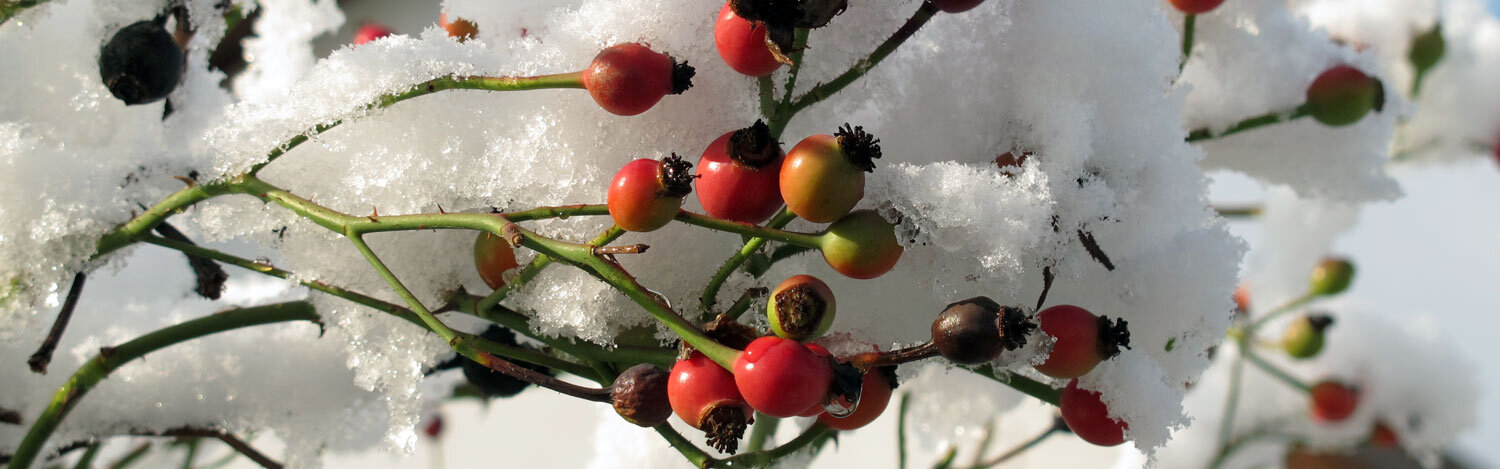
Even though nature seems to be resting and most plants lie in deep sleep, winter is a crucial time for us gardeners. It is the time of precaution and mindful observation. A regular, if short, walk round your garden, be it the allotment, the raised bed or the balcony, is like a little meditation. It not only strengthens your connection to nature, but also secures the survival of your green treasures.
At Magic Garden Seeds, we love these conscious moments. They reflect our value of taking joy in nature and sharing knowledge about plants.
What should you check regularly?
Your winter check should focus on the weak points of the garden: need for protection, moisture, possible damage and our feathered friends.
1. Check the winter protection for plants and containers
Many delicate or not fully hardy plants need protection from persistent frost, icy wind and the winter sun.
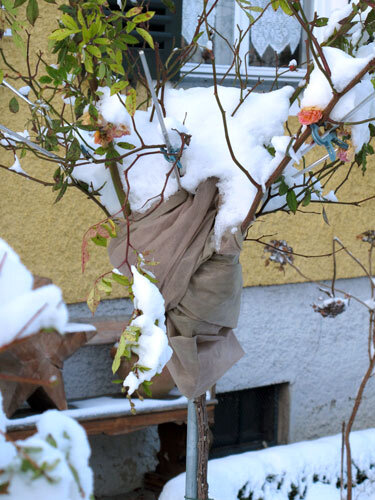
- Check whether hessian, fleece or brushwood covers are still firmly in place. Have wind or animals shifted the protection?
- Are the pots of your container plants still insulated (e.g. standing on polystyrene or wood)?
Task: Fasten loose or slipped covers again. If necessary, add more mulch or renew the wrapping.
The reason: Insufficient protection can lead to frost damage or the dangerous drying out of evergreen plants, as they lose water through their leaves even in winter.

2. Keep an eye on moisture
Waterlogging is just as great an enemy in winter as dryness.
- On frost-free days, check the soil of your container plants. Is it still slightly damp or already bone dry?
- Also check whether there is water standing in the saucers under the pots.
Task: Water container plants only on frost-free days and in very small amounts. Waterlogging must be avoided at all costs, as it makes the roots rot.
The reason: Even when dormant, evergreen plants need water. But frozen water expands, damaging the plant roots and the pots themselves.
3. Manage snow and ice loads
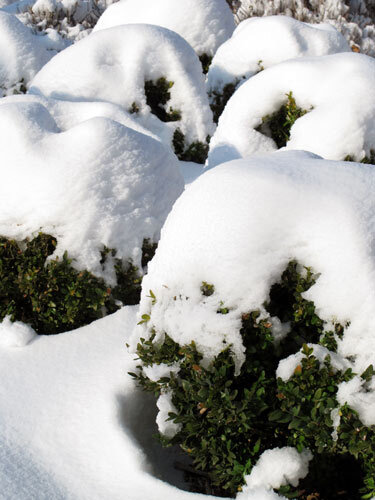
Snow looks beautiful, but it can be a dangerous load for your woody plants.
- Check whether a thick layer of snow is lying on the branches of trees, shrubs or evergreen plants such as box.
Task: Carefully shake the snow off the branches and twigs before it can harden.
The reason: The weight of snow and ice can break off young shoots and delicate branches in particular.
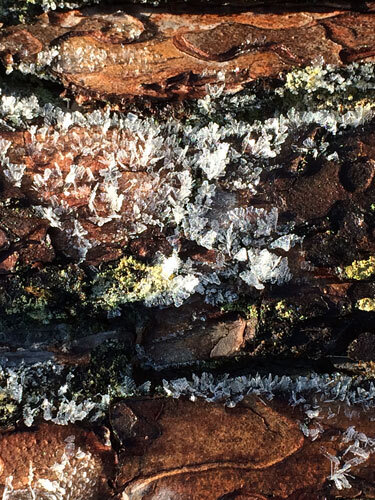
4. Protection from unwelcome guests and defects
In winter, many small animals look for shelter and food. Make sure your plants are not damaged.
- Check whether the bark of young fruit trees or tender shoots has been gnawed.
- Have your stored tubers and bulbs (dahlias, begonias) been attacked by pests in their winter quarters?
Task: Protect tree trunks with rabbit guards if necessary. For stored plants, check their health regularly and remove damaged or dead plant parts.
The reason: An early infestation can spread quickly and weaken or completely destroy your plants.
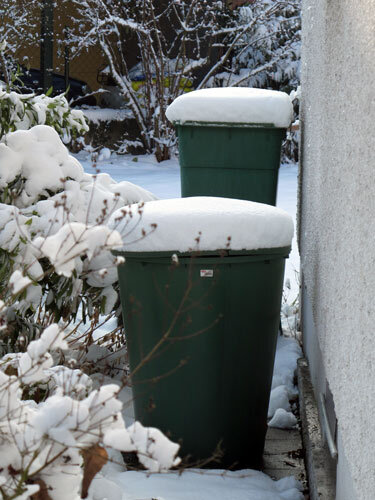
5. Check tools and infrastructure
This point concerns the plants less than the long-lasting equipment that you will need again in spring.
- Check whether you have really emptied and frost-proofed all water pipes, outdoor taps and irrigation systems.
- Are the gutters of your garden shed or greenhouse free of leaves and dirt?
Task: Empty all water containers such as water butts and hoses to prevent frost damage and burst pipes. Clean the gutters so that rainwater can drain away properly.
The reason: Expanding frozen water can seriously damage materials and so cause high repair costs in spring.
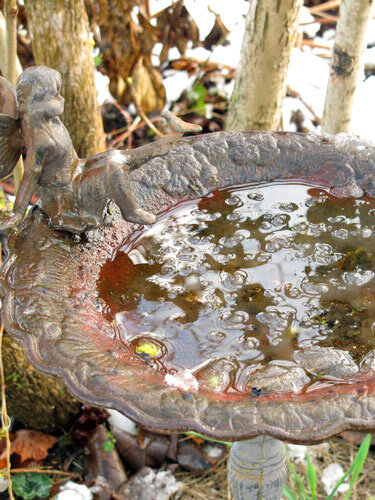
6. A heart for feathered guests: looking after the feeding station and birdbath
Your garden is also a refuge for animals. In winter, the birds need our attention and support. Looking after the feeding station is a lovely sign of fair coexistence in nature.
- Check whether bird feeders or fat balls are still sufficiently filled.
- Are food and birdbath clean and free of droppings that could transmit diseases?
- Is the water in the birdbath frozen?
Task: Top up with high-quality food: seeds, nuts or fat food. Clean the feeding stations regularly to protect the birds' health. Replace frozen water in the birdbath with fresh water that is not ice cold.
The reason: Regular and clean feeding helps the birds to survive the cold season. In addition, they help with natural pest control in spring.
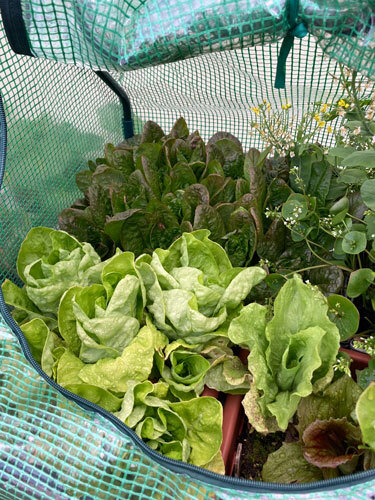
7. Check and enjoy the winter harvest
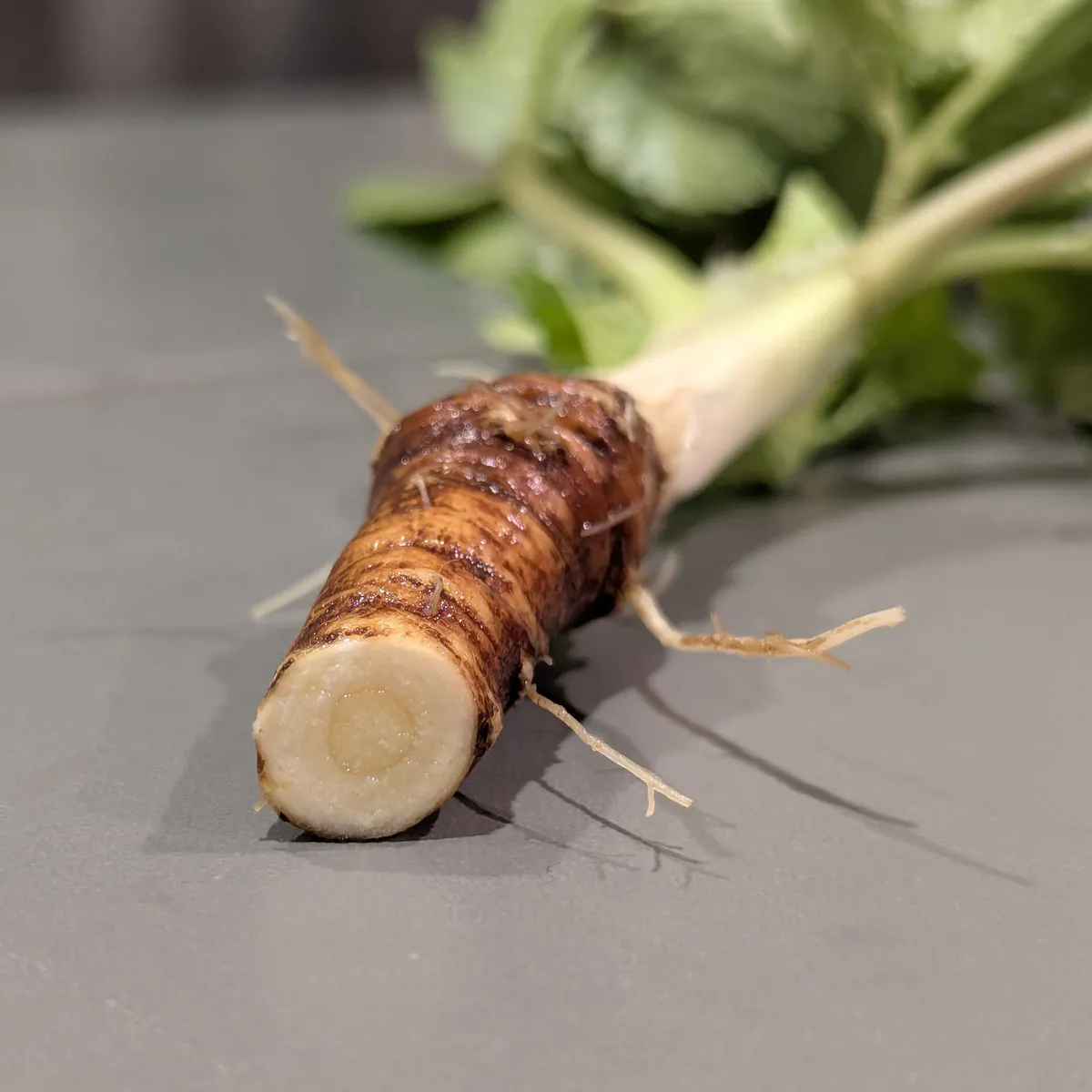
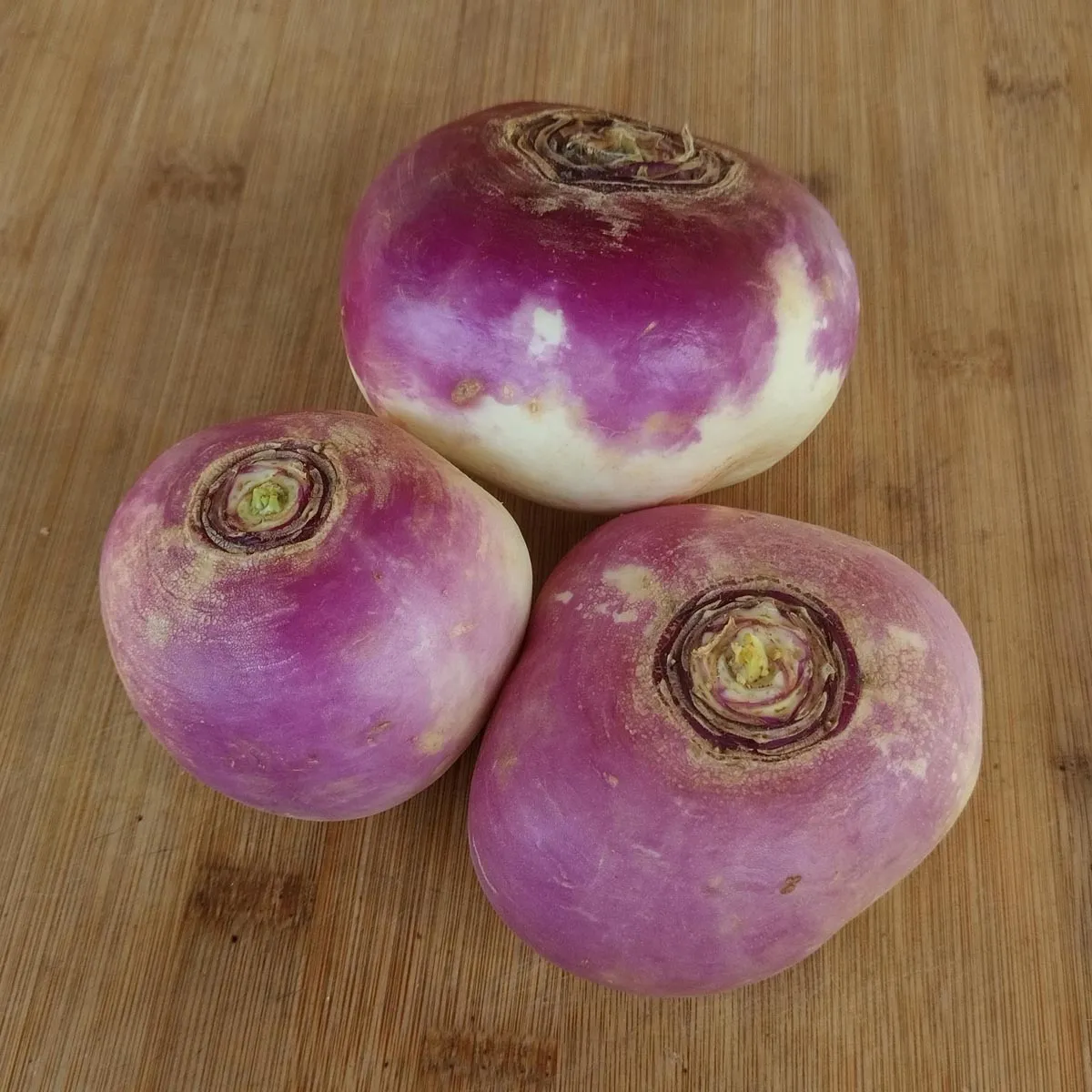
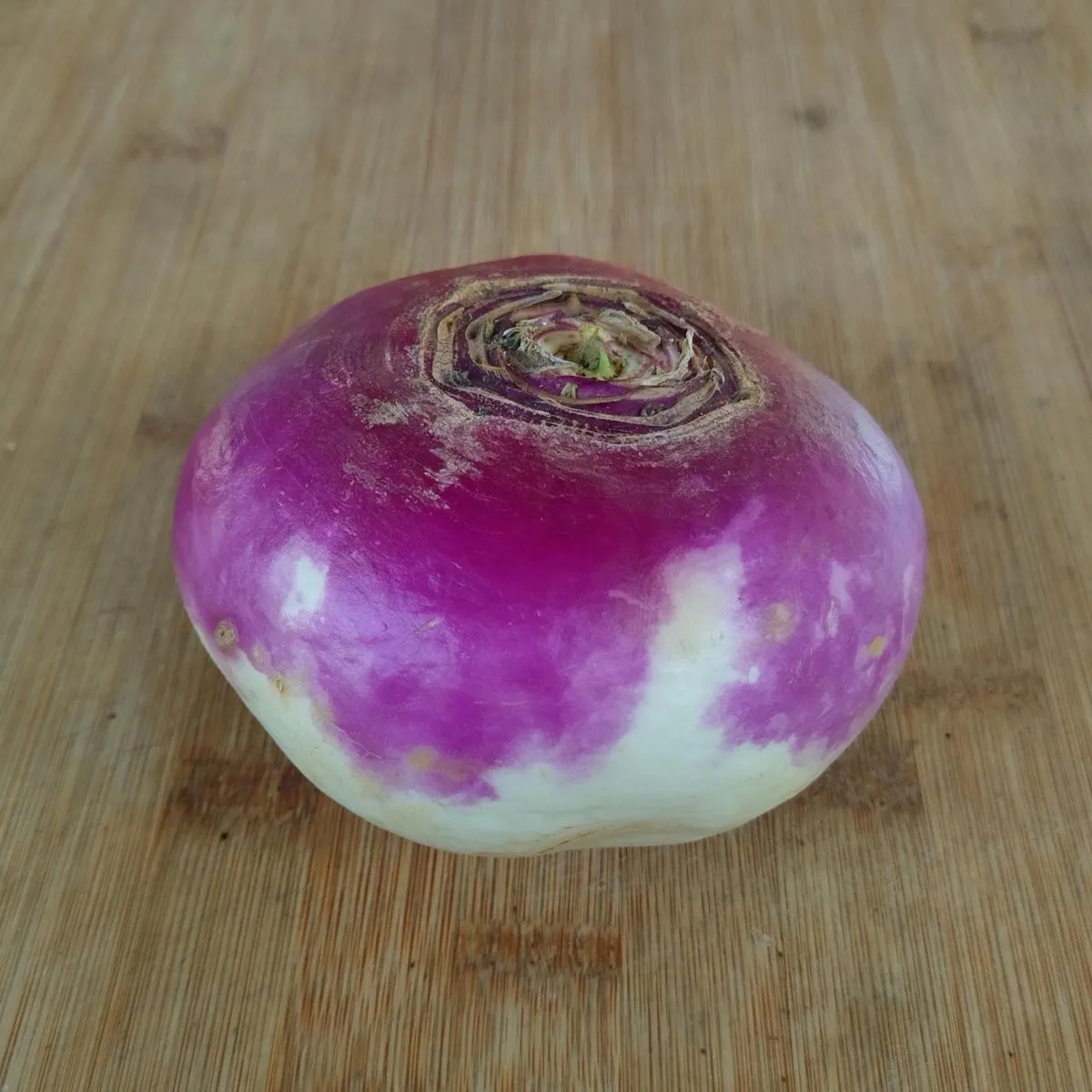
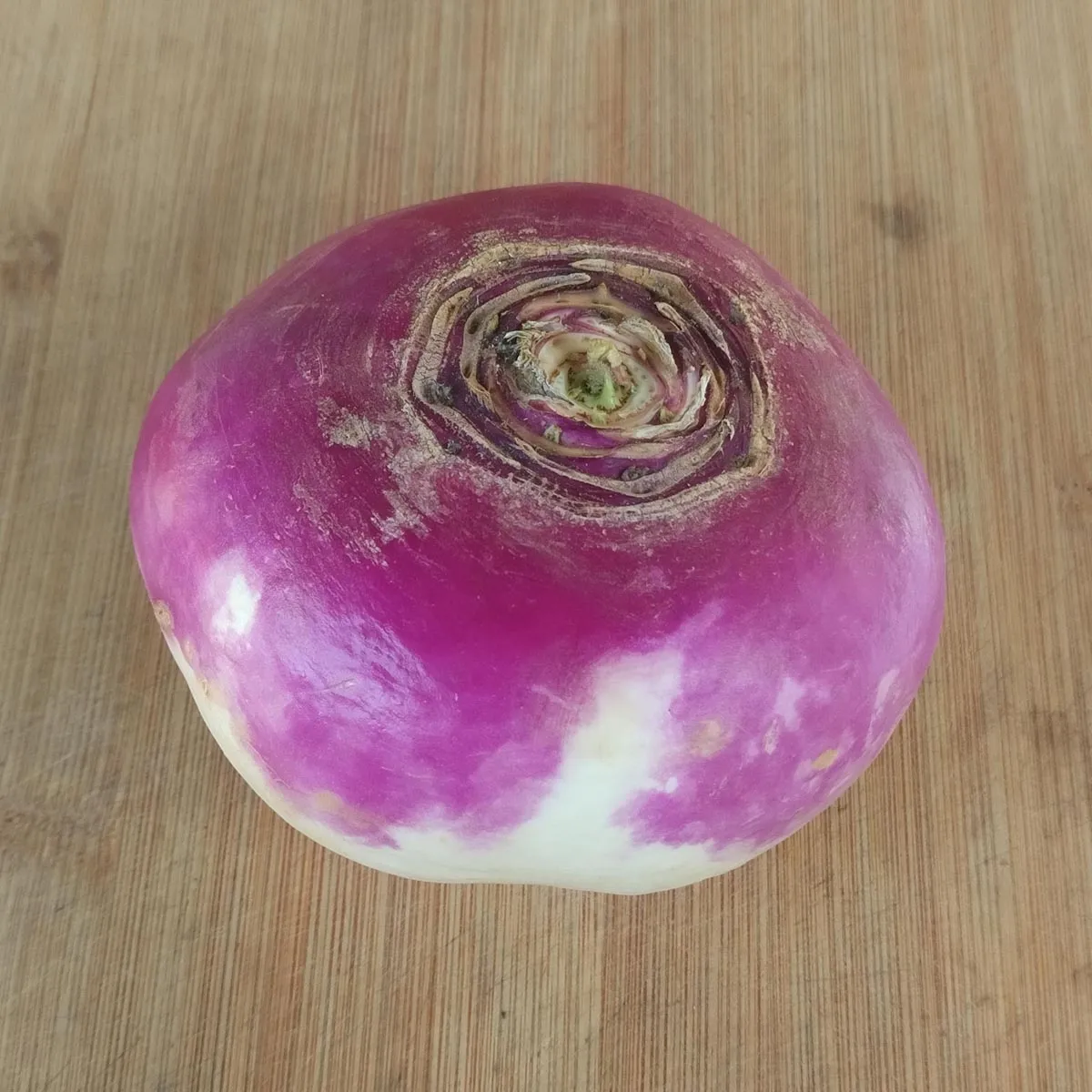
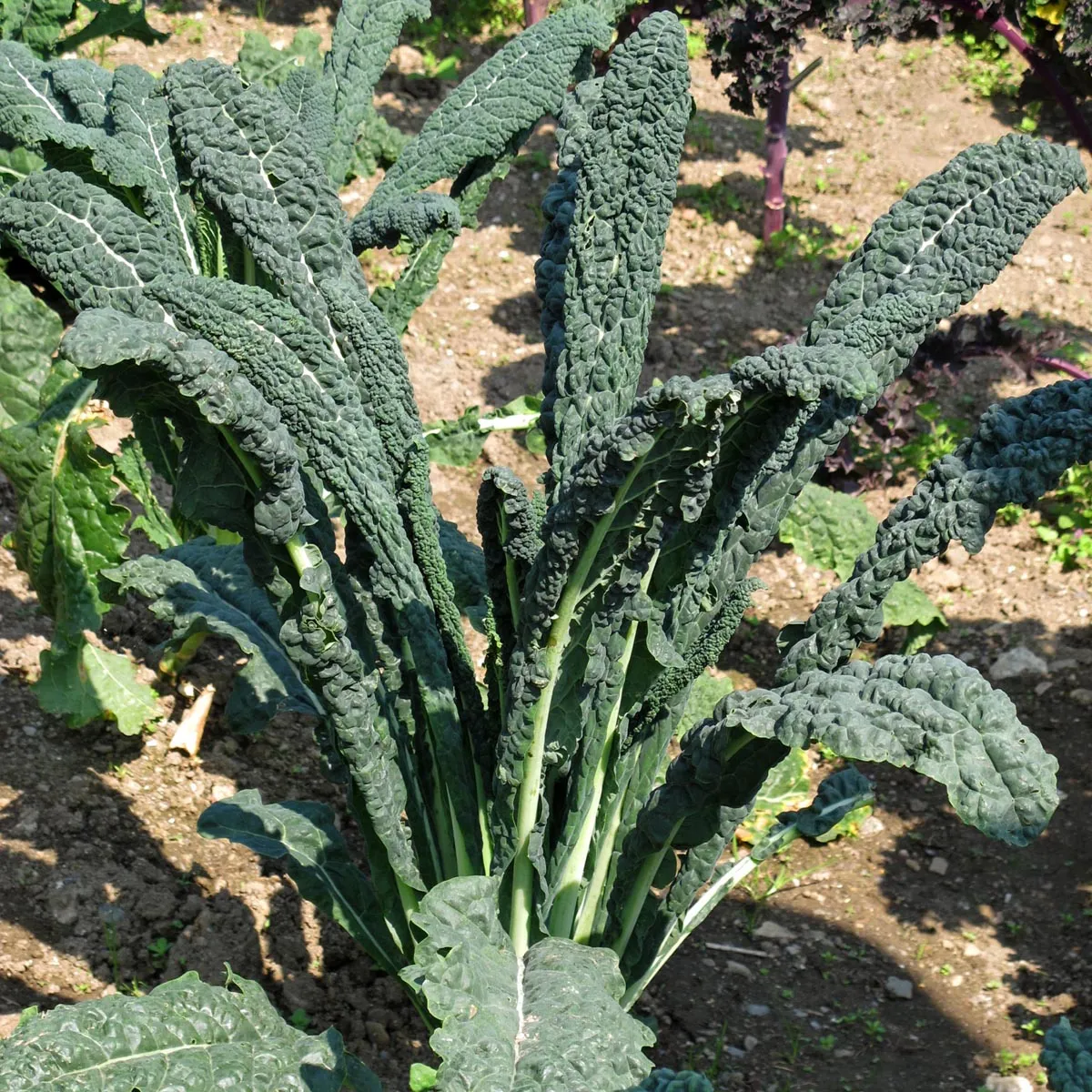
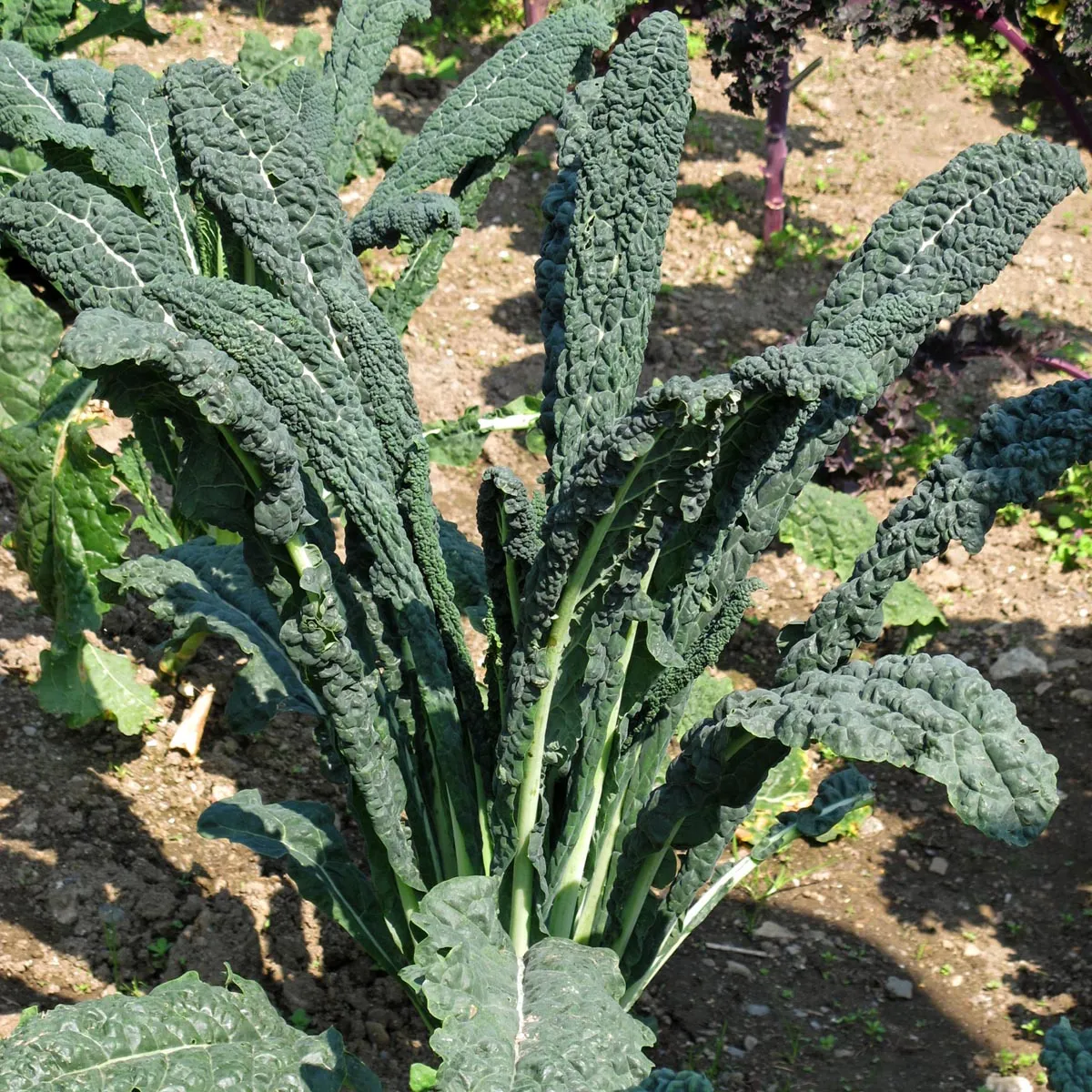
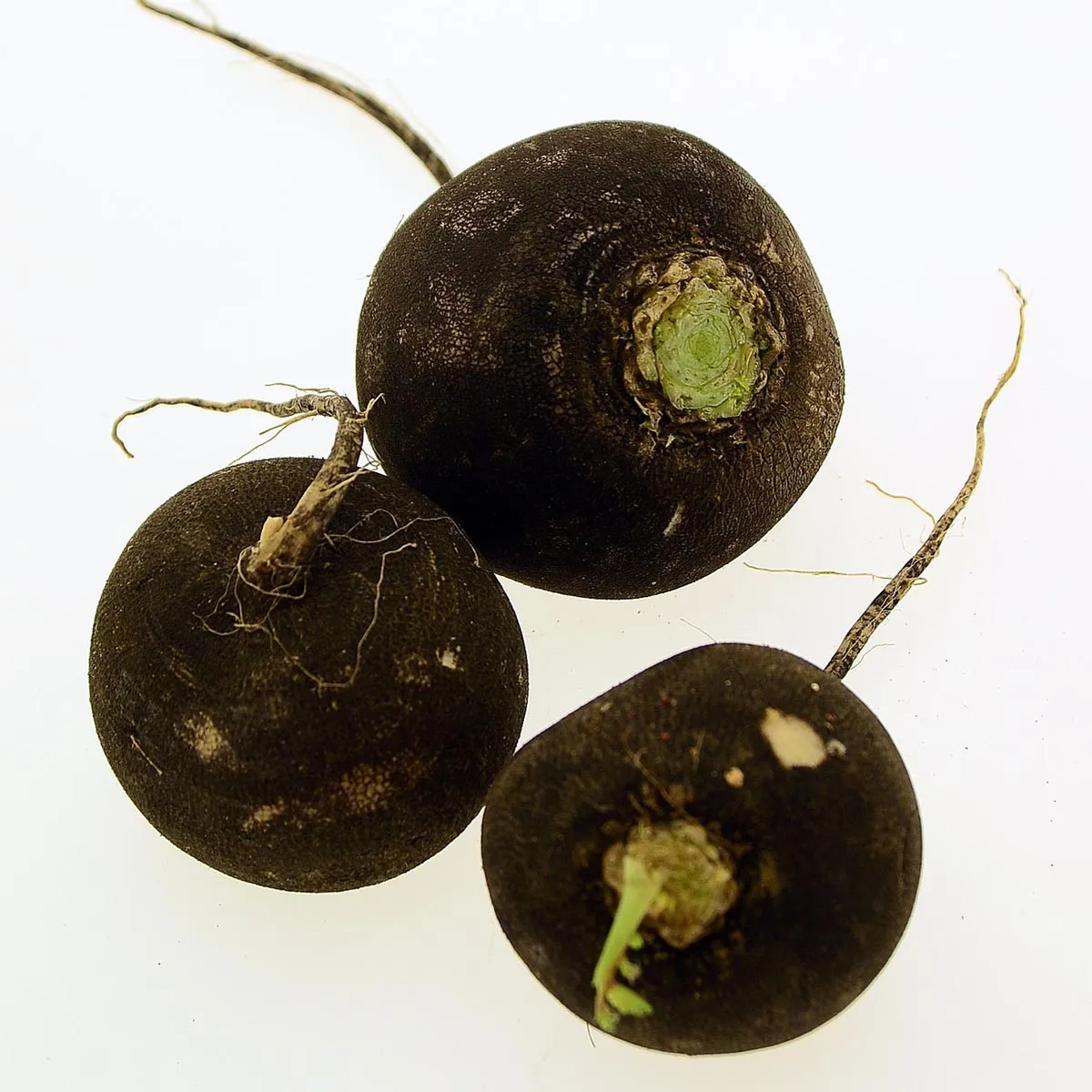
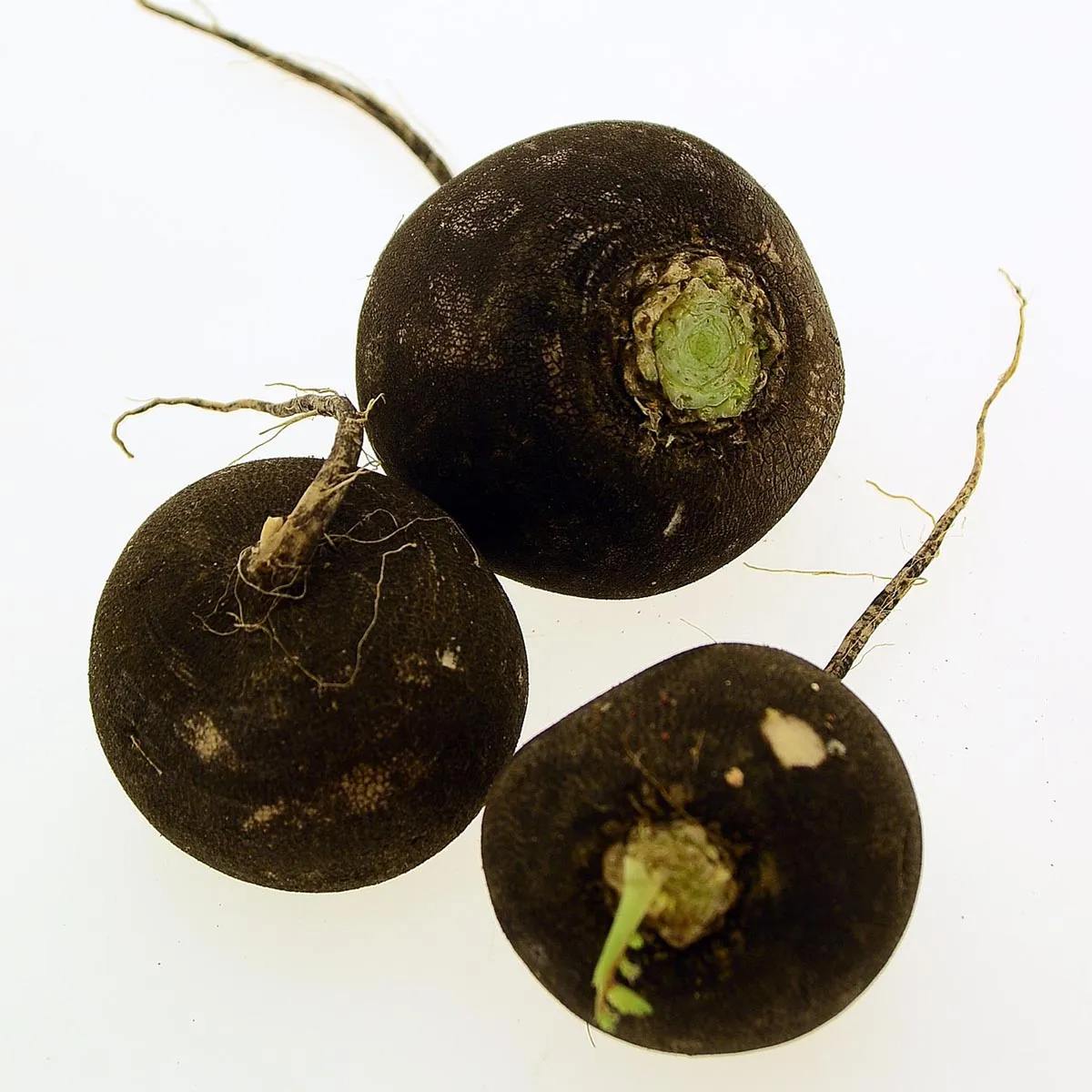
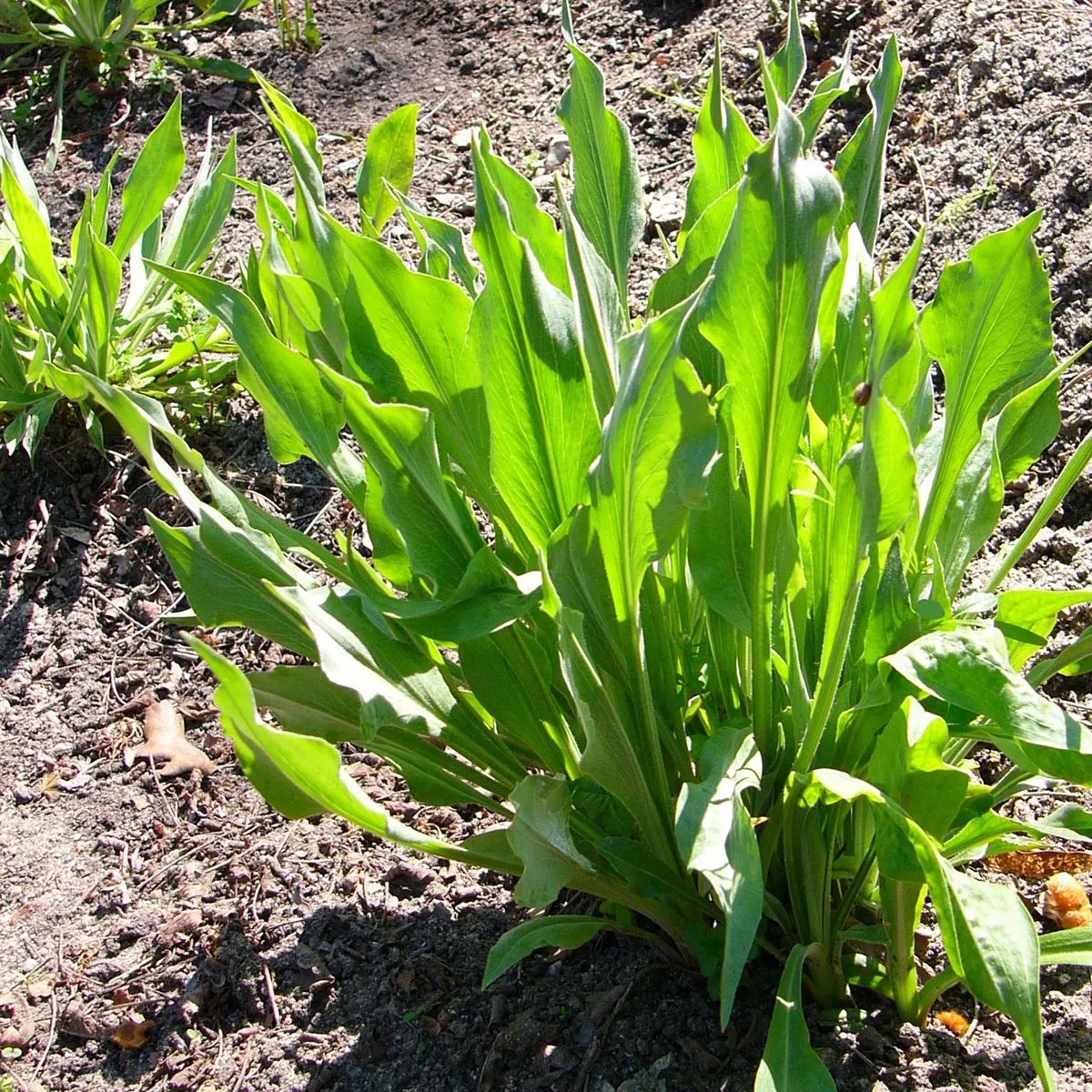
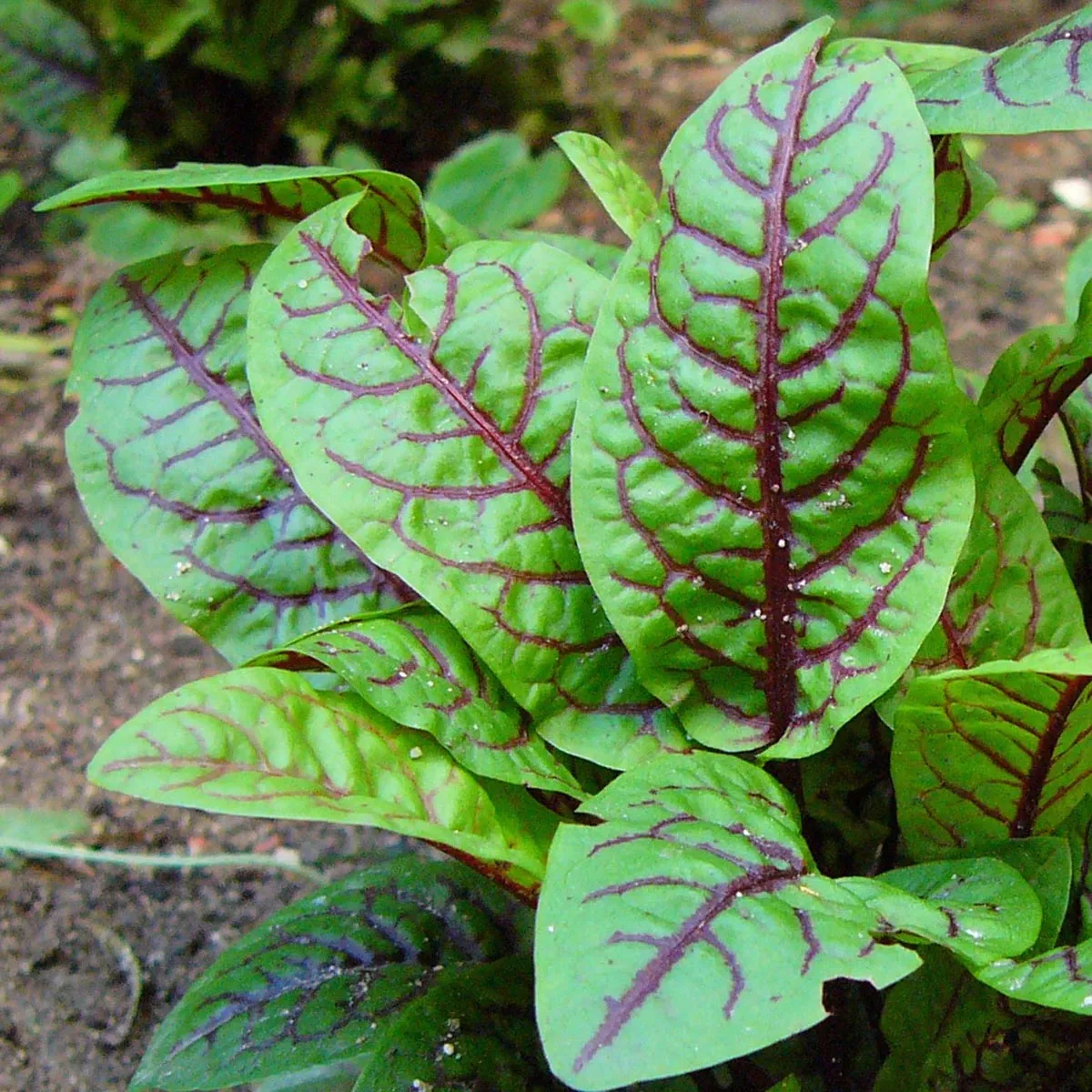
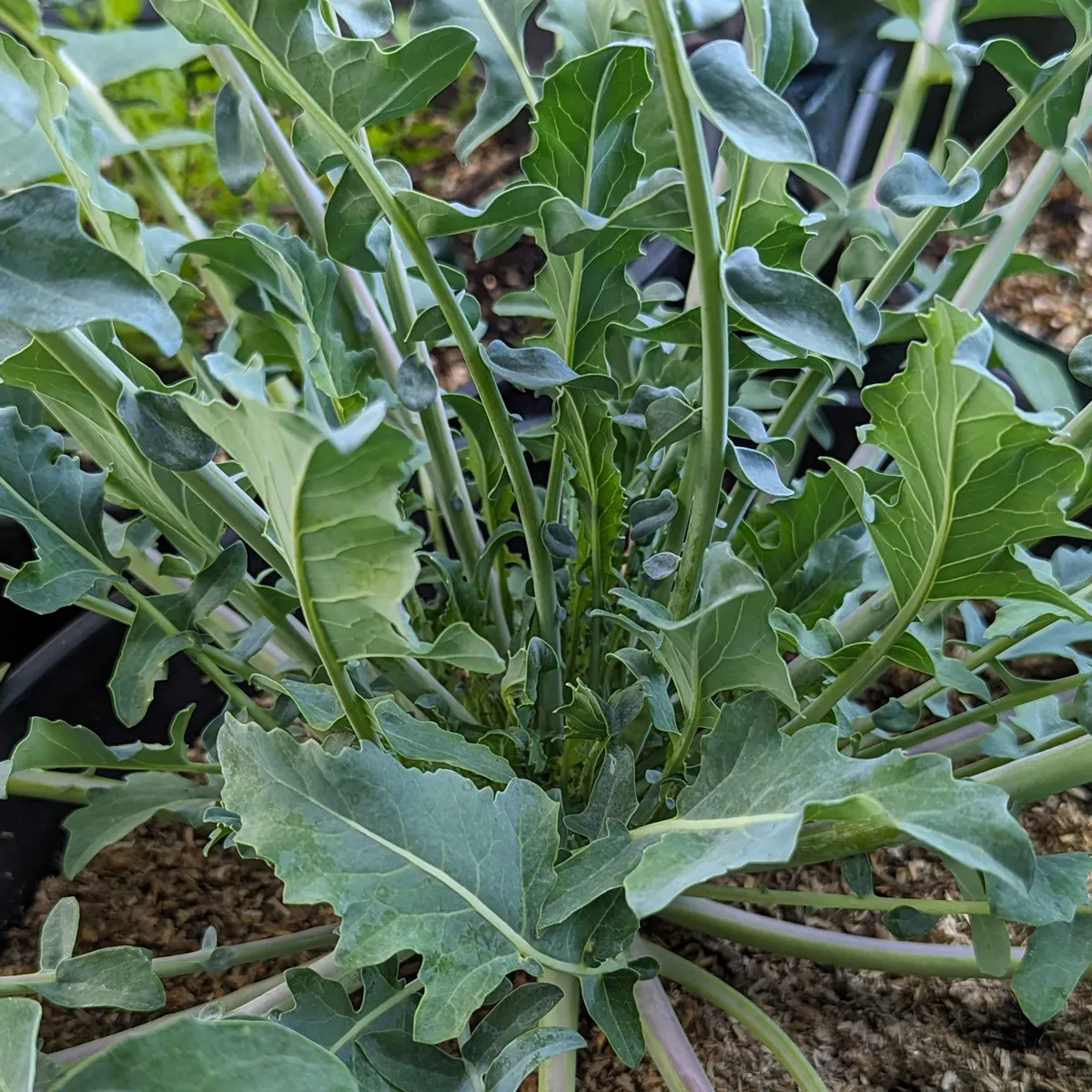
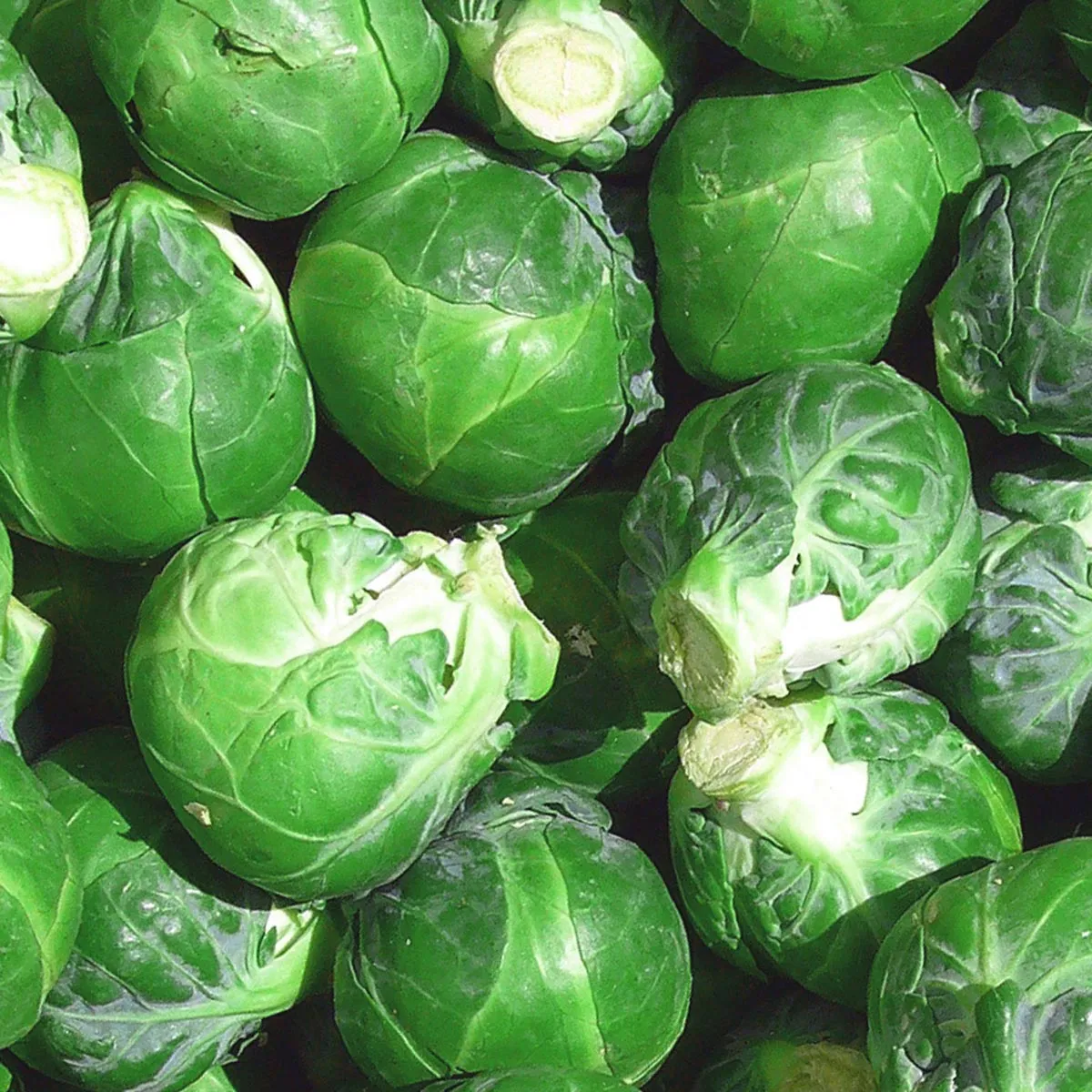
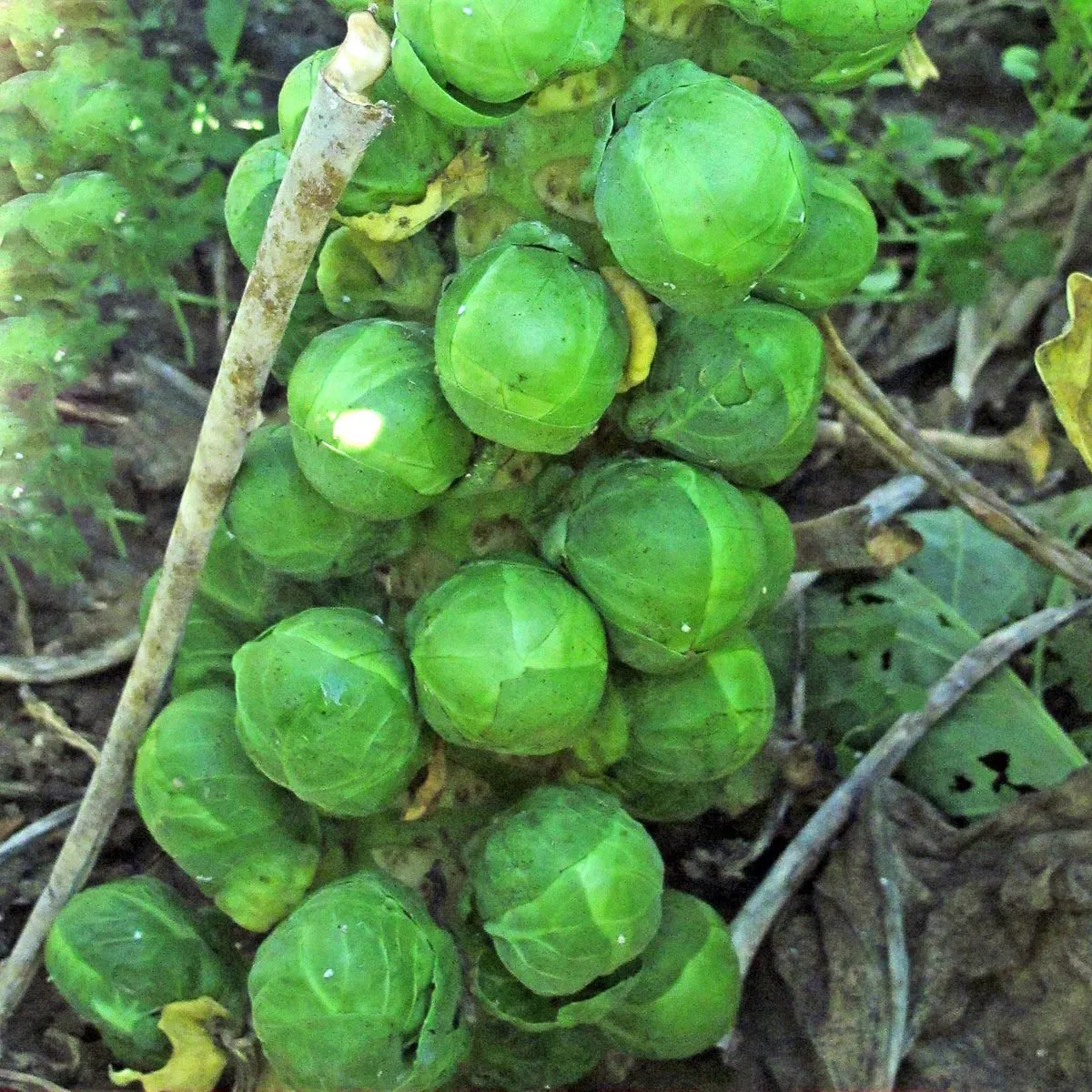
Some vegetables, such as Brussels sprouts, kale, parsnips and black salsify, only become truly tasty through frost. The cold converts starch into sugar. But winter salads such as lamb's lettuce, miner's lettuce or winter purslane can also enrich the table. Harvesting these specialities is the sweet reward for your efforts and the best proof of the outstanding quality of our open-pollinated seeds.
- Check which varieties are ready to harvest and whether they are free of damage.
Task: Harvest only the amounts you need soon. Leave the rest in the soil. Important when harvesting: With winter salads you should never harvest when the leaves are frozen! Always wait until the frost has thawed and the leaves are elastic again. This protects the delicate cell tissue from damage.
The reason: Fresh winter vegetables straight from the bed are not only particularly tasty, they are also an expression of product quality and enable you to be self-sufficient even in the cold season.
Conclusion: why the mindful walk round the garden is so important
The winter walk is not just a duty, but a conscious decision for sustainability. If we regard our seeds as open-pollinated rarities that we want to preserve, then we must also nurture and care for the plants that are already growing.
It is your personal contribution to variety and species diversity, as you bring your plants through the cold season so that they can bloom again next year and form seeds. It is a mindful act that, in the stillness of winter, lays the foundation for your happiness in the coming spring. Be mindful now and your garden will reward you in spring with new vitality!
Have you already taken a walk round your garden today? Which winter vegetables were you able to harvest? Share your most important winter gardening tips and harvest successes in the comments!
If you would like to prepare for the next season now, you will find a large selection of open-pollinated seeds in our shop, from rare vegetable varieties to enchanting flowering plants.